Dog Grooming Clippers: Best Picks and How to Choose for Your Dog's Coat
The right dog clipper depends on the coat: a cool-running motor, the right blade and guard comb, and knowing when a coat should not be shaved at all. How to choose by coat type, clip safely, and our picks for home groomers.

BVMS MRCVS
Medically reviewed by Dr. Pippa Elliott, BVMS MRCVS · Last reviewed

This article contains affiliate links. Webvet may earn a commission when you buy through them, at no extra cost to you.
Dog grooming clippers: what makes a good clipper for your dog's coat and skin
Good dog grooming clippers are matched to the coat: a motor built for dense pet hair, a detachable blade or adjustable blade used with a guard comb, and a blade you check for heat as you work. The Merck Veterinary Manual advises electric clippers made for clipping pets' hair, not scissors, for removing mats.
Knowing when not to clip matters just as much. A double coat is not shaved without a reason from a vet or groomer, because VCA Animal Hospitals describes a rare complication, post-clipping alopecia, that can delay regrowth for up to two years. On the buying side, a corded detachable-blade clipper suits thick or curly coats, a light kit suits short, smooth coats, and a small trimmer handles the face and paws.
- 1Match the clipper to the coat: dense, curly, or long coats need a stronger motor and a detachable blade, while face and paw tidying suits a small trimmer.
- 2Learn the blade numbers: a higher number cuts shorter, so start long with a guard comb and go shorter only if the coat and skin allow it.
- 3Weigh corded versus cordless clippers by the job: a cord gives steady power for long sessions, a battery gives freedom for small or nervous dogs.
- 4Touch the blade often, because a hot blade can burn the skin; stop, cool it, or swap blades.
- 5Do not shave a double coat without a reason, and take sores, redness, or hair that will not regrow to a vet.
These five picks cover the jobs owners most often ask a clipper to do, from a full body clip on a thick coat to a quick tidy around the eyes. Each is judged on the maker's label and stated specification, and on how well that specification fits a given coat.
| Clipper | Power | Cutting head | Best fit | Price |
|---|---|---|---|---|
| Andis UltraEdge AGC Super 2-Speed Dog, Cat & Small Pet Clipper, Blue | Corded, two speeds (3,400 or 4,400 strokes per minute) | Detachable blade, ships with a #10 | Thick, double, and curly coats; frequent home clipping | Listed at $154.99 on Chewy when checked in November 2026 |
| Wahl Bravura2 Cat, Dog & Horse Clipper, Brilliant Rose | Cordless | Adjustable blade | Owners who want cordless freedom for regular trims | Listed at $199.99 on Chewy when checked in November 2026 |
| OneIsAll Cordless Professional Dog Grooming Clippers | Cordless | Precision blades | Mid-price home grooming kit | Listed at $89.99 on Chewy when checked in November 2026 |
| Wahl Essential Clip Dog Clipper Kit, Purple | Not stated in the listing | Self-sharpening high-carbon steel blades | Small to medium dogs with short, smooth coats | Listed at $40.63 on Chewy when checked in November 2026 |
| Wahl Pocket Pro Cordless Dog & Cat Trimmer, Blue | One AA battery | Built-in #40 blade | Face, paws, and sanitary tidying | Listed at $15.99 on Chewy when checked in November 2026 |

A clipper and a trimmer do different work. A full-size clipper moves through body coat for long stretches, while a trimmer is a small tool for detail areas such as the face, feet, and a sanitary trim. Many dogs need both over a year of grooming.
The skin under the coat decides the rest. Purdue University's Center for Canine Welfare notes that careful brushing lets you look at the quality of the hair and skin, and the same habit applies before every clip: comb through first, look for sores or lumps, and clip only skin that looks healthy.
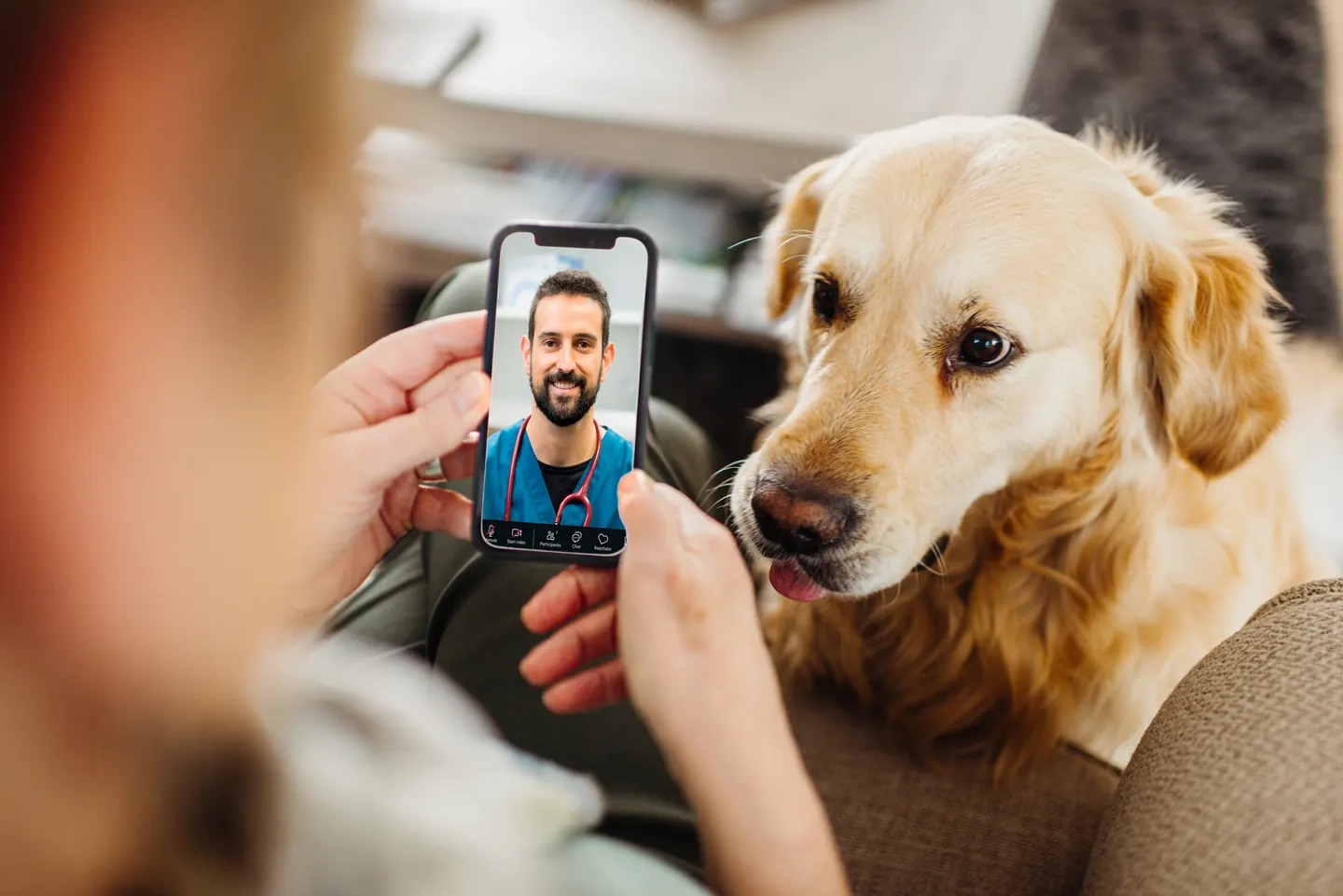
 Sponsored
Want a vet's take on your dog's skin or coat?
Talk to a licensed vet at Dutch over video, often the same day. They can recommend treatment and prescribe it when it's appropriate.
Use code Pets60
Plans start at $12/month · covers up to 5 pets
- Licensed vets in most states
- Rx for 150+ conditions
- 4.7 on Trustpilot
Our picks: the best dog grooming clippers
These pet clippers span a corded workhorse, two cordless options, a budget kit, and a pocket trimmer. Four of the five come from Wahl and Andis. Whatever the label promises, the right clipper is the one whose blade, power, and size suit your dog's coat.
Andis UltraEdge AGC Super 2-Speed Dog, Cat & Small Pet Clipper: best overall
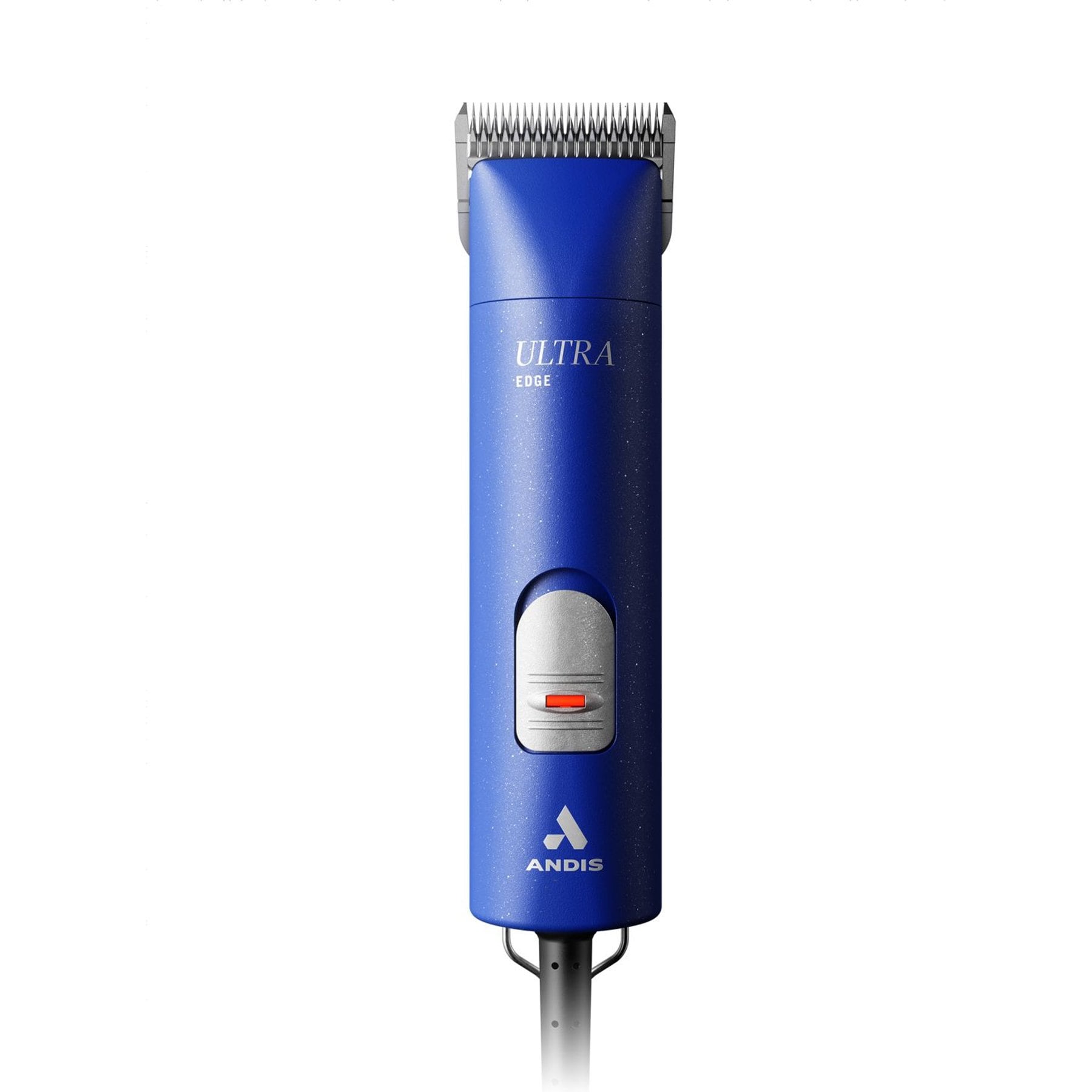
A corded two-speed detachable-blade clipper for thick, double, or curly coats and regular home clipping.
Webvet may earn a commission when you click through to Chewy, at no extra cost to you.
The Andis UltraEdge AGC Super 2-Speed Dog, Cat & Small Pet Clipper, Blue is a corded clipper with a rotary motor. Andis lists two speeds, 3,400 or 4,400 strokes per minute, a 14-foot cord, and a weight of 17.6 oz. It ships with a #10 blade, blade oil, and an extra blade drive.
The appeal is the detachable blade system. Andis lists the AGC2 as compatible with its UltraEdge, CeramicEdge, and ShowEdge blades and with A-5 style blades, so one body can run several cut lengths, and a second blade can go on while the first cools. The Andis housing has no vents, which the maker says keeps hair from clogging it.
- Suits: owners clipping a poodle, doodle, or heavy coat every few weeks who want steady corded power and a blade they can swap.
- Skip it if: you only tidy the face and feet, or your dog panics at the sight of a cord; a small cordless trimmer is a gentler start.
- Price: listed at $154.99 on Chewy when checked in November 2026.
Wahl Bravura2 Cat, Dog & Horse Clipper: best cordless clipper
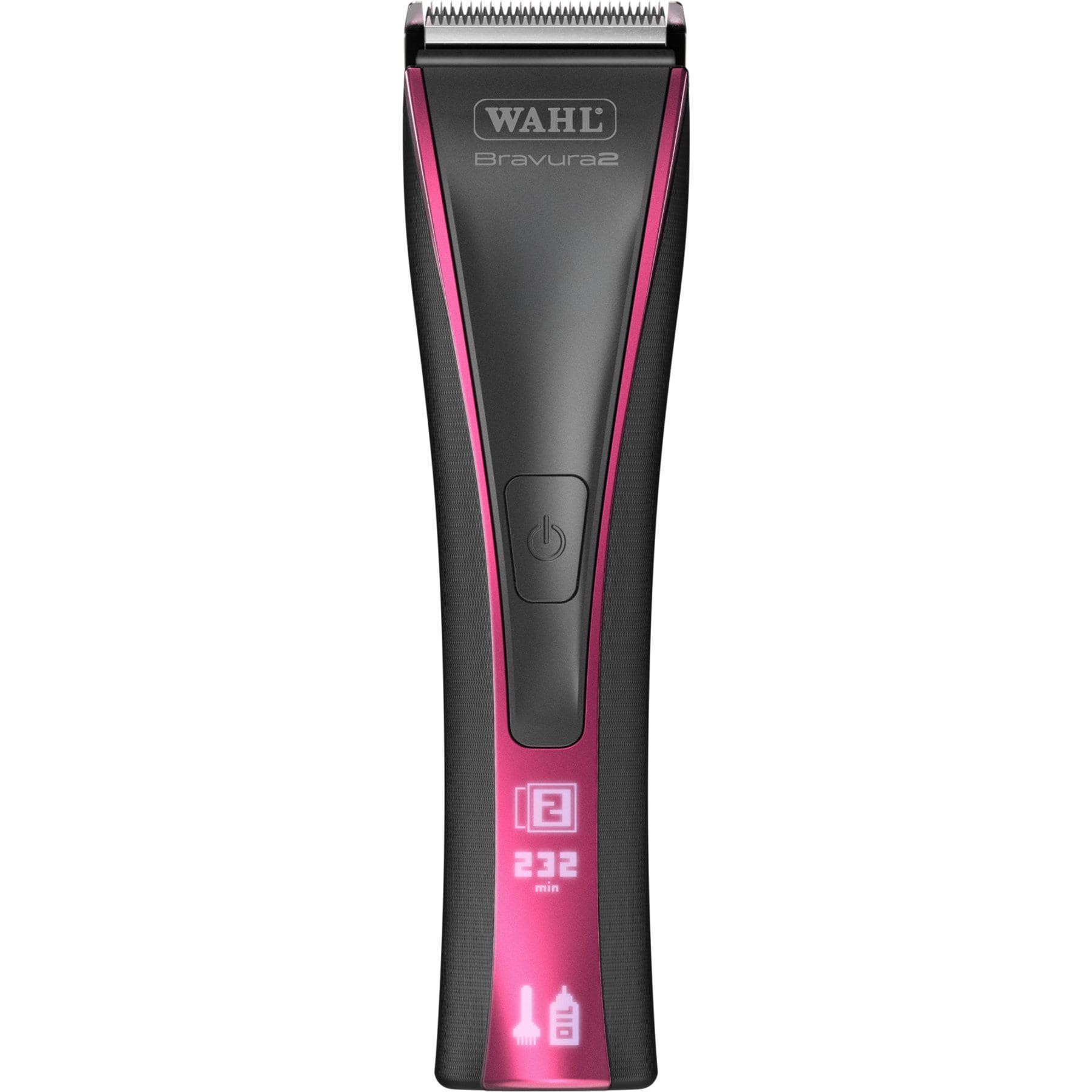
A cordless adjustable-blade clipper for owners who want to move freely around the dog during regular trims.
Webvet may earn a commission when you click through to Chewy, at no extra cost to you.
The Wahl Bravura2 Cat, Dog & Horse Clipper, Brilliant Rose is a cordless clipper with an adjustable blade, aimed at owners who groom often. Wahl describes it in terms of speed, balance, ergonomics, and quiet operation for all-day grooming; those are the maker's descriptions rather than measured figures.
An adjustable blade changes cut length with a lever instead of a blade swap. That is convenient on a dog that will not sit through a blade change, but it means one blade carries all the heat, so check it more often on a long session.
- Suits: medium coats and repeat trims where moving around the dog without a cord helps, including dogs that startle when a cord brushes them.
- Skip it if: you clip a giant double-coated or heavily matted dog in one long session; a corded detachable-blade body with spare blades handles that better.
- Price: listed at $199.99 on Chewy when checked in November 2026.
OneIsAll Cordless Professional Dog Grooming Clippers: best mid-price kit for home grooming
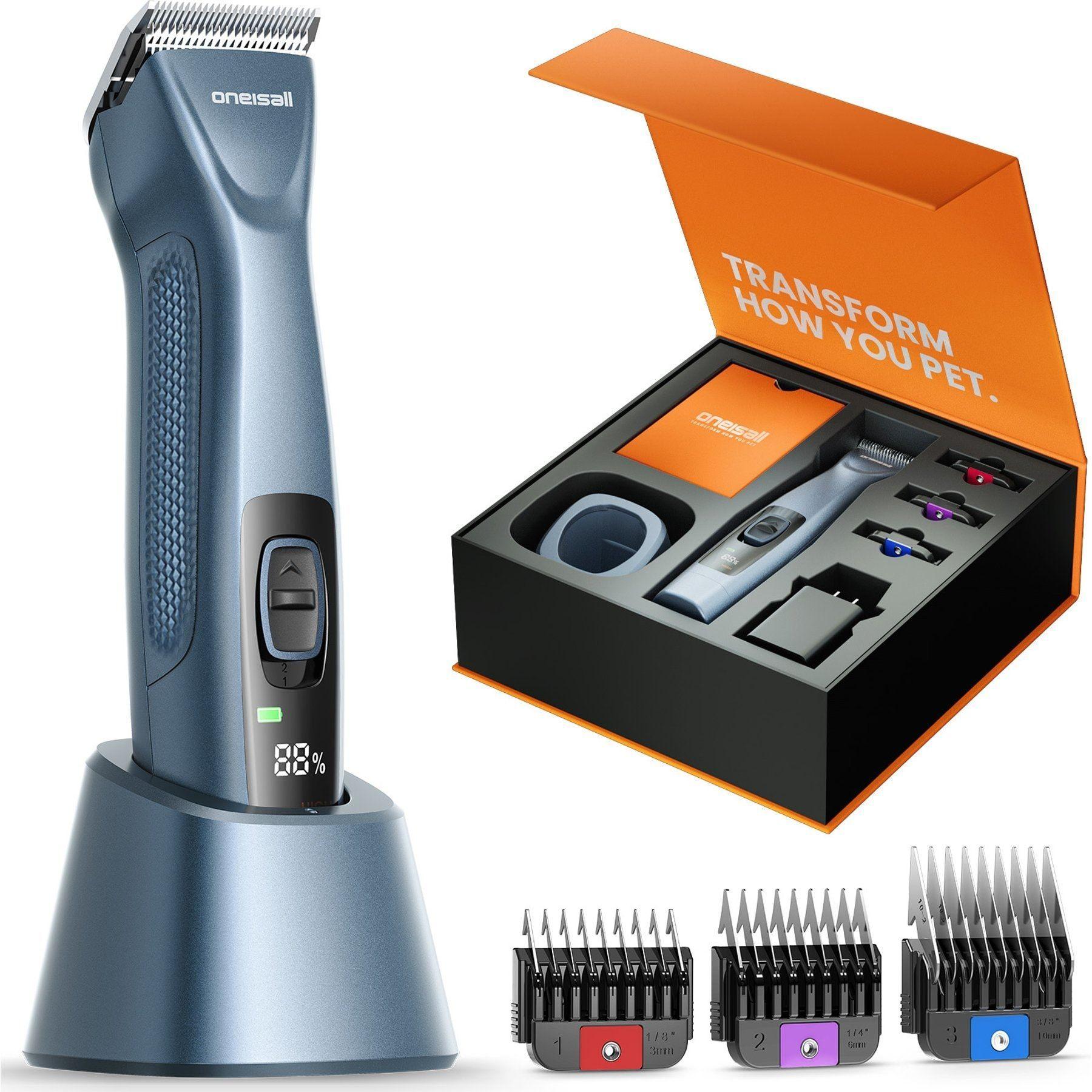
A mid-price cordless clipper kit for owners starting regular home trims on a cooperative dog.
Webvet may earn a commission when you click through to Chewy, at no extra cost to you.
The OneIsAll Cordless Professional Dog Grooming Clippers are a cordless kit sold for home groomers. The maker's description stresses the freedom of a cordless design and a powerful motor.
It sits between the budget Wahl kit and the higher-priced Bravura2. For many owners that is the sensible middle: enough to keep a short or medium coat tidy between salon visits without buying salon-grade equipment.
- Suits: short to medium coats, maintenance trims, and owners learning to clip at home.
- Skip it if: the coat is dense, double, or matted to the skin; that is work for a groomer or a vet.
- Price: listed at $89.99 on Chewy when checked in November 2026.
Wahl Essential Clip Dog Clipper Kit: best budget clipper kit
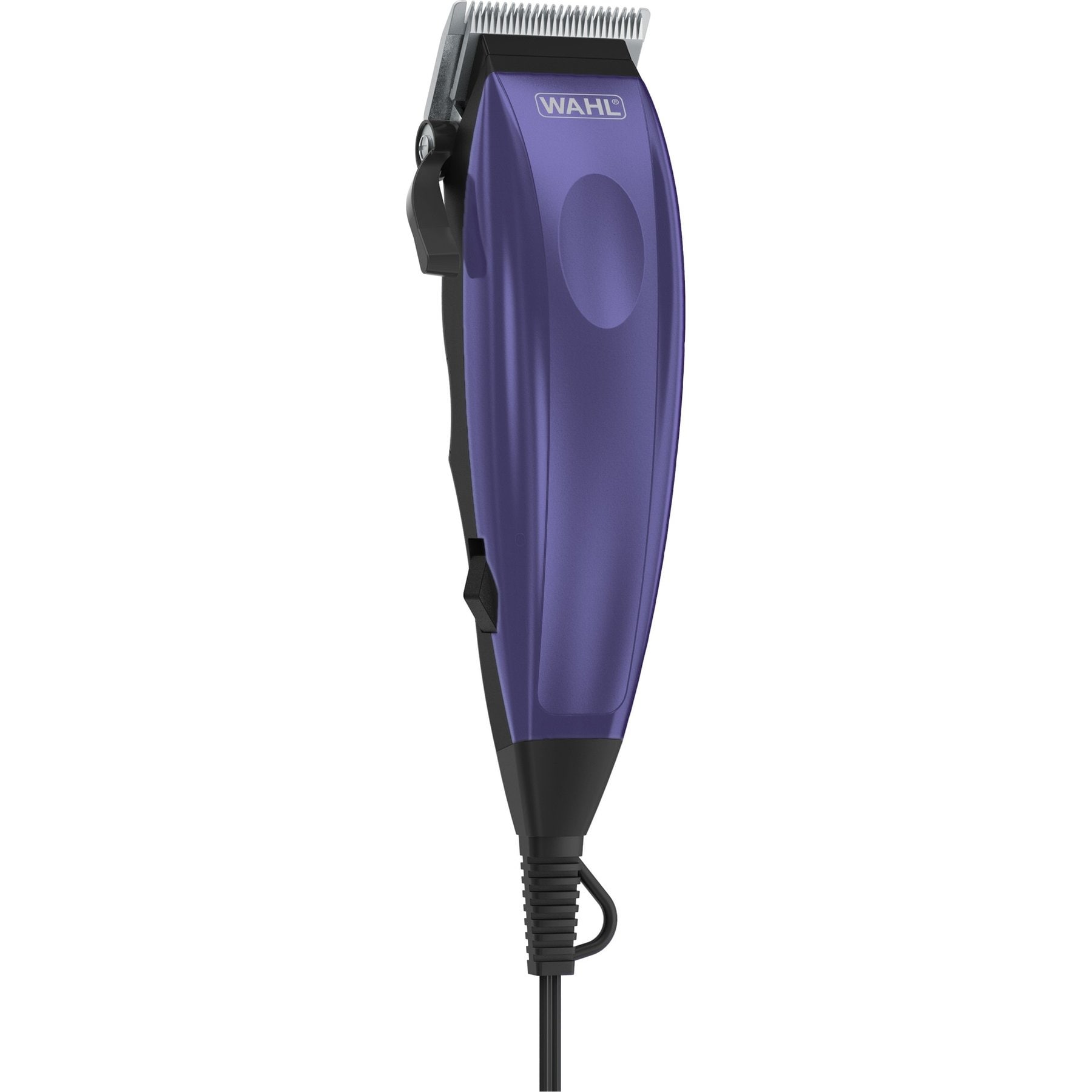
A budget kit with self-sharpening blades for touch-ups on small to medium dogs with short, smooth coats.
Webvet may earn a commission when you click through to Chewy, at no extra cost to you.
The Wahl Essential Clip Dog Clipper Kit, Purple is a budget kit that Wahl pitches for small to medium dogs with short, smooth coats and at-home touch-ups between grooming visits. The maker states that its high-carbon steel blades are self-sharpening.
Its limits are written into its own label. A kit built for short, smooth coats is not the tool for a full doodle clip or a thick double coat, so buy it for what it says it does.
- Suits: short-coated small and medium dogs, occasional trims, and first-time clippers on a budget.
- Skip it if: you groom a curly, long, or thick coat regularly.
- Price: listed at $40.63 on Chewy when checked in November 2026.
Wahl Pocket Pro Cordless Dog & Cat Trimmer: best trimmer for face and paws
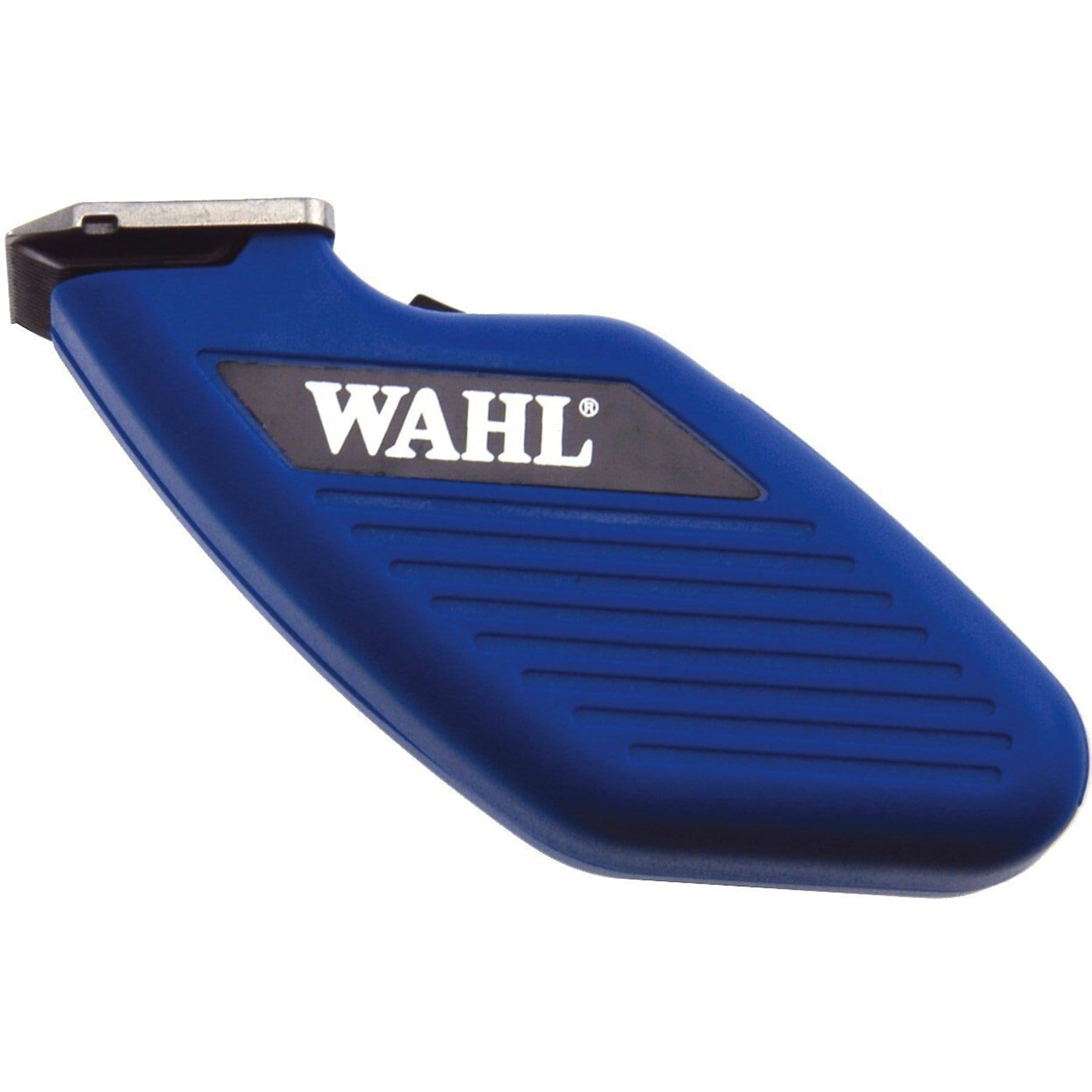
A pocket-size trimmer for tidying the face, paws, and sanitary area between full grooms.
Webvet may earn a commission when you click through to Chewy, at no extra cost to you.
The Wahl Pocket Pro Cordless Dog & Cat Trimmer, Blue is a compact trimmer with a #40 blade that runs on one AA battery, per the maker's description. A #40 is one of the closest cuts in common use, which makes it a detail tool rather than a body clipper.
Its job is small areas: hair between paw pads, around the eyes, and a sanitary trim. Keep it off mats that sit tight against the skin, where a close blade can nick or abrade.
- Suits: tidying between grooms on almost any coat, and dogs that tolerate a small, light tool better than a full clipper.
- Skip it if: you need to clip the body.
- Price: listed at $15.99 on Chewy when checked in November 2026.
 Sponsored
Vet care that's always there
Unlimited video calls and messaging with licensed vets for less than a typical vet visit. One membership covers up to five pets.
Use code Pets60
Plans start at $12/month · covers up to 5 pets
- Licensed vets in most states
- Rx for 150+ conditions
- 4.7 on Trustpilot
How to choose dog clippers by coat type: blades, guard combs, and double coats
| Coat type | Clipper class | Starting blade or guard comb | Clip or not | Blade heat check |
|---|---|---|---|---|
| Smooth or short | Light corded kit or trimmer | Longest guard comb in the kit | Rarely needed; brushing usually does the job | Touch the blade every few minutes on long passes |
| Double coat | Corded detachable-blade clipper, used only for tidying | Long guard comb on feet and sanitary areas only | Do not shave without a reason from a vet or groomer | Check often; dense undercoat builds friction fast |
| Curly or doodle | Corded or strong cordless detachable-blade clipper | Long guard comb over a #10 blade, shorter only on clean coat | Clip on a schedule; the coat keeps growing | Swap to a cool second blade on long sessions |
| Long silky | Cordless clipper or trimmer for trims | Long guard comb; detail work with a trimmer | Trim to keep it manageable; full clips are optional | Check the blade on fine coat often |
| Wire | Clipper for a pet trim, or hand-stripping by a groomer | Guard comb for a pet strip | Clipping changes color and texture over time | Check the blade as with any body clip |
| Matted | Groomer or vet, not a home clipper | Not a home job close to the skin | Severe mats go to a groomer or vet, sometimes with sedation | Blades heat quickly under mats; leave it to a professional |
Start with the coat, not the motor. Purdue University's Center for Canine Welfare groups dog coats into types such as double (a short undercoat with a longer top coat), wire (stiff, coarse, low shedding), and curly, and each one asks something different of the clipper and the owner.
Blade numbers tell you how short a detachable blade cuts. Higher numbers cut shorter: Wahl lists its 5-in-1 blade settings in order from #9 (3 mm) through #10, #15, and #30 to #40, which it calls surgical. Andis states its size 10 UltraEdge blade leaves hair 1.5 mm.
A guard comb clips onto the blade and holds it off the skin, so the trim length is set by the comb rather than the blade. For a home groomer, clipping over a long guard comb is the safest approach, because it leaves more coat and keeps the blade away from the skin.

Shaving double coats: why it is a last resort
The American Kennel Club describes a double coat as a harsh topcoat of long, coarse guard hairs over a soft, dense undercoat, and notes that shaving removes both layers. Examples it lists include the Labrador Retriever, Border Collie, Australian Shepherd, Bernese Mountain Dog, Pomeranian, Samoyed, and Alaskan Malamute.
The health reason to hold back is regrowth. VCA Animal Hospitals notes that post-clipping alopecia, though rare, can delay hair regrowth for up to two years. Brushing out loose undercoat with a slicker brush for dogs does more for comfort than a shave.
If a coat is cut short for summer, VCA advises leaving at least 1 inch (2.5 cm) of coat to avoid sunburn or sun damage. Pale or thin-coated dogs are most exposed, and whether dogs can get sunburn is worth reading before any summer clip.
Curly, doodle, poodle, and long silky coats
Curly and continuously growing coats are the main reason owners buy clippers. VCA notes that some breeds, including Yorkshire terriers, Lhasa Apsos, and shih tzus, have hair that grows continuously and does not shed, and that long, silky, or curly coats need daily brushing to stay free of tangles.
For poodles, goldendoodles, and other doodles, a corded or strong cordless clipper with a detachable blade handles a thick curly coat best. Many of these dogs appear on lists of hypoallergenic dog breeds, and the low-shedding coat is the reason they need regular clipping.
- Poodles and doodles: start with a long guard comb over a #10 blade, and clip only a coat that has been brushed and combed to the skin.
- Yorkies and shih tzus: a small, light clipper with guard combs suits their size; a trimmer handles the face and feet.
- Long-haired dogs kept in a full coat: trim the feet, sanitary area, and around the eyes, and skip the body clip unless matting forces it.
- Thick coats: choose power and a cool second blade over extra features.
A guard comb set adds trim lengths beyond what a kit includes. The Andis Premium Clip Dog & Cat Comb Set contains seven color-coded combs in various lengths, which the maker pitches for thin and medium coats. Check that any comb set fits your clipper's blade before you buy it.
Wire coats
The AKC's guide to hand-stripping dog coats explains that clipping a wire coat instead of stripping it can affect its color, sheen, and texture. For most pet terriers, the AKC describes a pet strip: a clipper trim with carding to remove the soft, downy undercoat.
A budget kit is the wrong tool here. The Wahl Essential Clip Dog Clipper Kit, Purple is made for short, smooth coats, so a wire coat needs a clipper chosen for that coat, or a groomer who hand-strips.
Is Andis or wahl better for dog grooming?
Neither brand is better across the board; the better choice is the model whose blade system and power suit your dog's coat. For example, Andis publishes 3,400 or 4,400 strokes per minute and a detachable blade for its AGC2, while Wahl's range includes both cordless clippers and small trimmers. Compare specifications, not logos.
Both makers sell detachable-blade bodies, adjustable-blade clippers, and trimmers. Wahl's professional animal line has included cordless bodies such as the Arco and the KM Cordless alongside its pet clippers, and Andis sells its AGC body with interchangeable UltraEdge blades. The cheapest good outcome is a clipper you will maintain and a dog that tolerates it.
Corded or cordless, quiet or powerful: the clipper features that matter
Whether to go corded or cordless is the first feature decision. A corded clipper runs at constant power for as long as the session lasts, which suits a full body clip on a thick coat. A cordless clipper is limited by its battery but lets you move around the dog without a cord catching a paw.
Battery life varies widely between models. A Wahl Professional Animal comparison chart lists run times from 75 minutes to 2 hours across cordless models such as the Arco and KM Cordless, with some able to run cord or cordless. Check the stated run time against how long your dog's full clip actually takes.

What each feature does
- Motor speed: a two-speed clipper such as the Andis UltraEdge AGC Super 2-Speed Dog, Cat & Small Pet Clipper, Blue lets you drop to the lower speed for nervous dogs or fine coat and step up for thick coats.
- Detachable blade: swap a hot blade for a cool one and change cut length without guessing.
- Adjustable blade: changes length with a lever, convenient for quick changes but heats as one blade.
- Weight and balance: a heavier body tires the hand on long sessions; the Andis AGC2 is listed at 17.6 oz.
- Battery indicator and run time: matter most on a cordless clipper used for a full clip.
Quiet clippers and nervous dogs
Makers' "quiet" or "silent" labels are rarely backed by a stated decibel figure, so there is no reliable way to rank clippers by sound. For a sound-sensitive dog, the most reliable approach is gradual desensitization paired with treats, using the quietest, lightest tool that does the job.
A small trimmer is often the gentlest start for a dog that dislikes the noise and vibration of a full-size clipper. Cordless options such as the Wahl Bravura2 Cat, Dog & Horse Clipper, Brilliant Rose or the OneIsAll Cordless Professional Dog Grooming Clippers also remove the cord as one more thing the dog has to tolerate.
Dog clippers with a vacuum
Clippers with a vacuum attachment pull cut hair into a container as you clip. Evidence on how they affect skin or coat is thin, and the main gain is a cleaner room. The vacuum adds noise and airflow, so a nervous dog may need extra time to accept it.
Professional, home, and human clippers: what is different
Professional dog grooming clippers are built for hours of daily use. Clippers built for that workload usually take detachable blades in numbered sizes, so one body can run many cut lengths and a hot blade can be swapped for a cool one. Home clippers trade some of that durability for price and simplicity.
At home, the right clipper depends on how often you clip and what coat you clip. An owner clipping a doodle every month gets real value from a sturdy detachable-blade body; an owner trimming a short-coated dog twice a year does not.
Are dog clippers different from regular clippers?
Yes. Dog clippers are built to cut dense pet hair, and the Merck Veterinary Manual specifically advises electric clippers made for clipping pets' hair. A clipper made for people is not built to cut through a dense coat with an undercoat.
Nail clippers are a separate tool entirely. For nails, see the best dog nail clippers rather than trying to adapt a hair clipper.
What do professional dog groomers use for clippers?
Professional groomers typically use corded or high-capacity cordless clippers that take detachable blades, plus trimmers for detail work. A body like the Andis AGC2 shows the pattern: Andis lists compatibility with several detachable blade lines, so a groomer can keep blades of many lengths ready and rotate them as they warm.
Groomers also carry a set of guard combs, cooling spray, and blade oil. The result is not a single best clipper but a system of body, blades, and combs that can handle any coat that comes through the door.
What dog clippers do groomers recommend?
Groomers generally recommend a clipper sized to the job: a detachable-blade body for regular full clips and a small trimmer for faces and feet. There is no single right clipper for every dog; the one to buy fits your dog's coat and how often you clip.
For a home groomer who wants a professional-style setup, a corded detachable-blade clipper plus a trimmer such as the Wahl Pocket Pro Cordless Dog & Cat Trimmer, Blue covers most coats. Ask your groomer which blade and comb lengths they use on your dog, and match them at home.
Some services that come with a professional groom are not clipper work at all. Gland expression is one; groomers sometimes do it, but whether a dog needs it, which dogs are prone to problems, and the signs to watch for are covered in our guide to dog anal glands.
How to use dog clippers safely: blade heat, clipper burn, and anxious dogs
The full clipping method lives in our guide to using dog clippers, which walks through preparing the dog, choosing a guard, and clipping with the coat. Whatever clipper you buy, the same safety checks apply.
Clipper burn comes from heat and friction. The USDA APHIS Animal Care guidance on coat care states that clippers get hot with use and may burn the skin, and suggests a clipper cooling product or alternating between two pairs of clippers.
- Touch the blade to the back of your hand often; if it feels hot, stop.
- Keep a second blade ready on a detachable-blade clipper and swap when the first warms.
- Avoid repeated passes over the same patch of skin.
- Never press harder when the clipper slows; clean and oil it instead.

Clipper care: oil, cleaning, and sharpening
When a clipper stops cutting, the cause is usually maintenance: packed hair, a dry blade, or a dull edge. Brush hair out of the blade during and after each session and oil it as the manual directs. The Andis AGC2 ships with blade oil for exactly this reason.
A coolant spray is a different job from oil. The Oster Kool Lube for Pet Clippers, 14-fl oz can is described by the maker as a 3-in-1 treatment that cools, lubricates, and cleans blades, and is non-flammable and non-conductive so it can be sprayed while the clipper runs. It does not replace a sharp edge.
For sharpening, follow the maker's advice: detachable blades are usually sent to a sharpening service or replaced. A dull blade pulls at the coat and needs more passes, which adds heat.
Matted hair
A more powerful clipper does not make a matted coat a home job. VCA Animal Hospitals advises using only clippers to remove mats, never scissors, and strongly recommends professional care from a groomer or veterinarian when tangles are severe. USDA APHIS notes mats often form under the collar, behind the ears, and in the armpits.
Our guide to matted dog hair covers prevention and when a coat is past home care. A coat matted to the skin goes to a groomer or vet, who may need sedation to clip it safely.
How do you groom an unwilling dog?
Go slowly and build tolerance in short sessions. Cornell's Riney Canine Health Center recommends cooperative care: teaching dogs to take part voluntarily through gradual exposure at their own pace, pairing grooming tools with treats before using them, and ending on a positive note.
Calming an anxious dog follows the same principles veterinary behavior guidelines use. The AAHA Canine and Feline Behavior Management Guidelines describe desensitization (presenting a trigger below the level that causes a reaction, then raising it gradually) and counterconditioning, often combined with rewards when the dog stays calm.
- Let the dog sniff the clipper while it is off, with a treat.
- Switch it on at a distance, then closer, rewarding calm behavior each time.
- Touch the body of the running clipper to the shoulder before any blade contact.
- Clip one paw or one patch, then stop.
Watch for the stress signs Cornell lists: lip licking, yawning when not tired, freezing, pulling away, or showing the whites of the eyes. Stopping early while things are going well counts as progress. AAHA recommends the least stressful, most humane handling first; if a dog cannot be groomed safely, talk to your vet, a veterinary behaviorist, or a humane trainer.
What does FFF mean in dog grooming?
FFF is groomer shorthand for "face, feet, and fanny": a tidy of the hair around the eyes and muzzle, the feet, and the rear end, done between full grooms. It keeps the areas that collect debris clean without a full body clip.
The feet part has a health reason. USDA APHIS notes that feet and ears mat easily and can trap moisture that may lead to skin infections, and that removing hair between the paw pads helps prevent problems. A small trimmer and a sanitary trim keep these areas manageable.
When skin or coat problems need a vet
A clipper is a grooming tool, not a treatment. VCA Animal Hospitals notes that a dog's coat appearance may be the first sign of a health problem, and regular grooming gives a better chance of spotting lumps, bumps, fleas, and ticks.
Mats hide problems. USDA APHIS states that matted hair may be painful, may cause skin irritation, and can hide tumors, injuries, or other skin disease, and the Merck Veterinary Manual notes that matted hair can irritate the skin and lead to infections.

Signs that need a veterinarian
- Hot spots: VCA describes red, inflamed lesions that appear quickly, ooze, and may contain pus, sometimes hidden under matted fur. Clipping around them is part of treatment, and VCA notes a dog may need sedation because it can be painful. Read more about hot spots on dogs.
- Post-grooming infection: Today's Veterinary Practice describes post-grooming furunculosis, a deep skin infection usually on the back, with signs 24 to 48 hours after bathing, hand stripping, or traumatic brushing. Affected dogs are often painful, and many have a fever of at least 104°F, lethargy, and poor appetite.
- Hair that does not regrow: a rare post-clipping alopecia can delay regrowth for up to two years, but other causes of hair loss need ruling out by a vet.
- Itching or bald patches: the Merck Veterinary Manual notes itching or pain is a common cause of inflammatory hair loss, and that shedding is abnormal when it leaves bald spots.
- Parasites: fleas or ticks found during a clip need a vet-recommended plan, not just a haircut.
Bathing and clipping often happen together, and a clean, fully dry coat clips more evenly. Our guide to how often you should bathe your dog covers a sensible schedule.
Dog grooming clippers questions
Frequently Asked Questions
What are the quietest dog clippers for a nervous dog?
Most makers do not publish a comparable decibel figure, so no clipper can be named the quietest on evidence. For a nervous dog, the noise and vibration of the tool matter less than how it is introduced: a small trimmer or light cordless clipper, used in short sessions with treats, is usually the easier start.
Are cordless clippers powerful enough for a thick coat?
Some are, but check the specification. A cordless clipper is limited by its battery and motor, and a thick coat or a full clip on a large dog can outlast a battery. For a thick coat clipped often, a corded detachable-blade clipper gives steady power and lets you swap to a cool blade.
What size blade should I use on my dog?
Start long. A higher blade number cuts shorter, so a home groomer is safest with a guard comb over a #10 blade, which Andis states leaves hair 1.5 mm without a comb. Go shorter only on clean, healthy skin, and keep at least 1 inch of coat on dogs that spend time in the sun.
How often should dog clippers be oiled?
Follow the maker's manual, which sets the oiling schedule for that blade; Andis, for example, ships blade oil with its AGC2. Brush hair out of the blade first, then oil it, and re-oil whenever the manual says or the blade starts to run dry or warm.
Why are my dog clippers not cutting?
The usual causes are a dull blade, hair buildup packed between the teeth, a dry blade, or a coat that is dirty or matted. Clean and oil the blade, then try again on a brushed, dry coat. If it still pulls, replace or professionally sharpen the blade rather than pressing harder.
Are dog clippers with a vacuum worth it?
A vacuum attachment collects loose hair as you clip, which keeps the room cleaner. It does not change how the blade cuts or protect the skin, and it adds noise and airflow that some dogs dislike. It is worth it mainly if cleanup is your biggest problem.
Can you use clippers on matted dog hair?
Yes, clippers are the right tool for a mat, not scissors, but severe mats sit tight against the skin and are easy to cut or burn through. Mild, small mats can be clipped with care; a coat matted to the skin should go to a groomer or vet, who may use sedation.
Veterinarian · BVMS MRCVS
Dr. Pippa Elliott, BVMS, MRCVS, is a veterinarian with nearly 30 years of experience in companion animal practice. Dr. Elliott earned her Bachelor of Veterinary Medicine and Surgery from the University of Glasgow. She was also designated a Member of the Royal College of Veterinary Surgeons. Married with 2 grown-up kids, Dr. Elliott has a naughty Puggle named Poggle, 3 cats and a bearded dragon.
Related reading

Dog Wipes: Vet-Reviewed Picks for Paws, Coats, and Sensitive Skin

Dry Shampoo for Dogs: Vet-Reviewed Picks and When Waterless Works

Pemphigus in Dogs: Pemphigus Foliaceus Signs, Treatment, and Outlook
