Cat UTI: Symptoms, Causes & When It's an Emergency
Most cats with UTI-like signs do not actually have a bacterial infection. This vet-reviewed guide explains real causes, symptoms, treatment, and the emergency signs, especially in male cats, that mean the ER right now.

BVMS MRCVS
Medically reviewed by Dr. Pippa Elliott, BVMS MRCVS · Last reviewed

This article contains affiliate links. Webvet may earn a commission when you buy through them, at no extra cost to you.
A cat UTI (urinary tract infection) is a bacterial infection of the bladder or urethra that causes pain, inflammation, and difficulty urinating. But here is what most owners do not realize: in young, otherwise healthy cats, a true bacterial cat UTI is actually uncommon.
Most cats showing UTI-like signs (straining, blood in the urine, peeing outside the box) have a broader condition called feline lower urinary tract disease (FLUTD). One form of it, a urethral blockage in a male cat, is a life-threatening emergency.
This vet-reviewed guide walks you through the real causes, the symptoms to watch for, how sex changes the risk, the emergency signs that mean the ER now, and how vets actually diagnose and treat it. If your cat is straining and producing little or nothing, skip ahead to the emergency section immediately.
- 1A true cat UTI is a bacterial infection of the bladder or urethra, but in young cats most urinary signs are actually feline idiopathic cystitis (FIC), not infection.
- 2Classic signs: frequent trips to the litter box, straining, crying while urinating, blood in the urine, peeing outside the box, and excessive genital licking.
- 3A male cat straining and producing little or no urine may have a urethral blockage. This is a true emergency that can be fatal within 24 to 48 hours.
- 4Diagnosis needs a sterile urine sample and often a urine culture. Antibiotics only help if bacteria are actually present.
- 5Cranberry, apple cider vinegar, and human AZO are not proven safe or effective for cats and can be harmful. Home care is supportive only.
- 6Stress, dehydration, and dry-only diets raise the risk of recurrence more than a dirty litter box does.
What Is a Cat UTI? (And Why True UTIs Are Rarer Than You Think)
A cat UTI is an infection of the urinary tract, most often the bladder (cystitis) or the urethra, caused by bacteria that travel up into the bladder and multiply. The infection irritates the bladder lining, which is why an affected cat feels a constant urge to urinate and often experiences pain.
Here is the surprising part. According to the Merck Veterinary Manual, healthy adult cats are relatively resistant to urinary tract infections and do not generally develop bacterial cystitis. When a young cat shows classic UTI signs, the underlying cause is usually inflammation without infection, not bacteria.
Bacterial UTIs become far more likely in older cats (commonly cited from around 10 years of age) and in cats with other conditions such as chronic kidney disease, diabetes, or hyperthyroidism. Age and underlying disease, not youth, are what tip the balance toward true infection.

Webvet may earn a commission when you click through to Chewy, at no extra cost to you.
What Causes a UTI in a Cat?
When a true infection is present, it usually happens because bacteria (commonly E. coli) ascend the urethra into the bladder. A cat is more likely to get a genuine UTI when something disrupts the bladder's normal defenses. Common contributors include:
- Older age, when the risk of true bacterial infection rises
- Underlying disease such as diabetes mellitus, chronic kidney disease, or hyperthyroidism
- Bladder stones or crystals that irritate the lining and trap bacteria
- A previous urinary catheter or urinary surgery
- Dilute urine or incomplete bladder emptying that no longer suppresses bacterial growth well
- A weakened immune system, including cats with feline leukemia virus or FIV
So how does a cat get a UTI? In the minority of cases where it is truly bacterial, it is this ascending route. But in most young cats with symptoms, no bacteria are found at all, which is why guessing at antibiotics without testing is a mistake.

UTI vs. FLUTD vs. Idiopathic Cystitis: What Is Actually Going On
Most cats with urinary symptoms do not have a UTI. They have feline lower urinary tract disease (FLUTD), an umbrella term for any condition affecting the bladder or urethra. A bacterial UTI is just one possible cause under that umbrella, and in young cats it is one of the least common.
The single most common cause of FLUTD in cats is feline idiopathic cystitis (FIC), also called feline interstitial cystitis. The American Veterinary Medical Association describes FLUTD as a group of conditions affecting the bladder and urethra, with FIC being inflammation that has no identifiable infectious cause.
The Cornell Feline Health Center confirms that FIC is the most common diagnosis in cats with lower urinary signs and that stress is an important factor in its development. The symptoms look identical to a UTI, but antibiotics do nothing because there is no bacteria to kill.
Crystals, Stones, and Blockages
FLUTD also includes bladder stones and urinary crystals. Crystals (usually struvite or calcium oxalate) can irritate the bladder and, in male cats, clump together with mucus and cells to form a plug that blocks the urethra. We cover this in depth in our guide to crystals in cat urine.
The short version: crystals are a red flag for both discomfort and blockage risk. Here is a quick way to see how these overlapping conditions differ:
| Condition | What It Is | Bacteria Present? | Typical Treatment |
|---|---|---|---|
| Bacterial UTI | Infection of the bladder or urethra | Yes | Targeted antibiotics |
| Feline idiopathic cystitis (FIC) | Stress-linked bladder inflammation, no infection | No | Stress reduction, water intake, pain relief |
| Crystals / bladder stones | Mineral deposits irritating the bladder | Sometimes secondary | Prescription diet, stone removal, monitoring |
| Urethral blockage | Physical obstruction of urine flow (mostly male cats) | Sometimes | EMERGENCY: catheter to relieve obstruction |
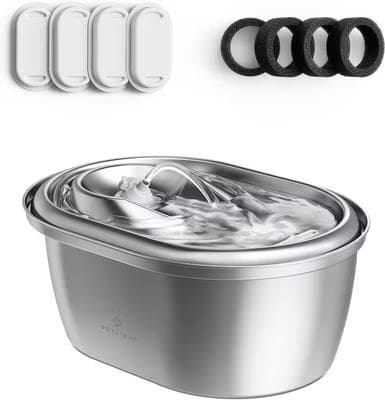
304 food-grade stainless steel pet water fountain, 101 oz. The circulating, filtered water encourages cats to drink more, which supports urinary tract and kidney health.
Webvet may earn a commission when you click through to Chewy, at no extra cost to you.
Cat UTI Symptoms: The Signs to Watch For
The signs of a UTI in a cat center on the litter box: frequent trips, straining, small amounts of urine, and discomfort. Because these signs overlap with every other FLUTD condition, they tell you your cat needs a vet, not exactly which condition it is.
How do you know if your cat has a UTI? You watch the litter box and your cat's behavior closely. The most common cat UTI signs and symptoms include:
- Frequent urination in small amounts, with many trips to the box
- Straining or crying out (dysuria) while trying to urinate
- Blood in the urine (hematuria), which may look pink, red, or brown. See our guide to blood in cat urine for what the colors can mean.
- Urinating outside the litter box, often on cool smooth surfaces. Read more on why cats pee outside the litter box. If a veterinarian recommends temporary containment for confirmed incontinence, mobility loss, or recovery, read how to use cat diapers safely without masking urinary warning signs.
- Excessive licking of the genitals, a response to irritation and pain
- Strong or foul-smelling urine in some cases
For a symptom-by-symptom breakdown, see our full guide to cat UTI symptoms. The key rule: any straining cat, and any cat showing these signs for more than a day, should be seen by a vet.
 $65 · no membership
Have a health question about your cat?
A licensed vet can assess your cat over video and prescribe online when it's appropriate.
 Talk to a vet
- Licensed vets
- All 50 states
- same-day Rx

Webvet may earn a commission if you book.
Male vs. Female Cats: Why Sex Changes the Risk
Male and female cats show the same UTI symptoms, but the stakes are very different. Male cats have a longer, narrower urethra that tapers near the tip, which makes them far more likely to develop a life-threatening urethral blockage. Female cats get urinary symptoms too, but they rarely obstruct.
Male Cat UTI Symptoms
A boy cat's UTI symptoms start the same way (frequent trips, straining, blood, crying), but you must watch output closely. If a male cat is straining and nothing is coming out, treat it as a possible blockage and an emergency.
The narrow male urethra means crystals, plugs, or spasm can shut off urine flow completely. Do not assume it is just a UTI, and do not wait overnight to see if it clears on its own.
Female Cat UTI Symptoms
A female cat's UTI symptoms mirror the general list: frequent small urinations, straining, blood in the urine, and accidents outside the box. Female cats do have a somewhat higher rate of true bacterial infection than males because of their shorter, wider urethra, but they very rarely block.
Their symptoms still warrant a vet visit, just usually without the same minute-to-minute urgency as an obstructed male. A straining female cat that cannot pass urine is still an emergency, even though obstruction is far less common in females.
Emergency: When Straining to Pee Is a Urethral Blockage, Not a UTI
This is the section that saves lives. A cat, especially a male cat, that strains repeatedly and passes little or no urine may have a urethral obstruction. This is not a UTI you can wait on. It is a true emergency, and it can be fatal within 24 to 48 hours.
How long will a cat survive with a blockage? Often not long. The Cornell Feline Health Center notes the time from complete obstruction until death may be less than 24 to 48 hours, so hours matter.
At the ER, vets relieve the obstruction with a urinary catheter and stabilize the bloodwork. You can read how vets work up these cases in our guide to how veterinarians diagnose urinary problems in cats.

Crystal litter that changes color alongside some urinary changes, as a prompt to call your vet.
Webvet may earn a commission when you click through to Chewy, at no extra cost to you.
How Vets Diagnose a Cat UTI
To know if your cat truly has a UTI, a vet needs to test the urine, not just the symptoms. A urinalysis checks for blood, white blood cells, crystals, pH, and concentration. Because symptoms alone cannot separate a UTI from FIC or crystals, testing is what points to the right treatment.
According to VCA Animal Hospitals, the only way to identify which bacteria are involved is to grow a urine culture, ideally from a sample collected by cystocentesis (a sterile draw directly from the bladder with a fine needle).
A culture identifies whether bacteria are present and which antibiotic will actually work, so your cat is not put on the wrong drug. This step is what separates a real bacterial UTI from the far more common non-infectious causes.
We go step by step through urinalysis, culture, imaging, and bloodwork in our companion article on how veterinarians diagnose urinary problems in cats. A proper diagnosis prevents wasted antibiotics and catches the dangerous conditions that mimic a simple UTI.

Cat UTI Treatment: Antibiotics, Pain Relief, and Diet
Cat UTI treatment depends entirely on the cause. A confirmed bacterial UTI is treated with antibiotics chosen based on the urine culture, plus pain relief and increased water intake. When the problem is FIC or crystals rather than infection, antibiotics are not the answer, and the plan shifts to stress management and diet.
Antibiotics for a Cat UTI
When bacteria are confirmed, vets prescribe an antibiotic matched to the culture results. You may hear about amoxicillin, amoxicillin-clavulanate, or other drugs for a cat UTI, but the right choice and dose are decisions only your vet can make.
Never use leftover antibiotics or dose from a previous prescription. The wrong drug or dose can fail to clear the infection and drive antibiotic resistance, leaving your cat harder to treat next time.
Pain Relief and Supportive Care
Urinary inflammation hurts, so vets often add cat-safe pain relief or anti-inflammatory medication. Increasing water intake dilutes the urine and helps flush the bladder.
Never give human pain relievers such as ibuprofen or acetaminophen (Tylenol). Both are toxic to cats, and even a single acetaminophen tablet can be fatal. Only give medication your vet has prescribed for your cat.
Cat UTI Food and Diet
Diet is one of the most powerful long-term tools. Wet cat food raises total water intake, which keeps urine dilute and the bladder flushed. For cats with crystals or stones, vets often prescribe a therapeutic urinary diet formulated to adjust urine pH and mineral content.
The best cat food for a cat with urinary issues is the one your vet recommends for your cat's specific diagnosis, paired with plenty of fresh water and, ideally, wet food. Do not switch to an over-the-counter urinary diet without your vet's guidance, since the wrong formula can worsen certain crystal types.
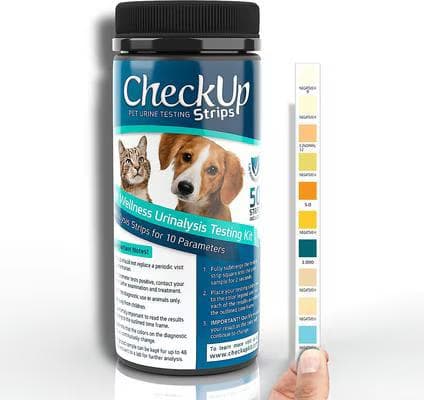
At-home urine test strips that screen for glucose, blood, pH, and protein in seconds, so you can catch early signs of diabetes, kidney disease, or a UTI and bring real numbers to your vet.
Webvet may earn a commission when you click through to Chewy, at no extra cost to you.
Home Remedies and OTC Products: What Works and What Is a Myth
Can you treat a cat's UTI at home? No, not on your own. There is no safe, proven over-the-counter or home cure for a cat UTI, and delaying real care risks a blockage. Home measures are supportive only and never replace a vet visit. Let us bust the most common myths directly.
- Cranberry: Popular for human UTIs, but there is no reliable evidence it treats or prevents feline UTIs, and cat urine chemistry differs. It will not clear an infection.
- Apple cider vinegar: Not proven, and acidifying the urine incorrectly can worsen certain crystal types. It can also cause stomach upset. Do not use it.
- Human AZO or urinary painkillers: Never give human urinary products to a cat. AZO (phenazopyridine) is not dosed or tested for cats and can cause dangerous damage to their red blood cells.
- Homeopathic UTI remedies: These lack evidence of effectiveness and can dangerously delay real treatment.
The one genuinely helpful thing you can do at home is encourage water intake (a fountain, wet food, extra water bowls) and reduce stress while you get to the vet. For the full breakdown of what helps versus what is hype, see our guide to cat UTI home remedies.
How Long Can a Cat UTI Go Untreated, and Recovery Timeline
A cat UTI should never be left untreated. An uncomplicated bladder infection can worsen, spread to the kidneys, or coincide with crystals that trigger a blockage.
In a male cat, what looks like a lingering UTI can turn into a fatal obstruction within a day or two, so how long a cat survives with untreated urinary disease depends heavily on whether the urethra stays open.
With proper treatment, the outlook is good. Once a confirmed bacterial UTI is on the right antibiotic, many cats feel noticeably better within a few days, though the full course must be finished.
FIC flares often settle within a week or so with pain relief, water, and stress reduction, but they tend to recur. Recovery time varies by cause, which is exactly why diagnosis matters before you assume it is a simple infection.
Preventing Recurrent Cat UTIs
Preventing recurring urinary problems comes down to water, stress, and diet more than anything else. Because so many feline urinary flares are stress-linked FIC rather than infection, a calm, enriched, low-stress home is one of the most effective prevention tools you have.
Key prevention strategies:
- Boost water intake with wet food, water fountains, and multiple bowls to keep urine dilute
- Reduce stress with predictable routines, vertical space, hiding spots, and pheromone diffusers
- Keep litter boxes clean and follow the one-box-per-cat-plus-one rule
- Feed the vet-recommended diet if your cat has had crystals or stones
When Recurrent UTIs Signal Something Deeper
Repeated, culture-confirmed bacterial UTIs are not normal in a young cat and are a reason to look for an underlying problem. Truly recurrent infections often point to a driver such as bladder stones, chronic kidney disease, diabetes, or an anatomical issue that lets bacteria take hold again and again.
If your cat keeps flaring, ask your vet about a full workup: repeat urine culture, imaging for stones, and bloodwork to screen for kidney disease, diabetes, or hyperthyroidism. Treating the root cause is what finally breaks the cycle, rather than repeating antibiotic after antibiotic.
For a deeper plan, see our guides to preventative care for feline urinary health, what healthy cat urine looks like, and monitoring urinary health in multi-cat households.
A dirty litter box alone is not a proven direct cause of UTIs, but a clean box helps you spot changes early and encourages your cat to use it, which matters for catching problems fast.
When to Call the Vet (and When It Is an Emergency)
Call your vet any time your cat shows urinary symptoms for more than a day, and treat any straining male cat with little or no output as an immediate emergency. Urinary signs can mean anything from mild FIC to a fatal blockage, so it is always safer to have your cat examined than to guess.
Call your regular vet promptly if you see:
- Frequent trips to the box, straining, or blood in the urine lasting more than 24 hours
- Peeing outside the box combined with other urinary signs
- Repeated urinary flares even after previous treatment
Go to an emergency vet right now if you see repeated straining with no urine, crying in the box, vomiting, lethargy, collapse, or a hard painful belly, especially in a male cat. Those are signs of a blockage, and hours count.
Cat UTI FAQ
Frequently Asked Questions
What can I do for a cat with a UTI?
The most important thing is to get your cat seen by a vet, because treatment depends on whether the cause is bacteria, inflammation, or crystals. At home you can support your cat by encouraging water intake, offering wet food, keeping the litter box clean, and reducing stress.
Do not attempt to treat the infection yourself with cranberry, vinegar, or human medications, and never delay care for a straining cat that is not producing urine.
How can you tell if a cat has a UTI?
Watch the litter box for frequent trips, straining, small amounts of urine, blood, and accidents outside the box, plus excessive genital licking. However, these signs cannot distinguish a true UTI from feline idiopathic cystitis or crystals, so only a vet can confirm it with a urinalysis and, if needed, a urine culture.
Any cat showing these signs for more than a day should be examined.
How long will a cat survive with a UTI?
A simple bacterial UTI usually is not immediately life-threatening, but it should still be treated promptly because it can spread or worsen. The real danger is a urethral blockage, which is often confused with a UTI.
A blocked cat, most often a male, can die within 24 to 48 hours without emergency care, so never wait to see if a straining cat improves on its own.
Can a dirty litter box give a cat a UTI?
A dirty litter box is not a proven direct cause of urinary tract infections in cats. However, a filthy box can discourage a cat from urinating, leading to urine holding, and it makes it harder for you to notice changes in urination.
Keeping the box clean supports good urinary habits and helps you catch problems early, so it is still important even though it is not a direct cause.
Can a dirty litter box cause UTI?
There is no strong evidence that a dirty litter box directly causes a UTI. The bigger urinary risks are dehydration, stress, dry-only diets, and crystals or stones. That said, a clean box encourages regular urination and lets you monitor your cat's output, both of which help protect urinary health, so regular scooping is always worthwhile.
Can I treat my cat's UTI at home?
No. There is no safe, proven at-home cure for a cat UTI, and attempting one can delay critical care. Bacterial UTIs need vet-prescribed antibiotics matched to a urine culture, and many cats with UTI-like signs actually have inflammation or crystals that require different treatment.
You can support your cat with water and stress reduction, but the diagnosis and treatment must come from a veterinarian.
Can a dirty litter box cause UTI in cats?
A dirty litter box is not considered a direct cause of UTIs in cats. Urinary problems in cats are far more often driven by stress, low water intake, diet, and crystals than by box hygiene.
Still, keeping the box clean encourages your cat to urinate normally and helps you spot early warning signs, so it remains an important part of overall urinary care.
$65 · no membershipHave a health question about your cat?
A licensed vet can assess your cat over video and prescribe online when it's appropriate.
Talk to a vet- Licensed vets
- All 50 states
- same-day Rx
Webvet may earn a commission if you book.

Editor
The Webvet Editorial Team is the in-house group of pet-care editors and writers behind Webvet, operated by Smart Pet Collective. The team researches, writes, and maintains Webvet's pet health, behavior, and medication content. Every article follows a defined editorial process: research from reputable veterinary and scientific sources, careful drafting, mandatory review of medical content by a credentialed veterinarian, and dated publication. Health and medication articles are medically reviewed by a licensed veterinary professional before they go live and are kept current over time.
Veterinarian · BVMS MRCVS
Dr. Pippa Elliott, BVMS, MRCVS, is a veterinarian with nearly 30 years of experience in companion animal practice. Dr. Elliott earned her Bachelor of Veterinary Medicine and Surgery from the University of Glasgow. She was also designated a Member of the Royal College of Veterinary Surgeons. Married with 2 grown-up kids, Dr. Elliott has a naughty Puggle named Poggle, 3 cats and a bearded dragon.


