Cat Diapers: When Cats Need Them and How to Use Them
Learn when cat diapers can help, which urinary and litter-box problems need a veterinarian first, and how to choose, fit, change, and introduce a diaper without compromising your cat's skin or comfort.

BVMS MRCVS
Medically reviewed by Dr. Pippa Elliott, BVMS MRCVS · Last reviewed

This article contains affiliate links. Webvet may earn a commission when you buy through them, at no extra cost to you.
Cat diapers can protect bedding and floors when a cat has diagnosed incontinence, limited mobility, temporary recovery needs, or heat-related discharge. They should be a management tool, not a shortcut around veterinary care or litter-box problem solving. A cat that strains, cries, passes little or no urine, or repeatedly visits the box may have an emergency.
The safest sequence is cause first, diaper second. Confirm why the accidents are happening, preserve access to a clean litter box, choose coverage for the actual accident type, and introduce the garment in short calm sessions. Never force a panicked cat to wear one.
- 1Use a cat diaper for surface protection only after urgent urinary and painful elimination problems are ruled out.
- 2Choose by sex, accident type, waist, rise, tail position, and mobility, not by weight alone.
- 3Inspect frequently and change immediately whenever the diaper is wet or soiled.
- 4Keep the litter box available unless a veterinarian gives a different recovery instruction.
- 5Stop if the cat freezes, thrashes, pants, hides, chews the garment, or develops skin irritation.
Are cat diapers safe and when do they help?
Are cat diapers a good idea? They can be, when they provide short-term protection or support a veterinarian-directed plan without causing stress, wet-skin contact, restricted movement, or delayed diagnosis. They are most useful for involuntary urine leakage, some mobility problems, selected recovery periods, and carefully supervised travel.
Do cat diapers work? A well-fitted absorbent garment can catch urine and some discharge, but it cannot stop the bladder from filling, cure feline urinary incontinence, retrain litter-box behavior, or reliably contain every stool. The best cat diapers are the ones a particular cat can move in comfortably and that a caregiver can change promptly.
- Appropriate use: diagnosed leakage in a cat who cannot reliably reach the box.
- Appropriate use: temporary surface protection during recovery when the veterinarian approves it.
- Possible use: travel protection after the cat has accepted the diaper calmly at home.
- Poor use: trying to stop unexplained house-soiling without investigating pain, illness, box access, substrate, conflict, or stress.
- Unsafe use: covering a cat that is straining or unable to pass urine.
Small cat diapers and large cat diapers are not standardized sizes. Adult cat diapers may be sold as cat-and-dog products, but the label still needs to match feline anatomy. A kitten should wear one only for a specific veterinary or caregiving reason, under close supervision, because small bodies chill, soil, and become stressed quickly.
Veterinary causes to rule out first
Urine outside the litter box can reflect urinary tract disease, bladder stones, inflammation, kidney disease, diabetes, pain, cognitive change, neurological disease, mobility loss, litter-box aversion, territorial spraying, or environmental stress. The Merck Veterinary Manual discussion of micturition disorders explains that incontinence can arise from storage, voiding, anatomical, or neurological problems and requires a clinical workup.
A diaper can make it harder to see urine volume, color, and frequency. Before routine use, note whether the cat is producing normal clumps, licking the genital area, vocalizing, vomiting, hiding, drinking more, losing weight, or moving stiffly. Share that history with your veterinarian and review cat UTI symptoms and care if urinary disease is suspected.
Incontinence, spraying, or litter-box avoidance?
Incontinence is involuntary leakage, often noticed where the cat slept or walked. Spraying is usually a small amount of urine deposited on a vertical surface with the tail raised. Litter-box avoidance tends to involve intentional squatting on another horizontal surface. These patterns can overlap, and medical disease can contribute to any of them.
Do cat diapers work for spraying? Cat diapers for spraying may catch urine, but they do not stop territorial marking or address intercat conflict, litter-box setup, intact reproductive status, stress, or a medical trigger. Keep a simple log of location, posture, volume, timing, and household events. That evidence helps a veterinarian distinguish painful urination from behavior and helps you avoid turning a temporary cover into a permanent substitute for treatment.
Cat spraying diapers do not solve the cause of territorial urine marking, stress, litter-box aversion, pain, or urinary disease. Spraying usually places small amounts on vertical surfaces, while incontinence is involuntary leakage. Preserve litter-box access and use veterinary or behavior guidance instead of treating every urine event as a garment problem.
Choosing a cat diaper by sex and accident type
Choose coverage by what must be contained. Cat diapers for urine need the absorbent area positioned over the urethral opening without obstructing the anus or pulling at the tail. Female cat diapers generally use full rear coverage. Cat diapers for male cats also need absorbency positioned far enough forward for male anatomy; a dog-style belly band may twist on a cat and provides no stool coverage.
A tail opening improves fit for most cats but creates a path through which formed stool can exit. A larger opening may preserve normal defecation yet reduce containment. A smaller opening can smear stool against the coat or skin. There is no single cat diaper with a poop hole that both allows every bowel movement and reliably contains every accident.
| Need | Realistic diaper role | Coverage priority | Main limitation |
|---|---|---|---|
| Passive urine leakage | Catch involuntary urine | Absorbent zone under the urethral opening | Wetness still requires prompt change |
| Male spraying | May protect a surface temporarily | Forward urine coverage and secure waist | Does not treat the reason for spraying |
| Female urine accidents | Full rear protection | Vulvar coverage with free leg movement | Tail and thigh gaps can leak |
| Heat discharge | Catch limited discharge | Full rear coverage | Does not prevent mating or pregnancy |
| Formed stool | May reduce some mess | Full rear coverage around a centered tail opening | Stool can pass through the opening |
| Diarrhea | Poor long-term solution | Immediate access for cleanup | Liquid stool rapidly contaminates skin and coat |
| Mobility limitation | Protect resting surfaces | Low-bulk fit that does not change gait | Environment and litter access still need adaptation |
Cat diapers for pee only should not cover the anus more tightly than necessary. Reusable male cat diapers and disposable male cat diapers need a supervised movement check because cats flex, jump, groom, and squeeze through narrow spaces differently from dogs. Cat diapers with suspenders add straps and clips that may increase snagging or chewing risk and are not a first-line fix for a poor basic fit.
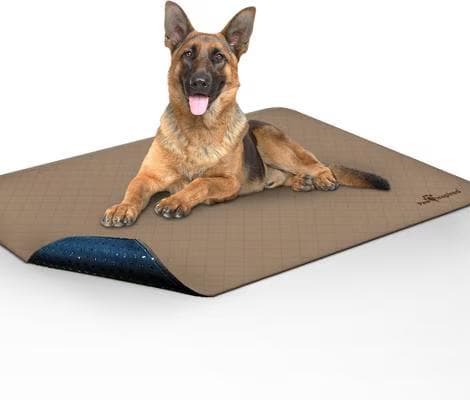
Webvet may earn a commission when you click through to Chewy, at no extra cost to you.
 $65 · no membership
Have a health question about your cat?
A licensed vet can assess your cat over video and prescribe online when it's appropriate.
 Talk to a vet
- Licensed vets
- All 50 states
- same-day Rx
Webvet may earn a commission if you book.
Reusable, disposable, and cat-specific product choices
Reusable cat diapers make sense for frequent home use when the caregiver can keep a clean wash rotation. Disposable cat diapers are convenient for occasional use, travel, or periods when soiled laundry cannot be handled promptly. The material decision never overrides fit, stress, and change frequency. One reusable product specifically labeled for female cats and dogs is SunGrow Reusable Female Cat & Dog Diapers for Heat Cycle, 9-in to 15-in Waist, 3 count; compare the current 9 to 15-inch waist range, rise, tail opening, and the cat's litter-box movement before buying a rotation.
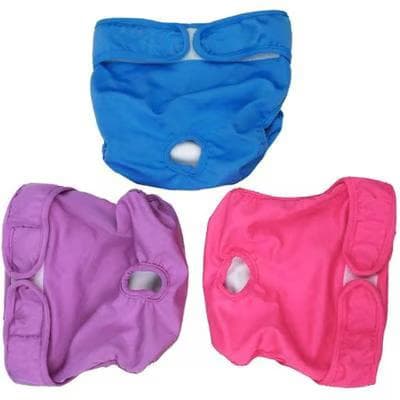
Webvet may earn a commission when you click through to Chewy, at no extra cost to you.
A Suitical Recovery Suit for Cats is a recovery garment, not a cat diaper; discuss it with the veterinarian only when body coverage is part of the care plan. A Paw Inspired Washable Dog Pee Pad can protect a supervised, easy-clean rest area and may reduce how long a cat needs to tolerate a garment.
For deeper ownership-cost and laundry tradeoffs, see the reusable versus disposable pet diaper comparison. Cat-specific handling and anatomy remain the deciding factors here. If your question is actually about a dog, use the separate dog diaper guide.
What to check before buying
- Measure the narrow waist area in the standing position and compare it with the exact current chart.
- Check the garment's rise from waist to tail opening so it does not pull forward or backward.
- Confirm whether the absorbent zone reaches the cat's urethral opening.
- Choose soft edges that do not cut into the groin or restrict a crouch, walk, or step into the box.
- Avoid loose decorations, cords, pins, or exposed fasteners that can be chewed or swallowed.
- Buy enough for immediate changes, but start with a small trial before committing to a large rotation.
Where to buy cat diapers matters less than whether the product identity and return policy are clear. Read the current manufacturer or merchant label, not old cat diaper reviews, for sizing, materials, wash care, and species claims. Product reviews can reveal patterns to investigate, but they cannot certify safety for your cat.
Preserve litter-box choice while using a diaper
A cat wearing a diaper should still have access to an inviting litter box unless a veterinarian has given a different recovery instruction. Offer at least one low-entry box near the cat's main resting area, keep it very clean, and avoid switching litter at the same time you introduce the garment. The diaper should be removed for a supervised box opportunity when that can be done safely.
Watch whether the cat approaches the box but cannot step in, circles without settling, strains, or leaves immediately. Those observations point toward mobility, pain, substrate, location, or urinary problems that a diaper cannot solve. If accidents decrease only because the cat stops attempting to eliminate, that is not success. It is a reason to remove the garment and contact the veterinarian.
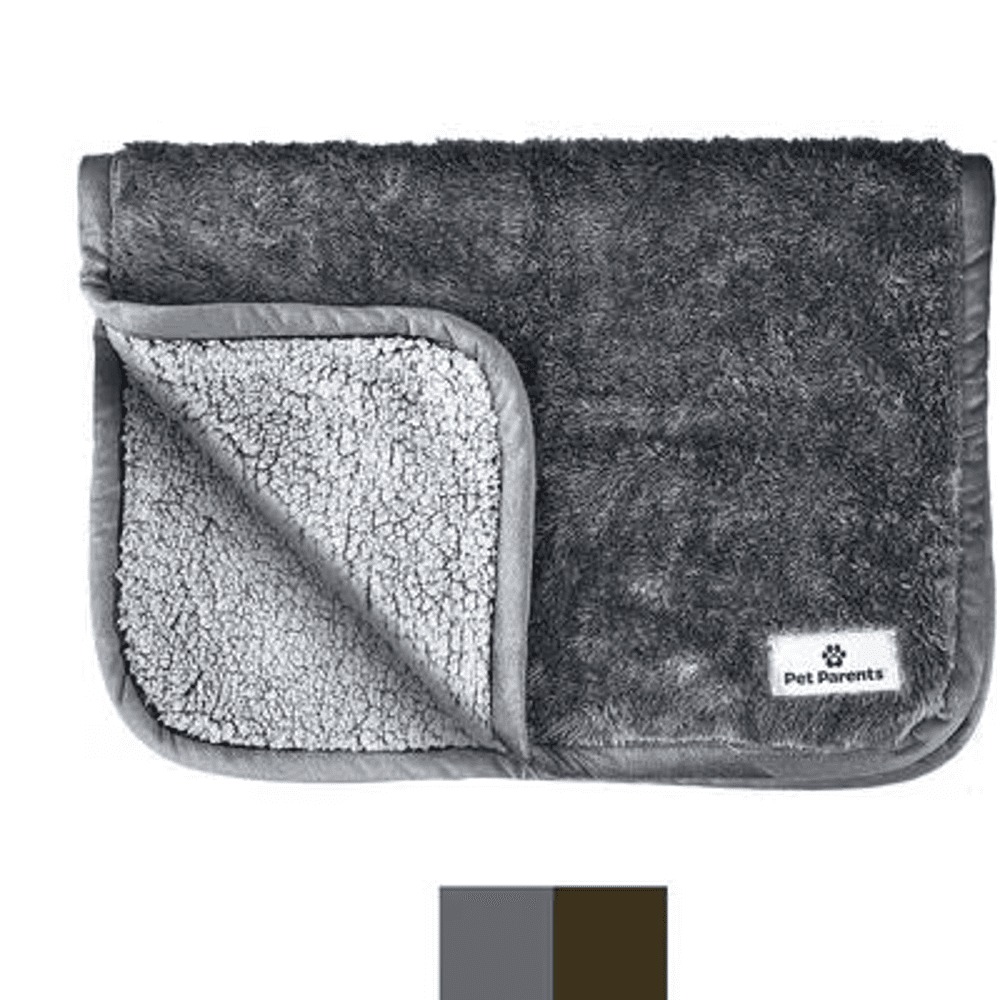
A plush, waterproof sherpa blanket that gives a cold or shivering dog a warm, cozy layer to curl into. The hidden waterproof lining protects the bed, couch, or car seat, and the whole thing is machine washable.
Webvet may earn a commission when you click through to Chewy, at no extra cost to you.
Travel and boarding
Cat diapers for travel should be tested during short, calm home sessions before any trip. Pack more changes than expected, a washable carrier liner, disposal bags, gloves, soft cleaning materials, and the cat's normal litter and box when practical. Stop during road travel at a secure indoor location for checks, and never open a carrier beside an open vehicle door. For a reusable carrier or rest-area layer, compare the dimensions and care label for the Paw Inspired Washable Dog Pee Pad before using it with a cat.
Give a boarding facility written instructions for fit, checking, removal, skin inspection, litter-box access, medications, and emergency signs. Ask who will respond if the diaper is wet overnight or the cat refuses food. A facility that cannot provide frequent hands-on checks may be safer using a pad-lined enclosure and low-entry box instead of a garment.
Keep the travel diaper period as short as the medical and practical situation allows. At each secure stop or facility check, document whether the cat urinated, defecated, ate, drank, and remained calm. Send the record with the cat if care changes hands, and include the regular veterinarian's contact details plus the nearest emergency clinic. A cat that pants, drools, vomits, cries continuously, stops producing urine, or develops a swollen abdomen needs prompt veterinary assessment, not a tighter diaper or a longer trip between checks.
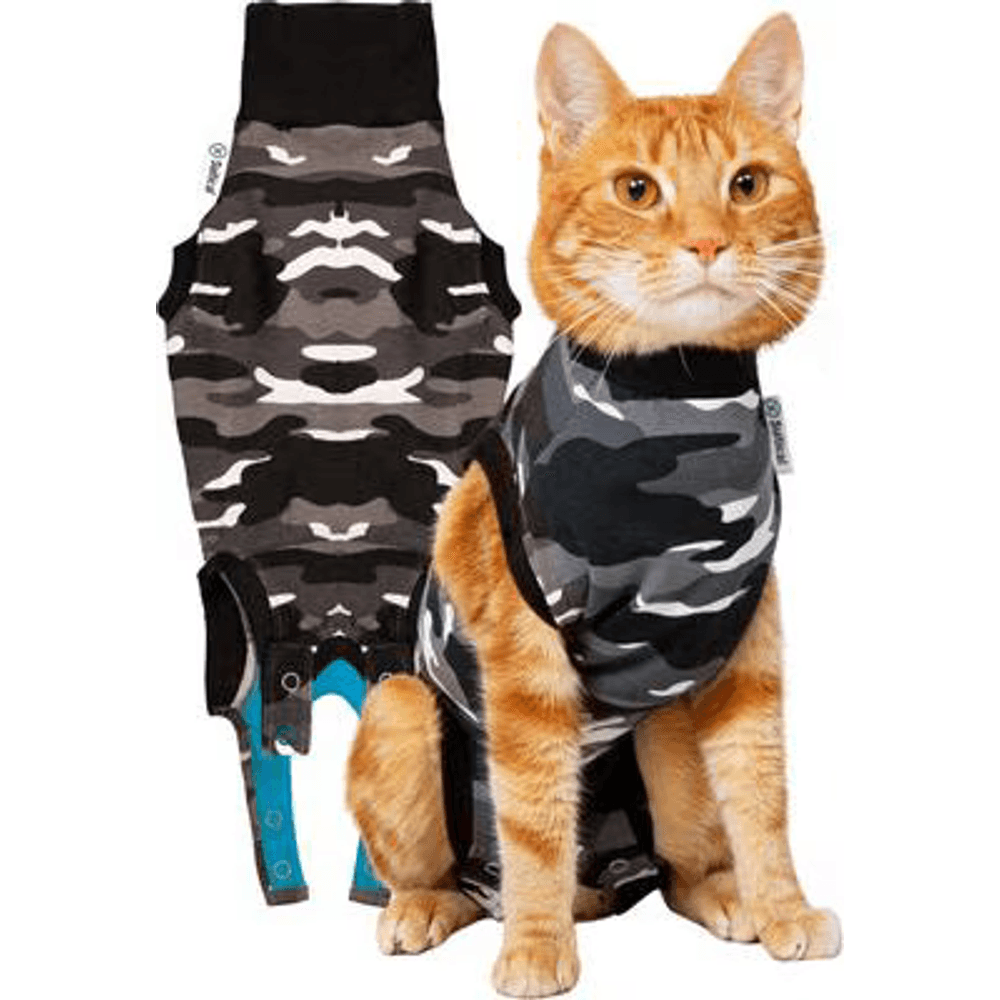
A breathable full-body recovery suit made for cats, the vet-recommended cone alternative that covers a spay or abdominal incision so a cat cannot lick or scratch the wound while she still moves, uses the litter box, and rests in comfort.
Webvet may earn a commission when you click through to Chewy, at no extra cost to you.
How to measure, put on, and keep a cat diaper on
Measure while the cat stands naturally on a nonslip surface. Use a soft tape around the waist where the band will sit, then note the rise to the tail base and the distance to the urethral opening. Long-haired cats may need the coat gently compressed during measurement, without pulling the tape tight.

A low-stress introduction
- Place the unopened diaper near a resting or feeding area and reward calm investigation.
- Touch the cat briefly with the soft fabric, offer food reinforcement, and stop while the cat is still relaxed.
- Drape the diaper over the back for a second without fastening it, then reward and remove it.
- Fasten it loosely for a very short supervised session on a nonslip surface.
- Build duration only when the cat walks, sits, grooms, and uses the box without escalating stress.
Do not chase, scruff, corner, or wrestle a distressed cat into a diaper. Stop for flattened ears, dilated pupils, growling, panting, frantic escape, freezing, loss of balance, or repeated biting at the garment. Ask the veterinarian about alternatives if handling itself causes fear.
A correct fit allows two-finger waistband clearance, centered tail placement, unrestricted hind-leg movement, and normal breathing. If the diaper slides off, reassess waist, rise, tail opening, absorbent bulk, and body shape before adding clips or straps. A bodysuit over a correctly fitted diaper may work for selected calm cats, but it can add heat and restrict grooming.
Change schedule and skin protection
How long can you leave a diaper on a cat? There is no universal safe number of hours. Inspect frequently and change immediately whenever it is wet or soiled, after a large accident, or when the cat shows discomfort. A dry-looking outer shell does not prove the inner surface is dry.
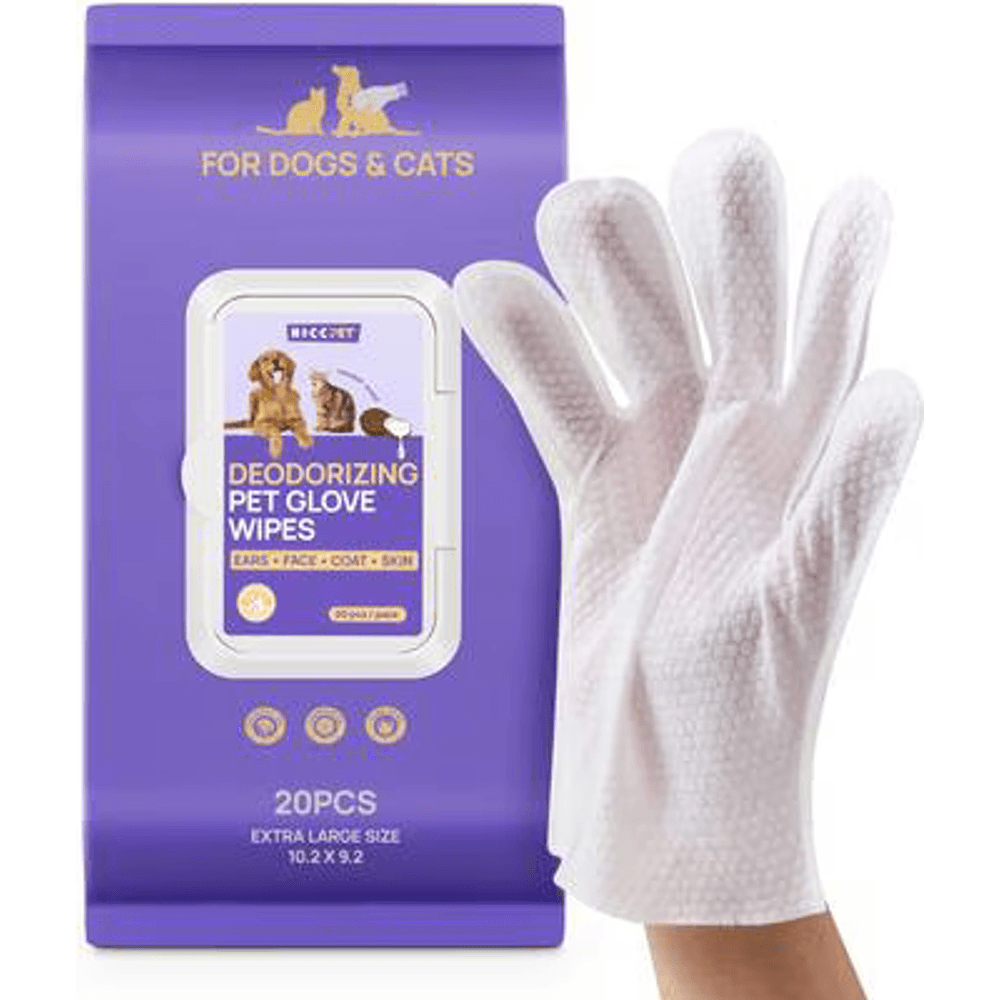
Wearable glove wipes that let you freshen and wipe down a dog's or cat's coat and skin without a full bath, while a fabric layer stays between your hand and the pet.
Webvet may earn a commission when you click through to Chewy, at no extra cost to you.
At every change, examine the perineal skin, vulva or prepuce, groin, inner thighs, and tail base. Look for redness, heat, swelling, odor, damp or matted coat, broken skin, discharge, and excessive grooming. Urine trapped against skin can contribute to urine scald, while stool contamination can inflame skin quickly.

The Pet Parents Pawtect Waterproof Dog Blanket is another washable surface layer whose dimensions and care label should be checked before use with a cat. HICC PET Deodorizing Cat & Dog Glove Wipes may help with outer-coat cleanup only as labeled; use plain water or veterinary guidance around irritated skin and sensitive tissue.
Supporting an older or incontinent cat
Can you put a diaper on an elderly cat? Yes, when a veterinarian has assessed the cause, the cat tolerates handling, and the garment does not worsen pain, weakness, balance, arthritis, or skin disease. Cat diapers for older cats should complement an accessible environment, not replace it.
Senior cat diapers may help with diagnosed leakage, but an older cat may also be missing the box because the sides are high, the route is slippery, the box is too far away, constipation makes posture painful, or cognitive change disrupts routines. Add low-entry boxes near resting areas, nonslip paths, night lights, washable bedding, and regular grooming.

Daily care for an incontinent senior cat
What do you do with an old incontinent cat? Start with a veterinary diagnosis and a written daily-care plan. Track urine and stool, appetite, water intake, mobility, sleep, grooming, skin condition, and comfort. Schedule toilet opportunities and changes around the cat's normal rhythm, but never restrict water to reduce accidents. For a washable senior resting layer, compare the Pet Parents Pawtect Waterproof Dog Blanket dimensions and care instructions before setting up the cat's sleep area.
- Provide several low-entry litter boxes with a familiar unscented litter.
- Use washable pads and waterproof layers on favorite resting surfaces.
- Keep food, water, bed, and boxes close enough that painful travel is minimized.
- Brush or trim soiled coat only as tolerated and with veterinary grooming advice.
- Recheck promptly for worsening leakage, weight loss, thirst, constipation, pain, confusion, or skin injury.
Quality of life is broader than continence. Notice whether the cat still eats, rests comfortably, seeks contact, grooms, explores, and enjoys familiar activities. A diaper is successful only if it preserves comfort and household access without adding fear or physical harm.
Cat diapers for stool accidents
Cat diapers for poop have important limits. Formed stool may pass through a normal tail opening, while soft stool or diarrhea can spread beneath the diaper and contaminate the perineal skin and coat. A product promoted as cat diapers that allow pooping may be designed to leave the anus exposed, which means it cannot also contain that bowel movement.
Do cat diapers work for poop? Sometimes they reduce a small mess, but they are not a reliable solution for ongoing diarrhea, fecal incontinence, or constipation with overflow. Remove a soiled diaper immediately. Recurrent soft stool, straining, blood, vomiting, abdominal pain, poor appetite, or weight loss requires veterinary evaluation.
For many cats, washable pads, easy-clean resting zones, trimmed coat, low-entry boxes, and scheduled checks are safer than prolonged stool contact inside a diaper. Do not enlarge a tail opening while the garment is on the cat, and do not leave rough cut edges against the skin.
Cat diapers during heat
Cat diapers for heat may catch limited discharge, but cats do not typically have the obvious bloody heat discharge seen in dogs. Bleeding from a cat's vulva is not a normal feline period and should prompt veterinary advice. A diaper does not reduce reproductive behavior, prevent escape, block mating, or prevent pregnancy.
An intact female in heat needs secure indoor separation from intact males and a discussion with the veterinarian about spaying. If a diaper is used for a specific cleanup need, supervise closely, preserve litter-box access, and change it promptly. Do not interpret reduced visible discharge as proof that the underlying issue is resolved.
Cat diapers during heat may collect discharge or protect a surface, but they do not prevent mating or pregnancy. Keep an unspayed cat securely indoors and separated from intact males, check fit and stress often, and remove the garment for litter-box use, grooming, and skin inspection.
Temporary alternatives and why homemade cat diapers are limited
DIY cat diapers made from baby diapers, socks, fabric, or towels can bunch, cover the anus, rub the groin, restrict a crouch, or be chewed. Adhesive tabs, elastic, pins, clips, and cut absorbent material create skin, entanglement, and ingestion hazards. Homemade cat diapers are therefore short emergency bridges, not routine equipment.
If you must make a temporary cover while obtaining veterinary or commercial help, use clean soft material, keep all fasteners outside the cat's reach, cut nothing near the cat, supervise continuously, and remove it at the first sign of distress or soiling. A washable pad in a confined comfortable room is often safer than improvising a garment.
What can you use instead of cat diapers? Depending on the cause, options include washable pads, waterproof blankets, extra low-entry boxes, nonslip routes, a recovery pen, more frequent box cleaning, scheduled checks, and veterinarian-directed treatment. The best alternative addresses the reason the cat cannot use the box reliably. One washable surface option to compare is the Paw Inspired Washable Dog Pee Pad, positioned so loose edges do not create a trip hazard.
Overnight diaper use for cats
Can you leave a cat in a diaper overnight? Only with a veterinarian-approved plan, a cat that already tolerates the garment, and a setup that minimizes prolonged wetness. Apply a clean dry diaper immediately before sleep, offer litter-box access first, protect bedding with a washable layer, and inspect the cat as soon as you wake. For bedding backup, check the current dimensions and laundering instructions for the Pet Parents Pawtect Waterproof Dog Blanket before overnight use.
Overnight diaper use is a poor choice for cats with diarrhea, heavy urine output, active skin disease, urinary obstruction risk, chewing behavior, severe stress, or impaired movement. If no one can respond when the diaper becomes wet, an easy-clean resting area with absorbent pads may be safer.
Cat diaper questions
Frequently Asked Questions
Are cat diapers a good idea?
Cat diapers can be a short-term management tool when a veterinarian has identified a suitable reason and the cat tolerates handling. They are not a substitute for litter-box access, urinary evaluation, or treatment. Cats can hide pain and urinary obstruction is an emergency, so straining, repeated box visits, crying, vomiting, weakness, or little urine needs immediate care.
Can I put a diaper on my elderly cat?
An elderly cat may wear a diaper when veterinary evaluation, mobility, skin health, and stress tolerance support the plan. Use the least restrictive coverage, maintain litter-box choice, and change the diaper promptly. Senior cats often need low-entry boxes, washable bedding, pain control, or treatment in addition to any garment, so monitor comfort and toileting behavior closely.
Can I leave my cat in a diaper overnight?
Do not assume a cat can remain safely diapered all night. Overnight use requires a fresh, dry garment, correct fit, healthy skin, litter-box opportunity, and supervision that allows prompt removal if the cat struggles or the diaper becomes wet. Check and dry the skin in the morning, and use waterproof bedding instead when continuous body-worn coverage adds stress.
How long can I leave a diaper on my cat?
There is no universal safe number of hours for a cat diaper. Check frequently and remove it as soon as it is wet, soiled, twisted, tight, or stressful. Urine scald and stool contamination can develop quickly, especially in a thin, elderly, or immobile cat. Provide diaper-free time, grooming support, and normal litter-box access between supervised wear periods.
$65 · no membershipHave a health question about your cat?
A licensed vet can assess your cat over video and prescribe online when it's appropriate.
Talk to a vet- Licensed vets
- All 50 states
- same-day Rx
Webvet may earn a commission if you book.

Editor
The Webvet Editorial Team is the in-house group of pet-care editors and writers behind Webvet, operated by Smart Pet Collective. The team researches, writes, and maintains Webvet's pet health, behavior, and medication content. Every article follows a defined editorial process: research from reputable veterinary and scientific sources, careful drafting, mandatory review of medical content by a credentialed veterinarian, and dated publication. Health and medication articles are medically reviewed by a licensed veterinary professional before they go live and are kept current over time.
Veterinarian · BVMS MRCVS
Dr. Pippa Elliott, BVMS, MRCVS, is a veterinarian with nearly 30 years of experience in companion animal practice. Dr. Elliott earned her Bachelor of Veterinary Medicine and Surgery from the University of Glasgow. She was also designated a Member of the Royal College of Veterinary Surgeons. Married with 2 grown-up kids, Dr. Elliott has a naughty Puggle named Poggle, 3 cats and a bearded dragon.


