Preventative Care for Feline Urinary Health: A Vet's Guide
Preventative care for feline urinary health comes down to steady habits: hydration, nutrition, stress reduction, and daily litter box monitoring. Here's a vet-informed guide to each.

BVMS MRCVS
Medically reviewed by Dr. Pippa Elliott, BVMS MRCVS · Last reviewed

This article contains affiliate links. Webvet may earn a commission when you buy through them, at no extra cost to you.
Preventative care for feline urinary health is one of the most practical, high-impact things a cat owner can do, and it starts long before symptoms show up at the litter box. Urinary problems are common in cats, often painful, and occasionally life-threatening, so the daily habits that keep the urinary tract working smoothly quietly pay dividends over a cat's lifetime. This guide walks through what veterinarians emphasize most when they talk about prevention.
- 1Preventative care for feline urinary health centers on hydration, balanced nutrition, stress reduction, and daily litter box monitoring.
- 2Wet food and multiple fresh-water stations are the highest-impact day-to-day levers for urinary health.
- 3Stress is a documented trigger for feline idiopathic cystitis, multi-cat homes need thoughtful enrichment and the n + 1 rule.
- 4Any straining, blood, or repeated unproductive litter box visits warrants a veterinary call; a male cat straining with no output is an emergency.
Preventative care for feline urinary health includes hydration, diet, stress reduction, and careful monitoring of litter box habits.
Most of it comes down to small, consistent choices rather than dramatic interventions.
Why Urinary Health Matters in Cats
The feline urinary tract is sensitive, and trouble can show up in several forms: bladder inflammation (often grouped under FLUTD, or feline lower urinary tract disease), crystals, stones, urinary tract infections, and in the worst cases, urethral blockages. Male cats carry the highest risk for life-threatening obstructions because of their narrower urethra.
Because the margin between "uncomfortable" and "emergency" can be narrow, prevention isn't just about avoiding symptoms, it's about avoiding acute crises entirely.

Crystal litter that changes color alongside some urinary changes, as a prompt to call your vet.
Webvet may earn a commission when you click through to Chewy, at no extra cost to you.
Hydration and Water Intake
Hydration is the single most powerful lever in urinary prevention. Dilute urine is less likely to form crystals or irritate the bladder wall, so getting enough water into a cat every day matters.
A few practical moves that help:
- Offer fresh, clean water daily and wash bowls regularly
- Provide multiple water stations around the home, not just one
- Try a pet fountain, many cats drink more from moving water
- Include wet food as part of the daily diet, since canned food is roughly 70–80% moisture
- Keep water bowls away from the litter box and, if possible, away from food (many cats prefer water in a separate spot)
Small changes to water access often drive bigger changes in intake than owners expect. If you are choosing one, our guide to the best cat water fountains compares materials, noise, capacity, and cleaning needs.
Nutrition and Diet Support
Wet Food vs Dry Food: A Quick Comparison for Urinary Health
Both wet and dry formats can support urinary health when chosen thoughtfully, but moisture content is the biggest lever. Here is how each stacks up for cats at elevated urinary risk.
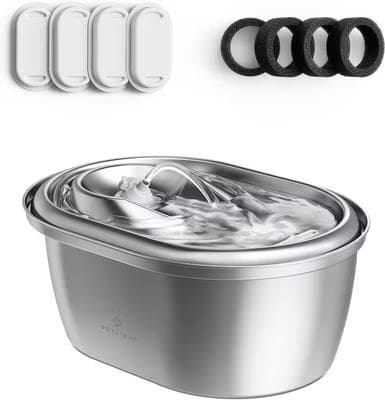
304 food-grade stainless steel pet water fountain, 101 oz. The circulating, filtered water encourages cats to drink more, which supports urinary tract and kidney health.
Webvet may earn a commission when you click through to Chewy, at no extra cost to you.
A mixed feeding plan, wet food as the base with a small portion of dry for grazing, is often the most realistic path for households that want the moisture benefit without a full diet overhaul.
Diet plays a direct role in urinary health. Balanced commercial cat foods are formulated with controlled magnesium, phosphorus, and calcium levels to reduce the risk of crystal formation, and some prescription and over-the-counter formulas are specifically designed to support urinary pH and reduce stone risk.
Moisture-rich diets (wet or mixed feeding) help with the hydration goal at the same time. Weight is another factor, overweight cats face higher rates of urinary issues, along with other chronic problems, so portion control and regular play matter.
A veterinarian can recommend the right nutritional approach based on a cat's age, body condition, and any previous urinary history. Prescriptive diet changes should be discussed with a clinician rather than chosen blindly.
Crystal litter that changes color alongside some urinary changes, as a prompt to call your vet.
Webvet may earn a commission when you click through to Chewy, at no extra cost to you.
 $65 · no membership
Worried about your cat's urinary or kidney symptoms?
A licensed vet can examine your cat over video and prescribe treatment online when it's appropriate.
 Talk to a vet
- Licensed vets
- All 50 states
- same-day Rx
Webvet may earn a commission if you book.
Litter Box Habits and Monitoring
Daily and Weekly Feline Urinary Health Checklist
| Habit | How often | Why it matters |
|---|---|---|
| **Refill water bowls with fresh water** | 1–2x daily | Stale water suppresses intake and concentrates urine |
| **Scoop the litter box and glance at clumps** | Daily | Flags volume, color, and frequency shifts early |
| **Weigh your cat** | Weekly | Subtle weight loss often precedes urinary or kidney issues |
| **Deep-clean litter boxes** | Every 2–4 weeks | Reduces bacterial load and monitors box avoidance |
| **Schedule wellness exams** | Annually (semi-annual for seniors) | Baseline labs catch silent kidney or urinary changes |
Monitoring the litter box is where prevention meets early detection. The box is essentially a daily health log, it reveals frequency, urine volume, clump size, color, odor, and any signs of straining or accidents. Pet parents who glance at the box during scooping tend to notice subtle changes days or weeks before a cat shows outward symptoms.
Cues worth noting: an unusual number of small clumps, missed visits to the box, visible blood or unusual color in the urine, and the cat spending extra time in the box without productive results.
Stress Reduction and Environmental Wellness
Stress is an underrated contributor to feline urinary issues. In cats, anxiety can trigger a condition sometimes called feline idiopathic cystitis (FIC), bladder inflammation without an infectious or structural cause. Common stressors include new pets, moves, construction, changes in feeding routine, or conflict in multi-cat households.
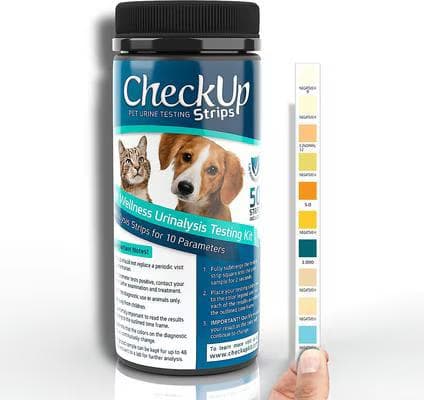
At-home urine test strips that screen for glucose, blood, pH, and protein in seconds, so you can catch early signs of diabetes, kidney disease, or a UTI and bring real numbers to your vet.
Webvet may earn a commission when you click through to Chewy, at no extra cost to you.
Creating a calmer environment helps:
- Provide vertical space and safe hiding spots
- Keep feeding and play routines consistent
- Use quiet, low-traffic litter box placements
- Offer enrichment, puzzle feeders, window perches, interactive play
- In multi-cat homes, follow the "n + 1" rule (one more box than there are cats) to reduce resource competition
Cats rarely tell us they are stressed, but their urinary tracts sometimes do.
Crystal litter that changes color alongside some urinary changes, as a prompt to call your vet.
Webvet may earn a commission when you click through to Chewy, at no extra cost to you.
Regular Veterinary Checkups
Annual veterinary visits catch many issues before they become urgent. During a checkup, the vet can assess body condition, hydration, and abdominal tenderness, and they may recommend baseline urine or blood testing, especially for older cats. Early kidney changes, weight creep, and mild inflammation often show up on routine screening.
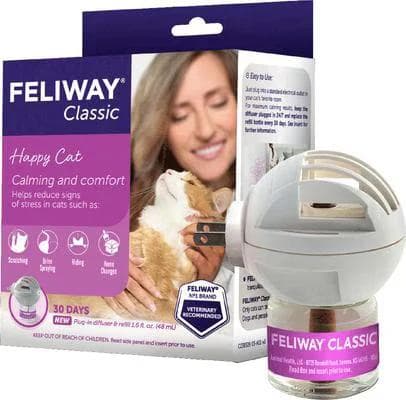
A vet-recommended plug-in diffuser that releases the drug-free Feliway Classic pheromone to reduce stress signs in cats like scratching, hiding, and urine marking. 30-day starter kit.
Webvet may earn a commission when you click through to Chewy, at no extra cost to you.
Senior cats (typically 10+) benefit from more frequent visits, every 6 months is a common recommendation, because urinary and kidney issues become more prevalent with age.
Early Warning Signs to Watch For
Prevention and observation go hand in hand. The most common early warning signs of urinary trouble are:
- Frequent visits to the litter box
- Small clumps relative to normal output
- Straining or vocalizing while urinating
- Urinating outside the box, especially in trained cats
- Excessive licking of the genital area
- Visible blood or unusual color in the urine
- Decreased appetite or unusual hiding
Any of these warrants a vet call, and the combination of straining with little or no output is always urgent, especially in male cats.
Frequently Asked Questions
How can I help prevent urinary issues in my cat?
Focus on hydration, balanced nutrition, stress reduction, and daily litter box monitoring. Keep fresh water available, include some wet food if your cat will eat it, manage weight, and watch for any shifts in urination habits.
Does wet food help feline urinary health?
Wet food typically contains 70–80% moisture, which helps produce more dilute urine and may reduce the risk of crystal formation. It isn't a cure-all, but it is one of the simplest ways to boost daily water intake in cats who don't drink much on their own.
How do I know if my cat's urination pattern changes?
Daily litter box scooping is the easiest habit for tracking changes. Pay attention to the number of clumps, their size, any unusual color, and whether your cat seems uncomfortable or hesitant. Small deviations from normal are the earliest signal.
Can stress cause urinary problems in cats?
Yes. Stress-related bladder inflammation (feline idiopathic cystitis) is a well-documented condition in cats, often triggered by changes in the household, new pets, or ongoing conflict. Minimizing stressors and enriching the environment are part of a meaningful prevention plan.
When should I call my veterinarian?
Call if you notice straining, blood in urine, frequent trips with little output, accidents in a previously trained cat, or any sudden behavioral change around the box. If a male cat is straining with no output, treat it as an emergency and go in immediately.
Final Thoughts on Preventative Care for Feline Urinary Health: A Vet's Guide
Preventative care for feline urinary health is less about complex protocols and more about steady daily habits, good hydration, thoughtful nutrition, a calm environment, and a careful eye on the litter box. Paired with regular veterinary checkups, these small practices meaningfully lower the risk of urinary crises and help cats stay comfortable for the long haul. When something looks off, an early veterinary conversation is almost always cheaper and safer than a late one.
$65 · no membershipWorried about your cat's urinary or kidney symptoms?
A licensed vet can examine your cat over video and prescribe treatment online when it's appropriate.
Talk to a vet- Licensed vets
- All 50 states
- same-day Rx
Webvet may earn a commission if you book.

Editor
The Webvet Editorial Team is the in-house group of pet-care editors and writers behind Webvet, operated by Smart Pet Collective. The team researches, writes, and maintains Webvet's pet health, behavior, and medication content. Every article follows a defined editorial process: research from reputable veterinary and scientific sources, careful drafting, mandatory review of medical content by a credentialed veterinarian, and dated publication. Health and medication articles are medically reviewed by a licensed veterinary professional before they go live and are kept current over time.
Veterinarian · BVMS MRCVS
Dr. Pippa Elliott, BVMS, MRCVS, is a veterinarian with nearly 30 years of experience in companion animal practice. Dr. Elliott earned her Bachelor of Veterinary Medicine and Surgery from the University of Glasgow. She was also designated a Member of the Royal College of Veterinary Surgeons. Married with 2 grown-up kids, Dr. Elliott has a naughty Puggle named Poggle, 3 cats and a bearded dragon.
Related reading

Kidney Disease in Dogs: Why Tracking Water Intake Can Help Your Vet

Best Cat Water Fountain Picks of 2026, Vet Informed

Dog Bladder Stones: Symptoms, Treatment, and Surgery Costs
