What Does Healthy Cat Urine Look Like? A Vet Explains
Healthy cat urine is pale yellow to amber, clear, and consistent in volume. Here's what normal looks like, what color changes may mean, and when urine changes are a vet emergency.

BVMS MRCVS
Medically reviewed by Dr. Pippa Elliott, BVMS MRCVS · Last reviewed

This article contains affiliate links. Webvet may earn a commission when you buy through them, at no extra cost to you.
Healthy cat urine is pale yellow to light amber, clear (not cloudy), mildly scented, and produced 2 to 4 times per day for most adult cats. Warning signs that warrant same-day veterinary attention include pink, red, or rust-colored urine (blood), cloudy urine of any shade (crystals or infection), dark amber that persists for more than 24 hours (ongoing dehydration), and a sudden drop in clump size or frequency. A male cat straining in the box without producing urine is a true emergency, not a wait-and-see situation.
- 1Healthy cat urine is pale yellow to amber, clear, consistent in volume, and mildly odored.
- 2Pink, red, or rust-colored urine almost always reflects blood, call the veterinarian, even if the cat seems fine otherwise.
- 3Most adult cats urinate 2–4 times per day; significant shifts in frequency or clump size deserve attention.
- 4Repeated straining with little or no output is an emergency, especially in male cats.
Healthy cat urine is typically pale yellow to amber in color, with consistent volume and no visible blood or unusual odor.
Compare coverage choices for your pet, then request a quote directly on Lemonade.
- Check a price for your pet
- Review available coverage choices
- See the terms before you decide
Eligibility, waiting periods, limits and exclusions apply.
Webvet may earn a commission when you click through to Lemonade, at no extra cost to you.
This guide walks through normal ranges, what color changes may suggest, and when to call the clinic.
What Healthy Cat Urine Typically Looks Like
In a well-hydrated, healthy cat, urine is usually:

- Color: pale yellow to light amber
- Clarity: clear, not visibly cloudy
- Odor: mild and consistent (not sharp, ammonia-heavy, or foul)
- Volume: roughly consistent from day to day, with clump size reflecting hydration
- Frequency: typically 2–4 trips to the litter box per day for most adult cats, though individual patterns vary
Clump size varies naturally with how much a cat drinks. Days with more water intake or more wet food often yield larger clumps, and that is normal. What matters more is whether the cat's overall pattern stays roughly consistent.
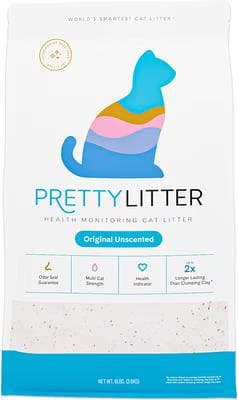
Crystal litter that changes color alongside some urinary changes, as a prompt to call your vet.
Webvet may earn a commission when you click through to Chewy, at no extra cost to you.
What Color Changes May Mean
Cat Urine Color Chart: What Each Color Typically Means
| Color | What it may indicate | Action |
|---|---|---|
| **Pale yellow to light amber** | Healthy, well-hydrated cat | No action; keep monitoring |
| **Dark yellow or deep amber** | Mild dehydration or concentrated urine | Increase water access; call vet if persistent |
| **Completely clear / colorless** | Overly dilute urine; possible kidney issue or excess thirst | Schedule a vet appointment |
| **Pink, red, or rust** | Blood in urine (inflammation, crystals, stones, infection) | Call the veterinarian the same day |
| **Orange** | Liver involvement, bilirubin, or severe dehydration | Vet evaluation recommended |
| **Brown or tea-colored** | Possible liver or muscle breakdown issue, or old blood | Prompt vet visit |
| **Cloudy (any color)** | Crystals, bacterial infection, or inflammation | Vet visit with urinalysis |

These categories are starting points for a vet conversation, not standalone diagnoses. Color works best when paired with observations of frequency, clump size, and your cat's overall behavior.
Color shifts can signal underlying issues. Some general patterns:
- Dark yellow or strongly concentrated urine often reflects dehydration. Encouraging water intake, fresh bowls, multiple stations, a fountain, some wet food, is a reasonable first step. If it persists, call the vet.
- Pink, red, or rust-colored urine typically points to blood, which can come from bladder inflammation, crystals, stones, infection, or in rarer cases, trauma or tumors. Any visible blood warrants a veterinary visit.
- Orange or brownish urine may indicate liver involvement, breakdown of blood pigments, or severe dehydration. It is not common and should be evaluated.
- Cloudy urine can suggest crystals, infection, or inflammation. Cloudiness on its own is worth mentioning at a vet visit, especially paired with other symptoms.
These patterns are starting points for a veterinary conversation, not a substitute for one. Color alone doesn't diagnose a condition, the vet uses it alongside urinalysis and other testing.
 $65 · no membership
Worried about your cat's urinary or kidney symptoms?
A licensed vet can examine your cat over video and prescribe treatment online when it's appropriate.
 Talk to a vet
- Licensed vets
- All 50 states
- same-day Rx
Webvet may earn a commission if you book.
Volume and Frequency Matter Too
Even with normal color, urine volume and frequency can signal trouble. Things to watch for:
- Significantly more or less output than usual, larger clumps with more frequent visits may suggest kidney disease or diabetes; smaller clumps may reflect dehydration or partial obstruction
- Multiple quick visits without productive results, often associated with bladder inflammation or partial obstruction
- Repeated straining, regardless of output, always worth a vet call, urgent in male cats
- New accidents, urinating outside the box in a previously trained cat often reflects discomfort, not misbehavior
Volume and color together usually tell the most useful story. A change in one warrants attention; a change in both warrants an appointment.
Crystal litter that changes color alongside some urinary changes, as a prompt to call your vet.
Webvet may earn a commission when you click through to Chewy, at no extra cost to you.
Home Monitoring and Observation

Consistent home observation is the foundation of early detection. Pet parents who know their cat's typical urine appearance and litter box rhythm catch changes faster, and faster detection usually means more treatment options and less stress for everyone.
Simple habits that help: scoop daily, glance at clump color and size while scooping, note any unusual odor, and snap a photo if something looks off, it gives the veterinary team something concrete to work with.
Other Signs That May Accompany Urine Changes
Urine changes rarely travel alone. Cats with urinary issues often also show:

- Straining or vocalizing during elimination
- Excessive licking of the genital area
- Urinating outside the box
- Hiding or reduced social behavior
- Decreased appetite
- Lethargy or general "off" behavior
- Increased thirst (common in kidney disease or diabetes)
If any of these pair with visible urine changes, the combination raises the urgency.
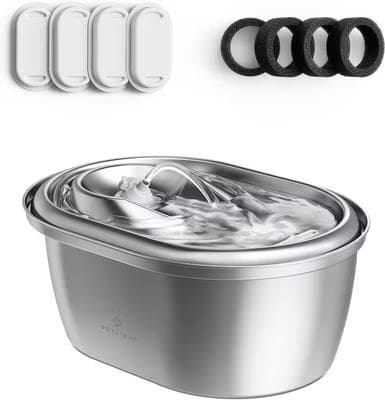
304 food-grade stainless steel pet water fountain, 101 oz. The circulating, filtered water encourages cats to drink more, which supports urinary tract and kidney health.
Webvet may earn a commission when you click through to Chewy, at no extra cost to you.
Crystal litter that changes color alongside some urinary changes, as a prompt to call your vet.
Webvet may earn a commission when you click through to Chewy, at no extra cost to you.
When to Call the Veterinarian
Call the clinic when:
- Urine is pink, red, orange, or unusually dark
- Your cat is straining with little or no output (urgent; emergency in male cats)
- Frequency changes significantly, either far more or far fewer trips
- You notice new accidents or box avoidance
- Clump size drops noticeably for more than a day
- Urine changes persist for more than 24 hours
- Any urine change appears alongside appetite, energy, or thirst changes
When in doubt, call. A quick triage conversation is often enough to decide whether to come in that day.
Clump Size, Frequency, and Hydration Signals
Beyond color, the size and number of urine clumps tell you a great deal about hydration and bladder function. Most healthy adult cats produce 2 to 4 clumps per day of roughly consistent size; larger, fewer clumps usually reflect good hydration, while many small clumps can suggest irritation or partial obstruction.

A sudden jump in total daily urine volume, including larger clumps than normal and more frequent bowl visits, is a classic early signal of kidney disease or diabetes in older cats. A sharp drop, especially paired with straining, is a red flag for obstruction and needs urgent evaluation.
What Cat Urine Looks Like With Kidney Disease
Early kidney disease often causes pale, dilute urine because the kidneys can no longer concentrate fluids the way a healthy kidney does. Owners often notice larger than usual clumps, a refilled water bowl, and a cat drinking more throughout the day. These subtle shifts can appear months before other kidney symptoms.
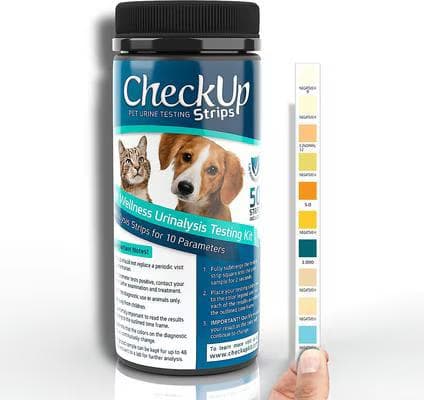
At-home urine test strips that screen for glucose, blood, pH, and protein in seconds, so you can catch early signs of diabetes, kidney disease, or a UTI and bring real numbers to your vet.
Webvet may earn a commission when you click through to Chewy, at no extra cost to you.
Daily Hydration Targets Worth Knowing
Most adult cats do well with roughly 3.5 to 4.5 ounces of water per 5 pounds of body weight each day, combining bowl water and moisture in food. A 10-pound cat should be getting around 7 to 9 ounces daily. Wet food contributes meaningfully to that total, which is one reason moisture-rich diets support urinary health.
Frequently Asked Questions
What color should healthy cat urine be?
Healthy cat urine is usually pale yellow to light amber, fairly consistent in color, and not cloudy. Occasional small variations reflect hydration and diet and are usually nothing to worry about.
Is dark yellow urine normal in cats?
Slightly darker urine can appear when a cat is mildly dehydrated or hasn't drunk much recently. Persistently dark urine, though, suggests ongoing dehydration or a concentration issue and is worth discussing with a veterinarian.
Does pink urine always mean blood?
In cats, pink, red, or rust-colored urine almost always reflects the presence of blood, which can come from inflammation, crystals, stones, or infection. It always warrants a veterinary visit, even if the cat seems fine otherwise.
How much urine should a healthy cat produce?
Most adult cats urinate two to four times a day, with clump sizes that correspond to their hydration and food moisture. Significant increases or decreases in either frequency or clump size deserve attention, especially if they persist.
When should I call my veterinarian?
Call any time you see pink or red urine, repeated straining, a sudden change in frequency, or urine changes that last more than 24 hours. Call immediately if a male cat is straining in the box without producing urine, that is a medical emergency.
Final Thoughts on What Healthy Cat Urine Looks Like: A Vet Explains
What healthy cat urine looks like, pale yellow to amber, clear, consistent in volume and odor, is a simple baseline worth memorizing. Color changes, volume shifts, and behavioral signs around the litter box are often the earliest hints that something deserves a closer look. Regular observation and a low threshold for calling the veterinarian remain two of the most useful habits a cat owner can build.
$65 · no membershipWorried about your cat's urinary or kidney symptoms?
A licensed vet can examine your cat over video and prescribe treatment online when it's appropriate.
Talk to a vet- Licensed vets
- All 50 states
- same-day Rx
Webvet may earn a commission if you book.

Editor
The Webvet Editorial Team is the in-house group of pet-care editors and writers behind Webvet, operated by Smart Pet Collective. The team researches, writes, and maintains Webvet's pet health, behavior, and medication content. Every article follows a defined editorial process: research from reputable veterinary and scientific sources, careful drafting, mandatory review of medical content by a credentialed veterinarian, and dated publication. Health and medication articles are medically reviewed by a licensed veterinary professional before they go live and are kept current over time.
Veterinarian · BVMS MRCVS
Dr. Pippa Elliott, BVMS, MRCVS, is a veterinarian with nearly 30 years of experience in companion animal practice. Dr. Elliott earned her Bachelor of Veterinary Medicine and Surgery from the University of Glasgow. She was also designated a Member of the Royal College of Veterinary Surgeons. Married with 2 grown-up kids, Dr. Elliott has a naughty Puggle named Poggle, 3 cats and a bearded dragon.
Related reading

Kidney Disease in Dogs: Why Tracking Water Intake Can Help Your Vet

Best Cat Water Fountain Picks of 2026, Vet Informed

Dog Bladder Stones: Symptoms, Treatment, and Surgery Costs
