Heartworm Treatment for Dogs: The Protocol, Step by Step
The heartworm treatment protocol in order: staging, doxycycline, the melarsomine injection series, strict exercise restriction, retesting, and what recovery really looks like.

BVMS MRCVS
Medically reviewed by Dr. Pippa Elliott, BVMS MRCVS · Last reviewed

This article contains affiliate links. Webvet may earn a commission when you buy through them, at no extra cost to you.
Heartworm treatment for dogs is not one shot, and it is not quick. It is a staged veterinary protocol that usually runs about six months, built around melarsomine injections, a doxycycline course, a monthly prescription preventive, and weeks of strict rest.
This guide follows the current American Heartworm Society guidelines in the order your veterinarian works through them: staging, the pre-phase, the injection series, exercise restriction, retesting, and life afterward. It also answers the two questions owners ask in the parking lot: will my dog survive this, and is the cheaper slow-kill route a real alternative.
Your veterinarian sets the actual schedule and the doses for your dog. Nothing here replaces that visit, and every drug named in this article is a prescription item.
- 1Melarsomine is the only drug approved by the FDA to kill adult heartworms in dogs, and it is given by injection in a veterinary hospital.
- 2The American Heartworm Society prefers the split three-dose protocol: one injection, roughly a month of rest, then two injections 24 hours apart.
- 3A doxycycline course of about four weeks and a monthly macrocyclic lactone preventive come first, before any adulticide is given.
- 4Strict exercise restriction from the day of diagnosis until weeks after the final injection is the single most important thing an owner controls.
- 5The injections and early recovery span several months, with a confirming antigen test about nine months after the final melarsomine injection.
- 6There is no at-home heartworm cure. No over-the-counter product, herb, or supplement clears an established infection.
- 7Dogs treated before significant heart and lung damage generally go on to a normal life expectancy after treatment.
What heartworm treatment for dogs actually involves
Heartworm treatment for dogs is a staged veterinary protocol. Your veterinarian stabilizes the dog, clears the Wolbachia bacteria living inside the worms with doxycycline, stops new infection with a monthly preventive, then kills the adult heartworms with a series of melarsomine injections. Strict exercise restriction runs through all of it.
It helps to hold the whole thing as three phases rather than a list of appointments:
- Phase one, prepare the dog. Roughly the first two months: the doxycycline pre-treatment course, a macrocyclic lactone preventive, and often a prednisone taper.
- Phase two, kill the adult worms. The melarsomine injection series, given in hospital with observation afterward.
- Phase three, protect the lungs while the worms break down. Weeks of enforced rest, then two rounds of retesting to confirm the infection cleared.
Owners arrive at this point by different routes. If you are still working out whether the cough and exercise intolerance you are seeing fit the disease, start with heartworm symptoms in dogs. If you want to understand how dogs get heartworm, the answer is a single mosquito bite, not anything you did wrong.
One more thing before the protocol starts. This is a treatable disease with a defined, veterinarian-supervised path through it, and the dogs who do best are the ones whose owners start that path early rather than shopping for a shortcut.
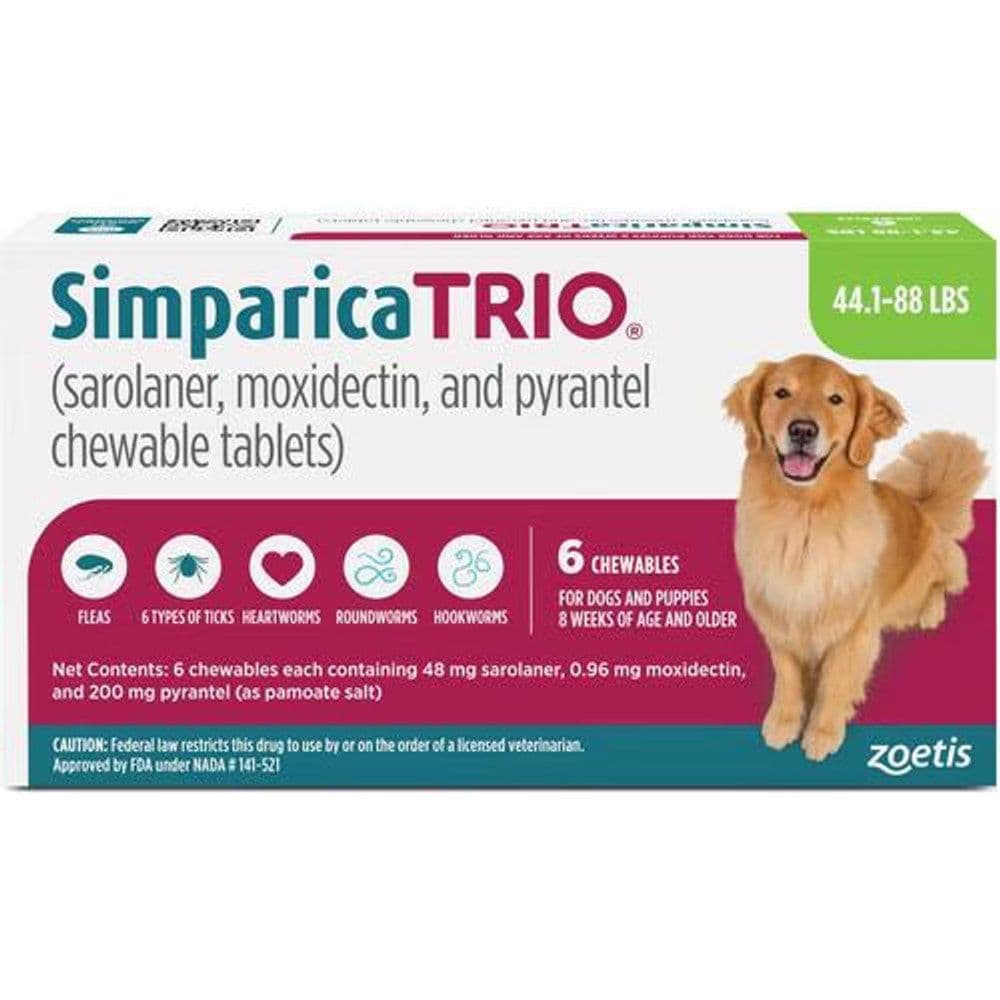
Prescription heartworm prevention for use only on your veterinarian's schedule. It does not kill adult heartworms.
Webvet may earn a commission when you click through to Chewy, at no extra cost to you.
Before treatment starts: confirming the diagnosis and staging the disease
Before any drug is given, your veterinarian confirms the infection and grades how far it has progressed. The workup is a confirmatory heartworm antigen test, a microfilaria test, chest radiographs, a complete blood count with a chemistry panel, and a urinalysis. Staging before treatment decides how fast the protocol can safely move.

Each test on the estimate is there to answer a specific question:

- Confirmatory heartworm antigen test. Proves the first positive was real before six months of treatment is committed to.
- Microfilaria test. Shows whether the bloodstream is loaded with larvae, which changes how the first preventive dose is given and how closely the dog is watched.
- Chest radiographs. Reveal enlarged pulmonary arteries, a strained right heart, and lung change. This is the main input into staging.
- Complete blood count and chemistry panel. Check for anemia, kidney and liver function, and whether the dog can tolerate the drugs ahead.
- Urinalysis. Protein loss and abnormally dark urine are both meaningful findings in a heartworm-positive dog.
Staging matters because a dog with no signs and clean films is treated differently from a dog who coughs, tires on a short walk, and shows heart and lung change. Dogs at the severe end may need weeks of stabilization (rest, steroids, and heart or lung support) before any adulticide is safe to give.
The testing detail behind all of this, including why the antigen test can lag behind an infection, sits in our guide to heartworm testing.
Step one: doxycycline, a monthly preventive, and stabilization
The first phase contains no adulticide at all and runs roughly the first two months. Doxycycline (typically a four-week course) targets the Wolbachia bacteria living inside the worms, a macrocyclic lactone preventive stops new infection and clears immature stages, and a prednisone taper is often layered in.
The American Heartworm Society sequences it this way deliberately. Weakening the worms before killing them lowers the risk when they finally die.
Why doxycycline comes before the injections
Heartworms carry a bacterium called Wolbachia inside their own tissues, and the worms depend on it. Clearing it weakens the adult worms, reduces their ability to reproduce, and lowers the inflammatory load when the worms later die and break apart. It is a preparation step, not a cure.
A prednisone taper blunts the inflammatory reaction as microfilariae die off and, later, as adult worm fragments reach the lungs. The dose steps down over weeks and belongs entirely to your veterinarian.
Prevention restarts during treatment, not after it
Prevention restarts during treatment because a positive dog can pick up new larvae from the next mosquito while the old infection is still being cleared. The monthly preventive also removes circulating microfilariae, which is why the first dose is often given at the clinic where the dog can be watched.
Your veterinarian chooses the product. Monthly chews such as Interceptor Plus Chew for Dogs and Heartgard Plus are common choices, and a topical such as Revolution Topical Solution for Dogs or Advantage Multi suits dogs who refuse a tablet.
All of them are prescription-only, all of them require veterinary supervision in a heartworm-positive dog, and none of them kills adult worms.
Step two: the melarsomine injection series
Melarsomine dihydrochloride (sold as Immiticide and Diroban) is the only drug approved by the FDA to kill adult heartworms in dogs. It is given as a deep intramuscular injection into the epaxial muscles along the lower back, not into a vein and not under the skin.
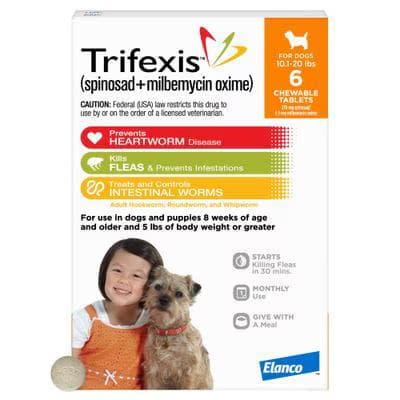
Prescription monthly heartworm prevention for use only on your veterinarian's schedule. It does not kill adult heartworms.
Webvet may earn a commission when you click through to Chewy, at no extra cost to you.
The American Heartworm Society preferred schedule is one injection, about a month of rest, then two injections 24 hours apart.

Owners routinely confuse two very different injections a clinic offers. The annual heartworm prevention injection is a preventive given to healthy, heartworm-negative dogs. Melarsomine is a treatment given to infected dogs, in a hospital, on a schedule. They are not interchangeable.
Two-dose versus three-dose protocol
Two schedules exist, and clinics quote both. The two-dose protocol is two injections given 24 hours apart. The three-dose protocol splits that up: one injection first, roughly a month of rest, then two injections 24 hours apart.
The American Heartworm Society prefers the split-dose schedule. Killing worms in two waves instead of one spreads the die-off, so the lungs handle a smaller load of worm fragments at a time, and the society reports a higher share of adult worms killed with the three-dose sequence.
What happens on injection day
- Your dog is admitted, usually for the day and sometimes overnight, with a sedation and pain-control plan discussed beforehand.
- The injection goes deep into the lumbar muscles, alternating sides between doses.
- Staff monitor for hours afterward. The American Heartworm Society describes hospitalization and pain medication as part of standard care at this stage.
- Injection-site soreness, swelling, a hunched posture, and reluctance to move are common for several days.
- Your dog goes home with pain medication, rest orders, and a number to call.
 $65 · no membership
Need flea, tick, or heartworm prevention for your dog?
A licensed vet can recommend and prescribe the right preventive for your dog online when it's appropriate.
 Talk to a vet
- Licensed vets
- All 50 states
- same-day Rx

Webvet may earn a commission if you book.
Step three: strict exercise restriction: why breaking it can be fatal
Dying worms do not disappear. They break apart, and the fragments wash into the pulmonary arteries where they lodge and inflame the vessel walls. A raised heart rate drives more blood and more debris through those vessels at once, which is how pulmonary thromboembolism happens.
Everything else in this protocol belongs to your veterinarian. Exercise restriction is the part you control, and following it closely reduces a major treatment risk.

Why exercise restriction saves lives
A major life-threatening risk during treatment is pulmonary thromboembolism as dead worms break down; exertion increases that risk. Drug reactions and injection complications can also occur, so individual risk depends on disease stage and veterinary management.
There is no reliable public figure for how many dogs die from heartworm treatment, and any page quoting a precise number is guessing. What is documented is that the risk tracks with worm burden, with disease stage, and with whether restriction was actually kept.
Strict exercise restriction starts on the day of diagnosis and continues until your veterinarian releases the dog, typically at least six to eight weeks past the final injection. In practice it looks like this:
- Crate rest, or a single small room with nothing to jump on or off.
- Leash-only bathroom breaks, short and slow, even inside a fenced yard.
- No stairs, no jumping into the car, no fetch, no wrestling with other dogs.
- Manage the front door. Barking and spinning at the doorbell counts as exercise.
- Separate a bouncy housemate during the highest-risk weeks rather than hoping they self-regulate.
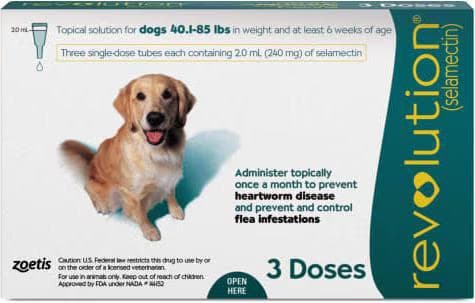
Prescription topical heartworm prevention for use only on your veterinarian's schedule. It does not kill adult heartworms.
Webvet may earn a commission when you click through to Chewy, at no extra cost to you.
- Trade physical activity for scent games, food puzzles, and slow chews to keep a bored dog settled.
The heartworm treatment timeline, week by week
The injections and early recovery span several months, but confirmation comes later: the American Heartworm Society recommends an antigen test about nine months after the final melarsomine injection. Exact dates shift with staging and with your clinic's protocol. The day-by-day treatment calendar below is the typical American Heartworm Society sequence, not a prescription for your dog.
| Day | What happens at the clinic | What you do at home |
|---|---|---|
| --- | --- | --- |
| Day 0 | Positive result confirmed with an antigen test and a microfilaria test, staging bloodwork and chest radiographs, first preventive dose often given under observation | Exercise restriction starts today, not after the injections |
| Day 1 to Day 28 | Doxycycline course, plus a prednisone taper if the dog is symptomatic or carrying microfilariae | Give every dose on time with food, keep the dog crated and calm |
| Day 30 | Monthly preventive dose, recheck exam if the dog was unstable | Restriction continues, log any cough or fatigue |
| Day 60 | First melarsomine injection, with hospitalization, pain medication, and hours of monitoring | The strictest phase begins: crate rest and leash-only bathroom breaks |
| Day 61 to Day 89 | Rest interval between doses, phone check-ins as needed | Restriction holds, watch breathing and appetite daily |
| Day 90 and Day 91 | Second and third injections, given 24 hours apart | Restriction holds at its strictest for weeks afterward |
| Day 120 | Microfilaria test to confirm larvae have cleared, prevention continues year-round | Gradual, veterinarian-approved return to activity |
| About nine months after the final melarsomine injection | Antigen retest to confirm the adult infection has cleared | Continue year-round prevention and follow your veterinarian's activity guidance |
Two things about this treatment timeline surprise most owners. The injection series itself is the short part, a handful of clinic days inside a six-month calendar. The long part is the quiet: the weeks after the first melarsomine injection when nothing appears to be happening and the temptation to let the dog run is strongest.
Recovery, retesting, and life expectancy after heartworm treatment
Dogs treated before significant heart and lung damage generally return to a normal life expectancy after treatment. Dogs with advanced disease can be cleared of the infection and still carry permanent changes, including scarred pulmonary arteries, pulmonary hypertension, and a cough that never fully resolves.
The recovery timeline after treatment is measured in months, not weeks, and the last stretch of it is mostly waiting on tests.

Two tests close the file:
- Microfilaria test about one month after the final injection, to confirm no larvae remain in circulation.
- The confirming antigen retest is scheduled about nine months after the final melarsomine injection, when a positive result is more reliable evidence that adult worms remain.
Senior dogs and heart disease
Senior dogs and heart disease change the calculation, though rarely the answer. An older dog with a murmur, a collapsing trachea, or existing left-sided heart disease may need a slower protocol, more monitoring, and cardiac medication alongside treatment.
If your dog's cough is the reason you tested in the first place, our guides to persistent coughing in dogs and to heart disease and cough in dogs explain what else can drive it and what your veterinarian is listening for.
Warning signs during recovery
Even in the calm weeks, call the clinic for a new or worsening cough, breathing that looks harder or faster at rest, exercise intolerance that appears out of nowhere, gums that look pale or grey, or any fainting episode. Recovery should be boring. Anything dramatic is worth a phone call.
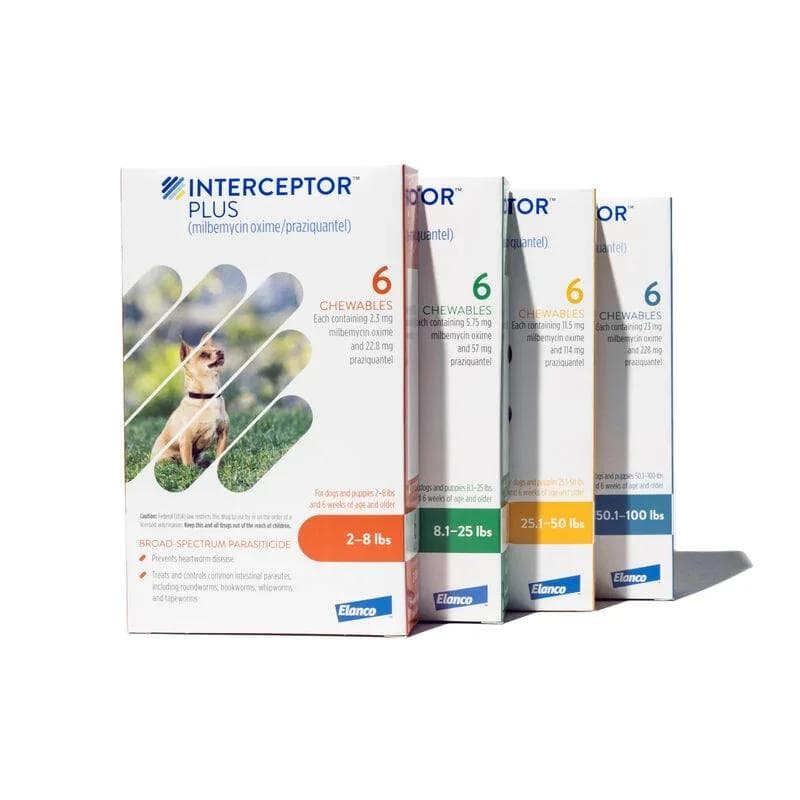
Prescription monthly heartworm prevention for use only on your veterinarian's schedule. It does not kill adult heartworms.
Webvet may earn a commission when you click through to Chewy, at no extra cost to you.
Slow-kill versus the AHS protocol: an honest comparison
The slow-kill method uses a monthly macrocyclic lactone, usually with doxycycline, and no melarsomine at all. The American Heartworm Society does not recommend it as a first-line approach, because adult worms can survive for a year or more while the drug slowly wears them down, and lung damage accumulates for that entire time.
The honest slow-kill comparison table below puts the two routes side by side.
| Question | AHS adulticide protocol | Slow-kill method |
|---|---|---|
| --- | --- | --- |
| Time to clear adult worms | Weeks after the injection series completes | Often a year or more, sometimes two |
| Damage while worms are alive | Limited to the treatment window | Continues for as long as the worms live |
| Guideline standing | The recommended protocol | Not recommended as a first-line approach |
| Monitoring burden | Defined visits and two scheduled retests | Open-ended retesting over years |
| Cost shape | Higher, concentrated into a few months | Lower per month, spread over a much longer period |
| Other concerns | Injection-site soreness, thromboembolism risk during the die-off | Prolonged single-drug exposure raises resistance concerns |
There are legitimate cases where a veterinarian still chooses it: a documented melarsomine shortage, a dog whose kidney or liver disease rules the drug out, or a dog who reacted badly to a previous dose. Those are clinical decisions, made by a veterinarian, with monitoring attached.
What slow-kill is not is the budget version. Owners comparing the slow-kill heartworm treatment cost against the injection protocol often find the monthly figure easier to absorb, and that is a real pressure worth naming out loud in the exam room. Ask about payment plans and staged billing before you choose a protocol on price.
There is no at-home or natural heartworm cure
Nothing sold over the counter kills adult heartworms. There is no at-home heartworm cure, no herb, food, or supplement that clears an established infection, and no legitimate way to buy the drug that does. Melarsomine is a prescription-only medication administered inside a veterinary hospital by trained staff.
Plenty of owners arrive at heartworm treatment for dogs hoping to buy a cure rather than commit to a protocol, and it does not work that way. There is no over-the-counter equivalent. Anything sold as treatment without a vet prescription is either a preventive that cannot touch an adult infection or a seller with nothing legitimate behind it.
Two specific risks are worth stating plainly:
- Giving a monthly preventive to an untested dog that is heavily infected can trigger a serious reaction as microfilariae die at once. That first dose belongs under veterinary supervision.
- Delaying real treatment while trying supplements gives the worms months of additional damage, and that damage is the part that does not reverse.
If cost is the wall, tell your veterinarian directly. Many practices offer payment plans, and some local shelters and rescue organizations run assistance programs for heartworm-positive dogs in their area.
What heartworm treatment costs, in ranges
Expect a range, not a price. The cost range by disease stage is the largest driver, followed by your dog's weight, because melarsomine is dosed by weight and a 90-pound dog needs materially more drug than a 15-pound dog. Hospitalization, radiographs, repeat testing, and regional pricing fill in the rest.
In practice, owners are commonly quoted several hundred dollars for an early-stage small dog and well over a thousand for a large dog with advanced disease that needs stabilization first. Ask for a written estimate that separates the workup from the injections.
The full breakdown, including what each line item is for and where costs vary most, lives in our guide to what heartworm treatment costs.
When heartworm disease is an emergency: caval syndrome
Caval syndrome is a sudden, life-threatening event: a mass of worms shifts into the right side of the heart and the vena cava and obstructs blood flow. It is treated by surgical removal of the worms, usually through the jugular vein, before any adulticide is given. Injections are the wrong answer here, and hours matter.
Go to an emergency veterinarian now if a heartworm-positive or untested dog shows:
- Sudden collapse, or profound weakness that came on within hours.
- Laboured or rapid breathing at rest.
- Pale, grey, or muddy gums.
- Dark red-brown or coffee-colored urine.
- A swollen abdomen, or a cough that has abruptly become much worse.
After treatment: staying on prevention for life
A cured dog can be reinfected the very next mosquito season, because treatment leaves no lasting immunity. Year-round prescription prevention starts during treatment and never stops, alongside an annual heartworm test that catches a missed dose before it becomes a second course of injections.
Your veterinarian will pick from prescription options such as monthly combination chews including Simparica TRIO Chewable Tablets for Dogs, Trifexis Chewable Tablet for Dogs, and Sentinel Spectrum, topical monthly products, or an injectable such as ProHeart 6 or ProHeart 12 for households that struggle to remember a monthly dose.
If you want the full picture of how to keep this from happening twice, including regional mosquito seasons and what to do about a missed dose, read our guide to year-round heartworm prevention. Prevention is a fraction of the cost of treatment and none of the risk, and your veterinarian can set the schedule at your dog's next visit.
Heartworm treatment for dogs: frequently asked questions
Frequently Asked Questions
Can a dog completely be cured of heartworms?
Yes. Most dogs can be completely cured of heartworms when the full American Heartworm Society protocol is finished and a follow-up antigen test comes back negative. What may not fully reverse is the damage already done, because scarred pulmonary arteries and lung change can persist after the last worm is gone. That is why early treatment matters more than any single drug choice, and why your veterinarian stages the disease before starting.
How much does it cost to treat a dog with heartworms?
Expect a range rather than a single figure. Owners are commonly quoted several hundred dollars for an early-stage small dog and well over a thousand for a large dog with advanced disease, because melarsomine is dosed by weight and hospitalization, radiographs, and repeat testing all add up. Ask for a written estimate that separates the workup from the injections, and see our full breakdown of what heartworm treatment costs before you budget.
What are the chances of a dog surviving heartworm treatment?
The chances of a dog surviving heartworm treatment are good for dogs treated at an early stage under veterinary supervision, which is why the American Heartworm Society describes the injection protocol as the treatment of choice. Risk climbs with worm burden, with advanced heart and lung disease, and above all with broken exercise restriction. No honest source can quote a percentage for your individual dog, so ask your veterinarian what your dog's staging means for the odds.
Is heartworm treatment for dogs worth it?
Weigh it against the alternative rather than against the invoice. Untreated heartworm disease is progressive: adult worms live for years inside the heart and lungs, damage accumulates, and the disease can be fatal. Treatment is expensive, long, and inconvenient, and it is also the only route to a cured dog. If money is the barrier, say so plainly to your veterinarian and ask about payment plans and local assistance programs.
How long will dogs live with heartworms?
It varies with worm burden and how early the infection is caught, and there is no honest single number. Adult heartworms survive for years inside a dog, and the American Heartworm Society and veterinary references describe untreated infection as progressive, with heart and lung damage worsening over months to years. Some dogs show little for a year or more and then decline quickly. Untreated disease shortens life.
How late is too late for heartworm treatment?
It is rarely too late outright. Dogs with advanced disease often need weeks of stabilization (rest, steroids, and heart or lung support) before any adulticide, and dogs in caval syndrome need the worms removed surgically first. What changes with delay is how much permanent damage the dog carries afterward, so a dog who already coughs or tires easily should be assessed urgently rather than next month.
Sources
- American Heartworm Society, pet owner resources: https://www.heartwormsociety.org/pet-owner-resources/
- FDA Center for Veterinary Medicine, animal and veterinary: https://www.fda.gov/animal-veterinary/
- VCA Animal Hospitals, know your pet library: https://vcahospitals.com/know-your-pet
- Merck Veterinary Manual, dog owners: https://www.merckvetmanual.com/dog-owners/
- American Veterinary Medical Association, pet owner resources: https://www.avma.org/resources-tools/pet-owners
- Companion Animal Parasite Council, guidelines: https://capcvet.org/guidelines/
$65 · no membershipNeed flea, tick, or heartworm prevention for your dog?
A licensed vet can recommend and prescribe the right preventive for your dog online when it's appropriate.
Talk to a vet- Licensed vets
- All 50 states
- same-day Rx
Webvet may earn a commission if you book.

Editor
The Webvet Editorial Team is the in-house group of pet-care editors and writers behind Webvet, operated by Smart Pet Collective. The team researches, writes, and maintains Webvet's pet health, behavior, and medication content. Every article follows a defined editorial process: research from reputable veterinary and scientific sources, careful drafting, mandatory review of medical content by a credentialed veterinarian, and dated publication. Health and medication articles are medically reviewed by a licensed veterinary professional before they go live and are kept current over time.
Veterinarian · BVMS MRCVS
Dr. Pippa Elliott, BVMS, MRCVS, is a veterinarian with nearly 30 years of experience in companion animal practice. Dr. Elliott earned her Bachelor of Veterinary Medicine and Surgery from the University of Glasgow. She was also designated a Member of the Royal College of Veterinary Surgeons. Married with 2 grown-up kids, Dr. Elliott has a naughty Puggle named Poggle, 3 cats and a bearded dragon.


