Dog Rash on Belly: Pictures, Causes, and Treatment by Type
Red bumps, pimples, or blotchy patches on a dog's belly usually point to one of five causes. Use the pictures and side-by-side table to narrow it down, then see which types you can soothe at home and which need a vet.

BVMS MRCVS
Medically reviewed by Dr. Pippa Elliott, BVMS MRCVS · Last reviewed

This article contains affiliate links. Webvet may earn a commission when you buy through them, at no extra cost to you.
A dog rash on belly skin usually falls into one of five patterns: bacterial pyoderma (red pimples with pus), contact dermatitis from something the belly touched, yeast (Malassezia) dermatitis, allergy rash, or a parasite rash such as sarcoptic mange. Two patterns always need a vet: a rash that is spreading, oozing, or painful, and any rash with crusting, odor, or bleeding.
This guide shows what each dog rash on belly skin looks like, matches the pictures to likely causes in one table, explains which types you can manage at home with medicated wipes or shampoo, and lists the creams and human products to keep off your dog.

 Sponsored
Want a vet's take on your dog's skin or coat?
Talk to a licensed vet at Dutch over video, often the same day. They can recommend treatment and prescribe it when it's appropriate.
Use code Pets60
Plans start at $12/month · covers up to 5 pets
- Licensed vets in most states
- Rx for 150+ conditions
- 4.7 on Trustpilot
What a dog rash on the belly looks like
- 1Learn the five common belly rash patterns and how each looks: pimples with pus, flat red irritation, greasy dark skin, itchy allergic redness, and crusty hair loss from mites.
- 2Understand why thin belly skin shows rashes first: little hair, warm folds, and direct contact with grass, floors, and bedding.
- 3Mild, non-spreading redness can be cleaned and watched at home with vet-approved products.
- 4Spreading, oozing, painful, crusted, or smelly rashes need a veterinary exam.
When your dog has a rash on belly skin, look closely at three things: the shape of the spots, whether there is pus or crusting, and how much your dog scratches or licks. A raised, bumpy red rash on dog belly skin points in a different direction than a flat, red skin rash that follows where the belly touched the ground.
Here are the most common appearances owners describe, from a mild red rash to a dark, scaly one:
- Raised rash on dog belly skin with white tips: small red pimples with a white pus-filled center. VCA Animal Hospitals describes pyoderma lesions this way, so a dog rash on belly skin that looks like pimples is usually bacterial.
- Circular rash on dog belly skin: a red circle or ring shaped rash with a scaly edge. In pyoderma these rings are called epidermal collarettes, according to the Merck Veterinary Manual. Ringworm also causes roughly circular hair loss, so a red circle rash on dog belly skin deserves a vet look.
- Flat, red skin rash on dog belly areas that touch the ground: typical of contact dermatitis. A dog rash on belly skin from grass, carpet cleaner, or a new bed fits this picture.
- Greasy, dark, thickened, or scaly rash: often yeast. The skin may smell musty.
- Itchy rash on dog belly skin with hair loss and crusts: can be sarcoptic mange, which causes intense itching.
Itch matters. A dog itching a rash on belly skin all day, or a dog licking a rash on belly skin until it is wet, suggests allergy, yeast, or mites. A dog rash on belly skin that is not itchy at all is more typical of puppy impetigo.
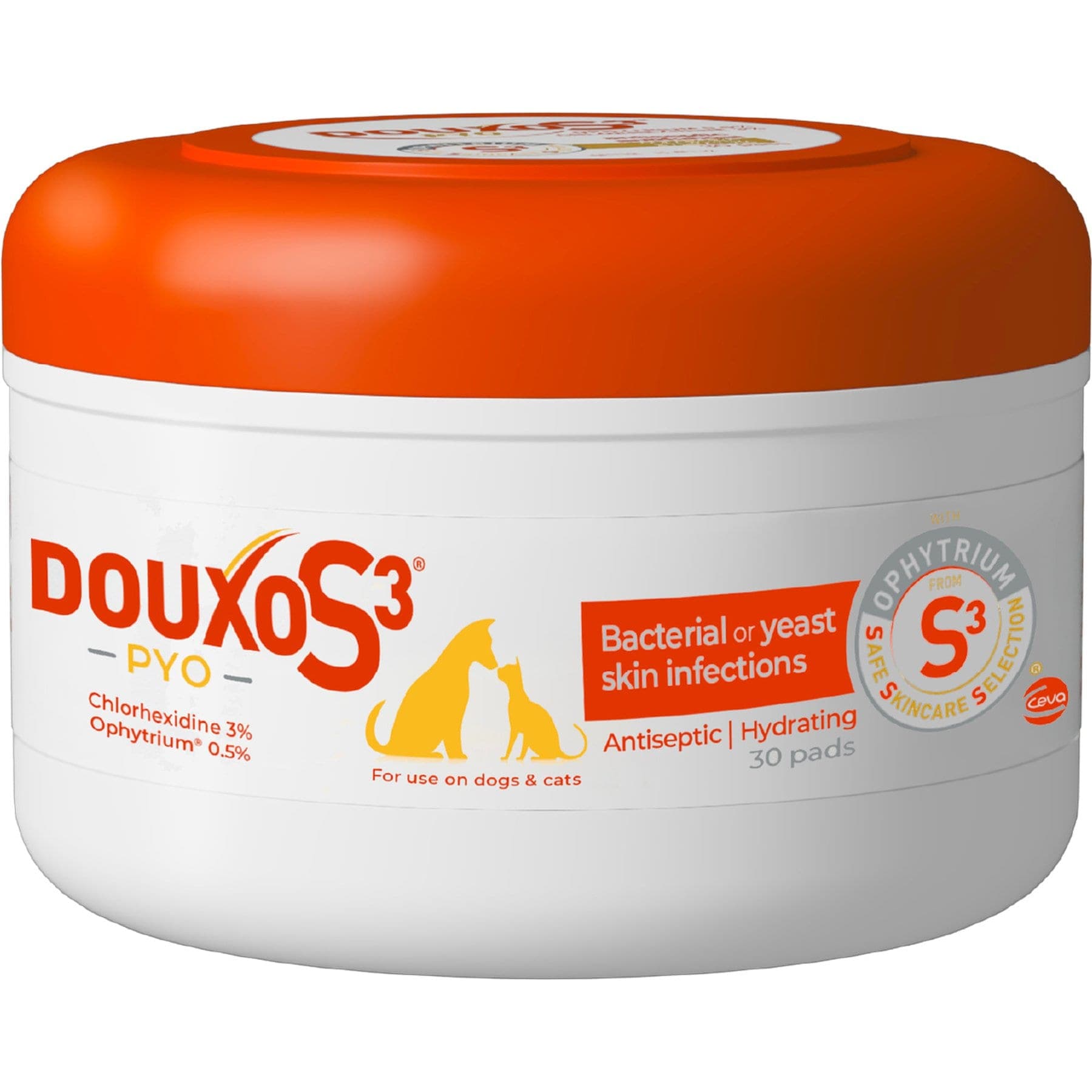
Chlorhexidine antiseptic wipes for cleaning belly folds, groin, and armpits between baths.
Webvet may earn a commission when you click through to Chewy, at no extra cost to you.
A red rash on female dog belly skin, including a nursing dog rash on belly skin near the teats, follows the same rules, but ask your vet before using any product on a nursing mother.
Some combinations go beyond the skin. See a vet rather than treating at home when:
- Your dog has vomiting and a rash on the belly
- Your dog has a rash on belly skin and diarrhea
- Your dog keeps getting a rash on belly skin, since Merck links recurrent pyoderma to underlying disease
Whether you are in the US or the UK, the same red rash on dog belly signs apply, and the same question decides what to do for a rash on dog belly skin: is it mild and stable, or spreading, oozing, and painful? The sections below walk through the types of dog rashes on belly skin in that order.
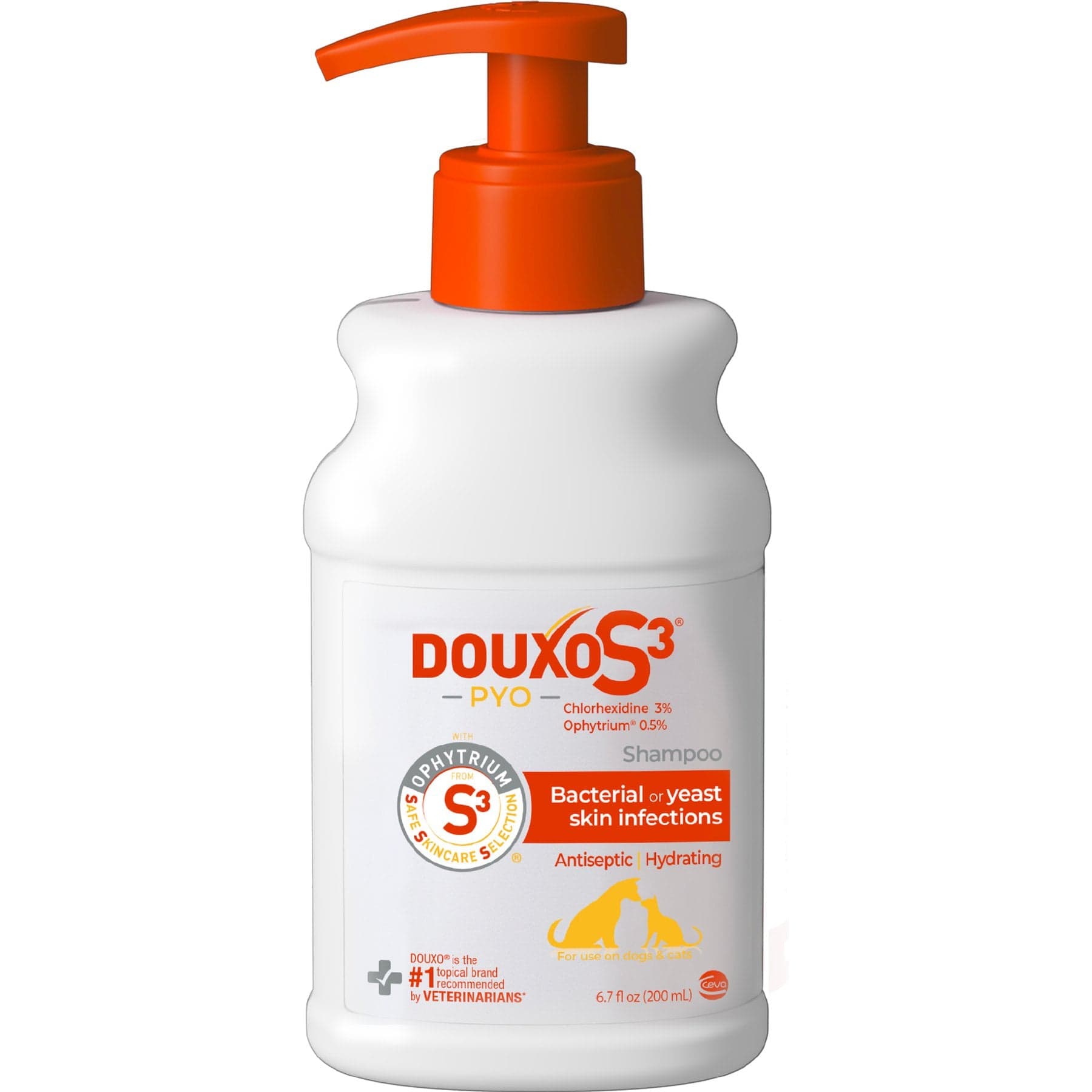
Chlorhexidine medicated shampoo for bacterial and yeast skin, used on your vet's schedule.
Webvet may earn a commission when you click through to Chewy, at no extra cost to you.
Dog belly rash pictures by cause
Rash on dog belly pictures are most useful when you know what to look for in each one. The two photos below show the patterns owners most often ask about: the red pimples with pus tips of superficial pyoderma and the blotchy pink irritation and small welts of contact or allergic irritation along the groin fold.

The first photo shows a typical bacterial rash on a dog's belly: clusters of red pimples, several with pale pus tips, on thinly haired skin. Some bumps have burst and left small crusts or scaly rings. This is the classic early stage dog skin rash photo for superficial pyoderma, called folliculitis when it centers on hair follicles. For more examples, see our pyoderma in dogs pictures.

The second photo shows contact or allergic irritation along the groin fold: blotchy pink skin with small raised welts and no pus.
Yeast, which you will not see here, looks different: darkened, greasy, thickened skin in the folds. The Guillot and Bond review of Malassezia describes greasy brown-black material, hyperpigmentation, and odor. See our dog yeast infection skin pictures.
Mild dog skin rash photos often look less dramatic: a patch of pink, slightly bumpy skin with no pus. Dog skin rash on belly pictures that also show red skin on the legs or paws usually point toward allergy, because allergic itch rarely stays in one place. Compare those with our dog food allergy rash pictures and hives on dogs pictures, where hives appear as raised red welts.
What does dermatitis look like on a dog's belly?
Dermatitis on a dog's belly usually looks like red, inflamed skin, sometimes with small bumps, scaling, or hair loss. Contact dermatitis shows up exactly where the belly touched an irritant. Allergic dermatitis is itchy and patchy. Yeast dermatitis turns the skin greasy, darker, and thicker. Chronic licking adds redness and broken skin on top.
For a wider gallery covering the legs, back, and face, see our dog skin problems pictures.
 Sponsored
Vet care that's always there
Unlimited video calls and messaging with licensed vets for less than a typical vet visit. One membership covers up to five pets.
Use code Pets60
Plans start at $12/month · covers up to 5 pets
- Licensed vets in most states
- Rx for 150+ conditions
- 4.7 on Trustpilot
Why the belly: the most common causes of a dog rash on the stomach
Why does my dog have a rash on her belly? Mostly because belly skin is thin, sparsely haired, warm, and in constant contact with the ground. WikiVet notes that contact dermatitis lesions usually appear on thinly haired skin such as the abdomen. Merck lists the trunk and belly as the most commonly affected regions in superficial pyoderma.
Skin folds add moisture. VCA explains that moisture in folds lets normal skin bacteria multiply and infect the fold. That is why a rash on dog belly and groin skin, a rash near the groin, or a dog rash on belly and armpits is so common: these warm, humid zones suit yeast and bacteria.
What causes a rash on the stomach only?
A rash on the stomach only usually comes from something the belly touches or from trapped moisture. Contact dermatitis from grass, cleaners, or bedding stays on thinly haired skin. Skin-fold infection and yeast favor warm, damp areas. Sarcoptic mange often starts on the belly too, but tends to spread if untreated.
The main causes, with where each tends to show:
- Bacterial pyoderma and folliculitis: pimples and rings on the trunk and belly, often secondary to allergies or parasites.
- Contact dermatitis: flat redness on the belly, inner thighs, and other skin that touched the irritant.
- Malassezia yeast: greasy, dark skin in the groin, armpits, and folds.
- Allergies: atopic dermatitis and food allergy cause itch that spreads to the paws and legs.
- Sarcoptic mange: per Merck, lesions start on the ventral abdomen, chest, ears, elbows, and hocks.
Flea allergy dermatitis is a special case. Merck places it on the lower back, tail base, and back of the thighs, not the belly. When a dog has a rash on the inner thigh and belly from fleas, it is usually the classic rump itch reaching forward into the groin, so check the tail base for flea dirt too.
A dark, black, or brown rash on dog belly skin is usually a change over time rather than a new rash. Chronic yeast and long-standing inflammation darken the skin, which is called hyperpigmentation. A dog rash on belly skin with black spots can be this pigment change. If my dog has a rash on his belly and groin that is dark and thick, yeast is the first suspect.
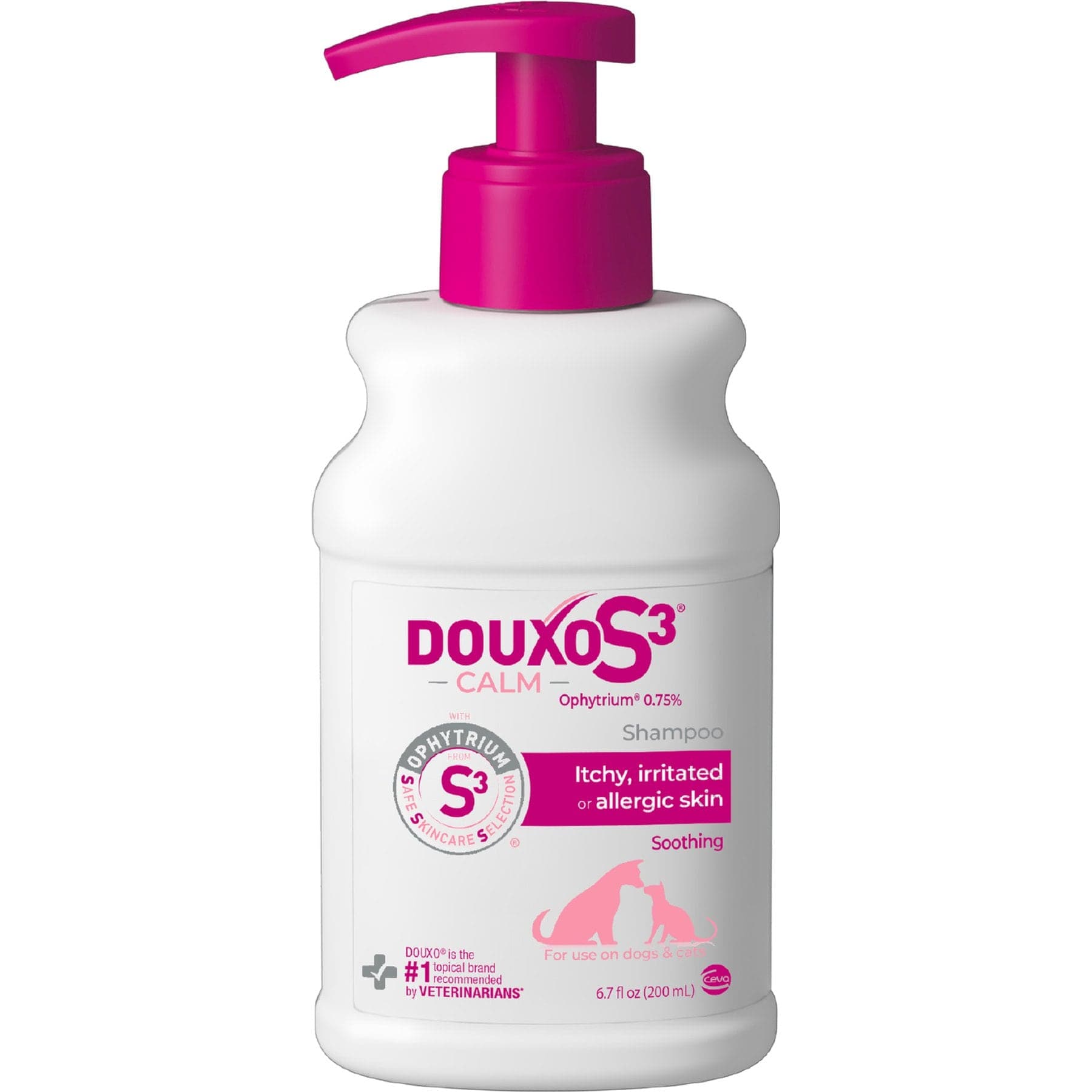
A soothing, hydrating shampoo for itchy, allergy-prone skin as part of your vet's plan.
Webvet may earn a commission when you click through to Chewy, at no extra cost to you.
Allergy rash vs. bacterial rash vs. parasite rash on a dog's belly
Telling these apart is the key decision, because the right treatment depends on the cause. This identification table matches each appearance to its itch level, pattern, likely cause, and next step.
| Appearance | Itch | Pattern | Likely cause | Next step |
|---|---|---|---|---|
| Red pimples with pus, crusts, scaly rings | Mild to moderate | Trunk, belly, groin | Bacterial pyoderma or folliculitis | Vet exam and cytology; medicated shampoo if prescribed |
| Flat red rash where skin touches the ground | Variable | Belly, inner thighs | Contact dermatitis | Remove the irritant; vet if no improvement |
| Greasy, dark, thickened skin with musty odor | Minimal to severe | Groin, armpits, folds | Malassezia yeast | Vet diagnosis; antifungal shampoo |
| Raised red welts | Usually very itchy | Anywhere, appears suddenly | Hives (allergic reaction) | Vet the same day; emergency if face or throat swells |
| Red, itchy skin plus paw and leg licking | Moderate to severe | Belly, paws, legs | Atopic or food allergy | Vet workup; treat secondary infection |
| Crusty skin with moth-eaten patches of hair loss | Intense | Belly, legs, ears, elbows | Sarcoptic mange | Vet now; keep away from other pets |
| Round patches of hair loss | Variable | Anywhere | Ringworm | Vet fungal culture; contagious |
What does an allergy rash look like on a dog?
An allergy rash on a dog's belly is usually red, itchy skin without pus at first, often paired with licking of the paws and legs. A dog allergy rash on the belly may come from atopic dermatitis, food allergy, or flea bites. Over time the scratched skin can become infected, adding pimples or yeast on top.
The peer-reviewed canine atopic dermatitis review notes that atopic dermatitis is diagnosed by ruling out other causes, and that secondary bacteria and yeast should always be treated. Owners who suspect a pet dander allergy skin rash in their dog are usually seeing this same pattern of itchy, red skin.
"Heat rash" in dogs is a term owners use for red, irritated belly skin after heat and moisture, but no primary veterinary source names it as a canine diagnosis; vets usually find contact irritation, folliculitis, or yeast instead. Heat rash on dog belly pictures online typically show one of those three.
What does a bacterial dog rash look like?
A bacterial dog rash looks like red, raised pimples, many with a white pus-filled center, plus crusts, scaly rings, and patchy hair loss. VCA notes that pyoderma is often secondary to allergic skin disease, so a bacterial rash is frequently a sign that something else started the problem and needs treating too.

Benzoyl peroxide medicated shampoo for greasy, crusted, or pimply skin when your vet recommends it.
Webvet may earn a commission when you click through to Chewy, at no extra cost to you.
What does a parasite rash look like on a dog?
A parasite rash usually means intense itch with crusting and hair loss. Sarcoptic mange causes crusty skin and moth-eaten patches of hair loss, and VCA notes the hair loss is heavy on the legs and belly. Flea allergy concentrates on the rump and tail base. Our mange in dogs pictures show how mange progresses.
A yeast rash on dog belly skin is fungal, not parasitic. Fungal dog skin rash photos, including yeast rash on dog belly pictures and ringworm, show greasy darkening or round hair loss rather than the crusting and intense itch of mites.
How to treat a rash on your dog's belly at home
Home care fits mild, non-spreading rashes, contact irritation, and treatment your vet has already started. It does not replace a diagnosis for pus, crusts, or smelly skin, because pyoderma, yeast, and mange each need different medicine.
How do I treat a rash on my dog's belly?
To treat a mild rash on your dog's belly, first remove any likely irritant such as a new cleaner, grass, or bedding. Keep the area clean and dry, stop the licking, and use a vet-approved medicated wipe or shampoo. If the rash spreads, oozes, or hurts, see your vet for diagnosis and prescription treatment.
A practical home treatment routine for a dog rash on belly skin:
- Remove the trigger: WikiVet says avoiding the offending substance is the core of contact dermatitis care.
- Keep folds clean and dry: VCA calls dryness and hygiene the most important part of skin-fold care, and notes that medicated wipes help.
- Bathe with a medicated shampoo when your vet recommends one: leave it on the skin for at least 10 minutes before rinsing.
- Stop licking: use a cone or a light shirt so treatment stays on the skin.
- Treat fleas on every pet if flea dirt turns up, since Merck names eliminating fleas as the first step for flea allergy.

For daily spot cleaning of the groin, armpits, and belly folds, a chlorhexidine wipe is the simplest tool. Chlorhexidine is one of the antiseptics VCA lists in medicated shampoos for pyoderma, and it also appears in antifungal shampoos for yeast. Wipe the affected area, let it dry, then keep your dog from licking it.
When your vet confirms bacterial or yeast involvement, a chlorhexidine shampoo is a common next step. Today's Veterinary Practice reports that topical chlorhexidine shampoo alone can resolve superficial pyoderma when used 2 to 3 times a week with at least 10 minutes of contact, continued until 7 days after the signs clear. A vet-approved option is Douxo S3 PYO Antiseptic Antifungal Chlorhexidine Dog & Cat Shampoo.
Other medicated shampoos use benzoyl peroxide, or sulfur with salicylic acid, according to VCA. VCA describes these medicated baths once or twice weekly for about three to four weeks as part of vet-directed pyoderma therapy, so let your vet choose the product and schedule for your dog's skin.
Do home remedies work for a dog rash on the belly?
Home remedies and natural remedies for a dog rash on belly skin have little evidence behind them:
- No primary veterinary source supports kitchen remedies such as oatmeal for belly rash.
- When a dog rash on belly and legs keeps itching despite good hygiene, an allergy workup will do more than any home remedy.
- For more choices, see our guide to dog shampoo for itchy skin.
Creams, Benadryl, and what not to put on a dog rash
What to put on a dog rash on belly skin is the most common home treatment question, and the answer is usually less than owners expect. The belly is easy to lick, so anything you apply may end up swallowed. VCA advises preventing licking for at least 20 to 30 minutes after a topical is applied.
For greasy, crusted, or pimply belly skin, a benzoyl peroxide shampoo is one of the medicated bath types VCA names for pyoderma. Use it only when your vet recommends it, and follow the label.
What cream can I put on my dog's belly rash?
Use only a cream or ointment your vet recommends. Topical hydrocortisone is sometimes prescribed, but VCA says to follow your vet's directions, and long-term use can make the skin fragile. The atopic dermatitis review urges caution with steroids on the abdomen. Ask your vet before using any human cream or ointment.
Tea tree oil poisoning can cause drooling, stumbling, weakness, tremors, and coma. Antibiotic ointments, essential oils, and other human products have not been shown safe on licked belly skin, so ask your vet before using any of them.
Can Benadryl help a dog with a rash?
Antihistamines such as Benadryl (diphenhydramine) sometimes help allergic itch, but the dose is a vet decision. VCA describes diphenhydramine as short-acting and says to follow your vet's directions. It will not treat infection, yeast, or mites. Read more in our guide to Benadryl for dogs.
For itchy, dry, allergy-prone belly skin with no infection, a soothing, hydrating shampoo can support the plan your vet sets. Douxo S3 CALM Soothing Itchy, Hydrated Skin Dog & Cat Shampoo is made for itchy skin, and it works alongside allergy control rather than replacing it.
Calming the skin also helps prevent a hot spot, a patch of red, moist skin that forms when a dog licks or chews one area.
When a dog belly rash needs a vet
Some belly rashes cannot wait. Merck describes the hallmarks of deep pyoderma as pain, crusting, odor, and oozing of blood and pus. Those signs mean infection has gone deeper than the surface and needs prescription treatment.
See your vet when you notice:
- A rash that is spreading or enlarging
- Oozing, bleeding, or pus
- Pain when you touch the belly
- Scabs, crusts, or a strong smell
- Intense itching with hair loss, which can mean mange
- Round patches of hair loss, which can mean ringworm
- A rash that keeps coming back
- A rash with vomiting, diarrhea, or lethargy
Go to an emergency vet right away if hives come with swelling of the face or throat. VCA warns that throat swelling can compromise breathing.

A dog with a rash and scabs on the belly usually has skin that has been scratched, licked, or infected. Dog rash scabs on belly skin are worth an exam, because scabs and crusts can come from pyoderma, mange, or allergy damage, and each needs a different treatment.
Your vet will likely start with skin cytology, which Merck calls one of the most valuable tools for diagnosing pyoderma. Skin scrapings, hair samples, and cultures may follow. The Merck Veterinary Manual owner guide notes that more than one visit is often needed for an accurate diagnosis.
Dog rash on belly questions
Frequently Asked Questions
Will coconut oil help my dog's dermatitis?
There is no evidence that coconut oil helps dermatitis in dogs. A board-certified veterinary dermatologist told the 2025 AVMA Convention, as reported by dvm360, that no controlled trials exist and no studies assess dogs with bacterial or yeast skin infections. A 2019 cell study even raised a toxicity concern.
Why does my puppy have a rash on its belly?
A belly rash in a puppy is often puppy pyoderma, also called impetigo: small pustules on hairless skin such as the belly and underarms. Merck and VCA both use the term. Preventive Vet notes it is often not very itchy, but frequent infections can point to an underlying issue such as food allergy.
Is a dog belly rash contagious to humans or other dogs?
Most belly rashes are not contagious; VCA says yeast dermatitis is not. Two exceptions matter. Sarcoptic mange is highly contagious to other dogs and to humans, and VCA notes ringworm spreads to other animals and people by direct contact. Both need a vet diagnosis.
How long does a dog belly rash take to clear up?
It depends on the cause. VCA says bacterial pyoderma is typically treated with antibiotics for at least three to four weeks, and Merck says therapy should continue until a recheck exam confirms the skin has cleared. Ringworm treatment usually lasts at least six weeks. For contact irritation, avoiding the trigger is the core of care.
Veterinarian · BVMS MRCVS
Dr. Pippa Elliott, BVMS, MRCVS, is a veterinarian with nearly 30 years of experience in companion animal practice. Dr. Elliott earned her Bachelor of Veterinary Medicine and Surgery from the University of Glasgow. She was also designated a Member of the Royal College of Veterinary Surgeons. Married with 2 grown-up kids, Dr. Elliott has a naughty Puggle named Poggle, 3 cats and a bearded dragon.


