Butorphanol for Dogs: Uses, Dosage, and Side Effects
Butorphanol (Torbugesic, Torbutrol) is a prescription controlled opioid that vets use in dogs for sedation, short-term pain relief, and cough. This guide covers who gives it, dosing by form, side effects, recovery, and when to call the vet.

BVMS MRCVS
Medically reviewed by Dr. Pippa Elliott, BVMS MRCVS · Last reviewed

Drug facts
Butorphanol (Torbutrol, Torbugesic)· Butorphanol
Butorphanol is a prescription, Schedule IV controlled opioid. Vets give the injection at the clinic for sedation, premedication, and short-term pain relief (extra-label in dogs), and prescribe Torbutrol tablets for a chronic dry cough, the use FDA approval conditions cover in dogs.
 Sponsored
Is Butorphanol (Torbutrol, Torbugesic) right for your dog?
A licensed vet at Dutch can assess your dog over video and prescribe treatment when it's appropriate, delivered to your door.
Use code Pets60
Plans start at $12/month · covers up to 5 pets
- Licensed vets in most states
- Rx for 150+ conditions
- 4.7 on Trustpilot
Butorphanol for dogs is a prescription opioid that veterinarians use for three jobs: sedation before a procedure, short-lasting pain relief, and suppressing a dry, nagging cough. It is a Schedule IV controlled substance, so it is only ever given by the veterinary team or sent home on a vet's prescription.
If your dog received butorphanol at the clinic today, some grogginess afterward is expected and eases over the following hours. Today becomes a vet day if your dog is hard to wake, breathing slowly or with effort, has a seizure, or seems much worse than when you left the clinic.
Butorphanol for dogs: what it is used for, prescription and controlled status, and who gives it
- 1What butorphanol is used for in dogs: clinic sedation and premedication, short-term pain relief, and a dry cough.
- 2Who gives each form: the vet team gives the injection at the clinic, and owners give cough tablets at home only as prescribed.
- 3It is a Schedule IV controlled opioid that needs a veterinarian's order for every use.
- 4Grogginess after a clinic dose is expected; slow or labored breathing or a dog you cannot rouse is a call to the clinic now.
VCA Animal Hospitals lists the brand names Stadol, Torbutrol, Torbugesic, and Dolorex, and describes butorphanol as a pain reliever, pre-anesthetic, antitussive (cough suppressant), and anti-nausea drug. VCA confirms it is a Schedule IV controlled substance.
Who gives each form matters. The vet team gives the injection at the clinic, under the skin, into a muscle, or into a vein. Cough tablets go home with you, and you give them exactly as the vet prescribed.
Greenies Pill Pockets Cheese Flavor Natural Dog Treats, Tablet Size, have a built-in pouch that holds most small tablets. They make pill time easier; the butorphanol tablets themselves are dispensed only with a veterinarian's prescription.
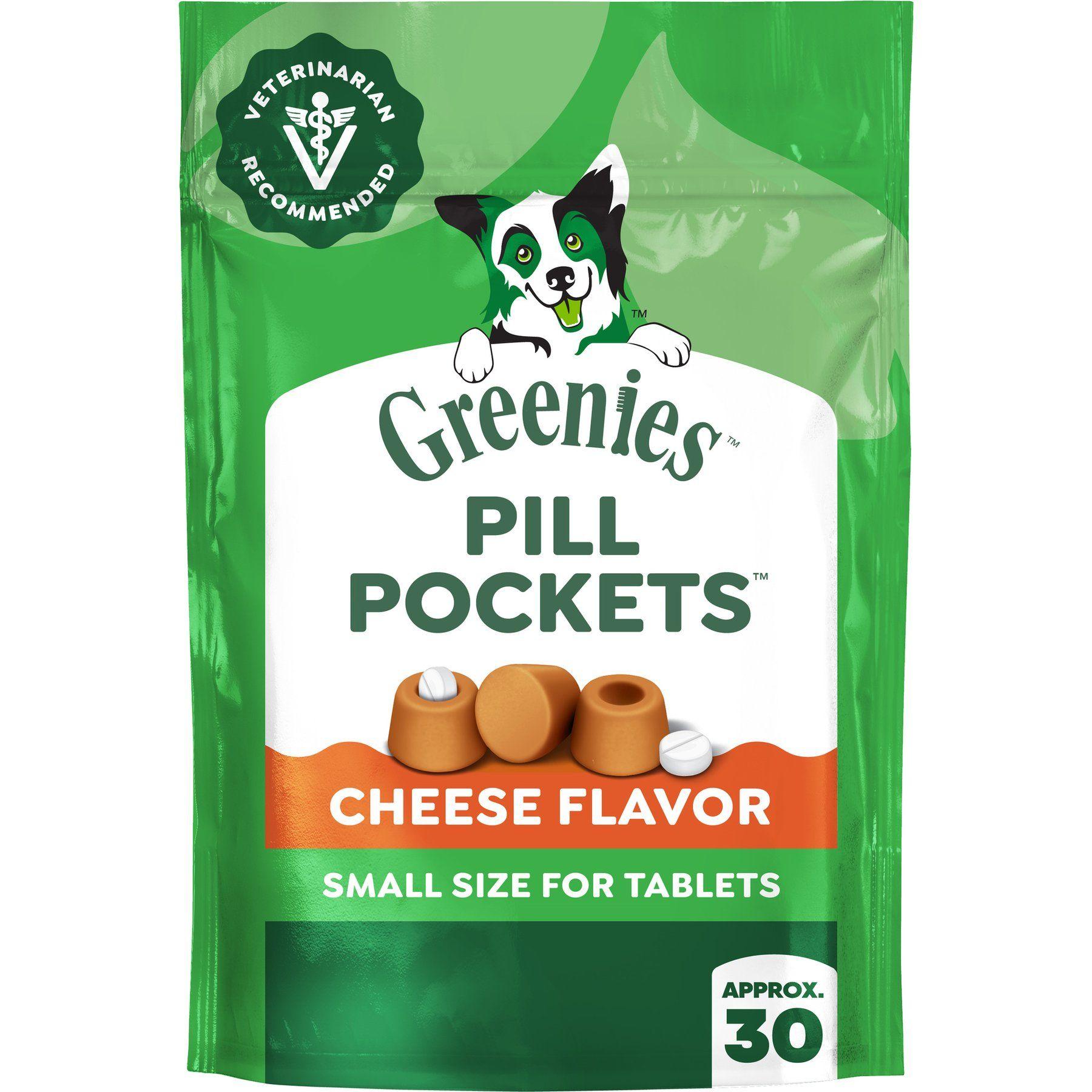
A soft treat pouch for hiding a prescribed cough tablet so the whole dose goes down.
Webvet may earn a commission when you click through to Chewy, at no extra cost to you.
The approval status depends on the form and the job:
- Torbutrol tablets: FDA approval conditions in 21 CFR 520.246 cover a chronic, dry cough from upper airway inflammation.
- Dog-labeled injection: 21 CFR 522.246 sets dog conditions of use for injectable butorphanol, also for chronic dry cough.
- Torbugesic injection (10 mg/mL): the Zoetis Torbugesic label covers colic pain in horses, so dog use is extra-label.
- Sedation and pain relief: a Kansas State study in the Journal of Veterinary Pharmacology and Therapeutics notes these uses are extra-label in dogs.
Every form is restricted, in the regulation's words, "to use by or on the order of a licensed veterinarian."

Some dogs prescribed cough tablets have a collapsed trachea, and VCA's tracheal collapse guide advises a harness rather than a collar for those dogs.
A no-pull harness such as the HDP Big Dog No Pull Dog Harness spreads leash pressure across the chest instead of the neck. It is walking gear only; it does not treat a cough or replace the prescribed medicine and the exam that found the cause.
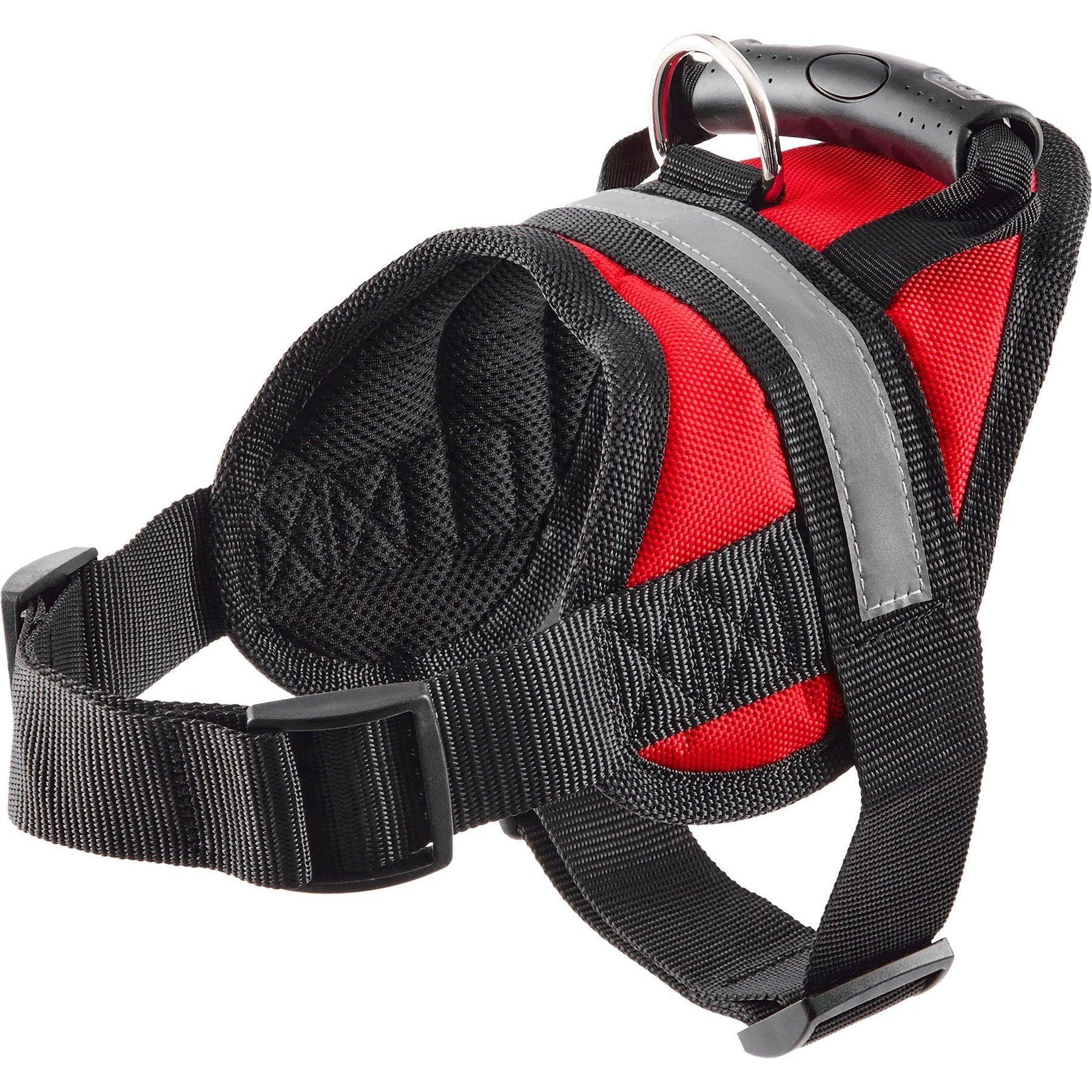
A chest harness that keeps leash pressure off the neck of a dog with an irritated windpipe on walks.
Webvet may earn a commission when you click through to Chewy, at no extra cost to you.
How strong is butorphanol?
Butorphanol is a strong cough suppressant but a modest, short-lived painkiller. The FDA veterinary label rates it 15 to 20 times the oral antitussive activity of codeine in dogs. The Merck Veterinary Manual gives a higher figure: 100 times more potent than codeine as a cough suppressant.
Potency is not the same as pain-relieving power. Merck notes a ceiling effect, where higher doses add relatively little. The FDA human label explains the mechanism: butorphanol is a partial agonist at the mu receptor and a full agonist at the kappa opioid receptor, which is why vets call it an opioid agonist-antagonist.
Butorphanol dosage for dogs by weight: how vets dose injections and tablets
Butorphanol dosage for dogs depends on the form, the job, and the dog's weight, and the vet calculates the exact dose. These are the ranges vets work within, not a home dosing guide.
| Form | Who gives it | Where | Range the vet works within (source) |
|---|---|---|---|
| Injection for sedation, premedication, or short pain relief | Veterinary team | Clinic | 0.2–0.4 mg/kg IV, IM, or SC every 1–2 hours (Merck analgesic table); 0.1–0.4 mg/kg every 1–4 hours (Merck emergency table); extra-label use |
| Dog-labeled injection for chronic dry cough | Veterinary team | Clinic | 0.025 mg per pound SC every 6–12 hours as required, up to 0.05 mg per pound; normally not longer than 7 days (21 CFR 522.246) |
| Cough tablets (Torbutrol, 1, 5, or 10 mg) | Owner, exactly as prescribed | Home | 0.25 mg per pound every 6–12 hours as required; normally not longer than 7 days (21 CFR 520.246) |
| Cough tablets, reference range | Owner, exactly as prescribed | Home | 0.55–1.1 mg/kg by mouth every 6–12 hours (Merck antitussive table) |
| Injection for cough, reference range | Veterinary team | Clinic | 0.055–0.11 mg/kg SC every 6–12 hours (Merck antitussive table) |
Giving butorphanol tablets for dogs at home
Give exactly what the vet prescribed, on the label schedule, and never change or stop the dose without the vet. VCA notes the tablet can be given with or without food, so many owners hide it in a soft treat.
VCA's missed-dose advice:
- Give a missed dose when you remember, unless the next dose is nearly due.
- If it is close to the next dose, skip the missed one and keep to the schedule.
- Never give two doses at once or extra doses.
For a dog that picks tablets out of treats, the Dee Pet Piller for Dogs & Cats, 1 count places the tablet at the back of the tongue with a plunger. It helps with technique only. VCA advises storing tablets at room temperature away from light, in a locked cabinet, and counting what remains.
Why there is no butorphanol for dogs dosage chart
The label does not include a weight chart. It gives one per-pound amount and Merck gives per-kilogram ranges, and the vet converts these into a dose for one dog. The dose on your dog's bottle is the only one that applies.
The tablet and injection figures look far apart for a reason. Merck explains that butorphanol is poorly absorbed by mouth, so the oral dose in dogs is 10 times the subcutaneous dose.

What butorphanol is used for in dogs: sedation, short-term pain relief, and cough

Butorphanol for dogs is used for three jobs day to day:
- Sedation and anesthesia premedication: VCA lists butorphanol as a pre-anesthetic, and in the Kansas State study every treatment group became sedated.
- Short-term pain relief: VCA says it eases mild to moderate pain for a short time, and Merck notes a ceiling effect and a duration of 1 to 2 hours in most dogs. For longer-lasting pain, see pain meds for dogs and tramadol for dogs and cats.
- Cough: the FDA dog approvals cover a chronic, dry cough, and Merck adds that cough doses may cause considerable sedation.
For cough, butorphanol targets a dry, unproductive cough. VCA advises caution in lower respiratory tract disease, so a wet cough needs a diagnosis first. See kennel cough in dogs and why is my dog coughing for common causes.
For a dog with a collapsed trachea, VCA lists butorphanol among cough suppressants that may be needed daily, alongside weight management and a harness instead of a collar. The HDP Big Dog No Pull Dog Harness, Red, Medium is one chest harness option; it is walking gear and does not treat the cough.
How long does it take for butorphanol to work in dogs?
Butorphanol starts working quickly, and VCA says you should notice your pet feeling better about 1 to 2 hours after a dose. A pain study cited in the Kansas State paper found butorphanol's peak effect at 1 hour after an IV dose.
Butorphanol side effects in dogs and recovery after sedation

Sedation and wobbly walking are among the most common side effects, and recovery usually goes smoothly with a quiet setup. VCA recommends a soft, clean bed in a quiet, draft-free room. If the clinic sent home a cone or recovery suit, VCA advises using it to prevent chewing; if none was provided and your dog licks the incision, VCA says to contact the hospital.
The ZenPet ZenCollar Inflatable Recovery Dog & Cat Collar is an inflatable recovery collar. Ask the clinic before using it, whether or not they sent a cone home, and keep to their wound checks; it does not replace the clinic's aftercare.
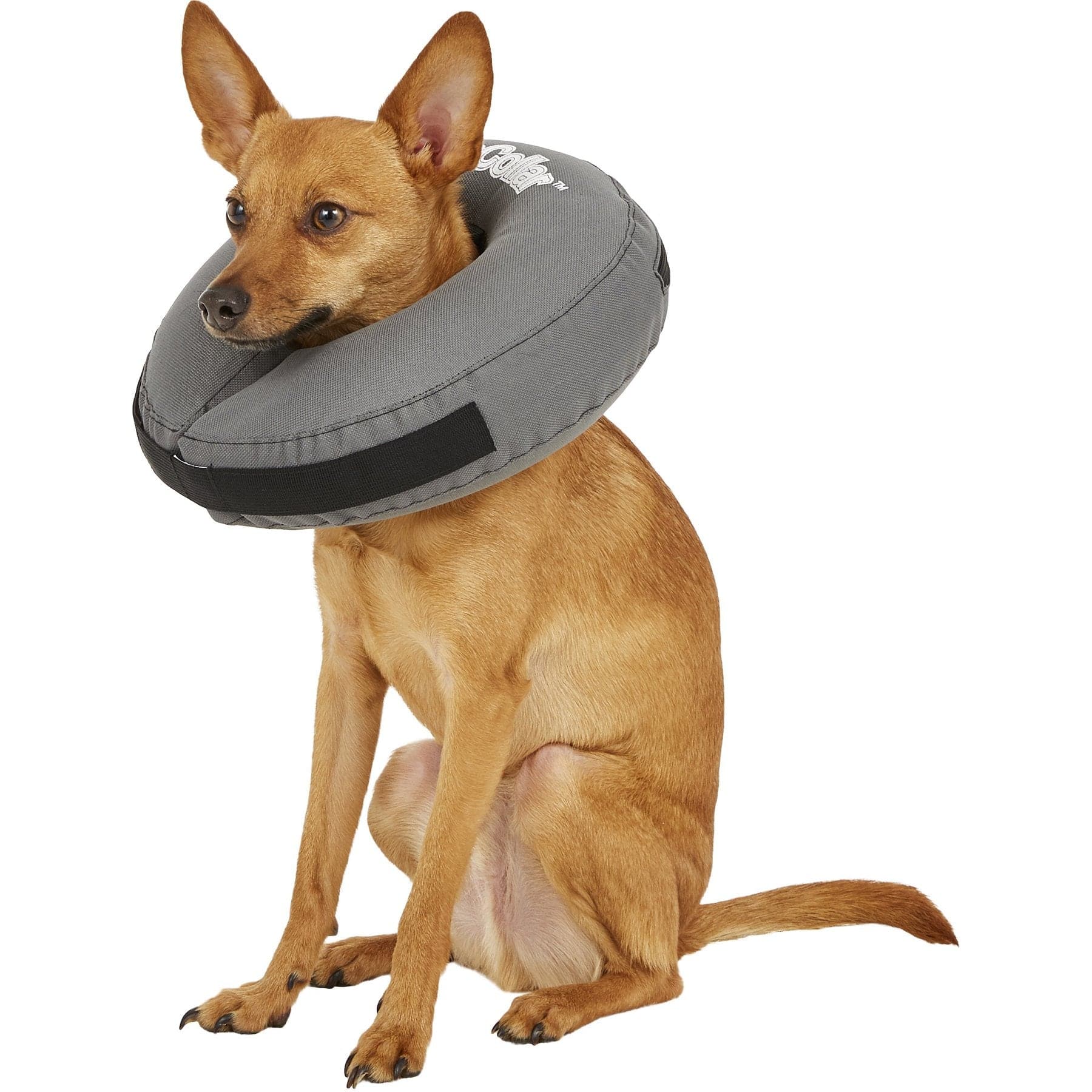
An inflatable recovery collar to ask the clinic about if a hard cone is a struggle for your dog.
Webvet may earn a commission when you click through to Chewy, at no extra cost to you.
The common side effects VCA lists:
- Sedation and sleepiness
- Excitement in some dogs
- Wobbly walking (ataxia)
- Reduced appetite
- Slowed breathing (respiratory depression)
- Diarrhea, rarely
In the Kansas State study, vomiting occurred in 3 of 6 dogs after an injection under the skin and 1 of 6 after an IV injection. VCA adds that very high doses can cause seizures, heart changes, and slowed breathing.
Keep a recovering dog indoors overnight, with short leash walks for toileting. If the sedation was for surgery, the dog spay recovery guide covers incision care.
Paw Inspired Washable Dog Pee Pads are reusable, leak-proof pads that can line a crate or bed while the sedative wears off. They are a cleanup aid only and do not replace the clinic's discharge instructions.
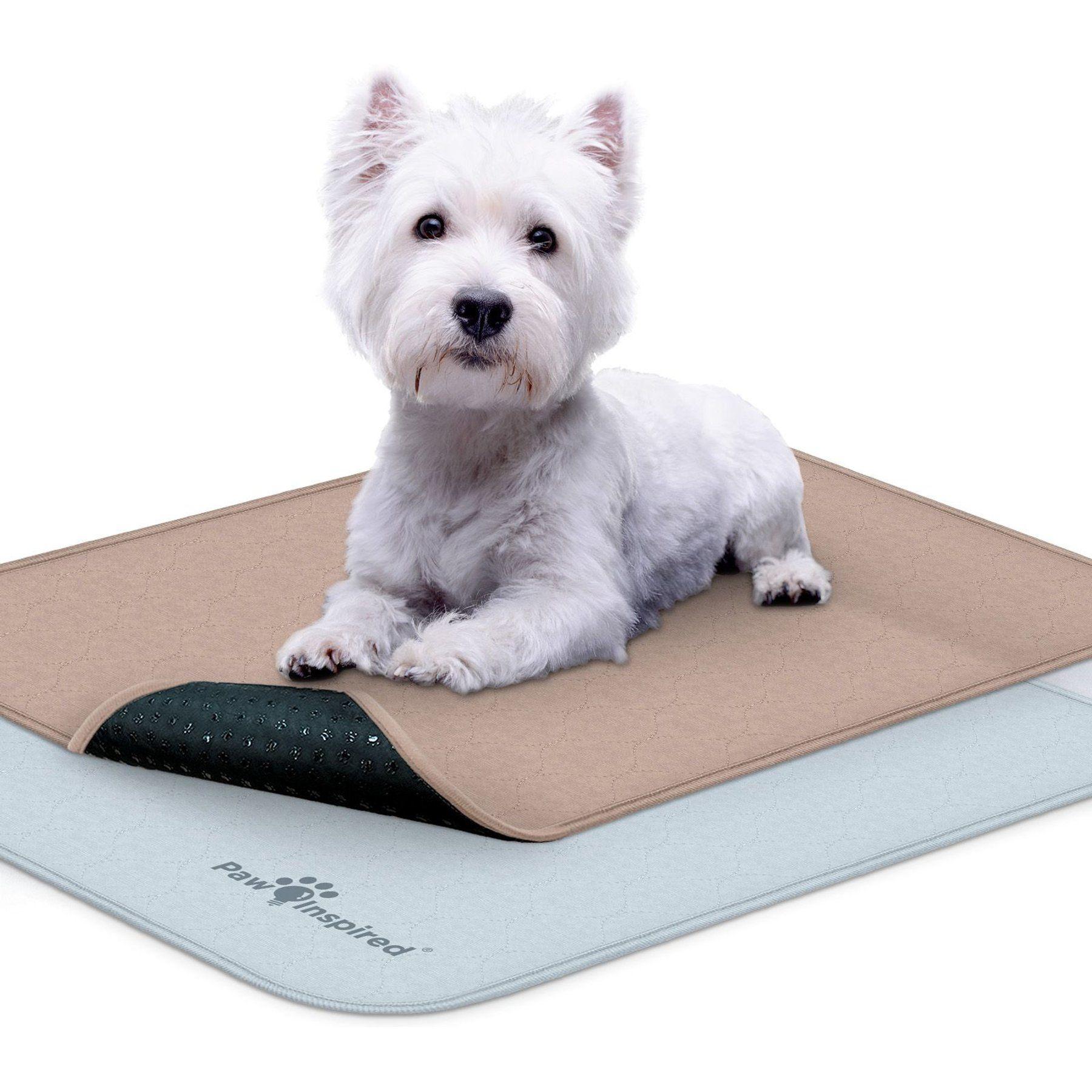
Washable, leak-proof pads that line a resting spot while a groggy dog sleeps off sedation.
Webvet may earn a commission when you click through to Chewy, at no extra cost to you.
For the soft, clean bed VCA recommends, the Bedsure Orthopedic Waterproof Dog & Cat Bed, Grey, Large has a waterproof, egg-crate foam base and is listed at $24.30 on Chewy when checked in November 2026.
VCA suggests offering about half the usual dinner a few hours after getting home, since some dogs feel queasy after anesthesia. If stools turn loose over the next day or two, ask the vet whether a probiotic such as Purina Pro Plan Veterinary Diets FortiFlora Dog Supplement, 30 count suits your dog.
 Sponsored
Vet care that's always there
Unlimited video calls and messaging with licensed vets for less than a typical vet visit. One membership covers up to five pets.
Use code Pets60
Plans start at $12/month · covers up to 5 pets
- Licensed vets in most states
- Rx for 150+ conditions
- 4.7 on Trustpilot
How long does it take for butorphanol to wear off?
Most of the effect wears off within hours. The Kansas State study measured a half-life of about 1.5 hours, and no dog had moderate or deeper sedation after 8 hours. VCA says it is generally out of the system within 24 hours, longer with reduced liver or kidney function.
Pain relief fades sooner than the sleepiness: Merck puts it at 1 to 2 hours in most dogs, which is why vets redose or switch drugs for ongoing pain.
How long should my dog sleep after sedation?
Many dogs are sleepy for 12 to 24 hours after anesthesia, according to VCA. Its post-operative guide says a sedated dog may look drowsy for about a day, with behavior returning to normal over 24 to 48 hours. Sleepy is normal; a dog you cannot rouse is not.
Recovery checklist: normal grogginess or call today
Expected on the evening after a clinic dose:
- Sleepy, slow to get up, a little wobbly
- Less interest in food at first
- A mild cough for a few days if a breathing tube was used, which VCA says typically fades
Call the clinic today if you notice:
- Your dog is unusually sluggish or cannot be roused easily, which VCA says warrants a call immediately
- A cough that persists or worsens after the procedure
- Repeated vomiting, or no interest in food by the next day
- Any change in breathing, appetite, toileting, or behavior that worries you
When to call the vet now after butorphanol
VCA's emergency guidance is direct: if life-threatening signs follow an overdose, take your dog to your vet or an emergency facility immediately, and if you suspect an overdose or adverse reaction, call your veterinary office straight away. Treat these as urgent:
- Slowed or difficult breathing (VCA advises watching breathing rate, especially at higher doses)
- Unresponsiveness or being very hard to rouse
- Seizures or a sudden change in heart rate
- Extra tablets swallowed, or a dose given twice

How to reverse butorphanol in dogs?
A veterinarian reverses butorphanol with naloxone, an opioid antagonist. The FDA human butorphanol label states that butorphanol's breathing depression is reversed by naloxone, and VCA's naloxone page says it is used under direct veterinary supervision. Reversal also removes pain relief, which the vet weighs first.
Drug interactions and dogs that should not get butorphanol
The butorphanol label warns that combining it with other sedative or pain drugs is likely to produce additive effects. VCA lists drugs that need caution alongside it, including:
- Other sedatives and central nervous system depressants
- Other opioids, such as fentanyl and tramadol
- Antidepressants, including SSRIs, tricyclic antidepressants, and MAOIs
- Erythromycin, itraconazole, and theophylline
- Metoclopramide, diuretics, and blood pressure medicines such as benazepril, amlodipine, and atenolol
Tell the vet about every medicine and supplement your dog takes, including a seizure medicine such as Keppra for dogs or a muscle relaxant such as methocarbamol for dogs, so the vet can judge combined sedation.
VCA says butorphanol should not be given to a dog that is hypersensitive to it, and needs caution in dogs with:
- Hypothyroidism, Addison's disease, liver disease, or severe kidney impairment
- Lower respiratory tract disease or heartworm disease
- Old age or severe debility
- Head trauma or other brain problems, where VCA advises extreme caution
VCA adds that use in pregnant or breeding dogs is not recommended and nursing mothers need caution. Dogs with the MDR1 (ABCB1) gene mutation need a reduced dose: Merck lists reduced dosages for them, and VCA says the vet will decrease the dose by 25 to 50 percent. VCA names Australian shepherds, Shetland sheepdogs, collies, long-haired whippets, and silken windhounds as the breeds most often affected.
Butorphanol vs buprenorphine and other options, and what it costs
Both drugs are mixed-action opioids, but vets use them differently. Butorphanol is short-acting, a strong cough suppressant, and holds the FDA dog approval for cough. Buprenorphine is the longer-lasting pain choice, and VCA's buprenorphine page notes its use for pain in dogs is extra-label.
Which sedative is strongest is a clinic decision made per procedure. For an at-home calming medicine a vet may prescribe, see trazodone for dogs.
What butorphanol for dogs costs and where to get it
There is no public price list for butorphanol. The drug is usually part of the clinic's sedation, procedure, or exam fee, and a tablet prescription is priced by the dispensing clinic or pharmacy. Ask for an estimate before a planned procedure.
Butorphanol is available only through a veterinarian. As a controlled substance, the clinic or a pharmacy dispenses it only for the named dog. Home extras such as Greenies Pill Pockets Cheese Flavor Natural Dog Treats, Tablet Size, 30 count are listed at $11.99 on Chewy when checked in November 2026.
What are the differences between butorphanol and buprenorphine in dogs?
The main difference is duration and purpose. Merck's emergency table gives butorphanol a short effect of 1 to 2 hours in most dogs, while buprenorphine is dosed every 6 to 12 hours. Butorphanol is DEA Schedule IV and buprenorphine Schedule III, and Merck notes buprenorphine may be more difficult to reverse.
How long does buprenorphine last in dogs?
Buprenorphine lasts several hours per dose, though the references differ. Merck's emergency table lists dosing every 6 to 12 hours, while Merck's dog analgesic table lists every 4 to 6 hours. VCA says it should stop working within 24 hours, longer in dogs with liver or kidney disease.
Butorphanol questions
Frequently Asked Questions
Is Torbutrol the same as butorphanol?
Yes. Torbutrol is a brand name for butorphanol tartrate tablets for dogs. The FDA approval conditions for the tablets list 1, 5, and 10 mg strengths for relief of a chronic, dry cough in dogs, dispensed only on a veterinarian's order.
What is Torbugesic for dogs?
Torbugesic is Zoetis's butorphanol injection, containing 10 mg of butorphanol per mL. Its label covers colic pain in adult horses and yearlings, so when a vet uses Torbugesic injection to sedate a dog or ease short-term pain, that is extra-label use under the vet's judgment.
Does butorphanol help a dog with a collapsed trachea?
It can reduce the coughing. VCA lists butorphanol among the cough suppressants that may be needed daily for a dog with a collapsed trachea. It eases the cough but does not repair the windpipe, so the vet builds the wider plan around it.
Is butorphanol used to sedate dogs?
Yes, it is a common part of clinic sedation. Vets give it as a premedication before anesthesia or to calm a dog for a short procedure, where it adds sedation and brief pain relief. The veterinary team gives and monitors that dose.
Can you buy butorphanol for dogs?
Not without a veterinarian. Butorphanol is a Schedule IV controlled drug, so it needs a veterinarian's prescription. VCA notes it is illegal to use it in any person or animal other than the one it was prescribed for.
Veterinarian · BVMS MRCVS
Dr. Pippa Elliott, BVMS, MRCVS, is a veterinarian with nearly 30 years of experience in companion animal practice. Dr. Elliott earned her Bachelor of Veterinary Medicine and Surgery from the University of Glasgow. She was also designated a Member of the Royal College of Veterinary Surgeons. Married with 2 grown-up kids, Dr. Elliott has a naughty Puggle named Poggle, 3 cats and a bearded dragon.


