Pain Meds for Dogs: Vet Options, Dosage Safety, and What Never to Give
Pain Meds for Dogs explained: see the vet-reviewed dosage-by-weight chart, side effects, safety warnings, cost, and when to call your veterinarian.

BVMS MRCVS
Medically reviewed by Dr. Pippa Elliott, BVMS MRCVS · Last reviewed

Drug facts
Rx Database sponsored by
Varies by prescribed medicine
Varies by prescribed medicine is the medication or medication group covered in this vet-reviewed WebVet consumer safety guide.
 Sponsored
Is Varies by prescribed medicine right for your dog?
A licensed vet at Dutch can assess your dog over video and prescribe treatment when it's appropriate, delivered to your door.
Use code Pets30
Plans start at $11/month · covers up to 5 pets
- Licensed vets in most states
- Rx for 150+ conditions
- 4.7 on Trustpilot
Pain meds for dogs should only be used under a veterinarian-confirmed plan for that animal. The safest pain medicine for a dog is the one a veterinarian chooses for the cause, severity, health history, and other medication. Weight matters, but it never selects the drug or dose by itself. Do not give ibuprofen, naproxen, acetaminophen, aspirin, or leftover pet medication while waiting for advice.
Dog Pain-Medicine Dosage Chart: Why Weight Alone Is Not Enough
When considering pain meds for dogs, use the veterinarian-confirmed product and plan for that animal. This hub does not provide a cross-drug DIY dose chart. Milligrams from one pain medicine cannot be converted into another, and the same dog may need a different class for surgery, arthritis, nerve pain, cancer pain, or an emergency. Confirm the drug and dose with your veterinarian, then use the linked monograph for medication-specific guidance.
| Pain situation | Class a veterinarian may consider | Dose owner and next step |
|---|---|---|
| Acute inflammatory pain or postoperative pain | Veterinary nonsteroidal anti-inflammatory drug when appropriate | The individual prescription controls dose; see the carprofen monograph |
| Chronic arthritis pain | NSAID plus rehabilitation, weight, environment, or multimodal support | Vet examination and monitoring determine the long-term plan |
| Nerve-related or chronic sensitization pain | Gabapentin or another adjunct in selected dogs | Sedation, kidney health, and other drugs affect the prescription |
| Severe cancer, trauma, or hospital pain | Opioid or other clinic-managed multimodal treatment | Requires urgent or specialist veterinary care |
| Owner considering aspirin | Do not select from weight alone | Ask the vet and read the aspirin monograph before any use |
| Owner considering ibuprofen, naproxen, or acetaminophen | Do not give from a human label | Call a veterinarian or poison service after exposure |
There is no universal dose column because unlike medications cannot share one amount. Each prescription label provides its own patient-specific numbers.
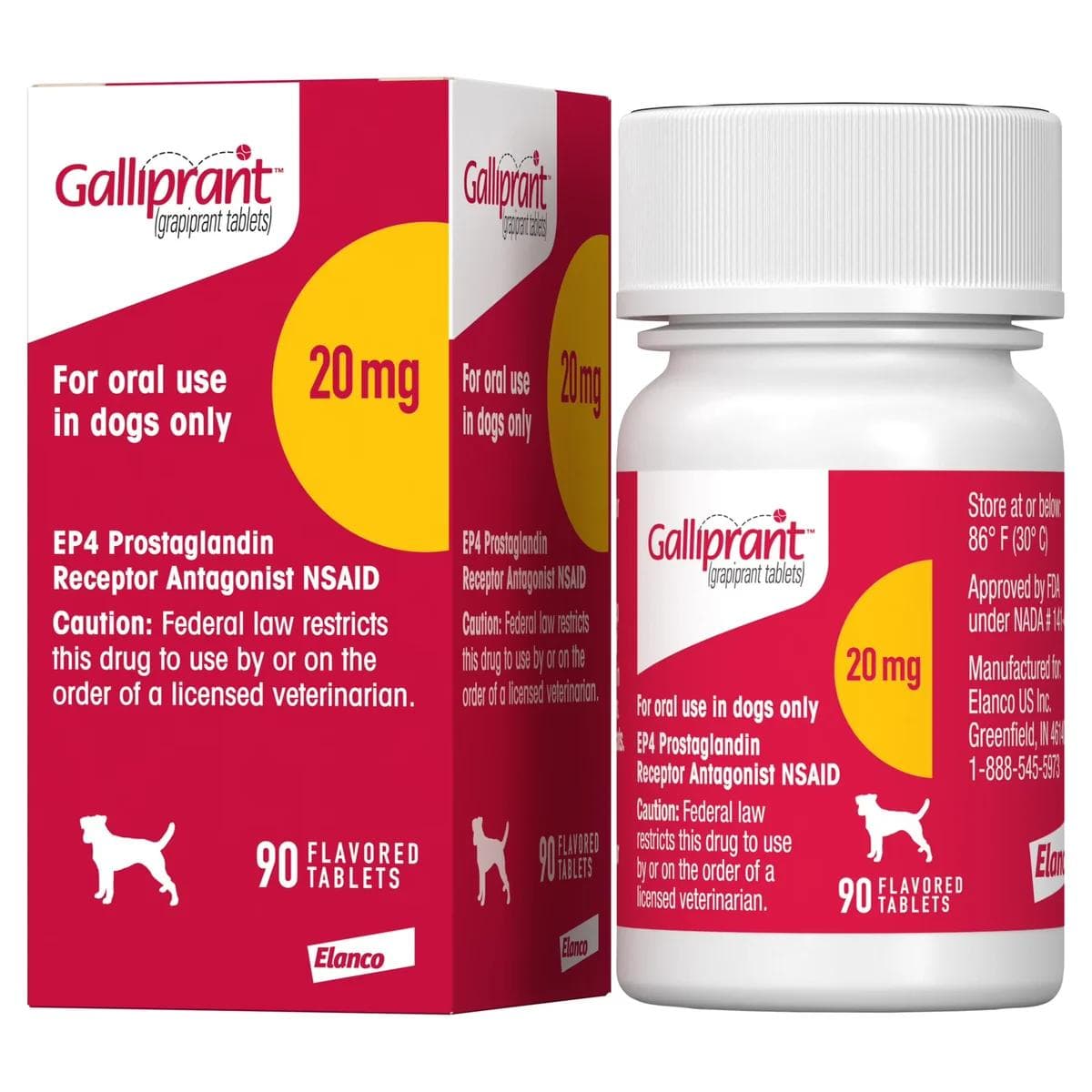
A prescription anti-inflammatory made specifically for arthritis pain in dogs. It needs a vet's diagnosis and script, and it is precisely why you never reach into your own medicine cabinet: human pain relievers are toxic to dogs.
Webvet may earn a commission when you click through to Chewy, at no extra cost to you.

Before giving any prescribed pain medicine, verify:
- The dog's name, current weight, and diagnosis.
- The drug name, strength, amount, route, and interval.
- Whether it is given with food.
- The first and last treatment dates.
- Which other pain, steroid, or anti-inflammatory medicine must stop.
- What monitoring is required.
- Which signs mean skip the next dose and call.
Do not restart an old prescription after a new injury. Pain that looks familiar can come from a fracture, spinal problem, abdominal disease, urinary obstruction, bloat, eye injury, or another emergency. A drug that was appropriate after surgery may be wrong when the dog is dehydrated, vomiting, taking a steroid, or developing kidney or liver disease.
For suspected disc disease, our IVDD in dogs guide explains urgent signs, the diagnostic workup, treatment choices, and why medication and movement restrictions need an individual veterinary plan.
Which Pain Medicines Vets Use for Dogs
- 1No human pain reliever is a default safe choice for dogs.
- 2Veterinary NSAIDs can help inflammatory pain but require patient selection and monitoring.
- 3Gabapentin may be part of a nerve-pain or multimodal plan.
- 4Severe pain often needs more than one treatment class and urgent assessment.
- 5Comfort measures support care but do not replace diagnosis or prescription treatment.

Veterinarians choose among several categories. The goal is not to find the strongest pill. It is to match mechanism and intensity to the pain while accounting for organ function, bleeding risk, sedation, mobility, and quality of life.
Veterinary NSAIDs
Nonsteroidal anti-inflammatory drugs can reduce pain and inflammation from osteoarthritis, injury, or surgery in appropriately selected dogs. Carprofen is one example. The carprofen for dogs and cats guide covers its dose, adverse-effect, and monitoring details.
An NSAID plan may require a physical exam, baseline or follow-up laboratory work, and instructions about appetite, vomiting, diarrhea, stool color, urination, and energy. Never combine veterinary NSAIDs, add aspirin, or overlap an NSAID with prednisone unless a veterinarian directs the transition.
Gabapentin and pain adjuncts
Gabapentin can be used as part of a plan for nerve-related pain, chronic pain, or perioperative support. It may cause sleepiness or poor coordination, and the prescription can change with kidney health and other sedating medicine. The gabapentin for dogs and cats guide covers the dosage-by-weight and tapering decisions.
Other adjuncts can address different pathways. A veterinarian may combine medication with rehabilitation, cold or heat when appropriate, weight management, joint support such as Nutramax Cosequin Joint Health, environmental changes, or specialist procedures. Multimodal care does not mean owners should stack several leftover drugs, and a supplement does not replace analgesia.
Opioids and hospital-level pain control
Severe trauma, major surgery, pancreatitis, cancer, and other intense pain may require clinic-administered or tightly controlled medication. The dog may also need fluids, imaging, oxygen, surgery, or treatment of shock. Trying an over-the-counter tablet first can delay the care that actually relieves suffering.
Can I give my dog anything for pain without a vet?
Do not give a human pain medicine. Safe immediate actions are to restrict activity, prevent jumping, provide a padded nonslip resting area, stop the dog from licking an injury, and call the veterinary team. Do not manipulate a painful limb or spine, force food, or apply heat to a swollen injury without instructions.
Can I give aspirin or Tylenol?
Aspirin is not a routine owner-selected pain reliever. It can affect the gastrointestinal tract and platelets and can complicate a switch to another anti-inflammatory drug. The aspirin for dogs and cats guide covers that risk-benefit decision. Acetaminophen, sold under the Tylenol brand, should not be given without explicit veterinary direction.

The number-one veterinarian-recommended joint supplement brand. Glucosamine, chondroitin, and MSM support cartilage and cushion the joints, easing the stiffness and hind-end weakness that can leave an older or arthritic dog trembling.
Webvet may earn a commission when you click through to Chewy, at no extra cost to you.
Carprofen vs. Gabapentin and Other Vet Pain Medicines
Carprofen and gabapentin are not stronger and weaker versions of one medicine. Carprofen targets inflammatory pain as a veterinary NSAID. Gabapentin works differently and may be selected for nerve-related pain or as an adjunct. Some dogs receive both under veterinary supervision because each addresses a different pathway.
| Option | Where it may fit | Main decision before use |
|---|---|---|
| Veterinary NSAID such as carprofen | Inflammatory and osteoarthritis pain | GI, kidney, liver, hydration, steroid, and other NSAID history |
| Gabapentin | Nerve-related pain or multimodal support | Sedation, coordination, kidney health, and concurrent sedatives |
| Opioid | Severe acute, surgical, or cancer pain | Veterinary administration, monitoring, and controlled-drug rules |
| Corticosteroid | Selected inflammatory or immune conditions, not routine analgesia | Must not be improvised with an NSAID; diagnosis and taper matter |
| Aspirin | Limited veterinarian-directed situations | Bleeding, GI, and future-NSAID implications |
| Rehabilitation and environmental support | Chronic mobility or recovery plan | Must match the injury and dog's stability |
Compare drug classes here, then use each linked medication guide for its patient-specific dosing and monitoring details.
The best plan changes over time. Acute pain may need intensive short-term control. Arthritis needs repeated quality-of-life assessment. A veterinarian may consider a dog-labeled prescription such as Galliprant (grapiprant) tablets for dogs when it fits the diagnosis and patient. Cancer pain may require escalation as disease changes. A drug that once worked can become insufficient or unsafe after weight loss, dehydration, organ disease, or a new prescription.
Ask the veterinarian to define:
- The pain target and how improvement will be measured.
- Expected onset and duration.
- Rescue instructions for breakthrough pain.
- Adverse effects that require stopping.
- Recheck timing and laboratory monitoring.
- The plan if the dog cannot swallow or vomits medication.
Human Pain Medicines That Are Dangerous for Dogs
Which human painkillers are safe for dogs? None should be selected at home. Ibuprofen and naproxen can cause serious gastrointestinal and kidney injury. Acetaminophen can be toxic and should not be treated as a casual alternative. Aspirin has veterinary uses in selected situations but still requires a veterinarian because bleeding, ulcer, interaction, and washout decisions matter.

Do not induce vomiting unless a veterinarian or poison professional directs it. Do not give food, milk, antacid, activated charcoal, or another home remedy to neutralize a drug. The correct response depends on ingredient, amount, timing, dog weight, symptoms, and health.
After an exposure, gather:
- Product and active ingredient.
- Strength per tablet or capsule.
- Estimated amount missing.
- Time of possible ingestion.
- Dog weight, age, and medical conditions.
- Current prescriptions and supplements.
- Vomiting, stool, appetite, thirst, urination, energy, and neurologic signs.
Keep medications in closed containers behind a secure door. Bags, nightstands, pill organizers, and dropped tablets are common access points. Never carry dog medication and human medication loose together.
Recognizing Pain Before Choosing a Medicine
Dogs do not need to cry for pain to be real. Many become quiet, avoid normal activities, or change how they stand, sit, sleep, eat, and interact. The useful question is not whether the dog is dramatic. It is whether normal behavior and function have changed.
Watch for:
- Reluctance to climb stairs, jump, or enter the car.
- Stiffness after rest or shortened walks.
- Repeated position changes and inability to settle.
- Panting when the room is cool and activity has stopped.
- Guarding, licking, or flinching around one area.
- Appetite loss, hiding, irritability, or reduced social contact.
- A hunched back, tucked abdomen, lowered head, or abnormal limb use.
Take a short video of walking, rising, stairs, or the behavior that concerns you if doing so does not worsen pain. Note when the change began, whether trauma occurred, and whether it is constant or linked to movement, meals, urination, or defecation.
Pain location changes urgency
Limping after mild activity can still need an examination, but some pain patterns are emergencies. A hard swollen abdomen, repeated retching, inability to urinate, sudden paralysis, breathing difficulty, eye pain, major trauma, or collapse should not wait for a routine appointment.
Neck or back pain requires careful handling. Do not pull the head into position, stretch the limbs, or encourage stairs to test the dog. Restrict movement and ask the clinic how to transport safely.
A pain score should include function
Before treatment, choose a few activities that matter to the dog. Examples include getting up without help, sleeping through the night, walking to the yard, eating normally, or greeting family. Track those alongside adverse effects.
A medicine that makes a dog very sleepy can reduce movement without providing adequate analgesia. A dog that walks more but begins vomiting also needs the plan changed. The veterinarian balances pain control, function, alertness, appetite, and organ safety.
Acute Pain, Chronic Pain, and Breakthrough Pain
Acute pain begins with a recent event such as surgery, injury, inflammation, or sudden disease. Chronic pain lasts or recurs and can change movement patterns, sleep, muscle strength, and the nervous system's response. Breakthrough pain is a flare that escapes an otherwise useful plan.
These categories can need different strategies:
- Acute pain: Prompt diagnosis, short-interval reassessment, and enough early control to allow rest and recovery.
- Chronic pain: Repeated quality-of-life checks, environmental support, rehabilitation, and monitoring for long-term medication.
- Breakthrough pain: A written rescue or recheck plan, not an owner-selected extra dose.
- Cancer pain: Escalation as disease changes, often using several modalities.
- Neuropathic pain: Treatment chosen for nerve-related mechanisms rather than inflammation alone.

Third-party-tested omega-3 softgels (EPA and DHA) that support skin, coat, and joint health in dogs. Fish oil is one of the first things many vets suggest for a dull, dry, or flaky coat.
Webvet may earn a commission when you click through to Chewy, at no extra cost to you.
Do not judge chronic pain solely by whether the dog still wants to play. Dogs can remain engaged while avoiding stairs, shifting weight, sleeping poorly, or struggling to rise. Small functional losses can add up to substantial suffering.
Pain can signal a disease that medication will not fix
Analgesia is important, but some causes need surgery, dental treatment, infection control, stabilization, or cancer therapy. A pain pill cannot repair a fracture, remove an obstruction, drain an infected uterus, relieve bloat, or restore urinary flow.
Call the veterinarian when pain returns immediately after each dose, worsens, changes location, or is joined by fever, vomiting, swelling, neurologic signs, urinary difficulty, or appetite loss. Increasing medicine without rechecking can mask deterioration.
NSAID Safety and Monitoring
Veterinary NSAIDs can be effective, but safe use requires more than choosing a dog-labeled product. Hydration, kidney and liver function, ulcer history, appetite, other anti-inflammatory medicine, and the reason for pain all matter.
Before an NSAID starts, tell the veterinarian about:
- Vomiting, diarrhea, black stool, or previous ulcer.
- Kidney, liver, heart, or bleeding disease.
- Dehydration or poor appetite.
- Prednisone or another steroid.
- Aspirin, ibuprofen, naproxen, or another NSAID exposure.
- Supplements and all current prescriptions.
The veterinarian may recommend baseline laboratory work and later monitoring. Follow the product-specific plan rather than assuming a normal test once guarantees long-term safety.
Stop-and-call signs during an NSAID course
Contact the clinic before the next dose after vomiting, diarrhea, black or bloody stool, appetite loss, marked lethargy, unusual thirst or urination, yellow discoloration, or abdominal pain. Do not switch to another NSAID or aspirin while waiting.
If a dose is missed, follow the prescription instructions. Do not double. If the dog vomits after a dose, report the timing and whether the tablet was visible before deciding it was lost.
 Sponsored
Vet care that's always there
Unlimited video calls and messaging with licensed vets for less than a typical vet visit. One membership covers up to five pets.
Use code Pets30
Plans start at $11/month · covers up to 5 pets
- Licensed vets in most states
- Rx for 150+ conditions
- 4.7 on Trustpilot
Washout and overlap are veterinary decisions
Moving between aspirin, a veterinary NSAID, and prednisone can require a planned gap. The right interval depends on the drugs, duration, patient, and clinical urgency. Owners should not create a washout by guessing or overlap products because the dog is uncomfortable.
During a transition, ask what can be used for comfort, which medication is stopped, the first date of the new drug, and what signs mean urgent care. Keep one written medication calendar for the entire household.
Special Situations That Change Pain-Medicine Choice
The same diagnosis does not create the same prescription for every dog. Age, organ function, other disease, and household logistics can change both risk and practicality.
Puppies and growing dogs
Young dogs can have injuries, developmental orthopedic disease, infection, or toxin exposure that an owner mistakes for a simple strain. Do not use medication left from an adult dog. Accurate weight and diagnosis are especially important during growth.
Senior dogs
Older dogs often have arthritis plus kidney, liver, heart, endocrine, cognitive, or gastrointestinal concerns. They may also take several drugs. A slower gait is not automatically normal aging, and untreated pain can reduce strength and confidence.
Senior plans may use smaller environmental changes with large benefit:
- Nonslip runners.
- Ramps or low steps.
- Supportive bedding.
- Raised or repositioned resources when medically appropriate.
- More frequent, shorter activity.
- Nail and paw care that improves traction.

A plush orthopedic foam mattress that cushions aging joints and pressure points, giving a stiff or trembling senior dog warm, supportive rest.
Webvet may earn a commission when you click through to Chewy, at no extra cost to you.
Dogs with kidney or liver disease
Organ disease can affect which drug is selected, how it is cleared, and what monitoring is needed. Do not assume gabapentin is automatically safe because it differs from an NSAID, or that a topical or supplement avoids systemic concerns.
Dogs already taking sedatives
Gabapentin, opioids, trazodone, and other medications can add sedation or impair coordination. Tell the veterinarian about behavior medicine, seizure treatment, antihistamines, and supplements. Prevent stairs and falls during the first doses of a new sedating plan.
Dogs with gastrointestinal disease
Vomiting, diarrhea, ulcer history, pancreatitis, poor appetite, or black stool changes the safety discussion. Do not hide a pain medicine in a rich food that worsens the underlying condition. Ask for administration instructions that fit the prescribed diet.
Non-Drug Support Is Part of Pain Care
Medication may make movement possible, while environmental and rehabilitation support reduce strain and rebuild function. These are not excuses to undertreat pain. They are complementary parts of a multimodal plan.
Veterinary-approved support can include:
- Weight management when excess load worsens joint pain.
- Controlled exercise matched to diagnosis and stage.
- Rehabilitation exercises and hydrotherapy.
- Nonslip flooring, ramps, and supportive bedding such as a FurHaven NAP orthopedic dog bed.
- Cold or heat at the correct time for the injury.
- Assistive harnesses fitted without pressure on painful areas.
- Dental care, surgery, or another cause-directed treatment.
Do not begin vigorous stretching, massage, chiropractic manipulation, or exercise based on a generic video. A movement that helps arthritis can worsen a fracture, spinal problem, or tendon injury.
Supplements and devices need the same skepticism
Joint supplements, CBD products, braces, magnetic products, and other marketed solutions vary in evidence, formulation, and interactions. If the veterinarian recommends omega-3 support, Nordic Naturals Omega 3 Pet Softgels are one product to ask about; they are not analgesics. Tell the veterinarian exactly what is being used. A supplement can add cost, calories, sedation, or contaminants without replacing adequate analgesia.
Ask what outcome should change and by when. Stop spending on an option that has no measurable benefit after the agreed trial, and do not delay proven treatment while waiting for a supplement to work.
Rechecking a Dog on Pain Medicine
Pain plans need adjustment as healing, disease, and daily function change. Schedule the recheck before the original prescription runs out. Bring videos, the dose log, and notes about appetite, stool, water, urination, sleep, mobility, and adverse effects.
At the recheck, answer:
- Which activities improved?
- Does relief last through the full interval?
- Is breakthrough pain occurring?
- Has sedation limited useful movement?
- Are vomiting, stool, appetite, thirst, or urination different?
- Is the diagnosis still the best explanation?
- Are laboratory or imaging checks due?
The goal is not permanent refills without reassessment. It is the lowest-burden plan that provides meaningful comfort and function while preserving safety.
Giving Pain Medicine Safely at Home
Use the original labeled container and one household dose log. Record the medication immediately after it is given. Do not leave tablets in food where another pet can eat them, and do not assume a swallowed-looking tablet was actually taken without checking.
At every dose, verify:
- Dog name and current prescription.
- Drug and strength.
- Amount and interval.
- Food instruction.
- Last dose time.
- New vomiting, diarrhea, appetite loss, sedation, or urinary change.
- Whether the veterinarian said to stop during illness.
If the dog refuses the medicine, ask about another formulation or administration technique. Do not crush an extended-release product, substitute a human liquid, or hide medication in a large fatty meal without approval.
Missed doses and vomiting after a dose
Follow the prescription's missed-dose instruction. Do not double. If the dog vomits after medication, record how soon it happened and whether the tablet was visible. The veterinarian decides whether the dose was absorbed enough to avoid repeating.
Repeated vomiting, inability to hold down water, black stool, or profound lethargy requires prompt advice. Continuing an NSAID or another pain medicine through dehydration or GI illness can change safety.
Accidental extra doses
Call after a suspected extra dose rather than waiting for symptoms. Provide the drug, strength, amount prescribed, maximum amount possibly swallowed, time, dog weight, health conditions, and every other medication.
Do not induce vomiting or give an antacid unless directed. Secure the remaining tablets so the estimated exposure does not increase.
Quality of Life and Humane Escalation
Chronic pain care should answer whether the dog can still perform meaningful activities without unacceptable distress. Appetite alone is not enough. Many dogs continue eating while sleep, movement, toileting, grooming, and social contact deteriorate.
Use a weekly quality-of-life record covering:
- Rest and nighttime sleep.
- Ability to rise and walk without repeated falls.
- Bathroom posture and access.
- Interest in family, food, sniffing, and favorite routines.
- Frequency and severity of pain flares.
- Adverse effects and medication burden.
- Number of good days and difficult days.
Share the record before a crisis. The veterinarian may adjust medication, add rehabilitation, recommend imaging or specialist care, or discuss palliative and end-of-life options when comfort cannot be maintained.
Escalation is not failure. Pain can progress despite good care. Asking about stronger clinic-managed treatment, mobility aids, hospice support, or humane euthanasia can protect the dog from avoidable suffering.
Caregiver safety
Pain can change behavior. Even a normally gentle dog may bite when lifted, restrained, or touched near the painful area. Keep children away, approach slowly, and ask for handling and transport instructions.
Do not muzzle a dog that is vomiting or struggling to breathe. When a muzzle is safe and necessary, use it only as directed and never leave it on an unattended dog.
What pain reliever is safe for dogs?
Safety is patient-specific. A veterinary NSAID may be safe for one dog and inappropriate for another with dehydration, kidney disease, ulcer history, or steroid treatment. Gabapentin may fit one pain pattern but cause unacceptable sedation in another. The veterinary diagnosis and prescription define safety.
What Dog Pain Medicine Costs
Dog pain medicine costs vary by drug class, strength, dog size, frequency, duration, pharmacy, monitoring, and whether emergency or specialist care is needed. The available primary veterinary evidence provides no verified universal price range, so one national estimate would be misleading.
Ask for a written estimate that separates:
- Examination and diagnostic imaging.
- Medication and dispensing fees.
- Baseline and follow-up laboratory work.
- Rehabilitation or specialist care.
- Rechecks and treatment of adverse effects.
- Expected monthly cost for chronic disease.
Generic medication may reduce pharmacy cost, but monitoring and diagnosis remain part of safe care. For chronic pain, compare the cost of the whole plan with the dog's measurable comfort, mobility, sleep, appetite, and participation in family life.
Comforting a Dog While You Arrange Care
How can you comfort a dog in pain? Keep the dog in a quiet, temperature-comfortable area with nonslip footing and soft bedding. Limit stairs, jumping, rough play, and unnecessary handling. Use a leash for short bathroom trips. Call before applying cold, heat, a brace, massage, or stretching.
Seek urgent care for:
- Trouble breathing, collapse, or severe weakness.
- A swollen abdomen or repeated unproductive retching.
- Inability to stand, sudden paralysis, or dragging limbs.
- Major trauma, uncontrolled bleeding, or an obvious fracture.
- Repeated crying, panic, or inability to settle.
- Inability to urinate or repeated straining.
- Eye injury or sudden vision change.
Do not use a muzzle on a vomiting or breathing-compromised dog. Pain can make even a gentle dog bite, so move slowly and avoid pressing the painful area. Call the clinic for transport advice when spinal injury or fracture is possible.
Prepare for the appointment with a short timeline. Include the last normal activity, possible injury, appetite, vomiting, urination, defecation, every medication, and any human drug exposure. Bring videos if they were captured without forcing movement.
Transport the dog with the least necessary motion. A crate, flat board, blanket sling, or support harness may help in selected situations, but ask the clinic when spinal injury, fracture, abdominal pain, or breathing trouble is possible. Do not offer food before emergency care unless instructed because sedation, imaging, or surgery may be needed.
Pain Meds for Dogs FAQs
Frequently Asked Questions
What are three signs your dog is suffering?
Three signs that a dog may be suffering are withdrawal from normal interaction, inability to rest comfortably, and loss of normal movement or appetite. Dogs can also pant, tremble, guard a body part, vocalize, lick one area, change posture, or become irritable. The pattern and change from normal matter. A sudden or severe change deserves prompt veterinary assessment.
How do dogs lay when in pain?
Dogs in pain may lay curled tightly, rigidly, or in an unusual posture, but there is no single pain position. A dog may repeatedly change position, hold the front down with the rear raised, refuse to lie on one side, or remain standing because settling hurts. Posture plus breathing, abdomen, mobility, appetite, and behavior helps determine urgency.
What can I do at home if my dog is in pain?
At home, you can help a dog in pain by restricting activity, providing nonslip padded rest, preventing licking, and calling the veterinary team. Do not give human medication or leftover pet prescriptions. Seek emergency care for severe pain, trauma, breathing trouble, abdominal swelling, collapse, paralysis, inability to urinate, or a rapidly worsening condition. Move the dog only as much as safety requires.

Editor
The Webvet Editorial Team is the in-house group of pet-care editors and writers behind Webvet, operated by Smart Pet Collective. The team researches, writes, and maintains Webvet's pet health, behavior, and medication content. Every article follows a defined editorial process: research from reputable veterinary and scientific sources, careful drafting, mandatory review of medical content by a credentialed veterinarian, and dated publication. Health and medication articles are medically reviewed by a licensed veterinary professional before they go live and are kept current over time.
Veterinarian · BVMS MRCVS
Dr. Pippa Elliott, BVMS, MRCVS, is a veterinarian with nearly 30 years of experience in companion animal practice. Dr. Elliott earned her Bachelor of Veterinary Medicine and Surgery from the University of Glasgow. She was also designated a Member of the Royal College of Veterinary Surgeons. Married with 2 grown-up kids, Dr. Elliott has a naughty Puggle named Poggle, 3 cats and a bearded dragon.


