What Is Osteoarthritis in Dogs? Signs Your Dog Might Be in Pain
Osteoarthritis in dogs starts earlier and hides better than most owners expect. A DVM explains the early and advanced signs of joint pain, how vets diagnose it, and the treatments that actually help.
Medically reviewed by Dr. Athena Gaffud, DVM · Last reviewed

This article contains affiliate links. Webvet may earn a commission when you buy through them, at no extra cost to you.
Osteoarthritis in dogs is one of the most common causes of chronic pain, especially in senior dogs and large breeds. Many dog parents assume that slow movement, stiffness, or hesitation on stairs is simply normal aging.
Some age-related change is expected, but osteoarthritis in dogs is a real medical condition that damages joint structure and steadily erodes long-term comfort. Treating it as inevitable aging is the single most common reason dogs suffer in silence.
It can also begin far earlier than owners expect. According to the Merck Veterinary Manual, up to 40% of dogs between 8 months and 4 years old already show signs of osteoarthritis on imaging, even though most families do not notice symptoms until age 5 to 13.
This disease develops gradually, so its signs are easy to miss. Dogs are experts at masking pain. They adapt by shifting weight, resting more, and quietly avoiding movements that hurt, which is exactly why so many cases go unnoticed until they are advanced.
This guide, reviewed by a veterinarian, explains what canine osteoarthritis is, the 12 early and advanced signs of pain, how vets diagnose it, the drugs and therapies that genuinely help, and what diet, home changes, and prognosis really look like.
- 1Osteoarthritis in dogs is a progressive, incurable joint disease, but it is highly manageable when caught early.
- 2It can start young: up to 40% of dogs aged 8 months to 4 years already have joint changes, per the Merck Veterinary Manual.
- 3Watch for 12 signs of pain, from subtle stiffness after rest and reluctance on stairs to limping, muscle loss, and irritability.
- 4Treatment is multimodal: weight control, prescription pain relief (NSAIDs, grapiprant, or the monthly injection bedinvetmab), supplements, and rehabilitation.
- 5Excess weight is the single biggest modifiable risk factor, so a healthy body condition protects the joints more than any supplement.
What Is Osteoarthritis in Dogs?
A healthy joint is a smooth, low-friction hinge. The ends of the bones are capped with slick cartilage, and a thin film of joint fluid lubricates every movement. Osteoarthritis is the gradual breakdown of that system, which is why it is also called degenerative joint disease.
As cartilage thins, the bones move with more friction, the joint becomes inflamed, and the body responds by laying down rough new bone (osteophytes) around the edges. That inflammation feeds more cartilage damage, creating a self-reinforcing cycle of pain and stiffness that worsens over time.
The condition most often affects the hips, knees (stifles), elbows, and shoulders, though any joint can be involved. It is not limited to old age. Younger dogs develop it too, usually after an injury or because of an inherited joint abnormality that stresses the joint from puppyhood.
Once cartilage is lost, it does not grow back, which is why osteoarthritis is considered a lifelong disease. Lifelong does not mean hopeless, though. With structured, veterinarian-guided care, most dogs stay comfortable and active for years. The goal of treatment is to control pain, slow progression, and protect daily function, not to reverse damage.
Vets sometimes split osteoarthritis into two types. Primary osteoarthritis is age-related wear with no clear underlying cause, and it is less common. Secondary osteoarthritis, which accounts for most cases in dogs, develops because of another problem such as dysplasia, a torn ligament, or a joint injury that stressed the cartilage.

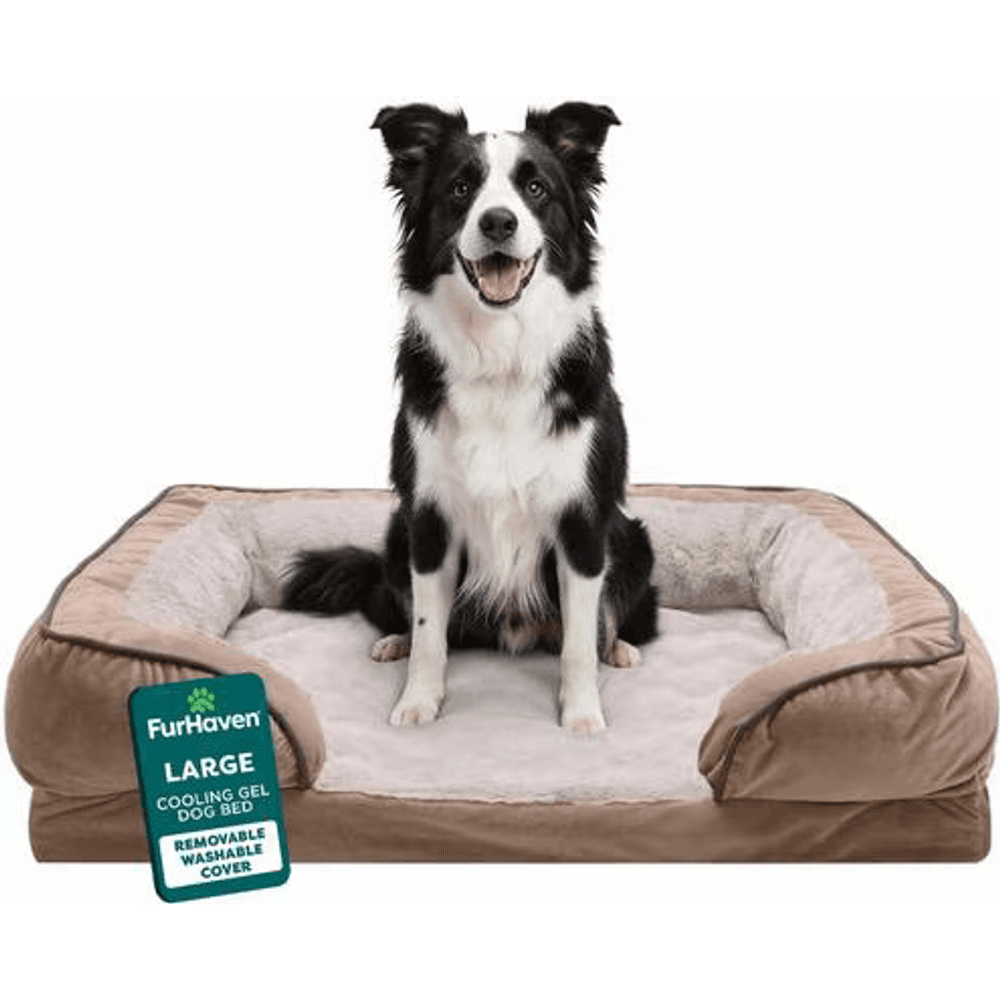
An orthopedic sofa bed with three bolstered sides for dogs who like to rest their head and joints against a cushion. The supportive foam base cradles hips and elbows, a comforting spot for an older or shaky dog to settle.
Webvet may earn a commission when you click through to Chewy, at no extra cost to you.
What Causes Osteoarthritis in Dogs?
Several risk factors drive osteoarthritis in dogs, and they often overlap. Most cases are secondary, meaning they develop because of another problem in the joint rather than out of nowhere. The most common contributors are explained below.
- Aging and cartilage wear: years of use gradually thin the joint cartilage and reduce protective joint fluid, so wear-and-tear arthritis becomes more likely as dogs get older.
- Hip or elbow dysplasia: inherited joint malformations create uneven pressure and accelerate degeneration, especially in large breeds like German Shepherds and Labrador Retrievers.
- Old injuries: past ligament tears, such as a cranial cruciate rupture, or healed fractures leave a joint unstable and prone to arthritis for the rest of a dog's life.
- Obesity: excess weight adds mechanical load, and fat tissue itself releases inflammatory signals that worsen the disease. It is the biggest risk factor you can actually control.
- Genetic predisposition: certain breeds inherit traits that predispose them to early cartilage breakdown and canine osteoarthritis, sometimes years before signs appear.
- Repetitive high-impact activity: continuous strain from intense jumping, twisting, or hard-surface running erodes cartilage over time, particularly in athletic or working dogs.
- Joint infection or inflammation: a previous infection or inflammatory condition inside the joint can trigger the structural damage that later becomes osteoarthritis.
These factors frequently interact, forming a cycle of joint stress and damage. Body size and breed shape the risk too, which we cover in our guide to arthritis and dog size. Understanding these risk factors is the first step toward preventing and managing the condition early.
Which Dogs Are Most at Risk?
Any dog can develop osteoarthritis, but some are far more likely to. Large and giant breeds top the list, because their joints carry more load and are prone to developmental conditions. Labrador Retrievers, German Shepherds, Golden Retrievers, Rottweilers, Bernese Mountain Dogs, and Newfoundlands are all commonly affected.
Beyond breed, the strongest risk factors are being overweight, having a history of joint injury or surgery, and simply getting older. Dogs who were very active athletes, or who grew up too fast on excess calories as puppies, also carry elevated risk. Knowing your dog fits this profile is a reason to screen early.
Small breeds are not immune. Toy and small dogs commonly develop arthritis secondary to conditions like luxating patellas (slipping kneecaps) and hip problems such as Legg-Calve-Perthes disease. So while big dogs dominate the statistics, no size or breed is fully protected, and every senior dog deserves a periodic mobility check.
Osteoarthritis vs. Normal Aging
The most damaging myth about canine arthritis is that slowing down is just old age. Some slowing is normal, but reluctance to move because it hurts is not. The difference matters, because true aging does not respond to treatment, while osteoarthritis pain very much does.
Warning signs that point to pain rather than plain aging include stiffness that eases once a dog warms up, favoring one leg, difficulty rising, irritability when touched, and a dog who wants to walk but tires or lags quickly.
When in doubt, a vet exam and a short trial of pain relief often reveal how much discomfort was hiding. Many owners are surprised to see their older dog become brighter, more playful, and more willing to move once arthritis pain is properly controlled.
How to Check Your Dog for Pain at Home
You know your dog's normal better than anyone, which makes you the first line of detection. Between vet visits, a few simple observations help you catch pain early and track whether treatment is working. Never force a painful joint or push through a reaction, and take notes or short videos to show your veterinarian.
- Watch the first movements of the day. Stiffness or a slow, stilted gait right after rising is a classic early clue.
- Time a normal walk. Note whether your dog lags, shortens the route, or stiffens up afterward compared with a few months ago.
- Watch stairs and jumps. Hesitation, taking stairs one at a time, or refusing the couch or car all suggest joint discomfort.
- Notice grooming and posture. Excessive licking of one joint, a hunched back, or thinning muscle over the hips can all point to a painful area.
- Track mood and tolerance. New grumpiness when handled, or reluctance to play, often reflects ongoing pain rather than a change in personality.
These home observations do not replace a veterinary exam, but they make it far more productive. A short written or video record of what you have noticed helps your vet decide which joints to focus on and gives you both a baseline to measure whether treatment is truly helping.
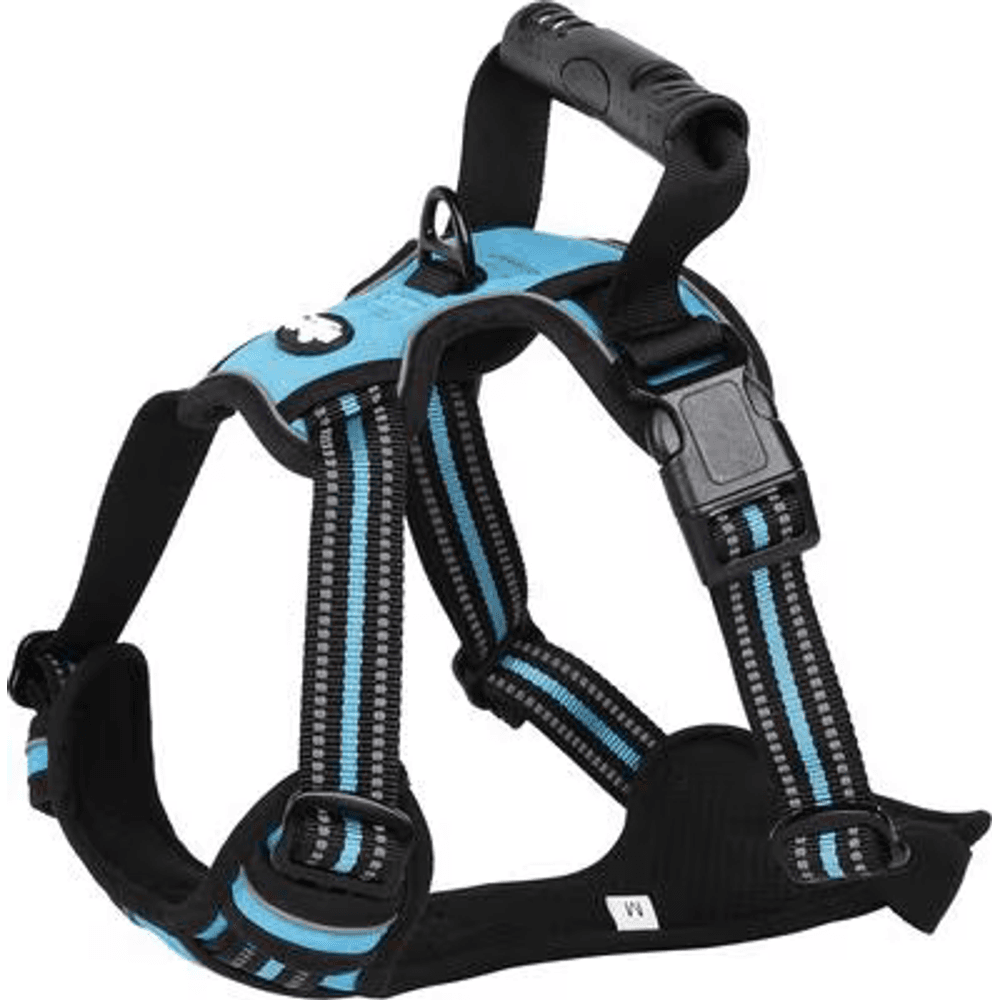
A padded, reflective no-pull harness that spreads leash pressure across the chest instead of the throat, the switch most vets recommend for a dog with a cough, a collapsing trachea, or any airway irritation so the leash never presses on...
Webvet may earn a commission when you click through to Chewy, at no extra cost to you.
Early Signs of Osteoarthritis in Dogs
The earliest signs are subtle and easy to write off. These first six clues, plus the six advanced signs below, make up the 12 signs of pain every owner should know. If limping is your dog's main sign, our guide to why dogs limp covers the full range of causes.
- Slow to rise: stiffness after resting, especially first thing in the morning or after a nap, is one of the earliest and most reliable signs of dog joint pain.
- Difficulty jumping: hesitation or a visible struggle to get into the car or onto the couch points to reduced joint flexibility and comfort.
- Hesitation on stairs: careful, slow, or reluctant movement on steps signals discomfort during weight-bearing, often before any limp appears.
- Stiffness after exercise: joints that tighten up in the hours following activity reflect rising inflammation that settles with rest, then returns.
- Occasional limping: intermittent favoring of one leg, which may come and go, suggests early structural change in that joint.
- Less interest in play or walks: a dog who used to greet the leash with excitement but now hangs back may be quietly managing pain.
 $65 · no membership
Is your dog slowing down or seeming sore?
A licensed vet can examine your dog over video and prescribe treatment online when it's appropriate.
 Talk to a vet
- Licensed vets
- All 50 states
- same-day Rx

Webvet may earn a commission if you book.
Advanced Signs Your Dog Might Be in Pain
As osteoarthritis progresses, the signs become harder to overlook and more clearly tied to pain. These are the six advanced signs that complete the picture.
- Consistent limping: steady favoring of a limb, rather than the occasional limp of early disease, indicates significant and persistent joint pain.
- Difficulty standing: visible struggling to rise from a lying position, sometimes with several failed attempts, reflects advanced stiffness and inflammation.
- Muscle loss (atrophy): thinning of the hind-leg or shoulder muscles develops as a dog shifts weight away from painful joints and uses them less.
- Irritability or behavior changes: a normally tolerant dog who now flinches, withdraws, or snaps when touched may be guarding a painful area.
- Whining or sensitivity to touch: vocalizing, licking a joint repeatedly, or reacting when a limb is handled shows a heightened pain response.
- Reduced movement or visible swelling: shorter walks, more resting, and sometimes warmth or enlargement around a joint all point to active, worsening disease.
Many dogs instinctively hide pain, so by the time these signs are obvious, meaningful joint damage may already be present. That is exactly why an early veterinary evaluation matters so much for slowing the disease and keeping your dog comfortable for the long run.
The Stages of Osteoarthritis in Dogs
Veterinarians increasingly describe osteoarthritis in stages, which helps match treatment to how far the disease has progressed. One widely used framework is COAST (the Canine OsteoArthritis Staging Tool), which grades a dog from stage 0 to stage 4 based on clinical signs and joint findings.
Stage 0 to 1 (at risk to early): the dog has risk factors or very mild, occasional signs. This is the ideal window for weight control, joint support, and monitoring before pain becomes established.
Stage 2 to 3 (mild to moderate): clinical signs are clear, and most dogs need active pain management alongside lifestyle changes. This is where prescription medications and structured rehabilitation typically enter the plan.
Stage 4 (severe): pain and mobility loss are significant and constant. Management is intensive and multimodal, and surgical or interventional options may be discussed. Staging is a guide, not a stopwatch, and your veterinarian reassesses it over time.
Diagnosis: How Vets Confirm Osteoarthritis in Dogs
Diagnosis starts with a thorough physical exam. Your veterinarian watches your dog walk, then gently flexes and extends each joint to feel for pain, grinding, swelling, and reduced range of motion. A detailed history of when signs appear and how your dog moves at home is a critical part of the assessment.
Imaging confirms the picture. X-rays are the standard tool and reveal osteoarthritis changes in up to 90% of affected joints, showing joint-space narrowing, extra bone growth, and increased joint fluid. For complex or early cases, a specialist may use CT, MRI, or arthroscopy to see cartilage and soft tissue in far more detail.
Two other tests round out the workup. Joint fluid analysis (arthrocentesis) can help rule out infection or immune-mediated arthritis when the diagnosis is unclear. Blood work does not diagnose arthritis itself, but it checks organ function so medications can be prescribed safely and confirms your dog is fit for any sedation needed for imaging.
A precise diagnosis also matters because it separates osteoarthritis from other causes of the same signs, such as ligament injury, bone infection, immune disease, or cancer. That distinction changes treatment entirely, so it is worth doing properly rather than assuming every stiff senior dog simply has arthritis.
To make the visit more useful, come prepared. Short videos of your dog rising, walking, and climbing stairs at home are invaluable, because dogs often mask signs in the clinic. Note when stiffness is worst, which activities your dog now avoids, and any supplements or medications already in use.

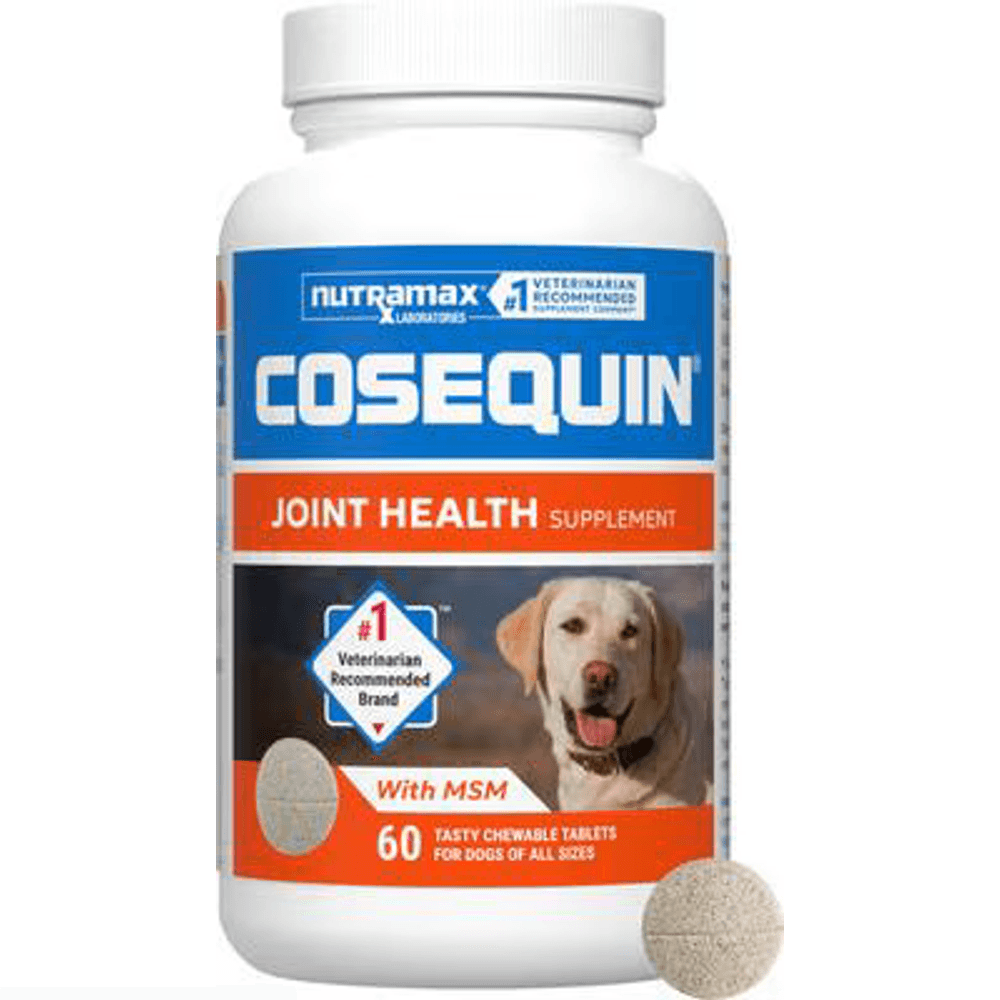
The number-one veterinarian-recommended joint supplement brand. Glucosamine, chondroitin, and MSM support cartilage and cushion the joints, easing the stiffness and hind-end weakness that can leave an older or arthritic dog trembling.
Webvet may earn a commission when you click through to Chewy, at no extra cost to you.
Treatment Options for Osteoarthritis in Dogs
There is no single best treatment for osteoarthritis in dogs. The most effective approach is multimodal, meaning your veterinarian layers several therapies that work together. The exact mix depends on your dog's stage, size, other health conditions, and how well each option is tolerated over time.
Prescription pain control is usually the foundation once signs are established. Your veterinarian may prescribe a nonsteroidal anti-inflammatory drug (NSAID) such as carprofen or meloxicam, which reduce joint inflammation and pain.
NSAIDs are effective but require periodic blood work to protect the liver and kidneys, and they are not safe for every dog. Human anti-inflammatories like ibuprofen and naproxen must never be given, because they are toxic to dogs even in small amounts.
Newer options have widened the toolkit. Grapiprant (brand name Galliprant) blocks a specific inflammation-and-pain pathway and can be gentler for some dogs. Bedinvetmab (Librela) is a monoclonal antibody that targets nerve growth factor. It is given as a once-monthly injection at the clinic and helps dogs with moderate to severe pain.
When one drug is not enough, your veterinarian may add adjunct pain relievers such as gabapentin or amantadine, which target pain through different mechanisms. Injectable joint protectants like polysulfated glycosaminoglycan (Adequan) may also be used. Every one of these is a prescription decision, never a do-it-yourself one.
Alongside medication, non-drug therapies do real work. Joint supplements containing glucosamine and chondroitin, plus omega-3 fatty acids, support cartilage and help calm inflammation. Physical rehabilitation, hydrotherapy, laser therapy, and acupuncture build supporting muscle and ease pain without adding drugs.
Supplements are not tightly regulated, so quality varies widely between products. They also work slowly and are best thought of as long-term joint support rather than fast pain relief. Ask your veterinarian which specific products and doses are worth using, because the wrong product may simply do nothing.
For advanced or specific cases, interventional and surgical options exist. These range from regenerative injections (platelet-rich plasma and stem cell therapy) and radiosynoviorthesis (Synovetin OA) to arthroscopy and, in severe joints, total joint replacement. A board-certified surgeon guides these decisions. The table below summarizes the main treatment categories.
Set realistic expectations, too. Good management usually means noticeably less pain and better mobility, not a return to puppy-like movement. Finding the right combination often takes a few adjustments, and your veterinarian will recheck comfort, side effects, and blood values over time to keep the plan both effective and safe.

| Treatment type | Examples | What it does | Vet-prescribed? |
|---|---|---|---|
| NSAIDs | Carprofen, meloxicam, deracoxib | Reduce joint inflammation and pain | Yes, prescription only |
| Piprant anti-inflammatory | Grapiprant (Galliprant) | Blocks a specific pain and inflammation pathway | Yes, prescription only |
| Monoclonal antibody | Bedinvetmab (Librela) | Monthly injection that targets nerve growth factor to control pain | Yes, veterinarian-administered |
| Adjunct pain relievers | Gabapentin, amantadine | Layer onto NSAIDs for harder-to-control pain | Yes, prescription only |
| Injectable joint protectant | Polysulfated glycosaminoglycan (Adequan) | Supports cartilage and joint fluid | Yes, prescription injection |
| Joint supplements | Glucosamine, chondroitin, omega-3 (EPA and DHA) | Support cartilage and reduce inflammation | No, but use vet-recommended products |
| Weight management | Calorie-controlled or therapeutic diet | Cuts mechanical load and inflammatory fat signals | Guided by your vet |
| Physical rehabilitation | Hydrotherapy, therapeutic exercise, laser, acupuncture | Builds supporting muscle and eases pain | Vet-referred |
| Surgery and interventional | Total joint replacement, arthroscopy, PRP or stem cells, Synovetin OA | Address underlying damage or advanced disease | Yes, specialist-led |
Diet: What to Feed and What to Avoid
Diet is one of the most powerful levers you control. The single most important rule is to avoid over-feeding, because excess weight is the biggest dietary driver of joint pain. A landmark lifelong study found that dogs kept lean developed osteoarthritis later and less severely than dogs allowed to carry extra weight.
What to limit: calorie-dense table scraps, high-fat treats, and free-fed kibble that leads to steady weight gain. There is no proven benefit to grain-free or exotic-protein diets for arthritis, and some grain-free formulas have been linked to heart concerns, so they are not a shortcut to joint health.
What helps: a complete, balanced diet that keeps your dog at a lean body condition, ideally guided by your veterinarian. Therapeutic joint diets enriched with omega-3 fatty acids (EPA and DHA) can measurably reduce inflammation, and a prescription weight-loss food may be recommended if your dog needs to slim down safely.
Treats still have a place. Just count them toward the daily calorie total, and swap high-fat options for low-calorie choices like small pieces of carrot or green bean. If your dog is on a prescription joint diet, avoid adding supplements or foods that could unbalance it without checking with your vet first.
Homemade or fresh diets can work, but only when they are complete and balanced by a veterinary nutritionist. An unbalanced home diet can do more harm than good, especially over months. Whatever you feed, the goal stays the same: a lean, well-nourished dog whose joints carry as little extra load as possible.
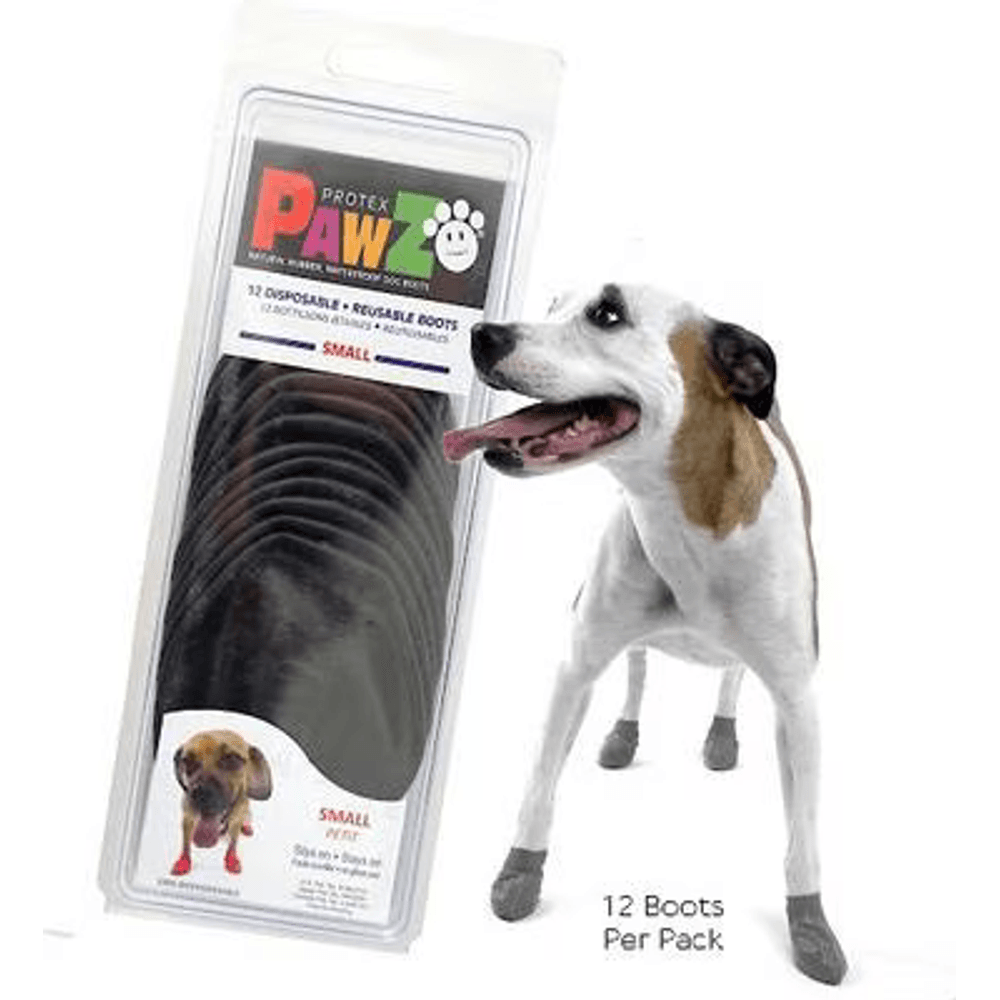
Disposable, reusable natural-rubber boots that slip on like a balloon to give a dog waterproof paw protection and extra grip on slippery floors, a simple traction aid for a senior or wobbly dog. No straps, 12 boots per pack.
Webvet may earn a commission when you click through to Chewy, at no extra cost to you.
Life Expectancy and Prognosis
One of the most common questions owners ask is how long a dog will live with osteoarthritis. The reassuring answer is that osteoarthritis itself does not usually shorten a dog's lifespan. It is a disease of comfort and mobility, not a fatal illness, so most well-managed dogs live out their normal life expectancy.
What the diagnosis does affect is quality of life, and that is where your daily choices matter. Dogs diagnosed early and kept lean, active within limits, and consistently treated tend to stay comfortable far longer than dogs whose pain goes unmanaged. Progression varies widely from one dog to the next.
Because there is no cure, the honest goal is not recovery but sustained comfort. In severe, poorly controlled cases, chronic pain can eventually influence end-of-life quality-of-life decisions, which is exactly why early, proactive management is so valuable. Regular rechecks let your veterinarian adjust the plan as the disease evolves.
A useful way to judge how your dog is really doing is to track the good days versus the hard days over each month. If comfortable, engaged days clearly outnumber painful ones and your dog still enjoys food, family, and gentle activity, the plan is working.
A steady shift the other way is a signal to revisit treatment with your veterinarian. Keeping a simple weekly log of mobility, appetite, and mood turns a vague sense that your dog is slowing down into concrete information your vet can act on before comfort slips too far.
Lifestyle Tips and Home Modifications
Small changes at home make a large difference in daily comfort. Our guides to easing senior dog joint pain and mobility aids like harnesses and ramps go deeper, and these core steps help most dogs.
- Provide soft, supportive bedding. A thick orthopedic bed cushions painful joints and reduces morning stiffness.
- Add non-slip rugs and runners. Secure footing on slick floors prevents the slips and strains that hurt weakened joints.
- Use ramps and steps. A ramp to the car or couch lets your dog avoid the high-impact jumping that aggravates arthritis.
- Offer gentle, regular exercise. Short, frequent, low-impact walks maintain muscle and mobility better than occasional strenuous outings.
- Keep your dog at a healthy weight. Every extra pound loads arthritic joints, so weight control is one of the most effective things you can do.
- Consider a support harness. A lift or rear-support harness helps larger dogs with stairs and uneven ground while protecting your own back.
- Schedule regular veterinary rechecks. Ongoing assessments let your vet fine-tune medications, supplements, and therapy as the disease changes.

Exercise: How Much and What Kind
Rest is not the answer for arthritis. Muscle supports and stabilizes the joints, so a dog who stops moving loses strength and often gets worse. The goal is consistent, controlled, low-impact activity rather than the weekend-warrior pattern of a long hike after days on the couch.
- Do: short, frequent leash walks. Several 10 to 20 minute walks a day are gentler than one long outing and keep muscles working.
- Do: swimming and controlled sniff walks. Water exercise builds strength with almost no joint impact, and slow scent walks provide enrichment without strain.
- Avoid: hard stops, jumps, and rough play. Fetch with sharp turns, jumping for a frisbee, and slippery-floor zoomies all stress arthritic joints.
- Watch the day after. If your dog is stiff or sore the next morning, that session was too much; scale back and build up gradually.
Do not forget mental exercise. Food puzzles, gentle training games, and new scents tire a dog out and keep them engaged when physical activity has to be limited. This matters most for dogs whose walks have shortened, because boredom and frustration can worsen quality of life just as much as pain does.
Managing Arthritis Flare-Ups
Even well-managed dogs have bad days. A flare-up is a temporary spike in pain and stiffness, often triggered by overexertion, cold or damp weather, or a slip. During a flare, dogs may limp more, struggle to rise, or seem withdrawn, and it can be alarming to watch.
Rest your dog on soft bedding, keep activity to short, easy leash walks, and provide warmth. Do not reach for extra medication or human painkillers on your own. Instead, call your veterinarian, who may adjust the current plan. If a flare is severe or does not settle within a day or two, book a recheck.
Some signs warrant prompt attention. A sudden non-weight-bearing lameness, a hot and swollen joint, crying out in pain, or a dog who will not eat or move can signal an injury or another problem on top of arthritis. When a change is sudden and severe, call your vet the same day.
Can Osteoarthritis in Dogs Be Prevented?
You cannot prevent every case, since genetics and structure play a role, but you can meaningfully lower the risk and delay onset. Keeping your dog at a lean weight for life is the most proven strategy, because it reduces both the mechanical load and the inflammatory signals that drive cartilage breakdown.
Safe, controlled exercise helps prevent the injuries that trigger arthritis, while joint supplements may support at-risk breeds. For large and giant-breed puppies, appropriate growth-formula nutrition, plus avoiding excessive stair use and high-impact activity while joints are developing, all protect long-term mobility.
Early screening also pays off. If your breed is prone to hip or elbow dysplasia, ask your veterinarian about screening so problems are caught before they cause damage. Catching a developmental issue early opens the door to interventions that can slow or prevent the arthritis that would otherwise follow.
Finally, promptly treating injuries makes a difference. A torn cruciate ligament or an untreated joint injury dramatically raises the odds of arthritis in that joint later. Addressing lameness early, rather than waiting to see if it resolves, gives your dog the best chance of protecting the joint over the long term.
Frequently Asked Questions
How long will a dog live with osteoarthritis?
Osteoarthritis does not shorten most dogs' lifespans on its own. With early diagnosis, weight control, and a veterinarian-guided plan, dogs typically live a normal life expectancy. The condition affects comfort and mobility rather than survival, so ongoing quality-of-life management matters far more than the diagnosis itself.
What is the best treatment for osteoarthritis in dogs?
There is no single best treatment. Vets use a multimodal plan combining weight management, an NSAID or newer options like bedinvetmab (Librela), joint supplements, and physical rehabilitation. The strongest results come from layering several approaches your veterinarian tailors to your dog's stage, size, and other health conditions.
What not to feed a dog with arthritis?
Avoid over-feeding above all, since excess weight is the biggest dietary driver of joint pain. Limit calorie-dense table scraps, high-fat treats, and free-fed kibble that promote weight gain. There is no proven benefit to grain-free or exotic diets, so ask your veterinarian about a weight-control or joint-support formula instead.
Can a dog recover from osteoarthritis?
No. Osteoarthritis is a permanent, progressive joint disease with no cure, because lost cartilage does not regenerate. However, dogs can recover comfort and function with treatment. Early, consistent management slows progression and keeps many dogs active and well pain-controlled for years, even though the underlying joint damage remains.
What are the first signs of osteoarthritis in dogs?
Early indicators include stiffness after rest, slower movement, mild or occasional limping, hesitation on stairs, difficulty jumping, and reduced interest in play or walks. These subtle changes appear as dog joint pain begins and are easy to mistake for normal aging, so an early vet check is wise.
How do vets diagnose osteoarthritis in dogs?
Diagnosis combines a physical exam and joint manipulation, a history of your dog's mobility, and X-rays that reveal joint changes in most affected joints. Advanced imaging such as CT, MRI, or arthroscopy, plus joint fluid analysis and blood work, may be added when the picture is complex or sedation is planned.
Can young dogs develop osteoarthritis?
Yes. Injuries, structural abnormalities like hip or elbow dysplasia, and genetic risk factors can cause canine osteoarthritis in younger dogs. In fact, up to 40% of dogs aged 8 months to 4 years already show joint changes on imaging, even before owners notice any obvious signs of pain.
Can osteoarthritis in dogs be slowed down?
Yes. Early recognition, weight management, tailored exercise, joint supplements, and consistent veterinary treatment all help slow the progression of osteoarthritis. While the disease cannot be cured or reversed, a proactive multimodal plan keeps many dogs comfortable and mobile for years after diagnosis.
When should I take my dog to the vet for joint pain?
See your veterinarian when you notice limping, stiffness, reluctance on stairs, difficulty rising, vocalizing when touched, or a drop in activity. Because dogs hide pain well, do not wait for signs to become severe. An earlier visit means earlier treatment and better long-term comfort for your dog.
Supporting Your Dog's Comfort and Mobility
Osteoarthritis in dogs is common but highly manageable, and early action pays off for years. Working closely with your veterinarian gives your dog a personalized plan that addresses pain, mobility, and disease progression through weight control, prescription therapies, supplements, rehabilitation, and thoughtful changes at home.
Consistent care and regular monitoring keep joint pain under control and protect quality of life. With informed guidance and a little help around the house, dogs living with canine osteoarthritis can stay active, comfortable, and engaged well into their senior years.
If you have noticed any of the 12 signs described in this guide, do not wait for them to get worse. Book a veterinary exam, describe exactly what you are seeing at home, and start a management plan together.
The earlier osteoarthritis in dogs is caught and treated, the more comfortable, active years you give your dog. It is one of the most rewarding conditions to manage well, because the payoff shows up directly in how your dog moves, plays, and enjoys everyday life.
For authoritative, vet-written background, see the Merck Veterinary Manual on osteoarthritis in dogs and cats, the American College of Veterinary Surgeons, and the Cornell Riney Canine Health Center.
$65 · no membershipIs your dog slowing down or seeming sore?
A licensed vet can examine your dog over video and prescribe treatment online when it's appropriate.
Talk to a vet- Licensed vets
- All 50 states
- same-day Rx
Webvet may earn a commission if you book.

Veterinarian · DVM
Athena Gaffud, DVM, is a licensed veterinarian and writer based in the Cagayan Valley of the northern Philippines. She runs the website countryvetmom.com. Dr. Gaffud earned her Doctor of Veterinary Medicine degree from the University of the Philippines Los Baños in 2011, ranking in the top 10 and receiving the Best Undergraduate Thesis Award in Large Animals. With over a decade of experience, she has worked as a researcher, a practitioner for small and large animals, and in veterinary technical sales, marketing, and pet insurance. A published author, Dr. Gaffud promotes responsible pet ownership and combats misinformation on animal care through her platforms, including the DocAthena Facebook Page and DocAthena YouTube channel. She is a writer and editor for various pet-related websites such as Total Vet, Honest Paws, PangoVet, Dogster, Catster, My Best PH, Paw Origins, Bully Max, Not a Bully, Paws and Claws CBD, many others. She was also cited in different pet-related media articles such as The Dog People, USA Today, Newsweek, New York Post, Reader’s Digest, Smithsonian Magazine, Woman’s World, Dog Time, Patch, Kinship, Martha Stewart, and many others. Moreover, she is also a published fiction author on Kindle.


