IVDD in Dogs: Symptoms, Treatment, and Recovery
Recognize urgent IVDD signs, understand how vets choose conservative treatment or surgery, and prepare for the movement, bladder-care, and rehabilitation decisions involved in recovery.

BVMS MRCVS
Medically reviewed by Dr. Pippa Elliott, BVMS MRCVS · Last reviewed

This article contains affiliate links. Webvet may earn a commission when you buy through them, at no extra cost to you.
IVDD in dogs can cause neck or back pain, an unsteady gait, weakness, or loss of walking ability. Sudden loss of function is urgent. Contact a veterinarian promptly and limit movement while arranging safe transport. Treatment and recovery depend on the affected disc, spinal cord injury, and the function your dog still has, rather than breed or an online stage label alone.
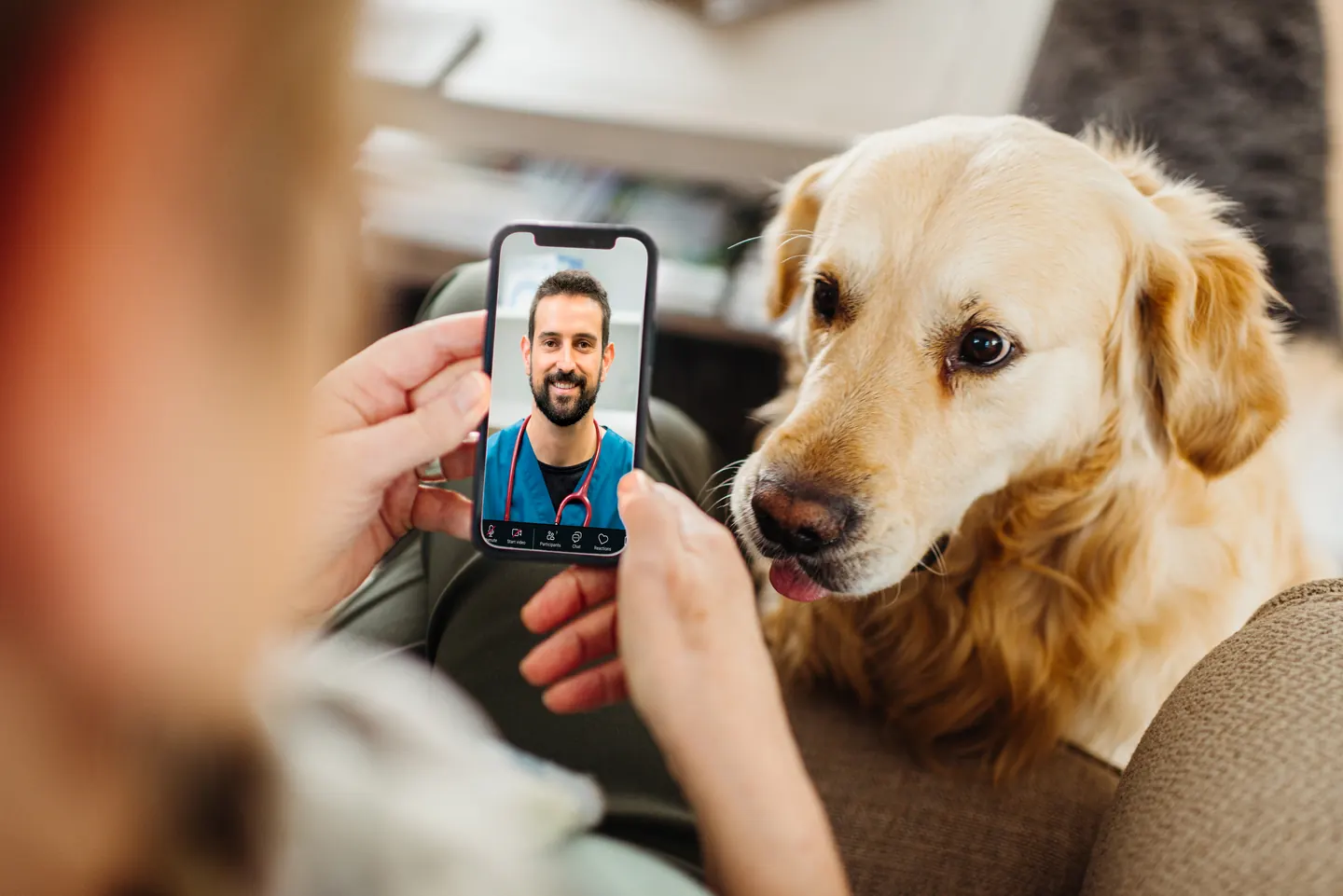
 Sponsored
Wondering why your dog seems stiff or sore?
Talk to a licensed vet at Dutch over video, often the same day. They can recommend treatment and prescribe it when it's appropriate.
Use code Pets30
Plans start at $11/month · covers up to 5 pets
- Licensed vets in most states
- Rx for 150+ conditions
- 4.7 on Trustpilot
IVDD signs that need urgent veterinary care
- 1Sudden weakness, inability to walk, worsening pain, or difficulty urinating needs urgent assessment.
- 2Owners can report movement and comfort; deep pain perception must be assessed by a clinician.
- 3A dog that feels better may still need strict movement restriction and a supervised recovery plan.
Early IVDD symptoms in a French Bulldog or Dachshund can look subtle before more obvious weakness develops. Possible signs include:
- A painful or stiff neck, hunched posture, or reluctance to move.
- Trembling, panting, or difficulty getting comfortable.
- An unsteady walk, knuckling, or dragging the feet.
- Weakness affecting the front legs, hindlimbs, or all four limbs, depending on the lesion.
These signs have other causes too. Mild symptoms do not establish a mild spinal injury. A dog with IVDD that won't eat or cannot settle to lie down needs its comfort and treatment plan reassessed. Refusing food or persistently licking the paws may accompany discomfort but cannot confirm IVDD; tell the veterinarian about these changes rather than using them to diagnose a flare-up yourself.

Call immediately if your dog suddenly cannot stand or walk, becomes progressively weaker, has severe pain, or cannot pass urine normally. Do not wait for complete paralysis. Keep your dog from stairs and furniture, and ask the clinic how to lift, support, and transport it. Avoid repeated walking demonstrations to see whether the problem is improving.
Once veterinary care is arranged, a correctly sized MidWest iCrate may help carry out prescribed confinement. The listed 36-inch model is not automatically the right size for a Dachshund or every other dog. Ask the team to specify space, access, and padding. If the dog panics or repeatedly tries to escape, report that problem rather than accepting frantic movement as unavoidable.
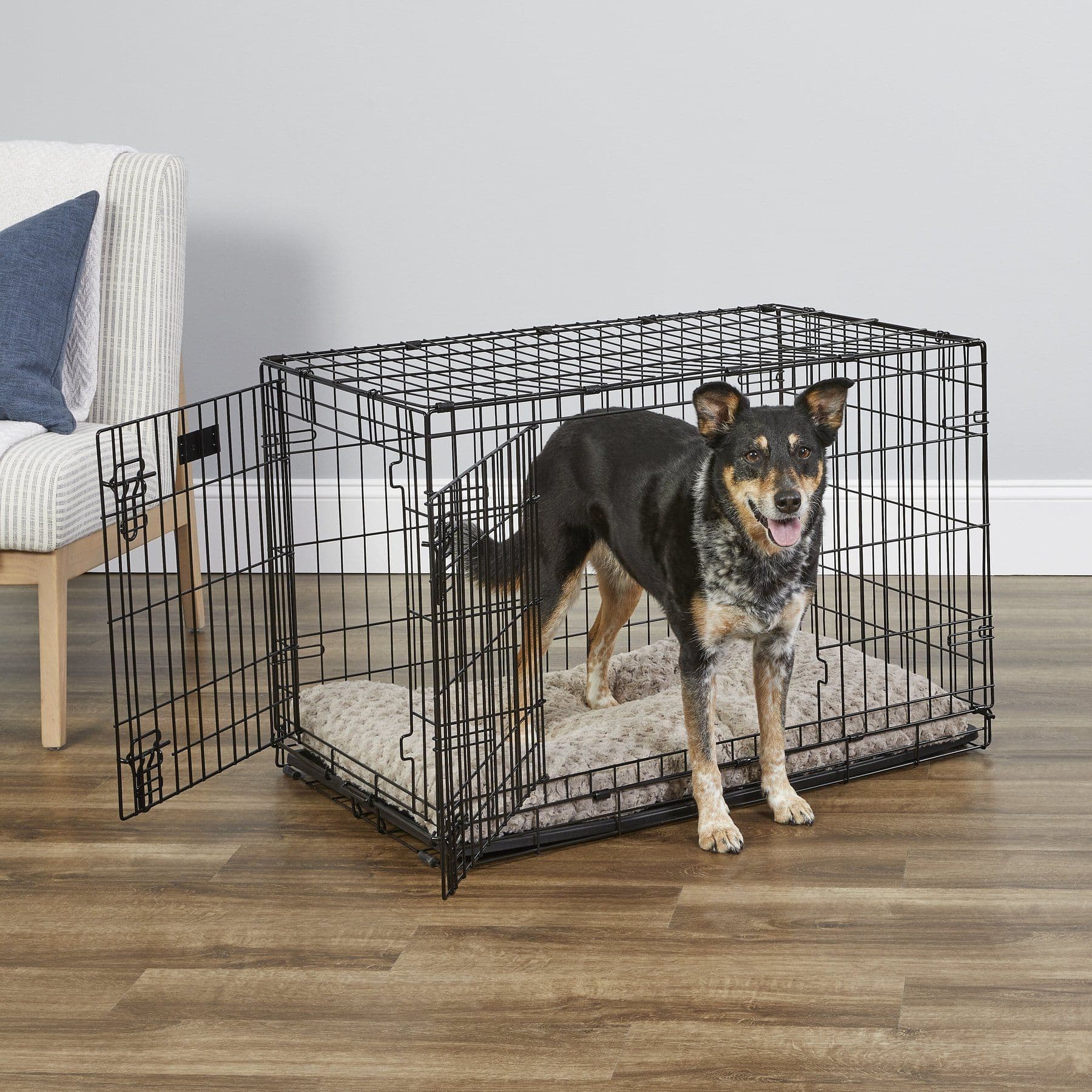
Choose a crate that fits the individual dog's prescribed confinement and handling plan; the listed size is not suitable for every dog.
Webvet may earn a commission when you click through to Chewy, at no extra cost to you.
Urination, stool, and apparent improvement
A dog with spinal cord injury may leak urine without emptying its bladder properly. Tell the clinic about inability to pee, repeated attempts, wet bedding, or a changed stream. Changes in stool passage also belong in the update, particularly when mobility, food intake, or medication has changed. Dogs with IVDD can sometimes still wag their tails; tail wagging or one successful step does not prove normal neurologic function.
What IVDD means and which dogs are at risk
An intervertebral disc cushions the space between spinal bones. Degeneration can allow disc material to bulge or rupture, injuring the spinal cord or nerve roots. Cervical disease affects the neck; thoracolumbar disease affects the back. The American College of Veterinary Surgeons' IVDD guide explains that both compression and the force of an extrusion can damage the spinal cord.
A gradual protrusion is often described as Hansen type II, while an acute extrusion is commonly called Hansen type I. These are disease descriptions, not instructions for home treatment. “Slipped disc” is a familiar phrase, but an apparently protruding spine or visible bump in the back cannot tell an owner which disc is affected or whether the spinal cord is compressed.
For a prescribed resting area, a Drymate crate mat can help manage moisture under the clinician-recommended bedding. This jumbo 30-by-45-inch mat must fit the chosen space; it is not a size match for every crate or a substitute for pressure-relieving padding. Check bedding frequently and replace wet layers promptly, especially if your dog cannot reposition or toilet normally.
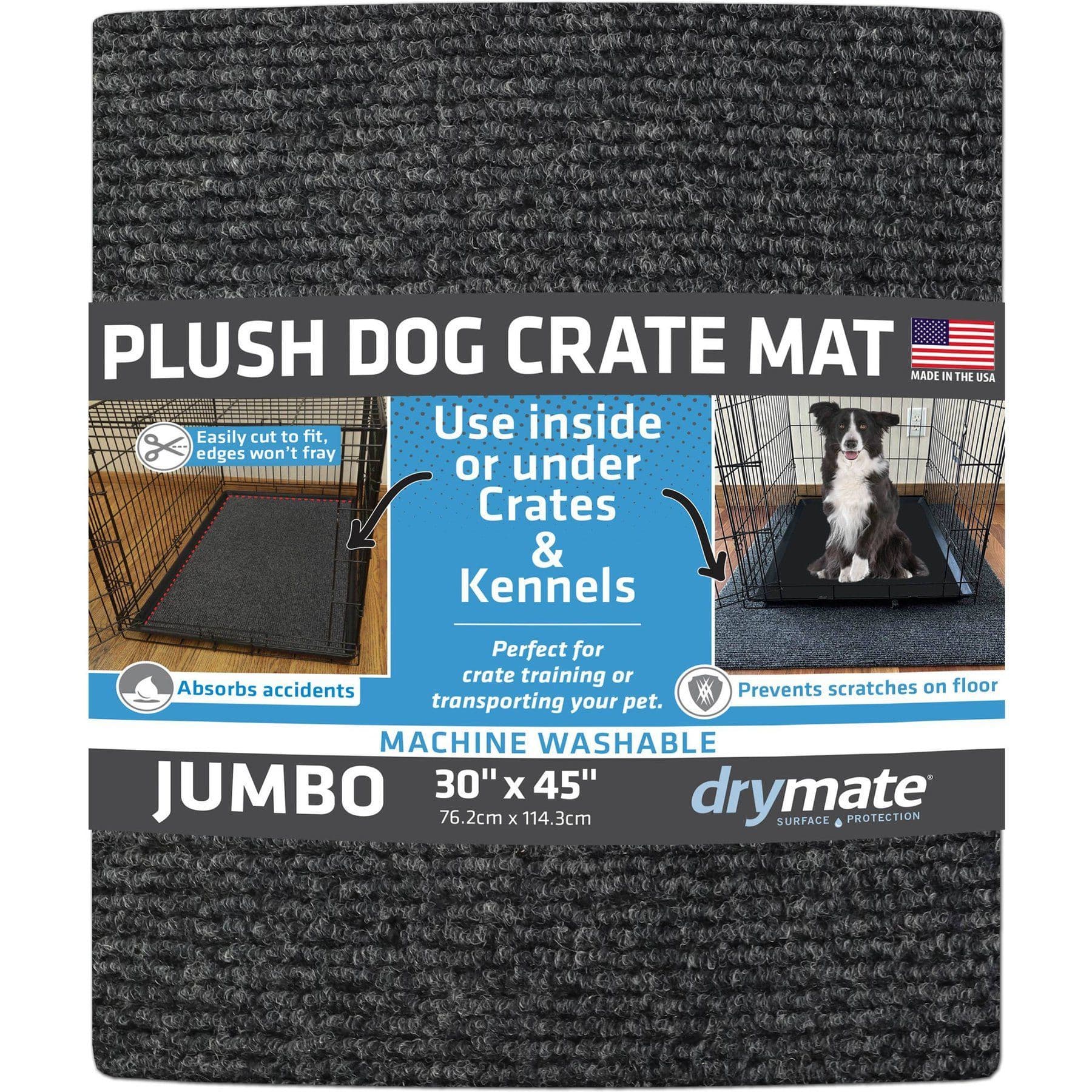
Use a correctly sized washable mat within the prescribed resting setup, with adequate padding and frequent checks for wet bedding.
Webvet may earn a commission when you click through to Chewy, at no extra cost to you.
Breed risk does not make the diagnosis
Dachshunds and other dogs with predisposed disc structure are well recognized among IVDD patients. Beagles, Pekingese, and Lhasa Apsos are examples in the ACVS guidance, but larger dogs can also develop disc disease. A French Bulldog, Corgi, Poodle, Labrador, or mixed-breed dog with sudden weakness still needs an individual examination; breed does not establish the cause or neurologic grade.
For breeds not quantified in the cited guidance, this article cannot provide a breed-specific risk percentage. Use the distinctions below to interpret a breed label without treating it as a diagnosis.
| Breed question | What this article establishes | Practical implication |
|---|---|---|
| Chihuahua, Pug, Shih Tzu, Basset Hound, Jack Russell or Cockapoo | Small size alone neither confirms nor excludes a disc lesion. | Report pain and lost function; obtain an examination rather than assigning an online stage. |
| German Shepherd, Golden Retriever, Husky, Doberman, Australian Shepherd, Greyhound, Boykin Spaniel or Bernese Mountain Dog | Larger dogs can develop disc disease; this list does not imply equal inherited risk. | Investigate new weakness rather than assuming it is only a small-dog problem. |
| Pit bulls (pitbull-type dogs), Goldendoodles and Bernedoodles | A breed or crossbreed name does not provide an individual prognosis. | Base treatment and outlook on the neurologic examination and imaging. |
Age of onset varies with the disc problem
What age does IVDD usually start? ACVS describes typical onset around three to six years in chondrodystrophic breeds and later onset, often five to twelve years, in nonchondrodystrophic dogs. Those ranges are context, not exclusion rules for puppies or seniors. A young dog with pain needs assessment, and an older dog's new weakness should not automatically be attributed to aging.
Dachshund back problems are not all IVDD
IVDD is an important back problem in Dachshunds because of their predisposition to disc degeneration. Other explanations for apparent back pain include muscle strain or injury, painful arthritic joints, and other spinal disorders. These are not equally common or interchangeable diagnoses. The examination must establish where the problem is. Arthritis and the broader causes of dog limping have their own diagnostic paths.
Genetic screening also answers a different question. UC Davis describes the CDDY variant as associated with premature disc degeneration and IVDD risk. A Dachshund screening result, whether a genetic result or a screening radiograph, does not locate today's painful lesion or replace an examination. Discuss breeding, screening, and neutering timing with the veterinarian using the dog's broader health context; no test result or single lifestyle choice guarantees prevention.
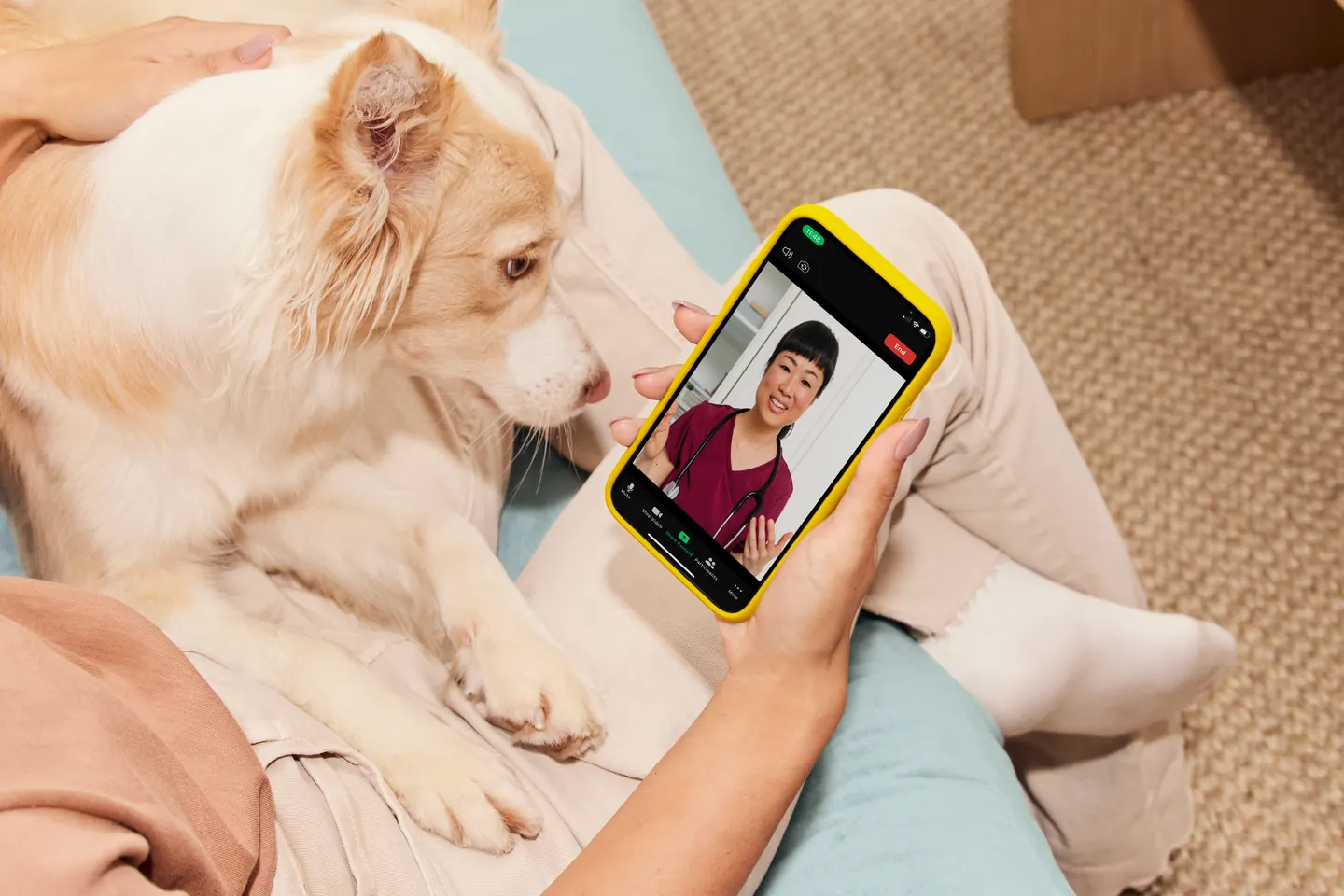 Sponsored
Vet care that's always there
Unlimited video calls and messaging with licensed vets for less than a typical vet visit. One membership covers up to five pets.
Use code Pets30
Plans start at $11/month · covers up to 5 pets
- Licensed vets in most states
- Rx for 150+ conditions
- 4.7 on Trustpilot
How vets diagnose a disc problem
The veterinarian takes a history and performs a neurologic examination to localize the problem. The team assesses movement, coordination, reflexes, and other findings, then decides which imaging is needed. Tell them when function changed, whether deterioration was sudden or gradual, and what medicines your dog has received. A naturally occurring video may help, but do not make an unstable dog walk for filming.
Plain X-rays can show useful spinal changes, but they do not fully establish the location or severity of spinal cord compression. That limitation applies to a French Bulldog X-ray as much as to another breed. Magnetic resonance imaging, computed tomography, or other investigations may be recommended. Ask what question the proposed test will answer and how the result changes treatment. The dog MRI cost guide explains the separate imaging estimate.
Grades, stages, and conditions that resemble IVDD
Terms such as grade 1, stage 3, or stage 5 summarize severity within a particular grading system. There is no separate set of IVDD stages that makes a French Bulldog's injury diagnosable by breed. Ask the clinician to translate the label into present function: walking, voluntary movement, pain perception, and bladder emptying. Do not assign a stage from an internet video or compare two dogs whose grading systems and injuries may differ.
Other causes of weakness or pain can include orthopedic injury, inflammation, tumors, vascular spinal injury, and degenerative neurologic disease. Degenerative myelopathy and a pulled muscle are not interchangeable with a disc extrusion. Testing is selected from the examination findings; a familiar-looking gait alone cannot distinguish them.
Choosing conservative treatment or surgery
Conservative or medical management may be appropriate for selected dogs with mild, stable neurologic deficits, together with prescribed activity restriction and medication. A dog losing function, experiencing severe or recurrent pain, or failing to improve may need a different approach. Surgical decompression aims to remove pressure on the spinal cord. Remaining function, progression, imaging, and general health shape the recommendation. A French Bulldog's surgery decision and a Dachshund's predicted surgical success rate therefore require the same patient-specific assessment; a breed-wide percentage would hide important differences in injury severity.
For outings that the clinician actually permits, a Frisco Comfort padded harness may be an ordinary walking option. The listed small size must fit your dog, and the team should approve its use. It is not a lifting sling, spinal brace, or permission to walk an unstable patient. Ask the clinic to demonstrate any additional support your dog needs.
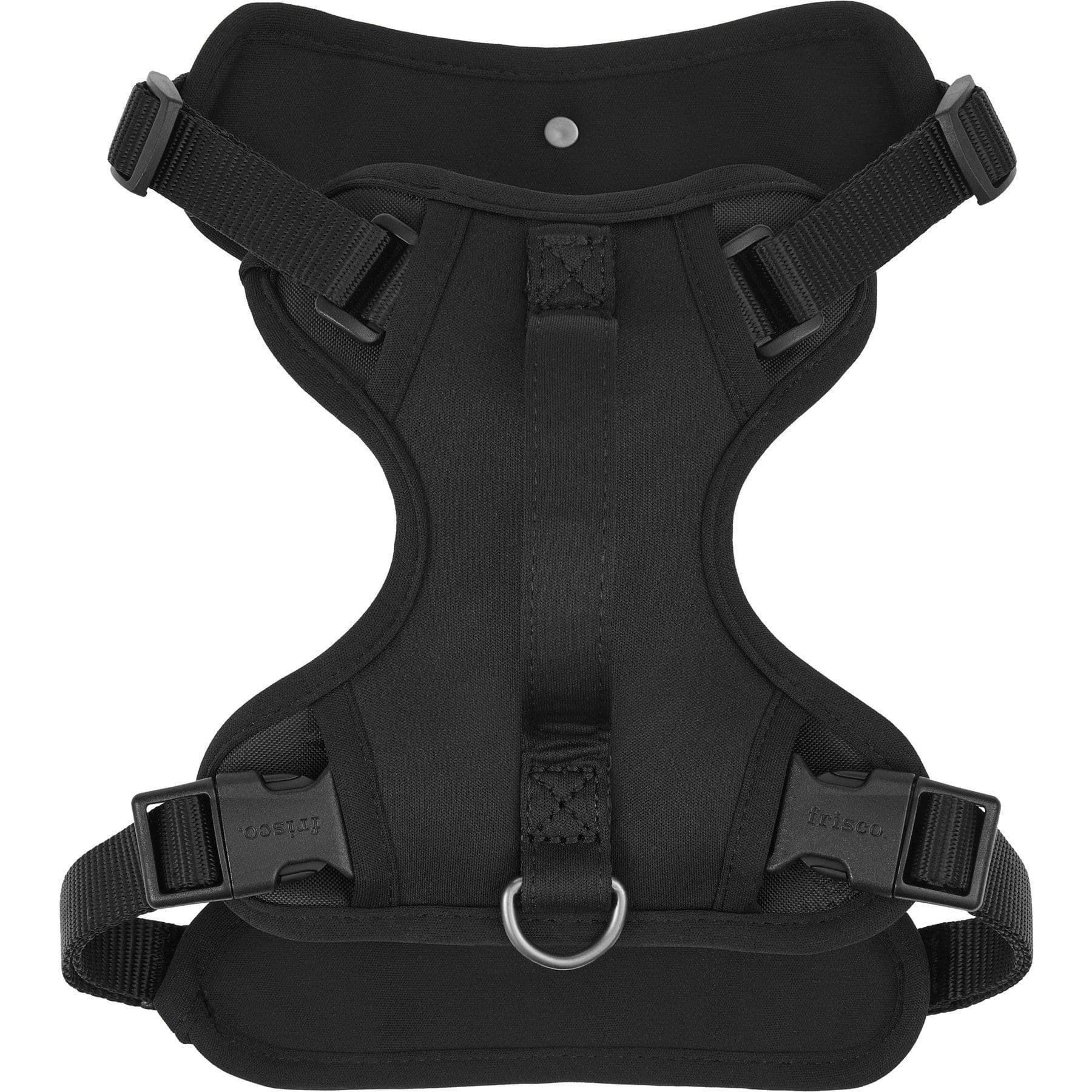
Ask whether this ordinary walking harness suits permitted outings. It is not a lifting sling, spinal brace, or permission to exercise.
Webvet may earn a commission when you click through to Chewy, at no extra cost to you.
Medication and advertised alternatives
Ask for a written medication list stating each drug's purpose and what to do about missed doses, poor appetite, vomiting, or excessive sedation. Gabapentin, anti-inflammatory drugs, or other medicines may appear in an individual plan, but a name seen online does not establish the right choice or dose. Do not combine leftover steroids such as prednisone with another anti-inflammatory without explicit veterinary instructions.
Questions about Librela, Galliprant, Adequan, CBD, turmeric, or joint supplements should be answered against the actual diagnosis. A product used for another pain condition is not automatically a treatment for spinal cord compression. Bring the complete product list to the clinician. The guide to pain medicines for dogs explains broader medication safety.
Braces, neck supports, stem-cell injections, and hyperbaric treatments also require an explanation of the intended benefit, evidence, risks, and alternatives. Do not let an advertised “new treatment” delay urgent assessment or replace indicated surgery. Ask whether an adjunct improves an outcome that matters for this dog, rather than assuming a longer treatment menu means better recovery.
Understanding the treatment cost
There is no verified universal price here for intervertebral disc disease surgery. Request an itemized estimate covering:
- Referral, examination, and advanced imaging.
- Anesthesia, the operation, and hospitalization.
- Medicines, bladder support, rechecks, and rehabilitation.
The spinal location, procedure, hospital, and complications can change the total. A French Bulldog or Dachshund surgery quote in California, Texas, or Florida needs to specify these same components; this guide has no verified local clinic prices. A US quote should not be presented as a UK, Canadian, or Australian price.
If cost limits your options, tell the team early and ask about a clinically appropriate referral or conservative plan where one is suitable. Existing pet insurance depends on its terms, exclusions, and prior signs; a new policy should not be assumed to cover this episode. For Healthy Paws, Petplan, or any other insurer, obtain an answer about the actual policy and claim. A brand name alone cannot establish IVDD coverage.
Home care after the veterinarian sets the plan

Treating IVDD at home means following the veterinarian's prescribed restrictions, medication, nursing care, and monitoring, whether or not surgery was performed. Before discharge, have the team demonstrate how to pick up and carry your dog, including a Dachshund whose body needs appropriate support. Some dogs need help emptying the bladder; others do not. Bladder expression must be taught for the individual patient, not attempted from a generic instruction to squeeze the abdomen. A written discharge plan assigns movement, medication, bladder care, and recheck responsibilities to each caregiver.
A correctly installed KidCo Safeway gate may help prevent access to stairs or another room during approved movement. Confirm the opening and installation requirements, and whether your dog might jump or climb it. A gate does not replace strict confinement when that is prescribed. Keep the route and support method consistent for every caregiver.
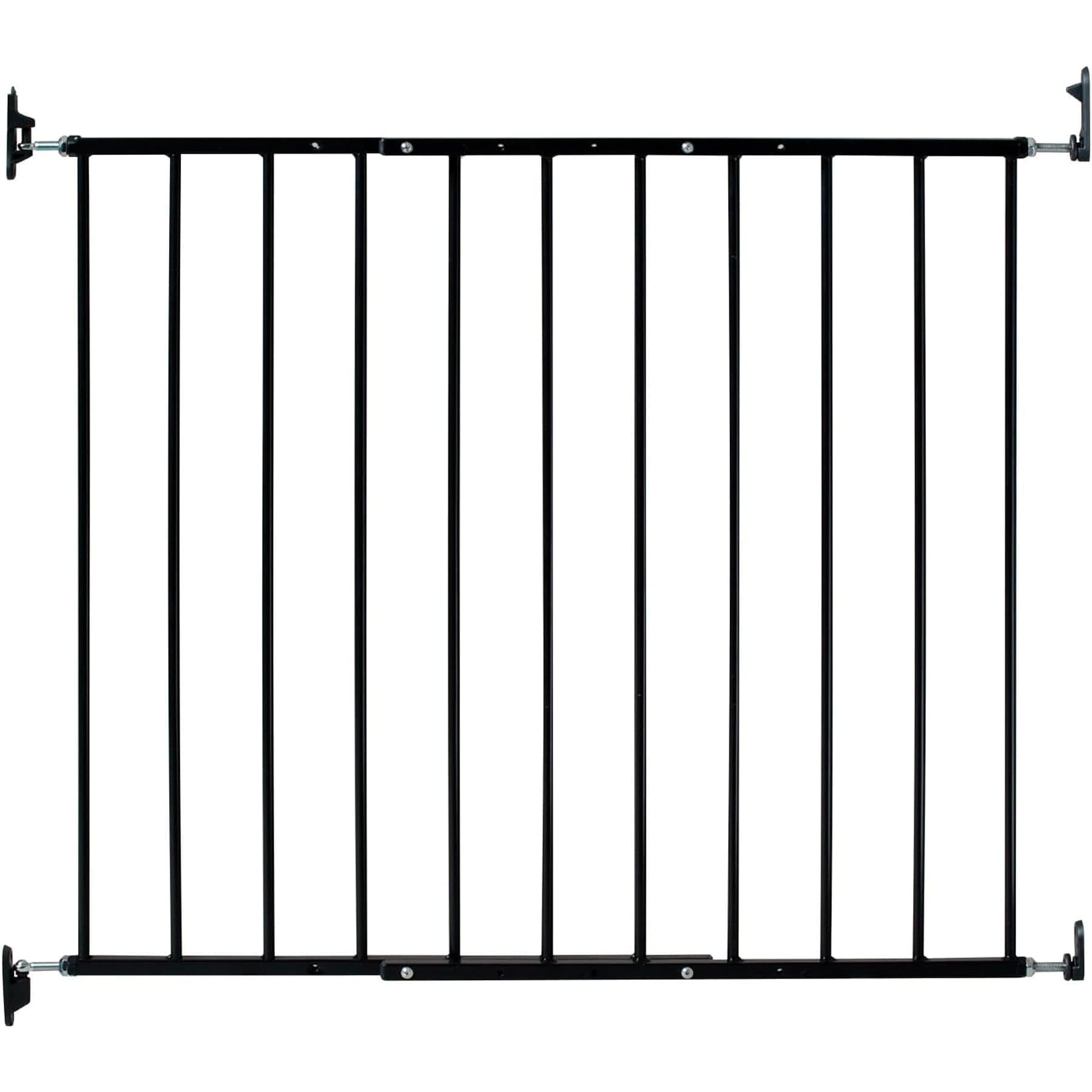
A correctly installed gate can limit access during approved movement; it does not replace prescribed confinement.
Webvet may earn a commission when you click through to Chewy, at no extra cost to you.
| Discharge question | Instruction to obtain | Change to report |
|---|---|---|
| Permitted movement | Exact confinement space, toilet outings, and lifting method | New weakness, pain, or an accidental jump |
| Bladder care | How to confirm emptying; a demonstrated technique if assistance is needed | Inability to urinate, changed output, or persistent wetness |
| Medication | Drug, timing, purpose, and whom to call about missed doses or adverse signs | Vomiting, refusal of food, uncontrolled pain, or concerning sedation |
| Resting and skin care | Padding, repositioning, hygiene, and inspection requirements | Wet skin, pressure sores, or self-chewing |
| Recheck date | Booked examination and criteria for calling sooner | Deterioration instead of waiting for the appointment |
| Rehabilitation clearance | Which exercises may begin, when, and under whose supervision | Pain, fatigue, or reduced function during the approved activity |
Rest is still treatment when your dog feels better
Crate rest often lasts weeks, including for a Dachshund or French Bulldog. The VCA cervical-disc guide discusses strict rest in early recovery, but its neck-specific guidance is not an individualized schedule for every spinal injury. Obtain your own start date, end criteria, and progression. Better pain control is not permission to resume stairs, furniture jumping, grooming appointments, or unrestricted walks.
Use the discharge instructions as a daily home-care checklist:
- Keep the dog in the prescribed confinement area except for the permitted, supported toilet trips. A Dachshund or French Bulldog harness must fit and must not be mistaken for a lifting aid.
- Check comfort, urine passage, skin, and bedding. The best bed provides the prescribed padding and easy access; replace wet layers promptly. Do not add a heating pad without the team's direction, particularly if sensation or movement is impaired.
- Give only prescribed medicines and record each dose. Contact the clinic about uncontrolled pain, refusal of food, vomiting, or concerning sedation.
- Provide the agreed complete diet and portions. No special dog food repairs a compressed disc, and a K9-style backpack or stroller is not automatically suitable transport for a spinal patient.
- Keep the client handout available to every caregiver and attend rechecks before increasing activity. Call sooner for new weakness, pain, or difficulty urinating.
If your dog jumps off a couch during recovery, stop further activity and contact the team for advice, especially with any new pain or weakness. Do not repeat walking or stretching tests to prove no harm occurred. Tell them the height, landing, timing, and observed change. Review the setup so another caregiver does not unintentionally repeat the exposure.
Recovery, rehabilitation, and long-term outlook

Recovery can take weeks to months, including after Dachshund disc surgery, and walking is only one outcome. Comfort, bladder function, skin health, sleep, and the ability to participate in daily life also matter. Some dogs recover useful movement; others retain weakness or need continuing assistance. Neither Dachshund nor French Bulldog life expectancy can be predicted from the breed and IVDD label alone. A stage 4 label also does not provide a fixed lifespan. Ask for an outlook based on the neurologic examination and treatment, not an unqualified success percentage from another dog's story.
Rehabilitation, acupuncture, and laser treatment
Rehabilitation begins only within the treating clinician's timing and limits. Physical therapy must match the spinal injury and stage of recovery. Do not start spinal stretches, massage, swimming, chiropractic manipulation, or exercises from an online demonstration before clearance. Ask what each activity is intended to achieve, what fatigue or pain looks like, and when to stop. A walking harness, stroller, or ramp may solve a specific handling problem without treating the spinal lesion itself.
The ACVIM consensus on acute thoracolumbar disc extrusion describes limited evidence for several adjuncts. Acupuncture may be considered within a treatment plan, but it is not a replacement for indicated surgery. Ask similarly specific questions about laser or other modalities. No technique should be presented as a guaranteed route back to walking.
Recurrence and deterioration
Another disc episode can occur later. Maintain the veterinarian's weight and activity plan, and ask how to adapt furniture access and daily handling. Recurrence does not mean an owner caused the injury. There are no Dachshund exercises guaranteed to prevent IVDD, and no bed, brace, or supplement guarantees prevention either. New weakness or pain needs reassessment rather than automatically restarting an old prescription.
Progressive myelomalacia is a serious complication involving worsening spinal cord damage after some severe injuries. It requires veterinary assessment; owners should not attempt to identify it through home reflex tests. Report deterioration immediately. Ask the team which changes require emergency contact and who is available after hours.
IVDD questions
Frequently Asked Questions
Can a dog recover from IVDD without surgery?
Yes, selected dogs with mild neurologic deficits may improve with conservative management, including prescribed restriction, pain control, and rechecks. That choice needs a veterinary examination and clear criteria for changing course. Worsening weakness, inability to walk, severe pain, or urination problems require urgent reassessment; they are not reasons to extend an unsuccessful home plan indefinitely.
Can dogs walk again after IVDD?
Some dogs regain walking ability, while others have lasting deficits. Walking recovery depends on spinal cord injury, remaining function, and treatment. Deep pain perception is one important clinician-assessed finding, not a home test or guarantee. Ask about the expected recovery milestones for your dog and how bladder function, comfort, and nursing needs will be monitored alongside walking.
What can be mistaken for IVDD?
Joint or muscle injury, inflammatory spinal disease, tumors, vascular injury, and other neurologic conditions can resemble parts of the picture. A neurologic examination helps distinguish these other causes and direct imaging or laboratory tests. A limp, reluctance to jump, or unusual gait alone cannot confirm IVDD or reliably separate it from degenerative myelopathy or arthritis.
What is the lifespan of a dog with IVDD?
There is no single IVDD lifespan. Long-term quality of life depends on injury severity, comfort, mobility, bladder care, other illnesses, and whether recurrent episodes can be managed. Some dogs live well with residual disability when their care needs are met. Ask the veterinarian for a realistic outlook for this dog rather than a fixed number of years from its breed or stage alone.
Can a dog with a slipped disc be put to sleep?
Yes, euthanasia may be considered when suffering cannot be controlled and acceptable comfort cannot be maintained, after discussing the options with the veterinarian. Severe IVDD does not automatically require it. That discussion should consider treatment, pain control, bladder care, expected recovery, ongoing nursing needs, and achievable quality of life. A slipped-disc label or loss of walking alone does not make that decision.
Veterinarian · BVMS MRCVS
Dr. Pippa Elliott, BVMS, MRCVS, is a veterinarian with nearly 30 years of experience in companion animal practice. Dr. Elliott earned her Bachelor of Veterinary Medicine and Surgery from the University of Glasgow. She was also designated a Member of the Royal College of Veterinary Surgeons. Married with 2 grown-up kids, Dr. Elliott has a naughty Puggle named Poggle, 3 cats and a bearded dragon.


