Stages of Arthritis in Dogs: How Care Changes Over Time
The stages of arthritis in dogs describe how far osteoarthritis has progressed. Learn how veterinarians grade it from at-risk to severe, what changes in care at each stage, and what to track at home between rechecks.

BVMS MRCVS
Medically reviewed by Dr. Pippa Elliott, BVMS MRCVS · Last reviewed

This article contains affiliate links. Webvet may earn a commission when you buy through them, at no extra cost to you.
The stages of arthritis in dogs describe how far osteoarthritis has progressed, from a dog with risk factors but no signs to a dog whose pain shapes every day. Veterinarians use the stage to decide what belongs in the care plan now and how often that plan should be checked. The stage is not fixed. It is reassessed as your dog's comfort and mobility change.
That matters because osteoarthritis is a lifelong, progressive disease that can be managed but not cured. What you do at each stage, from keeping weight down early to adjusting pain control and home support later, influences how comfortable your dog stays for years.
This guide explains what each stage means, what usually changes in care as a dog moves through them, and what to watch for at home between rechecks. Prescription pain relief, including Galliprant (grapiprant tablets), is one part of that plan your veterinarian may introduce as the stage changes.

 Sponsored
Wondering why your dog seems stiff or sore?
Talk to a licensed vet at Dutch over video, often the same day. They can recommend treatment and prescribe it when it's appropriate.
Use code Pets60
Plans start at $12/month · covers up to 5 pets
- Licensed vets in most states
- Rx for 150+ conditions
- 4.7 on Trustpilot
What the stages of arthritis in dogs mean
Most veterinarians who stage osteoarthritis use the Canine OsteoArthritis Staging Tool, known as COAST. It grades a dog from stage 0 to stage 4 based on the owner's observations, a hands-on examination and, when available, imaging. The COAST Development Group's international guidelines define the stages this way:
- Stage 0: clinically normal, with no risk factors for osteoarthritis.
- Stage 1: clinically normal, but risk factors such as hip or elbow dysplasia, a previous joint injury, joint surgery or excess body weight are present.
- Stage 2: clinical signs of mild osteoarthritis.
- Stage 3: clinical signs of moderate osteoarthritis.
- Stage 4: clinical signs of severe osteoarthritis.
- 1Staging grades your dog's current clinical signs and function, not how an X-ray looks.
- 2Each stage changes what belongs in the plan and how often your veterinarian wants to see your dog.
- 3The stage is reassessed over time, so a dog can be graded differently at a later visit.
Two points surprise many owners. First, staging is built on clinical signs rather than X-ray findings. The COAST group explains that radiographic changes correlate poorly with how a dog actually functions and how much pain it feels, so the treatment recommendations are organized by the stage assessed without radiography. A joint can look worn on an image while the dog copes well, and a dog can hurt with modest changes on film.
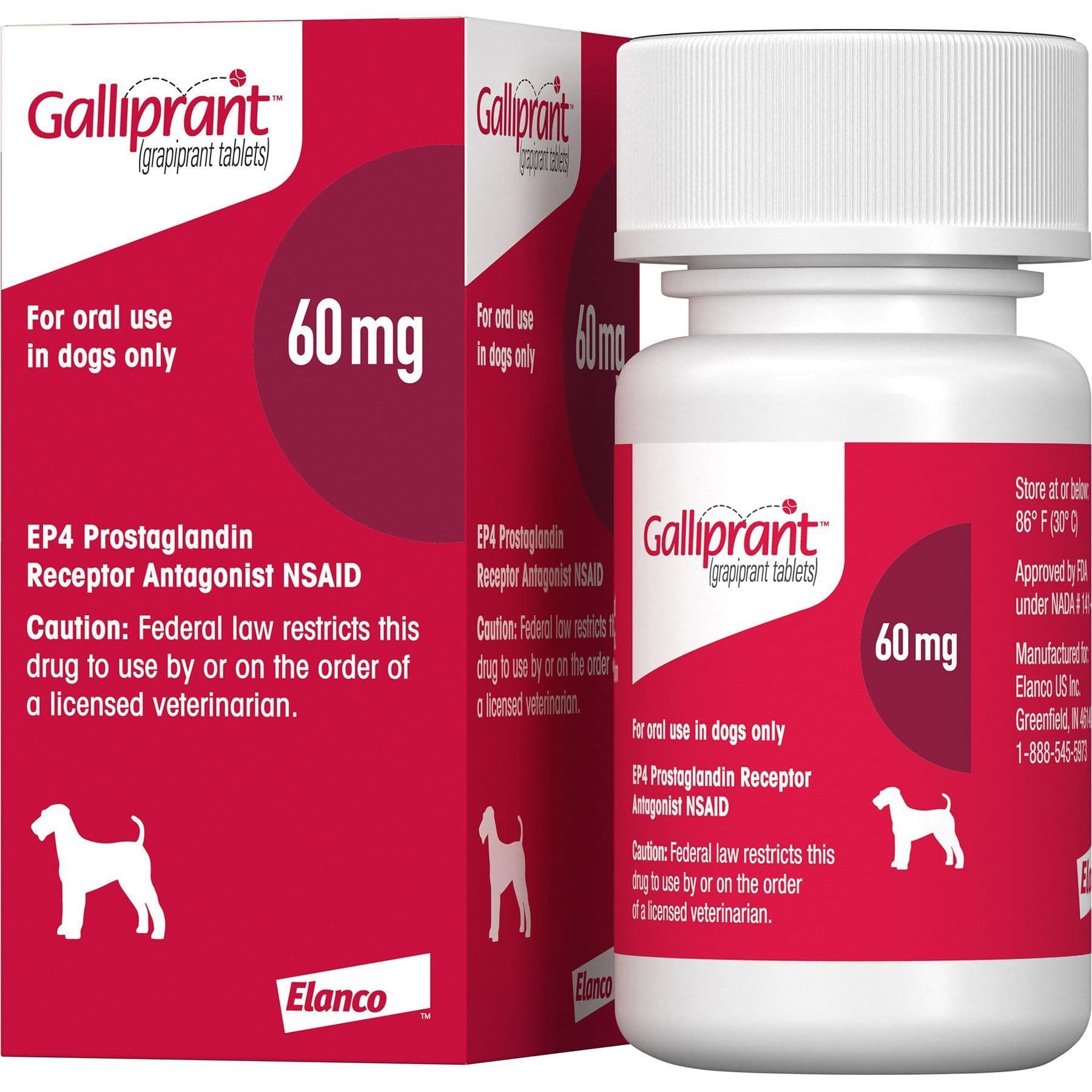
Galliprant (grapiprant tablets) 60 mg, 60 tablets. Prescription required; your veterinarian decides the strength and dose for your dog.
Webvet may earn a commission when you click through to Chewy, at no extra cost to you.
Second, osteoarthritis is common and often starts young. Canine OA is the most common cause of chronic pain in dogs, with 1 in 4 being affected, and it can affect dogs of all shapes and sizes. The Merck Veterinary Manual reports radiographic osteoarthritis in up to 40 percent of dogs aged 8 months to 4 years, even though clinical signs are usually not identified until dogs are 5 to 13 years old. That gap is exactly why stage 1 exists: risk can be managed long before pain appears. For a broader explanation of the disease, causes and warning signs, see WebVet's guide to osteoarthritis in dogs.
Stage 1: At risk, before signs appear
A stage 1 dog moves normally but carries risk factors. The Canadian consensus guidelines describe this dog as currently normal but predisposed by genetics, joint-stressing activities, previous joint surgery or excess body weight. Large and giant breeds, dogs with dysplasia and dogs who have torn a cruciate ligament sit here even when they are young.
Care at this stage is preventive rather than pain-focused. The COAST guidelines recommend weight management and an appropriate exercise program, and no pain medication was unanimously recommended for at-risk dogs. The Canadian panel also lists a marine-source omega-3 supplement or diet and a rehabilitation consultation for injury prevention as reasonable early steps.
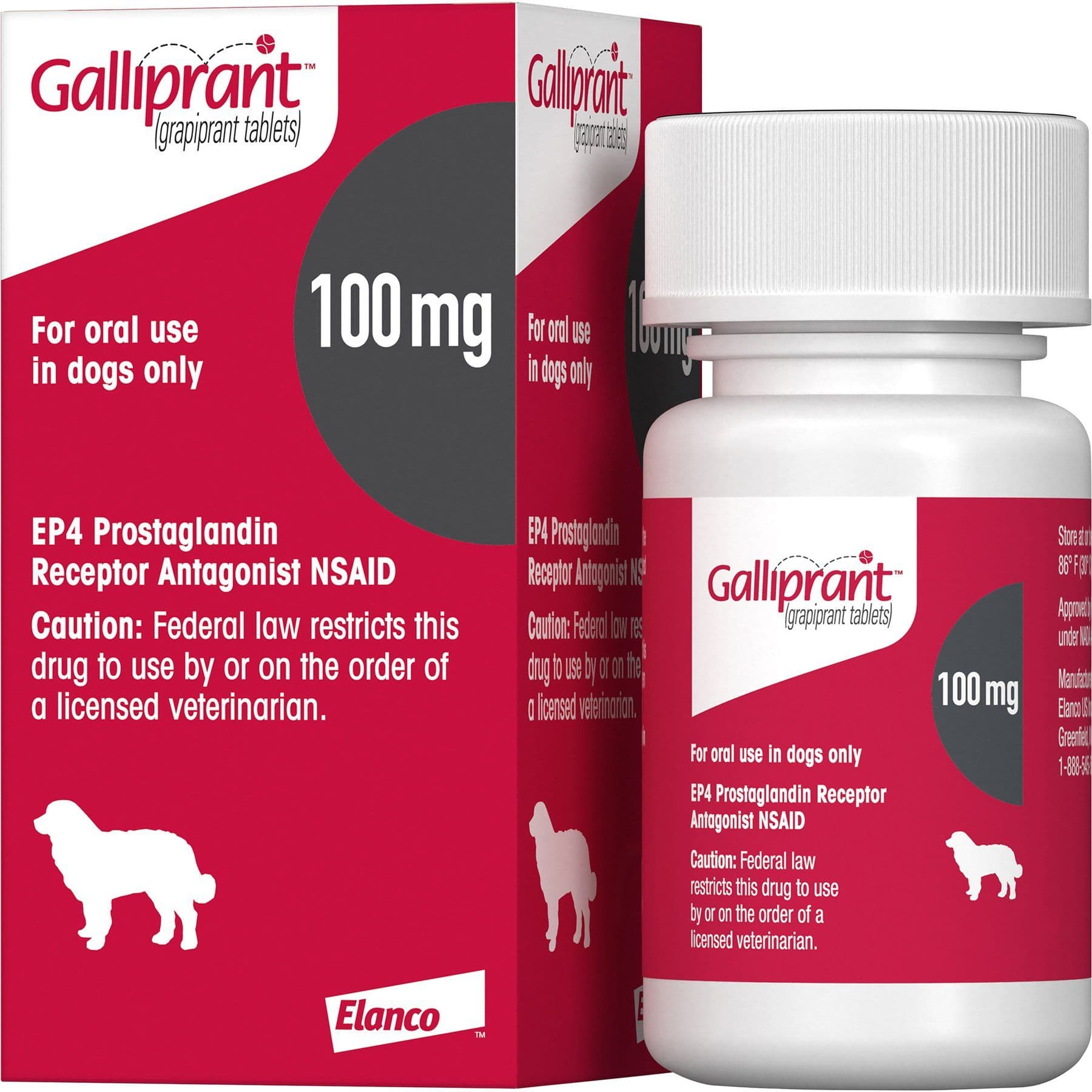
Galliprant (grapiprant tablets) 100 mg, 30 tablets. Prescription required; your veterinarian decides the strength and dose for your dog.
Webvet may earn a commission when you click through to Chewy, at no extra cost to you.
What you can do now is straightforward:
- Keep your dog lean. Reaching and holding an ideal body condition score reduces joint load and systemic inflammation, and it is the single biggest lever an owner controls.
- Build steady, low-impact activity rather than weekend bursts on hard ground.
- Ask about screening. The COAST guidelines suggest reassessing at-risk dogs about every 6 months, with additional X-rays only if something changes.
Stage 2: Mild arthritis
Stage 2 is the first clinical stage. Signs are real but inconsistent and easy to explain away: a shorter walk, a pause before jumping into the car, stiffness that fades after a few minutes of movement, or less interest in play after a long day. Across the stages, the warning signs of OA include slowing down, limping, hip swaying, bunny hopping, difficulty with stairs and struggling to get up. The Canadian guidelines describe these signs as subtle and often tied to particular activities, with only minimal changes on imaging. Because they are so easy to miss, WebVet's osteoarthritis guide covers the early signs of arthritis in dogs in detail, including the changes that show up in the hind legs first. For staging purposes, the point is that once signs are present, the plan changes.
At stage 2, both guideline groups unanimously recommend that a dog-specific NSAID become part of the plan. The COAST guidelines call for a minimum of 4 weeks at the recommended dose before the veterinarian reassesses whether to continue, adjust or stop, and they note that evaluation after about a month is needed to judge whether the change is clinically meaningful. Rechecks are typically two to four times a year at this stage, with a follow-up 7 to 14 days after treatment starts.
Diet, activity and the home change at the same time. The COAST panel unanimously recommends all three from stage 2:
- A joint diet containing appropriate omega-3 fatty acids, or a combined EPA and DHA dose of 75 to 100 mg per kilogram per day.
- Adapted exercise plus a rehabilitation program with supervised and at-home exercises.
- Practical adjustments to stairs, slippery floors and car access, made now rather than later.
 Sponsored
Vet care that's always there
Unlimited video calls and messaging with licensed vets for less than a typical vet visit. One membership covers up to five pets.
Use code Pets60
Plans start at $12/month · covers up to 5 pets
- Licensed vets in most states
- Rx for 150+ conditions
- 4.7 on Trustpilot
Stage 3: Moderate arthritis
At stage 3, signs are consistent and obvious at every gait rather than only after exertion. The Canadian guidelines describe moderate discomfort, visible muscle loss in the affected limb, reduced range of motion and obvious bony changes on imaging. Owners often notice the dog choosing where to lie down, hesitating on stairs every time, or losing the muscle over the hips or shoulders.
Care intensifies in three ways. First, NSAID treatment is expected to run longer: the COAST guidelines specify a minimum of 8 weeks at the therapeutic dose, with key re-evaluations at 1 and 2 months. Second, a formal rehabilitation program is highly recommended if logistics allow, with individualized exercises rather than general advice. Third, add-on pain medication such as amantadine or gabapentin may be introduced during the first two months if the NSAID alone is not enough, based on a majority recommendation from the COAST panel.
Monitoring becomes routine. The Canadian guidelines recommend baseline bloodwork before starting long-term NSAID treatment and then every 3 to 6 months as needed, alongside regular wellness visits. The COAST group expects rechecks four to six times a year at this stage, and it endorses remote check-ins between hands-on evaluations. Dogs at this stage usually require ongoing daily treatment rather than short courses.
Stage 4: Severe arthritis and quality of life
Stage 4 is advanced disease. The Canadian guidelines describe significant clinical signs and dysfunction that are obviously and constantly present, with marked lameness and advanced bone remodeling. A dog with severe arthritis may struggle to rise without help, avoid walking on some surfaces, sleep poorly, and show pain even at rest. End-stage arthritis in dogs is this picture at its worst, when pain limits eating, toileting and rest.
Care at stage 4 is intensive and multimodal. Core pain control continues, often for life, and the COAST guidelines note that the need to control severe pain carries more weight in benefit-and-risk decisions than at earlier stages. Anti-NGF monoclonal antibody injections are an additional option the Canadian panel highlights particularly for severe, refractory pain, and adjunct medications, a formal rehabilitation program, assistive devices and home modifications are all expected. The COAST group recommends weekly updates in the initial period and monthly hands-on evaluation until function improves.
The question owners dread is when to put a dog down for arthritis. Arthritis itself rarely ends a dog's life. What ends it is quality of life that can no longer be restored. Veterinarians suggest tracking good days against bad days on a calendar, using a structured quality-of-life scale, and asking two questions at each recheck: is pain controlled at rest, and can your dog still do the things that make it a dog? When bad days consistently outnumber good ones despite a fully adjusted plan, ask your veterinary team about comfort-focused hospice care and humane end-of-life decisions. WebVet's guide to senior dog joint pain covers the end-stage signs and comfort measures in more depth.
Galliprant (grapiprant tablets) 60 mg, 30 tablets. Prescription required; your veterinarian decides the strength and dose for your dog.
Webvet may earn a commission when you click through to Chewy, at no extra cost to you.
How care changes at each stage
Some ways to relieve pain in a dog with arthritis apply at every stage: keeping weight down, low-impact daily movement, warm rest areas and traction at home. Others enter the plan only when the stage calls for them, which is why the plan is revisited rather than set once. If your dog has OA, managing their exercise, diet and weight combined with pain control can help them stay happy and mobile in the long run. This is called multimodal treatment. Both guideline groups describe it the same way: several layers that work together, with prescription pain control as the core once signs are present.
The table below translates the consensus guidelines into what typically changes at each stage. It is a guide to the conversation with your veterinarian, not a protocol to follow on your own.
| Stage | What your veterinarian assesses | What usually changes in care | Recheck frequency | What to track at home |
|---|---|---|---|---|
| Stage 1: at risk | Risk factors, body condition, muscle condition | Weight target, steady low-impact activity, omega-3 diet or supplement, injury prevention | About every 6 months | Weight, activity tolerance, any new hesitation |
| Stage 2: mild | Subtle, activity-linked signs; examination findings | First NSAID course of at least 4 weeks, joint diet, rehabilitation exercises, home footing and access | 2 to 4 times a year, plus a check 7 to 14 days after starting treatment | Stiffness after rest, willingness to jump or climb, walk length |
| Stage 3: moderate | Consistent signs at all gaits, muscle loss, range of motion | Longer daily NSAID course of at least 8 weeks, formal rehabilitation, add-on pain medication if needed, bloodwork every 3 to 6 months | 4 to 6 times a year, with remote check-ins between | Rising, stairs, sleep, muscle over hips and shoulders, appetite |
| Stage 4: severe | Constant signs, marked lameness, quality of life | Lifelong core pain control, injectable and adjunct options, assistive devices, hospice planning when needed | Weekly updates at first, then monthly hands-on visits | Pain at rest, toileting, eating, good days versus bad days |
Prescription pain control, including Galliprant® (grapiprant tablets)
Your veterinarian may recommend a dog-specific nonsteroidal anti-inflammatory drug (NSAID) to treat your dog's pain. Galliprant (grapiprant tablets) is one option your veterinarian may choose. Galliprant controls pain and inflammation associated with osteoarthritis in dogs. Galliprant is a non-COX inhibiting NSAID, which means it works differently from the traditional NSAIDs many owners already know.
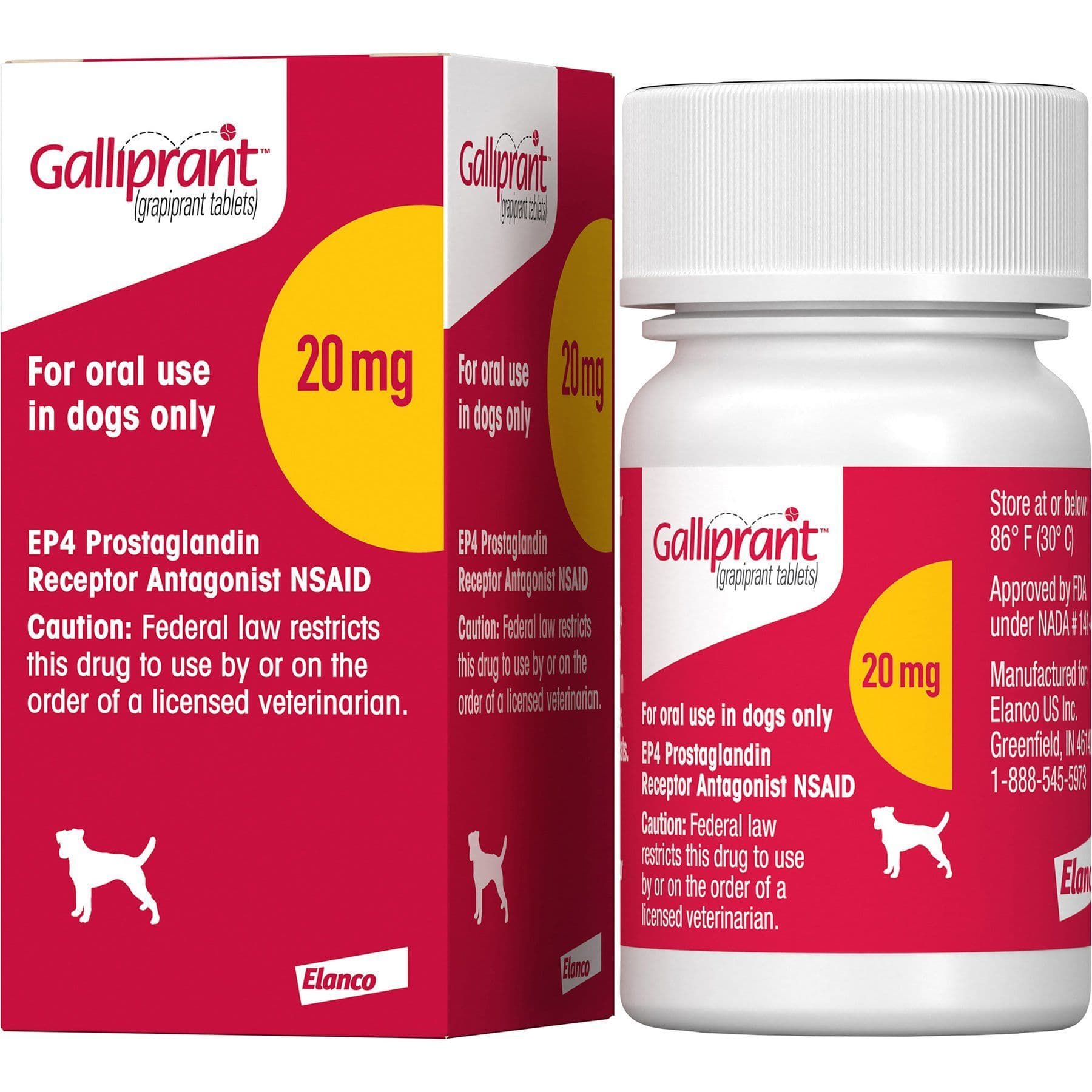
Galliprant is a prescription grapiprant tablet for dogs, dispensed only with a vet prescription.
Webvet may earn a commission when you click through to Chewy, at no extra cost to you.
Galliprant features a unique mode of action, targeting the EP4 receptor, effectively addressing inflammation and pain. Monitoring is recommended if used long-term. A once-a-day, flavored, chewable tablet, Galliprant could fit into your dog's daily routine. That fit matters at stages 3 and 4, when daily treatment options could become more likely.
As a class, NSAIDs may be associated with gastrointestinal, kidney and liver side effects. Evaluation for pre-existing conditions and regular monitoring are recommended. The Galliprant label does not have specific monitoring protocol and it states: if Galliprant used long term appropriate monitoring is recommended. Considerations are listed in the table above however your specific veterinarian will make their own evaluation and recommendations based on your individual dog's health situation. The full Indication and Important Safety Information appear at the end of this article.
Weight, diet and omega-3 fatty acids
If you are wondering what you can give a dog with arthritis naturally, the answer with the strongest guideline support is body weight and marine omega-3 fatty acids, not a particular supplement brand. The COAST panel unanimously recommends a joint diet with appropriate omega-3 content or a combined EPA and DHA dose of 75 to 100 mg per kilogram per day from stage 2, rising to at least 100 mg per kilogram per day at stage 3. Plant-source omega-3 does not convert well in dogs, so fish or algal sources are what the guidelines mean.
Other supplements have thinner evidence. In the COAST vote, glucosamine and chondroitin were recommended by only four of nine panelists, and cannabinoids by three, because clinical studies did not provide enough evidence. That does not make them harmful, but it means they are a supporting layer rather than the plan. WebVet's guide to joint supplements for senior dogs explains how to compare products and what to ask your veterinarian before adding one.
Feeding decisions, including what to avoid, are covered in the diet section of WebVet's osteoarthritis guide. For staging purposes, the rule is simple: excess weight moves a dog through the stages faster, and a lean dog gets more from every other treatment.
Exercise, rehabilitation and home changes
Regular low-impact exercise is part of pain management at every stage. The Canadian guidelines warn that prolonged rest leads to stiffness and muscle loss, so the goal is steady, shorter sessions on good footing rather than rest until the dog seems better. From stage 2, a rehabilitation consultation adds targeted exercises; at stage 3 and 4, a formal program with a trained practitioner is highly recommended.

Home changes follow the same curve. Non-slip runners, a ramp for the car or couch, raised bowls and a warm orthopedic bed help at stage 2. Support harnesses, traction booties and blocked-off stairs become part of daily life at stage 3 and 4. WebVet's guide to mobility aids for dogs explains how to choose and introduce this equipment.
Add-on medications and injectable options
When an NSAID alone is not enough, usually from stage 3, veterinarians add other layers. Amantadine and gabapentin were majority recommendations from the COAST panel for moderate and severe disease, typically added within the first two months of core treatment if needed. Anti-NGF monoclonal antibody injections are another prescription option from stage 2 onward. The COAST group notes that its members were not unanimous about using them as first-line therapy for mild disease, and the Canadian panel highlights them particularly for severe, refractory pain.
Intra-articular treatments such as stem cells or hyaluronic acid drew only minority support in the COAST vote, and tramadol on its own was judged to lack evidence of efficacy in dogs with osteoarthritis. Which of these fit your dog depends on the joint, the stage and other health conditions, which is a decision for the treating veterinarian.
How your veterinarian reassesses the stage
Staging is repeated, not done once. At each recheck your veterinarian compares your description of daily life with a hands-on examination: how your dog rises, walks and turns, muscle condition, range of motion and where discomfort appears on gentle handling. Bloodwork is added on the schedule the stage calls for. How often those rechecks happen also follows the stage: the COAST guidelines suggest about every 6 months for an at-risk dog, two to four times a year at stage 2, four to six times a year at stage 3, and weekly updates then monthly hands-on visits at stage 4 until function improves.

Your observations carry real weight in that assessment. The AAHA pain management guidelines note that radiographic signs and pain found on joint examination often correlate poorly, which is why the owner's account of function at home matters so much. Pick a few ordinary activities to watch consistently, such as rising after a nap, the first minute of a walk and the response to stairs. Record what you see and when, and bring a short video of natural movement on a safe surface if the change is intermittent.
Three outcomes are possible at a recheck. The stage may be unchanged and the plan continues. The dog may be doing better, and the veterinarian may adjust a medication or its frequency, which is a veterinary decision and never something to try at home. Or signs may have progressed, in which case the plan moves to the next stage's layers. Flare-ups, when a stable dog suddenly worsens, are handled differently and are covered in the flare-up section of WebVet's osteoarthritis guide.
Questions about arthritis stages in dogs
Frequently Asked Questions
How long can a dog live with stage 4 arthritis?
Arthritis itself rarely shortens a dog's life, and many dogs live for years at stage 4 with a fully adjusted plan. What determines the timeline is quality of life: whether pain is controlled at rest and whether the dog can still eat, toilet, sleep and enjoy familiar activities. Tracking good days against bad days and using a structured quality-of-life scale with your veterinarian gives an honest answer for your dog rather than an average.
Can arthritis in dogs go backwards to an earlier stage?
The joint changes do not reverse, but the stage reflects current clinical signs, so a dog whose pain is well controlled can be assessed at a lower clinical stage than before. That improvement is the treatment working, not the disease leaving. It is a reason to keep the plan and the reassessment schedule, not to stop medication or exercise.
How fast does arthritis progress in dogs?
There is no single pace. The Canadian guidelines describe osteoarthritis as chronic and progressive, and they note that early treatment is considered important in slowing progression and protecting quality of life. Weight and activity are the factors an owner most influences, and regular reassessment catches a change in stage before it costs months of comfort.
Do dogs need bloodwork for long-term arthritis medication?
Yes, on a schedule your veterinarian sets. The Canadian guidelines recommend baseline bloodwork before starting long-term NSAID treatment and then every 3 to 6 months as needed, because NSAIDs as a class may be associated with gastrointestinal, kidney and liver side effects and because other diseases can appear as a dog ages. The results help your veterinarian confirm that the current medication remains the right choice.
Indication:
Galliprant (grapiprant tablets) controls pain and inflammation associated with osteoarthritis in dogs.
Important Safety Information
For use in dogs only. Keep this and all medications out of reach of children and pets to prevent accidental ingestion or overdose. Galliprant is a non-COX inhibiting NSAID. As a class, NSAIDs may be associated with gastrointestinal, kidney and liver side effects. Evaluation for pre-existing conditions and regular monitoring are recommended.
Do not use in dogs that have a hypersensitivity to grapiprant. Concomitant use of Galliprant with other NSAIDs or corticosteroids should be avoided. Concurrent use with other anti-inflammatory drugs or protein-bound drugs including cardiac, anticonvulsant and behavioral medications has not been studied. The safe use of Galliprant has not been evaluated in dogs younger than 9 months of age and less than 8 lbs., dogs used for breeding, pregnant or nursing dogs, or dogs with cardiac disease.
Side effects associated with Galliprant may include diarrhea, soft mucoid stools, vomiting, and decreased appetite. Contact your veterinarian immediately if you think your dog may have a medical problem or side effect while on Galliprant. Visit elancolabels.com/us/galliprant for full prescribing information.
Approved brand reference
Elanco Galliprant Pet Owner Brochure, PM-US-25-0717(2), supplied 2026 approved version, pages 2–3. Brand indication and Important Safety Information follow this supplied document. Other clinical sources are linked where discussed.
Galliprant, Elanco, and the diagonal bar logo are trademarks of Elanco or its affiliates.

Editor
The Webvet Editorial Team is the in-house group of pet-care editors and writers behind Webvet, operated by Smart Pet Collective. The team researches, writes, and maintains Webvet's pet health, behavior, and medication content. Every article follows a defined editorial process: research from reputable veterinary and scientific sources, careful drafting, mandatory review of medical content by a credentialed veterinarian, and dated publication. Health and medication articles are medically reviewed by a licensed veterinary professional before they go live and are kept current over time.
Veterinarian · BVMS MRCVS
Dr. Pippa Elliott, BVMS, MRCVS, is a veterinarian with nearly 30 years of experience in companion animal practice. Dr. Elliott earned her Bachelor of Veterinary Medicine and Surgery from the University of Glasgow. She was also designated a Member of the Royal College of Veterinary Surgeons. Married with 2 grown-up kids, Dr. Elliott has a naughty Puggle named Poggle, 3 cats and a bearded dragon.
Related reading

How Is Arthritis Diagnosed in Dogs? What to Expect at the Vet

Best Dog Jogging Strollers: Picks for Runners, Seniors, and Recovering Dogs

Best Dog Backpack Carriers: Vet-Reviewed Picks by Dog Size and Trip Length
