How Is Arthritis Diagnosed in Dogs? What to Expect at the Vet
How is arthritis diagnosed in dogs? Learn what to bring to the appointment, how the physical examination works, and when X-rays, blood tests, or joint-fluid tests may help explain your dog's joint pain.

BVMS MRCVS
Medically reviewed by Dr. Pippa Elliott, BVMS MRCVS · Last reviewed

This article contains affiliate links. Webvet may earn a commission when you buy through them, at no extra cost to you.
How is arthritis diagnosed in dogs? A veterinarian brings together your observations, your dog's medical history, a physical examination and, when appropriate, diagnostic tests. The goal is to understand where discomfort is coming from and what could be causing it, so your dog can receive an appropriate care plan.
You do not need to identify the painful joint or arrive with a diagnosis. Noticing a change, such as slower walks or hesitation before standing, is enough to start the conversation. A little preparation can help you describe those changes clearly and understand the next steps your veterinarian recommends.
After an osteoarthritis diagnosis, your veterinarian may discuss Galliprant® (grapiprant tablets). Galliprant controls pain and inflammation associated with osteoarthritis in dogs.

 Sponsored
Wondering why your dog seems stiff or sore?
Talk to a licensed vet at Dutch over video, often the same day. They can recommend treatment and prescribe it when it's appropriate.
Use code Pets60
Plans start at $12/month · covers up to 5 pets
- Licensed vets in most states
- Rx for 150+ conditions
- 4.7 on Trustpilot
How is arthritis diagnosed in dogs?
Diagnosing arthritis in dogs usually starts with medical history and physical examination, followed by imaging when indicated. Your vet brings those findings together to tell whether arthritis explains your dog's signs. There is no single at-home dog arthritis test that replaces this process. For osteoarthritis, the common form discussed here, your veterinarian evaluates how your dog moves, examines the joints and considers whether additional findings support the suspected cause.
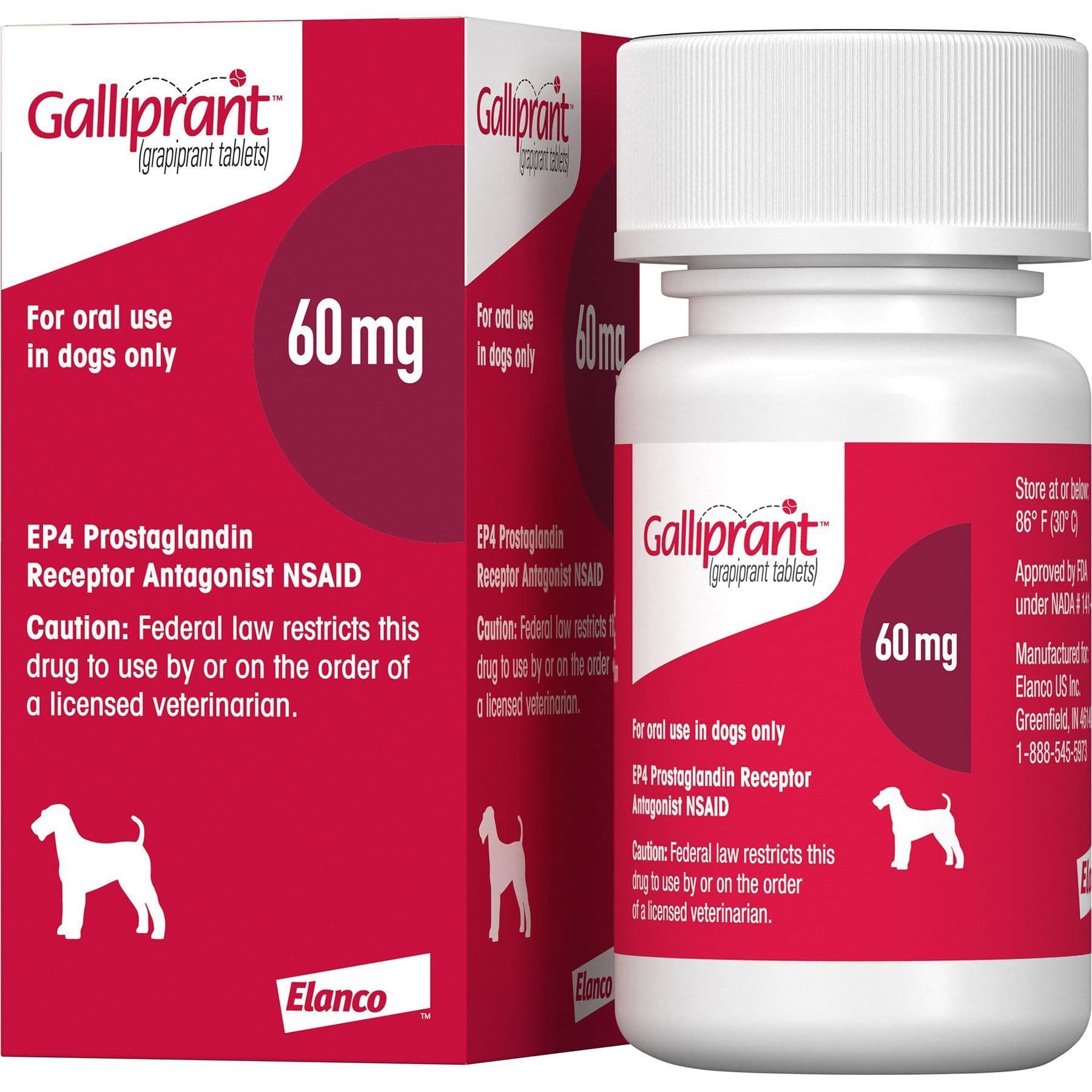
Galliprant (grapiprant tablets) 60 mg, 60 tablets. Prescription required; your veterinarian decides the strength and dose for your dog.
Webvet may earn a commission when you click through to Chewy, at no extra cost to you.
Cornell University College of Veterinary Medicine describes gait and posture assessment, hands-on examination and possible X-rays as parts of the evaluation. Diagnosing osteoarthritis in dogs also means considering underlying orthopedic conditions rather than assuming that every change is simply aging.
- 1Your observations describe changes in daily life.
- 2The physical examination helps locate discomfort and assess movement.
- 3Tests answer specific questions raised by the history and examination.
A dog arthritis diagnosis is therefore a clinical assessment, not a conclusion you should have to make from a limp, a questionnaire or a picture alone. Your veterinarian chooses how to diagnose arthritis in dogs based on their history and examination, rather than ordering the same tests for every patient. Ask which findings point toward OA and what remains uncertain.
What to bring to the appointment
Bring specific examples of what has changed, when you first noticed it and whether it happens consistently. “She pauses before getting up after her afternoon nap” gives the team more useful detail than “She seems old.” Include activities your dog now avoids as well as things they can still do comfortably.

A short preparation list can include:
- The change: stiffness, a different walking pattern, shorter walks or hesitation before an everyday movement.
- The timing: when it began and whether it is more noticeable after rest or a particular activity.
- The history: previous injuries, joint problems, operations and relevant medical conditions.
- Current products: prescription medicines, over-the-counter medicines and supplements, including when each was last given.
- Your priorities: the daily activities you most want your dog to do comfortably.
If the change is intermittent, ask the clinic whether a short home video would help. The AAHA senior-care guidelines identify videos of pets moving in their usual environment as useful information for discussing pain and mobility. Record ordinary movement on a safe surface; do not ask your dog to repeat something uncomfortable for the camera.
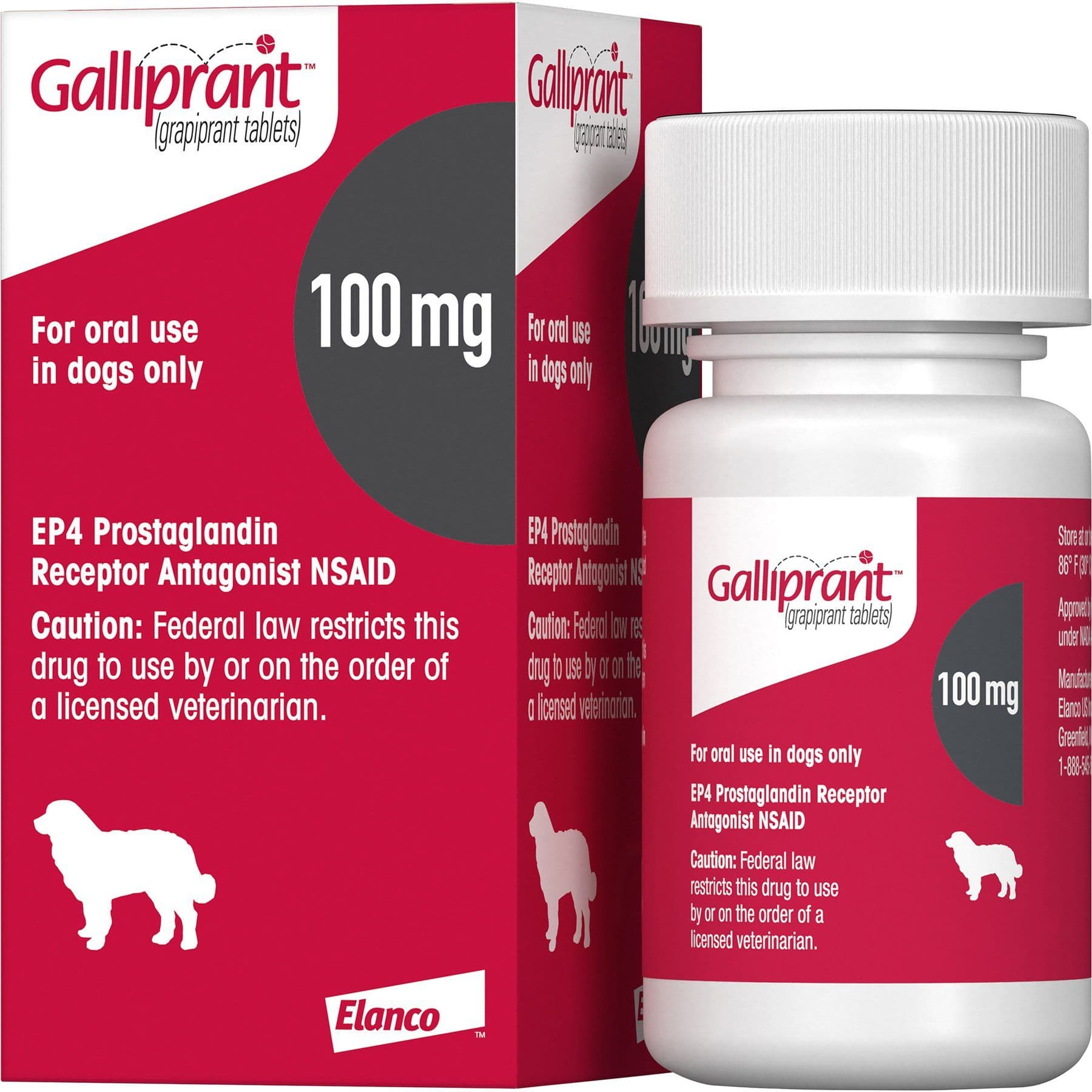
Galliprant (grapiprant tablets) 100 mg, 30 tablets. Prescription required; your veterinarian decides the strength and dose for your dog.
Webvet may earn a commission when you click through to Chewy, at no extra cost to you.
You can also ask about practical arrangements when booking: whether to send records ahead, where the team would like a video uploaded and whether the appointment may include imaging. Follow the clinic's instructions about food and medication. Do not withhold a prescribed medicine just to make a symptom easier to see.
What happens during the examination?
The examination looks beyond the one movement that worried you. Your veterinarian may watch your dog standing and walking, compare the limbs, assess muscle condition and gently examine the joints. These findings help the team identify areas that need closer investigation.
The Merck Veterinary Manual describes findings such as joint swelling, muscle loss, restricted movement and crepitation, a grating sensation during joint movement. These are clinical findings for the veterinary team to assess. You do not need to bend, press or compare joints yourself before the visit.
The veterinarian may work through questions such as:
- Does the movement change appear to involve one limb or several?
- Where does examination suggest discomfort or restricted movement?
- Do the history and findings suggest OA, another problem, or more than one condition?
Tell the team if your dog is nervous about handling or has reacted defensively when touched. Also mention a movement that looks different at home. A quiet moment in the exam room does not erase the observations that led you to book the appointment.
Limping has several possible causes. WebVet's guide to other causes of limping in dogs explains why the examination matters before choosing a treatment. An existing arthritis diagnosis also does not automatically explain every new change in movement.
 Sponsored
Vet care that's always there
Unlimited video calls and messaging with licensed vets for less than a typical vet visit. One membership covers up to five pets.
Use code Pets60
Plans start at $12/month · covers up to 5 pets
- Licensed vets in most states
- Rx for 150+ conditions
- 4.7 on Trustpilot
How the diagnostic steps fit together
For each proposed step, ask what the test can show and what it cannot tell you. This helps separate finding changes in a joint, assessing your dog's discomfort and checking whether a treatment is appropriate. The tests below are possibilities, not a list every dog must complete.
| Step | What the test can show | What it cannot tell you on its own |
|---|---|---|
| Owner observations | Changes in activity, movement and everyday comfort | The exact condition causing those changes |
| Physical and orthopedic examination | Areas of discomfort, altered movement and joint findings | Every change inside a joint |
| X-rays | Certain joint and bone changes, including evidence of underlying orthopedic problems | A complete measure of pain or every soft-tissue problem |
| Blood and urine tests | Information about general health and considerations for a care plan | A standalone confirmation of osteoarthritis |
| Joint-fluid testing, when indicated | Information that helps investigate inflammation or infection within a joint | A replacement for the history and examination |
It is reasonable to ask, “How would this result change the plan?” The answer can help you understand why one test is recommended now while another may be unnecessary, reserved for later or best performed through a referral.
What can X-rays show about arthritis?
X-rays for osteoarthritis in dogs can help a veterinarian assess changes in bones and joints and investigate underlying orthopedic problems. An arthritis X-ray is useful evidence, but it is not a complete picture of how much a dog hurts. The results need to be interpreted alongside the examination and your observations.
For example, a dog hip arthritis X-ray may reveal changes around the joint that help explain the veterinarian's findings. The Merck Veterinary Manual lists possible radiographic findings including bony growths called osteophytes and changes in the joint space or surrounding tissues. Your veterinarian can point out the relevant features rather than expecting you to interpret the image. Ask which joint was imaged and whether the report identifies OA changes, an underlying condition, or another finding.
Galliprant (grapiprant tablets) 60 mg, 30 tablets. Prescription required; your veterinarian decides the strength and dose for your dog.
Webvet may earn a commission when you click through to Chewy, at no extra cost to you.
Why the image is not a pain score
The 2022 AAHA pain-management guidelines explain that radiographic signs of OA and pain found during joint examination often correlate poorly. In everyday terms, the amount of change visible on an X-ray does not reliably tell you how uncomfortable the dog feels.
That distinction matters when an image looks less concerning than you expected, or when a dog remains active despite visible joint changes. Ask how the imaging result fits with the rest of the examination. Do not use a comparison with another dog's X-ray to judge your own dog's comfort.
X-rays also have limits when evaluating cartilage and other soft tissues. Cornell notes that selected cases may need other investigations, such as CT, MRI or arthroscopy. Your dog's findings determine whether additional evaluation would be helpful.
Will my dog need sedation for X-rays?
Some dogs need sedation or anesthesia so the veterinary team can position them comfortably and obtain clear diagnostic images. Whether your dog needs this depends on the examination, the area being imaged and the procedure the team recommends. Ask the clinic before the appointment rather than assuming that every X-ray visit follows the same plan.
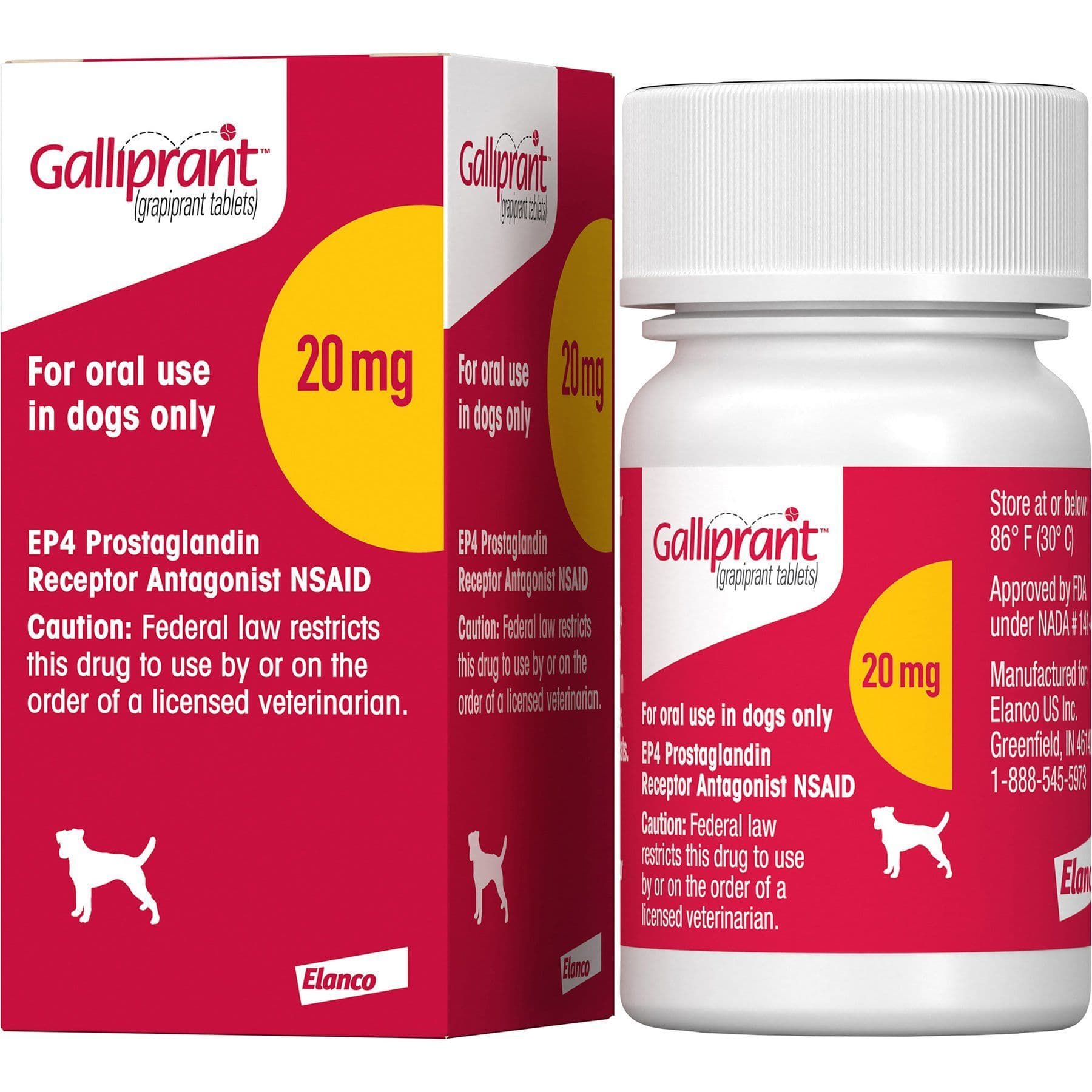
Galliprant is a prescription grapiprant tablet for dogs, dispensed only with a vet prescription.
Webvet may earn a commission when you click through to Chewy, at no extra cost to you.
When people ask whether dogs are “put under” for X-rays, they may mean sedation or general anesthesia. Ask your veterinarian which is being recommended and why, including what to expect during recovery.
Canine Arthritis Management explains why stillness and appropriate positioning matter for useful radiographs. Dog X-ray sedation is a veterinary decision, with preparation and recovery instructions tailored to the patient. If you are concerned about sedation side effects, discuss your dog's health history and previous reactions with the team.
WebVet's guide to dog X-rays and sedation covers broader imaging and cost questions. For this appointment, request an estimate that explains what is included and which additional steps would require a separate discussion.
What blood, urine and joint-fluid tests can tell your vet
Blood and urine tests can provide information about a dog's overall health and factors that may affect treatment choices. They do not serve as a standalone test confirming osteoarthritis. If your veterinarian recommends laboratory work, ask whether its purpose is to investigate another concern, establish a baseline or help plan monitoring.

Canine Arthritis Management discusses supporting tests because other conditions can affect both a dog's symptoms and the medicines that may be appropriate. A baseline result also gives the veterinarian information to compare with later results when monitoring is recommended.
Joint-fluid testing is a different investigation. If the veterinarian suspects another form or cause of joint inflammation, they may recommend arthrocentesis, which means collecting a sample of fluid from a joint for examination. This is a procedure performed by the veterinary team, not a routine home test or an automatic requirement for every suspected OA case.
Keep the purpose of each test separate when reviewing an estimate or results. “The blood results are reassuring” and “The joint examination supports OA” answer different questions. Ask the team to explain the findings together, including any uncertainty and the next action they recommend.
What happens if osteoarthritis is diagnosed?
The next conversation is about a plan suited to your dog. Ask which activities are appropriate, how to support comfort at home and when the veterinarian wants an update. A useful plan should tell you what to do now and what changes should prompt another call.
There is no single best daily routine or medication choice for every dog with arthritis. For broader information about treatment, everyday management and outlook, see WebVet's guide to osteoarthritis in dogs. Your veterinarian can explain how those options apply to your dog's diagnosis and other health needs.
Before you leave, make sure you understand:
- Which medicines, if any, to give and exactly how the veterinarian prescribed them.
- Which activities or home adjustments the team recommends.
- What to observe between appointments and how to share an update.
- When to schedule a recheck and what should lead to earlier contact.
Continue describing the same everyday activities you discussed at the first visit. That makes follow-up conversations more concrete than trying to decide whether your dog is simply “better.” If a change persists or a new problem appears, tell the veterinary team rather than adjusting the care plan yourself.
Questions about the arthritis appointment
Frequently Asked Questions
At what age do dogs typically get arthritis?
There is no single age at which dogs typically get arthritis: OA can occur at different ages, including in younger dogs. Cornell notes that contributing orthopedic problems can be present in young dogs with OA. Dogs of any age with a mobility change deserve attention; a previous joint injury or known joint condition is useful history to share with the veterinarian.
Can a dog have arthritis without an obvious limp?
Yes. The Merck Veterinary Manual notes that lameness can be less apparent than expected. Stiffness after rest or a change in daily activity may be easier for an owner to notice. These observations do not confirm arthritis, but you do not need to wait for a pronounced limp before discussing them with your veterinarian.
Will every dog need a specialist for arthritis testing?
No. Your primary veterinarian can begin with the history and physical examination, then decide what further evaluation is appropriate. Specialist referral depends on the clinical findings and the tests or expertise needed. Ask whether advanced imaging or joint fluid testing is being considered, where it would be performed and how the result could affect your dog's care.
Discussing Galliprant® (grapiprant tablets) after an OA diagnosis
If your veterinarian diagnoses OA, ask about an appropriate plan for pain and inflammation control. Galliprant controls pain and inflammation associated with osteoarthritis in dogs. A once-a-day, flavored, chewable tablet, Galliprant could fit into your dog's daily routine. Your veterinarian can advise whether it is appropriate for your dog and explain the prescribing and monitoring instructions.
Galliprant's role in the treatment plan
Galliprant features a unique mode of action, targeting the EP4 receptor, effectively addressing inflammation and pain.
Monitoring is recommended if used long-term. As a class, NSAIDs may be associated with gastrointestinal, kidney and liver side effects. See the Important Safety Information below.
Indication:
Galliprant controls pain and inflammation associated with osteoarthritis in dogs.
Important Safety Information
For use in dogs only. Keep this and all medications out of reach of children and pets to prevent accidental ingestion or overdose. Galliprant is a non-COX inhibiting NSAID. As a class, NSAIDs may be associated with gastrointestinal, kidney and liver side effects. Evaluation for pre-existing conditions and regular monitoring are recommended.
Do not use in dogs that have a hypersensitivity to grapiprant. Concomitant use of Galliprant with other NSAIDs or corticosteroids should be avoided. Concurrent use with other anti-inflammatory drugs or protein-bound drugs including cardiac, anticonvulsant and behavioral medications has not been studied. The safe use of Galliprant has not been evaluated in dogs younger than 9 months of age and less than 8 lbs., dogs used for breeding, pregnant or nursing dogs, or dogs with cardiac disease.
Side effects associated with Galliprant may include diarrhea, soft mucoid stools, vomiting, and decreased appetite. Contact your veterinarian immediately if you think your dog may have a medical problem or side effect while on Galliprant. Visit elancolabels.com/us/galliprant for full prescribing information.
Approved brand reference
Elanco Galliprant Pet Owner Brochure, PM-US-25-0717(2), supplied 2026 approved version, pages 2–3. Brand indication and Important Safety Information follow this supplied document. Other clinical sources are linked where discussed.
Galliprant, Elanco, and the diagonal bar logo are trademarks of Elanco or its affiliates.

Editor
The Webvet Editorial Team is the in-house group of pet-care editors and writers behind Webvet, operated by Smart Pet Collective. The team researches, writes, and maintains Webvet's pet health, behavior, and medication content. Every article follows a defined editorial process: research from reputable veterinary and scientific sources, careful drafting, mandatory review of medical content by a credentialed veterinarian, and dated publication. Health and medication articles are medically reviewed by a licensed veterinary professional before they go live and are kept current over time.
Veterinarian · BVMS MRCVS
Dr. Pippa Elliott, BVMS, MRCVS, is a veterinarian with nearly 30 years of experience in companion animal practice. Dr. Elliott earned her Bachelor of Veterinary Medicine and Surgery from the University of Glasgow. She was also designated a Member of the Royal College of Veterinary Surgeons. Married with 2 grown-up kids, Dr. Elliott has a naughty Puggle named Poggle, 3 cats and a bearded dragon.
Related reading

Stages of Arthritis in Dogs: How Care Changes Over Time

Best Dog Jogging Strollers: Picks for Runners, Seniors, and Recovering Dogs

Best Dog Backpack Carriers: Vet-Reviewed Picks by Dog Size and Trip Length
