Senior Dog Joint Pain: How to Help Them Feel More Comfortable
Senior dog joint pain is manageable. A vet explains the early signs, prescription options like carprofen and monthly Librela injections, joint supplements, and the home changes that keep older dogs comfortable and moving.
Medically reviewed by Dr. Athena Gaffud, DVM · Last reviewed

This article contains affiliate links. Webvet may earn a commission when you buy through them, at no extra cost to you.
Senior dog joint pain affects countless aging dogs, and many pet parents overlook the early signs. Subtle stiffness, slower movements, or changes in behavior often appear normal at first glance, yet these shifts usually signal underlying discomfort or arthritis in senior dogs that requires attention. Early recognition supports comfort and protects long-term senior dog mobility.
This vet-reviewed guide explains why senior dog joint pain develops, which symptoms deserve attention, and how veterinarians diagnose the problem. It then walks through what actually works, from prescription medications like carprofen and monthly Librela injections to joint supplements, home remedies, and simple comfort changes that keep older dogs active.
- 1Senior dog joint pain is most often caused by osteoarthritis, and early signs like stiffness after rest are easy to mistake for normal aging.
- 2Veterinary NSAIDs such as carprofen (Rimadyl) and firocoxib (Previcox) are the first-line prescription treatment; never give human pain medication to a dog.
- 3Newer injectables, including monthly Librela (a monoclonal antibody) and Adequan, give veterinarians options for seniors that cannot tolerate oral NSAIDs.
- 4Weight control is the most powerful home measure: every extra pound adds strain and inflammation to aging joints.
- 5Orthopedic bedding, ramps, non-slip rugs, warmth, and short gentle walks deliver real, drug-free comfort alongside veterinary care.
Why Senior Dogs Develop Joint Pain
The most common causes of joint pain in older dogs are discussed below.
- Osteoarthritis: progressive joint degeneration responsible for most senior dog joint pain.
- Previous injuries: old ligament tears or fractures that lead to chronic instability and arthritis in senior dogs.
- Hip dysplasia or elbow dysplasia: abnormal joint structure that promotes early cartilage wear.
- Natural wear and tear: lifelong activity that gradually erodes protective cartilage.
- Loss of muscle mass: reduced strength that limits joint support and affects senior dog mobility.
- Inflammation: ongoing irritation inside the joint that triggers stiffness and discomfort.
- Weight gain: excess body weight that adds stress to aging joints.
- Genetic predispositions: inherited tendencies in certain breeds that increase the risk of long-term joint disease and the need for pain relief for senior dogs.
Most of these changes trace back to osteoarthritis, the progressive joint disease behind the majority of canine mobility loss. Learn how it develops in our guide to osteoarthritis in dogs, and if limping is the first thing you noticed, start with why your dog is limping.
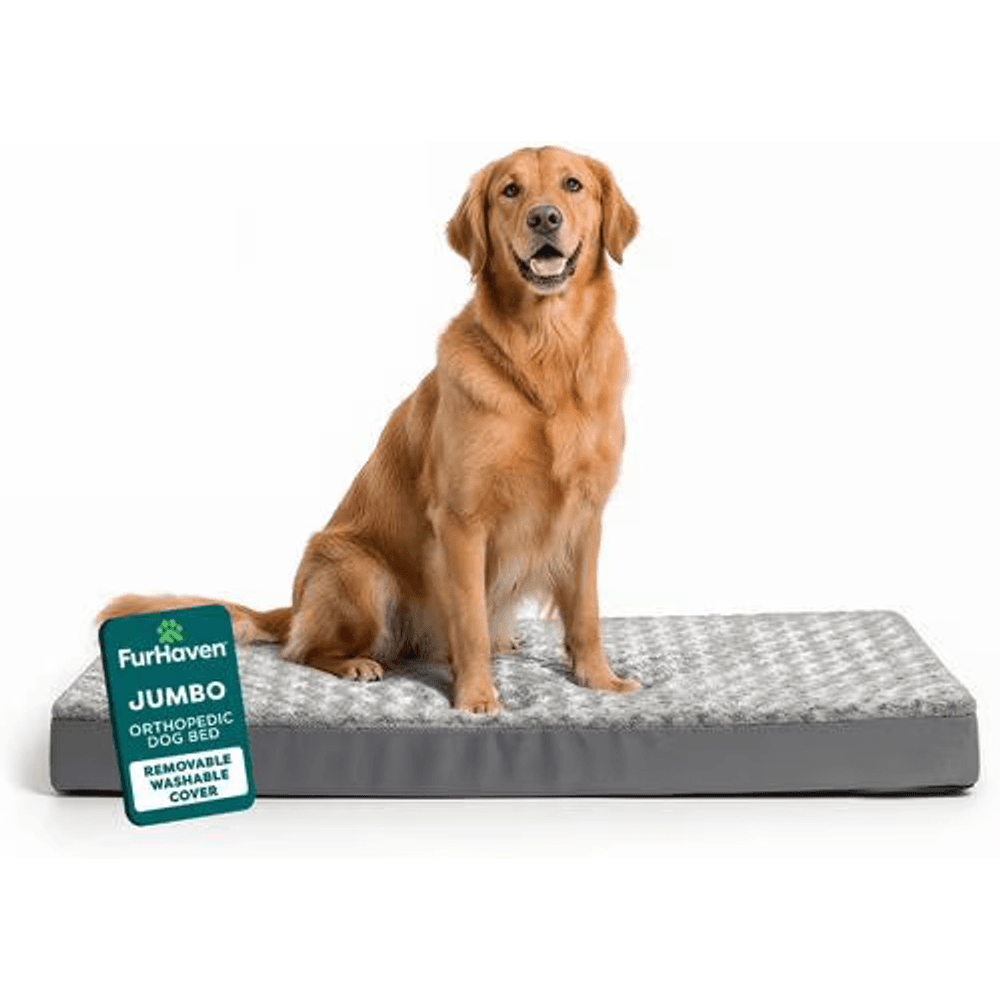
A plush orthopedic foam mattress that cushions aging joints and pressure points, giving a stiff or trembling senior dog warm, supportive rest.
Webvet may earn a commission when you click through to Chewy, at no extra cost to you.
Early Signs of Senior Dog Joint Pain
Some subtle symptoms help dog parents identify early signs of senior dog joint pain.
- Slower movements after resting: an early sign of joint pain in senior dogs.
- Morning stiffness: reduced ease of movement after sleep.
- Difficulty rising or lying down: effortful transitions due to joint discomfort.
- Reluctance to climb stairs: hesitation linked to reduced senior dog mobility.
- Less interest in play: decreased activity due to developing pain.
- Occasional limping: brief, uneven steps tied to arthritis in senior dogs.
- Hesitation jumping: avoidance of furniture or car entry that benefits from pain relief for senior dogs.
Not all dogs show every sign, so it’s essential to watch for a combination of changes.
Advanced Signs Your Senior Dog Might Be in Pain
The list below describes more noticeable symptoms that require prompt veterinary attention.
- Persistent limping: ongoing uneven steps linked to advanced senior dog joint pain.
- Discomfort when touched: apparent sensitivity over affected joints.
- Whining during movement: vocal response to worsening arthritis in senior dogs.
- Significant slowing on walks: marked reduction in senior dog mobility.
- Hind-leg muscle loss: reduced muscle from decreased use due to chronic joint pain.
- Joint swelling: visible thickening from inflammation.
- Behavioral changes: frequent irritability, restlessness, or withdrawal, indicating discomfort, that benefit from targeted pain relief for senior dogs.
Joint disease also looks different in a 10-pound terrier than in a 90-pound shepherd. Our guide to arthritis and dog size explains what to expect for your dog's build, and when persistent limping needs a same-week veterinary appointment.
Diagnosis: How Vets Assess Senior Dog Joint Pain
Veterinarians assess senior dog joint pain through a focused physical exam that evaluates each joint, overall posture, and senior dog mobility. X-rays identify arthritis in senior dogs or structural changes that affect comfort and movement. A detailed review of medical history and daily activity offers essential context for diagnosis.
Blood work supports the safe use of long-term medication, and a careful evaluation of weight and muscle tone helps determine the level of strain on aging joints and guides appropriate treatment, including targeted pain relief options for senior dogs.
 $65 · no membership
Is your dog slowing down or seeming sore?
A licensed vet can examine your dog over video and prescribe treatment online when it's appropriate.
 Talk to a vet
- Licensed vets
- All 50 states
- same-day Rx
Webvet may earn a commission if you book.
Vet-Prescribed Medications for Senior Dog Joint Pain
Every effective treatment plan for senior dog joint pain starts with a conversation about prescription pain control. Veterinary NSAIDs are the first-line medication for arthritis pain in dogs, and they are far safer and more effective for your dog than anything in your own medicine cabinet.
NSAIDs: Carprofen, Previcox, and Similar Drugs
Your veterinarian may prescribe a nonsteroidal anti-inflammatory drug (NSAID) developed specifically for dogs. Common options include carprofen (Rimadyl), firocoxib (Previcox), meloxicam (Metacam), and deracoxib (Deramaxx). These drugs reduce the joint inflammation that drives pain, and many stiff senior dogs move visibly better within days.
Grapiprant (Galliprant) works differently: it blocks a specific pain receptor rather than broadly suppressing inflammation, which can make it gentler on some older bodies. Because senior dogs often have reduced kidney or liver function, your vet will usually run blood work before starting any NSAID and recheck it periodically.
Long-term NSAID use can cause stomach upset, vomiting, or appetite loss in some dogs, so report any digestive changes to your vet promptly. Learn more about the most commonly prescribed option in our guide to carprofen for dogs.
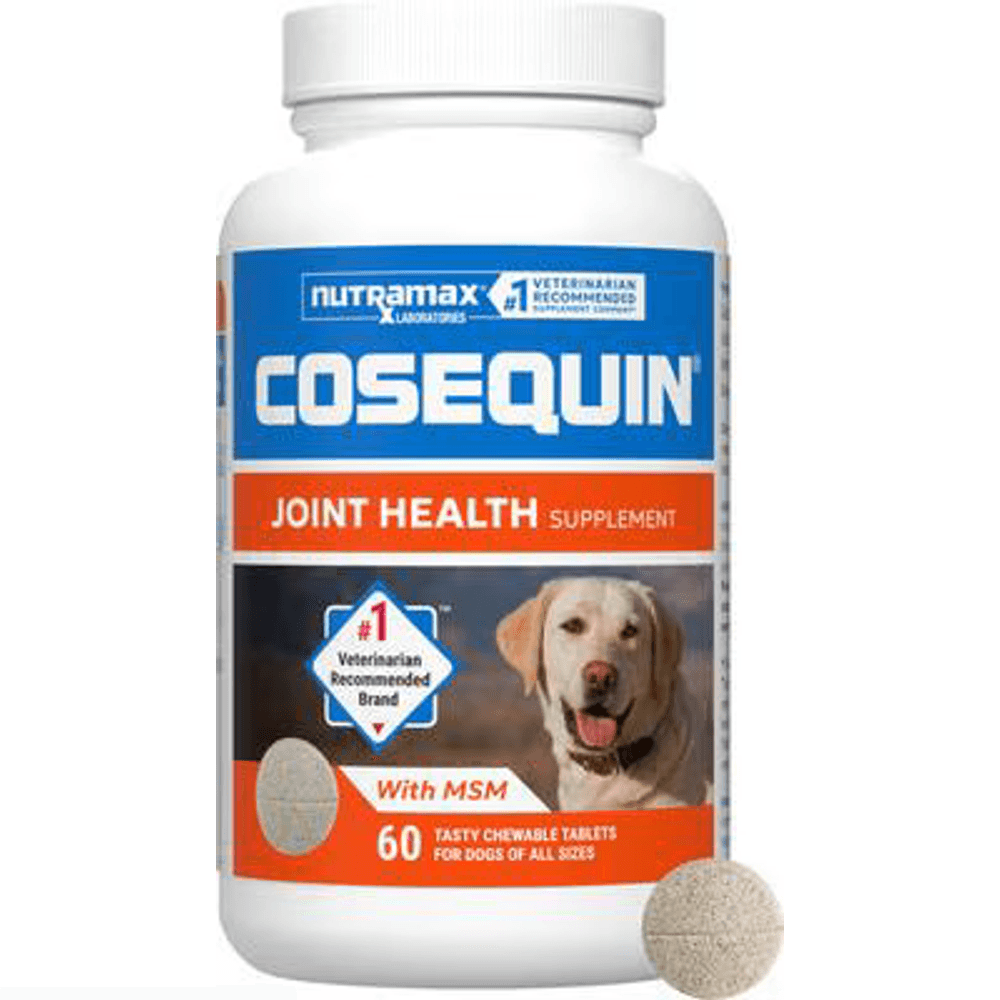
The number-one veterinarian-recommended joint supplement brand. Glucosamine, chondroitin, and MSM support cartilage and cushion the joints, easing the stiffness and hind-end weakness that can leave an older or arthritic dog trembling.
Webvet may earn a commission when you click through to Chewy, at no extra cost to you.
Gabapentin and Other Add-On Pain Medications
When an NSAID alone is not enough, your veterinarian may add gabapentin, a medication that targets chronic and nerve-related pain through a different pathway. It is often combined with an NSAID for advanced arthritis, though drowsiness is common at first. Read more in our gabapentin for dogs overview.
Other add-ons include amantadine, which helps quiet the "wind-up" pain of long-standing arthritis, and short courses of corticosteroids in select cases. Every one of these is prescription-only for good reason: safe dosing depends on your dog's weight, kidney function, liver function, and other medications.
Here is a quick overview of the options your veterinarian may discuss:
| Option | What it is | How it helps |
|---|---|---|
| Carprofen (Rimadyl) | Canine NSAID | Reduces inflammation and daily arthritis pain |
| Firocoxib (Previcox) | Canine NSAID | Targets joint inflammation with once-daily dosing |
| Meloxicam (Metacam) | Canine NSAID | Liquid option that eases inflammation and stiffness |
| Grapiprant (Galliprant) | Piprant pain blocker | Blocks a key arthritis pain receptor; often gentler on seniors |
| Gabapentin | Add-on pain medication | Calms chronic and nerve-related pain alongside an NSAID |
| Amantadine | Add-on pain medication | Helps reset long-standing "wind-up" pain |
| Bedinvetmab (Librela) | Monthly monoclonal antibody injection | Blocks nerve growth factor, a key driver of arthritis pain |
| Adequan (polysulfated glycosaminoglycan) | Injectable joint protectant | Supports cartilage and joint fluid over a series of injections |
All of these require a veterinary diagnosis, a prescription, and follow-up monitoring. Never adjust a dose on your own, split human medication, or borrow another pet's prescription.
Injectable Options: Librela, Adequan, and Beyond
Injectable treatments are the biggest recent advance in managing senior dog joint pain. Librela (bedinvetmab) is a once-monthly injection, given at the veterinary clinic, that uses a monoclonal antibody to block nerve growth factor, one of the main drivers of arthritis pain in dogs.
Because Librela is not an NSAID, it does not rely on the liver and kidneys the way oral pain medications do. That makes it an option your veterinarian may suggest for seniors who cannot tolerate NSAIDs, although it is not the right fit for every dog.

Adequan (polysulfated glycosaminoglycan) takes a different approach. Rather than only easing pain, this injectable is considered disease-modifying: it helps protect remaining cartilage and improve joint fluid quality. It is typically given as a series of injections over several weeks, then repeated as your veterinarian recommends.
Some dogs also benefit from joint injections performed under sedation, and veterinary rehabilitation centers may offer regenerative options such as platelet-rich plasma. Ask your veterinarian which injectable, if any, fits your dog's exam findings, blood work, and stage of arthritis.
Injectables are often layered with an oral plan rather than replacing it. A common approach for advanced arthritis pairs a daily NSAID or gabapentin with a monthly Librela injection and an Adequan series, so your dog gets both fast day-to-day relief and longer-term joint support. Your veterinary team adjusts the mix as your dog responds.
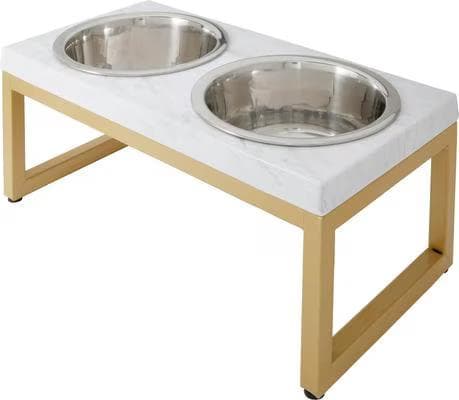
Raised stainless steel double bowl on a marble-look stand. Easier on the neck and joints and a clean, tip-resistant way to keep fresh water available all day.
Webvet may earn a commission when you click through to Chewy, at no extra cost to you.
Supplements and Anti-Inflammatory Nutrition
High-quality dog joint supplements containing glucosamine, chondroitin, green-lipped mussel, or omega-3 fatty acids remain a useful layer of support. The evidence is strongest for omega-3s, so many veterinarians prioritize fish oil first. Our guide to glucosamine for dogs and cats covers what supplements can and cannot do.
Omega-3 fatty acids (EPA and DHA) from fish oil have measurable anti-inflammatory effects, and studies in arthritic dogs show improved comfort and weight-bearing at appropriate doses. Ask your veterinarian for a dose based on your dog's body weight rather than guessing from a human label.
Nutrition matters beyond supplements. Keeping your senior dog lean is the single most powerful thing you control: every extra pound adds load to sore joints and fuels inflammation. Prescription mobility diets combine therapeutic omega-3 levels with controlled calories, and your vet can advise whether one fits your dog.
Be cautious with trendy add-ons. Turmeric, CBD, and other over-the-counter remedies are widely marketed for joint pain, but quality and dosing vary enormously, and some interact with prescription medication. Run any new supplement past your veterinarian before you start it, especially if your dog already takes an NSAID or gabapentin.

Physical therapy, hydrotherapy, acupuncture, and laser therapy provide targeted support for improving senior dog mobility. Weight management lowers joint stress, and consistent low-impact exercise tailored to the dog’s needs maintains strength and flexibility, offering reliable pain relief for senior dogs.
Home Remedies for Senior Dog Joint Pain
The best home remedy for senior dog joint pain is not a single product: it is the combination of weight control, short gentle walks, warmth, soft supportive bedding, non-slip footing, and a vet-approved joint supplement. Together, these steps measurably reduce daily discomfort for most arthritic seniors.
Warmth deserves special mention. The Merck Veterinary Manual notes that warm compresses over sore joints can ease discomfort, and many stiff dogs loosen up in a warm room or on a heated (never hot) pet-safe pad. Gentle massage around, not directly on, painful joints also helps many dogs relax.

Skip anything from the human medicine cabinet, unregulated products with no dosing guidance, and forced stretching or exercise through pain. If a remedy promises to cure arthritis, it will not: the realistic goal of home care is comfort and slower progression, not reversal.

Disposable, reusable natural-rubber boots that slip on like a balloon to give a dog waterproof paw protection and extra grip on slippery floors, a simple traction aid for a senior or wobbly dog. No straps, 12 boots per pack.
Webvet may earn a commission when you click through to Chewy, at no extra cost to you.
How to Make a Senior Dog More Comfortable at Home
There are various easy and practical at-home care tips to make a senior dog more comfortable.
- Provide supportive bedding. Soft orthopedic padding eases pressure on joints affected by senior dog joint pain.
- Use non-slip rugs. Added traction protects weakened limbs and supports senior dog mobility on slick floors.
- Add ramps. Gentle inclines reduce strain when accessing cars or furniture.
- Elevate bowls. Raised dishes reduce bending stress on stiff joints.
- Offer gentle daily walks. Light movement supports circulation, flexibility, and consistent pain relief for senior dogs.
- Create warm resting areas. Steady warmth reduces stiffness linked to arthritis in senior dogs.
- Assist with grooming. Extra help maintains comfort when limited mobility restricts regular grooming movements.

Ramps, support harnesses, slings, and traction booties can restore safe access to cars, sofas, and slippery floors. See our guide to mobility aids for dogs for how to choose the right equipment and introduce it gently.
Simple Lifestyle Adjustments That Support Joint Health
Listed below are long-term strategies that support mobility.
- Low-impact exercise: steady movement that protects joints and supports senior dog mobility.
- Stretching routines: gentle range-of-motion work that limits stiffness from arthritis in senior dogs.
- Regular vet checkups: ongoing monitoring that helps guide effective pain relief for senior dogs.
- Healthy weight: reduced strain on aging joints affected by senior dog joint pain.
- Warm environments: added warmth that eases stiffness during cold weather.

Quality of Life and End-Stage Joint Disease
Most senior dogs with joint pain live comfortably for years with good management, and arthritis itself is rarely what ends a dog's life. Still, advanced joint disease can erode quality of life, so it helps to know what decline looks like before you are facing it.
End-stage signs include losing the ability to stand or walk without help, falling repeatedly, crying out despite medication, withdrawing from the family, and losing interest in food. Incontinence can follow when a dog can no longer rise in time.
Veterinarians often suggest tracking good days versus bad days on a calendar and using a structured quality-of-life scale to keep the assessment honest. When bad days outnumber good ones despite full treatment, ask your veterinary team about comfort-focused hospice care and humane end-of-life decisions.
That conversation is hard, but having it early gives you more options, not fewer. Your veterinarian can adjust medications, add injectables like Librela, or bring in rehabilitation support long before end-of-life decisions are on the table.
Watch for pain that no longer responds to a stable medication plan, since that often signals arthritis has progressed and the plan needs revisiting. Report the change to your veterinarian rather than quietly increasing a dose.
Some situations cannot wait for the next scheduled recheck. Sudden refusal to bear weight, a swollen or hot joint, or a fall that leaves your dog unable to stand always warrants a prompt exam.
For deeper reading on canine arthritis, the Merck Veterinary Manual, VCA Animal Hospitals, and the American College of Veterinary Surgeons all publish excellent vet-written resources that informed this article.
FAQs
What are the first signs of senior dog joint pain?
Early signs include stiffness after rest, slower movement on walks, reluctance with stairs, brief limping, hesitation before jumping, and reduced interest in play. Signs often appear gradually and can look like normal aging, so a combination of subtle changes matters more than any single symptom.
What is the home remedy for senior dog joint pain?
The most effective home remedy is a combination: keep your dog lean, offer short gentle walks, provide an orthopedic bed and warm resting spots, add non-slip rugs, and use a vet-approved omega-3 or joint supplement. Warm compresses ease stiff joints. Never give human pain medication, which can be toxic to dogs.
What is the best anti-inflammatory for dogs?
The best anti-inflammatory for a dog is a prescription canine NSAID chosen by your veterinarian, such as carprofen (Rimadyl), meloxicam (Metacam), firocoxib (Previcox), or grapiprant (Galliprant). The right choice depends on your dog's kidney and liver health. Human anti-inflammatories like ibuprofen and naproxen are dangerous for dogs.
How do I help my dog with arthritis pain?
Start with a veterinary exam so pain control matches the diagnosis. Your veterinarian may prescribe an NSAID, add gabapentin, or suggest monthly Librela injections. At home, keep your dog lean, use ramps and non-slip rugs, provide an orthopedic bed, and stick to short, regular, low-impact walks.
How do vets diagnose joint pain in senior dogs?
Veterinarians diagnose joint pain with a hands-on orthopedic exam, X-rays to confirm arthritis or structural change, a medical history review, and blood work to make sure long-term pain medication is safe. Weight and muscle condition are also assessed because both change how much strain the joints carry.
What treatments help older dogs with joint pain?
Effective care usually combines a prescription NSAID such as carprofen, add-on medications like gabapentin, injectable options such as Librela or Adequan, joint supplements, weight management, and controlled low-impact exercise. Physical therapy, hydrotherapy, acupuncture, and laser therapy add further support for senior dog mobility.
What are end of life symptoms in elderly dogs?
End-of-life signs in elderly dogs include being unable to stand or walk without help, repeated falls, crying or panting despite pain medication, refusing food, withdrawing from family, and incontinence. Track good days versus bad days: when bad days consistently outnumber good ones, ask your veterinarian about quality-of-life and hospice options.
Can supplements help reduce joint pain in senior dogs?
Yes, as a supporting layer. Supplements with glucosamine, chondroitin, green-lipped mussel, or omega-3 fatty acids can improve comfort, and the evidence is strongest for fish oil omega-3s. Supplements work best alongside veterinary treatment; they cannot replace prescription pain control in a dog with established arthritis.
How can I make my senior dog more comfortable at home?
Supportive orthopedic bedding, non-slip rugs, ramps for cars and furniture, raised food bowls, warm resting areas, gentle daily walks, and grooming help all reduce daily strain. These small changes compound: together they offer practical, drug-free pain relief for senior dogs alongside veterinary treatment.
When should I take my older dog to the vet for stiffness or limping?
Book an exam once stiffness, limping, or slowing down appears regularly or disrupts normal movement. Seek prompt care for sudden non-weight-bearing lameness, crying in pain, a hot or swollen joint, or appetite loss. Early treatment protects mobility and keeps pain easier to control.
Helping Your Senior Dog Stay Comfortable and Active
Senior dog joint pain remains a common challenge for aging dogs, yet adequate support helps maintain comfort and function. Early treatment, open communication with a veterinarian, and thoughtful at-home care improve long-term quality of life for senior dogs living with arthritis.
A personalized plan that includes targeted therapies, lifestyle adjustments, and appropriate dog joint supplements strengthens overall senior dog mobility and delivers meaningful pain relief for senior dogs. Small, consistent daily changes create steady improvement, helping senior dogs stay active, supported, and comfortable throughout their later years.
$65 · no membershipIs your dog slowing down or seeming sore?
A licensed vet can examine your dog over video and prescribe treatment online when it's appropriate.
Talk to a vet- Licensed vets
- All 50 states
- same-day Rx
Webvet may earn a commission if you book.

Veterinarian · DVM
Athena Gaffud, DVM, is a licensed veterinarian and writer based in the Cagayan Valley of the northern Philippines. She runs the website countryvetmom.com. Dr. Gaffud earned her Doctor of Veterinary Medicine degree from the University of the Philippines Los Baños in 2011, ranking in the top 10 and receiving the Best Undergraduate Thesis Award in Large Animals. With over a decade of experience, she has worked as a researcher, a practitioner for small and large animals, and in veterinary technical sales, marketing, and pet insurance. A published author, Dr. Gaffud promotes responsible pet ownership and combats misinformation on animal care through her platforms, including the DocAthena Facebook Page and DocAthena YouTube channel. She is a writer and editor for various pet-related websites such as Total Vet, Honest Paws, PangoVet, Dogster, Catster, My Best PH, Paw Origins, Bully Max, Not a Bully, Paws and Claws CBD, many others. She was also cited in different pet-related media articles such as The Dog People, USA Today, Newsweek, New York Post, Reader’s Digest, Smithsonian Magazine, Woman’s World, Dog Time, Patch, Kinship, Martha Stewart, and many others. Moreover, she is also a published fiction author on Kindle.


