Mobility Aids for Dogs: Harnesses, Ramps, and More
A veterinarian's guide to mobility aids for dogs: lift harnesses, ramps, wheelchairs, braces, toe grips, and orthopedic beds, plus a decision framework for matching the right aid to your dog's condition and stage.
Medically reviewed by Dr. Athena Gaffud, DVM · Last reviewed

This article contains affiliate links. Webvet may earn a commission when you buy through them, at no extra cost to you.
As dogs live longer and more of them develop arthritis, hip dysplasia, or age-related muscle loss, mobility aids for dogs have become a core part of everyday care. Tools such as support harnesses, ramps, lifting slings, and traction mats make daily movement safer and take real strain off painful joints.
The right aid is not the most expensive one. It is the one matched to the condition behind the weakness, the limbs involved, and how far the problem has progressed. A lift harness that transforms life for a dog with hip arthritis does little for a dog dragging a front paw after nerve injury.
This vet-reviewed guide covers every major category, from dog steps for the bed to wheelchairs, braces, and toe grips. It explains which aid fits which condition and stage, how to measure and fit each device, how dogs learn to accept them, and what the equipment realistically costs.
- 1Match the aid to the condition and stage: traction and ramps for early arthritis, lift harnesses for moderate weakness, wheelchairs for advanced hind-limb loss.
- 2Rear-support wheelchairs suit dogs with weak back legs but strong front limbs; full-support (quad) carts help dogs weak in all four.
- 3Fit matters as much as the device: measure carefully, start with short positive sessions, and check daily for rubbing or pressure sores.
- 4Simple changes such as toe grips, non-slip runners, and raised bowls often deliver the biggest day-to-day improvement for the least money.
- 5Any new or sudden mobility loss needs a veterinary diagnosis before you buy equipment; an aid supports treatment, it never replaces it.
Why Dogs Need Mobility Support
Dogs develop mobility challenges for many reasons, and targeted support improves comfort, stability, and safety in daily routines. Most causes fall into a few groups: painful joints, weak or uncoordinated limbs, recovery restrictions, and the slippery, jump-heavy layout of modern homes.
- Arthritis or joint disease: chronic inflammation and stiffness that benefit from added stability and less jumping.
- Hip or elbow dysplasia: abnormal joint structure that needs controlled, low-impact movement.
- Recovery from surgery: limited weight-bearing that relies on slings and traction during rehab.
- Back leg weakness: reduced strength from arthritis, disc disease, or degenerative myelopathy that improves with guided support.
- Stiffness after resting: difficulty rising that responds to orthopedic bedding and dog steps for the bed.
- Age-related muscle loss: decreased endurance that needs gentle, consistent assistance.
- Difficulty with stairs or cars: high-impact movements eased by ramps and harness assistance.
- Slippery floors: instability on hardwood and tile that improves with mats and traction solutions.
Because each cause is treated differently, get a diagnosis before you invest in gear. Start with our guides to the signs of osteoarthritis in dogs and why a dog starts limping, and see the Merck Veterinary Manual's section on bone, joint, and muscle disorders of dogs for condition-level detail.
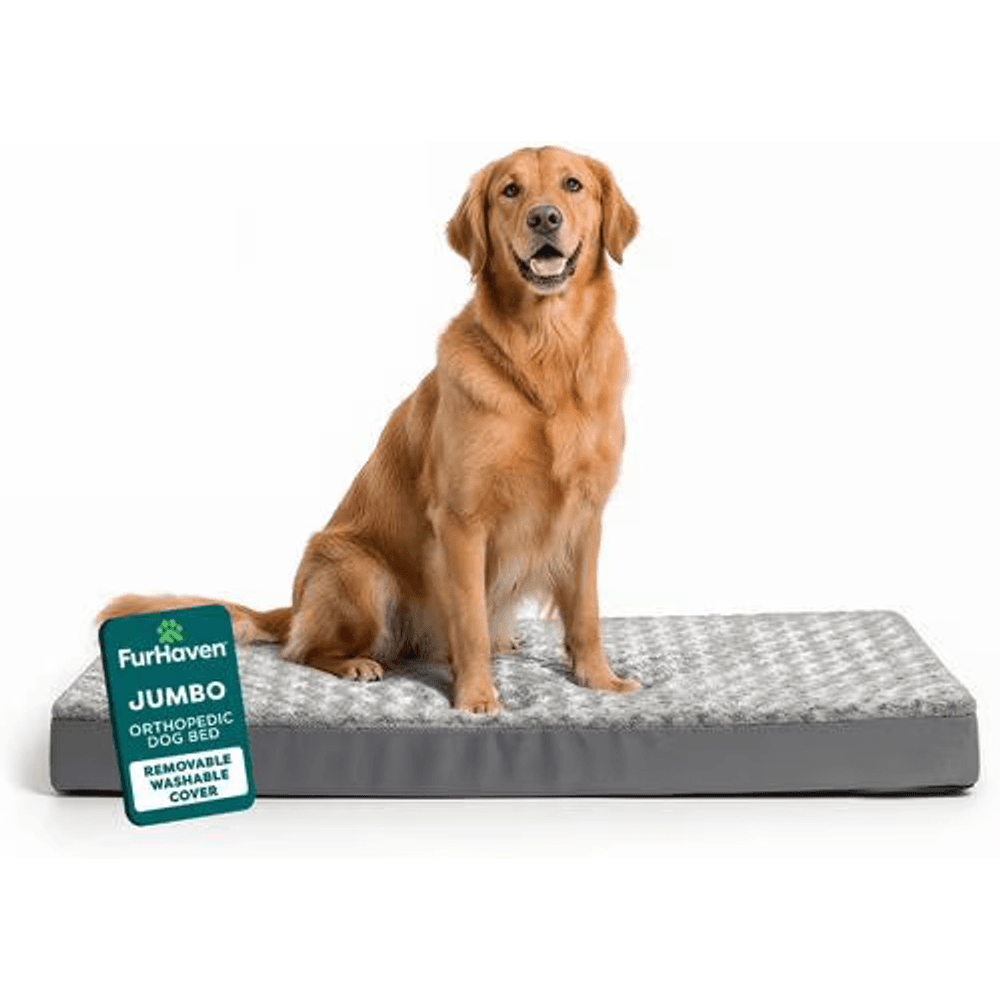
A plush orthopedic foam mattress that cushions aging joints and pressure points, giving a stiff or trembling senior dog warm, supportive rest.
Webvet may earn a commission when you click through to Chewy, at no extra cost to you.
Types of Mobility Aids for Dogs
Mobility equipment falls into seven broad families. Most dogs do best with a small combination, such as toe grips plus a car ramp, rather than a single device.
- Support harnesses and lifting slings: front, rear, or full-body assistance for standing, walking, stairs, and transfers.
- Ramps and steps: controlled inclines, including dog steps for the bed, that remove jumping from cars and furniture.
- Wheelchairs and carts: wheeled frames that carry weak limbs, from rear-support wheelchairs to full-support quad carts.
- Braces, splints, orthotics, and prosthetics: rigid or semi-rigid support for a specific joint or a missing limb.
- Foot supports: toe grips, grippy socks, boots, and no-knuckling socks that fix traction and paw placement.
- Traction and home modifications: mats, runners, gates, raised bowls, strollers, and furniture layout changes.
- Orthopedic beds: pressure-relieving sleep surfaces that make rising easier and rest more restorative.
Use this quick selector to shortlist aid types for your dog's specific problem, then read the matching section below for fit and safety detail.
| Mobility problem | Recommended aid types | What to look for |
|---|---|---|
| Early arthritis or hip dysplasia | Traction mats, ramp or steps, orthopedic bed | Gentle ramp slope, non-slip surfaces on main routes, foam thick enough that the dog does not sink through |
| Hind-end weakness, wobbling, or falls | Rear lift harness or hip sling; rear-support wheelchair as weakness progresses | Padded leg loops, handles at your standing height, wheelchair sized from vet or manufacturer measurements |
| Front-leg lameness or amputation | Front-support harness; front-wheel attachment or full-support (quad) cart | Chest padding that does not choke, cart balanced to shift weight off the affected limb |
| Post-surgery recovery | Lifting sling, traction runners, baby gates | Surgeon-approved timing, washable fabric, support only for short controlled potty trips |
| Knuckling or dragging a paw | No-knuckling sock, protective boot, brace | Correct paw measurement, breathable material, daily skin checks between the toes |
| Sliding on hard floors | Toe grips, grippy socks, non-slip runners | Snug fit that stays on, trimmed nails, replace grips as they wear |
| Trouble jumping into cars or onto beds | Car ramp, dog steps for bed | Weight rating above your dog's weight, full-length grippy tread, side rails |
| Advanced or multi-limb weakness | Full-support wheelchair, pet stroller, drag bag indoors | Vet guidance on quality of life, pressure-sore prevention, padded rest surfaces |
Support Harnesses and Lifting Slings
Support harnesses remain the workhorse among mobility aids for dogs. A front-support harness helps dogs with shoulder or elbow trouble, a rear lift harness carries weak hips and knees, and full-body versions give you handles at both ends for dogs unsteady everywhere.
Lifting slings are simpler: a padded band under the belly or hips with handles. They shine for short jobs, such as helping a post-surgery dog outside to potty, steadying an arthritic dog on stairs, or guiding a large dog into the car without lifting his whole weight.

Fit determines whether a harness helps or harms. Measure the chest and belly, choose adjustable straps with wide padding, and confirm the weight spreads evenly without twisting or chafing behind the elbows. For an all-day harness, make sure your dog can lie down and toilet without removing it.
For dogs with severe back-end instability, a harness often serves as a bridge. It keeps muscles working and walks happening while you and your veterinarian decide whether a wheelchair is the sensible next step.
Dog Ramps and Stairs
Dog ramps eliminate the repeated jumping that inflames arthritic joints. They matter most at the car, the couch, the bed, and porch steps, and they help long-backed and giant breeds avoid injury before mobility problems ever start.
Choose length first: a longer ramp means a gentler slope, and stiff dogs handle shallow inclines far more confidently. Then check the weight rating, a full-length non-slip tread, and side rails for dogs that drift. A ramp that wobbles once is a ramp many dogs refuse forever.
Train the ramp before you need it. Lay it flat on the ground, reward every paw that touches it, then raise the incline over several sessions. Dogs that learn a ramp as a game use it for life, while dogs shoved up one in a parking lot rarely forgive it.

Dog steps suit small and medium dogs that manage height in stages, especially beside the bed. Large breeds usually do better on ramps, since each stair still demands a small jump. Size changes the equation more than owners expect; our guide to arthritis and dog size explains why.
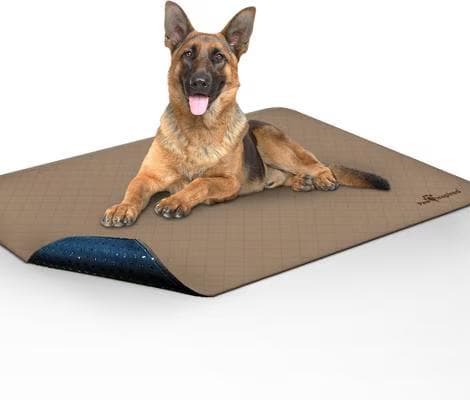
Webvet may earn a commission when you click through to Chewy, at no extra cost to you.
 $65 · no membership
Is your dog slowing down or seeming sore?
A licensed vet can examine your dog over video and prescribe treatment online when it's appropriate.
 Talk to a vet
- Licensed vets
- All 50 states
- same-day Rx
Webvet may earn a commission if you book.
Dog Wheelchairs and Carts
A dog wheelchair replaces the work of weak limbs with wheels while the strong limbs keep walking. Veterinarians and rehabilitation specialists recommend them regularly, because staying mobile preserves muscle, digestion, mood, and the sniffing and exploring that make a dog's day worth having.
Rear-Support Wheelchairs
Rear-support wheelchairs are by far the most common type. The back legs rest in stirrups or leg rings while the front legs drive. They suit hip and knee arthritis, degenerative myelopathy, disc disease recovery, and rear-limb paralysis in dogs whose front ends remain strong.
Full-Support and Front-Support Carts
Full-support (quad) carts add a second set of wheels under the chest for dogs weak in all four limbs, often from advanced neurologic disease. Front-wheel attachments and front-support carts exist as well, though they are less common and harder to fit, because the front limbs normally carry most of a dog's weight.

Sizing and Getting Your Dog Comfortable
Sizing is the make-or-break step. Manufacturers fit by weight, height at the hip, and leg measurements, and an ill-fitting cart causes sores and refusal. Work from your vet's or a rehab therapist's measurements when possible, and favor adjustable frames for dogs still losing or rebuilding strength.
Most dogs adjust within days when sessions start short: five to ten minutes on grass with treats flowing, then gradually longer walks. Dogs should not live in a cart, though. They still need supported rest, padded bedding, and regular position changes to protect their skin.
Timing matters with progressive diseases such as degenerative myelopathy. Dogs introduced to wheels while they can still stand learn faster, keep more front-end muscle, and stay stronger than dogs fitted after full paralysis. If your vet expects a cart will eventually be needed, an earlier fitting is almost always kinder.
Braces, Splints, Orthotics, and Prosthetics
Braces and splints support one joint rather than the whole dog. Common uses include carpal (wrist) supports for hyperextension, stifle braces for dogs with cruciate ligament tears that cannot undergo surgery, and hock supports after tendon strain.
Custom orthotics are molded to the individual leg by a veterinary rehabilitation professional, and prosthetics replace part of a missing limb so a dog can bear weight more normally. Both require enough residual limb and the right joint angles, so candidacy is a veterinary decision.
Off-the-shelf braces can help mild, vet-confirmed problems, but a poorly chosen brace can rub, shift load onto the wrong tissue, or hide a condition that needed surgery. Use braces with a diagnosis and a recheck plan, never as a way to avoid the exam.
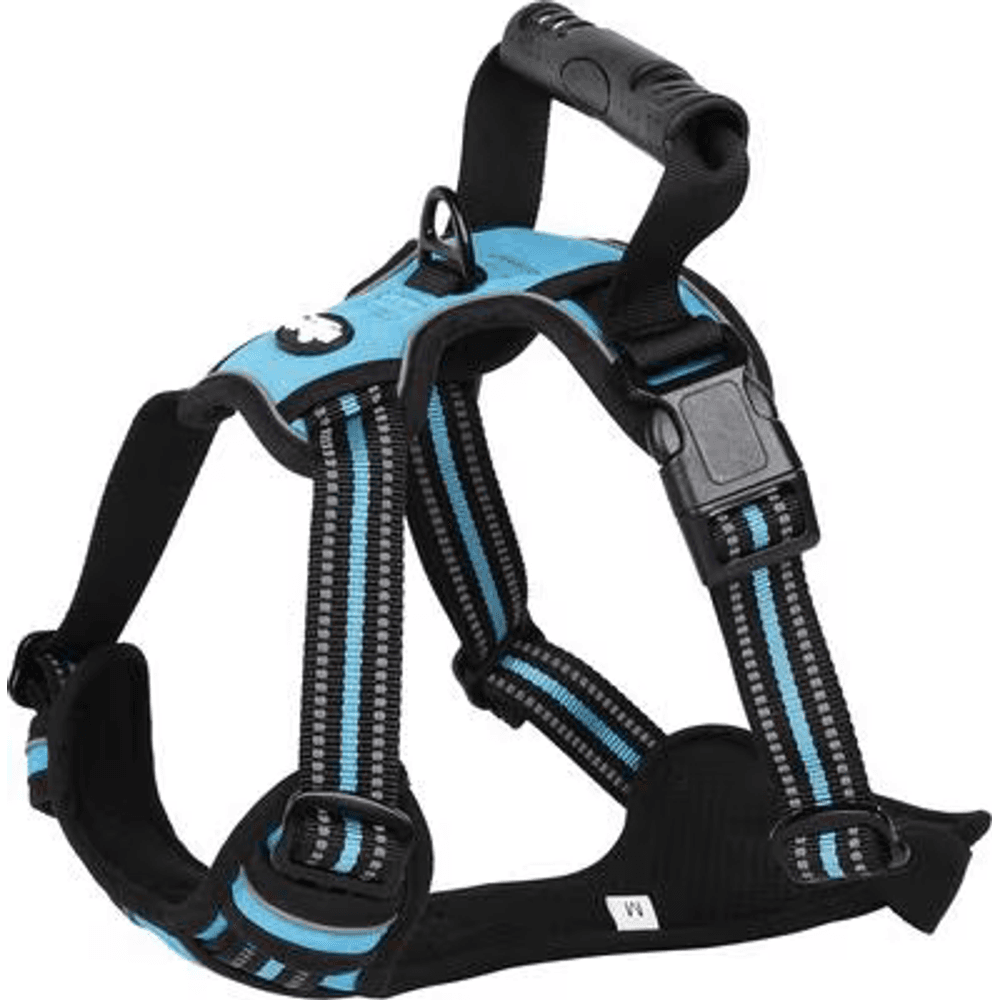
A padded, reflective no-pull harness that spreads leash pressure across the chest instead of the throat, the switch most vets recommend for a dog with a cough, a collapsing trachea, or any airway irritation so the leash never presses on...
Webvet may earn a commission when you click through to Chewy, at no extra cost to you.
Toe Grips, Boots, and No-Knuckling Socks
Foot-level aids are the cheapest devices in this guide and often the most transformative for seniors sliding on hard floors. Toe grips are small rubber rings that slide onto the nails, restoring the grip that worn nails and weak hind ends lose.

Traction socks and boots wrap the whole paw. Socks work indoors, while rubber-soled boots protect outdoors and shield paws that drag. No-knuckling socks use a gentle cue strap that reminds dogs with mild nerve deficits to place the paw flat instead of folding it under.
Whatever you choose, measure paw width before ordering, build wear time gradually, and check between the toes daily for redness. Remove socks and boots overnight, since paws sweat and skin softens under constant cover.
Traction Aids and Household Modifications
Simple home adjustments function as practical mobility aids for dogs, improving stability and preventing slips before they cause injury. Grippy mats and non-slip runners along hallways, beside the bed, and around food bowls create safe highways across hardwood and tile.
Trim nails and the fur between paw pads regularly, since overgrown nails tilt the toes back and furry pads slide like slippers. This free maintenance step multiplies the value of every traction aid you buy.
Baby gates block unsafe stair access, and raised food and water bowls spare stiff necks, elbows, and shoulders at mealtime. Rearranging furniture to remove tight turns, and adding a night light for dogs with fading vision, rounds out the safety sweep.
For dogs that tire before the walk ends, a pet stroller keeps them in the family routine without overworking sore joints. Indoors, a drag bag protects the chest and legs of paralyzed dogs that scoot between wheelchair sessions, keeping skin free of sores.
Orthopedic Beds and Comfort Aids
Orthopedic beds give arthritic joints structured rest. Genuine memory foam, thick enough that your dog does not sink through to the floor, reduces pressure on hips, elbows, and shoulders, and dogs that sleep supported consistently rise less stiff.

Look for a low front lip for easy entry, a washable cover, and a non-slip base so the bed itself does not skate on hard floors. Heated options ease stiffness in cold months, and contoured bolsters give dogs a headrest without blocking the way in.
Place the bed where your dog already chooses to rest, not where it looks tidiest. A perfect mattress in an unused corner helps nobody, and most seniors value warmth, low foot traffic, and a clear sight line to the family.
Bedding pairs naturally with the rest of a senior comfort plan, from weight management to vet-guided pain control. Our guide to easing joint pain in senior dogs walks through that bigger picture.
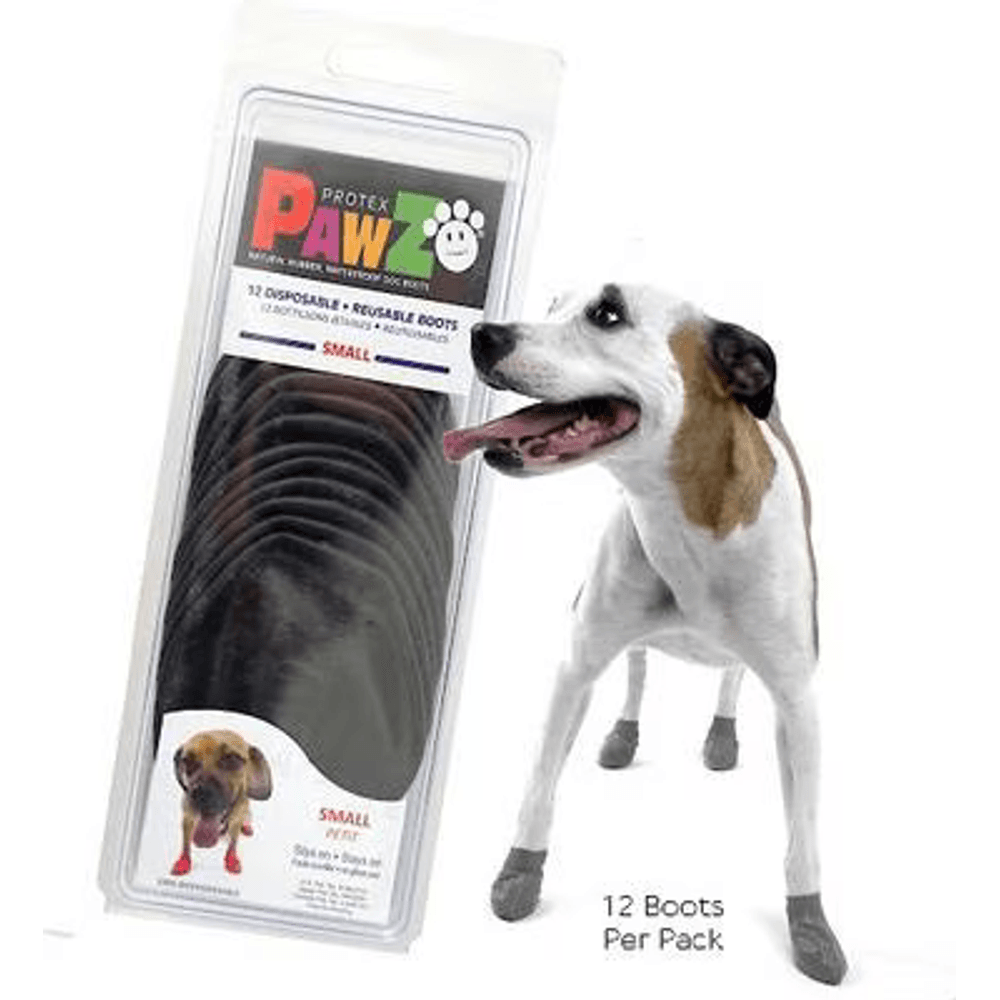
Disposable, reusable natural-rubber boots that slip on like a balloon to give a dog waterproof paw protection and extra grip on slippery floors, a simple traction aid for a senior or wobbly dog. No straps, 12 boots per pack.
Webvet may earn a commission when you click through to Chewy, at no extra cost to you.
Fitting, Measuring, and Helping Your Dog Adjust
Every device in this guide fails when it is fitted casually. Measure with your dog standing squarely: chest girth behind the front legs, belly girth, height from floor to hip, and paw width for boots. Record the numbers and recheck monthly in dogs still losing muscle.
Introduce every aid the same way: short sessions, high-value treats, zero pressure. Let your dog sniff the device, reward wearing it unbuckled, then buckled, then moving. Most dogs accept a harness in days and a wheelchair within one to two weeks. The American Kennel Club's overview of mobility devices offers more fitting pointers.
Watch for warning signs after every session: rub marks, hair loss, chewing at straps, or reluctance you did not see before. Those are fit problems, not stubbornness, and they usually respond to adjustment rather than abandoning the device.
What Mobility Aids Cost (and Will Insurance Help?)
Foot aids, slings, and traction mats are usually the cheapest options, often under $50. Quality harnesses and ramps commonly land between $30 and $300 depending on size and materials. Adjustable stock wheelchairs typically run a few hundred dollars, while custom carts, orthotics, and prosthetics can exceed $1,000.
Insurance coverage varies more than owners expect. Some accident and illness insurers, Trupanion among them, may cover prescribed devices such as carts and prosthetics when they treat a covered condition, while other policies exclude durable equipment entirely. Read your policy's exclusions before assuming either way.
Two paper trails help: a written veterinary recommendation for the device, and itemized receipts. Rehabilitation consults for fitting are often reimbursed more readily than the hardware itself. When money is tight, several charities re-home donated dog wheelchairs, and adjustable used carts resell well.
How To Choose the Right Mobility Aid
Selecting the most effective mobility aids for dogs comes down to a short framework you can walk through with your veterinarian.
- Identify the primary problem. Pain, weakness, incoordination, and access issues each point to different tools.
- Match the aid to the stage. Early arthritis wants traction and ramps, moderate weakness wants a lift harness, and advanced hind-limb loss wants wheels.
- Consider age, breed, size, and temperament. Big dogs need sturdier ramps and sometimes two-person slings, while anxious dogs need slower introductions.
- Treat the disease at the same time. The American College of Veterinary Surgeons notes that a lean body weight is the single most critical part of managing arthritis, with controlled leash walks replacing high-impact play.
- Test stability, comfort, and durability. Strong materials, secure traction, and even support prevent the aid from causing a new injury.
- Re-evaluate on a schedule. Progressive diseases change the answer; the right aid this spring may be the wrong one by fall.
Your veterinarian or a certified canine rehabilitation therapist can watch your dog move and shortlist equipment in a single visit. Bring video of the worst moments at home, since many dogs walk suspiciously well in the exam room.
FAQs
What are the best mobility aids for dogs?
The best mobility aid is the one matched to your dog's specific problem. For slipping, toe grips and traction mats work best. For jumping strain, ramps and steps. For hind-end weakness, a rear lift harness, progressing to a rear-support wheelchair as weakness advances. A veterinary exam should drive the choice.
Do vets recommend dog wheelchairs?
Yes. Veterinarians and rehabilitation specialists routinely recommend wheelchairs for dogs with degenerative myelopathy, disc disease, arthritis, and hind-limb paralysis, because staying mobile preserves muscle, appetite, and mood. Vets do want a diagnosis first and a proper fitting, since a badly fitted cart can cause sores or mask a treatable condition.
What can I give my senior dog for mobility?
Start with a vet visit, since prescription arthritis pain control makes the biggest difference. At home, combine weight management, any joint supplements your vet approves, traction on hard floors, a ramp for the car, an orthopedic bed, and a lift harness for stairs. Aids and treatment work best together, never as substitutes.
What mobility aids for dogs work best for back leg weakness?
Rear lift harnesses and hip slings help first, providing support during stairs, potty trips, and short walks. As weakness progresses, a rear-support dog wheelchair keeps your dog exercising while the front legs stay strong. Add toe grips and traction runners at home, since weak back legs slip first on hard floors.
Do ramps help dogs with arthritis get into cars safely?
Yes. A ramp removes the jump, which is the single hardest moment for arthritic hips and knees. Choose a ramp long enough for a gentle slope, rated above your dog's weight, with non-slip tread and side rails. Teach it on flat ground first, with treats, before asking for the full climb.
How do I choose the proper harness for my older dog?
Match the harness to the weak end: front-support for shoulders and elbows, rear lift for hips, and full-body for overall unsteadiness. Measure chest and belly girth, look for wide padding and adjustable straps, and confirm your dog can lie down and toilet comfortably. Handles should reach your hand at standing height.
Are lifting slings safe for dogs recovering from surgery?
Yes, when used as your surgeon directs. A padded sling under the belly or hips steadies short, controlled trips outside without carrying the dog's full weight. Keep sessions brief, lift straight up rather than sideways, and stop if your dog cries out or the incision area contacts the fabric.
Do traction mats really help dogs who slip on floors?
They are often the highest-impact change owners make. Non-slip runners along a dog's main routes restore confidence quickly, and many stiff dogs move visibly better within days. Pair mats with trimmed nails, tidy paw fur, and toe grips so your dog keeps grip even off the runner.
When should I consider a mobility cart or wheelchair for my dog?
Consider a wheelchair when weakness makes walks short, wobbly, or unsafe despite pain management, or when your dog drags a limb or falls repeatedly. Earlier is better than later, because dogs learn carts fastest while they still have strength. Ask your vet or a rehab therapist to confirm the type and fit.
Helping Your Dog Move With Confidence
Thoughtfully chosen mobility aids for dogs protect comfort, independence, and joy well into old age. Ramps, harnesses, traction, and orthopedic bedding lower strain today, while wheelchairs, braces, and foot supports keep dogs participating in family life as conditions progress.
Veterinary guidance turns this catalogue into a plan matched to your dog's condition and stage. Even minor adjustments yield meaningful improvements, and most owners say the same thing after fitting the right aid: they wish they had started sooner.
Photo by Evgeny Tchebotarev/Pexels
$65 · no membershipIs your dog slowing down or seeming sore?
A licensed vet can examine your dog over video and prescribe treatment online when it's appropriate.
Talk to a vet- Licensed vets
- All 50 states
- same-day Rx
Webvet may earn a commission if you book.

Veterinarian · DVM
Athena Gaffud, DVM, is a licensed veterinarian and writer based in the Cagayan Valley of the northern Philippines. She runs the website countryvetmom.com. Dr. Gaffud earned her Doctor of Veterinary Medicine degree from the University of the Philippines Los Baños in 2011, ranking in the top 10 and receiving the Best Undergraduate Thesis Award in Large Animals. With over a decade of experience, she has worked as a researcher, a practitioner for small and large animals, and in veterinary technical sales, marketing, and pet insurance. A published author, Dr. Gaffud promotes responsible pet ownership and combats misinformation on animal care through her platforms, including the DocAthena Facebook Page and DocAthena YouTube channel. She is a writer and editor for various pet-related websites such as Total Vet, Honest Paws, PangoVet, Dogster, Catster, My Best PH, Paw Origins, Bully Max, Not a Bully, Paws and Claws CBD, many others. She was also cited in different pet-related media articles such as The Dog People, USA Today, Newsweek, New York Post, Reader’s Digest, Smithsonian Magazine, Woman’s World, Dog Time, Patch, Kinship, Martha Stewart, and many others. Moreover, she is also a published fiction author on Kindle.


