IVDD Surgery Cost: Recovery and What to Expect
IVDD surgery cost includes more than the operation. Learn how imaging, hospitalization, region, complications, home nursing, and rehabilitation shape the total and recovery plan.

BVMS MRCVS
Medically reviewed by Dr. Pippa Elliott, BVMS MRCVS · Last reviewed

This article contains affiliate links. Webvet may earn a commission when you buy through them, at no extra cost to you.
IVDD surgery cost varies widely because the total may include an emergency examination, neurologic consultation, bloodwork, MRI or CT, anesthesia, decompressive surgery, hospitalization, medication, bladder care, follow-up, and rehabilitation. Geography, staffing, dog size, neurologic severity, complications, and length of stay all change the bill. One practice's quote is a local snapshot, not a national average.
Rapidly worsening weakness, inability to walk, inability to urinate, or severe uncontrolled pain requires emergency assessment before price comparison. Ask the referral hospital for a written estimate that separates included services from contingencies. Ask why surgery is recommended, the range of possible outcomes, what the hospital stay involves, and the care needed after discharge.
 Sponsored
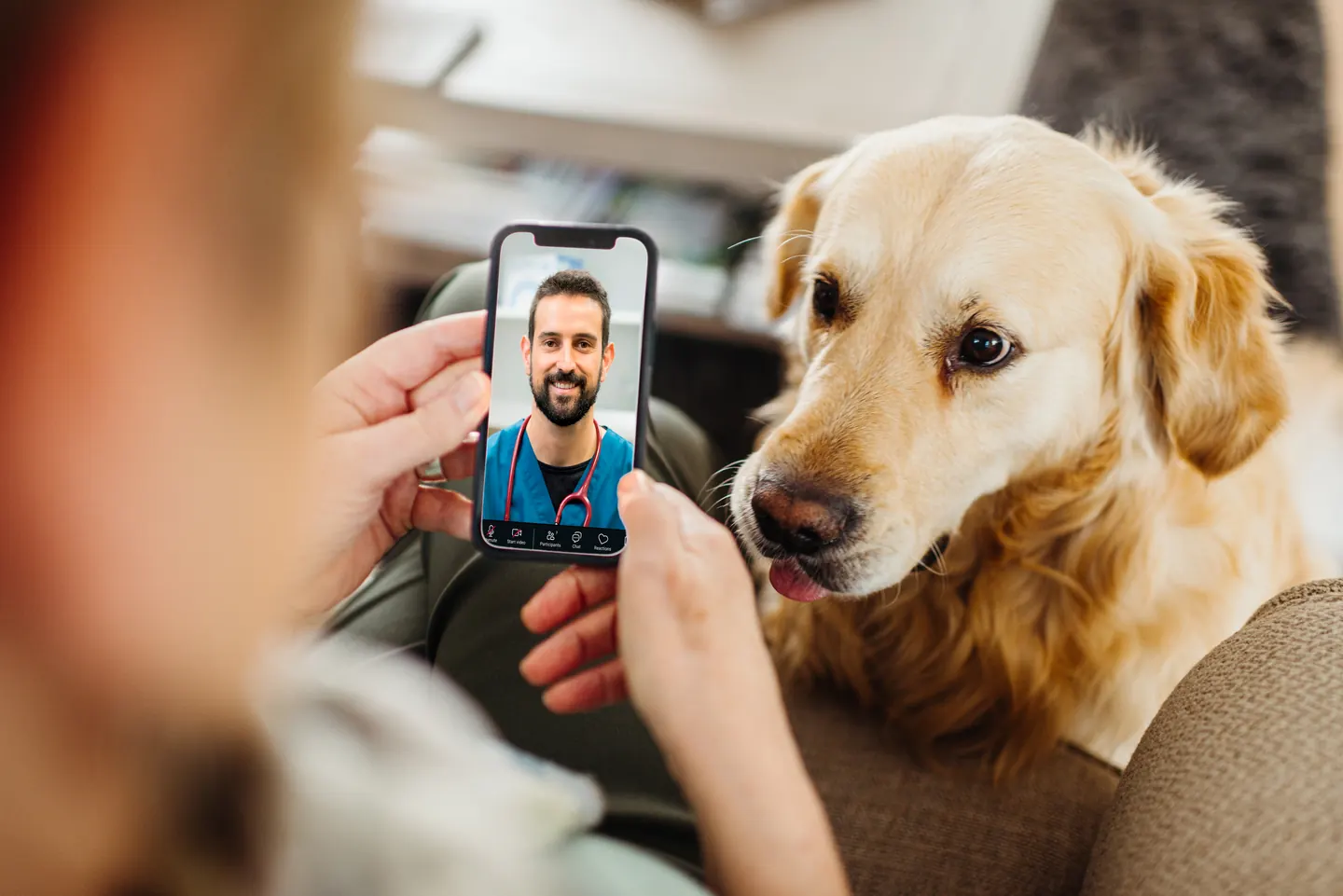
Have a health question about your dog?
Talk to a licensed vet at Dutch over video or message, including nights and weekends.
Use code Pets60
Plans start at $12/month · covers up to 5 pets
- Licensed vets in most states
- Rx for 150+ conditions
- 4.7 on Trustpilot
What IVDD surgery cost includes
Surgery is only one part of an IVDD bill. A dog usually needs a neurologic examination and advanced imaging before a surgeon can confirm compressive disc material, find the correct site, and choose an approach. Emergency and after-hours care may add triage, stabilization, intensive monitoring, and staffing costs absent from a daytime estimate.
- 1A useful estimate names the imaging, anesthesia, operation, expected hospital stay, medications, monitoring, follow-up, and rehabilitation that are included.
- 2Published clinic prices are geographically bounded examples, not a universal IVDD surgery cost or a promise for an individual dog.
- 3A prompt veterinary assessment of neurologic function and progression sets urgency; delaying a deteriorating dog solely to shop prices can reduce treatment options.
The broad guide to IVDD in dogs explains signs, stages, diagnosis, and prognosis. The guide to IVDD treatment in dogs compares conservative care with surgical referral.
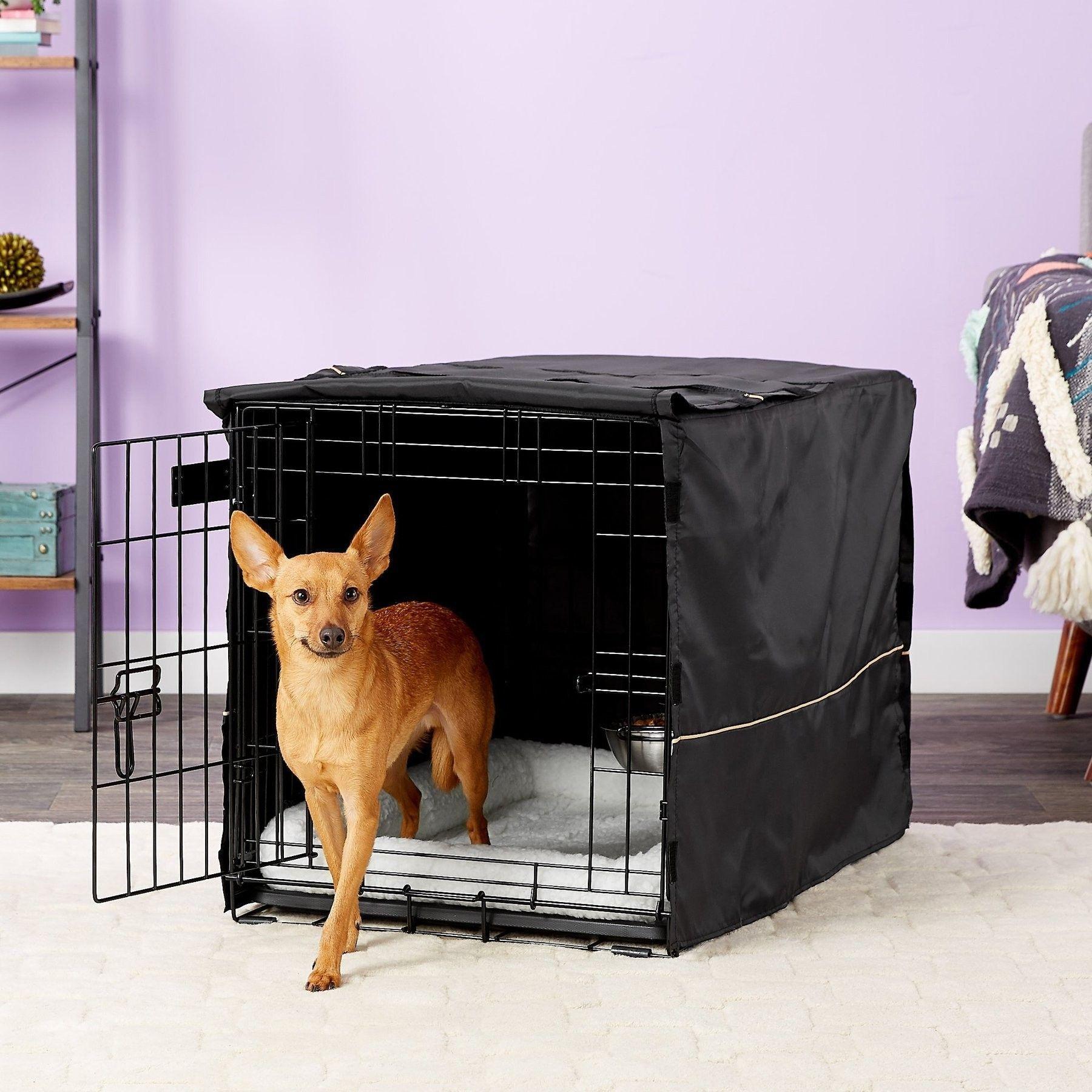
A properly sized crate can support a surgeon-prescribed restriction plan. Confirm enclosure type, dimensions, bedding, and toileting instructions before discharge.
Webvet may earn a commission when you click through to Chewy, at no extra cost to you.
| Cost component | Why it may be needed | Question for the hospital |
|---|---|---|
| Emergency or specialist examination | Documents neurologic function, pain, progression, and anesthetic concerns | Are consultation and after-hours fees separate? |
| Laboratory testing and stabilization | Assesses concurrent disease and prepares the dog for anesthesia | What preoperative tests or treatments are included? |
| MRI, CT, or other imaging | Locates and characterizes compression before surgery | Does the quote include anesthesia and image interpretation? |
| Surgery and anesthesia | Decompresses the spinal cord using the approach selected from imaging | Does the procedural estimate change with site, dog size, or operative time? |
| Hospitalization and nursing | Provides pain control, neurologic monitoring, bladder care, positioning, and complication management | How many nights are expected, and what could extend the stay? |
| Discharge medication and equipment | Supports pain control, restriction, toileting, and hygiene at home | Which supplies are essential, optional, or supplied by the hospital? |
| Follow-up and rehabilitation | Tracks healing and builds an individualized return-to-function plan | Are rechecks or rehabilitation evaluations included? |
| Location-specific estimate and optional complications | Each cost component, not a universal price, shifts with region, imaging and hospitalization needs, and any complication | Which predictable service categories are fixed, and which complication charges are contingent? |
Ask whether the estimate is a range, a package, or a deposit and whether taxes, consultation, imaging interpretation, anesthesia, postoperative medication, rehabilitation, and rechecks are inside or outside it. Also ask how the hospital communicates authorization if the surgeon finds an additional problem, the dog needs a longer stay, or a complication changes the plan.
- Request the low and high ends of the current estimate and the assumptions behind each.
- Ask which services are already completed and nonrefundable if imaging shows that surgery is not appropriate.
- Confirm whether the estimate includes care overnight, on weekends, and after an unexpected decline.
- Ask how deposits, payment timing, financing applications, refunds, and unused contingency funds are handled.
- Keep copies of invoices, examination notes, imaging reports, and discharge instructions for insurance or a second opinion.
Published prices are local examples, not a national average
As of July 26, 2026, Southeast Veterinary Neurology stated that its all-in IVDD surgery price could range from $10,000 to $15,000. Listed inclusions were consultation, examinations, blood tests, X-rays, anesthesia, MRI, surgery, pain medication, three to four days of hospitalization, physical therapy, and follow-up. This is one specialty group's package, not a United States average.
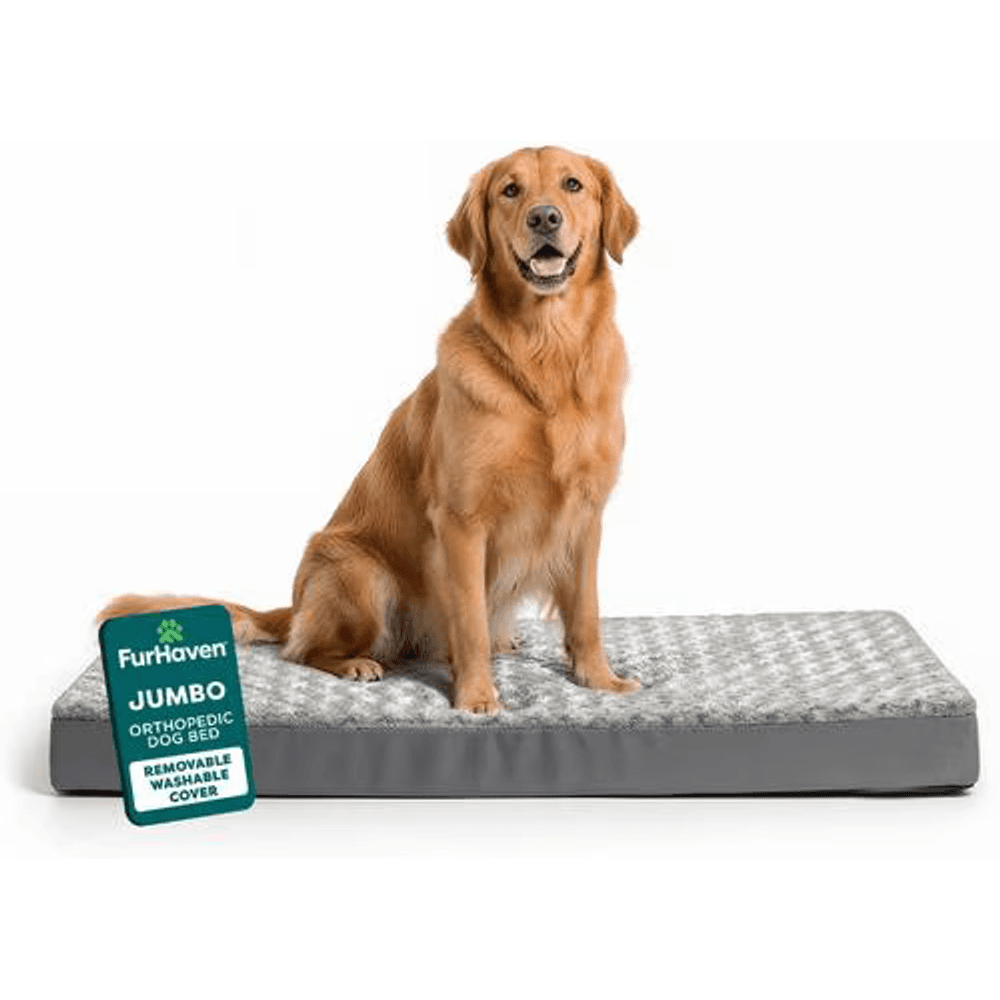
A low, flat bed may support postoperative comfort when its height, firmness, and enclosure fit match the dog's current mobility and nursing plan.
Webvet may earn a commission when you click through to Chewy, at no extra cost to you.
The San Francisco Bay Area practice Remedy Veterinary Specialists listed an all-inclusive $10,000 to $12,000 package, stated as valid through December 31, 2026. It described consultation, examination, MRI interpretation, surgery, overnight monitoring, and a postoperative rehabilitation consultation. Local labor, staffing, dog size, health concerns, and the actual stay can change another hospital's estimate substantially.
- Treat the date, location, included services, and exclusions as part of every published number.
- Do not average two clinic packages that cover different services and call the result typical.
- A lower operation-only quote can cost more after imaging, anesthesia, hospitalization, medication, and rechecks are added.
- A higher package may include services that another hospital bills separately, so compare scope before totals.
- Only the treating hospital can provide an estimate for the individual dog after evaluating current function and needs.
Imaging, referral, and preoperative decisions
A neurologic examination documents walking ability, voluntary movement, coordination, reflexes, pain, bladder function, and deep pain perception. These findings localize the lesion and guide urgency. Breed risk or mineralized discs on X-ray do not prove which disc is causing signs. MRI or CT is generally used to confirm the diagnosis and plan decompression.

The ACVIM consensus statement discusses diagnosis and management of acute canine thoracolumbar disc extrusion and emphasizes the importance of neurologic status. The surgical approach varies with location and imaging. A hemilaminectomy is common for thoracolumbar extrusion, while cervical disease may require a different procedure. Procedure names should not be chosen from symptoms alone.
- Ask what diagnosis imaging is intended to confirm and what alternatives remain possible.
- Confirm whether MRI or CT, anesthesia, interpretation, and transfer of images are included in the quote.
- Ask whether surgery would proceed during the same anesthetic episode if imaging confirms an operable lesion.
- Discuss anesthetic risks, concurrent disease, resuscitation preferences, and how the team will contact you.
- Ask what changes in neurologic function would make the recommendation or timing more urgent.
If imaging does not show a surgically useful compression, the dog may still need treatment for spinal cord inflammation, pain, another neurologic disease, or an orthopedic problem. Clarify which charges still apply and what the new plan requires. Imaging still has value without an operation because it prevents an inappropriate procedure and redirects care.
When surgery becomes an urgent discussion
Surgery is commonly discussed when a dog loses the ability to walk, deteriorates despite medical care, has repeated episodes, experiences severe persistent pain, or has advanced imaging showing compressive material likely to benefit from decompression. The recommendation depends on the complete case. There is no online symptom stage that can safely determine candidacy.
Deep pain perception is an important prognostic finding in a paralyzed dog, but only a trained clinician should assess it. Pulling a paw away may be a reflex and does not prove conscious pain perception. Do not pinch toes, repeatedly flip paws, or make a euthanasia decision from a home test.
Loss of standing, urination, or deep pain response means emergency care now. New stiffness or reluctance to jump in a dog that still walks normally warrants a same-day call. Stable, improving signs can usually wait for the scheduled recheck.
- Ask the emergency team to state the current neurologic function and whether it changed during evaluation.
- Ask how delay could affect the recommended treatment or expected outcome in this particular case.
- If transfer is needed, confirm safe transport instructions and whether the referral hospital is expecting the dog.
- If surgery cannot be pursued, request an honest alternative plan with pain, nursing, reassessment, and quality-of-life thresholds.
 Sponsored
Vet care that's always there
Unlimited video calls and messaging with licensed vets for less than a typical vet visit. One membership covers up to five pets.
Use code Pets60
Plans start at $12/month · covers up to 5 pets
- Licensed vets in most states
- Rx for 150+ conditions
- 4.7 on Trustpilot
Surgery, hospitalization, and recovery milestones
After decompressive surgery, the hospital team monitors pain, neurologic function, urination, the incision, temperature, appetite, and complications. A dog may not walk at discharge even when the operation achieved its intended decompression. Hospital length is driven by stability and nursing needs rather than the package's advertised number of nights.

A safe postoperative home setup is a floor-level recovery area with jump prevention built in. Block furniture and stairs, cover slick floors with traction, and keep other pets from bumping the dog or licking the surgical wound. Set it up before discharge so the dog goes straight from the car to rest.
- During the first days, priorities include pain control, safe positioning, bladder management, nutrition, incision monitoring, and documenting neurologic change.
- During the first weeks at home, activity restriction, medication, bladder care, incision monitoring, toileting support, hygiene, and recheck planning take priority over rapid exercise progression.
- Later rehabilitation may focus on controlled standing, walking, coordination, strength, and a gradual return to approved activity.
- Recovery can continue for weeks or months, and the pattern differs between dogs with pain alone, weakness, paralysis, or bladder dysfunction.
- Any loss of a previously regained ability, new severe pain, fever, incision problem, or urinary change requires prompt contact.
Prepare a low, uncluttered recovery area before discharge. If the surgeon prescribes crate confinement, a properly sized recovery crate can limit unsafe roaming. Confirm the required enclosure type, dimensions, bedding, toileting routine, and duration. A pen or gated room may allow too much movement for some dogs.
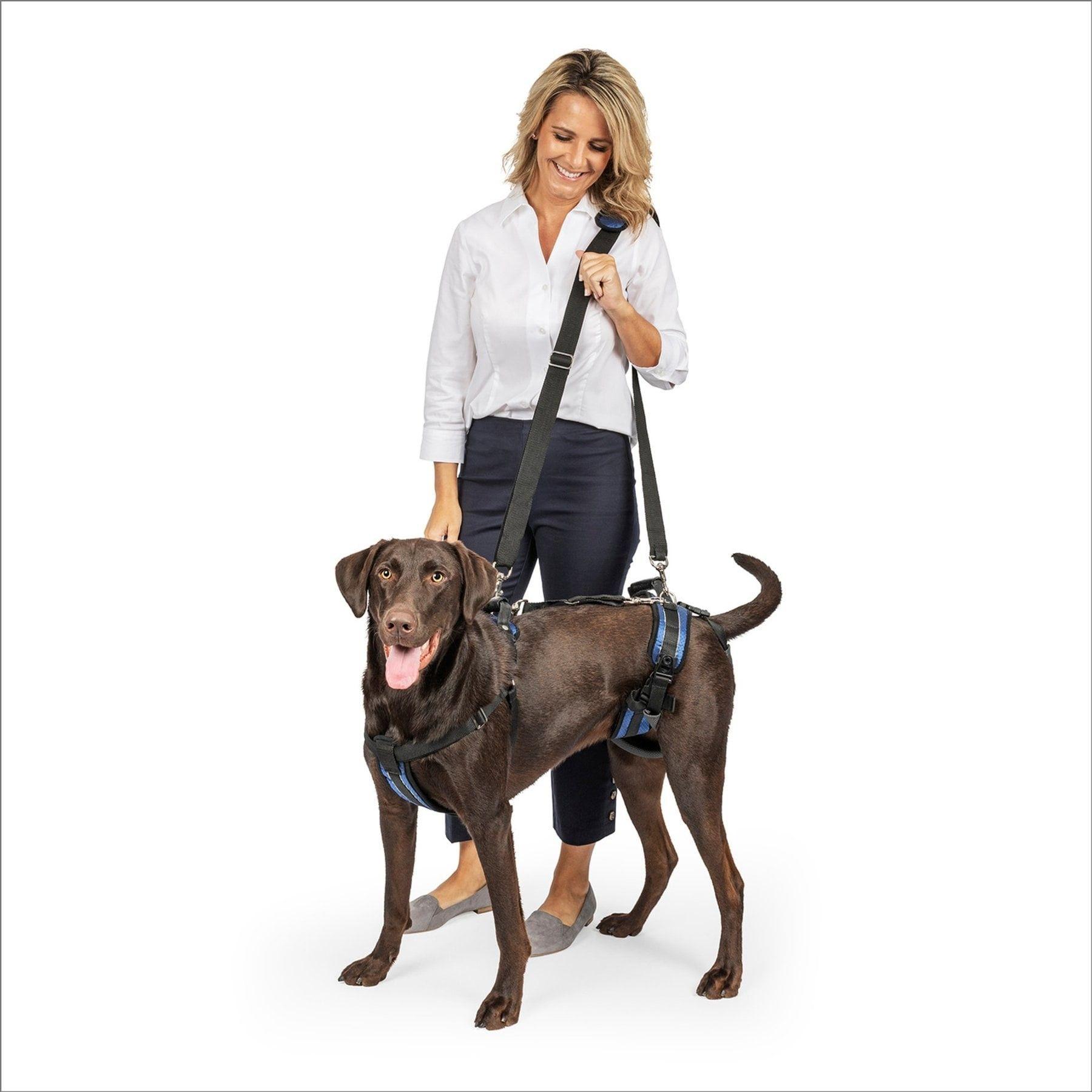
A full-body support harness may assist approved postoperative transfers after hands-on fitting and handling instruction. It is not a rehabilitation plan by itself.
Webvet may earn a commission when you click through to Chewy, at no extra cost to you.
When the team approves a floor surface, a low flat bed may cushion rest without a high edge that a weak dog must climb over. The bed should fit the enclosure, remain dry, and allow safe turning or caregiver repositioning. Very thick or unstable padding can make transfers harder.
A veterinary professional should demonstrate every assisted transfer. A full-body lifting harness may help support the chest and pelvis for approved toileting or short transfers, but the fit and hand positions matter. It does not immobilize the spine, and it should not be used to encourage extra walking.
Dogs with leakage or assisted bladder care need meticulous hygiene. A washable absorbent pad can protect the recovery surface and make frequent changes practical. It does not empty the bladder or prevent infection. Ask for hands-on bladder instruction and report straining, blood, strong odor, fever, reduced output, or an enlarged firm bladder.

Prognosis, complications, and recurrence
No success rate can predict one dog's outcome. Preoperative walking ability, voluntary movement, deep pain perception, speed of progression, duration and severity of spinal cord injury, imaging changes, treatment, and complications all matter. Dogs retaining more neurologic function generally have a better outlook than dogs with complete paralysis, but individual variation remains substantial.
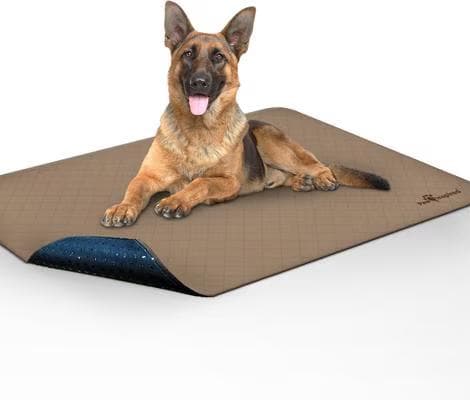
Washable absorbent protection can simplify postoperative hygiene. It does not replace bladder assessment, expression training, or treatment of urinary complications.
Webvet may earn a commission when you click through to Chewy, at no extra cost to you.
A review of prognostic factors describes the limits and variability of predictors used in canine thoracolumbar disc extrusion. A percentage from a study applies to the studied population, not automatically to a dog of another neurologic grade, timing, treatment, or condition. Ask the neurologist to explain the most relevant comparison group and the uncertainty.
- Potential complications include anesthetic problems, infection, incision issues, urinary complications, aspiration, pressure injury, neurologic deterioration, and progressive myelomalacia.
- Some complications extend hospitalization or require additional imaging, medication, procedures, or nursing, which can move the total beyond the initial estimate.
- A technically successful decompression does not guarantee normal walking, continence, or freedom from future disc episodes.
- Treating one disc does not reverse degeneration elsewhere, so recurrence at another disc remains possible.
- Quality of life includes comfort, hygiene, appetite, engagement, mobility, caregiver burden, and the likely benefit of further intervention.
Euthanasia is not automatically best because surgery is expensive or a dog cannot walk at presentation. It may become a compassionate option when pain cannot be controlled, progressive complications cause suffering, likely burdens outweigh expected benefit, or essential nursing cannot be provided safely. The veterinarian can explain the alternatives, the likely prognosis, and what comfort-focused care would involve.
Insurance, financing, and estimate questions
Pet insurance may cover eligible IVDD diagnostics and treatment, but coverage depends on the policy, enrollment date, waiting periods, exclusions, limits, deductibles, reimbursement percentage, and whether spinal signs or related conditions were pre-existing. The hospital cannot guarantee reimbursement. Call the insurer and request the policy language and any preauthorization process while emergency care proceeds.
- Ask whether the insurer needs medical records, invoices, diagnostic codes, imaging reports, or a claim form signed by the veterinarian.
- Confirm whether examination, MRI, surgery, hospitalization, medication, rehabilitation, and complications are treated as one condition under the policy limit.
- Ask the hospital which third-party financing programs it accepts and whether approval must occur before treatment.
- If family or charitable help is being considered, verify timing because grants may not fund an emergency deposit immediately.
- Request a medically honest non-surgical plan if surgery is unaffordable, including what it can and cannot accomplish and when suffering or deterioration requires another decision.
Avoid traveling far solely for a lower advertised price without discussing neurologic urgency, transport risk, surgeon availability, after-hours complications, and local follow-up. A remote clinic may quote less for the procedure but add travel, lodging, transfer, and recheck expenses. The safest provider can treat the dog within the clinically appropriate window and support complications.
Discharge questions that prevent costly surprises
Before leaving the hospital, identify which needs are expected and which would represent a complication. A clear discharge plan can prevent avoidable emergency returns without leaving an owner to manage a serious change alone. Ask the team to demonstrate transfers, toileting support, medication, incision observation, and any approved exercise with the actual dog whenever possible.
- Who should be called during business hours, and which emergency hospital has access to the operative and imaging records after hours?
- What walking, urination, appetite, comfort, and incision findings are expected on the first night and over the next several days?
- Which change requires an immediate emergency visit, a same-day call, or documentation for the scheduled recheck?
- What medications go home, when is each due, what adverse effects matter, and whom should the owner call before changing anything?
- Does the dog need assisted bladder emptying, and has the caregiver demonstrated the technique successfully before discharge?
- When are the incision check, neurologic recheck, and rehabilitation evaluation, and are any of those fees included in the estimate?
- What additional cost might arise if the dog cannot urinate, stops eating, damages the incision, develops an infection, or needs a longer hospital stay?
Write the answers down for everyone sharing care. If the required lifting, bladder care, monitoring, or confinement cannot be performed safely at home, tell the team before discharge. An additional hospital night, trained nursing help, or a modified setup may cost more initially but can be safer than an unsupported plan that fails.
French Bulldog IVDD decisions
French Bulldogs can develop IVDD at a young age and can have cervical as well as thoracolumbar disease. They also have other spinal disorders that may mimic IVDD, so breed does not remove the need for localization and imaging. The WebVet guide to IVDD in French Bulldogs covers presentation, recurrence evidence, and breed-specific differentials.
Breed changes the dog's size and risk profile, not the price list, so ask whether the estimate assumes one disc site and approach or allows for cervical disease, and request a written estimate from the hospital that will treat the dog because regional pricing varies.
Dachshund IVDD decisions
Dachshunds have a high burden of disc disease, but an affected dog's prognosis and estimate cannot be inferred from breed prevalence. Neurologic function, imaging, urgency, procedure, stay, and postoperative needs remain decisive. The WebVet guide to IVDD in Dachshunds covers the breed's risk, screening context, and owner guidance without turning those facts into a diagnosis.
Dachshunds often have several degenerated discs, so ask whether the imaging and the quote cover more than one level, and get a written estimate from the treating hospital because regional pricing varies.
Questions about IVDD surgery cost
Frequently Asked Questions
Is IVDD surgery worth it?
Often yes, when decompression offers a meaningful chance to relieve pain or preserve or restore function. Neurologic grade, deep pain perception, imaging, progression, concurrent disease, expected nursing, cost, and caregiver capacity all matter.
The main risk is delay: a dog that is rapidly losing function or cannot feel deep pain needs emergency evaluation before any price comparison. Ask the neurologist to compare the likely benefit and burden of surgery with the safest realistic alternative.
What if I can't afford IVDD surgery for my dog?
Tell the veterinary team immediately and ask for a written estimate, financing options, insurance documentation, and the safest medically realistic alternative. If surgery is out of reach, the veterinarian can say whether conservative care is reasonable for this dog.
Conservative care is not equivalent when severe or progressive compression makes surgery urgent. Request explicit pain, nursing, reassessment, and quality-of-life thresholds so financial limits do not become unmonitored suffering.
Can a dog recover from IVDD without surgery?
Some dogs with pain alone or mild, stable neurologic deficits can recover with veterinarian-directed conservative treatment. Dogs that cannot walk, are rapidly worsening, have uncontrolled pain, or have significant compression may have a stronger surgical indication.
Recovery without surgery is therefore not a safe default trial for every dog. Cost should not be the reason to skip a neurologic reassessment, and any dog managed at home still needs scheduled rechecks.
Is IVDD surgery covered by pet insurance?
Often, if the dog has an accident-and-illness policy and showed no back or neck signs before enrollment or during the waiting period. Insurers commonly treat earlier spinal pain, weakness, or a past disc episode as pre-existing, and some policies apply longer waiting periods or specific exclusions to orthopedic or spinal conditions.
Most policies reimburse after the bill is paid, so the hospital deposit is usually still due up front. Ask the insurer whether imaging, surgery, hospitalization, rehabilitation, and complications count toward one condition limit, and request the policy wording in writing.
Is it best to put a dog down with IVDD?
Not automatically. Many dogs with IVDD recover with surgery or conservative care, and an inability to walk at presentation or a high surgical estimate does not by itself make euthanasia the best choice.
Euthanasia may be a compassionate option when pain cannot be controlled, progressive myelomalacia is suspected, complications cause ongoing suffering, or required nursing cannot be provided safely. Ask the veterinarian to review prognosis, comfort-focused care, and realistic alternatives before that decision.
Do most dogs recover from IVDD?
Many do, especially dogs that can still walk or still have deep pain perception when treatment begins, which is why the ACVIM consensus statement centers decisions on neurologic status. The outlook is more guarded after deep pain perception is lost, and recovery can take weeks to months even after a successful operation.
Speed of onset, the treatment chosen, bladder function, complications, and rehabilitation also shape the result. Study percentages describe groups of dogs, so only the treating neurologist can estimate the likely outcome for one dog.
How long can a dog live with IVDD without surgery?
IVDD itself does not set a lifespan. Many dogs managed without surgery live a normal life span, especially when pain is controlled and function returns. Others have recurrent episodes, lasting weakness, or incontinence that affect comfort and long-term care.
The serious exception is severe spinal cord injury. Uncommonly, progressive myelomalacia develops after a severe disc extrusion and is usually fatal. Any dog that is rapidly losing function needs emergency care, and the veterinarian should set a long-term monitoring plan for dogs managed without surgery.
Does gabapentin help IVDD in dogs?
Gabapentin is sometimes prescribed as part of multimodal pain control for disc-related or nerve pain, often alongside anti-inflammatory medication and strict rest. Evidence for its specific benefit in canine IVDD is limited, and it does not relieve spinal cord compression or replace surgery when surgery is indicated.
Give it only as prescribed, and ask the veterinarian about sedation, wobbliness that could blur neurologic changes, and how to stop it. Never add or change doses at home, and report new weakness, worsening pain, or urination problems promptly.
Sources
- ACVIM consensus statement on acute canine thoracolumbar intervertebral disc extrusion
- American College of Veterinary Surgeons: Intervertebral Disc Disease
- Prognostic factors in canine thoracolumbar intervertebral disc extrusion
- Southeast Veterinary Neurology: IVDD Surgery Cost
- Remedy Veterinary Specialists: Surgery for IVDD in Dogs

Editor
The Webvet Editorial Team is the in-house group of pet-care editors and writers behind Webvet, operated by Smart Pet Collective. The team researches, writes, and maintains Webvet's pet health, behavior, and medication content. Every article follows a defined editorial process: research from reputable veterinary and scientific sources, careful drafting, mandatory review of medical content by a credentialed veterinarian, and dated publication. Health and medication articles are medically reviewed by a licensed veterinary professional before they go live and are kept current over time.
Veterinarian · BVMS MRCVS
Dr. Pippa Elliott, BVMS, MRCVS, is a veterinarian with nearly 30 years of experience in companion animal practice. Dr. Elliott earned her Bachelor of Veterinary Medicine and Surgery from the University of Glasgow. She was also designated a Member of the Royal College of Veterinary Surgeons. Married with 2 grown-up kids, Dr. Elliott has a naughty Puggle named Poggle, 3 cats and a bearded dragon.


