Trazodone for Dogs: Dosage Chart by Weight, Side Effects, and Safety
Trazodone for Dogs explained: see the vet-reviewed dosage-by-weight chart, side effects, safety warnings, cost, and when to call your veterinarian.

BVMS MRCVS
Medically reviewed by Dr. Pippa Elliott, BVMS MRCVS · Last reviewed

Drug facts
Rx Database sponsored by
Trazodone
Trazodone is the medication or medication group covered in this vet-reviewed WebVet consumer safety guide.
 Sponsored
Is Trazodone right for your dog?
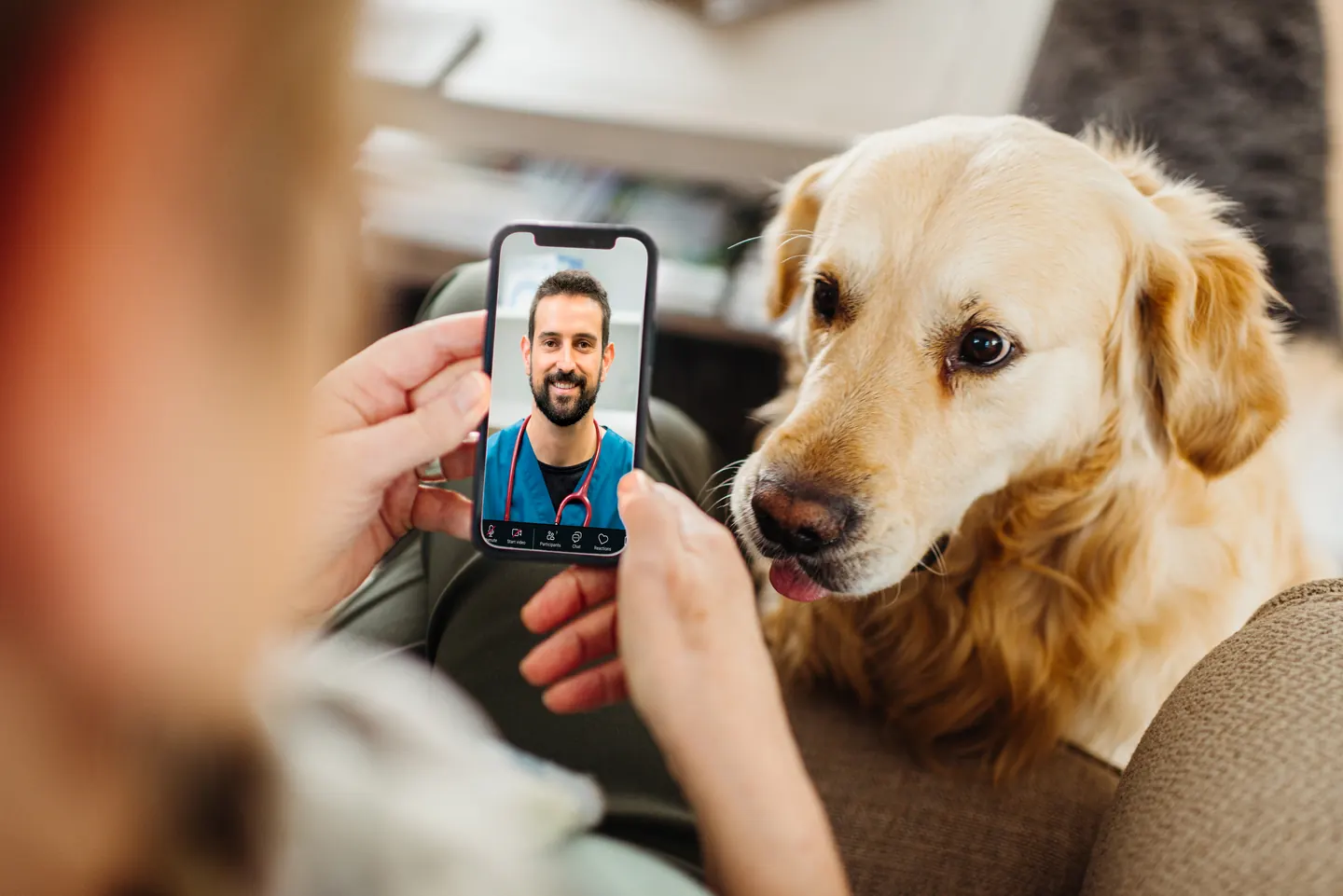
A licensed vet at Dutch can assess your dog over video and prescribe treatment when it's appropriate, delivered to your door.
Use code Pets30
Plans start at $11/month · covers up to 5 pets
- Licensed vets in most states
- Rx for 150+ conditions
- 4.7 on Trustpilot
Trazodone for dogs is a prescription serotonin-modulating medicine that veterinarians use extra-label for short-term fear, anxiety, confinement, and recovery support. There is no universal weight-row dose because the safe milligrams and timing vary widely with the reason, other medicines, organ function, and individual response. The written veterinary label controls every dose.
Trazodone Dosage for Dogs by Weight
| Dog's current weight and situation | Dose decision | Product formulation check | Owner action |
|---|---|---|---|
| Any dog starting trazodone | The veterinarian selects milligrams from weight, purpose, health, and medication history | Confirm tablet strength and whether the dispensed tablet may be split | Use only the amount and timing on this dog's prescription |
| Small dog needing a tablet fraction | Weight makes measuring error more important, but no public row establishes the dose | Uneven fragments and different tablet strengths can change exposure | Ask the clinic or pharmacy to mark the correct fragment or provide a measurable form |
| Dog using it before travel, grooming, or a veterinary visit | Timing is based on the expected event and the dog's prior response | Do not add an early dose because the dog is still alert | Follow the written pre-event plan and test only when the veterinarian directs |
| Dog receiving it during surgery recovery or confinement | The plan may differ from an event-only dose | Pain medicines and sedatives can add to sleepiness and poor coordination | Confirm every concurrent medicine and each administration time |
| Dog with a possible extra dose or severe reaction | Do not repeat or improvise another amount | Keep the package and strength available | Call the veterinarian, emergency hospital, or animal poison control service immediately |
When considering trazodone for dogs, use the veterinarian-confirmed product and plan for that animal. How much trazodone can I give my dog to calm him down? Only the amount printed on the current veterinary label. Trazodone is extra-label in dogs and has a wide clinical range, so a chart that converts pounds into milligrams would hide the most important variables. Confirm with your vet before the first dose and before changing timing or frequency.
The weight table is an honest decision chart, not a blank calculator. A 20-pound dog preparing for a veterinary visit may have a different plan from another 20-pound dog recovering from surgery or taking other serotonin-active medicine. Tablet strength does not define the correct dose.

Before giving the first dose
Read the label aloud and confirm the pet's name, tablet strength, amount, interval, and purpose. Ask whether the medicine should be given with food, whether it can be split, how far before an event it should be used, and what degree of sleepiness is expected.
Tell the veterinarian about:
- antidepressants, tramadol, sedatives, seizure medicines, and supplements
- kidney, liver, heart, or breathing disease
- previous agitation or unusual response to calming medicine
- pregnancy, nursing, very young age, or frailty
- the dog's behavior when frightened, including aggression or escape attempts
A first dose should not be improvised immediately before a critical trip or procedure unless the veterinarian specifically directs that plan. Some dogs become more agitated, and the team needs to know whether the medicine produces calm, excessive sedation, or little effect.

Probiotic supplement formulated to help dogs maintain calm behavior, with the BL999 strain. Liver-flavored powder in 30 daily sachets.
Webvet may earn a commission when you click through to Chewy, at no extra cost to you.
What Trazodone Does for Dog Anxiety and Recovery
- 1Trazodone is veterinarian prescribed and is not a substitute for diagnosing pain, fear, or behavior disease.
- 2It may reduce arousal and support rest, but sedation does not prove that fear is gone.
- 3VCA states short-term stress relief can begin in about 1 to 2 hours and effects should usually stop within 24 hours.
- 4Collapse, seizures, tremors, severe agitation, breathing difficulty, or a possible overdose is an emergency warning.
Trazodone changes serotonin signaling and can reduce anxiety, promote sleepiness, and help a dog tolerate a stressful situation or restricted recovery. Veterinarians may use it around travel, grooming, veterinary visits, thunderstorms, confinement after surgery, or as one part of a broader behavior plan.
How does trazodone make your dog feel? The intended response is a calmer dog who remains able to wake, walk safely, breathe normally, drink, and respond to the caregiver. Some dogs become sleepy or less coordinated. Others show panting, gastrointestinal upset, restlessness, or paradoxical excitement.
How long will trazodone make a dog sleep? VCA describes it as short acting and states it should usually stop working within 24 hours, although effects can last longer in liver or kidney disease. Many dogs are not continuously asleep. If the dog is difficult to wake, cannot stand, seems confused, or has breathing changes, call promptly.


Chicken-flavored soft chew that supports normal, occasional stress and positive behavior during times of normal stress.
Webvet may earn a commission when you click through to Chewy, at no extra cost to you.
Short-term event support
For a predictable stressor, the veterinarian may build a pre-event plan around the dog's history and the source of fear. The 1 to 2 hour onset guidance helps set expectations, but it is not permission to redose when the dog remains alert. Calm behavior may require environmental changes in addition to medicine.
Useful supports include:
- a quiet waiting area or check-in from the car
- non-slip footing and a secure harness
- familiar bedding or a covered resting space
- gradual travel practice outside crisis moments
- low-pressure handling and a written fear history for the clinic
Medication should make humane handling easier, not force a terrified dog through escalating exposure. Tell the veterinarian when a prior plan failed so the next plan can be changed before the event.
Planning for a veterinary visit, grooming, or travel
Describe the exact challenge instead of asking only for a stronger calming pill. A dog who pants in the car, growls when feet are handled, and panics in a waiting room may need different environmental and medication adjustments. The veterinarian can decide whether one plan covers the whole event or whether the trigger sequence needs to change.
Prepare the team with:
- the dog's earliest fear signals and strongest triggers
- bite, escape, or restraint history
- prior trazodone amount, timing, and observed response
- other medicines given that day
- whether the dog ate, vomited, urinated, or became unsteady
- handling methods that helped or worsened the visit
Use a secure harness or carrier and avoid stairs or jumping when coordination is reduced. A sedated dog may still bite if frightened, so do not assume drowsiness makes handling safe.
Recovery and confinement
After surgery or injury, trazodone may help a dog rest during leash walks and restricted activity. It does not replace pain control. A dog panting, pacing, crying, guarding an incision, or unable to settle may be painful, nauseated, dysphoric, or frightened, and simply increasing sedation can obscure the problem.
Track pain medicines and trazodone separately. Use gates, non-slip flooring, a properly sized recovery area, and controlled toileting. Call for worsening pain, incision change, inability to urinate, repeated vomiting, or a dog that cannot rise normally.
Measuring recovery without over-sedating
Set separate goals for comfort, activity restriction, and alertness. A good plan may help the dog settle while still allowing safe toileting, eating, drinking, and response to family. A dog who sleeps so deeply that it cannot stand or protect the airway is not simply "resting well."
Record:
- time to settle after each dose
- ability to rise and walk on non-slip flooring
- pain behaviors before and after pain medicine
- food, water, urination, and bowel movements
- incision appearance and licking attempts
- panting, pacing, whining, confusion, or agitation
Share the log before changing medication. The problem may be uncontrolled pain, a poorly fitted confinement area, urinary discomfort, nausea, or an adverse effect rather than too little trazodone.
Long-term behavior treatment
Trazodone may be used alongside a long-term behavior medicine or training plan, but it does not teach coping skills by itself. Separation-related distress, noise fear, generalized anxiety, and aggression require a diagnosis, management to prevent repeated panic, and behavior modification at a tolerable intensity. If the veterinarian recommends a daily calming supplement as one part of that plan, Purina Calming Care for dogs is one product to ask about; it is not a substitute for trazodone or behavior work.
Record triggers, body-language changes, recovery time, appetite, sleep, and any adverse effects. A medication review should ask not only whether the dog is quieter, but whether welfare and functional behavior improve.
A behavior trial needs observable goals
Choose outcomes that can be measured. For a veterinary visit, success might mean accepting transport and examination without panic. For separation distress, it may mean eating, resting, and remaining below the escape or vocalization threshold during a carefully managed absence. For noise fear, it may mean recovering sooner and staying able to take food.
Do not judge only by immobility. Body tension, tucked posture, dilated pupils, refusal of food, freezing, scanning, and delayed recovery can show that fear remains. Medication and training should expand the dog's ability to cope, not merely reduce movement.
A qualified trainer or veterinary behaviorist can help design gradual exposure. Punishment and forced flooding can worsen fear and make future medication plans harder to evaluate.
 Sponsored
Vet care that's always there
Unlimited video calls and messaging with licensed vets for less than a typical vet visit. One membership covers up to five pets.
Use code Pets30
Plans start at $11/month · covers up to 5 pets
- Licensed vets in most states
- Rx for 150+ conditions
- 4.7 on Trustpilot
Trazodone Side Effects, Interactions, and Overdose Signs
Trazodone side effects for dogs can include sleepiness, reduced coordination, gastrointestinal upset, panting, restlessness, or behavior change. Mild effects should improve as the short-acting medicine wears off. Marked, persistent, or worsening signs need veterinary review.


Peanut-butter-flavored soft chew that supports relaxation and helps reduce hyperactivity, with L-theanine, chamomile, and ashwagandha.
Webvet may earn a commission when you click through to Chewy, at no extra cost to you.
Serotonin syndrome and medicine combinations
Trazodone affects serotonin. Unplanned combinations with another serotonin-active medicine can contribute to serotonin syndrome, a dangerous state involving mental, neuromuscular, heart-rate, and temperature changes. Veterinarians sometimes combine medicines deliberately, but they need the complete list.
Interaction review should include:
- fluoxetine, clomipramine, selegiline, and other behavior medicines
- tramadol and other pain medicines with serotonin effects
- mirtazapine and similar medicines
- sedatives, opioids, gabapentin, and antihistamines that add drowsiness
- supplements marketed for mood or sleep
Do not stop a long-term behavior medicine or combine leftover prescriptions to prepare for a stressful event. The prescriber must set timing and monitoring.
When should you not give a dog trazodone?
Do not give it when the current veterinarian has not reviewed a new medication, serious health change, possible overdose, or prior severe reaction. A dog already profoundly sedated, weak, collapsed, struggling to breathe, or showing tremors or seizures needs emergency assessment rather than another dose.
Extra caution may be needed with liver or kidney disease, heart disease, pregnancy, nursing, frailty, seizure history, and other sedating or serotonin-active drugs. The written plan should also account for situations where reduced coordination creates a fall risk.
Missed doses and accidental ingestion
For a missed dose, follow the label or call the clinic. Never double the next amount. If the dog chews a bottle or receives an extra tablet, report the weight, exact strength, maximum amount, time, symptoms, and other medicines.
Do not wait for severe signs. Early professional advice can guide monitoring or treatment while the amount and timing are still clear.
Seniors and dogs with medical disease
An older dog may be restless from cognitive decline, arthritis, sensory loss, urinary urgency, heart or breathing disease, or a changed sleep cycle. Trazodone can make the dog quieter without addressing those causes. A new behavior change deserves examination before it is labeled anxiety.
Liver or kidney disease can prolong effects, and weakness or poor vision can increase fall risk. Use non-slip surfaces, block stairs, supervise toileting, and report a response that persists beyond the veterinarian's expectation.
Medical review may include pain assessment, bloodwork, urinalysis, cardiac or respiratory evaluation, and a medication reconciliation. The safest behavior plan starts with comfort and function.

A plush, long-fur donut bolster bed with a raised rim that gives a recovering pet a secure, cushioned place to curl up during the crucial 10 to 14 days after surgery.
Webvet may earn a commission when you click through to Chewy, at no extra cost to you.
Trazodone vs. Gabapentin and Acepromazine
Which is better for dogs, gabapentin or trazodone? Neither is universally better. Trazodone primarily changes serotonin signaling and is often chosen for situational anxiety or recovery rest. Gabapentin has roles in pain management and may also reduce arousal or fear. The diagnosis and desired effect determine the choice.
| Option | Common veterinary role | Important limitation | Main decision question |
|---|---|---|---|
| Trazodone | Situational anxiety, recovery rest, or adjunct behavior support | Sedation and serotonin interactions need monitoring | Is the main target fear, arousal, or restricted activity? |
| Gabapentin | Neuropathic pain, multimodal pain care, or selected fear support | Sedation and wobbliness can occur | Is pain contributing, and what other sedatives are used? |
| Acepromazine | Selected veterinary sedation or premedication contexts | Sedation does not equal anxiety relief, and blood-pressure effects matter | Does the veterinarian need sedation, anxiety treatment, or both? |
WebVet's gabapentin for dogs and cats monograph covers its clinical dosing and safety facts. The acepromazine for dogs guide explains the tranquilizer's narrower role and precautions. Do not use one article's dose to substitute or combine medicines.
What is the best anti-anxiety medication for dogs? The best plan fits the diagnosis, trigger pattern, health, urgency, and training strategy. A daily medicine may suit generalized or repeated anxiety, while event medication can suit a predictable trigger. Severe cases may need a veterinary behaviorist.
Trazodone for dogs vs humans
Veterinarians may prescribe a human generic tablet extra-label, but a human prescription is not a dog dose. Human and veterinary patients differ in weight, indication, metabolism, concurrent medicines, and monitoring. Never share a household prescription between a person and a pet.
Trazodone Cost and Prescription Options
Trazodone is a generic prescription medicine, so the tablet itself is often relatively inexpensive. The real cost depends on strength, quantity, pharmacy, veterinary examination, whether tablets must be split, and whether monitoring or behavior support is needed. A universal current price range would be misleading.
Ask for:
- exact tablet strength and quantity
- whether a human retail or veterinary pharmacy can fill it
- whether a compounded form is medically necessary
- expected course length or refill plan
- examination, follow-up, and behavior-consult costs
Where a prescription is filled does not change the veterinary dose. Compare the same strength and quantity, and avoid online sellers that do not require a valid prescription. If cost makes the plan difficult, tell the veterinarian before stretching doses or using another pet's medicine.
Refills and periodic reassessment
A refill should confirm that the indication and response remain the same. Report weight change, new disease, surgery, new medicines, falls, paradoxical excitement, and any dose that lasted longer than expected. A plan written for one travel event should not quietly become daily treatment without review.
For ongoing use, ask:
- what behavior or recovery goal defines benefit?
- when should the dose or timing be reassessed?
- which laboratory or medical follow-up is appropriate?
- what is the plan if the dog becomes more anxious or sedated?
- how should event use fit with a daily behavior medicine?
The answer may be to keep the plan, change timing, address pain, improve behavior management, or select another medicine. The goal is not the largest tolerated amount; it is the smallest complete plan that improves welfare and safety.
When Trazodone Is Not Working as Expected
A dog who remains distressed may need a different timing plan, another medication class, or better trigger management. A dog who appears more anxious can be experiencing paradoxical excitement, pain, confusion, or loss of coordination. Neither situation should be answered with an owner-calculated extra dose.
Call the prescriber with:
- dose time, tablet strength, and amount
- time the effect began and ended
- target event or recovery goal
- body-language signs before and after
- sleepiness, wobbliness, gastrointestinal signs, or agitation
- all other medicines and supplements
Video can be useful when safe, especially for pacing, tremors, gait change, or unusual behavior. Do not film instead of seeking emergency care for collapse, seizures, breathing difficulty, or profound weakness.
When the dog is too sleepy
Move the dog to a quiet, safe area with non-slip footing and block stairs. Check breathing, gum color, ability to wake, and ability to stand. Do not offer food or oral medicine to a dog too sedated to swallow normally.
Call promptly when sleepiness is deeper or longer than the veterinarian predicted. Liver or kidney disease, another sedative, a dosing error, or individual sensitivity can prolong the response.
When the dog is still panicking
Reduce exposure to the trigger rather than forcing completion of the event. Give space, use secure barriers, and avoid punishment or confrontational restraint. A fearful dog can still bite when sedated.
The follow-up plan may involve an earlier pre-event schedule, a supervised combination, a daily behavior medicine, pain treatment, or a change in training and environment. Those are prescriber decisions. Repeating the same failed setup can strengthen fear and make future care more difficult.
Safe Storage and Caregiver Handoff
Store trazodone in its labeled child-resistant container away from pets. Dogs may chew a bottle, and tablets prepared for a person can be mistaken for the pet's prescription. Never share a human or another animal's supply.
When several caregivers are involved, mark each administration immediately. Written instructions should identify the exact dog, strength, amount, purpose, and earliest next time. Replace vague directions such as "one calming pill" with the label wording.
Household error prevention
Bring the container to travel, boarding, grooming, or emergency care. A professional who knows what was given can make safer decisions about restraint, anesthesia, pain medicine, and additional sedation.
If a tablet is dropped, find it before another pet or child does. Do not prepare unlabeled fragments for several days unless the pharmacist has provided a safe, clearly identified system. Moisture, crumbling, and mix-ups can change what is actually administered.
At the end of a temporary course, ask whether unused tablets should be retained for a future event or returned for disposal. A plan written after surgery is not automatically suitable for fireworks, travel, or a later injury.
Trazodone For Dogs FAQs
Frequently Asked Questions
What is the 3-3-3 rule for dog anxiety?
For dog anxiety, the 3-3-3 rule is a rough adoption-adjustment idea describing the first three days, three weeks, and three months. It is not a medical dosing rule and does not predict every dog's recovery. A newly adopted dog should receive safety, routine, decompression, and veterinary assessment. Severe panic, inability to eat, aggression, or self-injury deserves professional help.
What do vets recommend for calming dogs?
Vets recommend calming plans for dogs that match the trigger and health history. Recommendations may include predictable routines, secure handling, gradual behavior work, environmental management, pain treatment, and prescription medicine such as trazodone when appropriate. Calming is not simply making a dog sleepy. The dog should remain safe, responsive, and able to learn.
What dog breeds are prone to anxiety?
Some dog breeds may appear more prone to anxiety triggers, but any breed or mix can develop anxiety. Genetics, early socialization, pain, learning history, environment, age-related change, and individual temperament all matter. Herding or highly vigilant dogs may show certain triggers more visibly, but breed alone does not diagnose anxiety or determine medication. Evaluate the individual dog's behavior and medical health.

Editor
The Webvet Editorial Team is the in-house group of pet-care editors and writers behind Webvet, operated by Smart Pet Collective. The team researches, writes, and maintains Webvet's pet health, behavior, and medication content. Every article follows a defined editorial process: research from reputable veterinary and scientific sources, careful drafting, mandatory review of medical content by a credentialed veterinarian, and dated publication. Health and medication articles are medically reviewed by a licensed veterinary professional before they go live and are kept current over time.
Veterinarian · BVMS MRCVS
Dr. Pippa Elliott, BVMS, MRCVS, is a veterinarian with nearly 30 years of experience in companion animal practice. Dr. Elliott earned her Bachelor of Veterinary Medicine and Surgery from the University of Glasgow. She was also designated a Member of the Royal College of Veterinary Surgeons. Married with 2 grown-up kids, Dr. Elliott has a naughty Puggle named Poggle, 3 cats and a bearded dragon.


