Acepromazine for Dogs: Dosage Chart, Side Effects, and Safety
Acepromazine for Dogs explained: see the vet-reviewed dosage-by-weight chart, side effects, safety warnings, cost, and when to call your veterinarian.

BVMS MRCVS
Medically reviewed by Dr. Pippa Elliott, BVMS MRCVS · Last reviewed

Drug facts
Rx Database sponsored by
Acepromazine maleate
Acepromazine maleate is the medication or medication group covered in this vet-reviewed WebVet consumer safety guide.
 Sponsored
Is Acepromazine maleate right for your dog?
A licensed vet at Dutch can assess your dog over video and prescribe treatment when it's appropriate, delivered to your door.
Use code Pets30
Plans start at $11/month · covers up to 5 pets
- Licensed vets in most states
- Rx for 150+ conditions
- 4.7 on Trustpilot
Acepromazine for dogs should only be used under a veterinarian-confirmed plan for that animal. Acepromazine is a prescription tranquilizer and sedative used in selected dogs for veterinary procedures, transport, and other planned situations. It can make a dog quieter and less able to move normally without removing fear. Confirm the route, amount, timing, and monitoring with your veterinarian before giving it, because oral and injectable ranges are not interchangeable.
Acepromazine Dosage for Dogs by Weight
When considering acepromazine for dogs, use the veterinarian-confirmed product and plan for that animal. Merck lists 1 to 3 mg/kg by mouth as needed and 0.025 to 0.2 mg/kg by injection as needed, up to 3 mg in its antiemetic table. These are route-specific veterinary references, not a home dosing recommendation. The prescribing veterinarian must choose the route, indication, point in the range, and maximum for the individual dog.
| Route and situation | Veterinary weight-based framework | Safety boundary |
|---|---|---|
| Oral acepromazine | 1 to 3 mg/kg by mouth as needed | Veterinarian selects the amount and pre-event timing; do not calculate from a human or old pet label |
| Injectable acepromazine | 0.025 to 0.2 mg/kg as needed, up to 3 mg | Clinic-selected route and monitoring; do not substitute this range for oral tablets |
| Dog with previous fainting, severe weakness, low blood pressure, seizure concern, or serious illness | No owner-selected amount | Requires a fresh risk review before use |
| Dog with breed or genetic-drug-sensitivity concern | No generic chart adjustment | Veterinarian determines whether testing, a lower plan, or another drug is appropriate |
Confirm with your vet before using any row. The hundred-fold difference between parts of the oral and injectable reference ranges shows why route must never be guessed.

Probiotic supplement formulated to help dogs maintain calm behavior, with the BL999 strain. Liver-flavored powder in 30 daily sachets.
Webvet may earn a commission when you click through to Chewy, at no extra cost to you.

Before the first dose, write down:
- The exact reason acepromazine was prescribed.
- The dog's current measured weight.
- Tablet strength or clinic-administered formulation.
- Amount, route, and administration time.
- Whether food is permitted.
- Which other sedatives, pain medicines, or behavior drugs are being used.
- Expected response and the latest time to call if it does not appear.
- Emergency signs and a clinic contact number.
Do not give an extra dose because the dog still looks alert or frightened. Sedation can deepen after an owner assumes the first dose failed. Do not use a tablet prescribed years ago, for another dog, or before a different procedure without a new instruction.
What Acepromazine Does to a Dog
- 1Acepromazine produces tranquilization and sedation.
- 2It can reduce movement without reliably removing fear or anxiety.
- 3A quiet dog may still feel distressed and can still react when approached.
- 4Response and onset vary with route, dog, health, other medication, and environment.
- 5It is not a substitute for diagnosis, pain control, or a behavior plan.

Acepromazine depresses parts of the central nervous system and can lower blood pressure. The visible result may include sleepiness, reduced spontaneous movement, a lowered head, unsteady walking, or a dog that lies still. Sedation is not the same as natural sleep and does not prove the dog is emotionally comfortable.
Will acepromazine put a dog to sleep?
It may make a dog very sleepy or recumbent, but it is not general anesthesia and cannot guarantee sleep. A dog may still hear, see, and feel what is happening. Do not test responsiveness by startling, shaking, or forcing the dog to stand.
How does acepromazine make dogs feel?
Owners can observe sedation but cannot infer the dog's internal emotional state from stillness. Some dogs remain fearful while physically inhibited. Others can become disoriented or paradoxically agitated. Provide a quiet, dim, secure area and avoid unnecessary handling.
How long does it take to kick in?
The available primary veterinary evidence does not provide one universal onset number. Route, amount, food, individual response, health, and other medication change timing. Follow the written pre-event schedule and call before repeating a dose if the expected effect has not appeared.
What acepromazine does not do
Acepromazine does not provide meaningful pain relief. A dog sedated after an injury can still be in pain. It also does not treat the cause of panic, noise aversion, travel distress, vomiting, or aggression. The veterinary plan may need analgesia, anti-nausea treatment, behavior modification, or another medication.
Use it only for the indication on the current prescription:
- A planned veterinary procedure.
- A transport or handling plan selected by the veterinarian.
- A hospital protocol.
- Another defined situation with written timing and monitoring.
If the dog is painful, struggling to breathe, vomiting repeatedly, weak, collapsed, or neurologically abnormal, do not use tranquilization to postpone an examination.
Acepromazine Side Effects, Breed Risks, and Overdose
Expected sedation can be accompanied by low blood pressure, weakness, unsteady movement, temperature changes, or prolonged recovery. Serious reactions and overdoses can affect circulation, breathing, neurologic status, and the dog's ability to protect itself from falls or aspiration.

Which dogs may need another plan?
No breed name alone determines safety, but some dogs deserve particular caution. Tell the veterinarian about:
- Previous collapse, fainting, or severe weakness after sedation.
- Heart disease, low blood pressure, dehydration, anemia, or shock.
- Liver disease or serious systemic illness.
- Seizure history or neurologic disease.
- Pregnancy, nursing, very young age, or frailty.
- Boxer ancestry or a known breed-related sensitivity discussed in the medical record.
- Herding-breed ancestry or a known MDR1 drug-sensitivity result.
- Previous paradoxical excitement or failure to sedate.
The veterinarian may choose a different drug, smaller plan, supervised trial, or closer monitoring. Do not obtain a genetic-test result and adjust the dose yourself.
Low blood pressure and injury risk
Acepromazine can lower blood pressure. A dehydrated, bleeding, shocked, weak, or seriously ill dog may be less able to tolerate that effect. A sedated dog can also fall from stairs, furniture, or a vehicle and may not right itself normally.
Prepare the environment before dosing:
- Block stairs and pools.
- Use nonslip flooring and low padded bedding.
- Keep the dog away from heat, cold, and direct sun.
- Use a leash for short bathroom trips.
- Separate from children and other pets.
- Do not offer a large meal or water bowl to a dog too sedated to swallow safely.

Chicken-flavored soft chew that supports normal, occasional stress and positive behavior during times of normal stress.
Webvet may earn a commission when you click through to Chewy, at no extra cost to you.
Paradoxical agitation and incomplete effect
Some dogs do not become calmly sedated. They may remain responsive, pace, vocalize, become disinhibited, or react strongly when frightened. Do not corner or punish the dog. Reduce stimulation, protect people and animals, and call the clinic.
An incomplete effect can result from timing, absorption, individual response, severe arousal, wrong administration, or a plan that does not address anxiety. It is not permission to stack another dose or add trazodone, gabapentin, diphenhydramine, or another sedative.
Medication combinations
Provide every prescription, supplement, preventive, and recent injection. Other sedatives, opioids, anesthesia drugs, behavior medication, and some blood-pressure or seizure treatments can change the response. The veterinary team should control any combination and the order in which drugs are given.
Before Acepromazine Is Prescribed
The veterinarian needs to know what problem the medication is meant to solve. A dog that panics during thunderstorms, a dog that resists an examination because of pain, and a dog needing pre-procedure tranquilization do not present the same goal. Sedation can hide movement without treating fear or pain.
Describe the event in detail:
- What triggers the behavior.
- How early signs begin.
- Whether the dog tries to escape, bite, freeze, vomit, or collapse.
- Previous medication and its effect.
- Pain, breathing, heart, seizure, or balance concerns.
- The environment in which the drug will be used.
- Whether trained staff and monitoring will be present.
The team may decide acepromazine is appropriate, choose another drug, combine medication with behavior handling, or postpone sedation until an illness is evaluated.
Medical history that changes the discussion
Provide records of heart disease, fainting, low blood pressure, anemia, dehydration, liver disease, seizure, neurologic problems, pregnancy, nursing, and previous anesthesia. Mention any known MDR1 result or breed-related drug sensitivity in the chart.
List all medication, including:
- Trazodone, gabapentin, fluoxetine, clomipramine, or other behavior drugs.
- Opioids and pain medicine.
- Antihistamines and sleep aids, including melatonin products.
- Seizure and heart medication.
- Supplements and CBD products.
- Recent injectable sedatives or anesthesia.
Do not omit a drug because it was given only as needed. The timing of a recent dose can change the effect of another sedative.
Why a supervised trial may be useful
When the veterinarian considers home pre-event medication, a trial on a quiet day can reveal excessive sedation, poor coordination, agitation, or lack of effect before a high-stakes trip or appointment. The trial still uses the exact prescription and a safe environment.
During the trial, record:
- Administration time and food.
- First observable effect.
- Deepest sedation and coordination.
- Ability to swallow, walk, urinate, and respond normally.
- Agitation, vocalization, or fear behavior.
- Recovery time and any next-day change.
Do not alter the trial dose based on response. Send the observations to the clinic so the veterinarian can decide whether the plan is acceptable.
Giving Oral Acepromazine at Home
Prepare the environment before opening the bottle. The dog should not need to navigate stairs, jump into a car, cross a slippery floor, or interact with unfamiliar people once coordination changes.
Use the prescribed tablet and amount. If pill administration is difficult, ask whether it may be given in a small amount of food. Do not crush, dissolve, or substitute a compounded liquid unless the veterinarian or pharmacist confirms the formulation.
After dosing:
- Record the time immediately.
- Keep the dog in a quiet secure space.
- Reduce noise, visitors, and handling.
- Supervise access to stairs, furniture, water, and outdoors.
- Use a leash for bathroom trips.
- Observe gum color, breathing, alertness, and coordination.
Do not leave a heavily sedated dog alone in a vehicle. Temperature and position can become unsafe, and a dog that vomits may be unable to protect its airway.
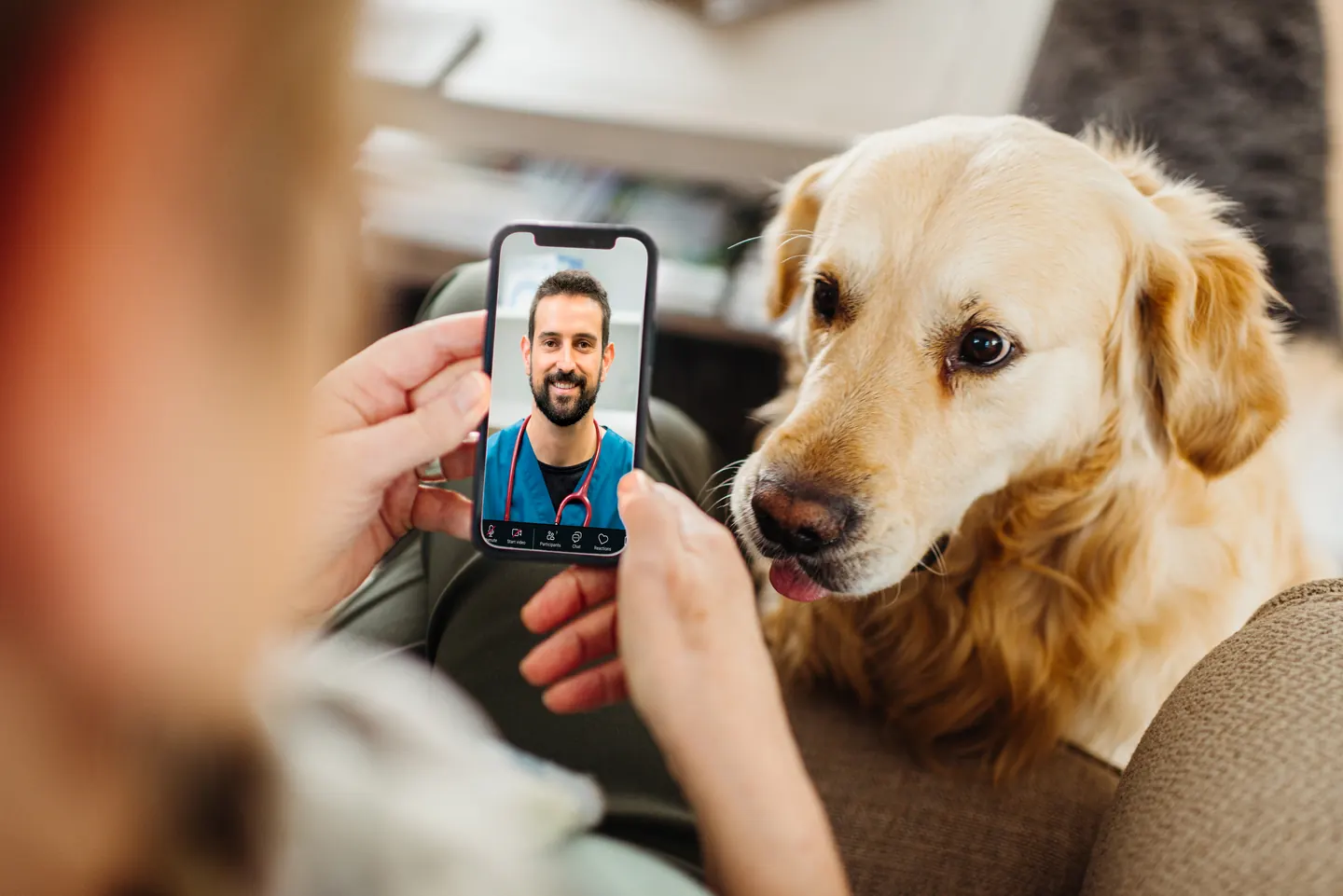 Sponsored
Vet care that's always there
Unlimited video calls and messaging with licensed vets for less than a typical vet visit. One membership covers up to five pets.
Use code Pets30
Plans start at $11/month · covers up to 5 pets
- Licensed vets in most states
- Rx for 150+ conditions
- 4.7 on Trustpilot
Food, water, and swallowing
Follow procedure-specific fasting directions. Do not assume tablets should always be given with a meal. An anesthesia plan may restrict food, while another home-use plan may permit a small treat.
Offer water only when the dog is alert enough to swallow normally and can hold its head safely. Do not syringe food or water into a sedated dog's mouth. Coughing, gagging, repeated swallowing, or vomiting requires veterinary advice.
Bathroom and mobility support
Acepromazine can make a dog weak or unsteady. Use a short leash and support harness if the clinic approves. Do not encourage a sedated dog to walk off the effect. Keep trips brief and return to padded nonslip rest.
If the dog cannot rise, collapses, or appears profoundly weak, call urgently. Do not assume every degree of immobility is an intended effect.

Peanut-butter-flavored soft chew that supports relaxation and helps reduce hyperactivity, with L-theanine, chamomile, and ashwagandha.
Webvet may earn a commission when you click through to Chewy, at no extra cost to you.
Recovery After Acepromazine
Recovery should trend toward more normal alertness and coordination. Keep the environment quiet until the dog can walk, swallow, and regulate behavior safely. The time course varies, and the available primary veterinary evidence does not support one universal duration.
Monitor:
- Breathing rate and effort.
- Gum color.
- Ability to lift the head and respond.
- Standing and walking without collapse.
- Urination and defecation.
- Vomiting, coughing, or trouble swallowing.
- Agitation, vocalization, or unusual behavior.
Call the clinic if sedation seems to deepen instead of lighten, lasts longer than expected for the written plan, or is joined by pale gums, breathing change, severe weakness, abnormal temperature, or neurologic signs.
Preventing falls and injuries
Block stairs and furniture until coordination is normal. Do not let the dog jump from a vehicle. Larger dogs may need two adults and clinic-approved support for transport. Keep children and other pets separate because a disoriented or frightened dog can react unpredictably.
Inspect for injuries after any stumble. A sedated dog may not show pain normally. Swelling, inability to bear weight, bleeding, or sudden worsening mobility needs evaluation.
What to report after the event
Even when everything goes well, tell the veterinarian how the dog responded before the next prescription. Useful feedback includes whether handling was safer, whether fear behavior continued, deepest sedation, coordination, recovery, and any adverse effect.
This helps distinguish an effective plan from one that merely made the dog still. If the dog remained terrified, another behavior medication or handling strategy may be more humane and effective.

A plush, long-fur donut bolster bed with a raised rim that gives a recovering pet a secure, cushioned place to curl up during the crucial 10 to 14 days after surgery.
Webvet may earn a commission when you click through to Chewy, at no extra cost to you.
Acepromazine for Fear, Travel, and Procedures
Acepromazine may be chosen for tranquilization around a planned procedure or transport, but context matters. It should not be treated as a universal travel or fireworks medicine.
Fear and noise events
A frightened dog can remain aware while movement is suppressed. For noise aversion or panic, ask whether the plan addresses anxiety as well as physical activity. Medication should be combined with a secure environment, escape prevention, and a behavior plan.
Never expose the dog to the feared event to test whether the medication worked. A quiet body can conceal ongoing distress.
Car travel
Travel problems can involve motion sickness, fear, pain, overheating, or unsafe restraint. Sedation alone may not address nausea or panic. Ask about vehicle temperature, fasting, restraint, breaks, and whether another medication fits the primary problem.
A sedated dog should ride in a secured crate or veterinarian-approved restraint, not loose on a seat. Never leave the dog unattended in a parked vehicle.
Veterinary procedures
Pre-visit medication can reduce handling intensity when paired with low-stress techniques. Tell staff exactly when and how much was given before arrival. Do not redose in the parking lot unless the clinic directs it.
Some procedures need pain control, local anesthesia, general anesthesia, or other sedatives. Acepromazine is only one possible component and does not replace analgesia.
Grooming and home procedures
Do not use acepromazine to force a dog through nail trimming, grooming, ear cleaning, or wound care after the dog becomes frightened or aggressive. The dog may still experience fear and can bite despite sedation. Ask for cooperative-care training, veterinary handling, or a procedure-specific plan.
When Acepromazine Appears Not to Work
Do not give another dose. Check the label and record when the tablet was administered, whether it may have been spit out, whether food was involved, and what effect is visible. Keep the dog secure and reduce stimulation.
Possible reasons include:
- The expected onset has not arrived.
- The tablet was not swallowed.
- Food or formulation affected absorption.
- Individual response differs.
- Arousal is overwhelming the visible tranquilization.
- The problem is fear or pain that physical sedation does not resolve.
- Another medication or illness changes response.
Call the clinic with the facts. The veterinarian may revise timing, select another medicine, arrange supervised sedation, or address pain and behavior separately.
Paradoxical reaction
If the dog becomes more restless, vocal, disinhibited, or reactive, do not approach closely or punish. Protect people and other animals, lower noise and light, and contact the veterinarian. Emergency care is appropriate when agitation is severe or accompanied by tremors, abnormal heart rate, overheating, seizure, or collapse.
Accidental Ingestion and Dosing Errors
Treat a missing bottle, duplicate dose, wrong tablet strength, or possible injection error as time-sensitive. A dog can appear normal before sedation and circulation effects deepen. Call the veterinarian or animal poison service with the facts rather than waiting for the expected tranquilization.
Gather:
- Exact product, route, and strength.
- Prescribed amount.
- Maximum amount possibly given or swallowed.
- Time of every known dose.
- Dog weight, age, breed, and health conditions.
- Other sedatives, pain medicine, heart drugs, seizure drugs, and supplements.
- Current alertness, breathing, gum color, temperature, heart-rate concern, and coordination.
Do not induce vomiting or give food, caffeine, salt, peroxide, activated charcoal, or another drug unless directed. Keep the dog on a low padded surface and prevent walking while arranging care.
Safe transport after an error
Call ahead. The clinic may advise how to position and support the dog. Use a crate or flat padded surface when possible, avoid stairs, and prevent the neck from bending in a way that obstructs breathing.
Two adults may be needed for a large weak dog. Do not let the dog jump into the vehicle. Keep the car comfortably ventilated, and have one person observe breathing and responsiveness when safe.
What the emergency team may need
Bring the container, prescription, dose log, and medication list. Tell staff whether vomiting, collapse, agitation, seizure, trauma, or possible aspiration occurred. An accurate route matters because oral and injectable reference ranges cannot be interpreted as the same exposure.
Procedure-Day Checklist
The prescribing clinic's instructions control the day. Confirm fasting, water, regular medication, arrival time, transport, and whether acepromazine is given at home or by staff.
Before leaving home:
- Verify the dog's identity and tablet strength.
- Record administration time.
- Use secure collar, harness, crate, or restraint.
- Block access to stairs and furniture.
- Bring all medication and the written plan.
- Tell the clinic about any vomiting, weakness, agitation, or missed dose.
At arrival, do not wait silently if the dog seems excessively sedated or distressed. Staff need the response before deciding on further medication or anesthesia.
After discharge, follow the procedure-specific recovery instructions in addition to acepromazine monitoring. Pain medicine, anesthesia, fasting, bandages, and activity restrictions may be more important than the tranquilizer alone.
Record the response for future care
After the dog has recovered, note whether the plan reduced handling stress, whether fear remained visible, deepest sedation, mobility, breathing, vomiting, and recovery. Ask the clinic to add significant sensitivity, paradoxical agitation, or poor effect to the medical record.
Future veterinarians and emergency teams need that history. Do not simply say the dog is "bad with sedation." Name the product, route, amount, date, and observed reaction.
Acepromazine and Behavioral Care
Medication can support safer handling, but repeated fear benefits from a behavior plan. Desensitization, counterconditioning, predictable routines, appropriate equipment, and low-stress veterinary techniques can reduce the intensity of future events.
Ask whether the dog needs:
- Pre-visit training with the carrier, car, muzzle, or exam position.
- A certified veterinary behavior consultation.
- A different medication targeting anxiety.
- Pain assessment before behavior is labeled aggression.
- A written emergency plan for noise or travel.
Do not use sedation as punishment or to make a dog endure repeated overwhelming exposure. A dog that cannot move may still form a stronger fear association.
Acepromazine vs. Trazodone for Dogs
Acepromazine and trazodone are not interchangeable. Acepromazine is primarily a tranquilizer and sedative. Trazodone is used extra-label in dogs for short-term stress relief and other behavior-related situations, often with sedation as part of the response. Which is better depends on the goal, dog, medical history, prior response, and environment.
| Decision | Acepromazine | Trazodone |
|---|---|---|
| Main practical role | Tranquilization and physical sedation | Behavior-related stress plan with sedating effects in selected dogs |
| Anxiety meaning | Stillness does not prove fear is reduced | May be chosen when stress or anxiety is part of the treatment goal |
| Dose | Route-specific acepromazine prescription | Separate extra-label trazodone prescription; no conversion |
| Important concern | Low blood pressure, prolonged sedation, unsteady movement, paradoxical response | Sedation, coordination, interactions, and serotonin-related concerns require veterinary review |
| Best choice | Patient-specific veterinary decision | Patient-specific veterinary decision |
Do not use this table to combine or switch medication. It is a decision framework, not a dosing chart.
The trazodone for dogs guide covers trazodone's administration and safety details. A veterinarian may prefer a supervised trial before a predictable stressful event so the dog's response can be observed in a safe environment.
Preparing for a veterinary visit or trip
Medication works best as part of a handling plan. Ask whether the dog should be fasted, when it should arrive, how it should be transported, and whether staff need to meet the dog outside. Bring the medication time, observed effect, and any vomiting, weakness, agitation, or coordination change.
Use secure equipment. A sedated dog may slip out of a loose collar, stumble on a ramp, or be unable to jump safely. Support the dog according to its size and the clinic's instructions without squeezing the chest or painful area.
Acepromazine Cost and Prescription Options
Acepromazine is prescription only. Cost varies by strength, quantity, pharmacy, dog size, use, and whether it is given in a clinic as part of a procedure. The available primary veterinary evidence contains no verified universal price range, so a universal dollar estimate would be misleading.
Ask for a complete quote that includes:
- Examination or pre-anesthetic assessment.
- Oral tablets or clinic-administered injection.
- Monitoring during a procedure.
- Other sedatives, pain control, or anti-nausea medication.
- Recovery observation and recheck care.
A low tablet price does not mean acepromazine is the cheapest appropriate plan. A failed or unsafe home sedation attempt can lead to a canceled procedure or emergency visit. Compare the treatment goal and supervision, not only the prescription line item.
Ask whether unused tablets can be returned or safely discarded and whether refills require another examination. Do not buy acepromazine from a seller that bypasses a prescription or cannot verify the product, storage, and pharmacy source.
For repeated procedures, compare the full plan over time: pre-visit consultation, medication, staff handling, monitoring, recovery, and any behavior work that could reduce future sedation needs. A more effective plan can be less costly than repeated failed appointments even when the prescription line is higher.
Acepromazine for Dogs FAQs
Frequently Asked Questions
What is the strongest sedative for dogs?
The strongest sedative for one dog may not be the safest or most appropriate, so there is no universally strongest or best option. Veterinary teams choose according to the procedure, anxiety, pain, health, other medication, and monitoring available. A stronger visible effect is not automatically safer or more humane. Do not combine drugs to chase deeper sedation at home.
What are the risks of using acepromazine?
The risks of using acepromazine include excessive or prolonged sedation, low blood pressure, weakness, unsteady movement, temperature changes, paradoxical agitation, and injury while coordination is impaired. Risk changes with dose, route, health, breed or genetic sensitivity, and other medication. Use only the current veterinary prescription, and call if the observed effect differs from the plan.
Why is acepromazine not effective for my dog?
Acepromazine may not be effective for your dog because timing, absorption, individual response, severe arousal, incorrect administration, or a goal that requires anxiety treatment rather than physical tranquilization can all contribute. Do not repeat or increase the dose. Keep the dog secure, reduce stimulation, and call the prescribing clinic for a revised plan rather than improvising another medication.

Editor
The Webvet Editorial Team is the in-house group of pet-care editors and writers behind Webvet, operated by Smart Pet Collective. The team researches, writes, and maintains Webvet's pet health, behavior, and medication content. Every article follows a defined editorial process: research from reputable veterinary and scientific sources, careful drafting, mandatory review of medical content by a credentialed veterinarian, and dated publication. Health and medication articles are medically reviewed by a licensed veterinary professional before they go live and are kept current over time.
Veterinarian · BVMS MRCVS
Dr. Pippa Elliott, BVMS, MRCVS, is a veterinarian with nearly 30 years of experience in companion animal practice. Dr. Elliott earned her Bachelor of Veterinary Medicine and Surgery from the University of Glasgow. She was also designated a Member of the Royal College of Veterinary Surgeons. Married with 2 grown-up kids, Dr. Elliott has a naughty Puggle named Poggle, 3 cats and a bearded dragon.


