Melatonin for Dogs: Dosage Chart by Weight and Safety Guide
Melatonin for Dogs explained: see the vet-reviewed dosage-by-weight chart, side effects, safety warnings, cost, and when to call your veterinarian.

BVMS MRCVS
Medically reviewed by Dr. Pippa Elliott, BVMS MRCVS · Last reviewed

Drug facts
Rx Database sponsored by
Melatonin
Melatonin is the medication or medication group covered in this vet-reviewed WebVet consumer safety guide.
 Sponsored
Is Melatonin right for your dog?
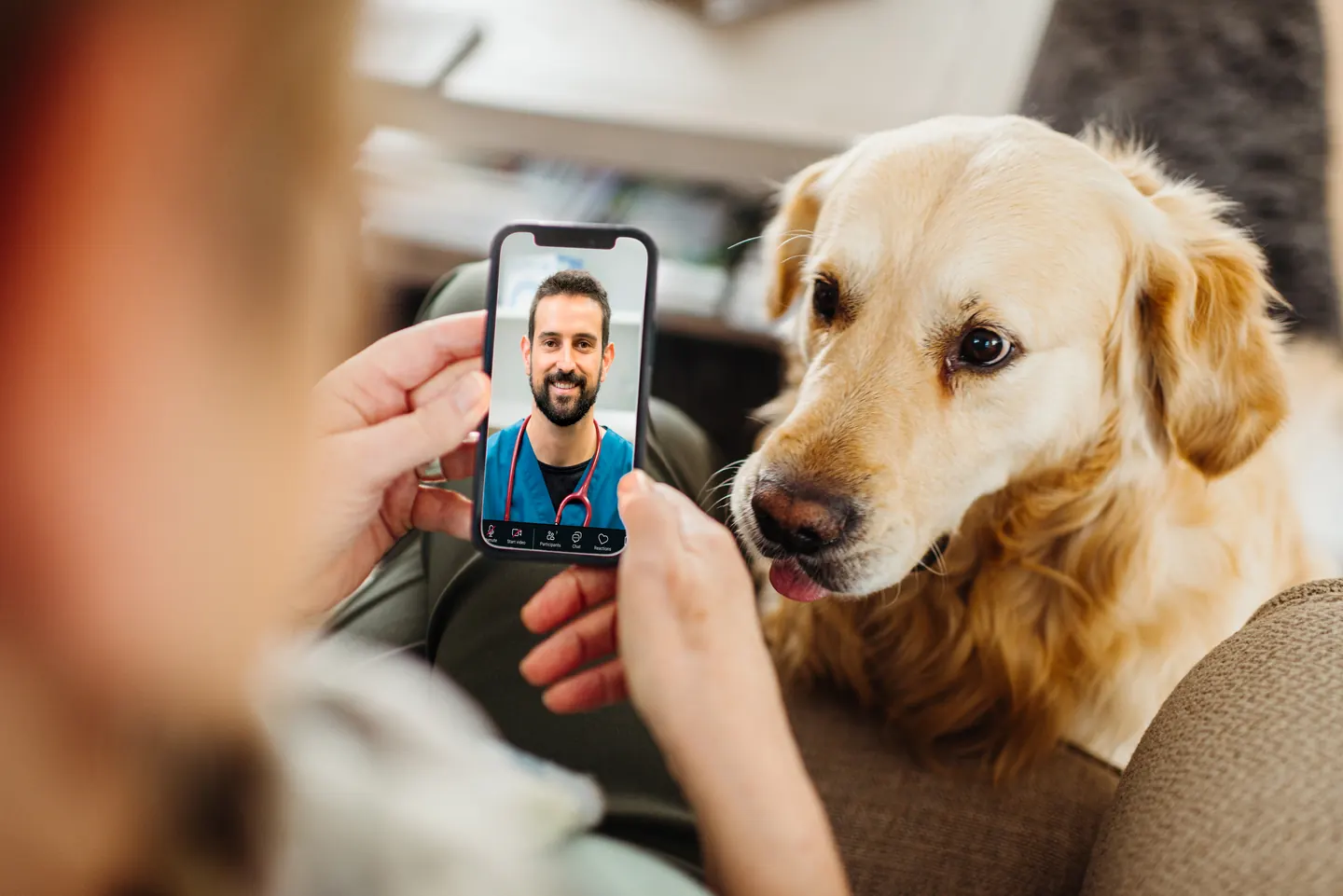
Ask a licensed vet at Dutch over video before you start Melatonin. Unlimited calls and messaging are included.
Use code Pets30
Plans start at $11/month · covers up to 5 pets
- Licensed vets in most states
- Rx for 150+ conditions
- 4.7 on Trustpilot
Melatonin for dogs is a hormone supplement that veterinarians may use for selected sleep, behavior, or hair-cycle problems, but there is no universal weight-row dose. The safe amount depends on the reason, product, age, reproductive status, liver health, other sedatives, and exact ingredient list. Confirm the product and amount with your veterinarian before giving it.
Melatonin Dosage for Dogs by Weight
| Dog's weight and situation | Dose decision | Product formulation check | Safe owner action |
|---|---|---|---|
| Any dog starting melatonin | Weight helps the veterinarian select an amount, but no public row establishes a universal dose | Confirm melatonin is the only intended active ingredient and the product contains no xylitol | Use only the veterinarian-approved product and amount |
| Small dog or dog needing a fraction of a human unit | Measuring error can create a large change in exposure | Gummies, liquids, fast-dissolve products, and tablets may have different strengths and additives | Ask for a product that can be measured accurately |
| Dog using melatonin for a predictable event or sleep concern | Timing depends on the target and individual response | Do not add another dose because the dog remains awake | Follow the written timing and monitor alertness and coordination |
| Dog taking sedatives or behavior medicines | Combined drowsiness can be stronger than either product alone | Supplements can include added calming botanicals | Give the veterinarian the complete label and medicine list |
| Dog that ate a 10 mg product, multiple units, or an unknown gummy | Treat the amount as an exposure to triage, not a dose recommendation | Xylitol and added ingredients can be more urgent than melatonin itself | Call the veterinarian or animal poison control service with the package |
When considering melatonin for dogs, use the veterinarian-confirmed product and plan for that animal. How much melatonin can my dog take? Only the veterinarian-approved amount of a verified dog-safe product. The available primary veterinary evidence contains no universal pounds-to-milligrams rule, so this chart keeps the prescription decision honest instead of implying one amount fits every dog.
What will 10 mg of melatonin do to a dog? The answer depends on weight, product, health, and co-ingredients. A 10 mg label does not prove toxicity or safety. If 10 mg was already given or eaten, call with the exact package so xylitol, other active ingredients, and the dog's individual risk can be assessed.

Product identity comes before dose
Human sleep products may combine melatonin with xylitol, herbs, vitamins, cannabinoids, antihistamines, or other sedating ingredients. The front label may highlight melatonin while the ingredient panel reveals the more important risk. Do not give a gummy, liquid, or chew until every ingredient and strength is reviewed.
Before use, confirm:
- current dog weight
- veterinary reason for melatonin
- milligrams per tablet, chew, gummy, or mL
- all active and inactive ingredients
- xylitol-free status
- timing, frequency, and stop or reassessment date
- other calming, pain, seizure, or sleep-inducing medicines
Use the supplied measuring device for an approved liquid. Do not estimate part of a gummy or transfer supplements to an unlabeled container.
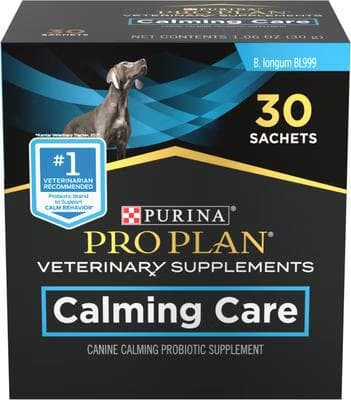
Probiotic supplement formulated to help dogs maintain calm behavior, with the BL999 strain. Liver-flavored powder in 30 daily sachets.
Webvet may earn a commission when you click through to Chewy, at no extra cost to you.
What Melatonin May Help With in Dogs
- 1Melatonin should be veterinarian approved and is not a substitute for diagnosing pain, fear, insomnia, or endocrine disease.
- 2VCA states oral melatonin generally takes effect in 1 to 2 hours and should usually stop working within 24 hours.
- 3A dog can be sleepy without being less afraid, so behavior and welfare still need monitoring.
- 4Collapse, seizures, profound weakness, breathing difficulty, or exposure to xylitol is an emergency warning.
Melatonin is a naturally occurring hormone involved in circadian rhythm. Veterinarians may consider a supplement for selected sleep-wake disturbance, situational anxiety support, noise sensitivity, or certain hair-cycle disorders. The evidence and expected benefit differ by condition, so it should not be marketed as a cure-all calming aid.
Does human melatonin work on dogs? The melatonin molecule can affect dogs, but a human product may have an unsuitable strength or toxic additive. The answer is not to choose a bottle labeled for adults and calculate by eye. The veterinarian should approve the reason, product, amount, and timing.
How quickly does melatonin make dogs sleepy? VCA states that oral melatonin generally takes effect in 1 to 2 hours. That is an expectation, not a redosing timer. Effects should usually stop within 24 hours, although liver or kidney disease can make them last longer.

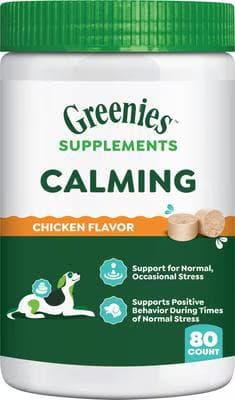
Chicken-flavored soft chew that supports normal, occasional stress and positive behavior during times of normal stress.
Webvet may earn a commission when you click through to Chewy, at no extra cost to you.
Sleep and nighttime restlessness
A dog awake at night may have pain, urinary urgency, cognitive change, itching, gastrointestinal discomfort, breathing disease, or an altered household routine. Melatonin may be reasonable only after those causes are considered. A sedated dog that still needs to urinate or is painful has not had the problem solved.
Track bedtime, waking, pacing, panting, vocalizing, accidents, appetite, mobility, and daytime sleep. Video can help a veterinarian distinguish restless behavior from seizure activity, pain, or breathing difficulty.
Senior dogs and nighttime change
A senior dog who suddenly paces, vocalizes, stares, becomes lost, or reverses the sleep-wake cycle deserves an examination. Cognitive dysfunction may be part of the picture, but arthritis, vision loss, urinary disease, endocrine disease, medication effects, and heart or lung problems can produce similar behavior.
Make the home safer while the cause is assessed:
- add non-slip paths and block stairs
- provide easy nighttime toilet access
- use predictable feeding, activity, and bedtime routines
- keep water and a familiar bed accessible
- note panting, coughing, accidents, pain, and confusion
Melatonin may support a circadian plan for a selected dog, but it should not become the only response to progressive behavior change. The veterinarian may recommend medical testing, pain treatment, environmental adjustments, or another medicine.
Situational anxiety
Can dogs take melatonin for anxiety? A veterinarian may include it in a plan for selected mild or predictable stress, but response is variable. Severe separation distress, panic, aggression, and self-injury require diagnosis, management, and behavior work, often with prescription support.
Helpful non-drug elements include:
- reducing exposure to the trigger when possible
- providing a secure resting space and non-slip footing
- gradual training below the dog's panic threshold
- addressing pain and medical contributors
- planning before fireworks, travel, or veterinary visits
Do not use melatonin to force a fearful dog through an overwhelming event. Sleepiness does not prove the dog feels safe.
How to evaluate a veterinary melatonin trial
Define one or two observable goals before the first dose. For nighttime rest, track time to settle, number of awakenings, pacing, and morning alertness. For a predictable noise event, track panting, hiding, trembling, food acceptance, recovery time, and ability to respond.
Keep the product and timing consistent during the planned trial. Changing brand, strength, food, and several calming supplements at once makes the result difficult to interpret. Record adverse effects as carefully as benefit.
A useful trial answers:
- did the target behavior improve?
- did the dog remain able to wake and walk safely?
- did the effect begin and end on the expected timeline?
- did gastrointestinal or behavior changes appear?
- did another medical sign become more obvious?
Share the log before adjusting the amount. A failed trial can mean the diagnosis, product, timing, or treatment class needs reconsideration.
Hair-cycle and endocrine questions
Veterinarians may use melatonin for selected alopecia or hair-cycle conditions after excluding infection, parasites, allergy, and endocrine disease. Hair regrowth is not an immediate response, and a supplement should not replace diagnostic testing.
Report increased thirst, urination, weight change, skin darkening, recurrent infection, or systemic illness. Those signs can point beyond a simple hair-cycle problem.
 Sponsored
Vet care that's always there
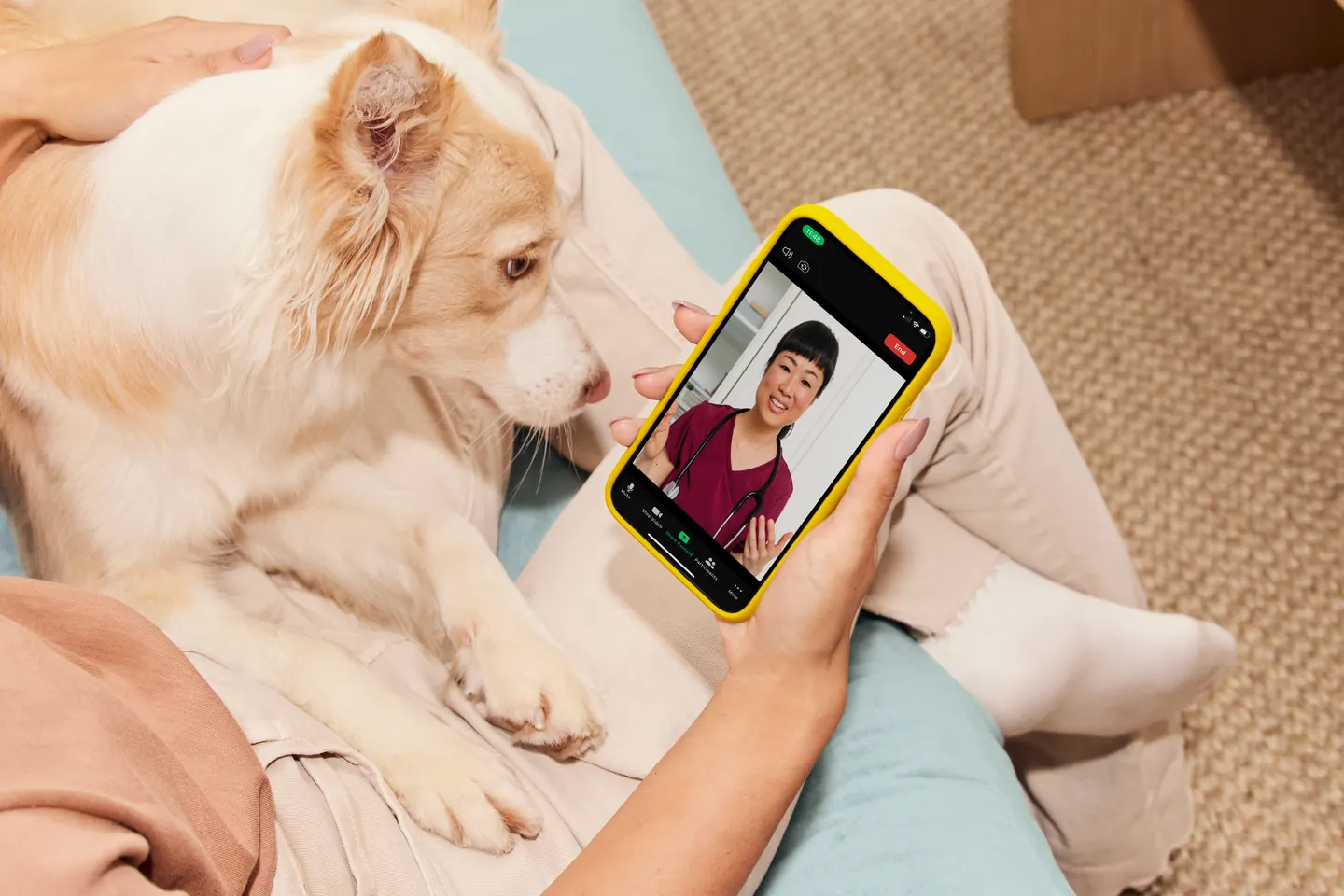
Unlimited video calls and messaging with licensed vets for less than a typical vet visit. One membership covers up to five pets.
Use code Pets30
Plans start at $11/month · covers up to 5 pets
- Licensed vets in most states
- Rx for 150+ conditions
- 4.7 on Trustpilot
Melatonin Side Effects, Xylitol Risk, and Interactions
Melatonin side effects in dogs can include sleepiness, reduced alertness, gastrointestinal upset, or changes in behavior. The supplement can interact with sedatives and may be inappropriate in some reproductive, liver, or endocrine situations. Product additives create a separate safety layer.

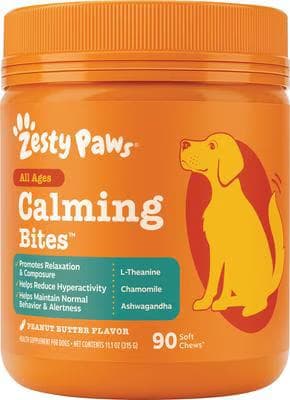
Peanut-butter-flavored soft chew that supports relaxation and helps reduce hyperactivity, with L-theanine, chamomile, and ashwagandha.
Webvet may earn a commission when you click through to Chewy, at no extra cost to you.
Xylitol is a product emergency
Some sugar-free human products contain xylitol, which is dangerous to dogs. A melatonin gummy with xylitol should not be treated as a routine sleep-supplement exposure. Call immediately even when the dog looks normal.
Check the package for:
- xylitol or sugar alcohol language
- added antihistamines or sleep medicines
- cannabinoids or proprietary calming blends
- vitamins or minerals at concentrated amounts
- multiple active ingredients in a nighttime formula
Keep the bottle because poison triage needs the exact ingredient list and estimated amount. Do not rely on a website image if the physical package differs.
Can I use melatonin to sedate my dog?
Do not use it simply to make a dog unconscious or easier to restrain. Melatonin may cause drowsiness, but sedation can hide pain, fear, weakness, or neurologic change. A dog needing sedation for grooming, travel, veterinary care, or strict recovery should have a veterinarian-designed plan.
The intended response should leave the dog able to wake, walk safely, breathe normally, and respond. Call for profound sedation, severe wobbliness, agitation, or a response that lasts longer than expected.
Medicine and health interactions
Tell the veterinarian about trazodone, gabapentin, antihistamines, opioids, seizure medicines, behavior drugs, and every supplement. Additive drowsiness can increase fall risk, especially in seniors or dogs with orthopedic or neurologic disease.
The available primary veterinary evidence also flags reproductive status and liver health. VCA notes that short-acting effects may last longer with liver or kidney disease. Pregnancy, nursing, planned breeding, diabetes, endocrine disease, and serious chronic illness deserve specific review.
Missed doses and accidental ingestion
Follow the veterinary plan for a missed dose and do not double the next amount. For accidental ingestion, report dog weight, product strength, all ingredients, maximum number missing, time, symptoms, and other medicines.
A dog eating a bottle can ingest packaging as well as supplement. Tell the clinic about chewed plastic, desiccant packets, and bottle fragments.
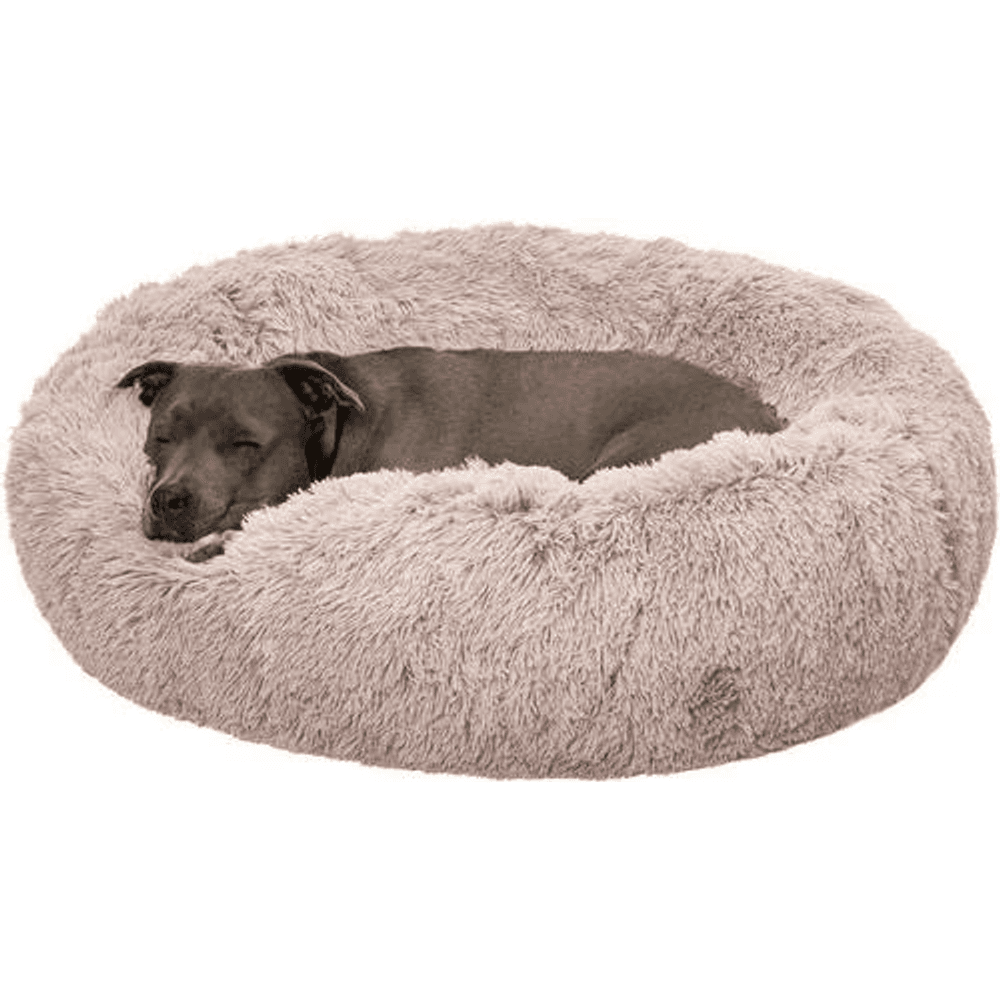
A plush, long-fur donut bolster bed with a raised rim that gives a recovering pet a secure, cushioned place to curl up during the crucial 10 to 14 days after surgery.
Webvet may earn a commission when you click through to Chewy, at no extra cost to you.
Melatonin vs. Prescription Calming Medicine
Is Benadryl or melatonin better for dogs? Neither is a universal anxiety treatment. Benadryl is an antihistamine whose sleepiness is a side effect, while melatonin is a hormone supplement with variable calming evidence. The best choice depends on the diagnosis, trigger, health, and whether prescription treatment is needed.
| Option | Possible role | Main limitation | Decision question |
|---|---|---|---|
| Melatonin | Selected sleep or mild situational support | Product additives and inconsistent response | Has the veterinarian approved the reason, product, and amount? |
| Diphenhydramine | Selected allergic conditions; drowsiness may occur | Sedation is unreliable for anxiety | Is histamine the treatment target, or is sleepiness being misused? |
| Trazodone | Prescription event, recovery, or behavior support | Serotonin interactions and sedation require review | Does the dog need a diagnosis-specific prescription plan? |
| Behavior and environmental treatment | Addresses triggers and teaches coping | Requires consistency and may need medical support | What pain, fear, learning, or environmental factor maintains the problem? |
WebVet's trazodone for dogs guide explains the prescription option, including onset, side effects, and interaction boundaries. Do not combine trazodone and melatonin unless the veterinarian approves the exact plan.
CBD vs melatonin for dogs is not a simple retail comparison. Product quality, evidence, interactions, and the dog's diagnosis matter, and neither should delay treatment for severe anxiety, pain, cognitive change, or another medical cause.
Why drowsiness is the wrong comparison
Diphenhydramine should not be escalated to induce sleep. Safe antihistamine use depends on weight, indication, formulation, health, and other medicines, and some dogs become excited instead of sleepy. When sleep or anxiety is the target, ask the veterinarian for a purpose-built plan rather than turning an allergy drug's side effect into the goal.
Melatonin Cost and How to Choose a Dog-Safe Product
Melatonin supplements can be inexpensive, but price does not verify ingredient quality, concentration, or canine safety. A low-cost gummy containing xylitol is not a bargain, and a multi-ingredient calming chew makes it harder to know which ingredient caused an effect.
Choose only after checking:
- exact melatonin amount per unit
- xylitol-free ingredient list
- no unnecessary sleep drug or decongestant combination
- lot, expiration, storage, and manufacturer information
- a form that can be measured for the veterinarian-approved amount
Where to buy melatonin for dogs is secondary to product verification. A veterinarian may recommend a veterinary-labeled or specific human product after reviewing the label. Avoid importing, repackaged, or unlabeled supplements.
A universal current price range would be misleading. Compare the same ingredient, strength, count, and quality information, and include veterinary examination when insomnia or anxiety may have a medical cause.
Supplement quality and label changes
Supplements can change formulation, flavor, sweetener, or serving size while keeping familiar branding. Recheck the ingredient and amount panel on every new bottle. Do not rely on an old photograph or prior purchase.
Look for clear lot and expiration information, intact seals, storage directions, and a manufacturer that provides usable contact information. Discard a product that is damaged, unlabeled, expired, or has changed appearance unexpectedly.
Keep human and pet supplements in separate storage. A person in the household may buy a sugar-free gummy with xylitol while the dog uses a different product, and a bottle mix-up can create an emergency. Retain the original package so veterinary or poison professionals can identify the exposure.
Monitoring Response
Record dose time, product, amount, trigger, sleep, anxiety body language, appetite, stool, coordination, and duration of effect. The goal should be defined before treatment: easier settling, fewer panic behaviors, improved sleep, or a veterinarian-monitored hair-cycle response.
If there is no improvement after the veterinary trial, do not increase the amount or add another calming product. Reassess the diagnosis, product, adherence, environment, pain, and medication plan.
When Melatonin Is Not Working as Expected
A dog who remains awake or anxious may have received an unsuitable product, but the more important possibilities are an incorrect treatment target, pain, medical disease, severe fear, or an environment that continues to overwhelm the dog. Do not respond by doubling the amount or adding Benadryl, CBD, trazodone, or another sedative without approval.
Call the veterinarian with:
- exact product, ingredients, strength, amount, and time
- target behavior or medical condition
- time any effect began and ended
- sleep, anxiety, appetite, stool, and coordination changes
- every other medicine and supplement
- new pain, urinary, breathing, or cognitive signs
The next step may be a product change, medical workup, behavior plan, prescription medicine, or discontinuation. A failed trial is information, not permission to keep escalating a supplement.
When sleepiness lasts too long
VCA describes melatonin as short acting and generally resolved within 24 hours, with potentially longer effects in liver or kidney disease. Move the dog to a quiet area with non-slip footing, block stairs, and check breathing and responsiveness. Do not force food or another oral dose when swallowing is not normal.
Call when the dog is difficult to wake, cannot stand safely, or remains unusually sedated beyond the expected timeline. Another ingredient or medicine may be contributing.
When the dog becomes agitated
Stop the planned activity, reduce stimulation, and prevent escape or falls. Agitation can reflect an individual reaction, fear, another active ingredient, or a medical problem. Do not restrain a frightened dog aggressively or assume more melatonin will reverse the response.
Caregiver Handoff and Secure Storage
Keep the supplement in its original package and store it separately from human gummies and combination sleep products. Mark every dose immediately when multiple caregivers are involved. Written instructions should identify the approved bottle, amount, purpose, and earliest next time.
Bring the package to boarding, travel, grooming, or emergency care. Professionals need the complete ingredient panel to assess sedation and interactions, especially if another calming medicine may be used.
If a veterinarian-approved product is discontinued, remove it from the active medication area so it is not given automatically. Keep the response log in the medical record. A future sleep or anxiety problem may have a different cause and should not trigger an unsupervised restart.
Melatonin For Dogs FAQs
Frequently Asked Questions
What is the most effective calming aid for dogs?
The most effective calming aid for dogs is the plan that matches the cause. Mild predictable stress may improve with environmental management and a veterinarian-approved aid, while panic, separation distress, aggression, or chronic anxiety may need prescription medicine and behavior modification. Pain and medical disease should be ruled out. Effectiveness means better welfare and function, not simply deeper sleep.
What are the pros and cons of melatonin for dogs?
The pros and cons of melatonin for dogs depend on the reason for use, the product, and the individual response. Potential advantages are a relatively short-acting option and possible support for selected sleep, anxiety, or hair-cycle problems. Limitations include variable evidence and response, sleepiness, interactions, and dangerous additives such as xylitol. It does not diagnose the underlying problem, and the product and amount still need veterinary approval.
How much Benadryl will make a dog sleep?
No amount of Benadryl should be chosen around how much will make a dog sleep because sedation is unpredictable. Diphenhydramine is an antihistamine, and excessive exposure or combination products can be dangerous. Ask the veterinarian why the dog cannot settle and whether behavior work, pain treatment, melatonin, trazodone, or another approach is appropriate.

Editor
The Webvet Editorial Team is the in-house group of pet-care editors and writers behind Webvet, operated by Smart Pet Collective. The team researches, writes, and maintains Webvet's pet health, behavior, and medication content. Every article follows a defined editorial process: research from reputable veterinary and scientific sources, careful drafting, mandatory review of medical content by a credentialed veterinarian, and dated publication. Health and medication articles are medically reviewed by a licensed veterinary professional before they go live and are kept current over time.
Veterinarian · BVMS MRCVS
Dr. Pippa Elliott, BVMS, MRCVS, is a veterinarian with nearly 30 years of experience in companion animal practice. Dr. Elliott earned her Bachelor of Veterinary Medicine and Surgery from the University of Glasgow. She was also designated a Member of the Royal College of Veterinary Surgeons. Married with 2 grown-up kids, Dr. Elliott has a naughty Puggle named Poggle, 3 cats and a bearded dragon.


