Taurine for Cats: How Much They Need, Food Sources, and When to Supplement
Taurine is an amino acid cats must get from food, and complete commercial cat food already supplies it. Where cats get taurine, which diets call for a supplement, how a vet decides the dose, and what to know about safety and kidney disease.

BVMS MRCVS

This article contains affiliate links. Webvet may earn a commission when you buy through them, at no extra cost to you.
Taurine for cats: why cats need it, whether your cat needs a supplement, and when to ask the vet
Taurine for cats is not optional. It is an essential amino acid that cats must get from food, because their bodies cannot make enough of it. A complete and balanced commercial cat food already contains enough, so most healthy cats eating one do not need a supplement.
Taurine for cats becomes a real decision when the diet is homemade, raw, vegan, or built from an unbalanced recipe. Those are the diets where a supplement may be needed, and a veterinarian should set any dose based on what the cat eats and, when needed, bloodwork.
- 1Liver chemistry explains why cats cannot make enough taurine: they convert cystine into it only moderately, so the diet must supply it.
- 2Animal muscle, especially seafood, plus the taurine added to commercial food, is where cats get taurine in food.
- 3Most cats eating a complete and balanced commercial food do not need a taurine supplement.
- 4Homemade, raw, and vegan diets are where a supplement may matter, with the dose set by a vet.
So, is taurine for cats good? Yes, in the sense that every cat needs it. The Merck Veterinary Manual states that taurine deficiency can cause dilated cardiomyopathy and central retinal degeneration in cats. What a healthy cat does not need is extra taurine on top of a complete diet.
When a vet does advise extra taurine, chewable tablets are one of the simpler forms to give alongside a complete diet.
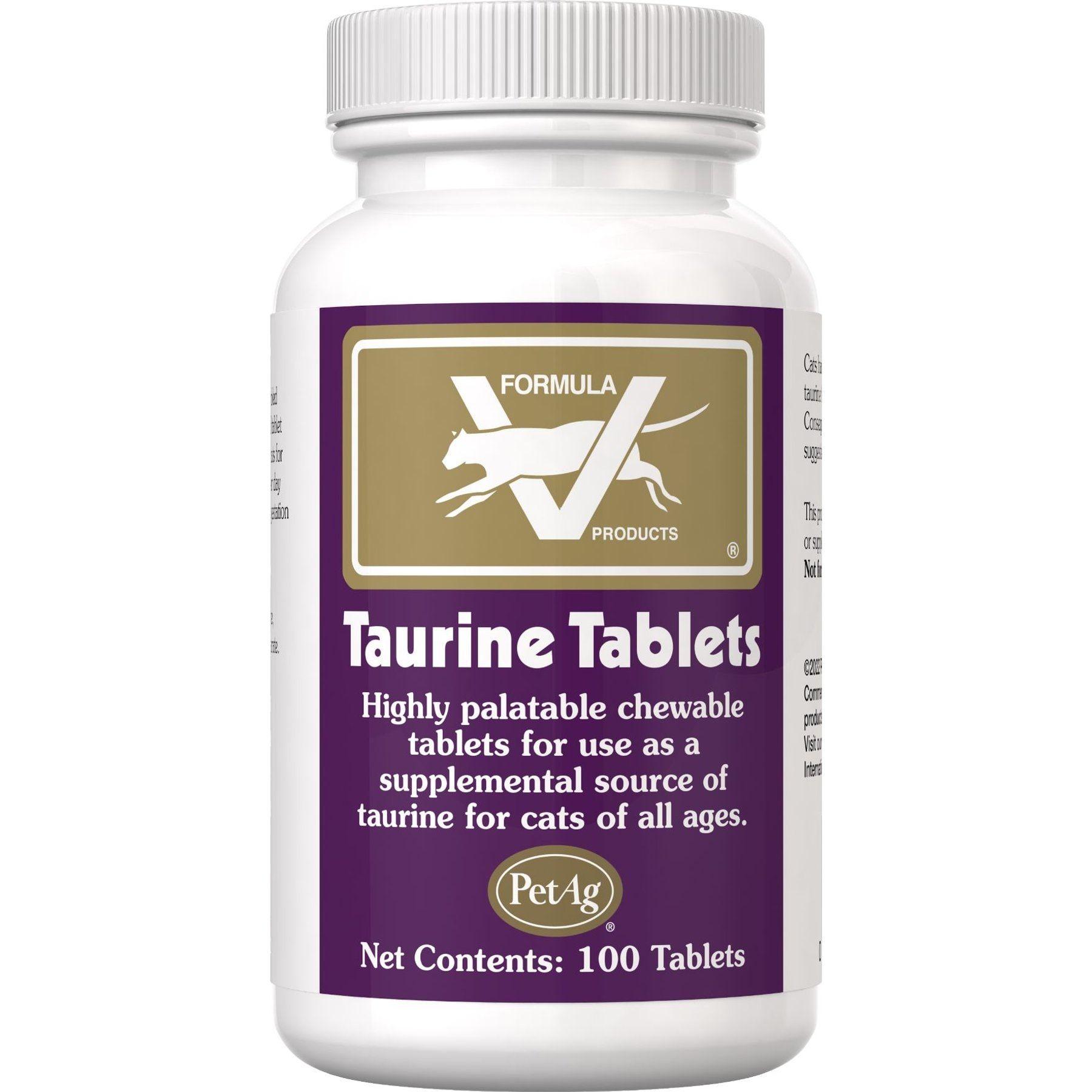
Chewable taurine tablets for cats whose vet has advised a supplement, such as cats eating a homemade diet.
Webvet may earn a commission when you click through to Chewy, at no extra cost to you.
Supplement labels often list taurine beside other nutrients. A few names come up often:
- L-taurine: the form sold in supplements and added to commercial food. Organic or natural wording on a label does not change what the cat receives; the amount in the full diet is what counts.
- Arginine: Merck notes that cats have higher requirements for some amino acids, such as arginine. The two are separate nutrients, and a complete and balanced food covers both.
- Omega 3 fatty acids: Merck lists EPA and DHA among the essential fatty acids required during growth and reproduction, with oily fish, krill oil, and algae oil as the best sources. Omega 3s and taurine do different jobs, so a product pairing them is a convenience rather than a need.
- Arachidonic acid: another nutrient cats need from animal fat, according to Merck.

Ask the vet before starting taurine if your cat eats a homemade, raw, or vegan diet, has heart or kidney disease, or takes other medicines. Signs, testing, and treatment of low taurine are covered in taurine deficiency in cats.
Why taurine is essential for cats: what it does in the heart, eyes, and digestion
Taurine is good for cats for a simple reason: they cannot make enough of it. A 1978 study in the Journal of Nutrition found that cats convert cystine into taurine only moderately, in line with low activity of a key liver enzyme, and concluded that taurine can be considered an essential nutrient for the cat.
The benefits of taurine for cats come from getting enough, not from taking more. When a diet falls short, Merck notes that it can be supplemented with synthetic taurine, which is the same nutrient used in commercial foods and supplements.
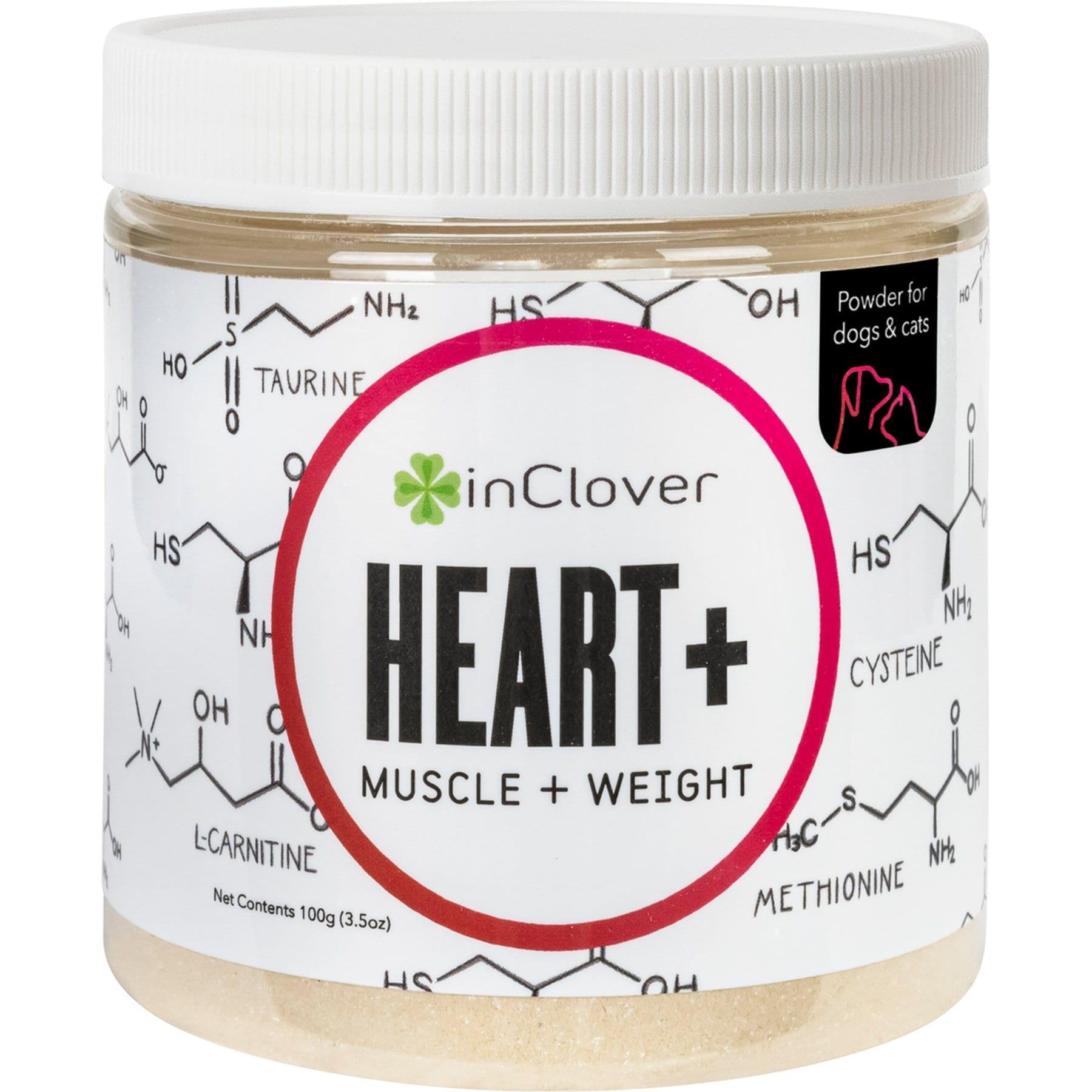
Taurine powder with L-carnitine and L-cysteine that can be mixed into food when a vet recommends extra taurine.
Webvet may earn a commission when you click through to Chewy, at no extra cost to you.
Research points to three main jobs taurine does in a cat's body:
- Heart muscle: A landmark 1987 study in Science by Pion and colleagues found low plasma taurine with heart muscle failure in 21 cats fed commercial cat foods. Oral taurine supplementation raised blood levels and was associated with normal heart function returning. The condition is dilated cardiomyopathy, a weakened, enlarged heart.
- Eyes: Cats fed a purified diet without taurine developed retinal degeneration in the 1978 study. Merck names this feline central retinal degeneration as a result of deficiency.
- Digestion: Cats conjugate their bile acids with taurine, according to a 1994 study in the Journal of Nutrition. This bile acid conjugation is part of how cats handle bile, and a 2020 study in Scientific Reports found that too little dietary taurine impairs bile acid metabolism.
Taurine is not a home treatment for a heart problem; a vet diagnoses heart disease with tests such as an echocardiogram. Knowing your cat's normal cat heart rate helps you notice changes, but cat labored breathing is an emergency that needs a vet right away.
Those 1987 findings changed cat food. The Merck Veterinary Manual says feline dilated cardiomyopathy has decreased dramatically since that discovery and that taurine has since been added to all commercial cat foods. The disease still occurs occasionally in cats fed noncommercial diets.
Food sources of taurine for cats: commercial food, meat, and fish
Where do cats get taurine in nature? From prey. A UC Davis analysis of feed ingredients in the Journal of Animal Physiology and Animal Nutrition found that animal muscle tissue, particularly marine, contained high taurine concentrations, while plant products had low or undetectable amounts.

For a pet cat, the most reliable source of taurine is a complete and balanced commercial food. Merck states that taurine has been added to all commercial cat foods. That includes specialty formulas such as the best cat food for hairballs and growth diets among the best kitten food options.
Comparing taurine levels between foods matters less than it sounds. AAFCO sets a higher taurine minimum for canned food than for dry food, and the 1994 study confirmed that canned foods must contain more taurine to keep the same blood level. A higher number on a can is not a sign of a better food for a healthy cat.
Natural sources of taurine for cats, based on the research, include:
- Fish and shellfish: marine muscle is among the richest natural taurine sources. Tuna has taurine, but tuna alone does not make a balanced meal.
- Poultry and red meat muscle: these contain useful amounts, and cooking method changes how much remains.
- Grains, legumes, and vegetables: little or no taurine, which is why Merck says plant-based protein sources are devoid of it.
- Processed seafood: a study in the International Journal of Food Sciences and Nutrition found taurine losses of up to 100% compared with freshly caught fish, with brining, mincing, and washing causing the biggest losses.
Cooking also matters for anyone making cat food at home. The UC Davis study found that boiling or basting, where food sits in water, lost more taurine, while baking or frying kept more. Raw or cooked, a meat-rich recipe still needs proper balancing.
Taurine treats for cats can add a little on top of a complete diet but do not replace one. Just Try Taurine Lickable Cat Treats, 8.47-oz, listed at $9.99 on Chewy when checked in November 2026, is a lickable treat made with taurine and goat milk, best treated as a snack rather than a meal.
What is the best source of taurine for a cat?
For most cats, the best source of taurine is a complete and balanced commercial food made to AAFCO cat profiles, because AAFCO sets a taurine minimum for both dry and canned food. Fresh meat and fish are rich natural sources, but on their own they leave out other nutrients a cat needs.
How much taurine a cat needs and how a vet decides on a supplement dose
Most cats get their daily taurine from food, not from a scoop of powder. The AAFCO nutrient profile for cat food, published in a table by the FDA Center for Veterinary Medicine, sets taurine requirements at a minimum of 0.10% of dry matter for dry (extruded) food and 0.20% for canned food, for both growth and adult maintenance.
The canned figure is higher for a reason. A 1996 study in the Journal of Nutrition found that the dietary taurine requirement of cats is largely set by how much taurine gut bacteria break down, and the 1994 study suggested that canned diets change gut bacteria in a way that may increase that breakdown.
If a vet decides your cat needs extra taurine, powders and toppers can be mixed into food. A flavored topper such as Under the Weather Taurine Topper Digestive-Health Chicken Flavored Powder Immune Supplement for Cats, 5.29-oz jar is a powder made to sprinkle on a meal.
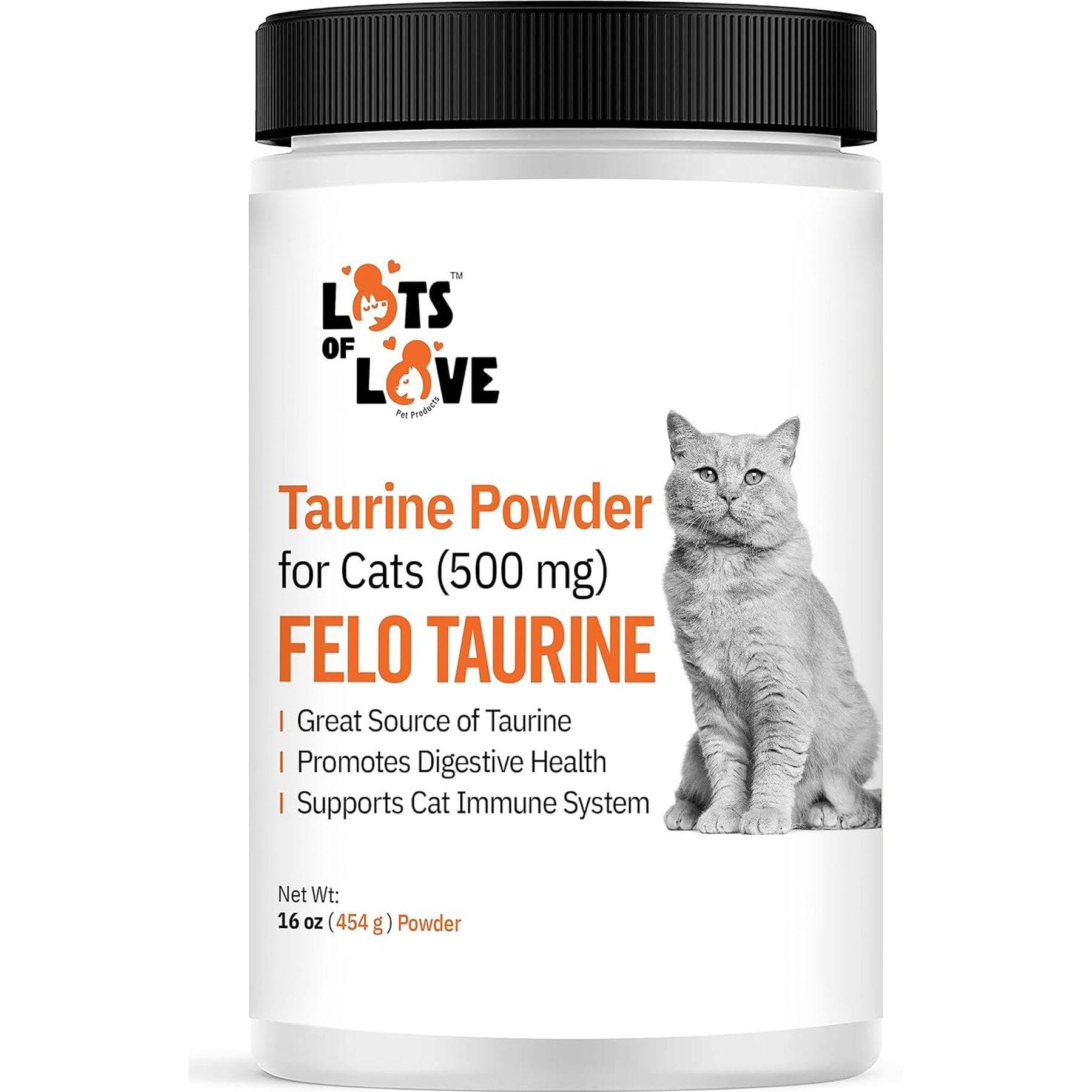
Water-soluble taurine powder for cats on a vet-advised supplement plan or a homemade recipe that needs added taurine.
Webvet may earn a commission when you click through to Chewy, at no extra cost to you.
There is no single taurine dose that fits every cat. How much a cat should get from a supplement depends on why it is being given. When deciding on a supplement dose, a vet usually looks at:
- The diet: commercial, homemade, raw, or vegan, and whether a recipe was formulated by a veterinary nutritionist.
- Bloodwork: VCA Animal Hospitals notes a vet may monitor whole blood levels of taurine.
- Body weight and condition: checked on the exam and against a cat weight chart.
- Heart or other disease: in a 1992 study in the Journal of the American Veterinary Medical Association, cats with dilated cardiomyopathy were given 500 or 1,000 mg of taurine per day as part of veterinary treatment.
- Other medicines and supplements: VCA advises telling the vet about everything the cat takes.
That 500 to 1,000 mg figure is a treatment amount used under veterinary care for cats with heart failure, not a daily dose of taurine for a healthy cat. Product labels list their own directions for how much taurine powder or how many tablets to give, and a vet can say whether that amount suits your cat's diet.

Can you give too much taurine to a cat?
Research has found no harm from high taurine diets in cats. A 1992 study in the Journal of Nutrition fed female cats diets with 0.05%, 0.2%, or 1% taurine and found no adverse effects in the adults or their kittens. Mild vomiting is the side effect VCA lists, so stick to the amount your vet sets.
When cats need a taurine supplement: homemade, raw, vegan, and other diets
Do cats need taurine supplements? Most do not. Whether a particular cat needs one depends on what it eats, how strong the evidence level is for that kind of diet, and how much harm a wrong guess could do.
| Diet | Supplement needed? | Evidence level | Risk if wrong | Who sets the dose |
|---|---|---|---|---|
| Complete and balanced commercial food, dry or canned | No | Strong: AAFCO minimums and the drop in taurine-related heart disease since 1987 | Low: extra taurine adds cost without a shown benefit | No dose needed |
| Commercial raw food labeled complete and balanced | Usually no | Moderate: formulated to AAFCO minimums | Low to moderate | Vet, if bloodwork is low |
| Homemade cooked recipe | Often yes, as part of a full supplement plan | Strong: a 2019 study found no home recipe met every nutrient target | High: heart and eye damage can develop | Veterinary nutritionist or vet |
| Homemade raw recipe | Often yes | Moderate: same recipe problems as cooked home diets | High | Veterinary nutritionist or vet |
| Vegan or vegetarian diet | Yes, and the whole diet needs review | Strong: plant proteins contain no taurine | High | Vet or veterinary nutritionist |
| Mostly tuna or other fish fed alone | Yes, because the diet is incomplete | Moderate | High: fish alone is not balanced | Vet |
| Commercial dry food high in legumes | Not routinely | Limited: a 2023 cat study found no taurine difference | Low, still being studied | Vet, if heart changes appear |
| Diagnosed heart disease or low blood taurine | Yes, as treatment | Strong for taurine-responsive cats | High | Vet |
| Senior cat on complete and balanced food | No, unless bloodwork shows a need | Limited | Low | Vet |
The pattern is consistent: complete and balanced food covers the need, and the further a diet moves from that standard, the more a supplement matters and the more a professional should be involved.
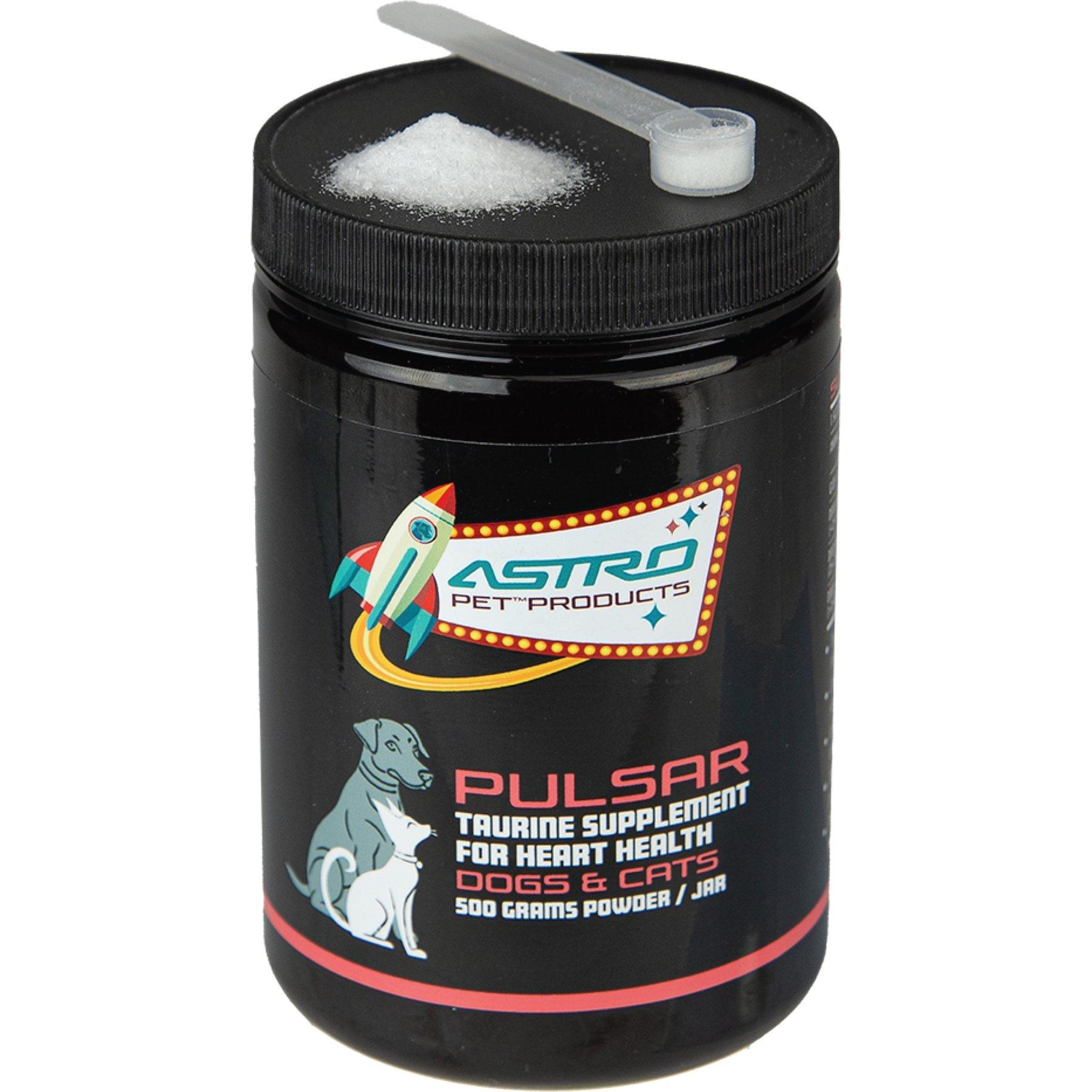
Flavored taurine supplement for cats when a vet has recommended extra taurine and an easier-to-accept form helps.
Webvet may earn a commission when you click through to Chewy, at no extra cost to you.
Taurine for homemade cat food is where the evidence is clearest. A 2019 study in the Journal of the American Veterinary Medical Association evaluated 114 home-prepared cat diet recipes and found problems with nutritional adequacy in every one, and taurine adequacy could not be confirmed even in some of the best veterinarian-written recipes.

The same study concluded that formulating home diets takes specialized nutrition knowledge and software. The safe way to add taurine to a home diet is as one part of a recipe balanced by a veterinary nutritionist, not as a single powder added to an otherwise unbalanced meal.
Vegan and vegetarian diets are another clear case, because Merck states that plant-based protein sources are devoid of taurine. Merck also notes that taurine-related heart disease still occurs occasionally in cats fed noncommercial diets.
Supplements come in several forms, and VCA notes that all of them are given by mouth:
- Powders mixed into food
- Liquid drops
- Tablets, capsules, and chews
- Pastes, plus blends that pair taurine with other ingredients
Is pure taurine good for cats? It is the same nutrient added to commercial food; what matters is that the amount fits the whole diet.
For cats on a vet-advised plan, PetAg Taurine Daily Chewable Tablet Supplement for Cats, 100 count is a chewable tablet, and InClover Heart+ Taurine Powder Supplement for Dogs & Cats, 100-gm jar is a powder that also contains L-carnitine and L-cysteine. Brand comparisons are in best taurine supplement for cats.
No single plan fits every diet. A supplement helps when the diet was short, as in the 1987 heart study. For older cats on a complete and balanced food, no source supports routine extra taurine without bloodwork showing a need.
Should my cat take taurine?
Your cat should take a taurine supplement only if its diet is homemade, raw, vegan, or otherwise incomplete, or if a vet has found low taurine or heart disease. A healthy cat eating a complete and balanced commercial food already gets enough. When in doubt, ask your vet to review the diet first.
What blocks taurine absorption in cats?
The biggest factor is gut bacteria breaking taurine down, which the 1996 study found largely sets a cat's requirement and which the 1994 study suggested may increase when canned food is fed. Cooking meat in water also removes taurine. Do legumes block taurine absorption in cats? A 2023 study in the Journal of Feline Medicine and Surgery found no taurine difference between cats on high-pulse and low-pulse dry diets.
Taurine safety: side effects, too much taurine, and cats with kidney disease
Is taurine safe for cats? At the amounts found in complete diets and typical supplements, the sources are reassuring. VCA Animal Hospitals states that taurine is considered safe with no known risk factors, and that there are no documented drug interactions for this supplement.

Can cats overdose on taurine? No source reports a taurine overdose in cats at supplement amounts, and the 1992 study found no harm from diets containing 1% taurine. An upper safe limit has not been pinned down, which is one more reason to let a vet set the amount rather than adding extra.
Supplements are also not checked by the FDA before sale. VCA notes that manufacturers of non-drug health products must ensure their products are safe and labeled accurately, so product quality varies by brand.
What are the potential side effects of taking taurine?
The side effect VCA lists for taurine in pets is mild vomiting, and serious reactions are rare. If vomiting happens when a dose is given on an empty stomach, VCA advises giving future doses with food. Stop the supplement and call your vet if you see signs of an allergic reaction such as rash or facial swelling.
Is taurine hard on cats' kidneys?
No source shows that taurine damages cats' kidneys, and VCA considers it safe. VCA does note that its effects may last longer in pets with liver or kidney disease, so a cat diagnosed with kidney disease should only get taurine on a vet's advice, alongside its kidney diet.
Is taurine good for cats with kidney disease? There is little research on taurine supplements in cats with kidney disease, so the evidence is thin. Diet matters more, and a 2012 study in the Journal of the American Veterinary Medical Association found that no home-prepared recipe promoted for dogs and cats with kidney disease met all nutrient recommendations.
Does taurine help cats with vomiting or diarrhea? No source supports taurine as a treatment for either, and mild vomiting is itself the listed side effect. Taurine is not usually a problem for a cat with a mild upset stomach, but vomiting or diarrhea that lasts more than a day or keeps coming back needs a vet visit rather than a supplement.
What the evidence shows about taurine supplements for healthy cats
Are taurine supplements good for cats that are already healthy? The strong evidence comes from cats that were short on taurine:
- The 1987 Science study linked low plasma taurine to heart failure in cats and found that supplementation was associated with normal heart function returning.
- The 1992 JAVMA study reported one-year survival of 58% in taurine-treated cats with dilated cardiomyopathy, compared with 13% in a retrospectively evaluated group.
- In that same study, taurine supplements were later stopped in 20 of the 22 surviving cats once their food provided adequate taurine.
That benefit came from correcting a shortfall, and the last finding shows that food is meant to carry the long-term load.
The history points the same way. A 1989 review in Veterinary Clinics of North America described taurine deficiency in a large number of cats fed unfortified commercial diets, and Merck reports that the problem dropped dramatically once taurine was added to all commercial cat foods.
Does taurine help cats live longer? No study shows that extra taurine lengthens life in healthy cats eating a complete and balanced diet. The safety studies are reassuring, but reassuring safety is not the same as a proven benefit, so a supplement for a healthy cat is a choice to discuss with a vet, not a necessity.
Taurine for cats questions
Frequently Asked Questions
Does tuna have taurine for cats?
Yes. Fish muscle is one of the richest natural sources of taurine. Tuna fed on its own is not a complete diet, though, and processed fish products can lose much of its taurine. Offer tuna as an occasional extra next to a complete and balanced cat food.
Does homemade cat food need added taurine?
Usually, yes. Homemade recipes often fall short on several nutrients, and taurine levels depend on the meat used and how it is cooked. A veterinary nutritionist can build a homemade recipe with the right supplement mix, including taurine, for your cat's age and health.
Do cats on a raw diet need taurine?
It depends on the recipe. A commercial raw diet labeled complete and balanced is formulated to meet the AAFCO minimum. A home-mixed raw diet recipe may not meet it, so a vet or veterinary nutritionist should review the recipe before it becomes your cat's main food.
Does chicken have taurine for cats?
Yes, chicken muscle contains taurine, like other animal muscle. Cooking changes how much remains: boiling chicken in water loses more taurine than baking. Plain chicken is a fine treat, but it does not supply everything a cat needs as a whole meal.
Do senior cats need extra taurine?
Not automatically. A senior cat eating a complete and balanced food gets taurine in every meal. If your older cat has heart disease, kidney disease, or a poor appetite, routine bloodwork and a diet review with your vet will show whether a supplement makes sense.
Veterinarian · BVMS MRCVS
Dr. Pippa Elliott, BVMS, MRCVS, is a veterinarian with nearly 30 years of experience in companion animal practice. Dr. Elliott earned her Bachelor of Veterinary Medicine and Surgery from the University of Glasgow. She was also designated a Member of the Royal College of Veterinary Surgeons. Married with 2 grown-up kids, Dr. Elliott has a naughty Puggle named Poggle, 3 cats and a bearded dragon.
Related reading

Dog Food for Weight Gain: How to Choose One and Add Weight Safely

Best Taurine Supplement for Cats: Vet-Reviewed Picks and How to Choose

Best Dog Food for Goldendoodles: Choosing Food by Size and Life Stage
