Dog Food for Weight Gain: How to Choose One and Add Weight Safely
A thin dog needs a vet check before a diet change, because weight loss often has a medical cause. Once that is ruled out, the right food is the most calorie-dense complete diet your dog will eat. Picks, and how to add weight safely.

BVMS MRCVS

This article contains affiliate links. Webvet may earn a commission when you buy through them, at no extra cost to you.
Dog food for weight gain: rule out a medical cause first, then choose calorie density
The best dog food for weight gain is the most calorie-dense complete and balanced diet your dog will reliably eat. Before you change anything, though, a thin dog should see a vet, because weight loss often has a medical cause that no food can fix.
Once your vet clears your dog, choosing dog food for weight gain comes down to calorie density per cup, enough protein and dietary fat to rebuild lean tissue, and a slow, steady pace. Weight should come back gradually over weeks, with regular body condition checks, not all at once.
- 1Start by ruling out a medical cause first: parasites, mouth pain, diabetes, kidney disease, and cancer can all make a dog thin.
- 2Compare foods by calorie density per cup (kilocalories per cup on the label), not by bag claims.
- 3Pick a complete and balanced food with solid protein and fat, and switch to it over at least a week.
- 4Add weight slowly and recheck body condition score with your vet every few weeks.
- 5Recovery diets and high-calorie gels are short-term tools your vet directs, not everyday meals.
| Product | Form | Calories listed | Vet needed |
|---|---|---|---|
| Bully Max Pro 2X High Calorie Chicken Dry Dog Food, 4-lb bag | Dry kibble | 600 kcal per cup | No |
| Purina Pro Plan Sport Development High-Protein 30/20 Chicken & Rice Formula Puppy Food, 4-lb bag | Dry kibble | 472 kcal per cup | No |
| Purina Pro Plan Puppy Chicken & Rice Canned Dog Food, 13-oz, 12 ct | Wet pate | 437 kcal per 13-oz can | No, but ask before using for an adult |
| Vetoquinol Nutri-Cal Gel High Calorie Supplement for Cats & Dogs, 4.25-oz tube | Oral gel supplement | 30 kcal per teaspoon | Ask your vet first |
| Hill's Prescription Diet a/d Dog & Cat Food, 5.5-oz, case of 24 | Wet recovery diet | 196 kcal per 5.5-oz can | Yes, prescription only |

Weight loss tells you calories in are not keeping up with calories used, but not why. According to VCA Animal Hospitals, causes range from intestinal parasites and poor nutrient absorption to diabetes, organ disease, cancer, and trouble chewing or swallowing. A richer food can mask these problems for a while without treating them.
A dog that eats well yet stays skinny deserves extra attention, since poor absorption, parasites, or a high-energy lifestyle can all be at play. That pattern is covered in depth in the guide to dog weight loss or gain, which walks through what your vet will look for.
Our picks: the best dog food for weight gain
These picks cover the main situations owners face: a healthy but thin adult that needs more calories per bite, an active or growing dog, a dog that eats more of a moist food, a short-term calorie boost, and a dog recovering from illness under a vet's care.
Two are Purina Pro Plan formulas, a common starting point when people ask which Purina dog food works for weight gain.
All prices were checked on Chewy in November 2026. The most affordable dog food for weight gain on this list is the Pro Plan 30/20 dry food, and the priciest is the prescription recovery diet, which most dogs only need for a short stretch.
Bully Max Pro 2X High Calorie Chicken Dry Dog Food: best high-calorie dry food
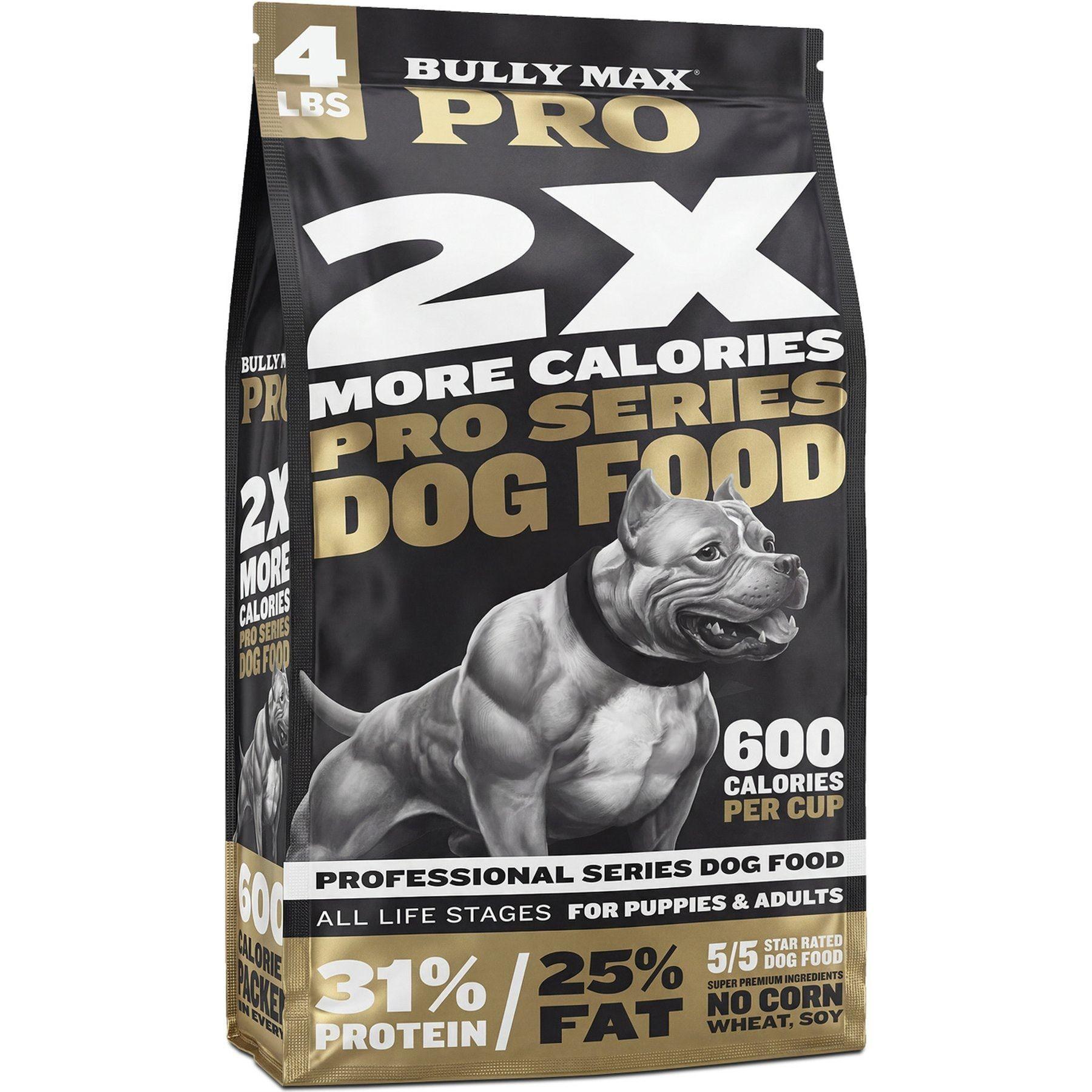
A very calorie-dense dry food for a healthy thin dog that needs more calories in smaller meals.
Webvet may earn a commission when you click through to Chewy, at no extra cost to you.
For a dog your vet has cleared, this is the most calorie-dense dry food here. The Chewy listing puts it at 600 calories per cup, with chicken meal as the first ingredient. Check the guaranteed analysis on the bag for its exact protein and fat levels.
That density lets a dog with a small appetite take in more energy without eating a bigger pile of food.
It is listed at $34.97 for a 4-lb bag on Chewy when checked in November 2026. Because it is so rich, measure portions carefully and switch over slowly, since a sudden jump in fat can upset some stomachs.
- Good fit: healthy, thin adult dogs and hard-working dogs that burn a lot of energy
- Watch for: loose stools during the switch; a dog that gains too fast
Purina Pro Plan Sport Development High-Protein 30/20 Chicken & Rice Formula Puppy Food: best calorie-dense growth formula
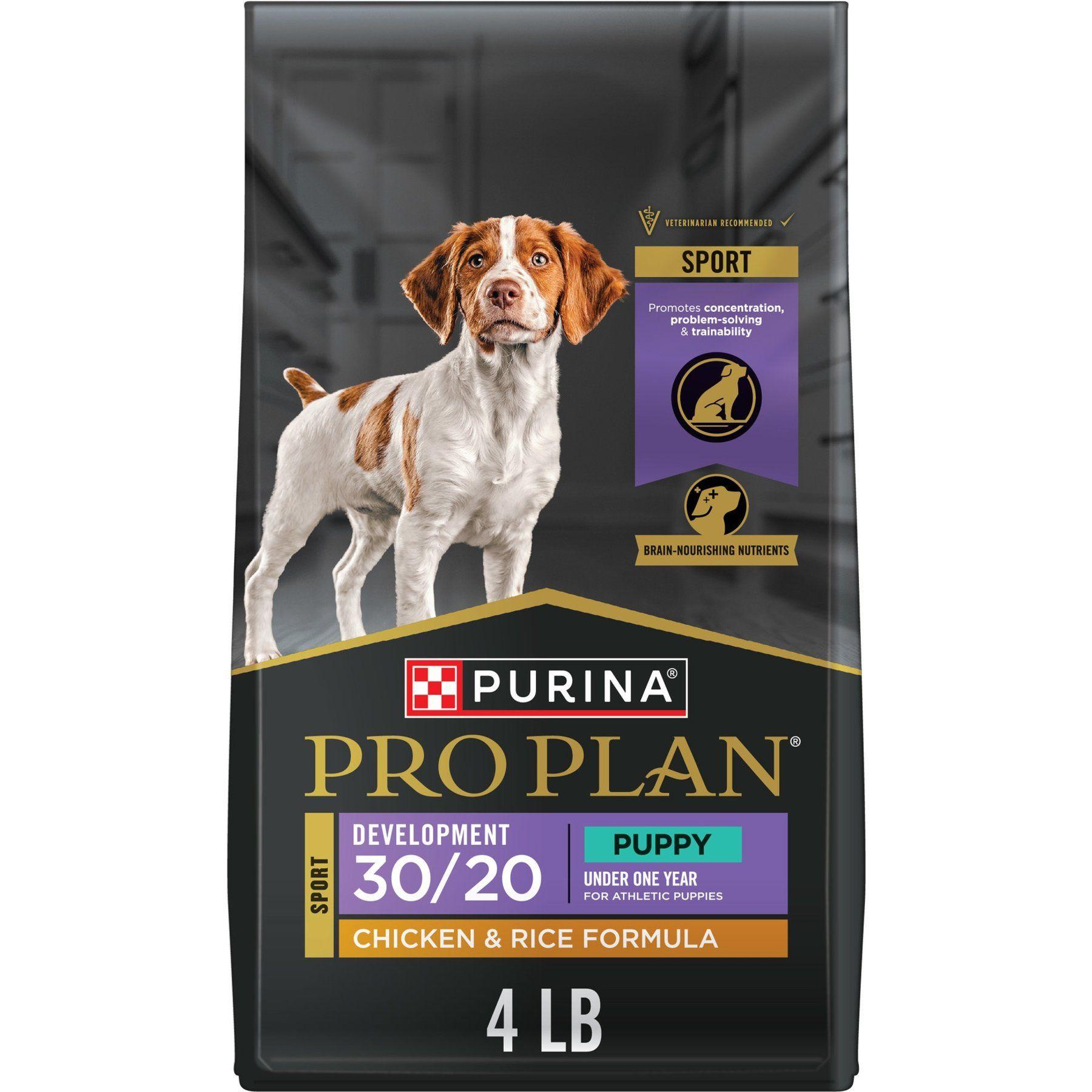
A 30 percent protein, 20 percent fat dry formula that adds calories for growing or active dogs.
Webvet may earn a commission when you click through to Chewy, at no extra cost to you.
This is the Purina Pro Plan dog food for weight gain that suits active puppies and, with your vet's agreement, some thin adults. The Purina label lists 472 kcal per cup, a minimum of 30% protein and 20% fat, and an AAFCO feeding-test statement covering all life stages, including growth of large breeds.
It is listed at $19.98 for a 4-lb bag on Chewy when checked in November 2026, which makes it the budget pick. Its all-life-stages statement means it is formulated for adults as well as puppies, but your vet should still confirm the calorie target for an adult.
Purina Pro Plan Puppy Chicken & Rice Canned Dog Food: best wet food for a thin dog
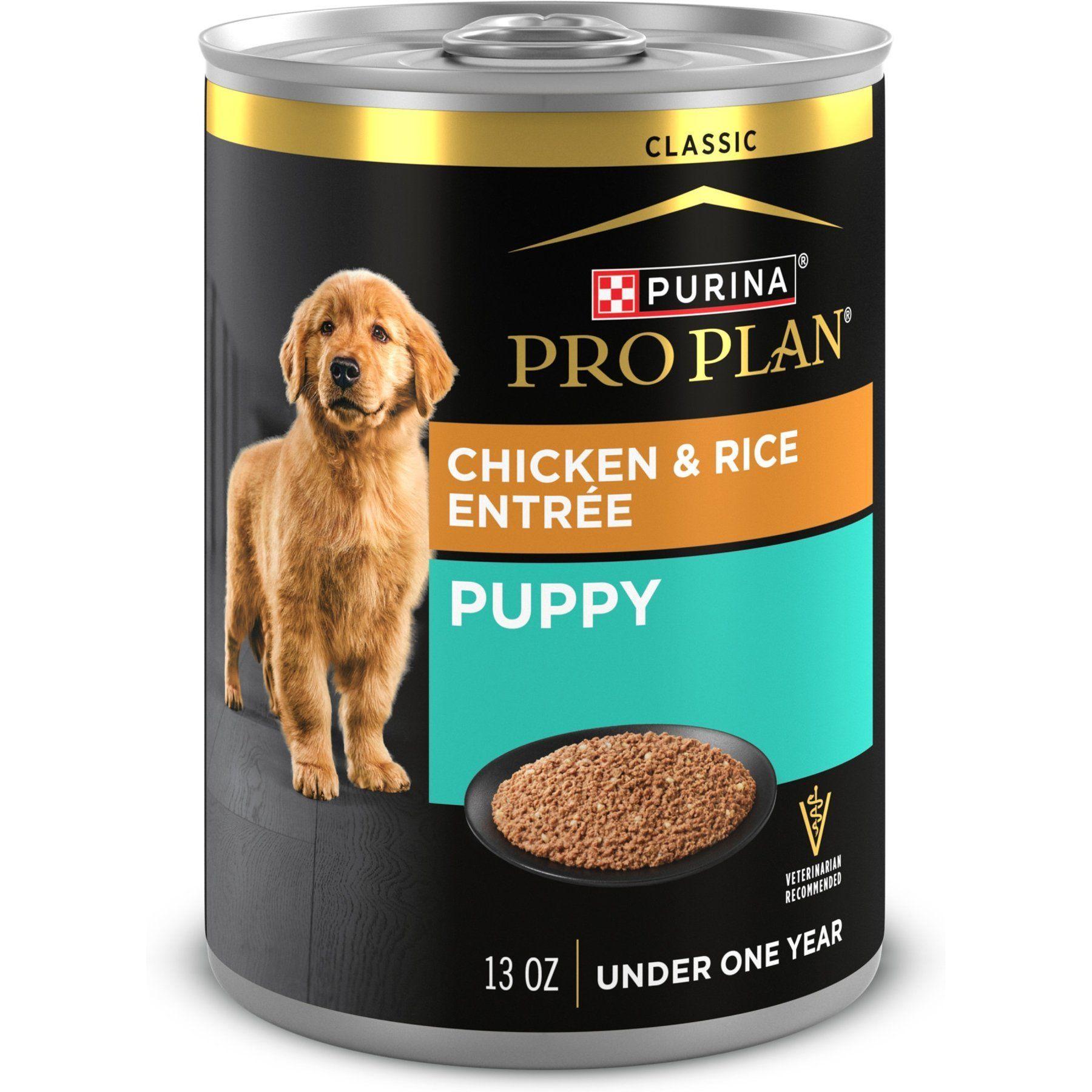
A soft chicken and rice pate for thin dogs that eat more readily when the food is moist.
Webvet may earn a commission when you click through to Chewy, at no extra cost to you.
Some thin dogs eat noticeably more of a soft, aromatic food. This pate has real chicken as the first ingredient, and PetSmart's product listing of the label data gives 437 kcal per 13-oz can with a minimum of 10% protein and 7% fat on an as-fed basis. Those percentages look low only because the can is mostly water.
It is listed at $34.44 for a case of 12 cans on Chewy when checked in November 2026. It is labeled for puppy growth, so for an adult dog, ask your vet whether a growth food fits or whether it works best as a topper over the regular diet.
Vetoquinol Nutri-Cal Gel High Calorie Supplement for Cats & Dogs: best short-term calorie boost
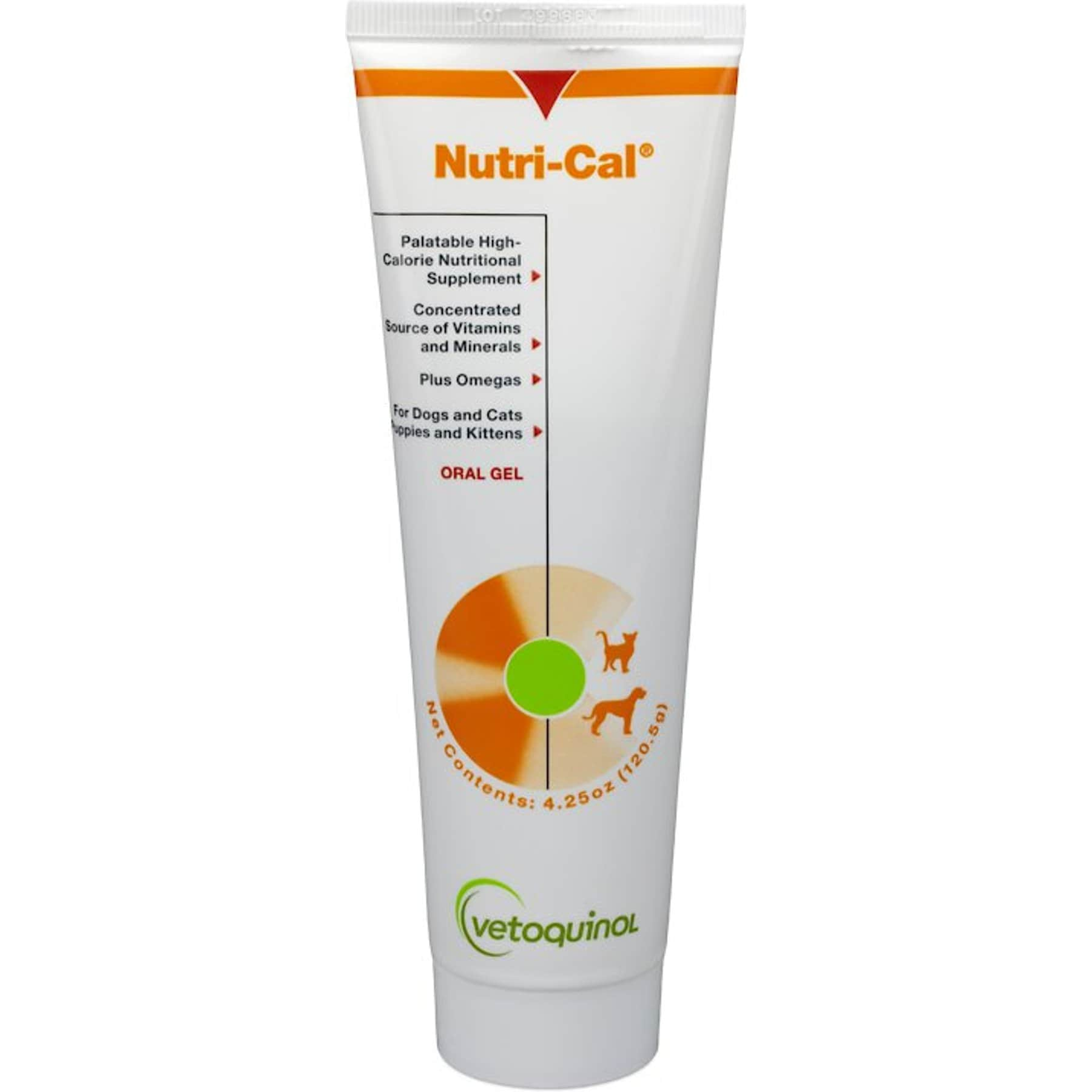
A high-calorie gel to add short-term calories for a picky or run-down dog, not a complete diet.
Webvet may earn a commission when you click through to Chewy, at no extra cost to you.
This malt-flavored gel adds concentrated calories, plus vitamins and omega fatty acids, for picky, debilitated, aging, or working dogs. Label data list about 30 kcal per teaspoon, and the product is meant for supplemental or intermittent feeding only. It is not a complete diet and cannot replace meals.
It is listed at $18.49 for a 4.25-oz tube on Chewy when checked in November 2026. Use it as a bridge while your dog gets back to eating a full ration, and check with your vet first, especially if your dog has an ongoing medical condition.
Hill's Prescription Diet a/d Dog & Cat Food: best vet-prescribed recovery diet
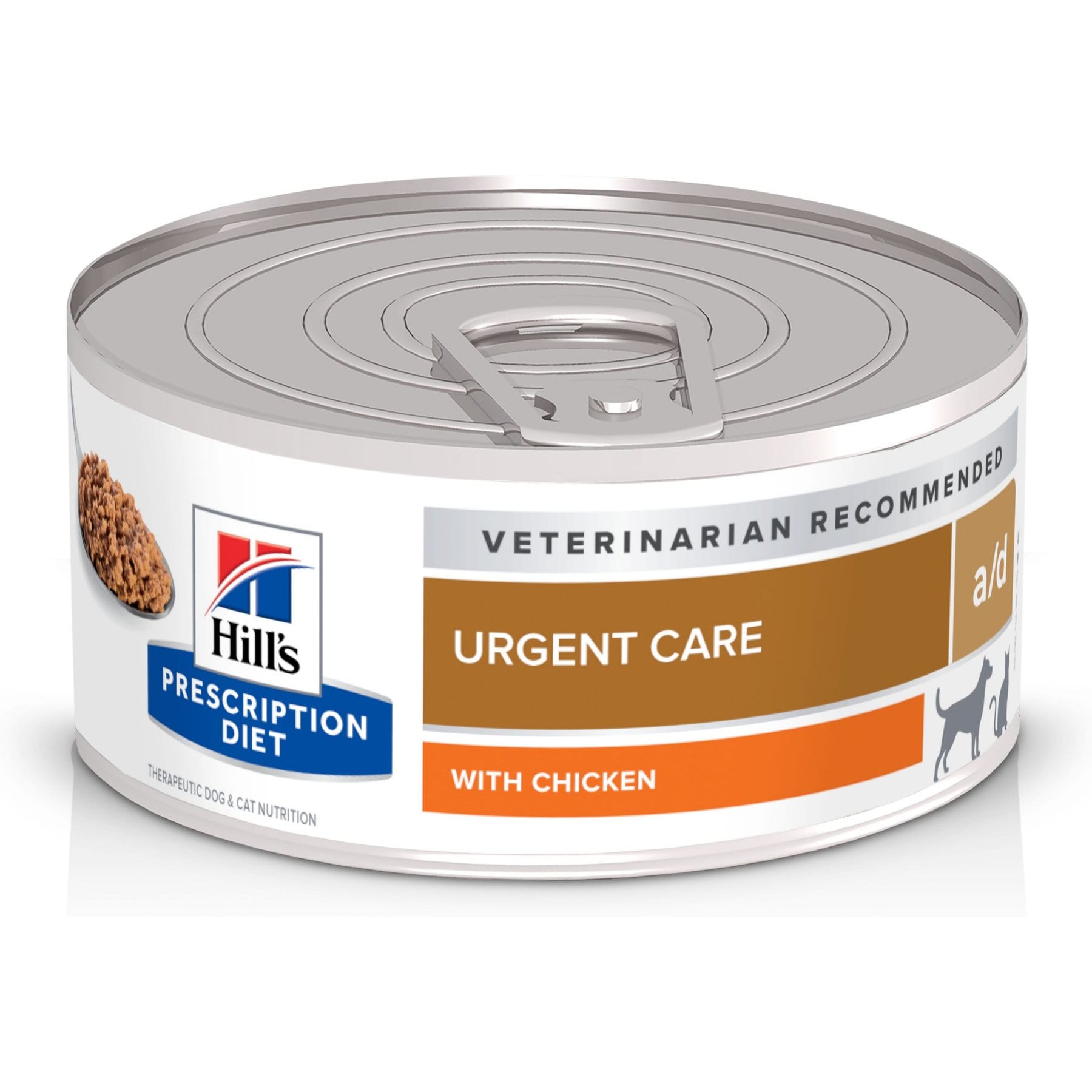
A prescription recovery diet your vet may use for a dog regaining weight after illness, surgery, or injury.
Webvet may earn a commission when you click through to Chewy, at no extra cost to you.
A vet must prescribe this one, and Chewy requires a vet's authorization before it ships. Hill's describes it as nutritional support for pets recovering from surgery, illness, or injury, at 196 kcal per 5.5-oz can, with protein at 44% and fat at 31% on a dry-matter basis.
Its smooth texture can be fed from a bowl, spoon, or syringe. Hill's notes it is for intermittent or supplemental feeding and is not recommended for more than six months. It is listed at $89.99 for a case of 24 cans on Chewy when checked in November 2026.
How to choose a weight gain food: calories per cup, protein, fat, and digestibility
| Pick | Calories per cup or unit | Protein | Fat | Form | Vet-directed | Fits this body condition |
|---|---|---|---|---|---|---|
| Bully Max Pro 2X | 600 calories per cup | See bag label | See bag label | Dry | No | Healthy dog a little below ideal body condition |
| Pro Plan Sport 30/20 Puppy | 472 calories per cup | 30% min as fed | 20% min as fed | Dry | No; ask for adults | Growing or active dog below ideal body condition |
| Pro Plan Puppy Canned | 437 kcal per 13-oz can | 10% min as fed | 7% min as fed | Wet | No; ask for adults | Picky thin dog that prefers moist food |
| Nutri-Cal Gel | 30 kcal per teaspoon | Not a complete food | Not a complete food | Gel | Ask first | Short-term boost while appetite returns |
| Hill's a/d | 196 kcal per 5.5-oz can | 44% dry matter | 31% dry matter | Wet | Yes | Recovering dog with low body condition |
The single most useful number on a bag is the calorie statement. AAFCO labeling rules call for it in kilocalories per kilogram and per familiar unit, such as kilocalories per cup or per can. A high calorie dog food for weight gain packs more energy into each cup, so a dog with a small appetite can eat less volume and still gain.

Calorie density varies widely between dry foods. Among the dry picks here, the range runs from 472 to 600 calories per cup, so the same scoop can deliver very different amounts of energy. For the best dry dog food for weight gain, compare that label figure first, then check protein and fat. When you read a bag or can, look for these items:
- Calorie Content: kilocalories per cup or per can, and per kilogram
- The AAFCO nutritional adequacy statement: growth, adult maintenance, or all life stages, which the Merck Veterinary Manual notes covers both growth and adult maintenance
- Guaranteed analysis: minimum protein and fat on an as-fed basis
- Feeding directions, which the Purina label itself calls only a guideline
What is the best food to give my dog to gain weight?
The best food is a complete and balanced commercial diet with a high calorie density that your dog eats eagerly, chosen after a vet rules out illness.
For many healthy thin dogs, that is a rich dry food such as Bully Max Pro 2X High Calorie Chicken Dry Dog Food, 4-lb bag, a calorie-dense growth formula, or a wet food for picky eaters. A dog recovering from illness may need a prescription recovery diet instead.
Protein with fat for lean weight
Healthy weight gain means rebuilding muscle as well as fat. Tufts Petfoodology explains that muscle should be assessed separately from body fat, because muscle loss makes a dog weaker and slows recovery from illness or injury. Pairing good protein with enough dietary fat gives the body both building blocks and fuel.
Fat drives calorie density. The Merck Veterinary Manual notes that fat can add considerably more calories to a diet, and that puppy foods typically carry more fat than adult foods. That is why high fat dog food for weight gain and growth formulas tend to sit at the top of calorie charts.
High protein dog foods for weight gain help most when calories are also adequate. If calories run short, the body burns protein for energy instead of building muscle. For more on how much protein dogs need and where it comes from, see the guide to protein for dogs.
Digestibility and sensitive stomachs
A healthy dog food for weight gain only works if your dog digests and keeps it. Very rich foods can cause soft stools in some dogs, especially with a fast switch. For a dog with a sensitive stomach, consider these points:
- Choose a familiar protein your dog already tolerates, such as chicken, when possible
- Move to the new food over at least a week, as Tufts recommends
- Feed the daily amount in more than one meal rather than one large bowl
- Call your vet for ongoing vomiting, diarrhea, or a dog that seems painful or tired
Wet and dry formats differ mainly in water content. Per the Merck Veterinary Manual, canned foods are 68% to 78% water, so compare foods on a calorie or dry-matter basis rather than by the percentages printed on the can. A high quality dog food for weight gain is one with a clear AAFCO statement and calorie listing, whatever its format.
How much to feed and how fast to add weight safely
Start with a calorie target from your vet, not the bag. Feeding charts are averages, and the Merck Veterinary Manual notes that an individual dog may need as much as 30% more or less than a formula predicts. The basics of portioning are covered in the guide on how much to feed a dog.

A safe pace of weight gain is gradual. There is no single weekly target that fits every dog, so your vet sets the pace and adjusts calories based on rechecks. Weigh your dog on the same scale every week or two and track body condition score alongside the number.
When you move to a richer food, change it slowly. Tufts Petfoodology recommends mixing in an increasing share of the new food over at least one week, and some dogs need four to six weeks. Step-by-step ratios are in the guide to transitioning dog food.
Calorie needs also change as weight returns. In the ASPCApro protocol, a dog that is doing well at day 14 moves up to the daily energy needs of its estimated ideal weight rather than its current one. Expect your vet to raise portions in steps as rechecks show steady, healthy progress.
What to feed a very skinny dog?
A very skinny dog, one with ribs, spine, and hip bones visible from a distance, needs a vet exam before any feeding plan. These dogs are at risk of refeeding syndrome, a dangerous shift in blood potassium, phosphorus, and magnesium when food returns too quickly.
A vet usually chooses a complete, easily digested food or a recovery diet and starts with small amounts.
The ASPCApro shelter protocol for emaciated dogs shows how cautious that start is. It begins at one third of the dog's resting energy needs on day one, two thirds on day two, and the full resting amount on day three, holding there for at least a week while electrolytes are checked.
How to fatten a dog back up?
For a dog your vet has cleared, the steady path back to a healthy weight looks like this:
- Switch to a more calorie-dense complete food over at least a week
- Feed the vet's calorie target, split into two or three meals
- Add a topper or wet food if appetite is the problem
- Keep treats to a small share of daily calories
- Weigh and score body condition every one to two weeks, then adjust portions
If the scale does not move after a few weeks of eating the full amount, go back to your vet. In the ASPCApro protocol, a dog that keeps losing weight is re-examined and its feeding amount is raised, and gaining more than about 5% above its rehydrated entry weight early on is a signal to scale back.
When a thin dog needs a vet before a diet change
VCA Animal Hospitals notes that intestinal parasites are a common cause of weight loss, especially in young puppies, and that blood tests can reveal diabetes or kidney disease. Other causes include poor nutrient absorption, chronic diarrhea, organ disease, hormone disorders, and cancer.

A vet visit for a thin dog usually includes a history, a physical exam, and a stool test. Depending on what turns up, your vet may add blood and urine tests, X-rays, or an abdominal ultrasound, according to VCA. Bring notes on appetite, stool, thirst, and any vomiting.
How skinny is too skinny for a dog?
On the WSAVA 9-point body condition score chart, a 4 or 5 is ideal: ribs you can feel without excess fat and a visible waist. A 3 is too thin, with ribs easily felt and possibly visible and no fat over them. At 2, the ribs, spine, and pelvic bones are easily visible; at 1, they show from a distance with obvious muscle loss. Both need prompt veterinary care.
Your vet also checks muscle condition, because Tufts notes a dog can lose muscle even when body fat looks acceptable. Loss of muscle over the spine, hips, and head is worth reporting even if the scale seems steady.
Wet food, toppers, and high-calorie supplements for picky or recovering dogs
Wet food helps many thin dogs because it smells stronger and is easier to chew. A high calorie wet dog food for weight gain can be the whole diet or a topper over kibble.
Canned food has fewer calories per kilogram than dry because of its water, per AAFCO, so a dog may need more volume of wet food to reach the same calories.
If a reluctant appetite is the core problem, small changes to routine, food temperature, and the feeding space can help a dog eat more. Those tactics are covered in the guide to improving your dog's appetite at mealtime.
What is a good weight gain supplement for dogs?
A good supplement adds concentrated calories, not just vitamins, and is used alongside a complete diet. A high-calorie gel or a protein-and-fat powder can help a picky or recovering dog. Vitamins alone do not add meaningful calories, and the Merck Veterinary Manual advises adding nutrients to a complete food only with a clear reason, so ask your vet first.
What to mix with dog food for weight gain?
The safest additions keep the overall diet balanced:
- A spoonful of a complete and balanced wet food mixed into kibble
- A measured high-calorie powder, such as All American Canine High-Calorie Weight Gainer Protein Powder Dog Supplement, 1.5-lb pouch, listed at $37.98 on Chewy when checked in November 2026
- A short course of a high-calorie gel such as Vetoquinol Nutri-Cal Gel High Calorie Supplement for Cats & Dogs, 4.25-oz tube while appetite returns
- Warm water poured over kibble to release aroma
Plain extras such as rice, eggs, or table scraps add calories, but large amounts can unbalance a complete food. The guide to what makes dog food complete and balanced explains why the base diet should supply most nutrients.
Treats and toppers in the daily budget
Weight gain dog treats can help a dog that loves them, but they are rarely balanced. VCA Animal Hospitals advises keeping treats under 10% of daily calories. Dog food toppers for weight gain that are themselves complete and balanced, such as a wet food, can safely make up a larger share.
Weight gain for puppies, small breeds, and active large breeds
Rapid growth raises a puppy's energy needs, and VCA lists it among the reasons a young dog can lose weight. Because worms are a common cause of weight loss in young puppies, per VCA, a stool test and deworming plan come before any change in puppy food for weight gain.

For a healthy growing pup, the best dog food for puppy weight gain is a complete growth formula with a clear calorie listing. The Purina label for the 30/20 formula advises keeping puppies in ideal body condition, so more food is not automatically better for a growing pup.
A thin puppy under veterinary care sometimes gets a puppy-specific gel. Tomlyn Nutri-Cal Malt Flavored Gel High Calorie Supplement for Puppies, 4.25-oz tube, listed at $16.97 on Chewy when checked in November 2026, is one option your vet may suggest for short-term support.
Small breeds
Small dogs have small stomachs, so calorie density matters even more. The best dog food for weight gain in a small breed is a high calorie dog food with small kibble or a soft wet food, fed in several small meals so the dog never has to eat a large volume at once.
Active large breeds such as pit bulls and German shepherds
Muscular, active breeds such as pit bulls and German shepherds can burn through calories quickly, and VCA lists intense physical activity as one reason a dog loses weight. Good pitbull weight gain food or German shepherd options share the same traits:
- A high calorie dog food with a clear calories-per-cup listing
- Solid protein and fat, such as a 30/20 performance formula
- An AAFCO statement that covers the dog's life stage
- Steady exercise to direct the extra calories toward muscle
A German shepherd that stays thin despite eating well, especially with loose stools, should see a vet rather than simply getting more food, since poor absorption is a known cause of weight loss.
Dog food for weight gain questions
Frequently Asked Questions
Is puppy food good for an adult dog that needs to gain weight?
Sometimes. Puppy food usually has more calories and fat than adult food. A food labeled for all life stages, like some performance formulas, is formulated for adults too. A growth-only puppy food is not, so ask your vet before feeding it long term to an adult.
Is wet or dry dog food better for weight gain?
Dry food packs more calories into each bite because it holds little water, which helps a dog with a small appetite. Wet food tastes and smells stronger, which helps picky or recovering dogs eat more. Many owners combine both.
Can I add rice to my dog's food to help it gain weight?
Plain cooked rice adds some calories, but it is mostly starch. Too much dilutes the protein, vitamins, and minerals in a balanced food. A richer complete food is usually a better way to add calories.
Do weight gain dog treats work?
Treats add calories, but most are not complete nutrition. Keeping treats under about 10% of daily calories protects the balance of the main diet. A calorie-dense complete food does more of the work than extra treats.
Which dog food helps a dog build muscle while gaining weight?
A complete food with good protein and enough fat to cover energy needs gives the body what it needs to rebuild muscle. Pair it with regular, moderate exercise, and ask your vet to track muscle condition along with weight.

Editor
The Webvet Editorial Team is the in-house group of pet-care editors and writers behind Webvet, operated by Smart Pet Collective. The team researches, writes, and maintains Webvet's pet health, behavior, and medication content. Every article follows a defined editorial process: research from reputable veterinary and scientific sources, careful drafting, mandatory review of medical content by a credentialed veterinarian, and dated publication. Health and medication articles are medically reviewed by a licensed veterinary professional before they go live and are kept current over time.
Veterinarian · BVMS MRCVS
Dr. Pippa Elliott, BVMS, MRCVS, is a veterinarian with nearly 30 years of experience in companion animal practice. Dr. Elliott earned her Bachelor of Veterinary Medicine and Surgery from the University of Glasgow. She was also designated a Member of the Royal College of Veterinary Surgeons. Married with 2 grown-up kids, Dr. Elliott has a naughty Puggle named Poggle, 3 cats and a bearded dragon.
Related reading

Best Taurine Supplement for Cats: Vet-Reviewed Picks and How to Choose

Taurine for Cats: How Much They Need, Food Sources, and When to Supplement

Best Dog Food for Goldendoodles: Choosing Food by Size and Life Stage
