Cat Weight Chart: Healthy Weight and Body Condition
A healthy weight depends on more than pounds or kilograms. Use this cat weight chart with body condition, life stage, and a consistent record to understand your cat's changing needs.

BVMS MRCVS

This article contains affiliate links. Webvet may earn a commission when you buy through them, at no extra cost to you.
A cat weight chart is useful for recording a number, converting pounds to kilograms, and spotting a change. It cannot tell you whether every cat at that weight is healthy. Your cat's frame, body condition, muscle, life stage, and weight trend all affect what the number means.
The most useful target is the weight your veterinarian recommends for your individual cat after an examination. Pair that target with a consistent home record rather than trying to make your cat match an average for a breed, sex, or age.
Cat weight chart: use size and body condition together
- 1Weight tells you how heavy your cat is; body condition helps assess fat stores.
- 2Muscle condition is a separate part of the assessment.
- 3A stable or changing number needs context, not an automatic diet change.
- 4Pounds and kilograms are different units for the same measurement.
Two adult cats can weigh the same amount and need different care. One may have a large frame and appropriate fat cover, while the other carries excess fat for a smaller frame. A third could be losing muscle even if the scale changes little. A chart becomes more useful when it records those observations alongside the number.
The World Small Animal Veterinary Association's nutrition resources distinguish body condition, which assesses fat stores, from muscle condition. Ask your veterinarian to demonstrate both. You do not need to become an expert scorer to notice that your cat's ribs feel different, their shape has changed, or their usual activities have become harder.
| Weight in pounds | Approximate kilograms | What this does and does not tell you |
|---|---|---|
| 6 lb | 2.7 kg | A measurement, not a diagnosis of being underweight |
| 8 lb | 3.6 kg | Interpret with frame, body condition, and previous records |
| 10 lb | 4.5 kg | Not a universal ideal for all adult cats |
| 12 lb | 5.4 kg | Could be appropriate or excessive for different individuals |
| 14 lb | 6.4 kg | Requires body-condition context, not a breed guess |
| 15 lb | 6.8 kg | Does not by itself establish obesity |
| 18 lb | 8.2 kg | Compare with the veterinarian's individual target |
| 20 lb | 9.1 kg | Arrange assessment if this is above the known target or a new change |
Conversions use 1 kilogram = approximately 2.2046 pounds, rounded to one decimal place. These rows are not recommended weights and are not a growth schedule. A small change may disappear when a measurement is rounded, so retain the original scale reading in your own log.

Keep the reference point practical: your cat's last reliable measurement, the date, the scale, and the veterinarian's assessment. If a chart online disagrees with your veterinary record, ask about the difference before adjusting food. Some internet charts describe breed averages; others show body condition or growth. They answer different questions and should not be treated as interchangeable.
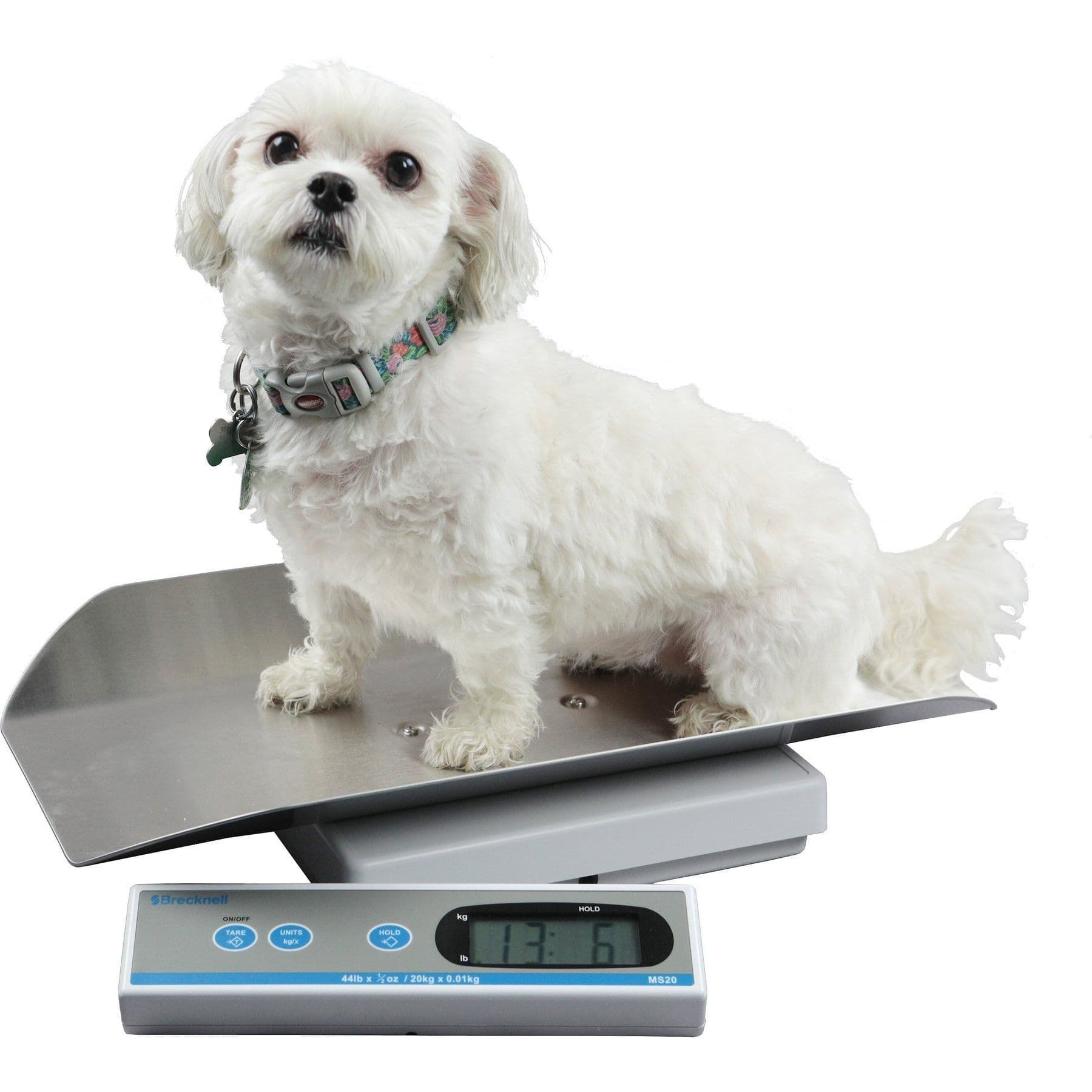
A platform pet scale for weighing an adult cat at home on the same device each time; record the unit and date with every reading.
Webvet may earn a commission when you click through to Chewy, at no extra cost to you.
Three records that make the chart useful
Record weight, body-condition observations, and change over time. A single number is a snapshot. Repeated measurements under similar conditions are more useful for seeing whether a plan is working or whether an unexpected change needs attention.
- Weight: the original number and unit, with the date and scale used.
- Body condition: the score or observations the veterinary team demonstrated.
- Context: appetite, food changes, illness, medication, activity, and any missed meals.
Avoid treating a better-looking number as proof of better health. Weight loss can be intended or unintended, and a stable weight can conceal changes in fat and muscle. The chart should help you report what is happening; it should not replace an examination when something is different.
Pounds and kilograms: common weights in context
A cat's normal weight in kilograms is the same individual target expressed in a different unit. To convert pounds to kilograms, divide by approximately 2.2046. To convert kilograms to pounds, multiply by that number. Check the unit before comparing a home reading with a veterinary record, particularly when switching between scales or apps.

A gram-resolution kitchen scale resolves the small daily changes a tiny kitten shows; weigh in a safe container and record the trend.
Webvet may earn a commission when you click through to Chewy, at no extra cost to you.
For example, 12 pounds is about 5.4 kilograms. A record of “5.4” without a unit can create unnecessary concern if someone assumes pounds. Keep both the original number and the unit, and do not round more aggressively than necessary when monitoring a trend.

Interpreting common adult-cat weights
The 12-, 14-, 15-, and 20-pound rows are measurements, not healthy-weight cutoffs. Compare the number with your cat’s frame, rib covering, waist, muscle condition, and a veterinarian-established target. A larger frame can be appropriate at a weight that is excessive for a smaller cat. If the weight is unexpectedly high or changing, arrange an assessment and bring previous weights and a food record. Contact the clinic promptly when the change accompanies illness or reduced appetite; do not begin substantial calorie restriction from a chart alone.
When two scales disagree
Do not average inconsistent readings and assume the result is accurate. Check that the scale is on a firm, level surface, uses the intended unit, and has been zeroed correctly. A moving animal can produce a changing display. If repeat readings remain inconsistent, use the veterinary clinic's measurement as your reference and ask whether your equipment is suitable.
An adult-cat home scale and a scale used for neonatal monitoring have different demands. A device that helps track a large adult may not measure tiny kitten changes accurately enough. Check capacity, resolution, and instructions for the intended use; do not assume “pet scale” means suitable for every age and size.
How to assess ribs, waist, and body condition
Body-condition scoring combines observation with gentle touch. In the WSAVA nine-point feline chart, score 5 is identified as ideal and considers the waist, rib covering, and abdominal fat. It is not assigned from weight alone. Ask your veterinarian to demonstrate the assessment on your cat so you know what you are feeling.
Use a calm moment and let your cat stand naturally. A long coat can hide shape, and a curled-up or stretched-out position changes the appearance. If your cat resists, seems painful, or becomes frightened, stop. You can discuss the concern with the clinic without forcing an examination at home.

Useful observations to discuss include:
- Whether you can feel the ribs gently beneath their covering.
- Whether a waist is visible behind the ribs when viewed from above.
- Whether the abdominal shape or fat cover seems different from before.
- Whether muscle over the back, shoulders, or hindquarters appears to be changing.
- Whether jumping, grooming, or ordinary movement has changed.
These observations support a conversation; they are not a diagnostic score generated by a photo. Do not press harder to find ribs or repeatedly handle a cat who objects. The veterinary team can assess the body comfortably and consider conditions that may affect the result.
Use photographs as a record, not a verdict
An occasional top and side photograph, taken in a similar standing position, can help you remember changes between appointments. Keep the camera angle and distance as consistent as practical. A flattering angle, thick fur, or a tightly crouched position can make comparisons misleading.
The photographs in this guide illustrate observation and handling. They do not certify the body-condition score of your own cat. Touch, examination, and history matter, especially when illness, muscle loss, or a change in abdominal size is possible. If an app gives a score from a photograph, treat it as a prompt for discussion rather than a replacement for veterinary assessment.
Why muscle condition needs its own check
A cat can carry extra fat while losing muscle. That is one reason “the weight has not changed” is not always reassuring. Ask the veterinarian to record muscle condition as well as body condition, particularly for an older cat or one whose activity and appetite have changed. Avoid choosing a diet solely to lower the scale reading without understanding what tissue the cat is losing.
The AAHA weight-management guidance recommends an individual veterinary assessment rather than relying on breed averages. Bring your observations, but let the team help set the goal and monitoring schedule. A useful plan should explain what improvement means beyond a number, such as maintaining muscle and normal daily function.
Webvet may earn a commission when you click through to Chewy, at no extra cost to you.
Age, sex, and breed change the meaning of a number
There is no single normal cat weight by age that applies to every breed and frame. Growing kittens, mature adults, pregnant cats, and older cats have different circumstances. An age-based chart can describe a population or provide a rough reference, but it cannot predict the correct weight for every individual month after month.
For an adult cat, the more useful question is whether their weight and condition are appropriate now and how those have changed. A one-year-old cat's ideal weight in kilograms cannot be calculated accurately from age alone. Some cats are still maturing, and differences in frame and body composition remain important.

| Context | What it can help explain | What it cannot establish |
|---|---|---|
| Growing kitten | Development and changing nutritional needs | A safe adult weight-loss target |
| Male or female adult | Some population differences in body size | The right weight for this individual |
| Tabby coat pattern | Coat markings | A breed or a predictable body size |
| Persian breed | Breed context and the need to assess beneath dense fur | One correct weight at every age |
| Older cat | The importance of monitoring muscle and health | That unexplained weight loss is normal |
Male and female cat weight charts
Male cats may be larger than females within some populations, but sex does not set a personal target. A small male and a large female can overlap in weight. Spay or neuter status and changes in activity can also affect feeding needs. Use those details in the veterinary assessment instead of choosing a target from a male-versus-female table.
The same caution applies to an “average male cat weight” or “average female cat weight” expressed in kilograms. An average describes the animals included in a source. Without their breeds, ages, body conditions, and sampling method, it gives little information about whether your cat should gain or lose weight.
Tabby and Persian charts
Tabby is a coat pattern, not a single breed or body size. A tabby weight chart by age therefore cannot establish one healthy range for every tabby cat. Ask about the actual cat's frame and development rather than using stripes as a size category.
Persian cats also vary individually. A Persian weight chart by age, whether in pounds or kilograms, is not a substitute for body-condition assessment under a dense coat. Breed context can inform the discussion, but it should not override the veterinarian's hands-on evaluation or explain away an unexpected change.
Webvet may earn a commission when you click through to Chewy, at no extra cost to you.
Older cats
Common feline life-stage guidance treats cats around age 10 and above as senior, but age alone does not explain weight loss. The AAHA senior-care nutrition guidance emphasizes changes in nutritional needs, muscle, and body condition. Ask the team to interpret the trend alongside health and function rather than assuming that becoming thinner is an unavoidable part of aging.
An older cat's feeding plan should consider appetite, ability to eat, illness, and muscle preservation. Do not switch automatically to a lower-calorie diet because a package says “senior.” Bring the current food details and ask what the individual cat needs. A veterinarian may recommend monitoring or investigation before changing the diet.
How to weigh your cat and track changes
Use a stable scale suited to your cat's size and follow its instructions. Record readings under similar conditions when possible, using the same scale and unit. If your cat will not stand safely on it, ask the veterinary team for another approach rather than forcing them or balancing them on an unstable surface.
Weighing yourself with and without the cat can provide a rough estimate on some household scales, but small changes may be lost in the scale's resolution. It is not a good substitute for equipment appropriate to a small kitten or a medical monitoring plan. Confirm unexpected results with a reliable measurement.

| Date | Weight and unit | Scale or location | Appetite and food notes | Body-condition or activity notes |
|---|---|---|---|---|
| Record each measurement | Keep the original reading | Use the same scale when practical | Include missed meals and diet changes | Record observations, not a self-diagnosis |
A cat weight calculator can convert units or calculate the percentage change between measurements. It cannot determine a safe target from age, sex, or weight alone. If a tool estimates calories or ideal weight, ask what assumptions it uses and review the result with your veterinarian before changing the feeding plan.
Example: a change worth reporting
Suppose a cat measured 10 pounds at one reliable check and 9.5 pounds at a later one. The difference is half a pound, or 5% of the original weight. That calculation describes the size of the change; it does not identify the cause or prove whether the pace is appropriate. Include the dates, whether weight loss was intended, and appetite or behavior changes when you contact the clinic.
Do not compare isolated measurements without their time interval. The same difference over a short period and over a long period can mean different things. Also note a recent change of scale or a moving reading, so the team can decide whether confirmation is needed before interpreting the trend.
Make feeding records more accurate
Record everything eaten, not just the measured meals:
- Treats and toppers.
- Food used to give medication.
- Food obtained from another pet's bowl.
A household can unintentionally feed a cat twice when people do not know what someone else has already given. A shared daily record often solves that problem more effectively than buying a new product.
If your veterinarian recommends a measured ration, weighing the food in grams can make portions more consistent than an unmarked scoop. Check the food's current calorie information, because the same volume of two foods may contain different amounts of energy. A change of recipe or format can affect the plan even if the bowl looks equally full.
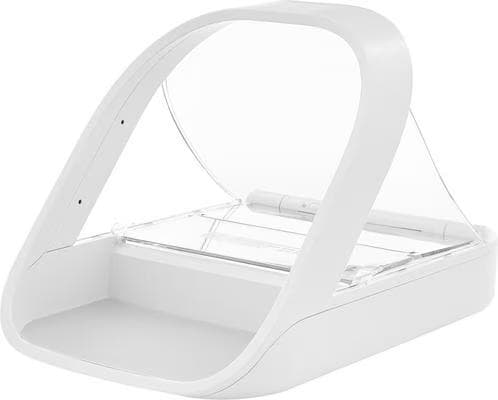
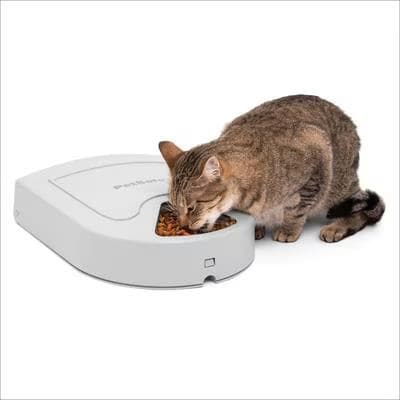
Feeding equipment can support a plan but cannot create the right plan by itself. A SureFeed microchip feeder may help manage access to an individual cat's food. A PetSafe five-meal feeder can help schedule measured portions. Check each device's current instructions and supervise adjustment; neither determines your cat's appropriate daily ration.
When weight loss or weight gain needs a vet
Contact your veterinarian about an unexplained trend, a sudden change, or weight change accompanied by altered appetite, thirst, vomiting, diarrhea, weakness, or reduced activity. The amount of change is one part of the picture. A cat can need attention even while their weight sits within an online chart's usual range.
If a reading seems surprising and the cat otherwise appears well, check the unit and repeat it safely on the same scale. That can identify a recording or measurement problem. It should not delay care when the cat is unwell or the change is supported by other observations.
Bring information that helps the team interpret the trend:
- Previous weights and their dates.
- Exact food names, portions, treats, and recent changes.
- Appetite and drinking changes.
- Vomiting, diarrhea, toileting changes, or difficulty eating.
- Medication, illness, activity, and household changes.
- Whether the weight change was intended.
For vomiting alongside weight change, see our cat throwing up guide and report the pattern to your veterinarian. Do not assume a hairball, a recent diet change, or a cat's age explains persistent symptoms without assessment.
Cornell's obesity guidance warns against sudden starvation diets because of the risk of hepatic lipidosis, a serious liver problem. If weight loss is recommended, ask for an individual food amount, a follow-up schedule, and instructions for what to do if appetite falls. A safe plan should be adjusted to the cat's response.
The goal is not to achieve the fastest visible change. Agree on how the clinic will assess progress and when to reassess the target. If the plan is difficult to carry out, explain why: multiple pets, medication treats, a cat refusing the new food, or scheduling problems can all affect it. Those are practical problems to solve, not reasons to hide an incomplete food record.
Kittens need growth tracking rather than an adult target
A kitten's weight should be interpreted as part of growth, age, feeding, and health. Do not use an adult weight-loss chart to restrict a growing kitten's food. A kitten who fails to grow as expected or becomes unwell needs veterinary advice; a table cannot diagnose the cause or replace examination.

For developmental context, use our kitten age chart. It explains age clues and why estimates need several observations rather than weight alone. A kitten weight chart in kilograms can record growth, but the individual trend matters more than matching every line of an online schedule.
Food also needs to suit the life stage. Our kitten food guide covers options and label considerations. Ask your veterinarian how much to feed and when to reassess portions as the kitten develops. A product appropriate for an adult weight-management plan may not be appropriate for growth.
For very young kittens, ask the clinical or rescue team which scale, weighing frequency, and action thresholds to use. Do not assume an adult-cat device has sufficient resolution for neonatal monitoring. Keep each kitten's records separate and report feeding or activity concerns promptly, even if one reading appears acceptable.
Frequently asked questions
Can a loose belly pouch tell me whether my cat is overweight?
A loose abdominal pouch by itself cannot establish body condition. Assess the whole cat with the veterinary team, including ribs, waist, abdominal fat, and muscle. The appearance also changes with stance, coat, and movement. If the abdomen has changed suddenly or seems painful or swollen, seek advice rather than deciding from a photograph that it is ordinary fat.
Can a cat be overweight and still lose muscle?
Yes. Fat stores and muscle condition are different parts of a nutritional assessment, so a cat can have excess fat while losing muscle. That can make a stable scale reading misleading. Ask your veterinarian to assess both, especially if your cat is older, less active, or unwell. A feeding plan should address the overall condition instead of aiming only to reduce body weight.
Veterinarian · BVMS MRCVS
Dr. Pippa Elliott, BVMS, MRCVS, is a veterinarian with nearly 30 years of experience in companion animal practice. Dr. Elliott earned her Bachelor of Veterinary Medicine and Surgery from the University of Glasgow. She was also designated a Member of the Royal College of Veterinary Surgeons. Married with 2 grown-up kids, Dr. Elliott has a naughty Puggle named Poggle, 3 cats and a bearded dragon.


