Perineal Hernia in Dogs: Signs, Surgery, and Recovery
A perineal hernia is a weak spot in the muscles beside a dog's anus that lets tissue, and sometimes the bladder, bulge out. Learn the signs, which dogs get it, when it is an emergency, and how surgery and recovery work.

BVMS MRCVS
Medically reviewed by Dr. Pippa Elliott, BVMS MRCVS · Last reviewed

This article contains affiliate links. Webvet may earn a commission when you buy through them, at no extra cost to you.
A perineal hernia in dogs is a weak spot in the muscles beside the anus that lets fat, part of the rectum, or even the bladder bulge out under the skin. The Merck Veterinary Manual calls it uncommonly an emergency, except when a trapped bladder blocks urine or a loop of intestine is strangled.
Perineal hernia in dogs mostly affects middle-aged to older male dogs that have not been neutered. Surgical repair, usually with neutering at the same time, is the standard treatment, and VCA Animal Hospitals notes that stool softeners and special diets help limit constipation while a dog waits for surgery or cannot have it.
 Sponsored
Have a health question about your dog?
Talk to a licensed vet at Dutch over video or message, including nights and weekends.
Use code Pets60
Plans start at $12/month · covers up to 5 pets
- Licensed vets in most states
- Rx for 150+ conditions
- 4.7 on Trustpilot
What a perineal hernia in dogs is and what the swelling beside the anus means
- 1What the swelling beside the anus is: fat, rectum, or bladder pushing through weakened pelvic diaphragm muscles.
- 2Signs that point to a perineal hernia: a soft bulge beside the anus, repeated straining, constipation, and trouble urinating.
- 3The usual patient is an older intact male, and repair surgery with neutering is the standard treatment.
- 4A dog that strains but cannot urinate needs an emergency vet now.
The pelvic diaphragm is the sheet of muscle that supports the rectum and keeps abdominal contents out of the space beside it. The American College of Veterinary Surgeons (ACVS) explains that a perineal hernia forms when this diaphragm weakens or fails. Merck names the muscles that give way: the levator ani muscle and the coccygeus muscle.
Once that muscle wall fails, tissue from the pelvis and abdomen slides into the pocket beside the rectum and shows as a bulge next to the anus. ACVS lists what the swelling can hold, and the signs a dog shows depend on which of these are trapped:
- Fat and omentum, the fatty membrane that drapes over the abdominal organs
- A dilated, stretched section of the rectum
- The prostate gland in male dogs
- The urinary bladder
- Loops of small intestine
Merck calls perineal hernia an uncommon disease that most often affects middle-aged to older intact male dogs. It says surgical correction is always indicated, with neutering (castration) at the same time to lower the chance that the hernia comes back.
Straining sits at the center of this condition, and VCA advises treating any underlying cause of it alongside the repair. Softer, easier stools are part of care before surgery, after it, and for dogs that cannot have it. Fiber powders can support stool consistency, but none of them repairs the hernia.
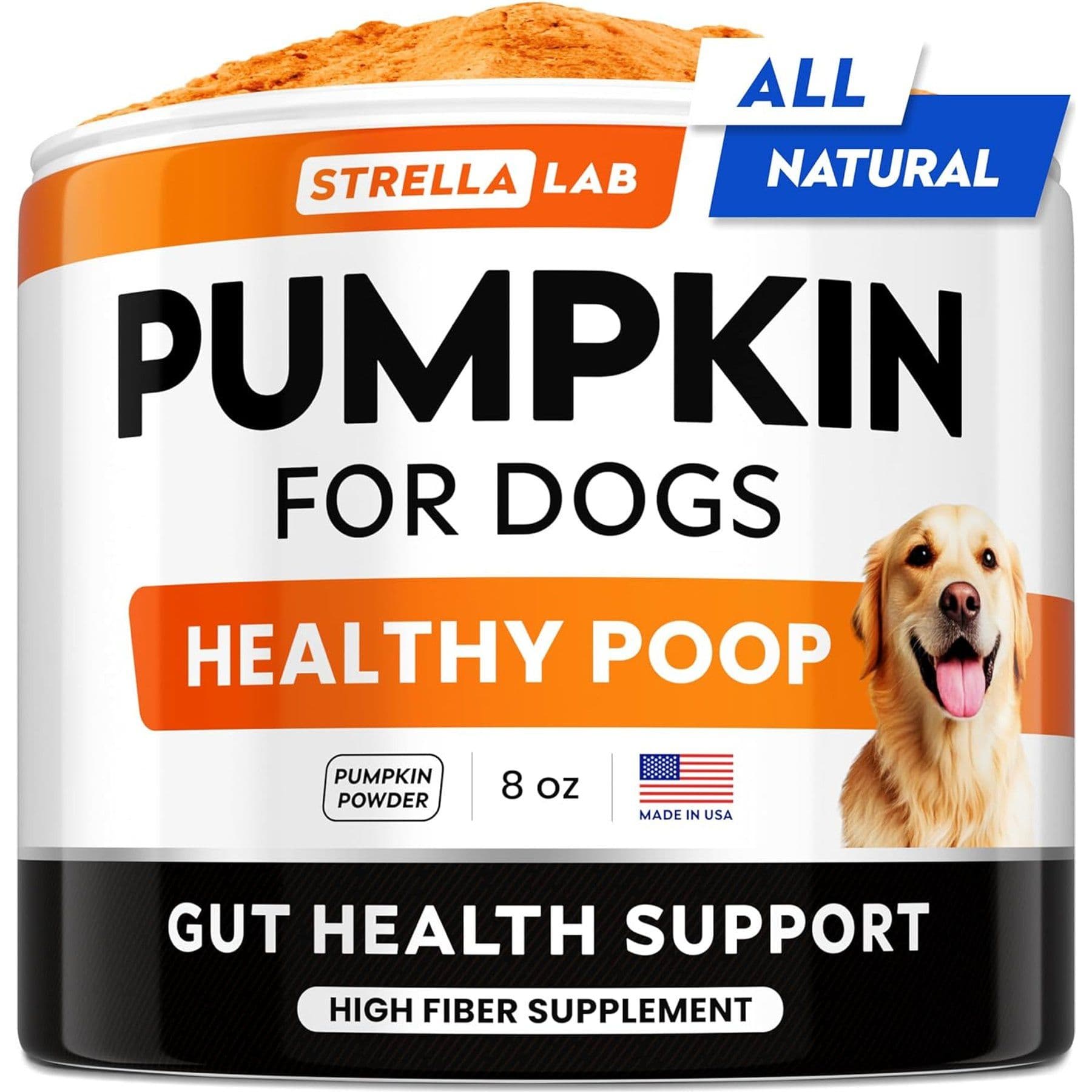
Single-ingredient dried pumpkin powder that adds fiber to meals to help maintain normal stool consistency.
Webvet may earn a commission when you click through to Chewy, at no extra cost to you.
A small perineal hernia in a dog can be easy to miss. ACVS notes that many dogs with a hernia on one side may also have a subtle one on the opposite side. The Merck Veterinary Manual's owner guide reports that about two-thirds of cases are one-sided, and more than 80% of those are on the right.

Perineal hernia symptoms in dogs: straining, a soft bulge, and trouble urinating
The most telling sign is the swelling itself. VCA describes it as usually soft and reducible, meaning it can be pushed back in with pressure, and it can sit on one side of the anus or both.
In pictures and in person, a perineal hernia in a dog looks like a rounded bulge under the skin beside the anus, rather than an open sore or a draining wound. The signs that point to a perineal hernia usually show up together, and ACVS and VCA list these symptoms:
- A soft swelling beside the anus on one or both sides
- Repeated straining, as if trying to pass stool
- Difficulty passing stool, or constipation
- Straining to urinate, leaking urine, or being unable to urinate
- Lethargy
- A change in how the tail is carried

Urinary signs mean the bladder may be involved. VCA explains that when the bladder slips into the hernia, a dog may strain to urinate, leak urine, or be unable to urinate at all. ACVS advises that any swelling next to the rectum with these signs should be seen by a vet as soon as possible.
Bowel signs are the other half of the picture. VCA describes dogs that strain again and again as if to defecate, struggle to pass stool, and may become constipated.
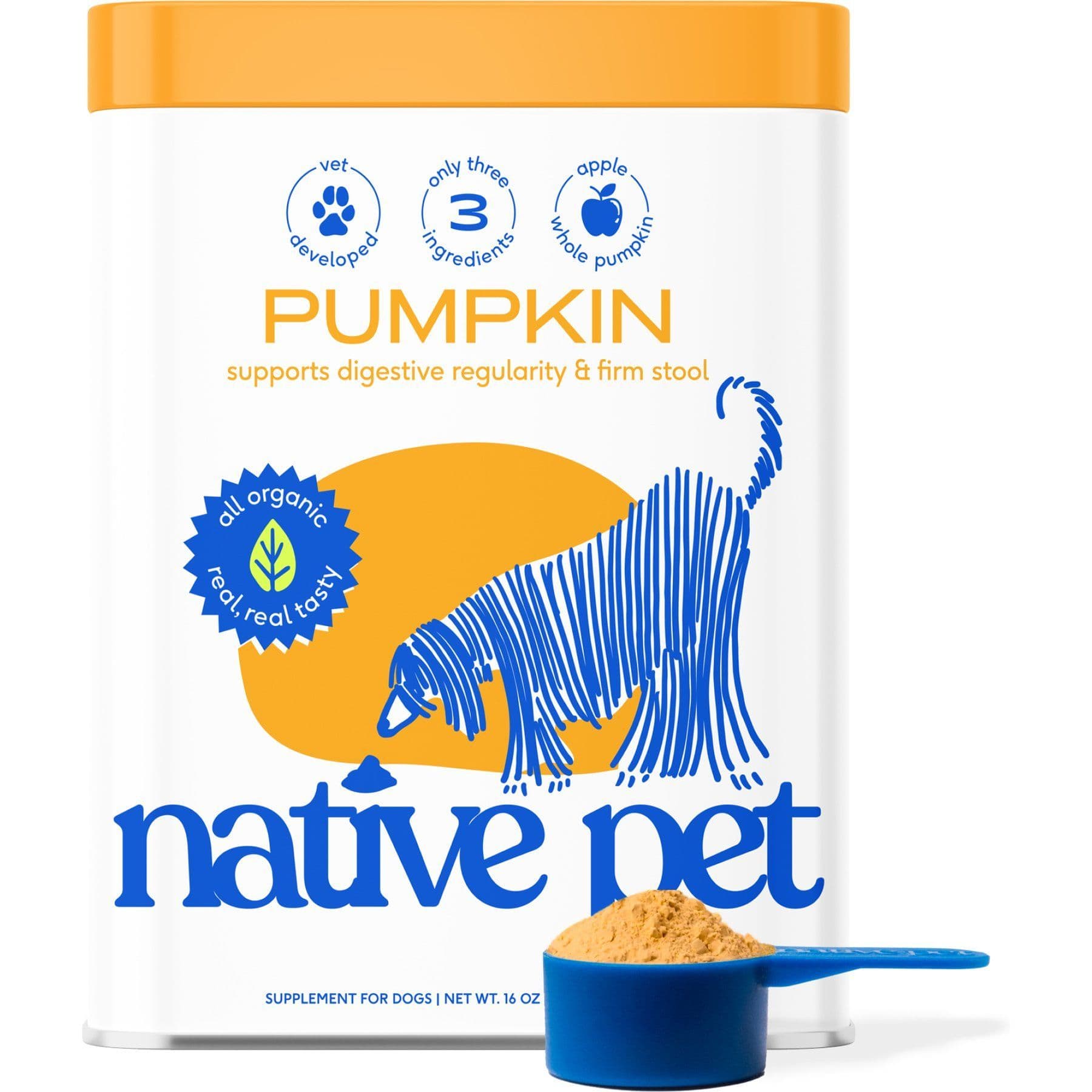
Organic pumpkin fiber powder that supports bowel regularity; sprinkle it on food or mix it with water into a puree.
Webvet may earn a commission when you click through to Chewy, at no extra cost to you.
What causes perineal hernias and which dogs get them
What causes perineal hernia in dogs is still not fully settled. ACVS says the exact reason the pelvic diaphragm weakens is unclear, and several factors may work together.
Older intact male dogs are at risk mainly because of male hormones. Intact males are predisposed, and castration at the time of repair seems to reduce recurrence, so ACVS considers androgens an important contributor. Merck adds that prostate enlargement driven by a sex-hormone imbalance has been strongly implicated.
Sources disagree on constipation. Merck and VCA list chronic constipation and straining among the contributors, but a 66-dog study from Helsinki found no evidence that gut, orthopedic, or neurological conditions cause the hernia. The main risk factors of perineal hernia in dogs, as the sources describe them:
- Sex and neuter status: a perineal hernia in a male dog that has not been neutered is the classic case, and VCA says the condition rarely occurs in female dogs.
- Age: Merck's owner guide puts the peak at 6 to 8 years, while ACVS says most affected pets are 7 to 9 years old.
- Breed: Merck reports predispositions in Welsh Corgis, Boston Terriers, Boxers, Collies, Kelpies, Dachshunds, Miniature Poodles, Old English Sheepdogs, and Pekingese, and mixed-breed dogs are commonly affected too.
How a vet diagnoses a perineal hernia: rectal exam, imaging, and bladder checks
A vet usually confirms the diagnosis with a history and a hands-on exam. Merck calls a soft, fluctuant swelling that can be pushed back in the key finding, and ACVS says the vet will perform a thorough rectal examination.
During the rectal exam, the vet feels for weakness in the pelvic diaphragm. Merck explains that a one-sided hernia pulls the rectal wall toward the weak side, while hernias on both sides tend to leave the rectum dilated. Some dogs also have rectal sacculation, a pouch in the rectal wall.
Imaging and follow-up checks show what sits inside the hernia:
- Perineal ultrasound shows whether the prostate, bladder, or loops of bowel are inside (Merck).
- Abdominal X-rays and ultrasound check the bladder's position and size, the colon, prostate disease, and any sign of cancer (ACVS).
- A check of the other side looks for the subtle second hernia that ACVS says many dogs have.
- Bladder checks look for a retroflexed bladder, one that has flipped backward into the pelvic canal.
Bladder involvement is common: a 315-dog study of perineal hernias with prostate disorders found a retroflexed bladder in about a third of dogs (33–38%). The reassuring part, from a Canadian Veterinary Journal case series, is that bladder herniation and rectal sacculation were not significantly linked to complications or recurrence after repair.

The exam also rules out rear-end problems that need different care, such as impacted anal glands, an anal gland abscess, a perianal adenoma, perianal fistulas, or another lump on a dog.
For scooting or licking without a bulge or straining, start with dog scooting, a dog licking its butt, and dog anal glands.
 Sponsored
Vet care that's always there
Unlimited video calls and messaging with licensed vets for less than a typical vet visit. One membership covers up to five pets.
Use code Pets60
Plans start at $12/month · covers up to 5 pets
- Licensed vets in most states
- Rx for 150+ conditions
- 4.7 on Trustpilot
When a perineal hernia is an emergency: a trapped bladder and other red flags
Most perineal hernias are not emergencies, but a trapped bladder or a trapped loop of bowel is.
ACVS explains that hard straining can make the bladder retroflex, flipping backward into the pelvic canal. VCA adds that a trapped intestine or blocked bladder leaves dogs lethargic with a reduced appetite.
For a dog with a blocked bladder, the emergency team typically:
- Passes a urinary catheter so urine can flow again (VCA).
- Drains the bladder with a needle through the belly wall, called cystocentesis, if a catheter will not pass, then tries to push the hernia back (Merck).
- Stabilizes the dog before the definitive repair, since ACVS says organ entrapment can be life threatening.
Is a dog perineal hernia an emergency?
Usually not. Merck's owner guide says it is rarely an emergency unless the dog cannot urinate, and the professional manual adds a strangulated loop of intestine. ACVS also lists belly pain among the reasons for emergency surgery. A soft bulge with mild straining needs a prompt vet visit, not an emergency trip.
What happens if a perineal hernia is left untreated?
An untreated perineal hernia in dogs does not repair itself. ACVS says medical therapy can prepare a dog for surgery but generally fails to control the disease permanently, and VCA says the outlook is more guarded when surgery cannot be done. The ongoing risk is that the bladder or bowel becomes trapped.
No published figure says how fast a perineal hernia can kill a dog, or how long a dog can live with one left unrepaired. The danger lies less in the bulge itself than in what it traps, which is why straining to urinate is the sign that matters most.
Perineal hernia surgery in dogs: the procedure, neutering, and what it costs
Surgery is the way to treat the defect itself. Merck says surgical correction is always indicated, and ACVS describes the goal of perineal hernia repair in dogs as rebuilding the pelvic diaphragm and preventing recurrence. A home recovery plan follows: in the Canadian case series, owners received instructions for incision care, exercise restriction, and an Elizabethan collar.
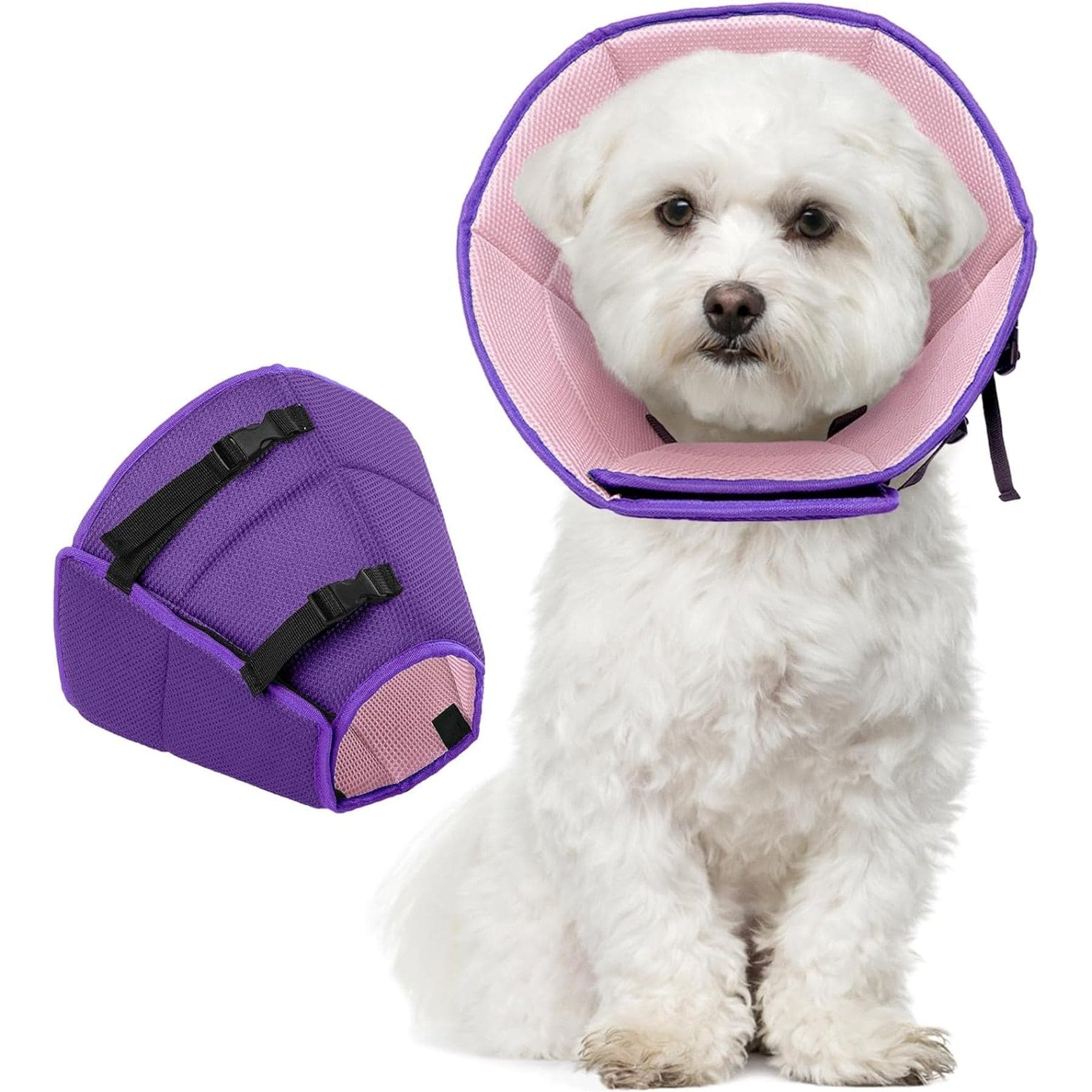
Breathable mesh e-collar that helps stop licking and biting at incisions, with a foldable front for eating and drinking.
Webvet may earn a commission when you click through to Chewy, at no extra cost to you.
For most dogs, the choice is between repair and medical management with stool softeners. The trade-offs are recurrence risk, cost, recovery time, and anesthesia. No published figure puts a number on anesthesia risk for this repair, so that part of the decision rests on the surgical team's assessment of the individual dog.
| Perineal hernia decision: surgery or management | Recurrence | Cost picture | Recovery time | Best fit |
|---|---|---|---|---|
| Herniorrhaphy, usually with castration | 10–50% depending on technique (ACVS); 10–46% (Merck); 8.8–10.3% at 12 months in a 66-dog trial | No published price; one surgical bill that rises if both sides need repair | Around 2 weeks in uncomplicated cases (ACVS) | Most dogs that can safely have anesthesia; the standard treatment |
| Staged repair: organopexy, then herniorrhaphy | 4 of 41 dogs recurred, all within 6 months, in a staged series | No published price; adds an abdominal surgery and more hospital time | No separate published timeline | Organs already in the hernia or a hernia that came back (ACVS); bilateral or complicated hernias in the staged study |
| Medical management with a stool softener and diet | The hernia stays open; ACVS says medical therapy generally does not control it permanently | No published price; ongoing costs for stool softeners, diet, enemas, and rechecks | No healing; signs are managed day to day | Dogs waiting for surgery or dogs that cannot have it (VCA) |

Count surgical aftercare in the cost picture as well. Beyond the collar, discharge plans in the Canadian series included stool softeners, pain relief, and antibiotics.
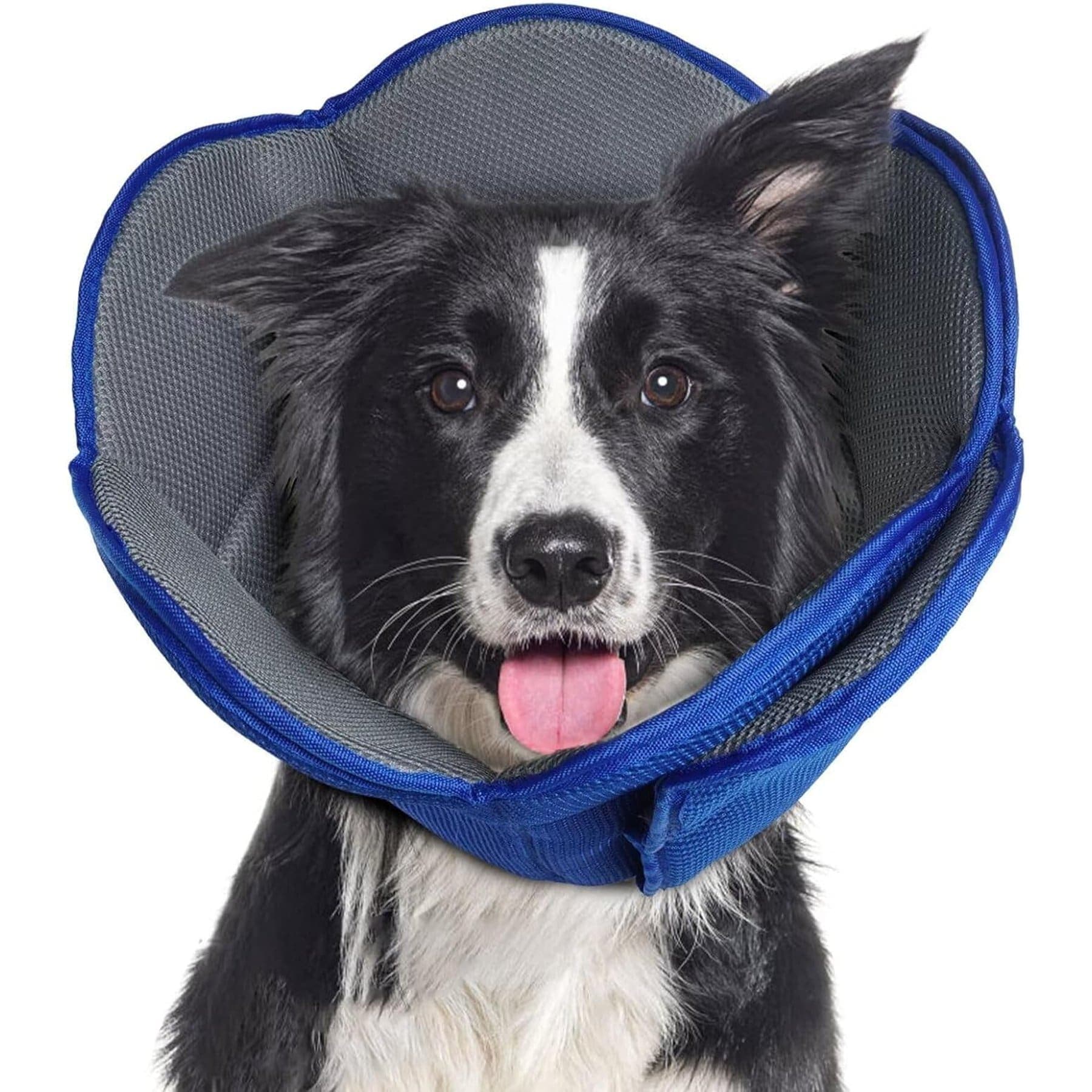
Lightweight padded mesh soft cone that allows free movement during recovery and washes by hand.
Webvet may earn a commission when you click through to Chewy, at no extra cost to you.
What is the procedure for treating a perineal hernia in dogs?
The standard operation is a perineal herniorrhaphy. ACVS explains that the surgeon places sutures to restore the pelvic diaphragm, sometimes bolstered with a muscle flap, and recommends castrating intact males during the same procedure. When organs have already herniated or the hernia has returned, an organopexy anchors the colon, bladder, or vas deferens to the abdominal wall.
Because the surgery can be technically challenging, VCA notes that referral to a board-certified surgeon is often recommended. Published studies describe several ways to reinforce the repair:
- Elevating the internal obturator muscle
- A fascia lata graft
- Polypropylene mesh
- Porcine small intestinal submucosa
Hernias often occur on both sides. VCA says a second surgery is usually needed for the opposite side, while ACVS notes the surgeon may recommend repairing both. In a 22-dog mesh series, median operating time was 60.5 minutes for one side and 109 minutes for both.
Neutering is part of the repair for intact males. ACVS recommends castration during the procedure, and VCA reports that dogs not neutered at surgery are almost three times more likely to develop another hernia. In an 84-dog recurrence study, dogs neutered before their repair were 4.4 times as likely to recur as dogs neutered during it.
How much does perineal hernia surgery cost for a dog?
No primary veterinary source publishes a price, so the cost of perineal hernia surgery in dogs comes from a local estimate. The bill depends on which pieces of care a dog needs: one side or both, castration, any organopexy, emergency stabilization, a board-certified surgeon, and hospital days. In the mesh series, the median hospital stay was 9.5 days.
What is the success rate of perineal hernia surgery in dogs?
Success is usually measured by whether the hernia comes back, and the figures vary. ACVS puts recurrence at 10–50% depending on technique, and Merck gives 10–46% and calls the prognosis guarded. Merck's owner guide says up to half of dogs have a repeat hernia, while VCA calls the prognosis very good with effective surgery.
Recent studies land toward the lower end of those ranges. Recurrence was 15% in the 84-dog study, 8.8% and 10.3% at 12 months with two techniques in a randomized trial of 66 dogs, and 14% in the 22-dog mesh series, where 32% of dogs had a major complication.
Castration's role is debated, too. Although ACVS, Merck, and VCA all recommend it, the 315-dog prostate study found no significant difference in recurrence between castrated and non-castrated dogs.
Recovery after surgery and caring for a dog that cannot have surgery
Recovery from perineal hernia surgery is fairly quick when it goes smoothly: ACVS puts the typical recovery in uncomplicated cases at around 2 weeks. The incision sits close to the anus, so protecting it is the main job at home, and the guides to choosing a dog cone and dog wound care cover the daily routine.
Cones come in rigid and soft styles. The NANAKI Soft Cone Recovery Elizabethan Collar/E-Collar for Dogs, Blue, Small is a lightweight, padded mesh soft cone that washes by hand. Whatever the style, it has to keep the dog's mouth away from the incision.
After perineal hernia surgery, home routines in the published case series included:
- Incision care, with icing of the incision for some dogs
- An Elizabethan collar and exercise restriction
- A low-residue diet, with some dogs switched to a high fiber diet
- Stool softeners, pain relief, and antibiotics
- Monitoring for complications
In the 84-dog study, 7% of dogs developed a surgical site infection. ACVS lists the complications to watch for during recovery, and any of them is a reason to call your vet:
- Infection at the incision, a risk because it sits so close to the anus
- Wound breakdown, bruising, or swelling around the surgical site
- Brief discomfort when passing stool, or urgency to go without producing any
- Fecal incontinence or urinary problems, especially if the bladder had been trapped
How to heal a perineal hernia?
A perineal hernia heals through surgical repair. Rest, diet, and medication can ease the signs, but ACVS says medical therapy generally fails to control the disease permanently. After the operation, uncomplicated cases recover in about 2 weeks, with stool softeners, a vet-directed diet, pain relief, and an Elizabethan collar supporting healing.
Treating the cause of straining is part of the plan. VCA pairs neutering with treatment of any underlying cause of straining to reduce recurrence, and imaging at diagnosis can check for prostate disease, which Merck links to the hernia.
Some dogs are waiting for surgery, and some cannot have it at all. For a dog managed without surgery, ACVS describes medical management that combines several treatments, all directed by a vet:
- Enemas
- Stool softeners
- IV fluid therapy
- Dietary management
- Pain relief
No natural remedy repairs a perineal hernia, and no veterinary source supports home remedies as a substitute for surgery or a vet's medical plan. Diet still matters: a high fiber or low-residue diet set by your vet appears throughout the published case series.
Pumpkin fiber powders are one way to add fiber to meals. Bark&Spark Pumpkin Powdered Fiber & Stool Softener Diarrhea & Constipation Supplement for Dogs and Native Pet Pumpkin Fiber Powder Organic, Human Grade Digestive Supplement for Dogs, 16-oz are dried pumpkin powders that mix into food. Despite the stool softener wording on some labels, they are fiber supplements, not prescribed softeners, and neither treats the hernia.
For a dog managed without surgery, keeping the fur around the anus clean is part of daily comfort. Petkin Dog & Cat Tushie Wipes, 100 count are deodorizing wipes that clean the rear without water or rinsing.

How long can dogs live with a perineal hernia?
No study gives a survival time for dogs living with an unrepaired hernia. Dogs can be managed with stool softeners and diet while they wait for surgery, but VCA says the outlook becomes more guarded without surgery, after a failed repair, or when the cause of straining cannot be treated.
For a dog living with an unrepaired hernia, the sign that changes everything is urinary. Straining to urinate with nothing passing means the bladder may be trapped, and that dog needs an emergency vet right away.
Repair changes the picture. Among repaired dogs in the Canadian surgical series, those that died during follow-up died of causes unrelated to the hernia surgery.
Can a dog live a full life with a hernia?
Many dogs can once the hernia is repaired. VCA calls the prognosis very good with effective surgery, and in a 41-dog study of staged repairs for complicated hernias, surgery's success rate was 90%, with 92% of dogs showing an improved quality of life. The caveat is recurrence, the reason Merck calls the prognosis guarded.
A hernia that returns is not the end of the road. ACVS says organopexy should be considered for dogs with recurrent perineal hernias. In the staged-repair study, all four recurrences appeared within 6 months of surgery.
Perineal hernia in dogs questions
Frequently Asked Questions
Can a perineal hernia in a dog heal without surgery?
No. Stool softeners, diet changes, and enemas can make a dog more comfortable, but ACVS describes medical therapy mainly as a way to prepare a dog for surgery, not a permanent fix. Even after repair there is a risk of recurrence, which is why vets pair surgery with castration and careful stool management.
A dog managed without surgery has a more guarded outlook, according to VCA.
Should a dog be neutered during perineal hernia repair?
For intact males, ACVS, Merck, and VCA all recommend castration at the time of repair to lower the risk of recurrence. The reasoning is hormonal: androgens such as testosterone appear to contribute to the condition, and Merck links prostate enlargement from hormone imbalance to the disease.
One 315-dog study of dogs with prostate disease found no significant recurrence difference, so the evidence is not unanimous.
Can female dogs get a perineal hernia?
Yes, but it is uncommon. VCA says perineal hernias rarely occur in female dogs, and Merck describes the typical patient as a middle-aged to older intact male. A female dog with a soft swelling beside the anus, repeated straining, or trouble urinating still needs a prompt vet check, and the same rectal exam and imaging apply.
What should a dog with a perineal hernia eat?
The goal is soft stool that passes easily, and your vet sets the diet. In published case series, dogs went home on a high fiber or low-residue diet, and after surgery one Japanese series paired a commercial high fiber diet with lactulose.
A 66-dog study found no significant link between a raw food diet and constipation in dogs with this hernia. Check with your vet before adding a fiber supplement to a prescribed diet.
How long does recovery from perineal hernia surgery take?
ACVS puts typical recovery at around 2 weeks in uncomplicated cases, though hospital stays vary: the Japanese mesh series reported a median of 9.5 days in hospital, with a range of 6 to 17.
At home, expect a cone or other Elizabethan collar, restricted exercise, and incision checks until your vet clears your dog. If the other side needs its own operation later, as VCA says is usually the case when both sides are affected, plan for a second recovery.

Editor
The Webvet Editorial Team is the in-house group of pet-care editors and writers behind Webvet, operated by Smart Pet Collective. The team researches, writes, and maintains Webvet's pet health, behavior, and medication content. Every article follows a defined editorial process: research from reputable veterinary and scientific sources, careful drafting, mandatory review of medical content by a credentialed veterinarian, and dated publication. Health and medication articles are medically reviewed by a licensed veterinary professional before they go live and are kept current over time.
Veterinarian · BVMS MRCVS
Dr. Pippa Elliott, BVMS, MRCVS, is a veterinarian with nearly 30 years of experience in companion animal practice. Dr. Elliott earned her Bachelor of Veterinary Medicine and Surgery from the University of Glasgow. She was also designated a Member of the Royal College of Veterinary Surgeons. Married with 2 grown-up kids, Dr. Elliott has a naughty Puggle named Poggle, 3 cats and a bearded dragon.
Related reading

Perianal Adenoma in Dogs: Signs, Surgery, and Outlook

Perianal Fistula in Dogs: Symptoms, Treatment, and Long-Term Outlook

Anal Gland Abscess in Dogs: Signs, Rupture, Treatment, and Recovery
