Anal Gland Abscess in Dogs: Signs, Rupture, Treatment, and Recovery
A hot, painful swelling beside your dog's anus is usually an infected anal sac that has become an abscess, and it needs a vet today. Learn what rupture means, how vets treat it, and how to help your dog heal at home.

BVMS MRCVS
Medically reviewed by Dr. Pippa Elliott, BVMS MRCVS · Last reviewed

This article contains affiliate links. Webvet may earn a commission when you buy through them, at no extra cost to you.
Anal gland abscess in dogs: what that swelling beside the anus means
An anal gland abscess is an infected anal sac that has filled with pus and swollen into a painful pocket beside the anus. VCA describes a red, hot, painful swelling on one or both sides of the anus, and the abscess can rupture into an open, draining wound.
Veterinary Partner does not class the anal gland abscess dogs develop as a medical emergency but calls it extremely painful, and its first-aid guidance says abscesses should be seen by a veterinarian within 24 hours. Call your vet the same day you notice either sign, for draining, cleaning, antibiotics, and pain relief.
- 1An anal gland abscess is an infected anal sac full of pus, felt as the hot painful swelling beside the anus.
- 2Knowing how an impacted sac becomes infected explains prevention: sacs that do not empty let fecal bacteria settle in.
- 3A burst abscess leaves an open, draining hole and still needs a vet within 24 hours.
- 4Call your vet the same day, and never squeeze or open the swelling yourself.
The anal sacs are small scent pouches beside the anus that normally empty as stool passes. The Merck Veterinary Manual says extra fiber makes stool bulkier, which helps compress and empty the sacs during defecation.
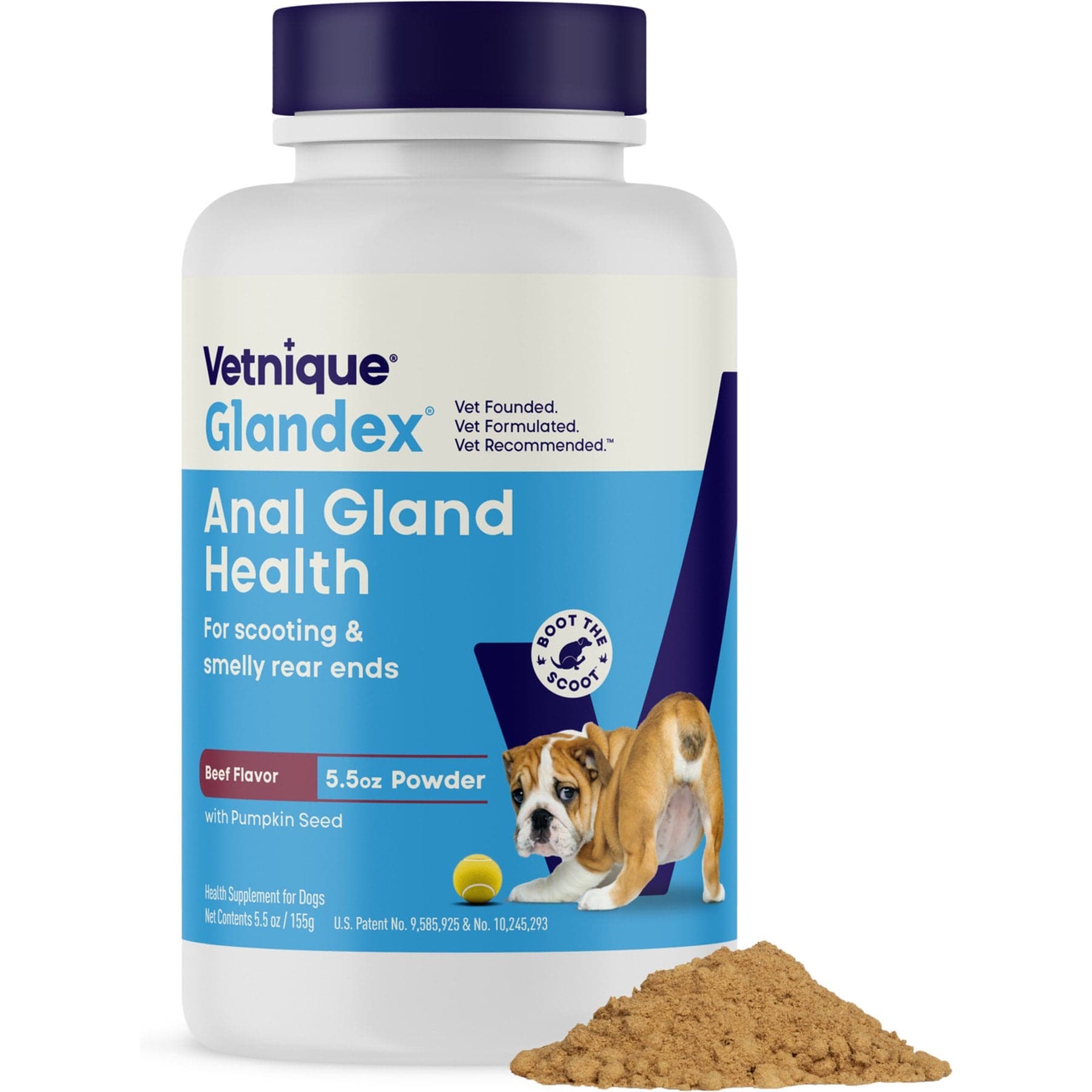
A pumpkin, fiber, and probiotic powder made to create firm, bulky stools that help the anal glands empty naturally.
Webvet may earn a commission when you click through to Chewy, at no extra cost to you.
Trouble builds in stages. The Merck Veterinary Manual guide for dog owners says anal sacs may become clogged (impacted), infected, abscessed, or cancerous, and a 2022 study in Veterinary Dermatology describes impaction, infection, and abscess as a continuum with poorly defined borders. Go by the most serious sign you see.
| Anal sac problem stages | What you may notice | Vet urgency | What the vet usually does |
|---|---|---|---|
| Full or impacted sacs | Scooting, licking under the tail | Book a routine visit | Feels hard, packed sacs and empties them |
| Infected (anal sacculitis) | Ongoing scooting or licking, anal discharge | Book a visit soon | Empties the sacs and prescribes antibiotics |
| Abscessed | Hot, red, painful swelling beside the anus; reluctance to sit; off food | Call the same day; seen within 24 hours | Drains or lances it, sometimes under sedation; antibiotics and pain relief |
| Ruptured | Open hole draining greenish-yellow or bloody pus | Same-day call; not an emergency, but seen within 24 hours | Cleans the wound; antibiotics, pain relief, and a recheck |
Any perianal abscess or lump deserves an exam, since anal sac disease is only one of several problems affecting the perianal skin.

 Sponsored
Have a health question about your dog?
Talk to a licensed vet at Dutch over video or message, including nights and weekends.
Use code Pets60
Plans start at $12/month · covers up to 5 pets
- Licensed vets in most states
- Rx for 150+ conditions
- 4.7 on Trustpilot
Signs of an anal gland infection or abscess
VCA says the first sign of anal sac trouble is often scooting, dragging the rear end along the ground. Veterinary Partner adds that dogs with impacted sacs usually scoot to try to empty them, and some lick the area or chase their tails, habits explained further in dog scooting.
Scooting alone does not mean infection; it often starts at the full-sac stage described in impacted anal glands in dogs. Licking under the tail has other causes too, which dog licking butt sorts through.
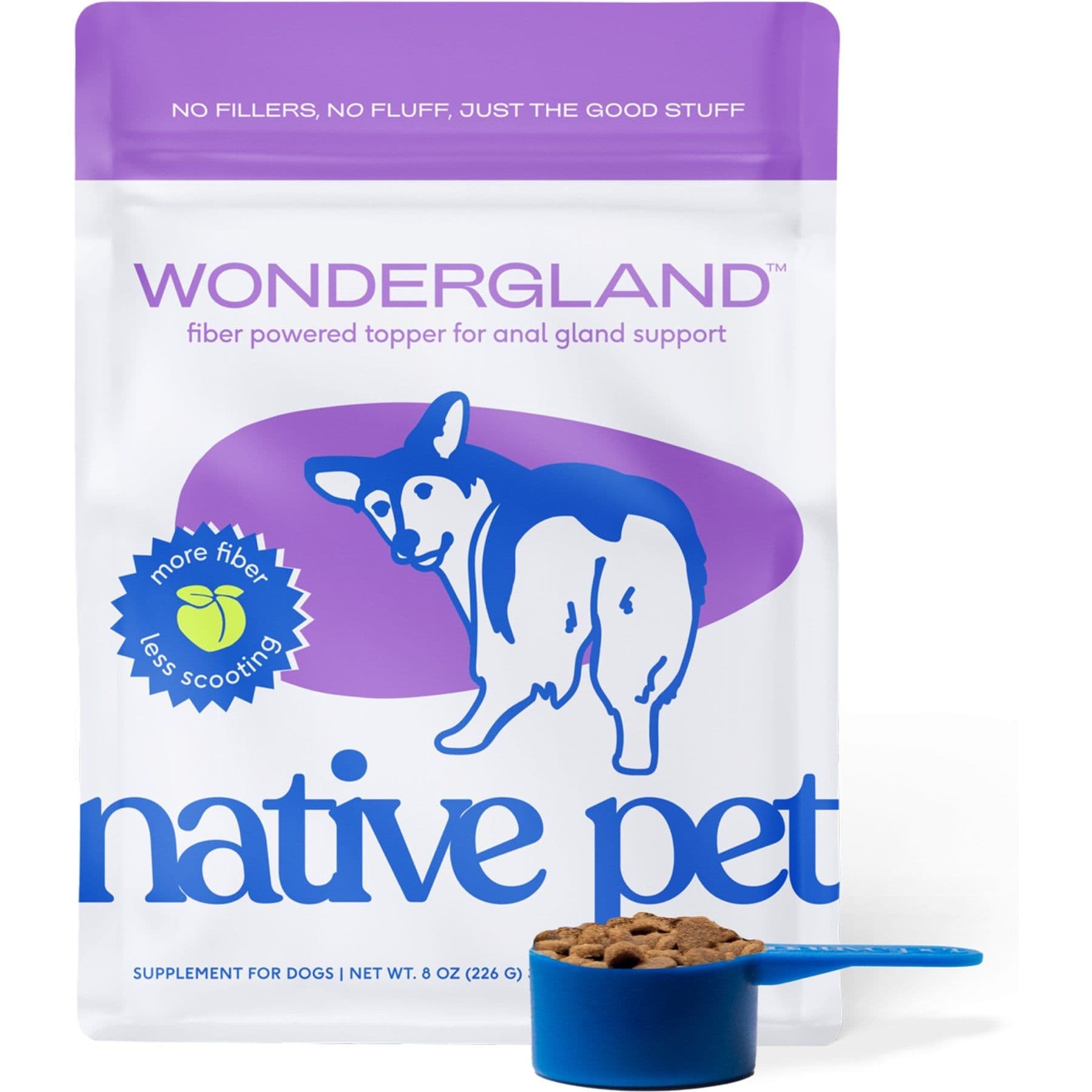
A pumpkin-based triple-fiber blend with pre-, post-, and probiotics that helps promote firm stools and natural gland expression.
Webvet may earn a commission when you click through to Chewy, at no extra cost to you.
Once bacteria take hold, the result is infected anal glands, which vets call anal sacculitis, and pus can then collect into an abscess. Veterinary Partner lists these signs of an anal gland abscess:
- Swelling and redness around the anus
- Crying, whimpering, or other signs of pain
- Reluctance to sit or to poop
- Constipation and anal discharge
- Being withdrawn, lethargic, and off food
VCA says the swelling can appear on either side of the anus or both, and a burst abscess drains greenish-yellow or bloody pus through an opening beside it. An infected anal gland looks red, swollen, and sore; dog abscess explains how abscesses behave elsewhere on the body.

How an anal gland abscess forms and which dogs get them
An impacted sac becomes infected through its own duct. VCA explains that bacteria normally present in feces can travel up the ducts into the sacs, and impacted sacs do not flush them out. When pus builds up inside the infected sac, Veterinary Partner says, it has become an abscess.
The Merck Veterinary Manual names three reasons sacs hold on to their contents:
- Too little squeezing of the sacs during defecation
- Poor muscle tone in obese dogs
- Generalized seborrhea, which makes the glands overproduce
Normally, walking and bowel movements empty the sacs, Veterinary Partner says, though some dogs cannot empty them on their own at all. Why sacs clog is covered in more depth in dog anal glands.
What breeds of dogs need their glands expressed?
Veterinary sources do not publish a breed list. The Merck Veterinary Manual says small breeds are predisposed to anal sac impaction and sacculitis, while large and giant breeds are affected less often. Veterinary Partner, by contrast, says no breed, sex, or age group is more likely to get an abscess.
Whatever the breed, VCA says dogs with recurring trouble may benefit from routine expression by veterinary professionals, and overweight dogs tend to have chronic anal sac problems because their sacs do not empty well.
What the vet checks: impaction, infection, abscess, or something else
Merck says impaction, infection, or abscess is confirmed with a digital rectal examination, when the sacs can also be expressed. Veterinary Partner describes sac material as thick, oily, and fishy-smelling; Merck says impacted sacs are packed with a thick, pasty, brown secretion. The process is explained in how to express dog anal glands.

The exam also separates an abscess from problems that can look similar:
- An anal sac tumor (apocrine adenocarcinoma), which Merck says to suspect when a sac is firm, enlarged, and will not express even with irrigation; VCA notes its signs can mimic infection, and Veterinary Partner says these uncommon but serious tumors are more likely in older dogs and in Spaniels, German Shepherds, and dachshunds
- A perianal fistula; Veterinary Partner lists anal sac rupture among the conditions that can look like one
- A perianal adenoma, a benign tumor Veterinary Partner says is common in older unneutered male dogs
- A swelling from a perineal hernia
 Sponsored
Vet care that's always there
Unlimited video calls and messaging with licensed vets for less than a typical vet visit. One membership covers up to five pets.
Use code Pets60
Plans start at $12/month · covers up to 5 pets
- Licensed vets in most states
- Rx for 150+ conditions
- 4.7 on Trustpilot
Ruptured anal gland abscess: why it is a same-day vet visit
A ruptured anal gland abscess has burst through the skin. Merck's owner guide says open tracts from abscessed sacs can rupture through the skin and leave a wound, so you may see bleeding, a hole beside the anus, and draining pus.
A rupture still needs a vet: Veterinary Partner says the veterinarian has to clean the abscess and treat the infection, sometimes under sedation or anesthesia. It is not a medical emergency, but a same-day call keeps your dog inside the 24-hour window.
Will a dog abscess heal on its own?
An abscess may burst on its own, but bursting is not healing. Veterinary Partner says deeper pus pockets must be drained and will probably burst out eventually, and an anal gland abscess still needs a vet to clean it and treat the infection. No veterinary source supports waiting one out.
Anal gland abscess treatment: what the vet does and what it costs
Dog anal gland treatment depends on the stage. For infection, VCA says the vet expresses the sacs and gives oral antibiotics; Merck adds antiseptic cleaning plus local and whole-body antimicrobial treatment.
To drain the abscess, the vet may:
- Sedate your dog if needed, since VCA says the treatment can be painful
- Lance an abscess that has not ruptured, which VCA says may need surgery
- Clean out the pus and the open tract of a ruptured abscess
- Prescribe antibiotics and pain relief medication
For the healing period, VCA advises a cone collar, also called an Elizabethan collar, for any dog that licks the area.
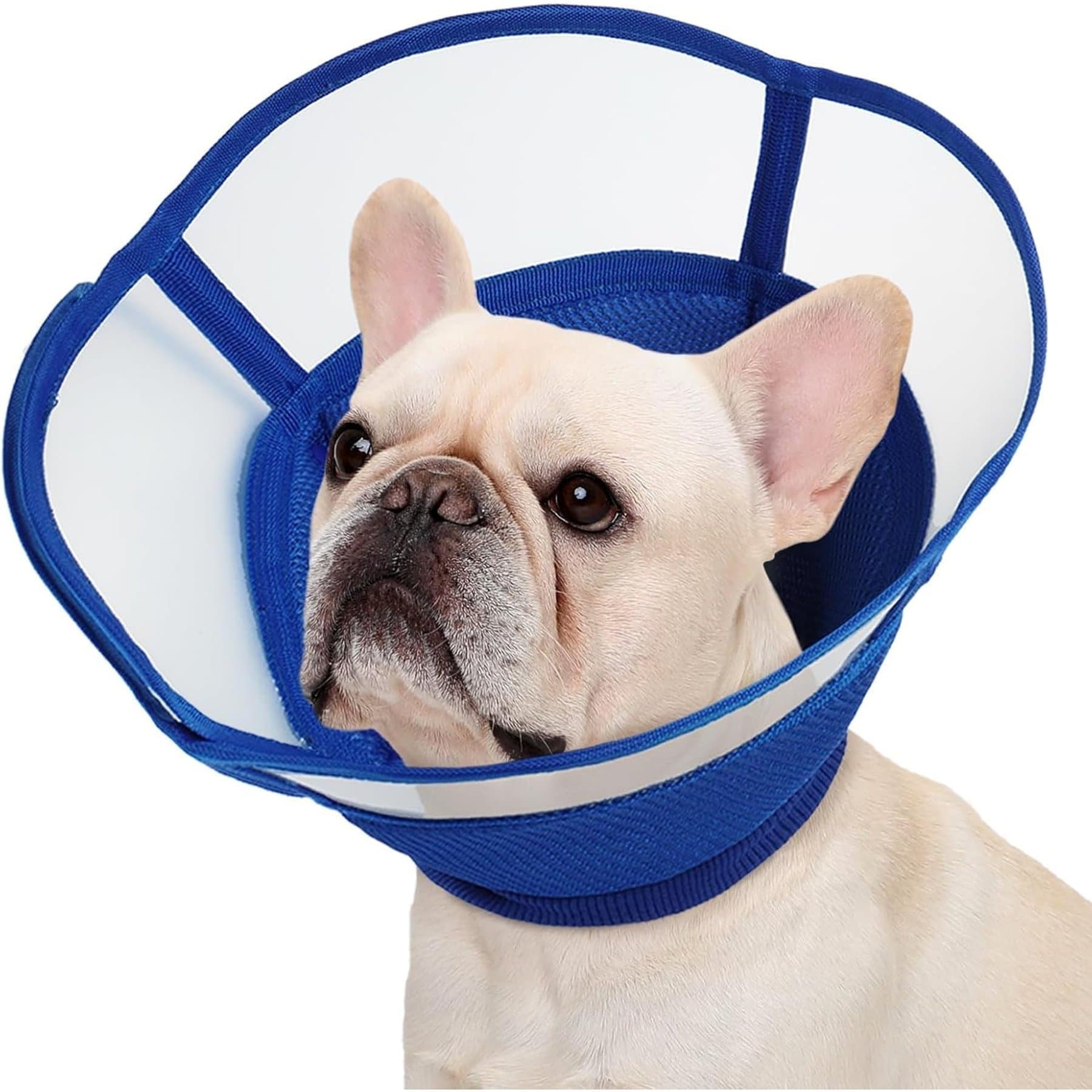
A soft, adjustable recovery cone with a clear upper layer that helps block licking, biting, or scratching at a healing wound.
Webvet may earn a commission when you click through to Chewy, at no extra cost to you.
No standard published price exists for treating an anal gland abscess, whether it is closed or ruptured. The total depends on what your dog needs, from emptying the sacs and a course of antibiotics to sedation, lancing, and repeat visits, so ask for an itemized estimate before treatment starts.

Treatment is not finished at the first visit. Veterinary Partner says it stops only after a recheck confirms the abscess is healing properly, and VCA says the vet will likely express the glands again then and may repeat an infusion of anti-inflammatory and antibiotic medication.
The outlook is good for most dogs. VCA says most respond well to pain relief medications and antibiotics, and in the 2022 Veterinary Dermatology study, 24 of 33 dogs with sacculitis reached resolution and none failed treatment, although abscess cases were not part of that study.
Home care during healing and preventing the next abscess
Home treatment for a ruptured anal gland abscess follows the plan your vet sets, and keeping the area clean is a big part of it. VCA says that after a rupture you may need to gently clean the area regularly until it heals.
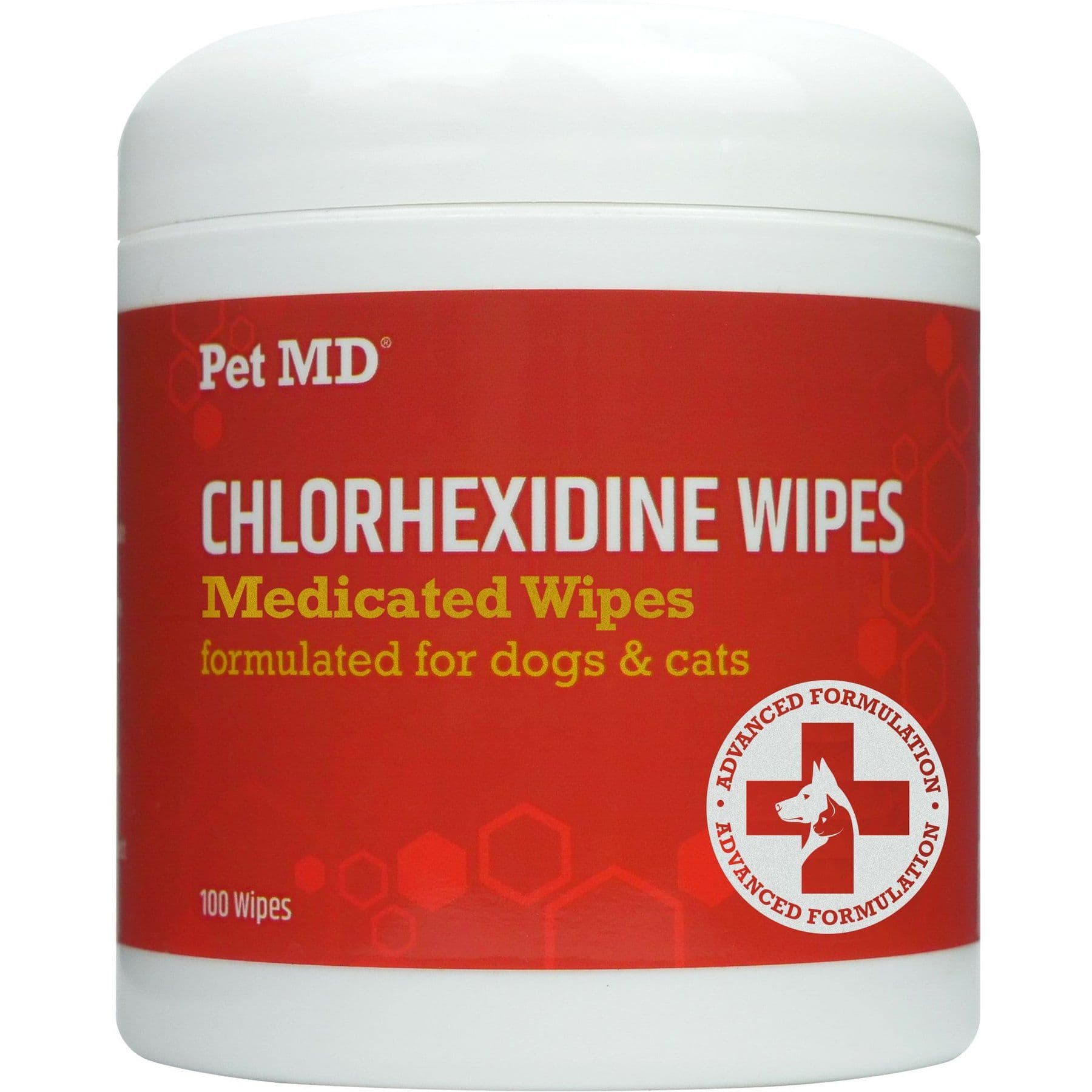
Medicated chlorhexidine wipes with aloe made for cleansing irritated skin; use near a healing wound only as your vet directs.
Webvet may earn a commission when you click through to Chewy, at no extra cost to you.
The home wound care the vet may direct usually includes:
- Warm compresses, which VCA says can add pain relief
- Every dose of prescribed medication on schedule, because Veterinary Partner warns that dogs can look better after a few days while the infection can still come back
- Gentle cleaning of the area, done the way your vet showed you
- A cone collar any time your dog would otherwise lick the wound
- The recheck visit, which decides when treatment ends
A cone only works if it fits and stays on. The Kuoser Soft Cone Adjustable Recovery Dog Elizabethan Collar/E-Collar, Blue, Medium, listed at $20.99 on Chewy when we checked in October 2026, adjusts with a drawstring stopper and has a clear upper layer that does not block vision; its listing advises measuring your dog first.
Compress schedules differ by source. Veterinary Partner's after-care routine is a clean washcloth soaked in warm water, held on the site with gentle pressure for 5 to 10 minutes, at least twice daily for 3 to 5 days. The Merck Veterinary Manual describes hot compresses every 8 to 12 hours for 15 to 20 minutes. Follow your vet's schedule.
If your vet approves a spray for the skin around the healing area, Vetericyn Plus Antimicrobial Wound Care Spray for Dogs, Cats, Horses, Birds & Small Pets, 8-fl oz bottle is sold for cleaning, flushing, and moisturizing cuts, sores, and skin irritations. It is listed at $23.99 on Chewy when we checked in October 2026.

Call your vet if you notice any of the signs Veterinary Partner says to report during recovery:
- More redness or heat at the abscess site
- An abscess that is not healing
- Your dog's general health getting worse
- Loss of appetite lasting longer than 24 hours
How can I treat my dog's swollen glands naturally?
No natural remedy replaces a vet for a swollen, painful anal gland. Veterinary Partner says not to apply ointments or creams, give human medicines such as acetaminophen or ibuprofen, or use home remedies unless a veterinarian directs it. The supported options are vet-guided: warm compresses for pain relief, more dietary fiber, and a healthy body weight.
Prevention steps to discuss with the vet start with the reason the sacs are struggling. VCA advises assessing and treating dogs with recurrent anal sac disease for underlying conditions. In the 2022 study, atopic dermatitis was the most common other condition, found in 12 of 33 dogs with sacculitis (36.4%), and 3 of 28 dogs (10.7%) had a recurrence.
Ask your vet about these steps:
- Checking for and treating underlying skin disease, such as atopic dermatitis
- Bringing an overweight dog down to a healthy weight, since VCA links extra weight to sacs that do not empty well
- Adding fiber so stools are bulkier and press the sacs as they pass
- Routine expression by your vet team if problems keep returning, which VCA says may help; Veterinary Partner notes that expressing the sacs is not generally a one-person job
For dogs that keep getting abscesses, Merck says surgical removal of the sac is indicated when medical treatment fails, and the closed technique has the lowest complication rate. Veterinary Partner, which notes the sacs are not necessary for a dog's health, treats surgery as a last resort because it may affect sphincter strength and cause incontinence.
Diet plays a part through the stool. Veterinary Partner says a high-fiber diet helps some dogs because a bulkier stool may empty the sacs more effectively as it passes. Fiber products are compared in anal gland supplements for dogs, and options sold for anal gland support include:
- Nutramax Filaquin Anal Gland & Digestive Health Peanut Butter Flavored Soft Chew Supplement for Dogs, 90 count, soft chews with a blend of soluble and insoluble fiber plus prebiotics and postbiotics, listed at $34.99 on Chewy when we checked in October 2026
- Vetnique Labs Glandex Anal Gland Support Supplement Powder with Beef Liver Flavor for Dogs, 5.5-oz bottle, a powder with pumpkin, fiber, and probiotics, listed at $42.99 on Chewy when we checked in October 2026
- Native Pet WonderGland Anal Gland Pumpkin Fiber & Digestive Supplement for Dogs, 8-oz, a triple-fiber blend with pre-, post-, and probiotics, listed at $19.99 on Chewy when we checked in October 2026
These products are fiber support for normal stool, not a treatment, and no published figure shows how well any of them prevents an abscess.
Anal gland abscess questions
Frequently Asked Questions
How much does it cost to treat an anal gland abscess in a dog?
Veterinary sources do not publish a standard price, and the bill varies with how much care your dog needs. The main cost drivers are the exam, sedation if the area is too painful to handle while your dog is awake, cleaning and drainage, antibiotics, pain relief medication, and at least one recheck.
Dogs with repeat problems can add ongoing costs, such as routine gland emptying, which Veterinary Partner notes carries its own expense, and surgery as a last resort. Ask the clinic for a written estimate at each stage.
Can I treat a ruptured anal gland abscess at home?
Not on your own. A ruptured abscess still needs a veterinarian to clean the wound, treat the infection, and choose the medication. Home care comes after that visit: VCA says your vet may recommend a warm compress for extra pain relief, plus gentle cleaning until the area heals.
Skip creams, ointments, human pain relievers, and home remedies unless your veterinarian directs them, as Veterinary Partner advises. Keep a cone on a dog that licks the wound.
How long does an anal gland abscess take to heal?
No veterinary source gives a set number of days for full healing. Veterinary Partner's after-care routine runs warm compresses for 3 to 5 days after the visit and warns that dogs can look better within a few days while the infection is still clearing, so finish every dose.
Treatment ends only when your vet confirms healing at the recheck, and VCA says the vet will set that reassessment date. If redness, heat, or appetite loss returns before then, call sooner.
Do dogs need antibiotics for a ruptured anal gland?
In most cases, yes. Veterinary Partner says antibiotics and probably pain medication will be needed for an anal sac abscess, and VCA says most dogs respond well to pain relief medications and antibiotics.
Your vet chooses the drug and how it is given, which can include medication infused into the cleaned sac along with tablets at home. Give the full course even if your dog seems comfortable sooner.
Pain relief also comes from your vet. Veterinary Partner warns against giving human medicines such as acetaminophen or ibuprofen unless a veterinarian directs it, so ask before reaching for anything in your own cabinet.
Is a bleeding anal gland an emergency?
Bleeding beside the anus can signal a rupture: VCA says a burst abscess releases greenish-yellow or bloody pus through an opening in the skin. Veterinary Partner does not class an anal gland abscess as a medical emergency, but its first-aid guidance says abscesses should be examined within 24 hours, so call your vet the same day.
The same 24-hour guidance applies to a closed swelling that has not burst yet. Until your dog is seen, use direct pressure on active bleeding and leave cleaning to the vet unless you are told otherwise. Worsening general health is one of the signs Veterinary Partner says to report promptly.

Editor
The Webvet Editorial Team is the in-house group of pet-care editors and writers behind Webvet, operated by Smart Pet Collective. The team researches, writes, and maintains Webvet's pet health, behavior, and medication content. Every article follows a defined editorial process: research from reputable veterinary and scientific sources, careful drafting, mandatory review of medical content by a credentialed veterinarian, and dated publication. Health and medication articles are medically reviewed by a licensed veterinary professional before they go live and are kept current over time.
Veterinarian · BVMS MRCVS
Dr. Pippa Elliott, BVMS, MRCVS, is a veterinarian with nearly 30 years of experience in companion animal practice. Dr. Elliott earned her Bachelor of Veterinary Medicine and Surgery from the University of Glasgow. She was also designated a Member of the Royal College of Veterinary Surgeons. Married with 2 grown-up kids, Dr. Elliott has a naughty Puggle named Poggle, 3 cats and a bearded dragon.
Related reading

Perineal Hernia in Dogs: Signs, Surgery, and Recovery

Perianal Adenoma in Dogs: Signs, Surgery, and Outlook

Perianal Fistula in Dogs: Symptoms, Treatment, and Long-Term Outlook
