Perianal Fistula in Dogs: Symptoms, Treatment, and Long-Term Outlook
Perianal fistulas are painful draining tracts in the skin around a dog's anus, seen most in German Shepherds. This guide covers the symptoms, how vets diagnose and treat the disease, what home care involves, and the long-term outlook.

BVMS MRCVS
Medically reviewed by Dr. Pippa Elliott, BVMS MRCVS · Last reviewed

This article contains affiliate links. Webvet may earn a commission when you buy through them, at no extra cost to you.
What a perianal fistula in dogs is: draining tracts around the anus and why it needs a vet
A perianal fistula in dogs, also called anal furunculosis, is a painful condition in which draining tracts open in the skin around the anus. It is most common in German Shepherds, it is thought to be an immune-mediated disease, and the main treatment is immune-suppressing medicine such as cyclosporine. It needs a prompt vet visit, not home remedies.
So what do draining tracts around the anus mean? The Merck Veterinary Manual describes perianal fistula in dogs as chronic, pus-producing, foul-smelling, ulcerating tracts in the tissue around the anus. VCA Animal Hospitals explains that a fistula is an abnormal tunnel between tissues that do not normally connect, usually infected and draining onto the skin.
According to the American College of Veterinary Surgeons (ACVS), the lesions start as small oozing holes and can widen and deepen until they surround the whole anus. The Merck Veterinary Manual's guide for dog owners adds that prompt treatment keeps infection from spreading deeper into the body.

Perianal fistulas are not considered contagious. The veterinary references describe a disease thought to be driven by the dog's own immune system, and none describe it spreading between dogs or to people.
- 1What draining tracts around the anus mean: anal furunculosis, a chronic, likely immune-mediated disease, not a simple wound.
- 2Why German Shepherds are most at risk: a suspected genetic predisposition; roughly 80 to 85 percent of affected dogs are German Shepherds.
- 3The main treatment is vet-prescribed immune-suppressing medicine such as cyclosporine, usually for months.
- 4Clipping, gentle cleaning, a recovery collar, and the prescribed diet support the medicine but never replace it.
What is furunculosis in dogs and how does it happen?
Furunculosis is the name some vets prefer for this disease. VCA compares the lesions to a carbuncle, a many-headed abscess, and explains that furunculosis means a skin condition with recurring boils. How it happens is not fully known: Merck says an immune-mediated mechanism with a genetic predisposition is suspected, and relapse is common once treatment stops.
 Sponsored
Have a health question about your dog?
Talk to a licensed vet at Dutch over video or message, including nights and weekends.
Use code Pets60
Plans start at $12/month · covers up to 5 pets
- Licensed vets in most states
- Rx for 150+ conditions
- 4.7 on Trustpilot
Perianal fistula symptoms: licking, straining, odor, and bleeding under the tail
The first perianal fistula symptoms owners notice are often changes in behavior around the tail. Veterinary Partner lists licking under the tail, scooting the rear end along the ground, and seeming to be in pain when sitting or raising the tail.
Some dogs lick and chew at the sores so persistently that ACVS notes they need to wear an e-collar at all times to prevent self-mutilation.
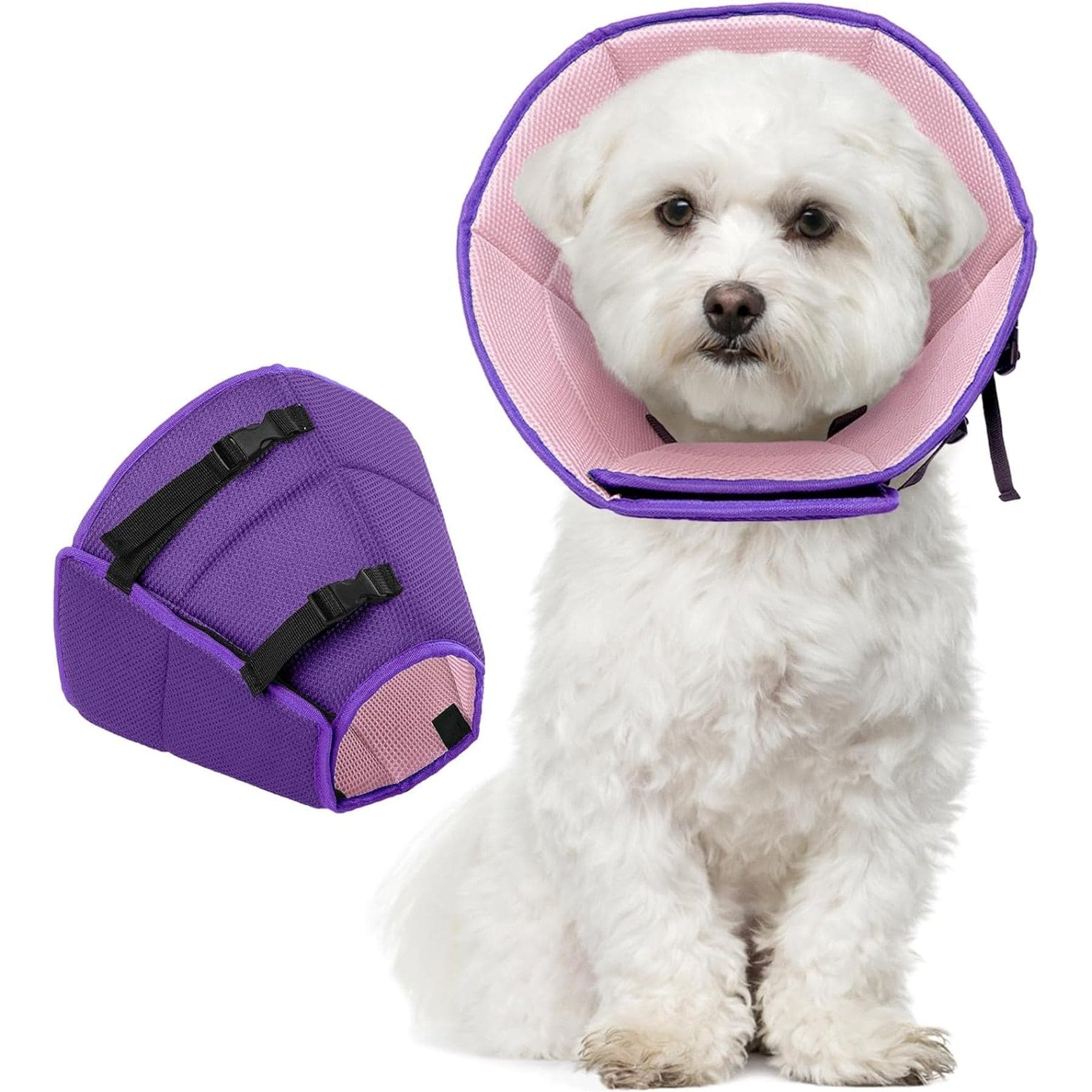
Breathable mesh cone that blocks licking and biting at sore skin, with a foldable front for eating and drinking.
Webvet may earn a commission when you click through to Chewy, at no extra cost to you.
What are the symptoms of a perianal fistula in dogs?
As the disease progresses, VCA says affected dogs usually strain to pass stool, have blood in the feces, eat less, and lick excessively at the tail and rectal area. The signs to watch for include:
- Licking, biting, or chewing under the tail
- Scooting, or pain when sitting or lifting the tail
- Straining to pass stool, or pain while passing it
- Blood in the stool
- A foul odor or pus-like discharge from under the tail
- A reduced appetite and other behavior changes
- Reluctance to sit, a tail that no longer wags normally, or aggression when the tail or hindquarters are touched

When the tail is lifted, Veterinary Partner says a vet sees deep, open crevices with oozing pus all around the anal sphincter. Pain may make it impossible to lift the tail for a good look, but the odor may be noticeable, and the dog may be straining.
Stool changes are part of the picture. The Merck Veterinary Manual lists straining, painful defecation, diarrhea, constipation, fecal incontinence, and pus-like discharge among the clinical signs, and Veterinary Partner notes a link with colitis, so the mucous diarrhea typical of colitis may show up alongside the sores.
When passing stool hurts, Merck says stool softeners such as lactulose, along with pain relief, may help. Those are prescribed medicines. Pumpkin fiber powders sold for everyday stool consistency are general digestive support only, and they do not treat the tracts.
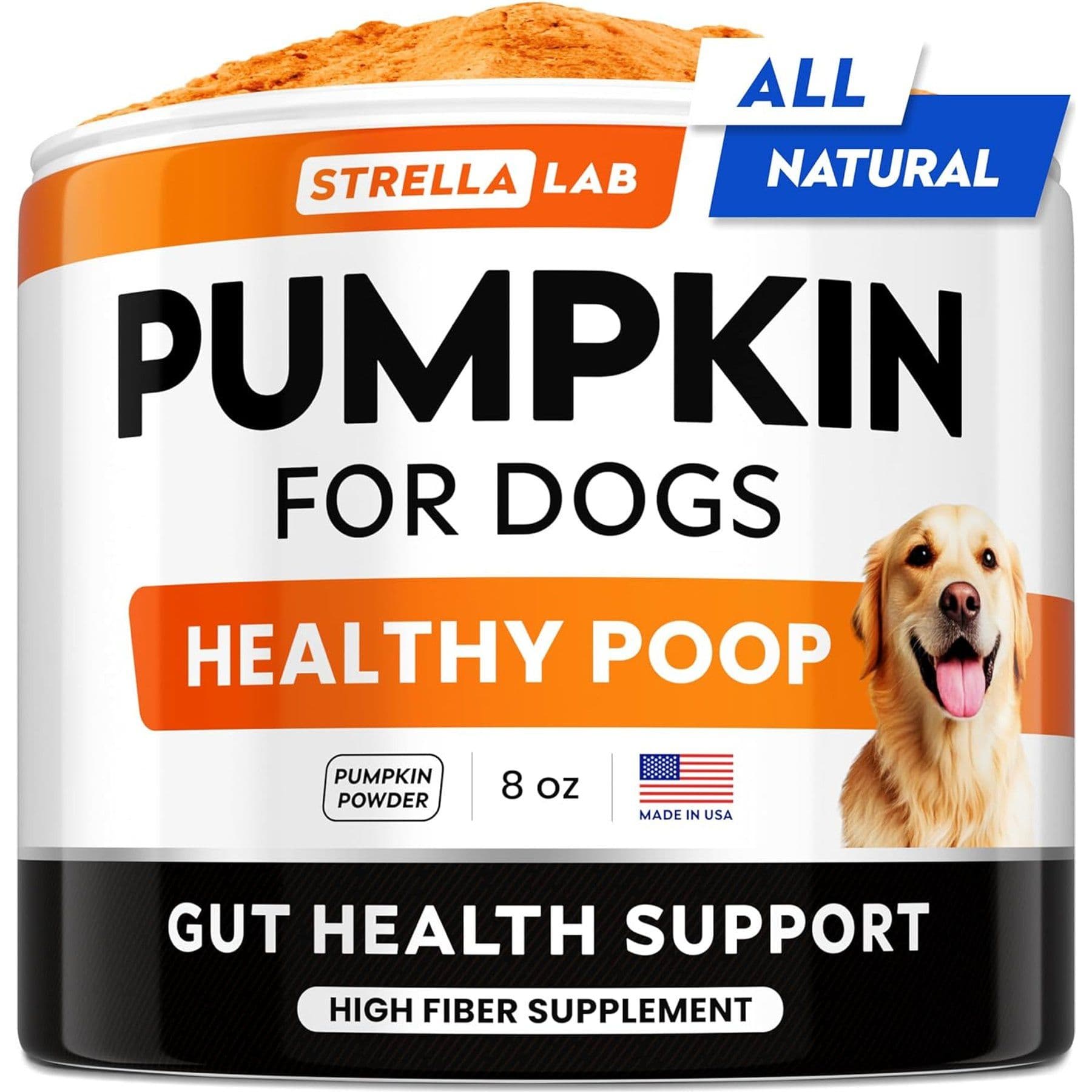
Single-ingredient dried pumpkin fiber for normal stool consistency; general digestive support, not a fistula treatment.
Webvet may earn a commission when you click through to Chewy, at no extra cost to you.
What causes perianal fistulas: German Shepherds, immune disease, and the tail base
German Shepherds dominate this disease. Merck says perianal fistulas are most common in German Shepherd Dogs and shepherd mixes, though Irish Setters, Labrador Retrievers, and other breeds can be affected. The share differs by source: Veterinary Partner says 85 percent of affected dogs are German Shepherds, while VCA cites one study putting it at about 80 percent.
Why German Shepherds are most at risk is not fully settled, but the leading explanation is inherited. Merck describes a suspected genetic predisposition, and the breed's numbers fit that picture. Veterinary Partner adds that the average age of onset is five years and that about twice as many males as females are affected.
Why does a perianal fistula happen?
No single cause has been proven. Merck says the cause of perianal fistula is unknown but is suspected to involve an immune-mediated mechanism with a genetic predisposition, and VCA says more recent studies point to an autoimmune disease. In plain terms, the dog's own immune response appears to drive the damage, and infection in the tracts follows.
Researchers have looked at other factors that may contribute to what causes perianal fistulas in dogs:
- Tail shape: Merck says a broad-based tail carried low may predispose the skin under it to bacterial infection and chronic inflammation, but it is likely a contributing factor rather than the cause.
- Colitis: in a 2002 study in the Journal of Small Animal Practice, 9 of 18 dogs referred for anal furunculosis, or 50 percent, had colitis on colon biopsy.
- Food reactions: a 2010 dermatology clinic study found adverse food reactions were strongly associated with perianal fistula, although every fistula dog in it was a German Shepherd, so the link is not confirmed.
How a vet diagnoses perianal fistulas and rules out an anal gland abscess or tumor
Diagnosis is mostly hands-on. Merck says the vet relies on the dog's breed, age, and history plus a physical exam that includes a digital rectal exam. Because the area is so sore, ACVS notes that a painful dog may need sedation before it can be examined properly.
The rectal exam is also how a vet rules out an anal gland abscess. ACVS explains that infection or obstruction of the anal glands, the anal sacs, can cause draining tracts too, and Merck's owner guide says an abscessed anal sac can rupture through the skin and leave a wound.
An impacted anal gland or an anal gland abscess is a different problem with a different plan, so the vet needs to tell them apart before calling the sores a fistula. Merck states that these other causes of draining tracts, anal sac disease and tumors among them, must be ruled out first.

What could be mistaken for a fistula?
Several problems around the anus can look similar. Veterinary Partner lists these look-alikes:
- Squamous cell carcinoma of the anus, a cancer
- Hyperplastic anus, common in older unneutered male dogs
- Perianal adenoma, a benign tumor that is also common in older unneutered males
- Anal sac rupture
- Anal sac tumor
- Mucocutaneous lupus
Merck's owner guide notes that perianal tumors can be benign or aggressive enough to spread, so ruling them out matters. Some vets also look at the colon: the authors of the 2002 colitis study recommended colon biopsies for every dog with anal furunculosis.
 Sponsored
Vet care that's always there
Unlimited video calls and messaging with licensed vets for less than a typical vet visit. One membership covers up to five pets.
Use code Pets60
Plans start at $12/month · covers up to 5 pets
- Licensed vets in most states
- Rx for 150+ conditions
- 4.7 on Trustpilot
Perianal fistula treatment: what the vet prescribes, then care at home
Immune-suppressing medicine is the main treatment. VCA says medical management with immune-modulating drugs is now preferred over surgery, and Merck calls medical management the primary mode of treatment, with cyclosporine as the medication of choice. Improvement can often be seen quickly, but VCA cautions that bringing the disease under control can take several months.
Cyclosporine for perianal fistulas in dogs is a prescription medicine, and the vet sets and monitors the dose. Merck lists a veterinary range of 2–10 mg/kg by mouth every 12–24 hours until the lesions resolve, usually in 8–12 weeks, then a slow taper of about 25 percent every 4–6 weeks to the lowest dose that prevents relapse.
The FDA-approved label for ATOPICA (cyclosporine) capsules covers atopic dermatitis in dogs weighing at least 4 lbs, so prescribing it for perianal fistulas is extra-label use. The label also says safety is not established in dogs under 6 months old, and it is not for breeding, pregnant, or nursing dogs.

A 2025 specialist review in Veterinary Dermatology, describing a common, recurrent, and painful disease seen particularly in German Shepherd Dogs, recommends ciclosporin (the same drug as cyclosporine) as the first-line treatment. It also notes that high-quality evidence for the different medical options is lacking, so outcome figures from individual studies are useful guides rather than guarantees.
Other medicines and steps the vet may add:
- Ketoconazole alongside cyclosporine, which Merck says allows a lower cyclosporine dose and may decrease the cost of treatment
- Tacrolimus 0.1% ointment, which Merck says may treat mild lesions or serve as long-term management after severe lesions resolve
- Antibiotics for secondary infection, which Merck says are not effective as the only treatment
- Stool softeners such as lactulose, plus pain relief, for dogs that keep straining or find passing stool painful
- Prednisolone with tacrolimus, the alternative the 2025 review lists when cyclosporine fails
- A novel protein diet, part of a 2009 JAVMA protocol with tacrolimus, tapering prednisone, and metronidazole for the first two weeks, which resolved the tracts completely in 15 of 19 dogs over 16 weeks
Tacrolimus has a better side-effect and expense profile than cyclosporine, according to Veterinary Partner, but it works less often on its own: 50 percent of dogs cleared with tacrolimus alone after 16 weeks, versus 85 percent with cyclosporine.
Home care runs alongside every stage. VCA says careful, systematic bathing and cleaning can provide relief, and Merck's owner guide adds that cleansing the anal area, together with any prescribed antibiotics, may reduce inflammation.
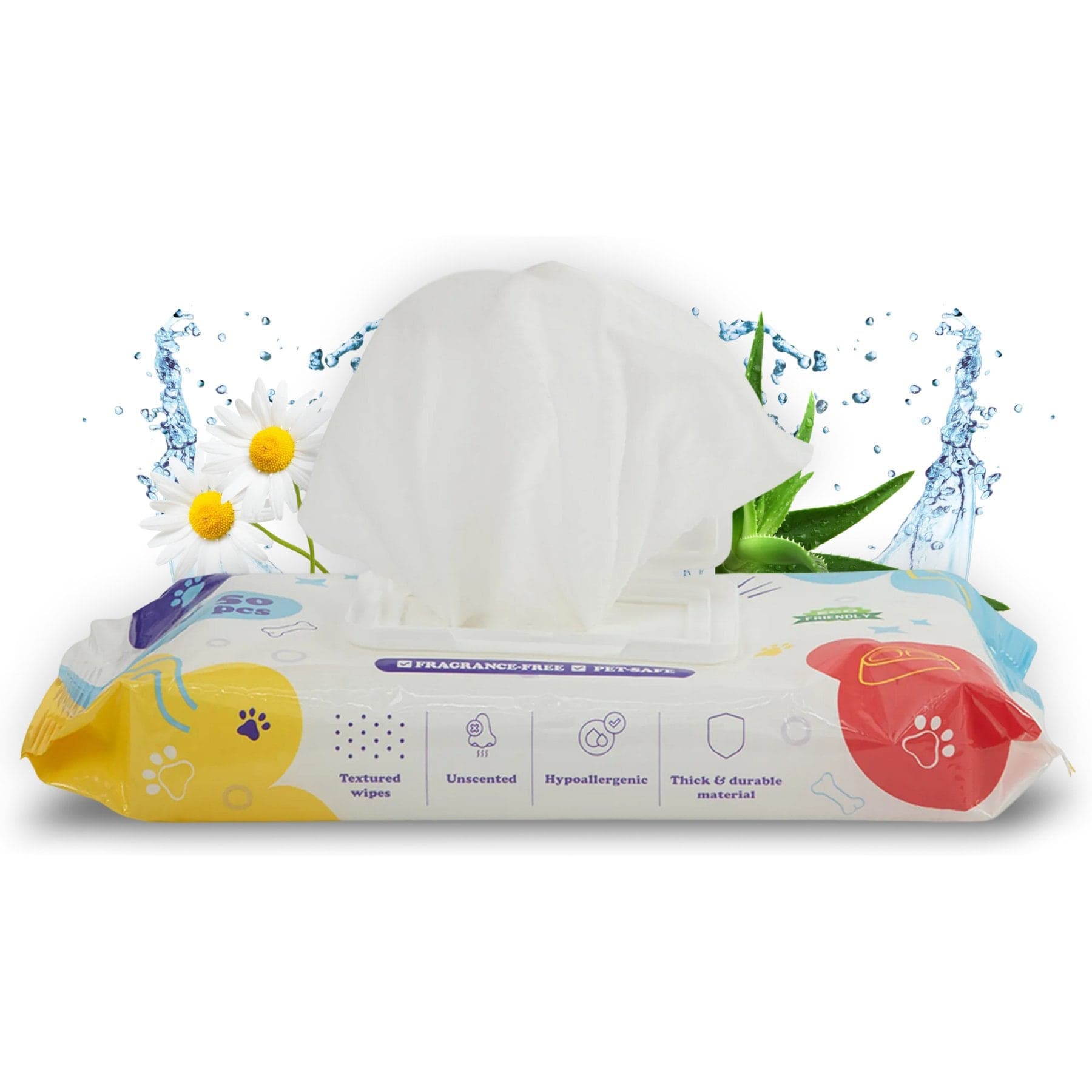
Large unscented wipes free of irritating additives, per the listing, for gentle cleanups between baths.
Webvet may earn a commission when you click through to Chewy, at no extra cost to you.
Treatment shifts with severity, and so do the home care tasks that go with each vet plan, from a first flare to long-term maintenance.
| Stage | Medicine the vet may prescribe | Diet | Home care | Rechecks |
|---|---|---|---|---|
| First flare, mild lesions (small oozing holes) | Tacrolimus 0.1% ointment or cyclosporine; antibiotics only for secondary infection | Novel protein diet or hypoallergenic food trial if the vet advises | Clip hair around the anus, gentle systematic cleaning, gloves for ointment, cone if licking | Monitoring visits while lesions heal |
| Extensive tracts (wide, deep, or circling the anus) | Cyclosporine first line, sometimes with ketoconazole to lower the dose and cost; stool softener such as lactulose and pain relief if straining | Novel protein diet as adjunct therapy | Every dose on schedule, no other drugs without vet approval, daily cleaning, full-time cone if self-trauma | Resolution usually takes 8–12 weeks, with improvement within a couple of weeks |
| Healed, tapering to maintenance | Slow taper of about 25% every 4–6 weeks to the lowest dose that prevents relapse; tacrolimus ointment for long-term management | Special diet may continue long term | Watch for licking, scooting, odor, straining, or new holes | Dose steps every 4–6 weeks; maintenance may be lifelong |
| Refractory or repeated relapse | Prednisolone plus tacrolimus, or surgery after medical treatment | Diet as the vet directs | After cryosurgery or laser surgery: daily gentle cleaning of open wounds for several weeks; stool softeners for about a month | Surgical follow-up for recurrence, stricture, or leaking stool |
A dog that keeps licking or chewing at the area needs a barrier while the tracts heal. Soft and inflatable collars are alternatives to a rigid plastic cone, and the dog cone guide covers sizing and fit.
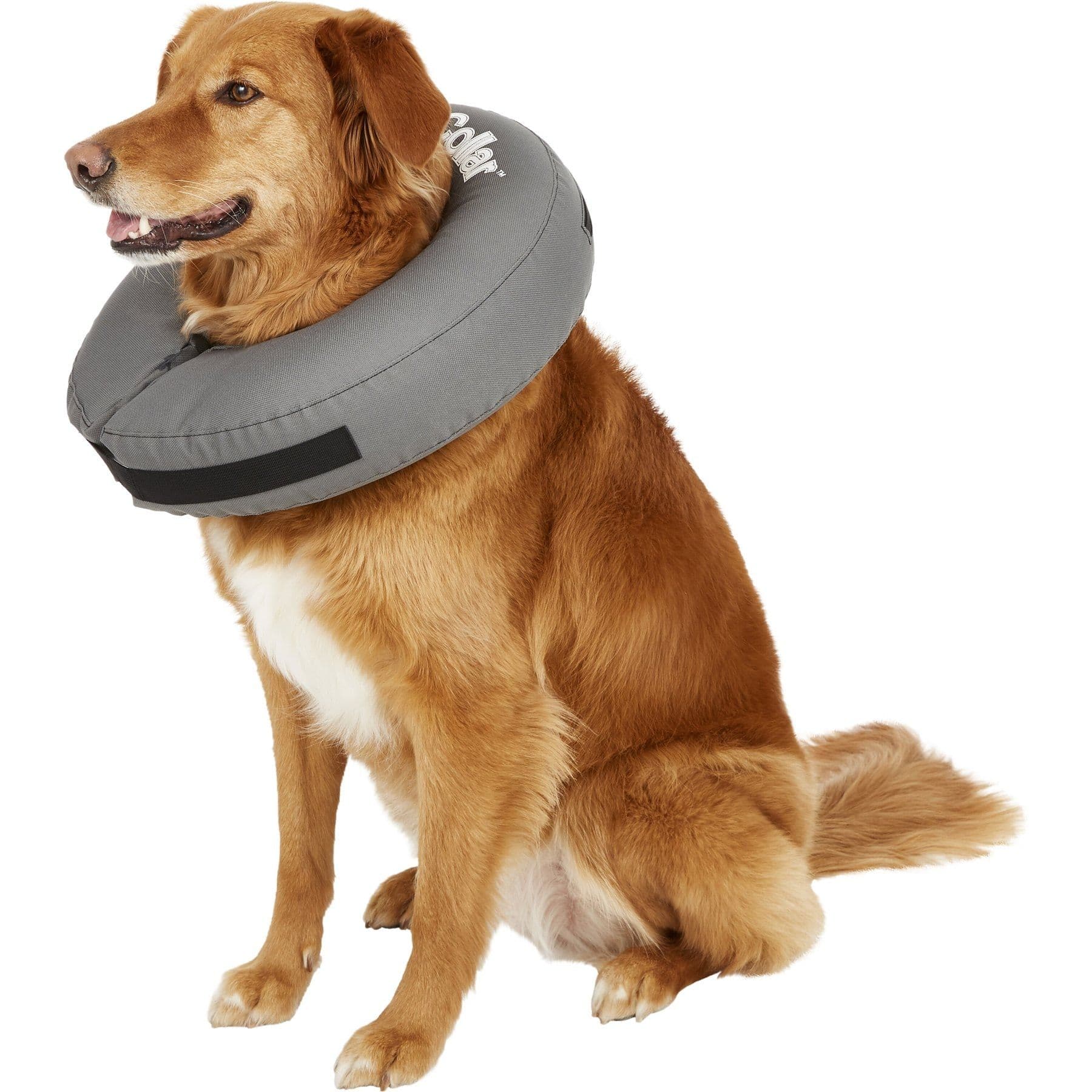
Inflatable pillow-style collar that keeps the mouth away from wounds while leaving 180 degrees of vision, per the listing.
Webvet may earn a commission when you click through to Chewy, at no extra cost to you.
Surgery used to be the mainstay. Merck now reserves it for cases refractory to medical management; options include en bloc excision, anal sacculectomy, cryosurgery, and tail amputation. ACVS, the specialty college for veterinary surgeons, takes a combined view: since the disease recurs in as many as 80 percent of dogs depending on treatment, medical and surgical treatments are usually paired.
Surgery-only results can be good. In a 51-dog surgical series, recurrence was 2 percent, fecal incontinence 4 percent, and narrowing of the anal opening (stricture) 13 percent, and 94 percent of owners judged continence acceptable and quality of life improved.
After cryosurgery or laser surgery, ACVS says the dog will have open, raw wounds for several weeks that need daily gentle cleaning to remove dead tissue, bacteria, and fecal material. Veterinary Partner adds that stool softeners are typically needed for a month after surgery, and that owners should be comfortable cleaning the anal area.
Do perianal fistulas go away?
Often, yes. In a 26-dog cyclosporine study, 69 percent of dogs cleared completely, 27 percent improved but kept some lesions, and 4 percent did not improve, after an average of 8.8 weeks of treatment. Healing is not cure, though: Merck notes relapse is common after therapy stops, so the dose is tapered, not stopped.
When a perianal fistula is urgent: pain, bleeding, and trouble passing stool
There is no published hour-by-hour deadline for a perianal fistula, but the advice is consistent: treat it promptly. Merck says infection may spread to deeper structures, including the external anal sphincter, the muscle ring that keeps the anus closed.
Signs that need a same-day vet visit, based on what Merck and VCA describe as active, painful disease:
- Straining, or obvious pain when passing stool
- Constipation, or leaking stool the dog cannot control
- Blood in the stool or bleeding from the sores
- Pus or a foul-smelling discharge under the tail
- Loss of appetite, lethargy, or a change in attitude
- Aggression or snapping when the tail or hindquarters are touched
Straining near the tail is not always a fistula. Merck's owner guide says a perineal hernia is rarely an emergency except when the dog is unable to urinate, so a dog that cannot pass urine needs emergency care.
What happens if a perianal fistula is left untreated?
It tends to get worse. Veterinary Partner says the disease waxes and wanes but progresses over time, ulcerating the anus and the skin around it. ACVS warns that uncontrolled fistulas can cause severe pain and a dramatic drop in quality of life, and that chronic damage can affect the area's nerve supply and cause fecal incontinence.
Living with perianal fistulas: diet, home care, relapse, and life expectancy
Living with perianal fistulas usually means managing a long-term condition rather than fixing it once. A veterinary review in Compendium calls the disease chronic and debilitating, requiring lifelong monitoring and, potentially, lifelong treatment. ACVS says some dogs need lifelong medical management with special diets and immune-suppressing drugs.
Diet changes a vet may prescribe target a possible food allergy. Veterinary Partner says food allergy seems to be a possible cause, so foods the dog could not be allergic to are recommended alongside medicine. VCA says a hypoallergenic food trial may be recommended because many cases have been linked to an underlying allergy.
A novel protein diet works because the dog has likely never eaten that protein before; Veterinary Partner stresses there is nothing especially hypoallergenic about unusual proteins themselves. Store-bought hypoallergenic dog food and limited ingredient dog food are not automatically new to every dog, so the vet chooses the protein based on the dog's diet history.

The food-reaction link in the 2010 study came entirely from German Shepherds, the breed most affected. Even so, a German Shepherd perianal fistula diet follows the same rule as any other dog's: the best food is the specific one the vet prescribes, fed as directed.
What are some home remedies for perianal fistulas in dogs?
No home remedy replaces the vet's treatment. VCA says immune-modulating medicine is now the preferred therapy, and no veterinary source supports essential oils, homeopathic remedies, or other natural treatment for canine perianal fistulas as a substitute. Home treatment that does help is supportive: clipping, cleaning, a recovery collar, and the diet the vet prescribes.
A practical home care routine, drawn from VCA, ACVS, and Veterinary Partner advice:
- Give every dose on schedule; ACVS warns that immune-suppressing drugs can have serious side effects and should never be combined with other medications, including those for arthritis, unless the primary care vet approves
- Clip the hair around the anus short, especially in long-coated dogs, to improve airflow
- Wear gloves to apply tacrolimus ointment, since it has been linked to cancer risk in humans, though not in dogs
- Keep a recovery collar on if the dog licks or chews at the area
- Stick to the prescribed diet during a food trial
- Note any straining, blood, or mucus in the stool for the next recheck
Dogs that wear a collar for weeks need one they can live in, and cleaning supplies get used daily. Options that fit this routine:
- NANAKI Soft Cone Recovery Elizabethan Collar/E-Collar for Dogs, Blue, Large: lightweight mesh padded with sponge cotton, per its listing; listed at $30.99 on Chewy when we checked in October 2026
- Kuoser Cone Recovery Elizabethan Collar/E-Collar for Dogs, Purple, Medium: a foldable design that lets the dog reach food and water without removing the collar, per its listing; listed at $42.95 on Chewy when we checked in October 2026
- PetsWorld Thick Hypoallergenic Dog Wipes, Unscented, 50 count: large, textured wipes the listing describes as free of irritating additives; listed at $6.99 on Chewy when we checked in October 2026
Can a dog live with a perianal fistula?
Yes. VCA says many cases resolve after lengthy treatment, although recurrence is possible and up to 20 percent never resolve completely and need intermittent treatment for life. The long view can be encouraging: in the 2009 JAVMA protocol, 13 of the 15 dogs still alive at the end of the study were free of perianal disease.
No published life expectancy figure exists for dogs with perianal fistulas, and none of the references gives a survival time; the realistic measure is control. Flare-ups after a good stretch are common, and the signs are the familiar ones: licking, scooting, odor, straining, or new holes under the tail.
No published rule tells owners when euthanizing a dog with perianal fistulas becomes the kinder choice. ACVS describes what uncontrolled disease does, severe pain and a dramatic drop in quality of life, which makes lasting control, not a one-time cure, the goal to track with the vet.
Perianal fistula in dogs questions
Frequently Asked Questions
Is a perianal fistula contagious to other dogs or people?
There is no evidence that it is contagious. Merck describes a suspected immune-mediated disease with a genetic predisposition, consistent with how heavily it clusters in German Shepherds and shepherd mixes. Bacteria do infect the tracts, but Merck treats that as a secondary infection rather than the cause, and no veterinary reference describes the disease spreading to other dogs or to people.
How much does perianal fistula treatment cost?
No published dollar figure exists. Veterinary Partner calls cyclosporine an expensive medication, and treatment runs for months: two to five months to control the disease, then another three to five months of tapering. Because the drug is dosed by body weight, a large dog needs more. Adding ketoconazole cut drug costs by about 70 percent in a 2004 study, and whether generics are bioequivalent is disputed.
What should a dog with perianal fistulas eat?
The diet the vet prescribes for a food trial. The fistula references point to a novel protein diet, built on a protein the dog has never eaten, or a hypoallergenic food trial, because food allergy may play a role. They do not single out a hydrolyzed diet, so whether the trial uses a novel protein or a hydrolyzed formula is the vet's call. Diet supports the medicine rather than curing the disease.
Can perianal fistulas come back after treatment?
Yes, relapse is common. Veterinary Partner says about half of dogs cannot fully stop medication, and their signs return within 2–12 months without a maintenance schedule. In the 26-dog cyclosporine study, 35 percent relapsed. After ketoconazole with low-dose cyclosporine, 21 percent relapsed within a month and another 21 percent at 8 to 12 months, which is why vets taper to a maintenance dose.
When is euthanasia considered for perianal fistulas?
No veterinary guideline sets euthanasia criteria for this disease; the decision rests on quality of life and belongs with the treating vet. The 2025 review notes the disease significantly affects quality of life for both the dog and the owner. A dog whose disease is refractory to cyclosporine still has options, though: Merck reserves surgery for refractory cases, and a different medicine combination is another route.

Editor
The Webvet Editorial Team is the in-house group of pet-care editors and writers behind Webvet, operated by Smart Pet Collective. The team researches, writes, and maintains Webvet's pet health, behavior, and medication content. Every article follows a defined editorial process: research from reputable veterinary and scientific sources, careful drafting, mandatory review of medical content by a credentialed veterinarian, and dated publication. Health and medication articles are medically reviewed by a licensed veterinary professional before they go live and are kept current over time.
Veterinarian · BVMS MRCVS
Dr. Pippa Elliott, BVMS, MRCVS, is a veterinarian with nearly 30 years of experience in companion animal practice. Dr. Elliott earned her Bachelor of Veterinary Medicine and Surgery from the University of Glasgow. She was also designated a Member of the Royal College of Veterinary Surgeons. Married with 2 grown-up kids, Dr. Elliott has a naughty Puggle named Poggle, 3 cats and a bearded dragon.
Related reading

Perineal Hernia in Dogs: Signs, Surgery, and Recovery

Perianal Adenoma in Dogs: Signs, Surgery, and Outlook

Anal Gland Abscess in Dogs: Signs, Rupture, Treatment, and Recovery
