Limited Ingredient Dog Food: What It Is and Which Dogs It Helps
A practical guide to limited ingredient dog food: what a LID is, how it differs from novel-protein, hydrolyzed, and grain-free diets, which dogs it can help support, and how to read the label.

This article contains affiliate links. Webvet may earn a commission when you buy through them, at no extra cost to you.
This article contains affiliate links. Webvet may earn a commission when you buy through them, at no extra cost to you.
If your dog is itchy, gassy, or prone to loose stools, you have probably seen bags labeled limited ingredient dog food (often shortened to LID) and wondered whether a shorter list of ingredients is actually better. In plain terms, a limited ingredient diet keeps the recipe simple: usually one main protein and one main carbohydrate, with fewer add-ins overall. The idea is not that fewer ingredients are magic. It is that a shorter, clearer list makes it easier for you and your veterinarian to see exactly what your dog is eating and to spot foods that may not agree with them.
This practical guide explains what a LID really is, how it differs from novel-protein, hydrolyzed, and grain-free foods, which dogs it can help support, and how to read the label without getting lost in marketing. Because true food-related reactions are a medical question, we will keep coming back to one point: the most reliable way to know whether food is behind your dog's symptoms is a vet-directed diagnostic plan, not guesswork at the pet-store shelf.
- 1A limited ingredient diet (LID) uses a short recipe, typically one main protein and one main carbohydrate, to make what your dog eats easier to track.
- 2Fewer ingredients does not automatically mean healthier or hypoallergenic. Quality and completeness still matter most.
- 3LIDs can help support dogs with suspected food sensitivities, but diagnosing a food allergy requires a vet-directed elimination diet.
- 4Look for foods formulated to meet AAFCO nutrient profiles, a named single or novel protein, and transparent sourcing.
- 5Always transition to a new food gradually over 7 to 10 days, and loop in your veterinarian before making a change for a medical reason.
What Is Limited Ingredient Dog Food (LID)?
A limited ingredient dog food is a recipe built from as few components as practical while still being complete and balanced for your dog. Most LIDs center on a single main protein source (for example lamb, salmon, turkey, or venison) paired with one or two easily identified carbohydrates (such as sweet potato, brown rice, or oats). The goal is a tidy, readable formula rather than a long roster of proteins, grains, and assorted add-ins.
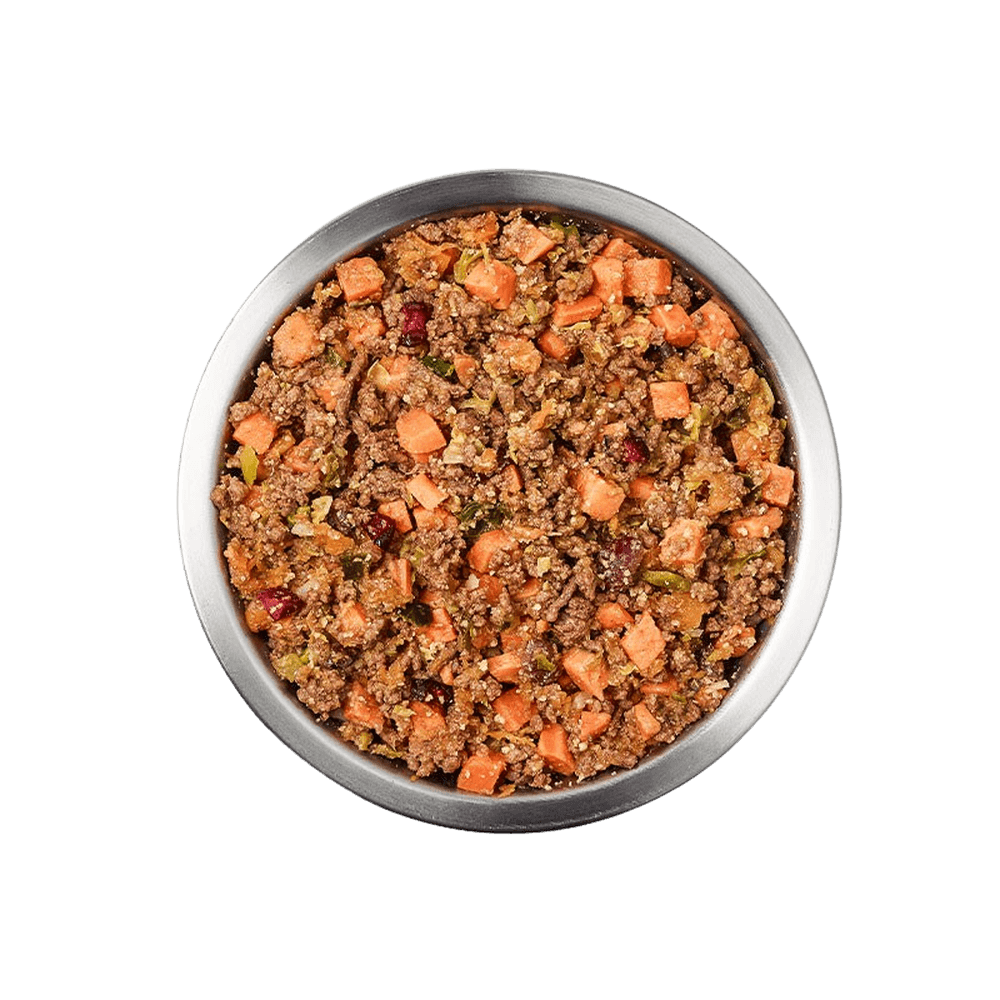
Compare these short-ingredient-list fresh recipes with the label checklist in this guide.
- Venison paired with squash and vegetables
- Fresh Frozen recipe for adult maintenance
- See the complete ingredient list
Novel protein depends on your dog’s own diet history.
Webvet may earn a commission when you click through to JustFoodForDogs, at no extra cost to you.
It is worth being clear about what LID is not. There is no legal or regulatory definition of the phrase, so brands set their own thresholds for what counts as limited. A bag with one protein can still contain a dozen vitamins, minerals, and fats, and it should, because your dog needs those nutrients. Limited refers to the number of major functional ingredients (proteins and carbs), not a stripped-down nutrient panel. A well-made LID is still nutritionally complete.
Because the term is unregulated, two LIDs on the same shelf can look very different. This is exactly why reading the ingredient panel, rather than trusting the front-of-bag claim, matters so much. We cover how to do that later in this guide.
How a Limited Ingredient Diet Differs From Novel-Protein, Hydrolyzed, and Grain-Free Foods
These terms often appear on the same bags, so they get blurred together. They are not synonyms. Here is how they actually relate.
| Diet type | What it means | How it relates to LID |
|---|---|---|
| Limited ingredient (LID) | A short recipe, usually one main protein plus one or two carbs | The broad category. Says how simple the recipe is, not which protein is used |
| Novel protein | A protein your dog has likely never eaten before (venison, rabbit, kangaroo, some fish) | A choice you can make within a LID. Many LIDs are built around a novel protein |
| Hydrolyzed protein | Protein broken into pieces too small for the immune system to recognize | A separate, vet-prescribed therapeutic approach, not a shelf LID |
| Grain-free | No wheat, corn, rice, or other grains | About carbohydrates, not simplicity. A LID may or may not be grain-free |
Limited ingredient vs novel protein
A novel protein is simply one your individual dog has not eaten before. That matters because food reactions are almost always to a protein the immune system has already met (commonly beef, chicken, or dairy). Choosing a novel protein inside a limited recipe is a common strategy, but the two ideas are separate: LID describes how short the recipe is, while novel protein describes which specific protein sits at the center of it.
Limited ingredient vs hydrolyzed diets
Hydrolyzed diets take the protein apart into fragments small enough that the immune system usually will not react to them. These are prescription therapeutic foods your veterinarian recommends, most often as part of diagnosing a suspected food allergy. A hydrolyzed diet is a clinical tool, not a lifestyle LID. If you are trying to sort out whether your dog has a true allergy versus a broader food intolerance, that distinction is one your vet will help you work through.
Limited ingredient vs grain-free
Grain-free is probably the most misunderstood label of the group. It only tells you the food has no grains; it says nothing about how many proteins or add-ins are present. A grain-free food can still have a long, complicated ingredient list. And most food reactions in dogs trace back to animal proteins, not grains, so going grain-free is rarely the fix people assume it is. If grains are ever a concern for your dog, that is a conversation to have with your veterinarian rather than an automatic switch.
Which Dogs a Limited Ingredient Diet Can Help Support
Are limited ingredient dog foods good for dogs? For many dogs they are a perfectly good, complete option, and for some they can help support digestive comfort and skin health when a simpler recipe suits them better. They are not a treatment, and they are not necessary for every dog, but a well-formulated LID can be a sensible choice in a few situations.
A limited ingredient diet may be worth discussing with your vet if your dog:
- Has a suspected food sensitivity with signs like itchy skin, recurrent ear infections, or chronic soft stools.
- Has a sensitive stomach and does better on a short, easy-to-digest recipe.
- Is going through an elimination trial, where a simple, single-protein recipe makes the process easier to control.
- Does well on simplicity, even without a diagnosed problem, because you prefer a recipe you can read at a glance.
Two cautions keep this honest. First, itchiness and tummy trouble have many causes beyond food, including environmental allergies, parasites, and other medical conditions, so a diet change is not a substitute for a diagnosis. Second, a LID is not automatically hypoallergenic; it can only help if it happens to leave out the specific ingredient bothering your dog. If you are still mapping out what might be triggering symptoms, our overviews of food for sensitive stomachs and common allergens in dog food are useful next reads.
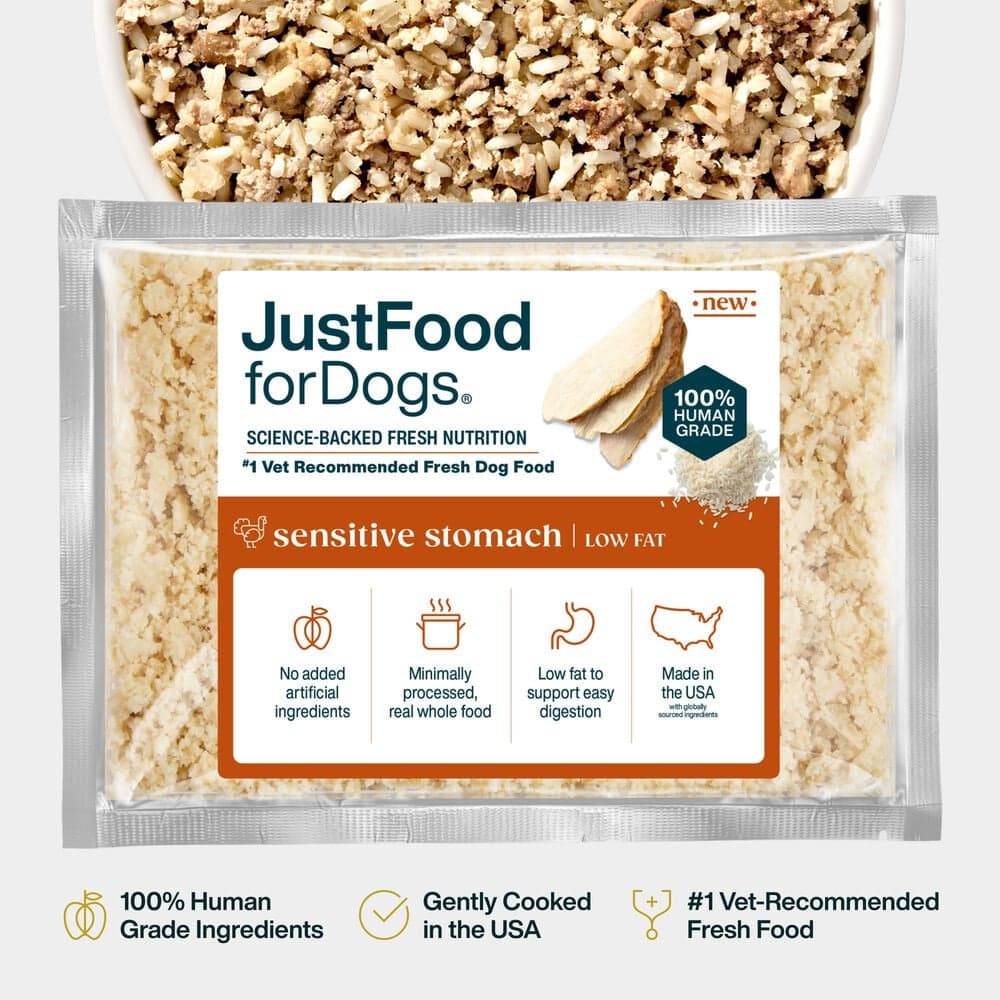
Compare these short-ingredient-list fresh recipes with the label checklist in this guide.
- Turkey with white and brown rice
- Gently cooked Fresh Frozen meals
- View the full recipe and feeding guidance
A fresh-food option to discuss with your veterinarian.
Webvet may earn a commission when you click through to JustFoodForDogs, at no extra cost to you.

Limited Ingredient Diets and the Elimination Diet: Working With Your Vet
If a food allergy is genuinely on the table, the gold-standard way to confirm it is an elimination diet trial, and it is a medical process your veterinarian designs and supervises. Blood and saliva food-allergy tests are widely marketed, but they are not reliable for diagnosing food allergies in dogs. A properly run trial remains the only dependable answer.
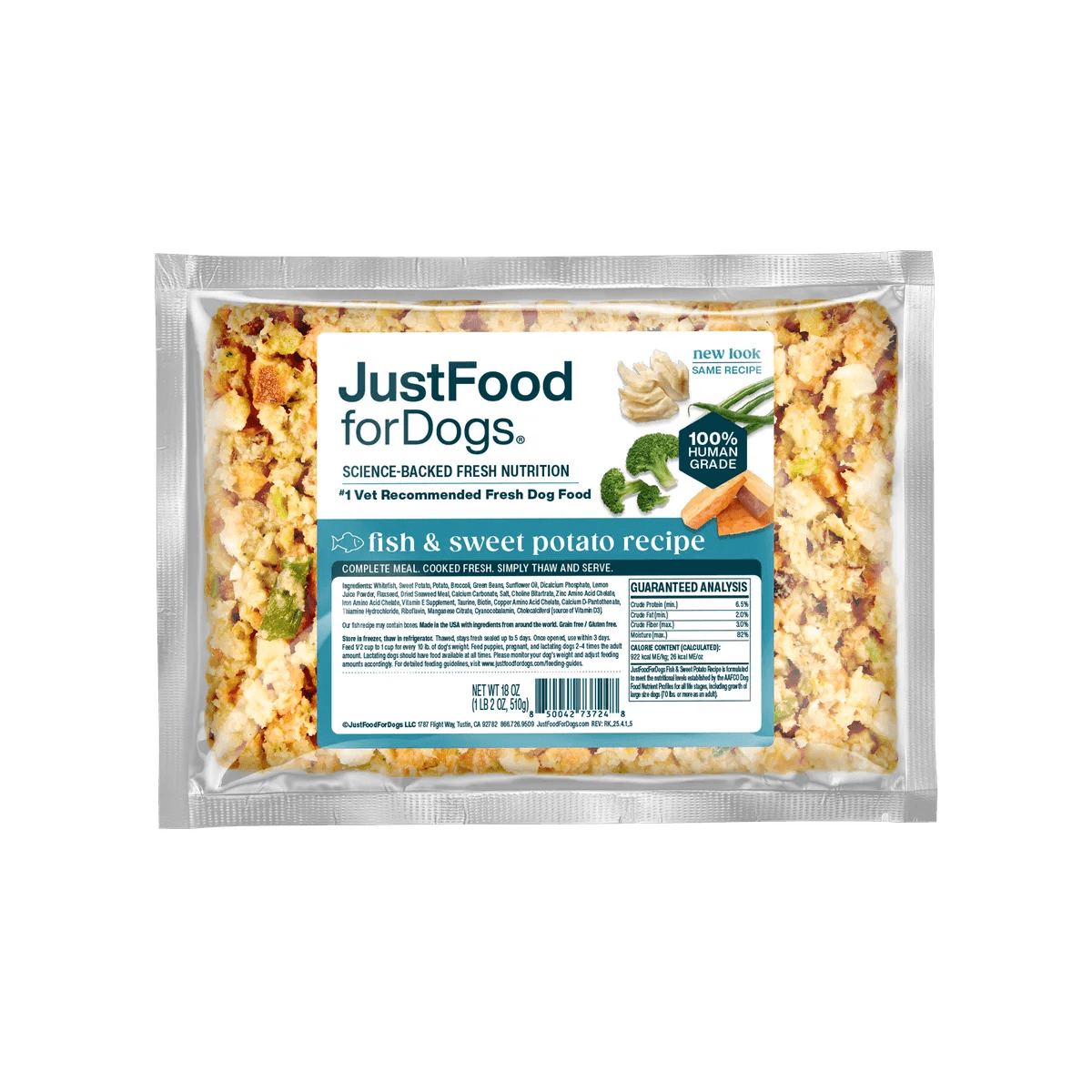
Compare these short-ingredient-list fresh recipes with the label checklist in this guide.
- Whitefish with sweet potato
- Fresh Frozen meals with whole-food ingredients
- View the recipe and life-stage guidance
Webvet may earn a commission when you click through to JustFoodForDogs, at no extra cost to you.
Here is what a vet-directed trial typically looks like:
- Choose a strict diet. Your vet selects a single novel protein or a prescription hydrolyzed diet your dog has not reacted to before.
- Feed it exclusively for 8 to 12 weeks. Nothing else passes your dog's lips: no other treats, table scraps, flavored chews, or flavored medications.
- Watch for improvement. Your vet tracks whether skin, ear, and digestive signs settle down over the trial window.
- Challenge with the old food. Reintroducing the previous diet to see if symptoms return is what actually confirms a food trigger.
A store-bought LID is not the same as a diagnostic elimination diet. Over-the-counter foods are made on shared equipment and can carry trace amounts of proteins not on the label, which is enough to muddy a strict trial. A LID can be a comfortable long-term maintenance diet after a trial identifies what to avoid, but the diagnostic phase belongs to your vet.
Compare these short-ingredient-list fresh recipes with the label checklist in this guide.
- Venison paired with squash and vegetables
- Fresh Frozen recipe for adult maintenance
- See the complete ingredient list
Novel protein depends on your dog’s own diet history.
Webvet may earn a commission when you click through to JustFoodForDogs, at no extra cost to you.

How to Read a Limited Ingredient Dog Food Label
Because the phrase limited ingredient is unregulated, the label is where you separate a genuinely simple recipe from clever marketing. Turn the bag over and work through these points:
- Find the AAFCO statement. Look for wording that the food is formulated to meet AAFCO nutrient profiles for your dog's life stage. This tells you it is complete and balanced, not a topper or supplement. (No food is AAFCO approved; the correct phrase is formulated to meet AAFCO nutrient profiles.)
- Check the first ingredients. Ingredients are listed by weight. You want a clearly named animal protein (lamb, salmon, turkey) at or near the top, not a vague term like meat or animal by-product.
- Count the protein sources. A true single-protein LID should list only one animal protein. Watch for hidden extras such as chicken fat, egg, or fish oil if you are avoiding a specific protein.
- Scan the carbohydrates. Expect one or two recognizable carbs, such as sweet potato or brown rice, rather than a long stack of fillers.
- Look for a contact point. Reputable makers list a phone number or email and can tell you about sourcing, testing, and whether the recipe is made on dedicated or shared equipment.
Single-Protein and Novel-Protein Sources, Explained
Most LIDs are built around either a single common protein or a novel protein. Knowing the difference helps you choose sensibly.
Single-protein foods contain exactly one animal protein, whether that is a familiar one like chicken or lamb or something less common. The value is control: you always know the one protein your dog is getting, which makes it easy to include or exclude a specific ingredient.
Novel proteins are proteins your particular dog has not eaten before, so the immune system has had no chance to become sensitized to them. Common examples include venison, rabbit, kangaroo, duck, and certain fish. Novel is relative to your dog's own history: if your dog has eaten duck for years, duck is not novel for that dog.
Common protein choices you will see in LIDs include:
- Familiar proteins: chicken, beef, lamb, turkey, salmon.
- Novel proteins: venison, rabbit, duck, kangaroo, whitefish or other less-common fish.
One practical tip from veterinary nutrition: if there is any chance your dog will need a novel protein for a future elimination trial, avoid burning through the exotic options now. Save a genuinely novel protein so it is still novel when a diagnostic diet needs it.

How to Transition Your Dog to a Limited Ingredient Diet
Switching foods too fast is a common cause of the exact stomach upset you are trying to avoid. A gradual transition over about 7 to 10 days gives your dog's digestive system time to adjust. A typical schedule looks like this:
| Days | New food | Old food |
|---|---|---|
| Days 1 to 3 | 25% | 75% |
| Days 4 to 6 | 50% | 50% |
| Days 7 to 9 | 75% | 25% |
| Day 10 onward | 100% | 0% |
Go slower if your dog has a sensitive stomach, and pause at the current ratio for a few extra days if you see loose stools or reduced appetite. Some dogs need a full two weeks. For step-by-step portioning help, our feeding guide walks through daily amounts and how to adjust them. If digestive upset is significant or lasts beyond a couple of days, check in with your veterinarian before continuing.
What to Look For in a Quality Limited Ingredient Food
People often ask what the best limited ingredient dog food is, but there is no single winner, because the right food depends on your individual dog, their sensitivities, and your vet's guidance. A more useful question is: what marks a high-quality LID? These criteria hold up regardless of brand:
- Complete and balanced, formulated to meet AAFCO nutrient profiles for your dog's life stage.
- A clearly named single or novel protein, not a vague meat blend.
- Transparent sourcing and testing, from a maker that will answer questions about ingredients and manufacturing.
- A recipe that fits your dog, chosen with input from your veterinarian when a medical issue is involved.
Limited ingredient diets at a glance
Pros
- Short, readable recipes make it easy to know exactly what your dog is eating
- Can help support dogs with suspected food sensitivities or sensitive stomachs
- A single or novel protein gives you precise control over what to include or avoid
- Useful as a long-term maintenance diet after a vet identifies a trigger
Cons
- The term is unregulated, so quality varies widely between brands
- Not automatically hypoallergenic; it only helps if it excludes the right ingredient
- Not a substitute for a vet-directed elimination diet when diagnosing an allergy
- Shared-equipment manufacturing can introduce trace proteins not on the label

As one example of the whole-food end of this category, JustFoodForDogs offers recipes built around one main animal-protein source, such as venison or whitefish with a short list of recognizable, human-grade ingredients, formulated to meet AAFCO nutrient profiles. Recipes like these can help support dogs with food sensitivities when used under veterinary guidance, and the company points to six published peer-reviewed studies involving its foods or whole-food approach, plus an earlier published feeding-trial abstract behind its nutritional approach. It is one option among many rather than a cure, and the right pick still depends on your dog. For the allergy-specific deep dive, see our guide to JustFoodForDogs for dogs with allergies.
Frequently Asked Questions About Limited Ingredient Dog Food
Frequently Asked Questions
What is the best limited ingredient dog food?
There is no single best limited ingredient dog food, because the right choice depends on your dog's specific sensitivities, life stage, and your veterinarian's advice. Instead of chasing a ranked list, look for a food that is formulated to meet AAFCO nutrient profiles, is built on one clearly named single or novel protein, and comes from a maker with transparent sourcing and testing. If your dog has a medical issue, choose the recipe with your vet rather than by marketing claims.
Are limited ingredient dog food good for dogs?
Yes, a well-formulated limited ingredient food can be a perfectly good, complete diet, and it can help support dogs with suspected food sensitivities or sensitive stomachs by keeping the recipe simple. It is not required for every dog and it is not a treatment. Fewer ingredients does not automatically mean healthier, so quality and completeness still matter more than the length of the list.
What dog food is good for hyperlipidemia?
Hyperlipidemia (high fat levels in the blood) usually calls for a vet-directed low-fat diet, which is a different goal from a limited ingredient diet. Some dogs need a prescription therapeutic food, and the underlying cause should be investigated by your veterinarian, since conditions like pancreatitis or hormonal disorders can be involved. Do not try to manage hyperlipidemia with an over-the-counter LID on your own; ask your vet what fat target and food are right for your dog. Our overview of food for sensitive stomachs covers related digestive considerations.
What are the top 3 healthiest dog foods?
There is no universal top three, because the healthiest food is the one that is complete, balanced, and right for your individual dog's age, size, and health. Rather than a ranking, judge any food by the same standards: it should be formulated to meet AAFCO nutrient profiles for the correct life stage, use named quality ingredients, come from a company that does nutritional testing and answers questions, and suit your dog's specific needs. A food that is ideal for one dog can be a poor fit for another, so match the food to the dog with your veterinarian's input.
What is the healthiest least processed dog food?
Less-processed options such as gently cooked, fresh, or whole-food diets appeal to many owners who want minimally processed nutrition, and some limited ingredient recipes fall into this category. The key is that minimally processed still has to mean complete and balanced: a fresh food should be formulated to meet AAFCO nutrient profiles, not just look wholesome. Whether fresh, gently cooked, or a quality kibble is best depends on your dog, your budget, and your vet's guidance. Life stage matters too, and needs shift over time, as our senior dog food guide explains.

Editor
The Webvet Editorial Team is the in-house group of pet-care editors and writers behind Webvet, operated by Smart Pet Collective. The team researches, writes, and maintains Webvet's pet health, behavior, and medication content. Every article follows a defined editorial process: research from reputable veterinary and scientific sources, careful drafting, mandatory review of medical content by a credentialed veterinarian, and dated publication. Health and medication articles are medically reviewed by a licensed veterinary professional before they go live and are kept current over time.


