Dog Abscess: Signs, Treatment, and What to Do if It Bursts
A painful lump or draining hole may be a dog abscess. Learn what the vet checks, why rupture does not prove recovery, how treatment costs are built, and what to track during aftercare.

BVMS MRCVS
Medically reviewed by Dr. Pippa Elliott, BVMS MRCVS · Last reviewed

This article contains affiliate links. Webvet may earn a commission when you buy through them, at no extra cost to you.
A dog abscess is a pocket of pus that can develop beneath the skin after a bite or penetrating injury. It may appear as a painful lump, cause limping, or suddenly release foul-smelling fluid. Call your veterinarian when you notice a suspected abscess, even if it has already burst: an opening in the skin does not tell you whether the deeper pocket has emptied.
The immediate priorities are to prevent licking, avoid squeezing or puncturing the swelling, and arrange care. Breathing difficulty, collapse, pale or blue gums, or uncontrolled bleeding require emergency attention.
What a dog abscess looks and feels like
A skin abscess may be firm or soft, warm, red, and painful. Fur can hide the swelling or a small bite wound, so you may first notice persistent licking, reluctance to move, or your dog guarding one area. Fever and reduced energy can accompany infection. These signs support a veterinary examination; they do not confirm the diagnosis by themselves. VCA's abscess overview describes both closed swellings and abscesses that rupture through the skin.
For a planned veterinary visit, keep clean gauze and gloves accessible. The Kurgo Pet First Aid Kit contains basic supplies for first aid and transport. Its contents do not make it a kit for draining an abscess, and included alcohol or iodine pads are not instructions to apply them to an open wound.
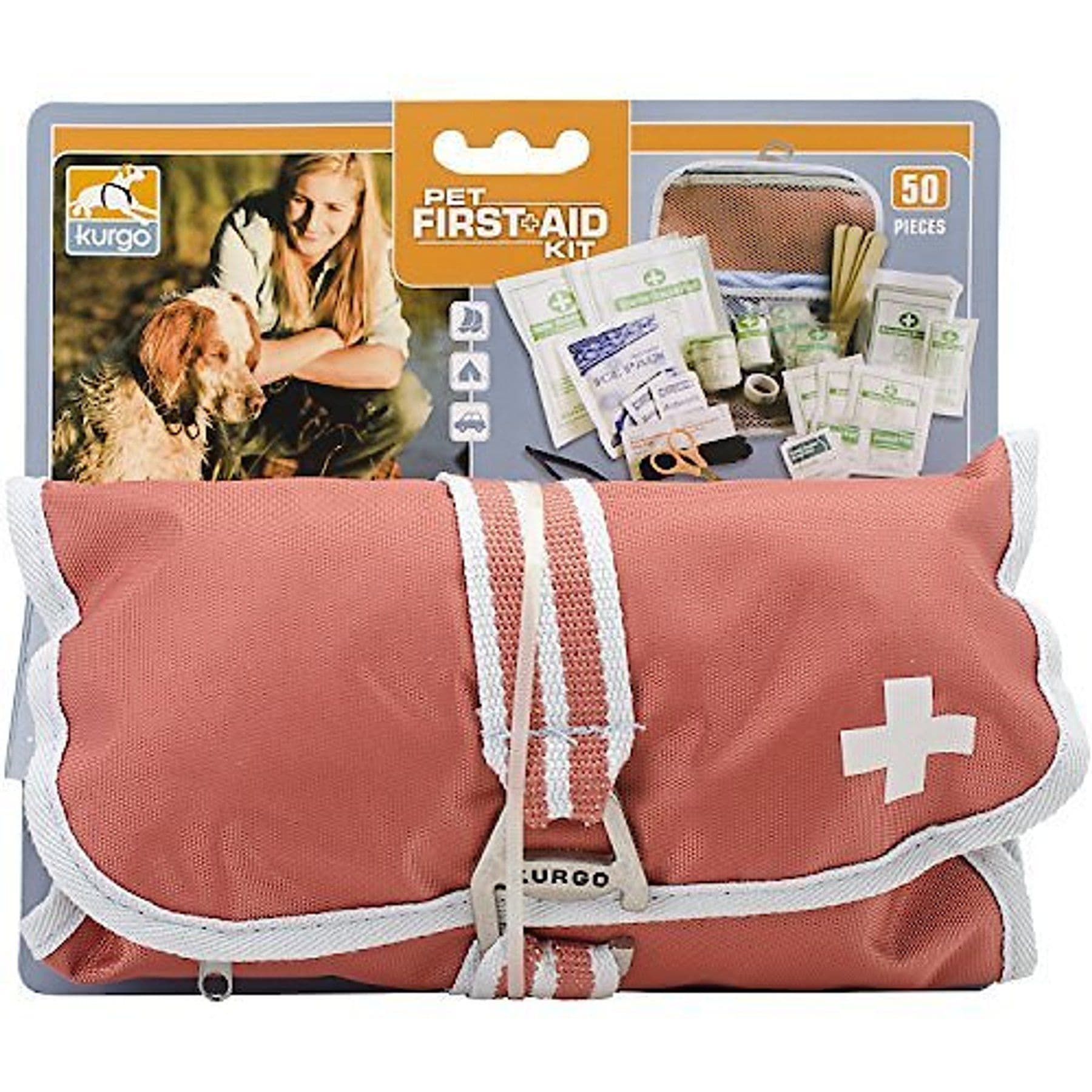
Keep basic gauze and gloves ready for first aid and transport. Follow veterinary instructions for an open wound; this kit is not for draining an abscess.
Webvet may earn a commission when you click through to Chewy, at no extra cost to you.
Painful swelling after a bite wound or puncture needs veterinary attention. Do not squeeze it, wait for it to pop, or assume that draining pus means the infection is gone.
Location offers clues, but several different problems can look alike:
- Leg: a localized lump may cause limping or tenderness. A swollen elbow could involve something other than a skin abscess, especially when walking is painful.
- Paw or between the toes: swelling, licking, and a small draining spot can accompany a penetrating foreign body. Do not probe between the toes or cut into the paw pad.
- Cheek or face: skin infection is one possibility, but tooth disease and problems near the eye require a different assessment.
- Neck: a lump beneath the coat may follow a puncture, but its appearance cannot establish its depth or cause.

Pictures of leg or paw swellings can help you recognize a change worth reporting. They cannot distinguish pus from a cyst, inflamed tissue, or another mass. Early infection may be much less visible than an established lump. Note when the change appeared and whether your dog recently fought, ran through rough vegetation, or began limping.

If licking is a problem, ask the clinic about fitting a Dogswell Remedy+Recovery Rigid E-Collar. An Elizabethan collar helps only if its size and shape actually stop your dog reaching the affected area; check that fit with the veterinary team.
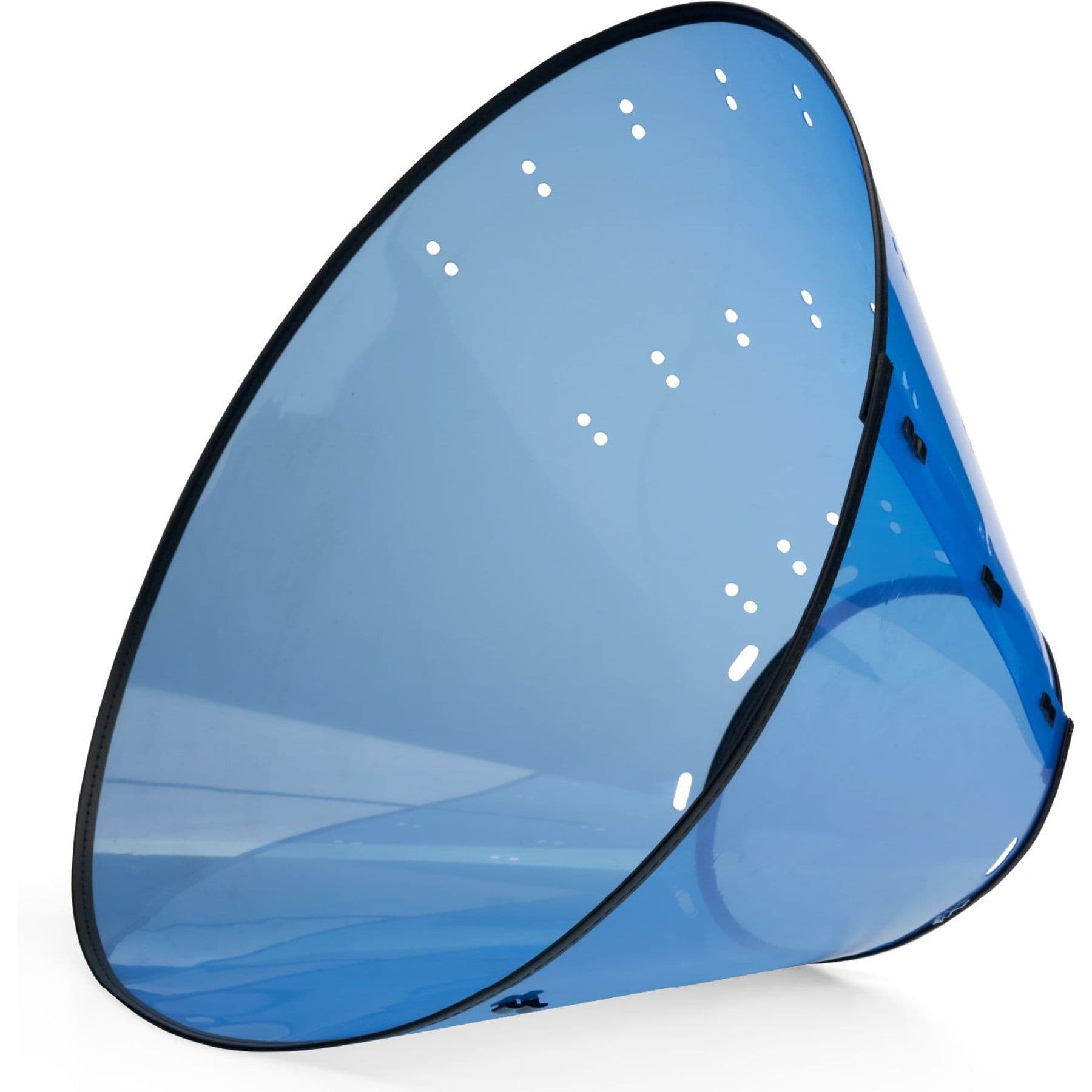
Discuss a rigid collar with your vet to prevent licking. Correct size and fit must actually block access to your dog's wound.
Webvet may earn a commission when you click through to Chewy, at no extra cost to you.
Facial swelling deserves prompt advice, particularly with trouble eating or an eye change. If a tooth is the source, skin drainage alone will not address it; see the separate guide to dog tooth extraction costs for the dental treatment pathway. Swelling beside the anus may instead involve dog anal glands.

Do not repeatedly feel a neck or facial lump to test whether it is soft. Pain can make even a gentle dog bite, and pressing adds no reliable diagnostic information. Tell the clinic about difficulty swallowing, rapid enlargement, or changes in breathing.

Why dogs develop skin abscesses
Bacteria can enter through a tooth puncture, thorn, splinter, or grass seed. The surface may close while contamination remains below, creating a pocket where pus accumulates. A small hole after a dog bite therefore does not measure the full injury. VCA's bite-wound guidance recommends contacting a veterinarian immediately after a fight.
Grass seeds are particularly relevant when a dog develops a sore paw after walking through vegetation. A seed lodged beneath the skin may sustain inflammation or infection, including between the toes. Treatment may need to locate and remove that foreign body, not simply clean the visible opening. Recurrent swelling at the same spot is useful information for the vet.
When booking, mention:
- Any known bite, puncture, or recent rough-ground walk.
- Previous swelling or drainage at the same location.
- Medications already given and any product put on the skin.
- Changes in appetite, energy, walking, or drinking.
 $65 · no membership
Is your dog's itching or skin issue getting worse?
A licensed vet can examine your dog over video and prescribe treatment online when it's appropriate.
 Talk to a vet
- Licensed vets
- All 50 states
- same-day Rx
Webvet may earn a commission if you book.
What to do if an abscess bursts
When an abscess bursts, pus and sometimes blood escape through an opening in the skin. Pressure may ease, making the dog seem more comfortable, while infected material or a foreign body remains inside. Call the vet, describe the location and your dog's overall condition, and keep the appointment even if the swelling shrinks.
You should not try to drain the rest after it pops. Do not squeeze, probe, enlarge the opening, or pull at tissue. A ruptured spot on the face deserves particular care because a skin opening can be associated with deeper or dental disease.
While arranging care:
- Keep your dog quiet and prevent licking.
- If tolerated, gently clean surface discharge with saline or clean water; stop if handling causes pain or distress.
- Use clean absorbent material and direct pressure for active bleeding, then seek urgent advice if bleeding does not stop.
- Avoid sealing the opening with glue, a thick ointment, or an improvised tight bandage.
Do not add essential oils, apple cider vinegar, Epsom-salt soaks, Neosporin, or Hibiscrub on your own. A product suitable for one use or concentration may be unsuitable for an open pocket. VCA's open-wound instructions also advise against peroxide, alcohol, and unprescribed topical products. The dog wound care guide explains first aid and transport precautions in more detail.
How vets diagnose and treat a dog abscess
The first visit establishes how much tissue is involved and whether your dog is well enough for wound treatment. Tell the team when the swelling appeared, whether it has drained before, and about any bite, grass-seed exposure, or medication. Pain relief, sedation, or anesthesia may precede a thorough examination. Clipping the surrounding fur helps the vet find punctures and clean the area without hair contaminating it. VCA describes this assessment and preparation.
If your vet includes a topical cleaner in the aftercare plan, Vetericyn Plus Wound Care Spray is an option to discuss. Follow the clinic's directions for the particular wound. It does not replace drainage, removal of trapped material, or prescribed antibiotics.
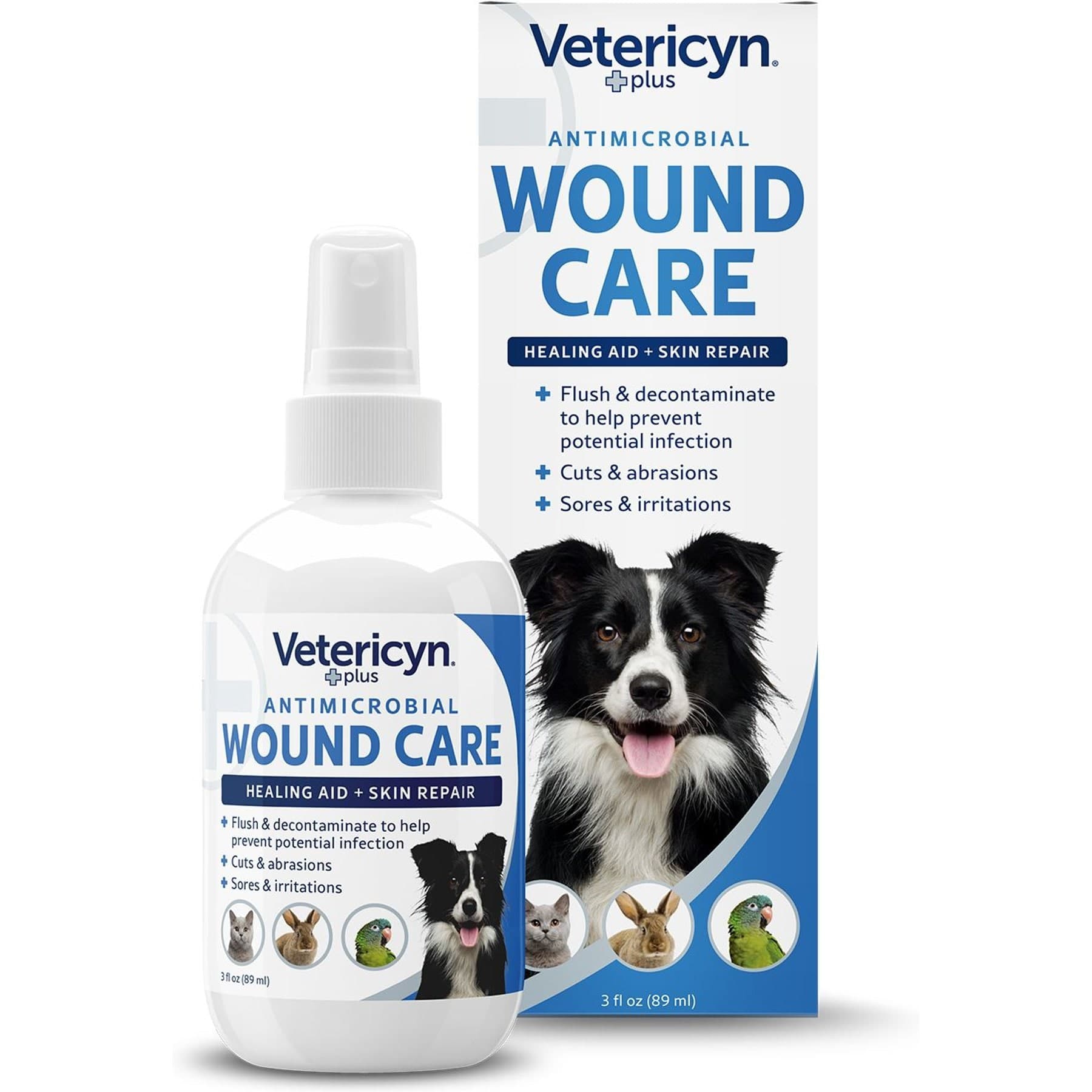
A topical cleaning option to discuss with your vet for the prescribed aftercare plan. It does not replace drainage, antibiotics, or removal of trapped material.
Webvet may earn a commission when you click through to Chewy, at no extra cost to you.
A painful swelling is not always one drainable cavity. An abscess contains a localized collection of pus; cellulitis is infection spreading through surrounding tissue. This distinction matters because treatment is based on what is actually present, rather than cutting into every swollen area. A sample can help identify the contents of an uncertain lump.
The treatment terms on an estimate describe different jobs:
- Drainage and flushing: release collected pus, then wash contamination and debris from the wound. The vet may need to enlarge a small opening to inspect what lies beneath it.
- Exploration: look for a retained cause, such as a grass seed or splinter, particularly when the same spot keeps draining or swelling again.
- Debridement: remove dead or badly damaged tissue that cannot contribute to healthy repair. How much tissue remains viable helps determine the next step.
- A temporary drain: provide an exit for fluid that could otherwise accumulate after treatment. It is separate from any sutures used to close the surrounding wound.
- Antibiotics and pain relief: treat infection and discomfort alongside the procedure. Neither medicine removes trapped foreign material.
The MSD Veterinary Manual's wound-management guidance explains why cleaning and tissue assessment come before a closure decision. A heavily infected wound may be managed open until contamination is controlled. Leaving an opening can therefore be part of the treatment, rather than an incomplete repair.
What helps an abscess go down?
Removing the collection and controlling its cause allow swelling to settle. The useful sign is continued improvement in comfort and swelling after treatment, not just the immediate drop in size when pus escapes. If the area fills again, the vet may need to reassess drainage or look for retained material instead of simply repeating the same medicine.
Bacterial culture and sensitivity testing identifies bacteria and helps determine which antibiotics may work against them. Results take time; VCA's bite-wound guidance notes that testing is often reserved for wounds responding poorly to initial treatment. A culture answers a different question from exploration: which organism is involved, rather than whether a foreign object remains.
At home:
- Give medicines on the prescribed schedule and report missed or vomited doses to the clinic.
- Prevent licking and follow the cleaning plan for the wound's actual configuration below.
- Use only the prescribed medicines. There is no dependable over-the-counter antibiotic substitute, and human pain medicines or another animal's prescription can cause harm. The FDA's pet pain-reliever guidance explains those risks.
For the recovery space, a Frisco Swirl Crate Mat can provide a removable resting surface. Choose an appropriate size, keep it clean and dry, and replace it when soiled. Bedding supports comfort; it does not protect a wound from infection or replace a prescribed dressing.
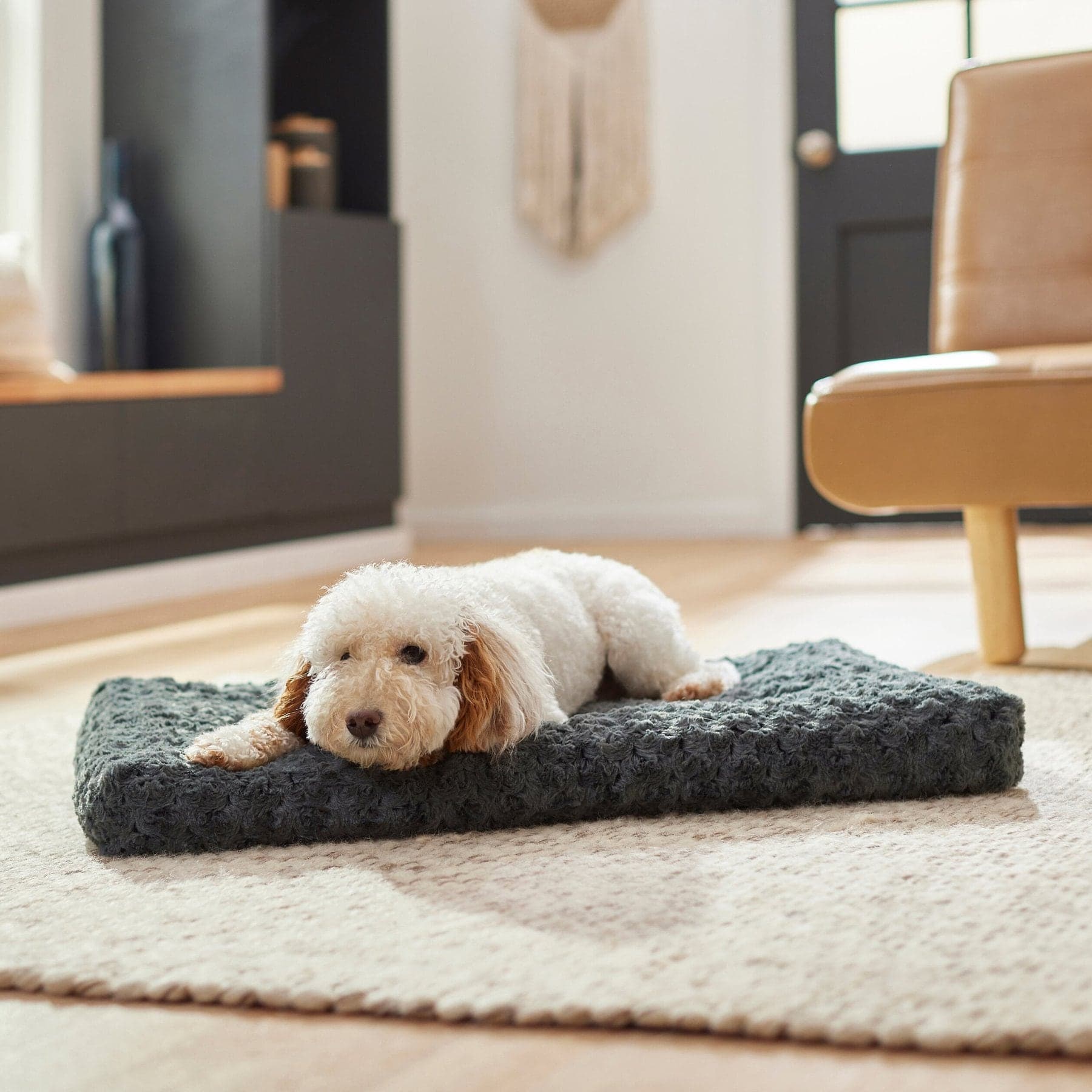
Provide a removable resting surface during recovery. Choose the right size, keep it clean and dry, and replace it when soiled.
Webvet may earn a commission when you click through to Chewy, at no extra cost to you.
Abscess, cyst, or something else?
A cyst and an abscess can both form a rounded lump, become inflamed, or discharge material. Appearance alone cannot distinguish them; a sample may identify infection, cyst contents, or another cause. Even a pus-like collection is not necessarily bacterial. Pain, redness, or rapid growth warrants prompt assessment.
Do not lance a suspected cyst or use a drawing salve or home remedy to dissolve it. Some diagnosed cysts can be monitored, but a lump that empties may recur. The dog cyst guide explains cyst treatment, monitoring, and removal costs.
Dog abscess treatment costs
The cost to drain a dog abscess depends on more than releasing pus. Size, location, anesthesia needs, diagnostics, foreign-body removal, and follow-up can change the total. Ask for an itemized estimate that distinguishes today's treatment from possible additional work and explains which services are included in a bundle.
For concrete US examples checked September 30, 2026, Clarity Vet in Denver listed cat-bite abscess surgery for dogs at $665 for 0–60 pounds, $749 for 60–100 pounds, and $825 for 100 pounds and over. Its wound-care bundle includes preoperative bloodwork, anesthesia, monitoring, pain management, the procedure and materials, take-home medication including antibiotics, and an E-collar. Chronic wound management is separate; complex reconstruction or deeper concurrent injury may exceed the outpatient service's scope.
| Itemized estimate component | What to clarify |
|---|---|
| Examination and diagnostics | Is the consultation included? Are bloodwork or imaging needed? |
| Sedation or anesthesia | What monitoring and recovery care are included? |
| Exploration, drainage, and cleaning | Does the quote include foreign-body removal or debridement if needed? |
| Drain and bacterial culture | Are these expected, optional, or additional charges? |
| Medicines and collar | Which pain relief, antibiotics, and protective equipment go home? |
| Follow-up | Are rechecks, drain removal, and additional wound care included? |
Urban Animal in the Seattle area posted a broader abscess estimate of $265–$900. That category includes different abscess types, such as cat-bite and anal-gland cases, so it is not a skin-only drainage price. The clinic describes lower costs for smaller animals with minimal diagnostics and higher costs with larger animals or more testing; exact bundle inclusions require confirmation.
These are local published examples, not a national average or a quote for your dog. Neither page resolves every consultation, culture, or follow-up charge. Cyst removal is a separate procedure, so these abscess prices do not apply. If money is limiting care, tell the clinic immediately so it can explain essential next steps and available options.
Recovery after abscess treatment
Before going home, identify which parts of the wound are meant to remain open and which are meant to stay closed. A dog can have both sutures and a drain, so one cleaning instruction may not apply to the entire area.

Match care to the wound
- Open drainage site: use the solution and technique demonstrated by the clinic to remove surface discharge. Ask how to manage crust that blocks the intended opening; do not probe inside, seal it with ointment, or improvise a tight wrap.
- Penrose drain: clean around its exit as directed and monitor the output. If bandaged, arrange changes before drainage saturates the dressing. Contact the clinic if the drain slips out, disappears beneath the skin, or stops draining while swelling increases; do not reposition it yourself.
- Sutured skin: keep it clean and dry, protect it from licking, and restrict activity as instructed. Do not apply the open-wound cleaning routine to a closed incision or pull at its scab. New separation of the edges needs a call to the clinic.
VCA's bite-wound aftercare distinguishes care of closed incisions from care of draining wounds. Have the team show you the exact areas to clean and confirm who will perform bandage changes or drain removal.
Keep a brief daily record:
- Comfort and activity: easier resting and movement, or increasing pain?
- Appetite and drinking: returning toward usual behavior, or declining?
- Swelling: decreasing, unchanged, or building again?
- Discharge: how much, what odor, and whether it is increasing?
- Treatment: medicines given, cleaning completed, and the next appointment.
For dogs with a Penrose drain, VCA notes that removal commonly occurs in two to four days, but extensive wounds may need longer. That is a veterinary decision, not a home-removal deadline. Report excess fresh blood, worsening thick or smelly discharge, increasing redness or swelling, or a dog becoming unwell immediately.
Restrict activity as instructed and prevent licking throughout recovery. The broader dog wound healing stages guide explains why surface closure and full tissue recovery are different endpoints. Your dog's progress and recheck findings matter more than matching a photograph or a fixed day count.
Dog abscess questions
Frequently Asked Questions
Can an abscess on a dog heal on its own?
Do not wait for a dog abscess to heal on its own: the opening can shrink while infection or a foreign body remains beneath the skin. Arrange veterinary assessment even if it has stopped draining; spontaneous rupture does not establish that the abscess has healed. Tell the clinic about renewed swelling, pain, foul discharge, poor appetite, or reduced energy.
What draws an abscess out?
No home drawing product reliably clears a dog's abscess. Do not squeeze it or use a needle. A vet may recommend specific cleaning or compress care, but drainage and treatment of the underlying cause may require a procedure.
Will salt draw out an abscess?
No. Salt or a strong homemade soak can irritate skin and cannot replace drainage. Saline for gentle surface cleaning serves a different purpose. Do not soak a paw abscess unless your vet directs it.
Can I use leftover antibiotics for a dog abscess?
No. The prescription, dose, and duration must match this dog's condition; bacterial culture may guide the choice, especially for persistent infection. Tell the vet about any medicine already given.
$65 · no membershipIs your dog's itching or skin issue getting worse?
A licensed vet can examine your dog over video and prescribe treatment online when it's appropriate.
Talk to a vet- Licensed vets
- All 50 states
- same-day Rx
Webvet may earn a commission if you book.
Veterinarian · BVMS MRCVS
Dr. Pippa Elliott, BVMS, MRCVS, is a veterinarian with nearly 30 years of experience in companion animal practice. Dr. Elliott earned her Bachelor of Veterinary Medicine and Surgery from the University of Glasgow. She was also designated a Member of the Royal College of Veterinary Surgeons. Married with 2 grown-up kids, Dr. Elliott has a naughty Puggle named Poggle, 3 cats and a bearded dragon.


