How Much Water Should a Dog Drink a Day?
How much water should a dog drink a day? The vet-backed baseline is about 1 ounce per pound of body weight. Use our by-weight chart, plus the signs of too much or too little.

BVMS MRCVS
Medically reviewed by Dr. Pippa Elliott, BVMS MRCVS · Last reviewed

This article contains affiliate links. Webvet may earn a commission when you buy through them, at no extra cost to you.
How much water should a dog drink a day? As a general rule, a healthy dog needs about 1 ounce of water per pound of body weight each day, which works out to roughly 50 to 60 milliliters per kilogram. A 30-pound dog should drink around 30 ounces (about 3.75 cups) over 24 hours. Diet, heat, exercise, and life stage all shift that number, so treat the 1-ounce-per-pound figure as a baseline, not a hard target.
That baseline answers the question for most owners, but the real value is in knowing how to apply it to your individual dog. A toy breed and a giant breed live at very different ends of the chart, and a single hot afternoon or a switch from kibble to canned food can legitimately move the needle by a third or more. This guide gives you the by-weight numbers, the factors that change them, a simple way to measure what your dog actually drinks, and the specific red flags that mean it is time to call your vet.
- 1Baseline: about 1 ounce of water per pound of body weight per day (roughly 50 to 60 ml/kg).
- 2Dogs on dry kibble drink more than dogs on wet or fresh food, which is normal.
- 3Heat, exercise, puppyhood, and nursing all push intake higher.
- 4Drinking more than about 100 ml/kg/day (or a sudden, sustained change) is a vet flag, not a quirk.
- 5Always offer constant access to clean, fresh water.
How much water should a dog drink a day, by weight
The standard veterinary estimate for a healthy adult dog is 40 to 60 ml of water per kg of body weight per day, which is about 0.5 to 1 ounce per pound. The exact figure varies with food and weather. Per the Merck Veterinary Manual, intake that climbs past roughly 100 ml/kg/day is considered abnormal (polydipsia) and warrants a vet visit.
Use the chart below as a quick reference. The numbers cover total daily water from all sources, not just what comes out of the bowl. Remember that a dog eating canned food is already getting a large share of its water from the meal itself, so a low bowl count can still be perfectly healthy.
| Dog weight | Approx. daily water (low end) | Approx. daily water (high end) |
|---|---|---|
| 5 lb (2.3 kg) | 2.5 oz (about 1/3 cup) | 5 oz (about 2/3 cup) |
| 10 lb (4.5 kg) | 5 oz (about 2/3 cup) | 10 oz (about 1.25 cups) |
| 20 lb (9 kg) | 10 oz (about 1.25 cups) | 20 oz (about 2.5 cups) |
| 30 lb (13.6 kg) | 15 oz (about 2 cups) | 30 oz (about 3.75 cups) |
| 40 lb (18 kg) | 20 oz (about 2.5 cups) | 40 oz (5 cups) |
| 50 lb (22.7 kg) | 25 oz (about 3 cups) | 50 oz (about 6.25 cups) |
| 70 lb (31.8 kg) | 35 oz (about 4.4 cups) | 70 oz (about 8.75 cups) |
| 90 lb (40.8 kg) | 45 oz (about 5.6 cups) | 90 oz (about 11.25 cups) |
The low-end column uses 0.5 oz/lb (typical for dogs eating moisture-rich wet or fresh diets) and the high-end uses 1 oz/lb (typical for dogs on dry kibble). Most healthy dogs self-regulate and land somewhere in this range without any prompting.
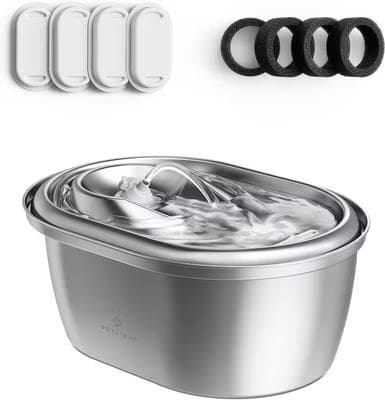
304 food-grade stainless steel pet water fountain, 101 oz. The circulating, filtered water encourages cats to drink more, which supports urinary tract and kidney health.
Webvet may earn a commission when you click through to Chewy, at no extra cost to you.
If you prefer to calculate rather than read off a chart, the math is simple. Take your dog's weight in pounds and aim for that many ounces of total water on a dry-food diet, then trim toward half that on a wet-food diet. For a 60-pound retriever on kibble, that is about 60 ounces (roughly 7.5 cups) a day in warm weather. Treat the result as a center point to watch around, not a quota you need to force.

How to measure your dog's daily water intake at home
To measure your dog's real daily intake, fill the bowl with a known amount of water using a measuring cup, then at the same time the next day measure what is left and subtract the difference. Repeat for two or three days and average the results. This single number is the most useful thing you can hand your vet if you suspect your dog is drinking too much or too little.
Follow these steps for a reading you can actually trust:
- Pick a 24-hour window and a single fixed time, such as 8 a.m. each morning, to fill and check the bowl.
- Measure the water in with a kitchen measuring cup and write down the starting amount.
- Twenty-four hours later, pour what remains back into the measuring cup and subtract it from the starting amount.
- Repeat for three days, then average the totals to smooth out a quiet day or an unusually thirsty one.
- Compare the average to the by-weight range above, and note any day that swung far outside it.
A few tips for an accurate read:
- Account for every water source: multiple bowls, a fountain, the toilet, puddles, garden hoses, and water added to food.
- In a multi-dog home, separate bowls for a day so you know who is drinking what.
- Top up at the same time each day and note evaporation on very hot days, which can otherwise look like extra drinking.
- Snap a quick phone photo of the measuring cup each time so you are not relying on memory when you talk to the vet.
 $65 · no membership
Have a health question about your dog?
A licensed vet can assess your dog over video and prescribe online when it's appropriate.
 Talk to a vet
- Licensed vets
- All 50 states
- same-day Rx
Webvet may earn a commission if you book.
Factors that change how much your dog needs
Several everyday factors raise or lower a dog's water needs without anything being wrong. The biggest swing comes from diet, but heat, activity, life stage, pregnancy, medication, and illness all move the figure too. Knowing which factor is in play helps you tell a normal change from one worth a phone call.
Diet: wet vs dry food
Dry kibble is roughly 10 percent moisture, while canned and fresh diets can be 70 to 80 percent water. A dog on dry food has to make up the entire difference at the bowl, so it may drink two to three times more than the same dog on wet food. Switching to wet or fresh food often drops bowl drinking sharply, which is expected and not a problem on its own. Very salty treats or a high-sodium meal can briefly spike thirst the same way they do in people.
Ambient heat and humidity
Dogs cool themselves mainly by panting, which evaporates water from the mouth and airways and loses it fast. Hot, humid days are the worst combination, because high humidity makes panting less effective and the dog has to pant harder for longer. On a heatwave day your dog may legitimately drink half again as much as usual. This is a normal, weather-driven rise, not a medical one, as long as it tracks the temperature and settles when things cool down.
Activity and exercise
A long hike, a day at the dog park, or a hard training session all raise water needs the same way a workout does for us. Working and sporting dogs run consistently higher than couch companions of the same weight. Always carry water on summer walks and offer small amounts often rather than letting a hot, tired dog gulp a huge volume at once, which can upset the stomach.
Life stage: puppies and seniors
Puppies need more water per pound than adults because of their fast growth and high metabolism, and they dehydrate quicker. A common guide is about half a cup every two hours for a young pup, alongside constant access to fresh water. Many older dogs drink slightly more as kidney efficiency declines with age, which can be normal. A clear, sustained jump in a senior, though, deserves a check, since it is a classic early sign of kidney or hormonal disease.
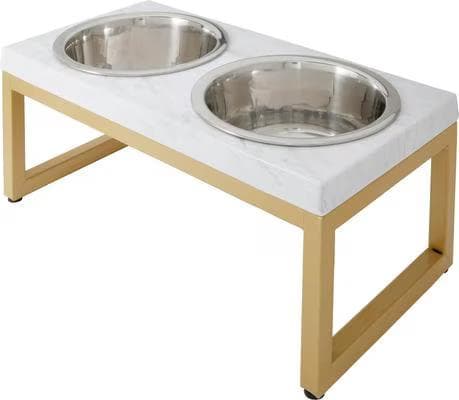
Raised stainless steel double bowl on a marble-look stand. Easier on the neck and joints and a clean, tip-resistant way to keep fresh water available all day.
Webvet may earn a commission when you click through to Chewy, at no extra cost to you.
Pregnancy and lactation
A pregnant dog drinks somewhat more in the later weeks, and a nursing mother needs substantially more to produce milk for a litter. Milk is mostly water, so a dam feeding several puppies can drink far above her normal range and that is entirely appropriate. Make sure a nursing mother always has a full bowl within easy reach of her whelping area so she never has to choose between the litter and a drink.

Medications such as steroids and diuretics
Some drugs increase thirst as a known side effect. Steroids like prednisone, diuretics such as furosemide, and some seizure medications commonly make dogs drink and urinate more. This is usually expected and not a reason to panic. If a new medication coincides with a thirst change, mention it to your vet rather than stopping the drug, since abruptly halting steroids in particular can be dangerous.
Illness and fever
A fever, an infection, or fluid losses from vomiting and diarrhea all drive thirst up as the body tries to replace what it is losing. The tricky part is that a sick dog may want to drink more yet keep less down, so it can become dehydrated even while seeming thirsty. Thirst that rises alongside other signs of illness is different from a simple weather-driven bump and should be discussed with your vet.
Signs your dog is not drinking enough
A dog is drinking too little when intake falls well below the by-weight range and signs of dehydration in dogs start to appear. Reduced drinking is sometimes diet-related and harmless, but paired with lethargy or vomiting it can become an emergency quickly, especially in puppies and small breeds that have little reserve.
Watch for these warning signs that your dog may not be drinking enough:
- Skin that stays tented after the scruff test instead of snapping back
- Dry, tacky gums and thick, ropey saliva
- Sunken-looking eyes and noticeable lethargy or weakness
- Dark yellow, strong-smelling, or scant urine
- Panting, loss of appetite, or a generally flat, less responsive mood
A dog that suddenly stops drinking is often a dog that feels unwell in some other way. Refusing water frequently travels with a dog eating less, nausea, pain, or fever. If your dog will not drink for more than 12 to 24 hours, or is drinking but cannot keep it down, treat it as a problem rather than a phase and call your vet, sooner for a puppy or a tiny breed.

Signs your dog is drinking too much
A dog is drinking too much when daily intake consistently exceeds about 100 ml/kg, the clinical threshold for a dog drinking a lot of water (polydipsia). A one-off hot day or a hard hike does not count. A sustained increase, especially one paired with more frequent or larger urine output, points to an underlying issue that should be investigated.
Common medical causes of excessive thirst include kidney disease, diabetes mellitus, Cushing's disease, and pyometra (a uterine infection in unspayed females). Because thirst and urination usually rise together, a dog drinking and peeing a lot is one of the earliest clues owners notice. Other tells include emptying the bowl unusually fast, seeking out odd water sources, and waking overnight to drink or to urinate.
Age changes the stakes. In a young dog a modest, weather-linked rise is usually nothing, but in an older dog the same pattern carries more weight, which is why a senior dog drinking a lot of water is so often the first thing that sends owners to the clinic. The earlier these diseases are caught, the more options you and your vet have to manage them.
Normal vs. concerning drinking at a glance
| Pattern | Likely normal | Worth a vet call |
|---|---|---|
| Amount | Within 0.5 to 1 oz per lb per day | Consistently over ~100 ml/kg/day |
| Trigger | Hot day, exercise, kibble diet, recent salty treat | No obvious reason; persists for days |
| Urination | Steady, normal color | More frequent, larger volume, or accidents |
| Other signs | Bright, eating, acting normal | Weight loss, vomiting, lethargy, appetite change |
| Onset | Gradual, matches weather or food change | Sudden and sustained |
Water quality, bowls, and fountains
Keeping a dog hydrated is mostly about easy access and freshness. The goal is clean water available everywhere your dog spends time, refreshed at least once or twice a day. Small details in how you offer water often make the difference for a reluctant drinker.
Keep it clean and fresh
Wash bowls daily with soap and hot water. A slimy film called biofilm builds up fast and gives water an off taste that puts many dogs off drinking. Tap water is fine for most dogs, but if your dog seems fussy, try filtered water and see whether intake improves.
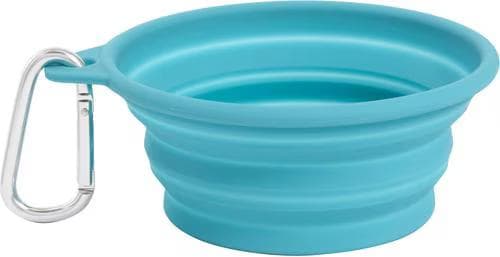
Collapsible silicone travel bowl with a carabiner that clips to a leash or bag, so your dog always has fresh water on walks, hikes, and car trips.
Webvet may earn a commission when you click through to Chewy, at no extra cost to you.
Choose the right bowl
Stainless steel and ceramic bowls resist bacteria better than plastic, which can scratch and harbor odors. Wide, shallow bowls suit flat-faced breeds, and a raised bowl can be more comfortable for tall or arthritic dogs. Place at least one bowl on each floor of the home so your dog never has to travel far for a drink.
Consider a pet fountain
Many dogs are drawn to moving water and will drink more from a circulating pet fountain than a still bowl. Fountains also filter and aerate the water, which keeps it tasting fresher between cleanings. Just remember the pump and filter still need regular washing to do their job.
A few more easy ways to nudge intake up for a picky drinker:
- Stir a splash of water or low-sodium broth into meals to raise moisture intake naturally.
- Offer a few ice cubes as a treat, especially in summer.
- Mix some wet food into kibble to lift the overall water content of the diet.
- Carry a collapsible bowl and water on every walk or trip in warm weather.
Hydration in a multi-dog household
In a multi-dog home, the safest approach is one water station per dog plus one extra, spread around the house. Shared bowls can hide a problem, because a single big drinker or a single dog that has stopped drinking is invisible when everyone uses the same bowl. Multiple stations also defuse any guarding so a shy dog is never blocked from water.
If you suspect one dog's drinking has changed, separate the dogs and their bowls for a day or two and measure each individually using the method above. This is the only reliable way to know who is responsible for a change. It is well worth the minor hassle, since pinning the change to a specific dog is exactly what your vet needs to start looking in the right place.
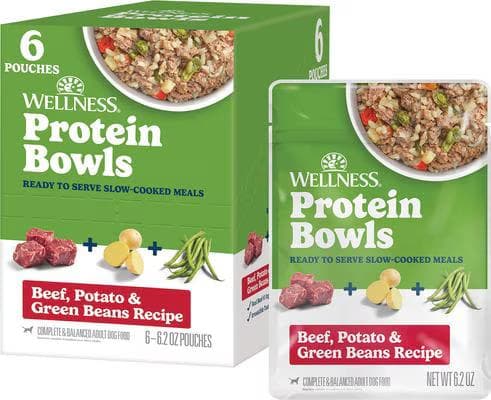
Slow-cooked, complete and balanced wet dog food with real beef as the #1 ingredient. Case of six 6.2 oz pouches.
Webvet may earn a commission when you click through to Chewy, at no extra cost to you.
Keep an eye on the group dynamic too. A new dog, a resource-guarding habit, or simple competition can quietly suppress a timid dog's intake even when there is plenty of water on offer. Quiet, low-traffic spots for at least one bowl give nervous drinkers a safe place to top up.
When to see a vet about your dog's drinking
See your vet whenever your dog's drinking changes noticeably and stays changed for more than a day or two without an obvious reason. A sudden spike or drop is more meaningful than the exact number of ounces, because it signals that something in the body has shifted. Bring your measured three-day average to the appointment so the conversation starts with data, not guesswork.
Book a visit if increased thirst comes with weight change, appetite change, lethargy, or accidents in the house. Get same-day care if your dog is drinking water and vomiting, refusing water entirely while acting unwell, or showing signs of significant dehydration. A simple blood and urine panel usually pinpoints the cause, and most of the conditions behind a thirst change are far easier to manage when caught early.
Frequently Asked Questions
How much water should a 50 lb dog drink in a day?
A 50-pound dog should drink roughly 25 to 50 ounces of water per day, which is about 3 to 6.25 cups. The lower end applies to dogs eating moisture-rich wet or fresh food, and the higher end to dogs on dry kibble. Heat and exercise push the figure up. A 50-pound dog consistently drinking far more than about 50 ounces should be checked by a vet.
What is the silent killer of dogs?
Chronic kidney disease is often called a silent killer in dogs because it progresses slowly and shows few early signs. One of the first noticeable clues is increased thirst and urination, since failing kidneys cannot concentrate urine. That is why a sustained, unexplained jump in how much your dog drinks should never be ignored, especially in seniors.
Should I let my dog drink all the water he wants?
Yes, healthy dogs should have free access to clean water and can be trusted to self-regulate. The exception is heavy gulping right after intense exercise or in very young puppies, where rapid drinking can cause stomach upset or, rarely, water intoxication. If your dog seems unable to stop drinking, that excessive thirst itself is the warning sign and warrants a vet visit.
How do I know if my dog is drinking enough water?
Measure the bowl over a couple of days and compare to the 0.5 to 1 ounce per pound range, then check hydration directly. Lift the skin over the shoulder blades: it should snap back instantly. Gums should be moist, not tacky. Pale yellow urine and normal energy are good signs. Tented skin, dry gums, dark urine, or lethargy suggest your dog needs more water and possibly a vet.
What are signs of kidney failure in dogs?
Early signs of kidney failure in dogs include increased thirst and urination, followed by reduced appetite, weight loss, lethargy, vomiting, and sometimes bad (ammonia-like) breath. Because increased drinking often comes first, a sustained rise in water intake is a key reason to have an older dog's blood and urine tested.
How much water should a puppy drink in 24 hours?
Puppies need water more often than adults because of their fast metabolism. A common guideline is about half a cup every two hours for young puppies, alongside constant access to fresh water. As they grow, intake settles toward the adult range of about 0.5 to 1 ounce per pound per day. Watch puppies closely, since they dehydrate faster than adult dogs.
How many times should a dog drink water a day?
There is no fixed number of times. Most dogs drink several times a day, often around meals, after exercise, and on waking. What matters is the total daily volume and free access to water, not the count. A dog that suddenly drinks far more or far less often than usual, or empties the bowl repeatedly, is worth a closer look.
Does wet food change how much water a dog needs to drink?
Yes. Canned and fresh diets can be 70 to 80 percent water, while dry kibble is only about 10 percent. A dog on wet food gets much of its daily water from the meal itself, so it drinks far less from the bowl. That is completely normal. A switch from kibble to wet food that drops bowl drinking is expected, not a sign of a problem.
Can a dog drink too much water?
Yes, in two different ways. Sustained intake above about 100 ml/kg/day (polydipsia) usually signals an underlying disease and needs a vet workup. Separately, gulping a very large volume in a short time, often during water play or after hard exercise, can rarely cause water intoxication, a dangerous drop in blood sodium. Offer small amounts often rather than letting a hot dog drink to excess at once.
This article is for general education and is not a substitute for veterinary care. If you are worried about your dog's drinking, contact your veterinarian.
$65 · no membershipHave a health question about your dog?
A licensed vet can assess your dog over video and prescribe online when it's appropriate.
Talk to a vet- Licensed vets
- All 50 states
- same-day Rx
Webvet may earn a commission if you book.

Editor
The Webvet Editorial Team is the in-house group of pet-care editors and writers behind Webvet, operated by Smart Pet Collective. The team researches, writes, and maintains Webvet's pet health, behavior, and medication content. Every article follows a defined editorial process: research from reputable veterinary and scientific sources, careful drafting, mandatory review of medical content by a credentialed veterinarian, and dated publication. Health and medication articles are medically reviewed by a licensed veterinary professional before they go live and are kept current over time.
Veterinarian · BVMS MRCVS
Dr. Pippa Elliott, BVMS, MRCVS, is a veterinarian with nearly 30 years of experience in companion animal practice. Dr. Elliott earned her Bachelor of Veterinary Medicine and Surgery from the University of Glasgow. She was also designated a Member of the Royal College of Veterinary Surgeons. Married with 2 grown-up kids, Dr. Elliott has a naughty Puggle named Poggle, 3 cats and a bearded dragon.


