Dog Drinking a Lot of Water and Vomiting: When It's an Emergency
A dog drinking a lot of water and vomiting can signal kidney failure, pancreatitis, poisoning, bloat, or pyometra. Learn the danger signs and when to rush to the ER.

BVMS MRCVS
Medically reviewed by Dr. Pippa Elliott, BVMS MRCVS · Last reviewed

This article contains affiliate links. Webvet may earn a commission when you buy through them, at no extra cost to you.
A dog drinking a lot of water and vomiting at the same time is a combination you should never ignore. On its own, gulping water too fast can cause a harmless one-off regurgitation. But when heavy thirst pairs with repeated vomiting, it often points to a serious underlying problem like kidney failure, diabetes, pancreatitis, poisoning, bloat, or a uterine infection (pyometra). This guide explains which causes are true emergencies and exactly when to get to a vet now.
- 1Excessive thirst plus vomiting is a red-flag combination, not a coincidence: the body is often trying to flush a toxin or compensate for organ failure.
- 2Unproductive retching with a swollen belly is a bloat emergency. Go to an ER immediately.
- 3Repeated vomiting causes dehydration, which drives more thirst, which triggers more vomiting: a dangerous cycle that can spiral fast.
- 4Call a vet the same day for any dog vomiting more than once or twice in 24 hours, or sooner if you see blood, weakness, or a distended abdomen.
Why is my dog drinking a lot of water and vomiting?
A dog drinking a lot of water and vomiting usually has one of two things happening: the disease itself is driving both signs, or the dog is so nauseated and dehydrated that it drinks too fast and brings the water back up. Excessive thirst is called polydipsia, and in dogs it is generally defined as drinking more than 100 ml per kilogram of body weight per day. When that thirst arrives alongside vomiting, the underlying cause is rarely trivial.
Many medical problems raise thirst by causing the kidneys to lose water, or by raising blood sugar or calcium. If you want the full breakdown of thirst by itself, see our guide on a dog drinking a lot of water. When vomiting joins in, the list of likely culprits narrows toward conditions that affect the kidneys, pancreas, liver, or hormones.
The most common medical reasons a dog drinks heavily and vomits include:
- Kidney disease or kidney failure: damaged kidneys cannot concentrate urine, so the dog drinks more and toxins build up, causing nausea.
- Diabetes mellitus: high blood sugar pulls water into the urine and can progress to a vomiting crisis called diabetic ketoacidosis.
- Pancreatitis: inflammation of the pancreas causes intense vomiting, belly pain, and increased thirst.
- Poisoning or toxins: antifreeze, grapes/raisins, xylitol, and certain plants cause vomiting and a desperate, sudden thirst.
- Pyometra: a life-threatening uterine infection in unspayed females that causes heavy drinking, vomiting, and lethargy.
- Bloat (GDV): a twisted, gas-filled stomach causes nonproductive retching and is an immediate surgical emergency.
- Parvovirus or a gut infection: a young or unvaccinated dog with violent vomiting and bloody diarrhea can dehydrate within hours.
- A swallowed foreign body: a toy, sock, or bone fragment blocking the gut triggers repeated vomiting and refusal to keep water down.
- Cushing's disease and high blood calcium: hormonal and metabolic disorders that raise thirst and can upset the stomach.

The dangerous drink-then-vomit cycle
The drink-then-vomit cycle is the main reason this symptom pair is dangerous. A sick dog feels parched, gulps a large volume of water, and an irritated or distended stomach throws it straight back up. Each vomit removes fluid and electrolytes, which deepens dehydration, which intensifies thirst, which prompts more frantic drinking and more vomiting.
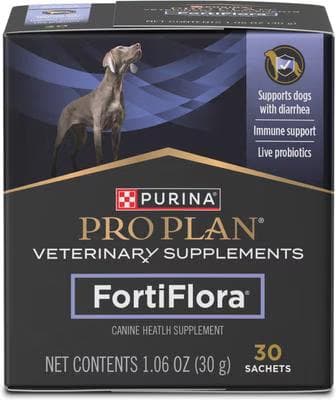
The #1 vet-recommended probiotic for dogs. Daily powder sachets with live probiotics support healthy digestion and firmer stools, and can help dogs coping with diarrhea or GI upset.
Webvet may earn a commission when you click through to Chewy, at no extra cost to you.
This loop matters because dogs lose more than water when they vomit. They lose sodium, potassium, and chloride, the electrolytes that keep the heart, muscles, and nerves working. As potassium drops, the dog grows weaker and the stomach empties even more slowly, so the next drink is even more likely to come back up.
Left unbroken, this loop can push a dog into severe dehydration and electrolyte imbalance within hours, and small or young dogs spiral fastest because they have less fluid reserve. The fix is not to let the dog drink freely. It is to stop the cycle by offering tiny, frequent amounts of water while you arrange veterinary care.
When a dog drinking a lot of water and vomiting is an emergency
A dog drinking a lot of water and vomiting becomes an emergency the moment you see signs of organ failure, poisoning, or bloat. Do not wait until morning for any of the warning signs below. These point to conditions where minutes to a few hours can change the outcome.
If you suspect poisoning, call your veterinarian or the ASPCA Animal Poison Control Center right away. Antifreeze (ethylene glycol) is especially urgent: treatment is most effective within the first few hours, and a dose as small as 1 to 2 teaspoons can be fatal to a small dog.

 $65 · no membership
Have a health question about your dog?
A licensed vet can assess your dog over video and prescribe online when it's appropriate.
 Talk to a vet
- Licensed vets
- All 50 states
- same-day Rx
Webvet may earn a commission if you book.
The emergency differential: dangerous causes and their other warning signs
Several of the conditions behind heavy drinking and vomiting are life-threatening, and each has a fingerprint of other signs that tells you how fast to move. Use the breakdowns below to recognize the pattern in front of you, then match it to the urgency in the triage table further down.
Acute kidney failure
Acute kidney failure can strike a previously healthy dog within a day or two, often after an antifreeze lick, a grape or raisin binge, or certain medications. The kidneys suddenly stop filtering waste, toxins flood the blood, and the dog drinks desperately while vomiting repeatedly.
Other signs that raise alarm: a sharp drop or complete stop in urination after early heavy drinking, foul or chemical-smelling breath, mouth ulcers, profound lethargy, loss of appetite, and a hunched, painful lower back. A dog that floods the house with urine for a day and then suddenly stops peeing is an emergency.
Pancreatitis
Pancreatitis is inflammation of the pancreas, often triggered by a fatty meal, table scraps, or trash raiding. The vomiting is usually intense and repeated, and the resulting nausea and dehydration drive the dog to drink and then bring the water back up.
Other signs that raise alarm: a hunched back or a praying posture (front legs down, rear up) that signals belly pain, a tender or guarded abdomen, restlessness, diarrhea, fever, and refusal to eat. Severe cases can tip into shock, so escalating pain plus relentless vomiting means an emergency visit, not a wait-and-see.
Pyometra
Pyometra is a pus-filled infection of the uterus that affects unspayed females, usually in the weeks after a heat cycle. The infection floods the body with toxins, which drives heavy thirst and vomiting and can become fatal if the uterus ruptures.
Other signs that raise alarm: foul-smelling or bloody vaginal discharge (though a closed pyometra may show none), a swollen abdomen, fever, panting, marked lethargy, and refusal to eat in an intact female recently in heat. Any of these together is a surgical emergency that cannot wait until morning.
Bloat and GDV
Bloat, or gastric dilatation-volvulus (GDV), is when the stomach fills with gas and twists, cutting off blood flow. It is most common in large, deep-chested breeds and can kill within a couple of hours. The hallmark is a dog that tries to vomit but produces nothing.
Other signs that raise alarm: a visibly swollen, drum-tight belly, repeated unproductive retching, drooling and pacing, obvious distress and restlessness, rapid breathing, and pale gums leading to collapse. Per the American Kennel Club, GDV is a true race-against-the-clock emergency. Drive to the nearest ER immediately and call ahead.
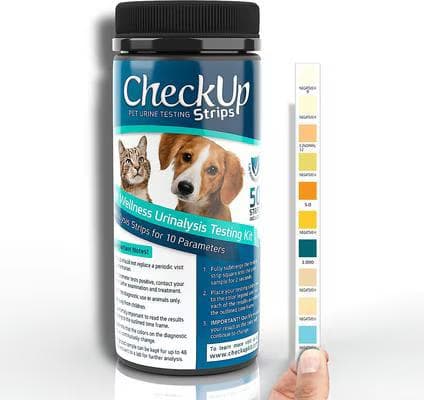
At-home urine test strips that screen for glucose, blood, pH, and protein in seconds, so you can catch early signs of diabetes, kidney disease, or a UTI and bring real numbers to your vet.
Webvet may earn a commission when you click through to Chewy, at no extra cost to you.
Toxin ingestion
Poisons that damage the gut or organs frequently cause a sudden, dramatic onset of vomiting and frantic thirst. Antifreeze, grapes and raisins, xylitol (a sweetener in gum and peanut butter), rodent bait, and certain plants and human medications are common culprits.
Other signs that raise alarm: a very sudden onset with no other illness beforehand, drooling, tremors or twitching, wobbliness, seizures, weakness, and known access to a toxin or chewed packaging. With antifreeze in particular, an early phase of drunken stumbling and heavy drinking is a critical window. Treat any suspected poisoning as a now emergency.
Parvovirus
Parvovirus is a highly contagious gut infection that mainly hits puppies and unvaccinated dogs. It causes violent vomiting and severe, often bloody diarrhea, and the fluid loss is so rapid that affected dogs try to drink but cannot hold anything down.
Other signs that raise alarm: a young or incompletely vaccinated dog, profuse and foul bloody diarrhea, severe lethargy, fever or a below-normal temperature, and rapid dehydration. Parvo is an emergency that needs aggressive IV fluids and hospital care, so do not delay if a puppy fits this picture.
Foreign body obstruction
A swallowed object that lodges in the stomach or intestines blocks the passage of food and water. The dog often drinks because it feels unwell, then vomits because nothing can move past the blockage. Linear objects like string or fabric are especially dangerous.
Other signs that raise alarm: repeated vomiting (sometimes projectile), an inability to keep even water down, a known habit of chewing toys or socks, a painful or bloated belly, straining with little or no stool, and a sudden drop in appetite. A complete blockage is a surgical emergency.
Causes at a glance: thirst plus vomiting
Use the table below to match the pattern you are seeing with the most likely cause and the right level of urgency. This is a guide for triage, not a diagnosis. Any dog with persistent vomiting plus heavy drinking needs a vet to run bloodwork and a urinalysis.
| Likely cause | Other signs you may notice | What to do |
|---|---|---|
| Kidney disease / failure | Bad breath, mouth ulcers, weight loss, lethargy, pale gums | Same-day vet visit; emergency if collapsing or not urinating |
| Diabetes (or ketoacidosis) | Weight loss despite hunger, sweet-smelling breath, weakness | Same-day vet; emergency if vomiting and very weak |
| Pancreatitis | Hunched back, belly pain, loss of appetite, diarrhea | Same-day or emergency vet, especially if pain is severe |
| Poisoning / toxin | Drooling, tremors, sudden onset, known exposure | Emergency vet NOW; call poison control |
| Pyometra (unspayed female) | Vaginal discharge, swollen belly, fever, lethargy | Emergency vet NOW; needs urgent surgery |
| Bloat / GDV | Distended belly, unproductive retching, restlessness | Emergency vet NOW; minutes matter |
| Parvovirus (puppy / unvaccinated) | Bloody diarrhea, severe lethargy, fever | Emergency vet NOW; needs IV fluids |
| Foreign body obstruction | Projectile vomiting, can't keep water down, chewer | Emergency vet NOW; may need surgery |
| Drinking too fast / mild upset | Otherwise bright, clear liquid only, eats normally | Slow drinking; monitor; vet if it repeats |
What kidney failure looks like with vomiting
Kidney failure is one of the most common reasons an older dog drinks heavily and vomits. As the kidneys lose the ability to filter waste, urea and other toxins accumulate in the blood and irritate the stomach lining. The classic picture is increased thirst and urination first, followed by nausea, vomiting, foul breath, and mouth ulcers as the disease advances.
Kidney-related vomit is often watery and may be yellow with bile, sometimes with flecks of blood from stomach ulceration. The vomiting tends to come alongside a drop in appetite and noticeable lethargy. This pattern warrants same-day bloodwork, and it becomes an emergency if the dog stops urinating, collapses, or cannot keep any water down.
Because kidney disease is so common in aging dogs, sudden heavy drinking in a grey-muzzled pet deserves prompt attention. Read more about why a senior dog is drinking a lot of water and what tests catch kidney problems early.
What to do at home before you reach the vet
While you arrange care, your job is to keep your dog stable and gather information, not to treat the underlying disease yourself. The steps below help break the drink-vomit cycle and give your vet a clear history.
- Remove the full water bowl. Replace free-choice water with small, measured amounts so your dog cannot gulp and vomit again.
- Withhold food briefly. A short fast of a few hours can settle a mild stomach, but never fast a puppy, a tiny breed, or a diabetic dog. Call your vet first.
- Check the gums. Healthy gums are pink and moist. Pale, white, bluish, or tacky gums signal an emergency.
- Note the details. Record how often your dog is vomiting, what the vomit looks like, water intake, and any possible toxin exposure.
- Do not give human medication. Never give ibuprofen, acetaminophen, or anti-nausea drugs without veterinary direction; some are toxic to dogs.
What not to do
A few well-meant mistakes can make things worse. Avoiding them is just as important as the steps above while you wait for veterinary advice.
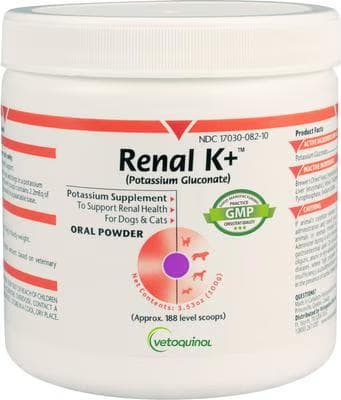
Vet-formulated potassium supplement that supports kidney health in dogs and cats with chronic kidney disease. An easy oral powder you mix into food.
Webvet may earn a commission when you click through to Chewy, at no extra cost to you.
- Do not let the dog empty a full bowl. Free-choice gulping restarts the drink-then-vomit cycle and worsens dehydration.
- Do not induce vomiting on your own. With some toxins and any blockage, making a dog vomit causes further harm. Only do it if poison control or your vet tells you to.
- Do not force-feed a large meal. A heavy meal on an irritated stomach usually triggers more vomiting. Wait for the green light, then start bland and small.
- Do not wait out the obvious red flags. A swollen belly, blood, collapse, or a stopped urine stream is never a wait-until-morning situation.

Repeated vomiting dehydrates a dog quickly, and dehydration is what makes this situation spiral. Learn to spot the early signs in our guide to dehydration in dogs, including the skin-tent and gum-moisture checks vets use.
How the vet diagnoses the cause
Your vet will start with a physical exam and a history of how much your dog is drinking and vomiting. From there, a handful of standard tests usually pinpoints the cause within the same visit.
- Bloodwork (CBC and chemistry): checks kidney values, blood sugar, calcium, liver enzymes, and signs of infection.
- Urinalysis: reveals how well the kidneys concentrate urine and screens for glucose and infection.
- Imaging (X-ray or ultrasound): looks for bloat, pancreatitis, a foreign object, or a pus-filled uterus (pyometra).
- Specific tests: a pancreatic lipase test, a Cushing's screen, a parvovirus test, or a toxin panel when the history points that way.
Treatment depends on the cause, but the first priority is almost always rehydration. Most dogs in this situation are given fluids under the skin or into a vein to replace what vomiting has cost, along with anti-nausea medication to break the cycle. Once the dog is stable, the vet treats the root problem, whether that means surgery for bloat or a foreign body, antibiotics and spay surgery for pyometra, or insulin for a diabetic crisis.
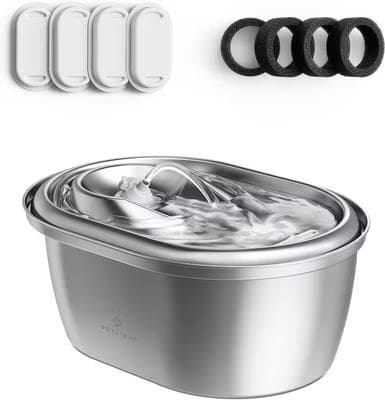
304 food-grade stainless steel pet water fountain, 101 oz. The circulating, filtered water encourages cats to drink more, which supports urinary tract and kidney health.
Webvet may earn a commission when you click through to Chewy, at no extra cost to you.
If your dog also has loose stools, the cause and treatment can shift. Our guide on dog vomiting and diarrhea covers that combination and the dehydration risk it adds.
Frequently asked questions

Frequently Asked Questions
Why is my dog drinking so much water and then vomiting?
A dog drinking a lot of water and then vomiting is often gulping water too fast for an irritated or nauseated stomach to hold, so it comes right back up. While drinking too quickly can cause a harmless one-off, the combination of heavy thirst plus vomiting frequently signals an underlying illness such as kidney disease, diabetes, pancreatitis, or poisoning. Each vomit removes fluid, which deepens dehydration and makes the dog drink even more. If it happens more than once or your dog seems unwell, call your vet.
What does kidney failure vomit look like in dogs?
Kidney failure vomit in dogs is typically watery and may be tinged yellow with bile, and it can contain flecks of blood from stomach ulceration caused by built-up toxins. It usually comes with very bad (sometimes ammonia-like) breath, mouth ulcers, poor appetite, weight loss, and increased thirst and urination. As the disease advances, urine output may suddenly drop even though the dog was drinking heavily. This pattern needs same-day bloodwork to confirm.
What soothes a dog's stomach after throwing up?
After your dog throws up, rest the stomach by withholding food for a few hours (not for puppies, tiny breeds, or diabetics), then offer small amounts of water every 20 to 30 minutes. Once water stays down, a bland diet of plain boiled chicken and white rice in small portions often settles the stomach. Avoid human medications and rich treats. If vomiting continues or your dog seems unwell, contact your vet.
Do dogs drink a lot of water when they are sick?
Yes. Many illnesses make dogs drink more, either because the disease causes water loss (kidney disease, diabetes, Cushing's) or because vomiting and diarrhea cause dehydration that the dog tries to replace. A dog recovering from a stomach bug may stay extra thirsty for a few days. Persistent excessive thirst, especially with vomiting, always deserves a vet check.
How much water is too much for a dog?
As a rough rule, healthy dogs drink about 1 ounce of water per pound of body weight per day, and intake above roughly 100 ml per kilogram per day is considered excessive (polydipsia). Sustained drinking well beyond that, especially with vomiting, points to a medical cause. Try measuring how much you pour and how much is left to give your vet a real number. A sudden spike in thirst over a day or two is worth a same-day call.
What are the signs that a dog is about to pass away?
Signs a dog may be near the end of life include extreme weakness or inability to stand, refusal of food and water, labored or irregular breathing, very pale or bluish gums, low body temperature, loss of bladder or bowel control, and unresponsiveness. These signs are an emergency. Contact your veterinarian or an emergency clinic right away so your dog can be assessed and kept comfortable.
How does a dog act when their kidneys are shutting down?
As a dog's kidneys shut down, you may see severe lethargy, refusal to eat, repeated vomiting, foul or chemical-smelling breath, mouth ulcers, and a noticeable drop in urination despite earlier heavy thirst. The dog may become weak, dehydrated, and disoriented. This is a medical emergency that needs immediate veterinary care for IV fluids and supportive treatment.
What stage of kidney disease is vomiting?
Vomiting typically appears in the later stages of kidney disease (often IRIS stage 3 or 4), once enough kidney function is lost that toxins build up in the blood and irritate the stomach. Early kidney disease usually shows only increased thirst and urination. The arrival of vomiting, mouth ulcers, and weight loss signals more advanced disease and the need for prompt veterinary care.
Can drinking too fast really make a dog vomit?
Yes. A dog that gulps a large volume of water very quickly can overfill its stomach and bring the water straight back up, especially after exercise or a long stretch without water. This kind of regurgitation is usually a one-off in an otherwise bright dog that eats normally afterward. You can prevent it by offering smaller amounts more often or using a slow-drink bowl. If the dog vomits repeatedly, seems unwell, or the thirst itself is excessive, that is no longer simple fast-drinking and needs a vet.
Should I take my dog to the ER for drinking a lot of water and vomiting?
Go to the ER immediately if your dog has a swollen belly with unproductive retching (possible bloat), blood in the vomit, pale or bluish gums, collapse, known poisoning, or is an unspayed female with discharge and lethargy (possible pyometra). Also go if your dog cannot keep any water down or vomits repeatedly. For milder, single episodes in an otherwise bright dog, a same-day vet appointment is appropriate.
$65 · no membershipHave a health question about your dog?
A licensed vet can assess your dog over video and prescribe online when it's appropriate.
Talk to a vet- Licensed vets
- All 50 states
- same-day Rx
Webvet may earn a commission if you book.

Editor
The Webvet Editorial Team is the in-house group of pet-care editors and writers behind Webvet, operated by Smart Pet Collective. The team researches, writes, and maintains Webvet's pet health, behavior, and medication content. Every article follows a defined editorial process: research from reputable veterinary and scientific sources, careful drafting, mandatory review of medical content by a credentialed veterinarian, and dated publication. Health and medication articles are medically reviewed by a licensed veterinary professional before they go live and are kept current over time.
Veterinarian · BVMS MRCVS
Dr. Pippa Elliott, BVMS, MRCVS, is a veterinarian with nearly 30 years of experience in companion animal practice. Dr. Elliott earned her Bachelor of Veterinary Medicine and Surgery from the University of Glasgow. She was also designated a Member of the Royal College of Veterinary Surgeons. Married with 2 grown-up kids, Dr. Elliott has a naughty Puggle named Poggle, 3 cats and a bearded dragon.


