How Cold Is Too Cold for Dogs? Temperature Chart by Size and Coat
Most healthy dogs are fine down to about 45 F, but small, thin-coated, senior, and sick dogs start struggling well before freezing. Use this temperature chart, learn the signs of a cold dog, and know when to shorten the walk or stay in.

BVMS MRCVS
Medically reviewed by Dr. Pippa Elliott, BVMS MRCVS · Last reviewed

This article contains affiliate links. Webvet may earn a commission when you buy through them, at no extra cost to you.
How cold is too cold for dogs depends on the dog in front of you. A healthy husky and a senior Chihuahua live in different worlds at the same temperature, which is why no single number works for every dog.
The short answer to how cold is too cold for dogs: most dogs are fine until the air drops below about 45 degrees F, small and thin-coated dogs need care below 32 F, and at 20 degrees F or lower even short walks can be risky. The chart below breaks that down by size and coat.
Do dogs get cold?
- 1Yes, dogs feel cold in winter, and cold can cause hypothermia and frostbite.
- 2Use temperature thresholds by dog size and coat, not one number: about 45 F for caution, 32 F for extra care, 20 F for danger.
- 3Know which dogs are high risk: small, short-coated, very young, senior, thin, and sick dogs.
- 4Shorten walks as it gets colder, and never leave a dog alone outside in cold or wet weather.
Yes, dogs feel cold, and they can get dangerously cold. Tufts University (Tufts Now) warns never to leave a dog alone in cold or inclement weather because hypothermia is a veterinary emergency. Tufts also notes that some dogs start shivering and pulling toward home after only a few minutes outside.
Cold also changes circulation. VCA Animal Hospitals explains that once the air drops below 32 F (0 C), blood vessels near the skin constrict, cutting blood flow to the extremities. That is the first step toward frostbite. Being cold outdoors is a separate issue from a dog cold, the respiratory illness.
Coat matters most. The American Kennel Club, quoting a veterinarian, explains that a double coat has a soft undercoat close to the skin that keeps a dog warm and dry. Cornell University College of Veterinary Medicine adds that short and thin-coated breeds tolerate cold worse than thick, double-coated breeds. For a small or short-coated dog, an insulated coat is a simple way to add the warmth its own fur cannot provide on a cold walk.
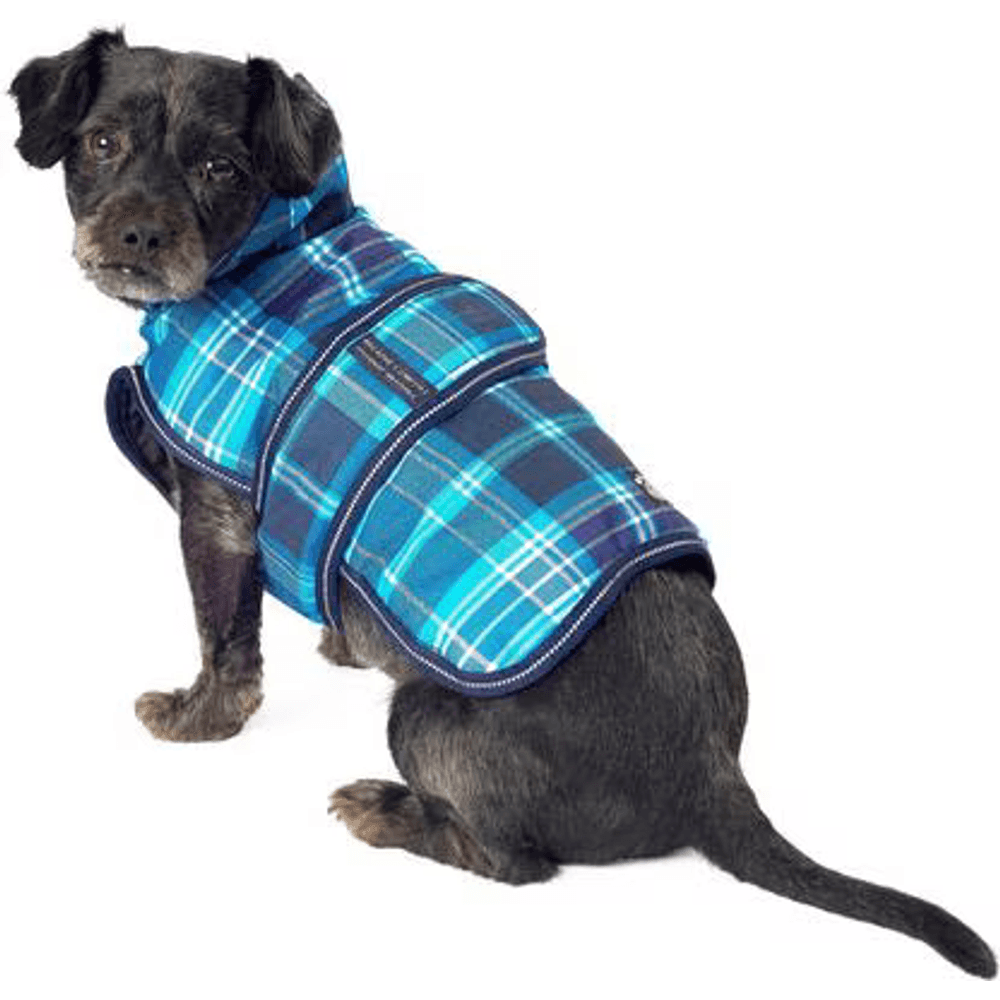
An insulated dog coat in small sizes for short-coated dogs that feel the cold on winter walks.
Webvet may earn a commission when you click through to Chewy, at no extra cost to you.
How cold is too cold for dogs: the temperature chart
Cold generally does not become a problem for most dogs until temperatures fall below 45 degrees F, according to PetMD. Below 32 F, PetMD says small breeds, thin-coated dogs, and very young, old, or sick dogs can be in danger with too much time outdoors. VCA puts the danger point at 20 degrees F or lower, where even short walks can be risky.
No published veterinary scale gives exact numbers by dog size and coat. Tufts says there is no single cutoff temperature, and the University of Illinois College of Veterinary Medicine says there is no straightforward answer because of the many variables, telling owners to weigh coat length and size. Wind and wet fur are among them, which is why a jacket that sheds water earns its place on raw, drizzly days.
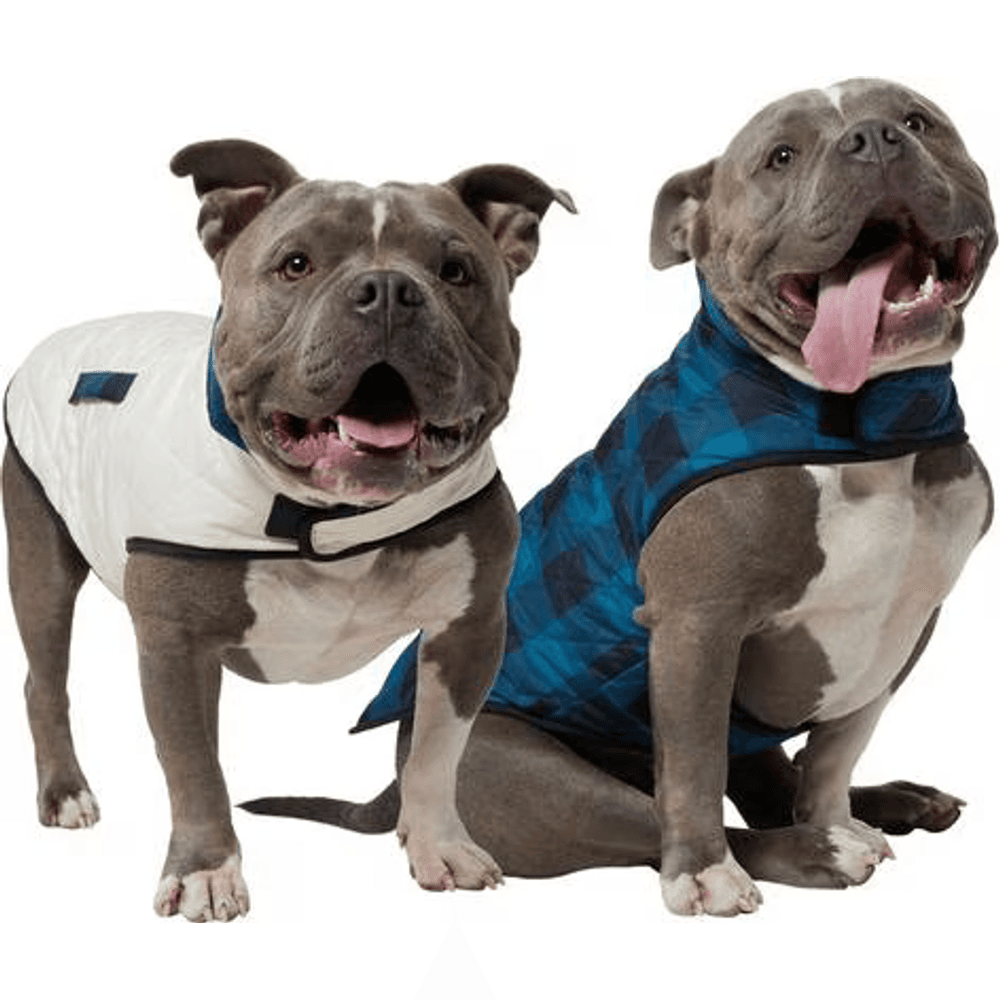
A quilted, water-resistant insulated jacket for larger dogs on damp, windy winter walks.
Webvet may earn a commission when you click through to Chewy, at no extra cost to you.
The chart below is our synthesis of those sources, not a published scale. It combines the PetMD 45 F and 32 F bands, the VCA winter safety tips 32 F and 20 F anchors, Merck's note that small, young, and old dogs face higher hypothermia risk, and the time limits from WSU and the AKC.
| Temperature band | Small, thin-coated, puppy, senior, or sick dog | Medium or large dog with a short coat | Healthy dog with a thick double coat | Walk guideline |
|---|---|---|---|---|
| Above 45 F | Usually fine; watch for shivering | Usually fine | Usually fine | Normal walks for most dogs |
| 32 to 45 F | Caution; consider a coat and keep outings brief | Usually fine; watch for signs of cold | Usually fine | Normal walks for most dogs; shorter for high-risk dogs |
| 20 to 32 F | Can be in danger with too much time outside; coat advised | Caution; limit time outside | Most cold-tolerant; still limit time | Limit outings to about 10 to 15 minutes, especially thin-coated dogs |
| 20 F or lower | High danger; quick bathroom breaks only | Danger; even short walks are risky | Short walks can still be risky | About 5 to 10 minutes, with a coat and booties |
Read the chart as a starting point, then adjust for conditions. Each temperature band acts colder in practice when any of these apply:
- Wind chill. The National Weather Service defines wind chill as how cold it feels to people and animals, and PetMD notes a breeze cuts through the coat and reduces insulation.
- A wet coat. PetMD says dampness soaking through fur chills a dog quickly, and VCA warns frostbite and hypothermia can occur when a pet is wet and exposed to frosty air.
- Rain, sleet, or wet snow. VCA's winter guidance says windchill can be fatal, especially combined with dampness.
What temperatures are safe for dogs to be outside?
Most healthy dogs are comfortable outside above about 45 F, per PetMD. Between 45 and 32 F, most dogs remain fine while small, short-coated, young, old, or sick dogs need watching. Below 32 F, VCA advises precautions for every dog, and at 20 F or lower even short outings carry risk.
Owners also ask about specific numbers like 50 or 53 degrees. Those sit above the 45 F point where PetMD says cold generally starts to matter, so they are cool rather than dangerous for most dogs. No source sets a cold-weather temperature chart for a dog in a car, so follow Tufts and never leave a dog alone in the cold.
Which dogs get cold fastest
VCA Animal Hospitals names short-haired, very young, and senior dogs as the greatest risk from cold exposure. The Merck Veterinary Manual likewise says small, young, and old animals are at higher risk of hypothermia. High-risk dogs include:
- Small dogs. PetMD says small dogs get colder faster than large dogs, all else equal, and VCA names Chihuahuas and Yorkies as dogs that lose heat quickly.
- Short-haired dogs. Washington State University Veterinary Teaching Hospital says shorthair dogs are particularly vulnerable, which applies to short-coated breeds such as pit bulls.
- Short-legged dogs. VCA says their bellies touch snow and ice and get chilled.
- Dogs groomed short. VCA notes that poodles and other dogs kept clipped lose their natural insulation.
- Puppies. Cornell says puppies cannot regulate body temperature and carry little body fat. The AKC, quoting a veterinarian, says puppies under eight weeks and Toy breeds should stay out of extreme weather.
- Seniors, thin dogs, and sick dogs. Cornell says older, underweight, or ill dogs struggle to stay warm, so body condition matters. Our guide to senior dog health covers aging changes that affect comfort.
- Dogs with poor circulation. VCA says dogs with diabetes mellitus and other conditions that reduce blood flow face greater frostbite risk.
The best cold weather dog breeds are those with a thick double coat. PetMD says double-layered coats make dogs the most cold-tolerant, and the AKC credits the undercoat for why northern breeds such as huskies handle cold. Even huskies still need shelter and limits in extreme weather.
Our sources do not address arthritis or limping in cold weather, so ask your veterinarian if an older dog starts limping in the cold rather than assuming it is the weather. What Cornell does say is that older, underweight, or ill dogs struggle to stay warm, so give them a warm, dry place to rest.
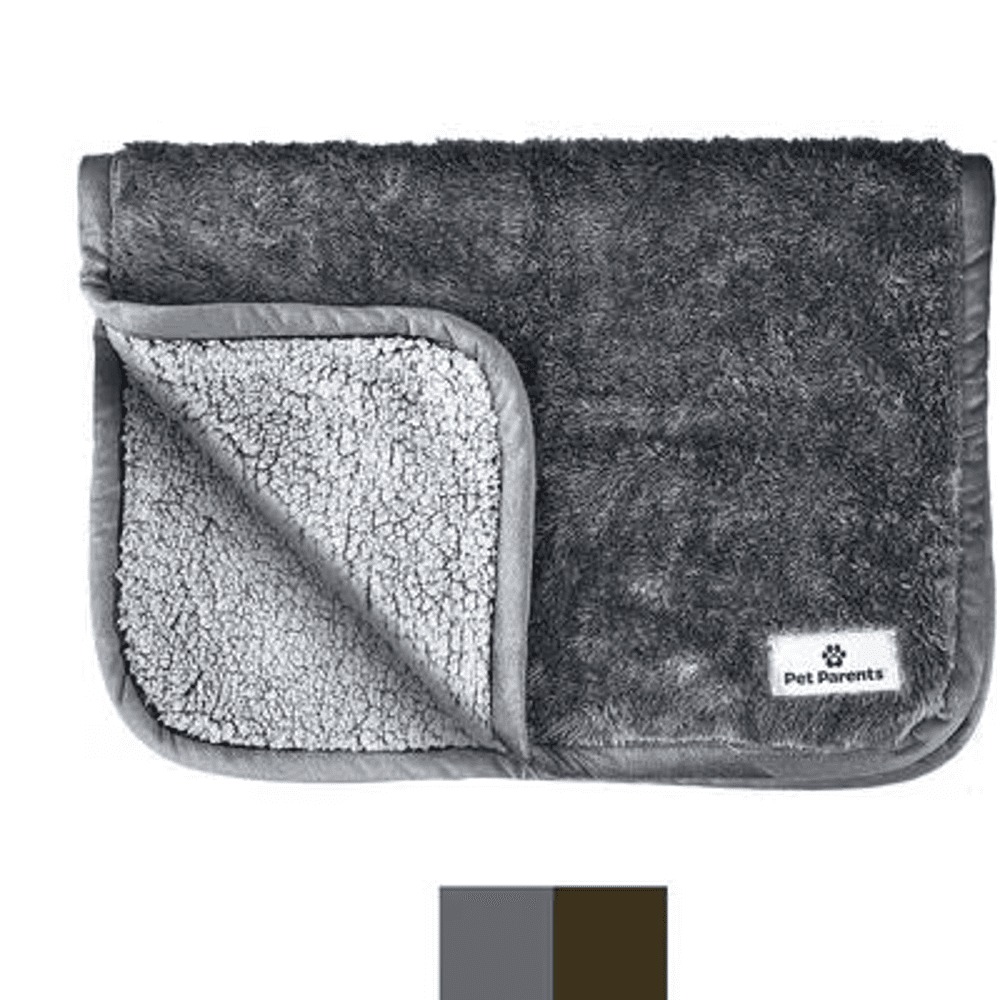
A waterproof blanket that gives an older or thin dog a warm, dry resting spot and keeps beds and sofas dry after snowy walks.
Webvet may earn a commission when you click through to Chewy, at no extra cost to you.
How cold is too cold for a golden retriever?
No veterinary source gives a golden retriever figure. Goldens have a double coat and are large, so the double-coat column of the chart applies. Reasoning from that, a healthy adult golden usually handles the 32 to 45 F band well, needs limited time below 32 F, and faces real risk at 20 F or lower, especially when wet.
Signs your dog is too cold
Dogs show you when they are cold, though the signs are easy to miss. Watch for:
- Shivering or whining. VCA lists both as signs to watch for.
- Reluctance to walk. Cornell names this as a sign of cold intolerance.
- Irregular heart rate or breathing. WSU lists these alongside shivering.
- Visible exhaustion. WSU includes it among the physical signs.
- Skin color changes. VCA says frostbitten skin turns reddish, gray, or white.

A dog that is cold and shaking is the most familiar picture, but shivering has limits as a signal. The Merck Veterinary Manual warns that shivering is not a reliable sign of hypothermia, so a dog that has stopped shivering is not necessarily warm. Our guide to dog shivering from cold versus other causes helps sort out shaking that has nothing to do with temperature.
What about a dog that feels cold to touch, or has cold ears and paws? Do dogs' paws get cold in the snow? They can, because below 32 F, VCA says, blood vessels near the skin constrict and send less blood to the extremities. VCA adds that wet or damp dogs are most vulnerable at the paws, ears, and tail.
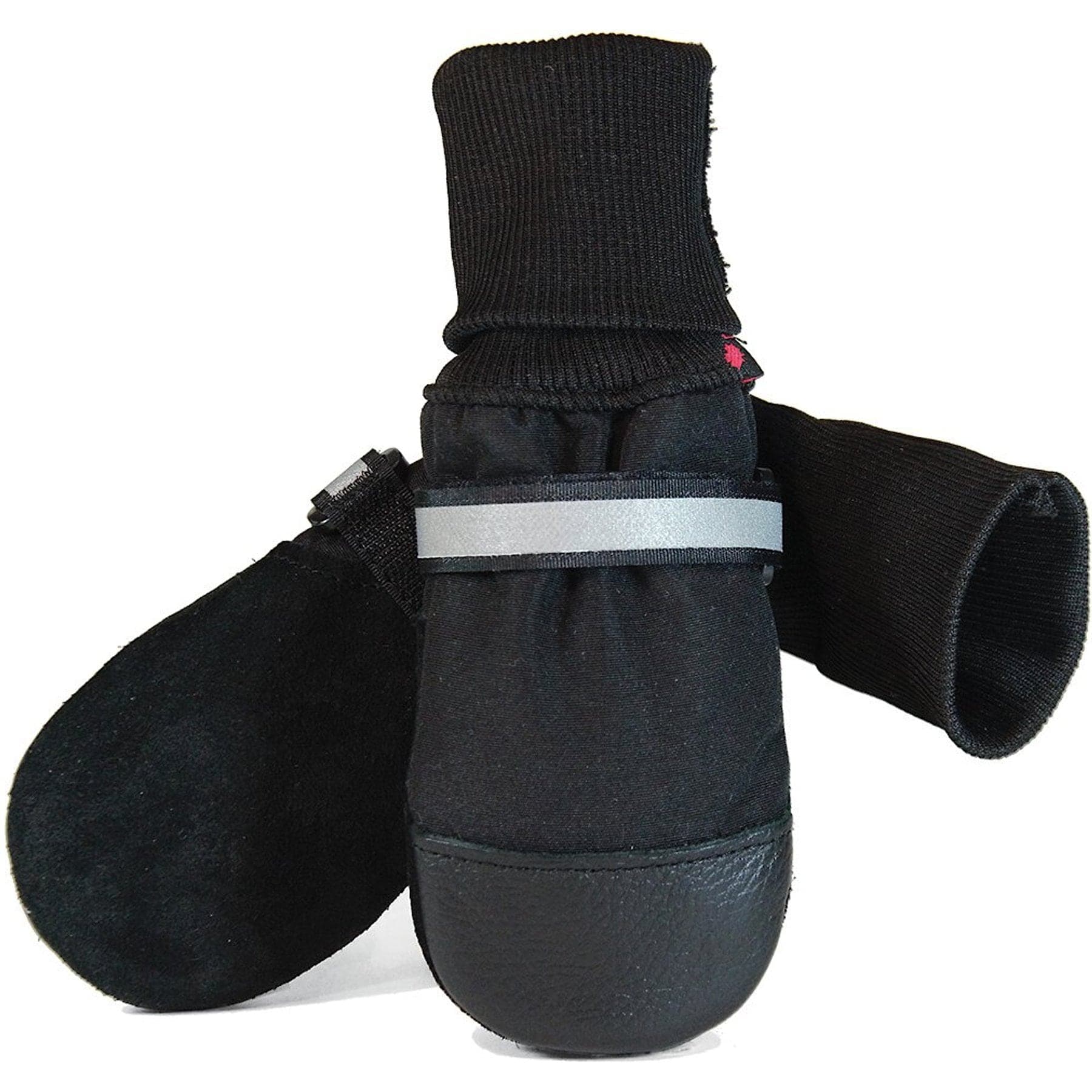
Fleece-lined winter dog boots, four to a pack, that keep paw pads off cold and salted sidewalks.
Webvet may earn a commission when you click through to Chewy, at no extra cost to you.
If your dog feels colder than normal, our sources give no rule for judging a dog's temperature by touch alone, so read cold ears or paws together with the behavior signs above. To tell if a dog is cold at night, look for the same signs. Act on the first signs: head indoors and, as Merck advises, dry a wet coat first.
How long can a dog stay outside in the cold?
There is no simple answer, the University of Illinois says, because time depends on the dog. Our sources give these working limits:
- In freezing temperatures: WSU advises that most dogs, especially thin-coated ones, not stay out beyond 10 to 15 minutes without access to warmth.
- Below 32 F: the AKC, quoting a veterinarian, suggests limiting outings to 10 to 15 minutes.
- Below 20 F: VCA gives a stricter limit of 5 to 10 minutes, with a coat and booties.
Longer exposure raises the stakes. The Merck Veterinary Manual says hypothermia is more likely after a long time outside in very cold weather. Can dogs stay outside in the cold all day? VCA says it is generally not safe to leave dogs outside in winter.
How do sled dogs survive the cold? The AKC points to the double coat that lets northern breeds tolerate cold. That protection comes from coat type, and it does not transfer to short-coated or small pets.
If your neighbor leaves their dog outside in the cold without shelter, the shelter standards in the next section describe what our sources treat as the minimum. Those specifics are useful if you decide to report a dog left outside to local authorities.
Can dogs sleep outside in the cold?
Most dogs should not sleep outside in winter. VCA says it is generally not safe to leave dogs outside, and the University of Illinois notes that hypothermia is more likely in dogs housed outdoors. WSU adds that hypothermia cases often involve outdoor pets with inadequate shelter.
If a dog must stay outside, the sources set minimum conditions:
- An insulated shelter. Cornell calls for an insulated enclosure protected from wind.
- Off the ground. VCA says the shelter should be elevated a few inches, which also keeps moisture from building up inside the doghouse.
- Dry bedding. Cornell says bedding should be dry and kept off the ground.
- No metal bowls. VCA warns a wet tongue can stick to metal dishes in low temperatures.
A garage, dog house, or cold weather dog kennel is safer than open air only when it meets those standards. Our sources give no temperature at which a garage or kennel becomes safe overnight.
Can a dog survive a night in the cold?
No source gives a survival temperature or time, so we cannot give one. Reasoning from the bands, a night at or below 20 F is dangerous for any dog, and a night below 32 F is risky for high-risk dogs. WSU notes hypothermia cases often involve outdoor pets without adequate shelter.
For dogs that sleep indoors, a waterproof blanket such as the Pet Parents Pawtect Blanket on the bed or sofa protects furniture from wet coats after winter walks.
How to keep your dog warm in winter
Walking dogs in the cold is fine for most healthy dogs with adjustments. When it is too cold to walk your dog for long, use the walk guideline column in the chart and shorten the outing as the temperature band drops.
Do dogs' fur keep them warm in the cold? A double coat helps, but a thin coat does not. VCA says small or short-furred dogs need extra warmth on cold, windy, rainy, or snowy days. When choosing dog sweaters or a dog vest for cold weather, VCA's checklist is:
- Coverage: the coat should cover the back, chest, and belly.
- Movement: the dog should move freely in it.
- Fit: not too tight and not too loose.
- Weather protection: VCA says waterproof jackets give the best winter protection.
Cornell adds that jackets covering more of the body deter snowballs from building up on the belly and chest. For a larger dog, a jacket like the Frisco Lightweight Quilted Water-Resistant Reversible Insulated Dog & Cat Jacket is one water-resistant, insulated option.

Paw pads take the hardest hits. Is snow too cold for dogs' paws? Cold paws alone are expected, but Cornell says ice and salt can crack or cut the pads, and VCA warns that ice melt and other snow-melt chemicals can burn them. Tufts notes some dogs collect ice between their toes, though it takes a milder view of deicers than VCA and Cornell.
To protect your dog's paws in cold weather:
- Wipe feet after every walk. VCA recommends wiping after salt or chemical exposure.
- Use boots. Our roundup of the best dog boots compares winter options.
- Choose safer deicers at home. See our guide to pet safe ice melt.
- Care for dry pads. A dog paw balm can help between walks.
Fleece-lined boots such as Muttluks Original Fleece-Lined Winter Dog Boots add a layer between paw pads and salted, icy sidewalks.
Shelter rules apply at home too. Cornell stresses protection from wind, so whatever dog door you use in cold weather, make sure it does not leave your dog's resting spot in a draft.
When cold becomes an emergency
Hypothermia and frostbite need fast action. The Merck Veterinary Manual lists these hypothermia signs:
- Slow pulse
- Shallow breathing
- Confusion
- Collapse
- Unconsciousness
WSU describes hypothermia by body temperature: mild at 90 to 99 F, moderate at 82 to 90 F, and severe below 82 F. Merck notes hypothermia can worsen shock and impair healing and clotting, which is why clinics rewarm patients slowly.
Can dogs get frostbite? Yes. VCA says wet or damp dogs are most vulnerable at the paws, ears, and tail, and suspected frostbite needs veterinary care right away. Our guide to hypothermia and frostbite in dogs covers both in detail.
Cold weather questions for dog owners
Frequently Asked Questions
Is 40 degrees too cold for a dog?
No veterinary source calls 40 F too cold. It sits between PetMD's 45 F caution point and VCA's 32 F precaution point. Most healthy dogs are fine, but small or short-coated dogs, puppies, and seniors feel it sooner, so limit the time they spend outside and watch for shivering.
Is it too cold to walk my dog?
Check the wind chill, not just the thermometer. VCA says at 20 F or lower even short walks can be risky, especially with wind or wet snow. At those temperatures, keep to shorter walks of about 5 to 10 minutes with a coat and booties, and head home at the first sign of cold.
Do dogs need a coat in winter?
Many do. VCA says small dogs, short-furred dogs, and older or ill dogs benefit from a coat, and a dog with a thin or single coat gains the most. Pick a coat that covers the belly, chest, and back, fits without restricting movement, and sheds water.
Veterinarian · BVMS MRCVS
Dr. Pippa Elliott, BVMS, MRCVS, is a veterinarian with nearly 30 years of experience in companion animal practice. Dr. Elliott earned her Bachelor of Veterinary Medicine and Surgery from the University of Glasgow. She was also designated a Member of the Royal College of Veterinary Surgeons. Married with 2 grown-up kids, Dr. Elliott has a naughty Puggle named Poggle, 3 cats and a bearded dragon.
Related reading

Matted Cat Fur: How to Remove Mats Safely

Pet Safe Roach Killer: What Works Without Poisoning Your Pet

Pet Safe Pest Control: What Is Safe to Use Around Dogs and Cats
