Pet Safe Roach Killer: What Works Without Poisoning Your Pet
Gel baits and sealed bait stations control roaches better than sprays and keep the insecticide confined where pets cannot reach it. Here is what works, where to place it, and which roach products to avoid with a cat in the house.

BVMS MRCVS
Medically reviewed by Dr. Pippa Elliott, BVMS MRCVS · Last reviewed

This article contains affiliate links. Webvet may earn a commission when you buy through them, at no extra cost to you.
Roaches in a home with a dog or cat create a two-sided problem. You need something strong enough to end the infestation and safe enough to use around your pet. A pet safe roach killer does exist, but where you put it matters as much as what you buy.
The plan university extension services and veterinary poison experts point to is simple: bait instead of spray, placement instead of guesswork, and extra caution with a cat in the house.
Why most roach killers are a problem around pets
The best pet safe roach killer is a gel bait or an enclosed bait station placed where your dog or cat cannot reach it. Sprays and foggers are the risky choice. They spread insecticide where your pet walks and breathes, and UC IPM says baits provide better control than sprays anyway.
- 1Best choice: gel bait or tamper-resistant bait stations, placed near roach hiding spots but out of your pet's reach.
- 2How gel baits work and their pet risk: roaches eat a slow-acting insecticide, and ASPCA says these baits hold so little that pets typically get only an upset stomach.
- 3Why sprays and foggers are risky: they give only a temporary knockdown, can scatter roaches, and spread insecticide where pets live; cats are especially sensitive to pyrethroids.
- 4If your pet eats bait or chews a station, call your vet or a pet poison hotline and keep the package.
Most roach killers are made to be eaten, and that is the problem in a pet home. ASPCA notes that ant and roach baits usually contain peanut butter or sugar attractants that pets like too. Behind the attractant is an insecticide, such as the boric acid, fipronil, or hydramethylnon that UC IPM lists among bait ingredients.
Sprays and foggers raise a different worry. Instead of a small amount in one spot, they leave insecticide on floors and counters and in the air your pet breathes. Cats are the most vulnerable: VCA Animal Hospitals lists household sprays and foggers among the common sources of pyrethroid poisoning in cats.
Because every roach killer carries some risk, the safest first step uses none. NC State Extension says pet food should be sealed and notes that water bowls can add moisture that attracts roaches. A bowl that a sloppy drinker splashes across the floor keeps that moisture coming.
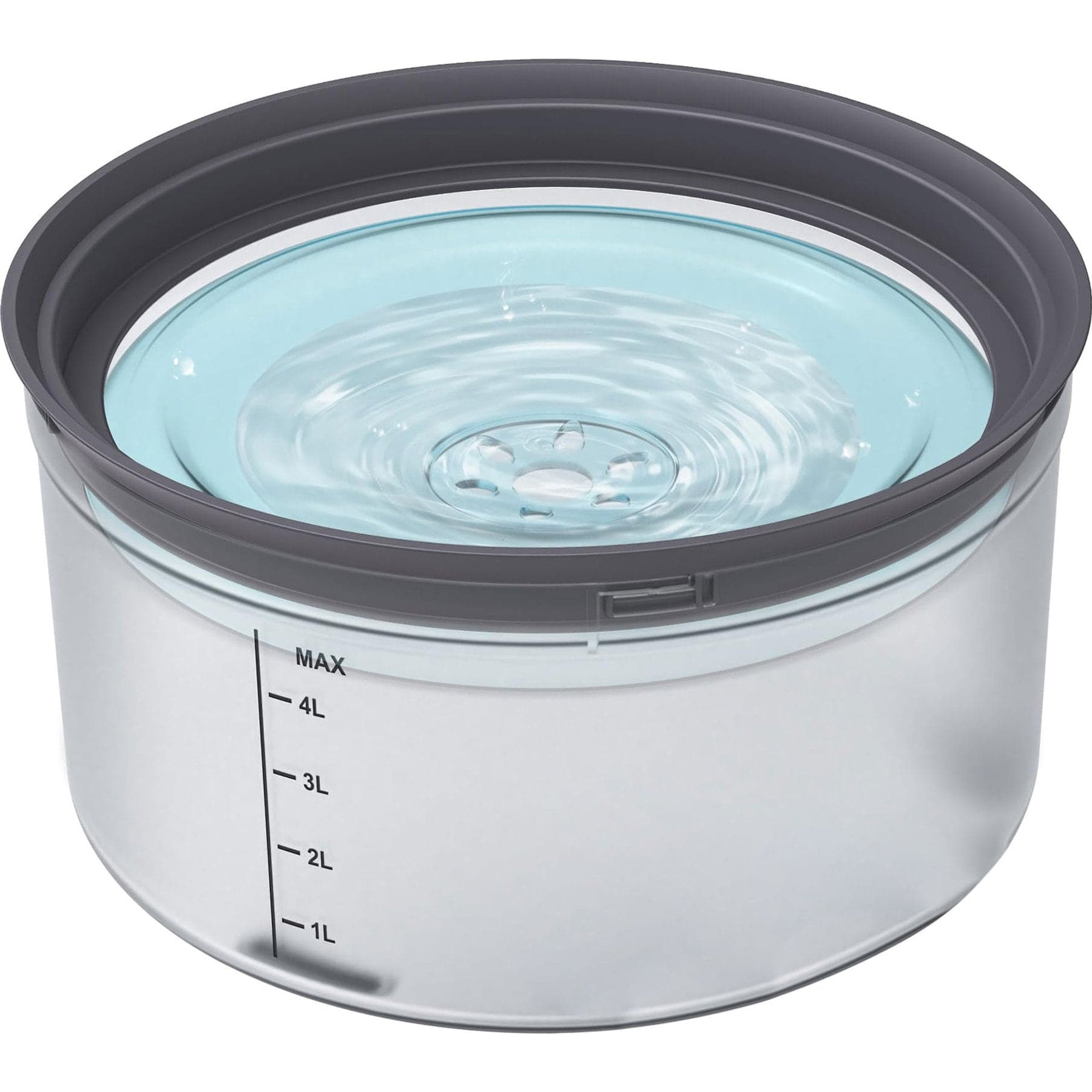
A 1.2-gallon no-spill bowl for sloppy drinkers; NC State Extension notes water bowls can add moisture that attracts roaches.
Webvet may earn a commission when you click through to Chewy, at no extra cost to you.
Natural and homemade roach killer recipes are not automatically pet safe. Boric acid, the classic natural pick, is the same compound used in commercial baits, but a homemade mix leaves it out in the open without a station's protective housing.
Whether you shop a Walmart aisle, Home Depot, or a pet store near you, judge a product by its format and active ingredient, not by its brand or the word natural on the front. Household fixes deserve the same skepticism; see does bleach kill fleas for how a familiar cleaner fares against another common pest.
Gel baits and bait stations: the most effective pet-safe roach control
Baits flip the usual approach. Instead of spreading insecticide where roaches might walk, you place a small amount where roaches will eat it. UC IPM says bait stations confine the insecticide to small areas inside tamper-resistant containers, and that station baits stay effective for many months.
The two formats trade convenience for reach. UC IPM says gel goes on in small dabs from a bait gun or syringe, pushed into cracks and crevices where roaches will find it. Stations come pre-filled and enclosed, which makes them the simpler choice in rooms your pet uses.
Baits work best when roaches have nothing better to eat. NC State Extension says baits are very effective against German cockroaches and that proper sanitation increases their effectiveness, because fewer competing food sources push roaches to the bait. That makes sealed pet food part of any cockroach infestation treatment.
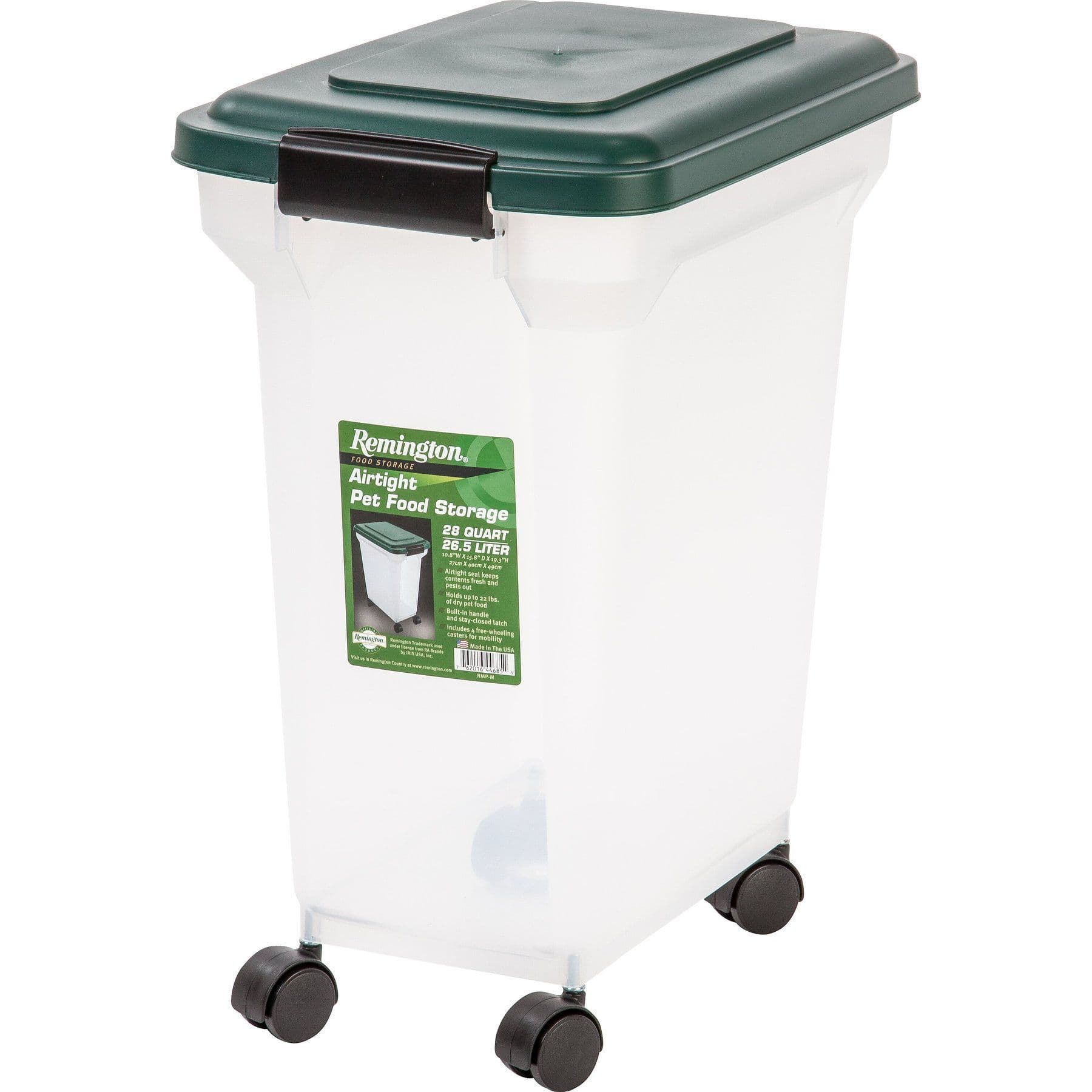
An airtight 28-quart bin keeps kibble sealed, the sanitation step NC State Extension says makes roach baits more effective.
Webvet may earn a commission when you click through to Chewy, at no extra cost to you.
Here are the common roach products ranked by pet risk, with a placement rule for each, starting with the safest option that still works.
| Roach product | How well it works | Pet risk | Placement rule |
|---|---|---|---|
| Enclosed bait station | Very effective, and stays effective for many months | Lowest: the insecticide sits inside a tamper-resistant station; chewed plastic can cause a blockage | Near hiding spots and foraging routes, behind or inside places a pet cannot reach |
| Gel bait | Very effective; newer formulas can kill within 24 hours of feeding | Low when applied as small dabs deep in cracks; a pet could lick an exposed dab or chew the tube | Pea-size dabs in cracks and crevices near hiding spots, never on open surfaces |
| Diatomaceous earth | Works only while kept dry and undisturbed | Low to moderate: the dust irritates the nose when inhaled | Light dusting in dry voids and gaps pets cannot reach |
| Sticky monitor | A monitoring tool that shows whether treatment is working | Low to moderate: a glue board can trap a curious pet | Dry spots along walls and corners where pets will not touch it |
| Boric acid dust | Works, but heavy deposits can repel roaches | Moderate: cats can lick loose powder or groom it off their fur | Thin layer inside wall voids or sealed gaps, never loose in open baseboards or under the fridge |
| Plant-oil spray | Temporary knockdown of the roaches it hits, with no lasting control | Moderate: a hazard-labeled aerosol (eye irritant, skin sensitizer, flammable), and its essential oils are a cat hazard (VCA) | Spot use with pets out of the room until dry, never on bait placements |
| Pyrethroid spray | Quick, temporary knockdown; can scatter roaches | High, especially for cats | Avoid in homes with cats; never spray animals |
| Total-release fogger | Poor: misses the crevices where roaches breed | Highest: whole-room exposure, with pets out for the label time | Avoid; if used, follow EPA and label precautions exactly |
How to get rid of roaches without being harmful to pets?
Use bait instead of broadcast insecticide, and put it where roaches hide but pets cannot go: gel dabs deep in cracks and enclosed stations tucked out of reach. Pests in the Home says baits eliminate infestations better than sprays because young nymphs do not leave their hiding places to feed. Seal food and keep floors dry.
What is the no. 1 cockroach killer?
No single brand holds that title, but bait is the top method in extension guidance. Familiar names include Advion cockroach gel bait, Combat roach bait stations, Harris boric acid roach powder, and liquid roach baits, but the active ingredient matters more than the brand. UC IPM lists these among bait insecticides:
- Abamectin
- Boric acid
- Fipronil
- Hydramethylnon
- Indoxacarb
For scale, the Combat Source Kill safety data sheet for a small-roach station lists 1.0 gram of bait at 2.0 percent hydramethylnon, which works out to about 20 mg per station. NPIC says fipronil is more toxic to insects than to people and pets because it binds more readily to insect nerve endings.
Boric acid and diatomaceous earth: natural roach killers and their limits

Boric acid and diatomaceous earth are the two natural roach killers that extension and poison-control sources actually describe. NPIC says boric acid kills insects that eat it and also scratches their outer layer, and Pests in the Home calls it a natural substance that is toxic to roaches.
Natural does not mean harmless. NPIC says signs of poisoning in animals can start within 2 hours of eating boric acid. Pet Poison Helpline warns that boric acid placed in the open carries a high chance of a cat licking it or grooming it off its fur, which can cause stomach upset and more.
So is a boric acid roach killer pet safe? Not when it sits loose in the open, but it can still work in a pet home if you follow a few rules:
- Use a thin layer, not a pile. Penn State Extension says heavy dust deposits may repel roaches.
- Put boric acid powder for roaches only where pets cannot touch it, such as wall voids and sealed gaps. Penn State says dusts should not go where children or pets could contact them.
- Skip open baseboard gaps and the space under the fridge, which Pet Poison Helpline flags as risky spots for cats.
- Keep dust away from future bait spots. Pests in the Home says dust applied behind a wall outlet contaminates an area that may have been ideal for bait.
- Store the container closed and out of reach, since a cat that walks through spilled powder can groom it off later.
Other home remedies have much less behind them:
- Baking soda and sugar for roaches: a popular homemade mix, but none of the extension or veterinary sources cited here tests or recommends it.
- Borax roach killer recipes: no source here gives effectiveness or pet-safety data for homemade borax mixes.
- Vinegar sprays: handy for wiping up the food residue roaches feed on, but no source here shows that vinegar kills or repels roaches.
- Peppermint essential oil: often suggested as a smell roaches hate. Peppermint oil is a listed active ingredient in at least one plant-oil roach spray, but that product kills roaches; it is not evidence that the scent keeps them away. Peppermint oil is also an essential oil, which VCA flags as a hazard for cats.
- Homemade boric acid bait: Pests in the Home says it is hard to make palatable, so it recommends commercial baits with specially formulated food components.
Diatomaceous earth for roaches works by contact, not as food. NPIC says it dries insects out and kills them, and that it remains effective only as long as it is kept dry and undisturbed, so a damp cabinet under the sink defeats it. NPIC also notes that food-grade products are purified, so look for food-grade on the label.
Purified does not mean safe to breathe. NPIC says inhaled diatomaceous earth can irritate the nose and nasal passages, and that long-term inhalation of the crystalline form is linked to silicosis. Apply a light dusting into dry voids and gaps, never a cloud in a room where pets sleep or eat.
Used that way, diatomaceous earth is a dust-based backup to baits rather than a replacement. NPIC adds that some DE products can also be used directly on dogs and cats, and if fleas are part of the problem, our guide on how to get rid of fleas in your house and yard covers that pest.
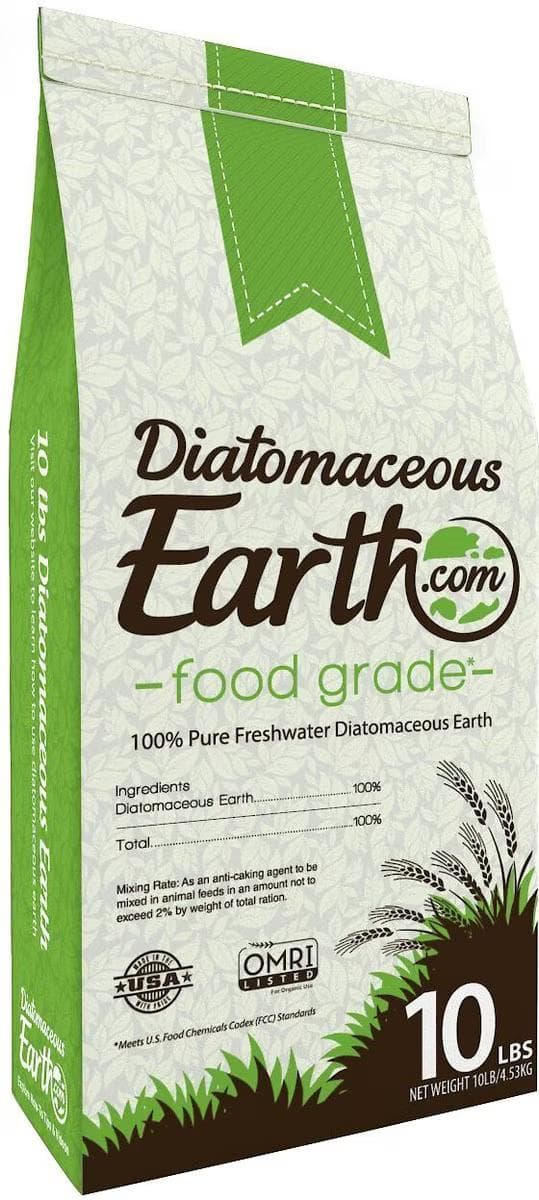
Food-grade diatomaceous earth sold as a flea and tick powder for cats and dogs, in a 10-lb bag. Follow the uses listed on its label.
Webvet may earn a commission when you click through to Chewy, at no extra cost to you.
Roach sprays and foggers: why they are the riskiest option
Sprays and foggers are risky for pets and disappointing against roaches. UC IPM says sprays may provide a quick, temporary knockdown but do not give long-term control, and that they can repel and disperse roaches to other areas of a building, from which they may return later.
Sprays also sabotage baits. Pests in the Home says not to apply bait over areas that have been sprayed or contaminated with harsh chemicals, and Penn State Extension says residual sprays and aerosol foggers used inside a structure are of little value and can scatter roaches, making control harder.
Total-release foggers have the weakest case. NC State Extension says they fail to penetrate the crevices and hidden areas where cockroaches harbor and breed. They also empty the house. If you use one anyway, the EPA gives these precautions:
- Remove all pets, children, toys, and uncovered food from the treated area.
- Leave right after starting the fogger, and stay out until the label time has passed, usually two to four hours.
- Keep the fogger six feet or more from ignition sources, since propellants can be flammable.
- Ventilate when you return.
When people look for the best bug spray for roaches or cockroaches, the names that come up are brands like Raid and Bengal, but the label matters more than the brand. If an indoor cockroach insecticide spray lists a pyrethrin or pyrethroid, keep it out of a home with cats, which the Merck Veterinary Manual says appear more sensitive to pyrethroid toxicity than other pets.
An archived Raid label filed with the EPA also told users plainly not to spray animals. No source gives a universal safe dry time for roach sprays, so follow the directions on your own can, including when pets can return to a treated room.
What kills roaches instantly?
Nothing kills a whole infestation instantly. A contact spray knocks down the roach it hits, but UC IPM calls that knockdown quick and temporary. Baits are slower but more thorough: newer formulas can kill roaches within 24 hours of eating, per Pests in the Home, though UC IPM says a full bait program may take 7 days or longer to show results.
For the roach in plain sight, one option without a pyrethroid is a plant-oil aerosol such as EcoSMART Ant & Roach Killer. Its safety data sheet lists rosemary oil and peppermint oil, 1.5 percent each, as the actives instead of a pyrethroid, yet still classifies the spray as an eye irritant, a skin sensitizer, and flammable.
The sheet makes no pet-safety claim, and safe-around-pets wording on retail pages is marketing, not label text. Spray only with pets out of the room until the surface dries, never near a cat, because cats are especially sensitive to essential oils, and never on bait placements. Treat it as a stopgap for visible roaches while baits do the real work.
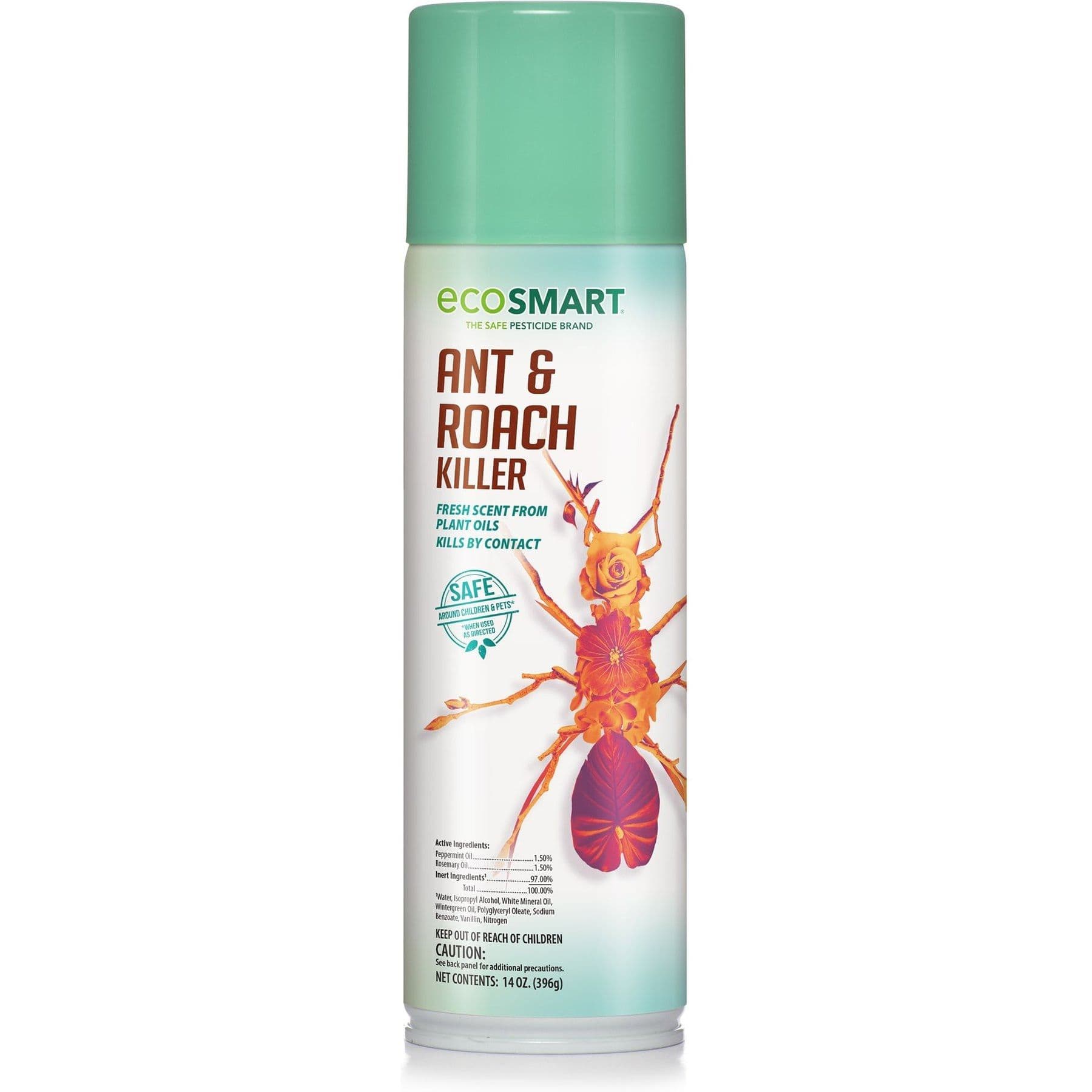
A rosemary and peppermint oil aerosol for roaches you can see, a stopgap while baits work. Spray with pets out of the room until it dries, and never near a cat: essential oils are a cat hazard.
Webvet may earn a commission when you click through to Chewy, at no extra cost to you.
Getting rid of roaches when you have a cat
Cats change the roach plan in two ways: they climb and explore, so they reach places a dog cannot, and they handle some insecticides far worse than dogs do. The specific dangers for cats are pyrethroid sprays and foggers, essential-oil products such as peppermint and rosemary sprays, and loose powders they can lick. VCA says cats are particularly sensitive to essential oils, whether swallowed or on the skin, and the Pet Poison Helpline puts cats among the animals at greatest risk.
VCA Animal Hospitals explains that cats cannot break down pyrethrins and pyrethroids quickly because of how their liver metabolizes them, and that life-threatening signs can follow even a small exposure. The Merck Veterinary Manual adds that there is no specific antidote, so care is supportive. Signs VCA lists in cats include:
- Excessive drooling
- Agitation or hiding
- Vomiting
- Incoordination
- Tremors or seizures
- Difficulty breathing
- Abnormal body temperature
Curiosity raises the stakes with baits, too. Pet Poison Helpline says cats will inspect traps and may lick roach poison, that kittens are especially vulnerable, and that signs can appear hours after ingestion, including reduced appetite, vomiting, diarrhea, lethargy, and skin irritation.
How do I get rid of roaches if I have a cat?
Rely on bait placed where your cat cannot get to it, which is NC State Extension's core rule for baits in pet homes. Use enclosed stations or small gel dabs pushed deep into cracks, skip pyrethroid sprays and foggers entirely, keep boric acid and other dusts out of open areas, and seal your cat's food between meals.
Out of reach means something different for a climber. For a cat, think enclosed or behind something rather than simply up high. For the rest of the house, our guide on how to poison proof your cat's home covers other common hazards.
Where to place roach baits so pets cannot reach them
Placement is where pet safety is won or lost, and two rules do the work. UC IPM says baits do not attract cockroaches over long distances, so they belong near hiding spots and along foraging routes. NC State Extension says baits should be placed where pets cannot reach them. Good spots satisfy both.
Apply gel the way the extension guides describe: small, pea-sized dabs in cracks and crevices, not long streaks laid on like caulk, per Pests in the Home, which adds that fresh bait is more palatable and should be replaced every 1 to 2 weeks. If roaches stop eating it, switch bait types; NC State says some populations develop an aversion to glucose-sweetened baits.
Spots that usually meet both rules in a pet home:
- Behind the refrigerator and stove, pushed far enough back that no paw can reach.
- Inside cabinets with doors that close, along back corners and hinge gaps.
- Under the sink inside a closed cabinet, near pipe openings.
- Deep in cracks and crevices above floor level, such as gaps behind a backsplash.
Avoid open floors, exposed baseboards, and anywhere near food bowls or pet beds, and never put bait where you have sprayed. Keep loose dust out of all of these spots, since a cat can walk through it and groom it off later.
Sticky monitors show whether the plan is working. Pests in the Home suggests placing them in dry areas along walls and corners, while NC State says glue boards should go where pets will not contact them. Store unused gel tubes and stations well away from pets, too.

What to do if your dog or cat eats roach bait
Most bait nibbles are not emergencies. ASPCA says there is so little bait in ant and roach bait products that stomach upset is typically the only problem seen, and that the plastic housing is the bigger concern because it can cause a blockage. Pet Poison Helpline notes that smaller dogs can show more pronounced signs.
Then take these steps:
- Remove any remaining bait and pieces of the station, and keep the package.
- Check your pet's mouth for damage and monitor its behavior, as Pet Poison Helpline advises.
- Call your vet and a pet poison hotline even if your pet seems fine, because signs can appear hours after ingestion. For a cat that has eaten roach poison, Pet Poison Helpline says to call right away.
- Watch for vomiting, diarrhea, bloody stool, drooling, lethargy, or a reduced appetite.
For boric acid, the outlook is usually good. Pet Poison Helpline says a mild ingestion usually needs no treatment, that persistent signs may need anti-nausea and anti-diarrhea medication, and that animals usually respond well to treatment.
If your pet does need to be seen, our guide to emergency vet cost can help you plan for the bill.
Keeping roaches out for good
Baits clear an infestation; habits keep it from coming back. UC IPM says good sanitation and exclusion are important for effective control and that pesticides alone will not solve cockroach problems. For long-term prevention, Penn State Extension calls sanitation the key, and in a pet home, sanitation starts at the food bowl.
What keeps cockroaches away permanently?
No product keeps cockroaches away permanently, and none of the extension sources promises a permanent fix. What lasts is a routine of sanitation, exclusion, and monitoring. Pests in the Home says to keep monitoring cards in place and continue baiting until no cockroaches, nymphs, or egg cases turn up on them.
In practice, the routine looks like this:
- Store kibble in an airtight bin such as the IRIS Remington Airtight Pet Food Storage Container, and keep people food in sealed containers too, as UC IPM advises.
- Pick up uneaten pet food after meals, and wipe up crumbs and spills.
- Fix plumbing leaks and dry up other moisture, including splashes around the water bowl.
- Seal cracks and openings, and caulk holes where pipes pass through walls, which Penn State calls necessary.
- Leave a few sticky monitors in place after sightings stop, so a new wave of roaches shows up before it becomes an infestation. Put them where pets cannot reach, because NC State warns glue boards can trap pets.

Roaches in drain areas and roaches in basement spaces call for the same fixes. UC IPM tells homeowners to eliminate plumbing leaks and other sources of moisture and to seal cracks and openings so roaches do not come indoors. Any bait stations you add there still go where pets cannot reach.
If roaches keep turning up on monitors despite steady baiting and cleanup, a professional cockroach treatment is the next step. Ask for a bait-based program, ask which active ingredients the technician plans to use, and mention your pets so stations and dusts go where they cannot reach.
For other household bugs, the same contained, out-of-reach approach applies, and our pet safe pest control guide covers ants, rodents, and more.
Pet safe roach killer questions
Frequently Asked Questions
What smell do roaches absolutely hate?
No repellent scent has been shown to keep roaches away. Peppermint, rosemary, and other strong smells are popular home remedies, but the extension and veterinary sources behind this guide offer no evidence that any scent works as a barrier. Essential oils such as peppermint are also a hazard for cats, per VCA.
Roaches come for food and water, so sealed food, fixed leaks, and dry floors do more than any smell, which is the approach UC IPM recommends. Strong sprays can even work against you: UC IPM says sprays can repel and disperse roaches to other areas, from which they may return later.
Why shouldn't you squish a cockroach?
No primary source shows that squashing a roach spreads its eggs or germs. The case against it is about hygiene and results. The EPA says cockroaches carry bacteria that can cause salmonella, staphylococcus, and streptococcus if deposited in food, and that roaches and their droppings may trigger asthma.
If you do squash one, clean the spot well. One squashed roach also does little against an infestation: EPA notes that German cockroach females carry 4 to 8 egg capsules of about 40 eggs each, and bait is what reaches the roaches hiding in the walls.
Is roach gel bait toxic to dogs?
Gel bait can upset a dog's stomach, but serious poisoning from a nibble is unlikely, because the insecticide comes in a tiny dose per station or per dab. ASPCA puts it plainly: there is so little bait in these products that stomach upset is typically the only problem seen.
For scale, a Combat station's safety data sheet works out to about 20 mg of hydramethylnon per station, and the same sheet says not to let children or pets play with the stations. No veterinary source gives dog or cat toxicity figures for hydramethylnon, indoxacarb, or abamectin.
Small dogs can show more pronounced signs, according to Pet Poison Helpline, and a tube is meant to supply many pea-sized dabs, not one. So call the vet if a dog eats a tube of gel or chews up several stations.
Is Raid safe for cats?
Not if it contains a pyrethroid. Treat pyrethroid sprays as unsafe around cats; VCA lists household sprays and foggers among the common sources of these insecticides. VCA says cats can show life-threatening signs after even a small exposure, and the Merck Veterinary Manual says cats appear to be the most sensitive pets when it comes to pyrethroids.
Check the active ingredients on your Raid can, follow its label exactly, and keep cats out of treated rooms. No source gives a universal safe dry time, so the label on your can is the rule to follow.

Editor
The Webvet Editorial Team is the in-house group of pet-care editors and writers behind Webvet, operated by Smart Pet Collective. The team researches, writes, and maintains Webvet's pet health, behavior, and medication content. Every article follows a defined editorial process: research from reputable veterinary and scientific sources, careful drafting, mandatory review of medical content by a credentialed veterinarian, and dated publication. Health and medication articles are medically reviewed by a licensed veterinary professional before they go live and are kept current over time.
Veterinarian · BVMS MRCVS
Dr. Pippa Elliott, BVMS, MRCVS, is a veterinarian with nearly 30 years of experience in companion animal practice. Dr. Elliott earned her Bachelor of Veterinary Medicine and Surgery from the University of Glasgow. She was also designated a Member of the Royal College of Veterinary Surgeons. Married with 2 grown-up kids, Dr. Elliott has a naughty Puggle named Poggle, 3 cats and a bearded dragon.
Related reading

Matted Cat Fur: How to Remove Mats Safely

Pet Safe Pest Control: What Is Safe to Use Around Dogs and Cats

Dog Sprayed by Skunk: The De-Skunk Recipe That Works and When to Call the Vet
