How to Poison-Proof Your Cat Home to Avoid a Tragedy
Your home isn’t as safe for your cat as you think

BVMS MRCVS
Medically reviewed by Dr. Pippa Elliott, BVMS MRCVS · Last reviewed

This article contains affiliate links. Webvet may earn a commission when you buy through them, at no extra cost to you.
Do you ever look around your home and wonder if it’s as safe for your cat as you think it is? Knowing how to poison-proof your cat home can be lifesaving. Homes are full of everyday items that can pose a serious threat to the health and well-being of cats.
From certain types of plants to everyday cleaning products, these common items can transform into silent hazards if your cat comes into contact with them. That’s why it’s critical to understand what these common household toxins are and how they can affect your pet.
This guide isn’t about scaring you — you will also pick up useful advice and prevention tips to help you ensure your home is safe for your cat.
Understanding Your Cat’s Body
To understand why certain common household items are hazardous to cats, it’s essential to first grasp some key aspects of feline biology. Unlike humans and some other animals, cats have unique physiological traits and dietary needs that make them more susceptible to toxins.
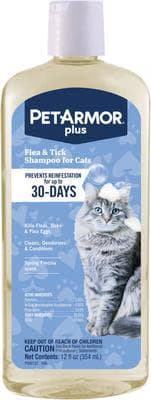
Cat-labeled flea and tick shampoo with an insect growth regulator, so it kills fleas, ticks and flea eggs and helps prevent reinfestation for up to 30 days.
Webvet may earn a commission when you click through to Chewy, at no extra cost to you.
Firstly, cats are obligate carnivores. This means they have evolved to consume a diet consisting almost entirely of meat. Their bodies are highly specialized for this diet and lack certain enzymes that other omnivorous animals, including humans and dogs, use to process different types of food.
For instance, cats have a limited ability to metabolize certain compounds found in a variety of human foods, such as onions and chocolate, which can lead to toxic accumulation and severe health issues if ingested.
Another crucial biological aspect to consider is the feline liver. Cats’ livers process substances differently than humans or even dogs’ livers. Certain chemicals that are harmless or mildly harmful to humans can be seriously toxic to cats because their livers cannot efficiently metabolize these compounds.
Finally, cats have a highly sensitive sense of smell. Strong odors, such as those found in many cleaning products, can be irritating or even harmful to cats.
Top Household Toxins Threatening Your Cat’s Health
Many everyday household items that may seem basic can actually pose a serious threat to cats.

Webvet may earn a commission when you click through to Chewy, at no extra cost to you.
Here are a few common household toxins.
- Plants: Certain plants, such as lilies, sago palms, and poinsettias, are toxic to cats. They can cause symptoms ranging from vomiting and diarrhea to kidney failure or even death. Always check if a plant is safe for cats before bringing it into your home.
- Human Foods: Many foods safe for humans are toxic to cats due to their unique metabolism. This includes chocolate, grapes, raisins, onions, garlic, alcohol, caffeine, and certain artificial sweeteners like xylitol. Ingestion can lead to a wide range of symptoms from gastrointestinal upset to organ failure.
- Cleaning Products: Common household cleaning products contain chemicals that are harmful to cats. These include bleach, detergents, disinfectants, and more. Exposure can cause symptoms such as drooling, vomiting, chemical burns, or respiratory distress.
- Medications: Human medications, including over-the-counter and prescription drugs, can be highly toxic to cats. This includes acetaminophen (Tylenol), ibuprofen (Advil), and many antidepressants. Symptoms of poisoning can vary widely depending on the medication but may include vomiting, lethargy, seizures, or loss of coordination.
- Essential Oils: While often used for their calming and therapeutic properties in humans, essential oils can be extremely harmful to cats. This includes oils like tea tree, peppermint, and citrus oils. Symptoms can range from drooling, vomiting, and tremors to difficulty walking and severe liver damage.
- Ant Traps or Other Bug Sprays: Pesticides and insecticides can be harmful to cats if ingested or even inhaled. These products contain chemicals that can result in a variety of symptoms, such as drooling, difficulty breathing, vomiting, diarrhea, tremors, and seizures.
Remember, each cat is unique, and responses to toxins can vary. When in doubt, err on the side of caution and consult your veterinarian if you suspect your cat may have been exposed to a toxin. In the next section, we'll discuss how to poison-proof your cat home to prevent tragedy.
How to Poison-Proof Your Cat Home
Keeping your cat safe from household toxins is paramount, and prevention is the first line of defense. Here are some safety measures that can help minimize their exposure to potentially dangerous substances:
- Home Inspection: Conduct a thorough “cat-eye” inspection of your home. Look at your surroundings from your cat’s point of view, considering their climbing and exploratory habits. Secure or remove any items that may pose a threat.
- Safe Storage: Make sure that harmful plants, foods, cleaning products, medications, essential oils, and pesticides are securely stored out of your cat’s reach.
- Review New Items: Before bringing new items into your home, do a quick check to see if they could potentially be toxic to your cat. Whether it’s a new plant, food item, or cleaning product, a little research can go a long way.
- Food Sharing: Store foods and snacks securely, and remind everyone in the house not to share their food with the cat. Many human foods can be harmful to cats.
- Safe Cleaning: If you’re using cleaning products, ensure your cat is in a different room until the cleaning product has completely dried or the area is well ventilated. Consider switching to pet-friendly products when possible.
Despite our best efforts, emergencies can happen. It’s important to be prepared for such situations:
- Know the Symptoms: Familiarize yourself with the symptoms of poisoning in cats. Early detection and intervention can make a big difference.
- Seek Prompt Veterinary Help: Don’t hesitate to contact a vet if you suspect your cat has ingested or come into contact with a toxic substance. When it comes to toxin exposure, every second counts.
Keep Your Cat Safe With Cat-Friendly Products
Your goal as a pet parent is to make sure your pet leads a safe, healthy, and happy life. Understanding the potential dangers lurking in homes and taking steps to prevent exposure to harmful toxins is a crucial part of that responsibility.
Compare coverage choices for your pet, then request a quote directly on Lemonade.
- Check a price for your pet
- Review available coverage choices
- See the terms before you decide
Eligibility, waiting periods, limits and exclusions apply.
Webvet may earn a commission when you click through to Lemonade, at no extra cost to you.
An important point to remember is that what is safe for dogs is not always safe for cats. Cats have a different metabolism and aren’t able to process certain substances that dogs can.
A classic example of this is flea and tick medications. While these products are often labeled as safe for pets, they can be extremely harmful if a product meant for dogs is used on cats. So, always ensure that any product you use, whether it’s a pest preventive or something else, is labeled as safe for cats specifically.
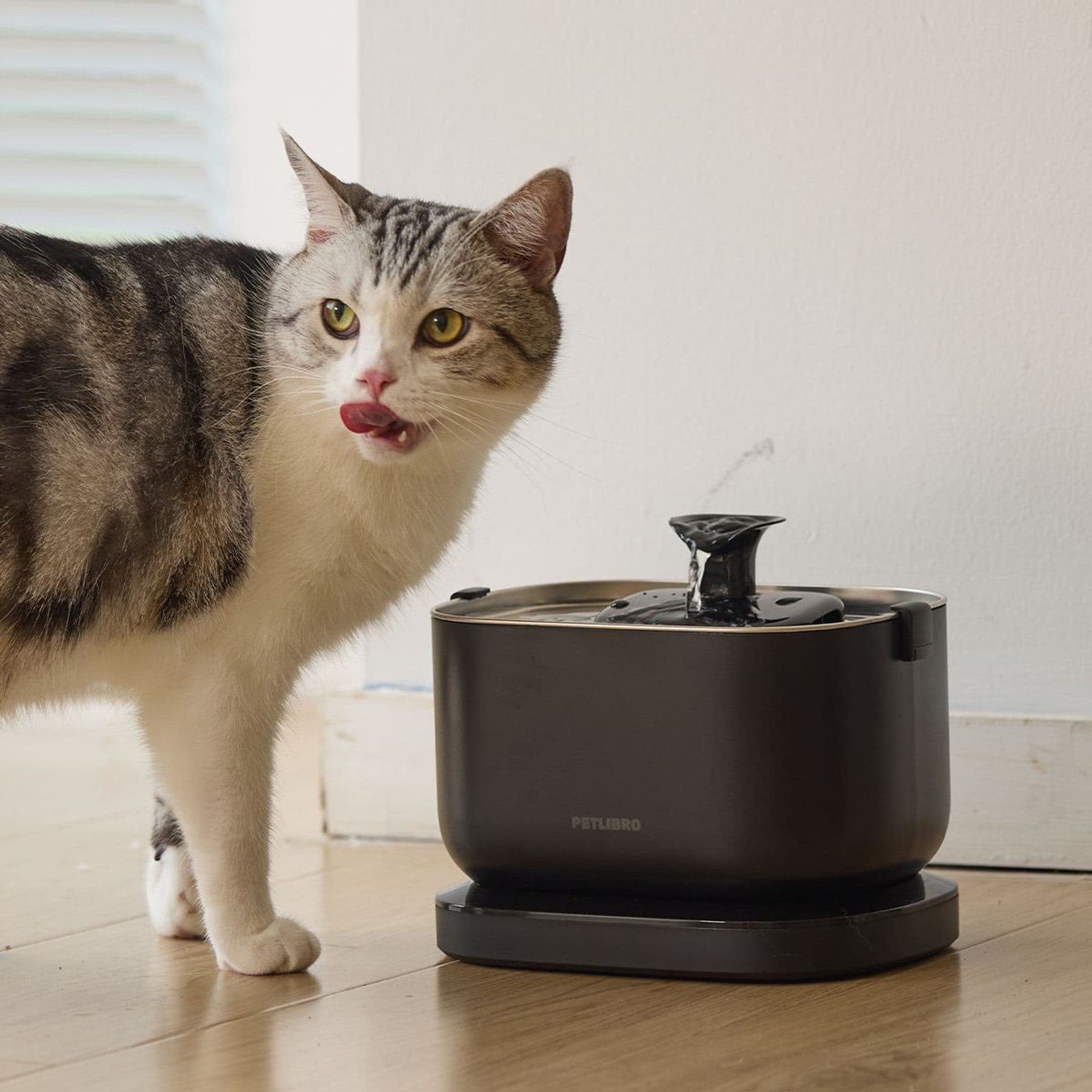
Webvet may earn a commission when you click through to Chewy, at no extra cost to you.
You can help create a nurturing environment for your cat, free from the risks posed by common household toxins. And remember, if you’re ever in doubt, your veterinarian is just a call away to provide expert advice and peace of mind.
Links/Sources:
- https://www.pleasantonamc.com/blog/244282-common-household-items-that-are-poisonous-to-your-cat#:~:text=Fresh%20foods%2C%20like%20garlic%2C%20onions,sure%20they%20stick%20to%20water.
- https://www.vet.cornell.edu/departments-centers-and-institutes/cornell-feline-health-center/health-information/feline-health-topics/poisons
- https://www.ewg.org/research/polluted-pets
- https://spca.bc.ca/news/flea-medication-toxicity-cats/#:~:text=Giving%20medications%20labelled%20for%20dogs,and%20should%20never%20be%20used.
Feature image: Istockphoto
FAQs
Are all essential oils harmful to cats or just certain types?
While not all essential oils are harmful to cats, many are, including citrus oils, tea tree oil, peppermint oil, pine oil, and others. Due to their liver’s unique metabolism, cats have a hard time processing these compounds, which can lead to toxic buildup. Even if an oil isn’t necessarily toxic, its strong odor can be irritating to cats.
If my cat ingests a toxin, will symptoms appear immediately, or could they take time to develop?
The timeline for symptoms appearing can vary greatly depending on the type and amount of toxin ingested. Some symptoms may appear almost immediately, while others might take hours or even days to show up. Regardless of when symptoms appear, seek veterinary care as soon as possible if you suspect your cat has ingested a harmful substance.
What should I do if I’m unsure whether an item in my home is harmful to my cat?
If you’re unsure whether a specific item in your home could be toxic to your cat, the best course of action is to err on the side of caution. Keep the item securely out of reach of your cat until you can confirm its safety. You can do some research online or, for the most reliable advice, contact your veterinarian or a pet poison helpline.

Editor
The Webvet Editorial Team is the in-house group of pet-care editors and writers behind Webvet, operated by Smart Pet Collective. The team researches, writes, and maintains Webvet's pet health, behavior, and medication content. Every article follows a defined editorial process: research from reputable veterinary and scientific sources, careful drafting, mandatory review of medical content by a credentialed veterinarian, and dated publication. Health and medication articles are medically reviewed by a licensed veterinary professional before they go live and are kept current over time.
Veterinarian · BVMS MRCVS
Dr. Pippa Elliott, BVMS, MRCVS, is a veterinarian with nearly 30 years of experience in companion animal practice. Dr. Elliott earned her Bachelor of Veterinary Medicine and Surgery from the University of Glasgow. She was also designated a Member of the Royal College of Veterinary Surgeons. Married with 2 grown-up kids, Dr. Elliott has a naughty Puggle named Poggle, 3 cats and a bearded dragon.