Hypothermia in Dogs (and Frostbite): Signs, First Aid, and When to Rush In
A dog that is shivering hard, moving slowly, or has pale cold ears after time outside may be hypothermic or frostbitten. Here are the stages, the first aid that helps, the rewarming mistakes that hurt, and the signs that mean go now.

BVMS MRCVS
Medically reviewed by Dr. Pippa Elliott, BVMS MRCVS · Last reviewed

This article contains affiliate links. Webvet may earn a commission when you buy through them, at no extra cost to you.
Hypothermia in dogs means the core body temperature has dropped dangerously low. The PDSA warns that if it is not treated quickly, the whole body can shut down. Frostbite is its partner injury: cold damage to the skin of the paws, ears, and tail.
This guide covers how to spot hypothermia in dogs, how to warm a cold dog safely at home, which mistakes make it worse, and the signs that mean you stop warming and drive to the emergency vet.
What hypothermia in dogs is
A healthy dog runs warmer than a person. Vetster gives normal canine body temperature as 101-102 F, and the PDSA chart gives 37.7-39.0 C, about 99.9-102.2 F. Hypothermia starts below 99 F in the mild band used by Vetster and the U.S. military K9 guideline, although Vetster's own definition draws the line lower, at under 98 F.
The signs that matter most are slow, shallow breathing, a slow pulse, confusion or weakness, and pale gums. The only reliable measurement is a rectal thermometer reading, since Vetster notes diagnosis rests on a rectal or core body temperature.
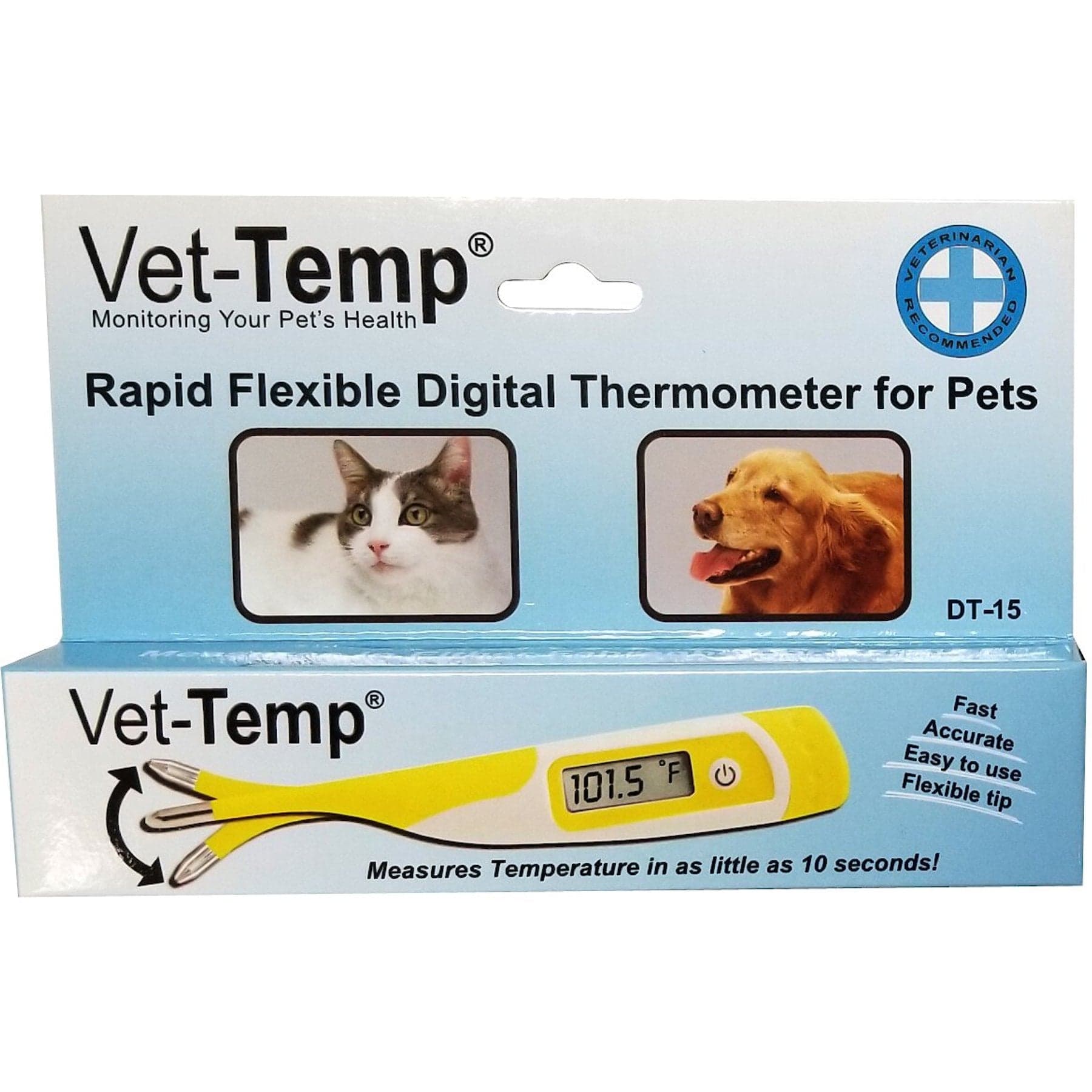
A flexible-tip digital thermometer for the rectal reading vets use to confirm hypothermia, so you can check a cold dog at home and tell the vet the number.
Webvet may earn a commission when you click through to Chewy, at no extra cost to you.
Vetster separates two kinds:
- Primary hypothermia: caused by cold exposure, such as snow, wind, or cold water.
- Secondary hypothermia in dogs: caused by the body failing to make enough heat because of injury, illness, or anesthesia.
- 1Normal versus hypothermic body temperature: normal is about 101-102 F, and hypothermia begins below 99 F on a rectal thermometer.
- 2The mild moderate severe stages run roughly 90-99 F, 82-90 F, and below 82 F.
- 3Dry the dog, wrap it in blankets, and warm it slowly in a warm room.
- 4Weakness, confusion, shallow breathing, or collapse means a vet visit right away.
Signs and stages of hypothermia in dogs
What does hypothermia look like in dogs? Symptoms worsen as body temperature falls, and the sources list these signs:
- Early signs, per the PDSA: shivering, drowsiness, clumsiness, and confusion.
- Later signs, per the PDSA: pale gums and collapse.
- Merck's list: the Merck Veterinary Manual names a slow pulse, shallow breathing, confusion, collapse, or unconsciousness.
Sources disagree on shivering as a sign:
- Merck says shivering is not a reliable sign of hypothermia.
- PDSA calls shivering an early response that can stop once a pet becomes severely cold.
- Vetster agrees that shivering stops as hypothermia progresses.
The practical point: a cold dog that has stopped shivering is not necessarily warming up, and may be getting worse. Our guide to dog shivering, cold vs not covers the other reasons dogs tremble.
Severity changes the plan. Severe hypothermia in dogs needs added heat, warmed IV fluids, and lavage that only a clinic can give, and the K9 guideline uses tighter bands (mild 98-99.9 F) for sick or anesthetized dogs because dogs tolerate cold-exposure hypothermia better than secondary hypothermia. Mild cases are different: Vetster says mild hypothermia symptoms in dogs often respond to blankets and a warmer place.
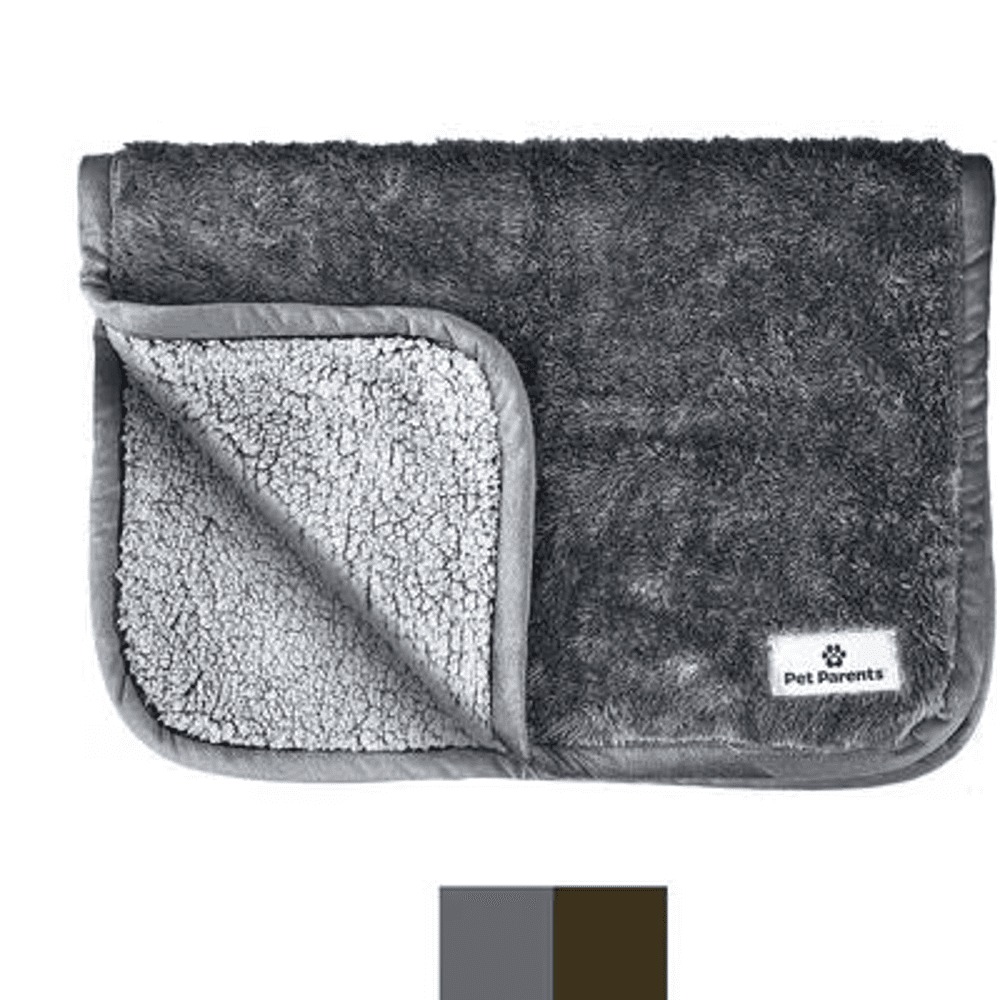
A soft, waterproof blanket to wrap a mildly chilled dog after drying, and to keep its resting spot dry through winter.
Webvet may earn a commission when you click through to Chewy, at no extra cost to you.
The stage bands below come from Vetster and the U.S. Joint Trauma System K9 hypothermia guideline. No single veterinary source pairs each band with owner-visible signs and actions, so this table is our synthesis of those bands with the sign lists from Merck, VCA, and the PDSA.
| Stage | Rectal temperature | Typical signs | What to do |
|---|---|---|---|
| Mild hypothermia | 90-99 F | Shivering, drowsiness, cold ears and paws, slower movement | Dry the dog, wrap in blankets, warm room, call your vet for a check |
| Moderate | 82-90 F | Shivering may stop, clumsiness, confusion, pale gums, weakness | Start gentle warming and drive to the emergency vet |
| Severe | Below 82 F (K9 guideline: severe 68-82 F, profound under 68 F) | Slow pulse, shallow breathing, collapse, unconsciousness | Wrap the dog and drive to the emergency vet now |
Can dogs get hypothermia in cold water? Yes. The PDSA says staying wet in the cold, especially in very cold water or once a pet stops moving, leads to hypothermia. A dog with a low body temperature that is vomiting, weak, or confused needs a vet, because the PDSA notes illness can also drop body temperature.
How long does hypothermia last in dogs, and what are the long term effects? No source gives a duration. The after effects depend on organ damage: the PDSA says a large or sudden drop can harm the heart, kidneys, gut, and blood vessels, cause electrolyte imbalances, and cause blood clots.
Frostbite in dogs: where it happens and what it looks like
VCA Animal Hospitals defines frostbite as damage to skin and tissue from extreme cold. Frostbite on dog paws, ears, and the tail is most common, more so when wet. The K9 guideline adds the nose and scrotum and puts the frostbite threshold at environmental temperatures below 32 F, so dogs can get frostbite walking in snow.
Signs of frostbite in dogs, drawn from VCA and Merck:
- Pale, gray, or bluish skin, often on the ear tips, tail tip, or paw pads
- Skin that feels cold or brittle to the touch
- Pain, swelling, licking, or chewing at the area
- Blisters or ulcers
- Red, painful skin as the tissue thaws
- Blackened, hard skin in severe cases, especially outer ear tips

Symptoms of frostbite in dogs can lag. VCA says signs may not show for several days, especially at the ear and tail tips. Dying tissue turns dark blue to black and sloughs off over days to weeks, sometimes with pus or a foul smell from infection.
How to treat frostbite in dogs at home, per VCA: treat any hypothermia first, then warm the area with water at 98.6-113 F (comfortable to your hand) and pat it dry. The K9 guideline uses 104-108 F for at least 20 minutes, where the two ranges overlap. Do not thaw the area unless you can keep it warm, because re-freezing injures tissue more. Then see your vet for frostbite treatment.
Which dogs are most at risk
The PDSA names very young, small, elderly, skinny, or poorly pets as high risk, because they cannot control body temperature as well. Merck and Vetster agree that small, young, old, and sick dogs face more risk, and Vetster adds colder climates.
Puppy warmth is a real need, not a nicety. Merck says puppies cannot regulate their own temperature until about 4 weeks old and need surroundings that keep their body temperature at or above 97 F. Damp newborns lose heat quickly, and a chilled newborn may not respond to resuscitation. The PDSA suggests a heat lamp at a safe distance for newborns.

A cordless bed that reflects a small dog's own body heat back, for a draft-free resting spot indoors.
Webvet may earn a commission when you click through to Chewy, at no extra cost to you.
A self-warming bed holds in body heat but adds none, so it suits a healthy small dog's daily rest, not rewarming a hypothermic one. For older dogs, our senior dog health guide covers other age-related risks. Dogs with heart disease, diabetes, or other circulation problems are also more prone to frostbite, according to VCA.
What are the most common causes of hypothermia in dogs?
Merck says hypothermia in small animals is most commonly linked to anesthesia, with severe disease and cold exposure as other causes. Hypothermia in dogs after surgery happens because sedation drugs lower body temperature and a sleeping dog cannot shiver or move, per the PDSA. Sepsis, pyometra, severe hypothyroidism, Addison's disease, poisoning, heart failure, and heavy blood loss can also chill a dog.
If your dog feels cold and is lethargic after surgery or during an illness, call the clinic rather than waiting.
How cold does it have to be outside for a dog to get hypothermia?
No veterinary source gives a single outdoor temperature. Merck ties hypothermia to long periods in very cold weather, and wet, windy conditions speed heat loss. Our guide on how cold is too cold for dogs walks through that temperature decision.
Preventing hypothermia and frostbite
Most cold injuries are preventable, and prevention comes down to simple habits from the PDSA and Merck:
- Towel-dry your dog after wet or snowy walks, paws included.
- Adjust walk times and keep outings short in hard cold.
- Use a sweater or coat for small, thin, or short-coated dogs.
- Never leave a dog in a cold car; the PDSA says it cools to outside temperature quickly once the engine is off.
- Give outdoor dogs weather-protected shelter, more food, heated water buckets, and company, per Merck.
- Consider a heat mat for high-risk pets, as the PDSA suggests.
Wipe paws after winter walks, since Merck flags rock salt and antifreeze as winter poisoning risks. Our pet safe ice melt guide covers safer choices for your own steps. Cold weather has its mirror image in summer, covered in our guide to dog heatstroke signs and what to do.
Warm dog coats for small dogs help on cold walks, and Merck suggests sweaters for extra warmth. A coat does not replace shorter walks and a dry towel afterward.
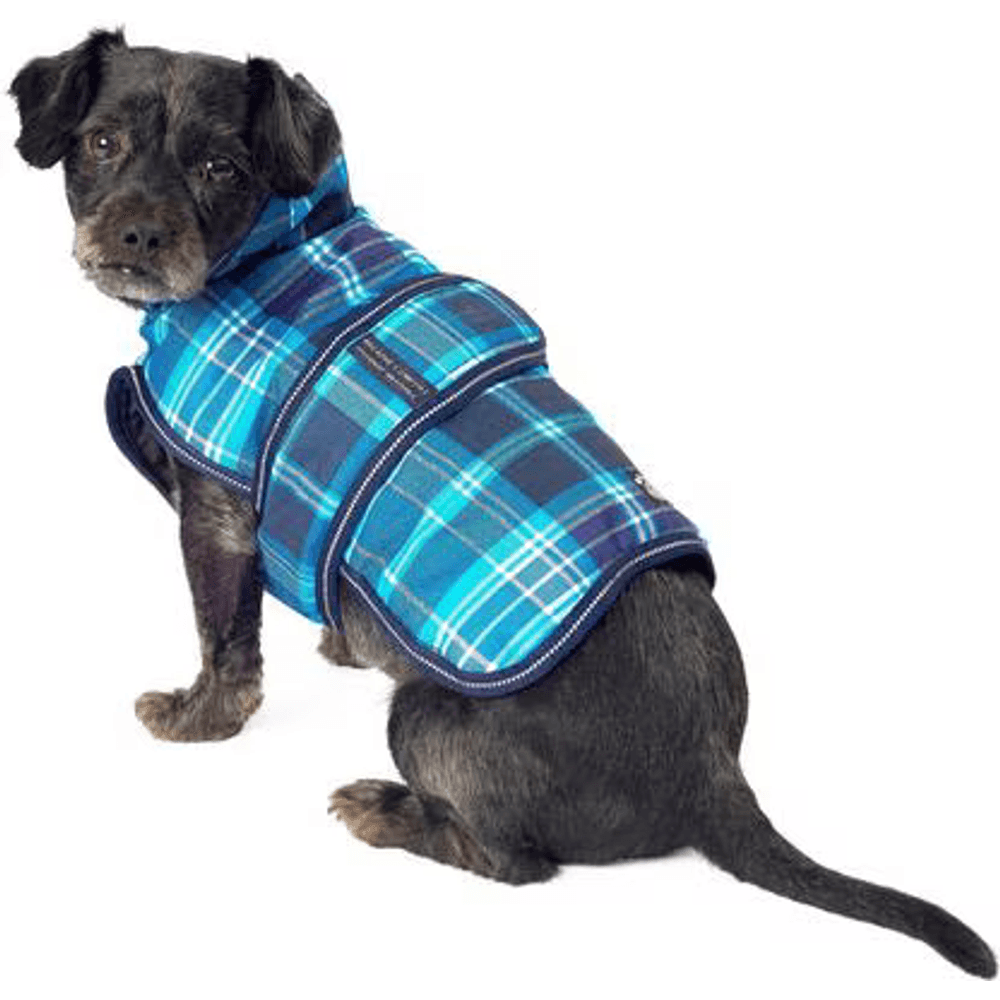
An insulated coat for small or short-coated dogs who chill fast on winter walks.
Webvet may earn a commission when you click through to Chewy, at no extra cost to you.
A car kit with a Kurgo Pet First Aid Kit for Dogs & Cats adds a thermal foil emergency blanket for winter outings. Its instant cold pack is for other injuries and must never go on a cold dog.
Keep the kit with a spare towel and your emergency vet's number so you can act quickly if a walk goes wrong.
First aid: how to warm up a hypothermic dog safely
Hypothermia in dogs first aid aims to stop heat loss and warm the dog slowly. The steps below combine PDSA, Merck, and VCA guidance for hypothermia in dogs treatment at home.
How do you help a dog with hypothermia?
Move the dog somewhere warm and dry, dry the coat, and wrap it in blankets, with layers under and over the body. Raise the room temperature gradually, and offer lukewarm water if the dog is awake and able to drink. Call your vet while you warm the dog, even if it seems better. The same first steps apply to a dog or puppy that is shivering after a bath: towel the coat dry, then warm it gently.
The full sequence:
- Move the dog to a warm, dry area as quickly and safely as possible (VCA).
- Remove wet gear and pat the coat dry with towels.
- Wrap the dog in warm, dry blankets, with one layer underneath (PDSA).
- Warm the chest and trunk first, which the K9 guideline says lowers the risk of afterdrop.
- Offer lukewarm, not hot, water only if the dog is alert and can swallow.
- Check a rectal thermometer reading if you have one and the dog tolerates it.
- Call your vet and describe the dog's signs and temperature.

Sources disagree on hot water bottles. Merck's emergency chapter says to avoid them because of burn risk, while VCA and Merck's owner emergency page allow towel-wrapped warm bottles near the body. If you use one, keep it wrapped and warm, not hot, and never leave it pressed against one spot.
The K9 guideline targets warming of 2-4 F per hour under veterinary supervision. Owners cannot measure that reliably, which is one more reason treating hypothermia in dogs beyond the mild stage belongs at a clinic. If your dog is weak, confused, breathing shallowly, or collapsed, drive to the emergency vet now and keep it wrapped on the way.
Rewarming mistakes that make it worse
Warming a dog too fast is the main danger. The K9 guideline explains that rapid warming can cause rewarming shock, where blood vessels widen suddenly and blood pressure drops. Afterdrop is the related problem: cold blood from the legs returns to the core and the temperature keeps falling.
Other mistakes the sources warn against:
- Rubbing or massaging: the K9 guideline, Merck, and VCA all say not to rub frostbitten tissue, and VCA says to pat dry rather than rub with towels.
- Snow or very hot water: Merck says never apply either to frostbite.
- Thawing then re-freezing: VCA warns re-freezing injures tissue more, so only thaw once you can keep the area warm.
- Burns: the PDSA warns against warming too quickly or burning a dog with a hot water bottle.
- Human pain relievers: VCA warns that acetaminophen and aspirin can be toxic to dogs.
Veterinary treatment and recovery
Vetster says hypothermic dogs need medical attention right away because it is potentially life-threatening. The PDSA advises a vet check even if a dog seems fine after first aid. If cost is a concern, our emergency vet cost guide explains what to expect.
At the clinic, a severely cold dog may get warmed IV fluids, active core rewarming, and continuous core temperature monitoring. Merck notes severe cases may need gastric, peritoneal, or urinary lavage. For frostbite, VCA says vets treat hypothermia and shock first, give pain medication, and add antibiotics if dead tissue is suspected.
Can dogs recover from hypothermia?
Yes, many do. Vetster says mild hypothermia usually ends in full recovery. Moderate to severe cases can damage internal organs, and the outlook depends on that damage and on treating any underlying cause. No published source gives a recovery percentage for dogs.
Frostbite recovery follows a similar pattern. VCA says mild frostbite usually heals with little permanent damage, while severe cases can leave lasting changes or need amputation. Merck says amputation should wait until the vet can see the clear line between living and dead tissue.
Once home, keep the dog indoors, dry, and on soft bedding, and follow your vet's recheck schedule for any frostbitten area.
Dog hypothermia and frostbite questions
Frequently Asked Questions
What temperature is hypothermia in dogs?
Normal is about 101-102 F. Vetster and the K9 guideline start mild hypothermia below 99 F, while Vetster's definition calls a dog hypothermic under 98 F. Measure with a rectal thermometer, since touching the ears or nose does not tell you core temperature.
Can a dog get frostbite on its paws?
Yes. VCA lists paws among the most common sites, especially when wet. Look for pale or gray skin, bluish patches, swelling, or licking. Warm the paw gently in comfortably warm water, pat it dry, and do not rub it, then see your vet.
How long does it take a dog to get hypothermia?
No veterinary source gives a set time. The PDSA says a wet coat in cold weather, cold water, and a dog that stops moving all raise the risk. Small, young, old, and sick dogs are at higher risk.
Should I put my cold dog in a warm bath?
None of the veterinary owner guides we reviewed recommends a warm bath for a hypothermic dog. Use lukewarm, towel-wrapped warmth instead: dry blankets, a warm room, and, if used, wrapped bottles kept lukewarm not hot. Warming too fast risks rewarming shock, so call your vet as you warm the dog.
Veterinarian · BVMS MRCVS
Dr. Pippa Elliott, BVMS, MRCVS, is a veterinarian with nearly 30 years of experience in companion animal practice. Dr. Elliott earned her Bachelor of Veterinary Medicine and Surgery from the University of Glasgow. She was also designated a Member of the Royal College of Veterinary Surgeons. Married with 2 grown-up kids, Dr. Elliott has a naughty Puggle named Poggle, 3 cats and a bearded dragon.
Related reading

Matted Cat Fur: How to Remove Mats Safely

Pet Safe Roach Killer: What Works Without Poisoning Your Pet

Pet Safe Pest Control: What Is Safe to Use Around Dogs and Cats
