Elbow Dysplasia in Dogs: Symptoms, Causes, Treatment, and Surgery
Elbow dysplasia in dogs is abnormal development of the elbow joint that causes front-leg lameness and arthritis, most often in medium, large, and giant breeds while they grow. Here are the signs, the four types, diagnosis, treatment, and home care.

BVMS MRCVS
Medically reviewed by Dr. Pippa Elliott, BVMS MRCVS · Last reviewed

This article contains affiliate links. Webvet may earn a commission when you buy through them, at no extra cost to you.
Elbow dysplasia in dogs is abnormal development of the elbow joint that causes front-leg lameness and arthritis, most often in medium, large, and giant breeds while they are growing. It is inherited, signs usually start in the first year of life, and treatment ranges from weight control and pain relief to surgery.
Elbow dysplasia is not a single condition but a group of related growth problems inside the elbow, the Merck Veterinary Manual explains. Once arthritis sets in, ACVS says it slowly progresses, and Cornell says early intervention is best for elbow dysplasia in dogs.
- 1Elbow dysplasia in dogs is abnormal development of the elbow joint that leads to arthritis, front-leg lameness, and pain.
- 2The signs of elbow dysplasia are front-leg lameness, stiffness after rest, elbows held out from the body, and reluctance to play or exercise for long.
- 3Elbow dysplasia has four recognized types: fragmented coronoid process, ununited anconeal process, osteochondritis dissecans, and joint incongruity.
- 4Elbow dysplasia is diagnosed with an orthopedic exam and X-rays, with CT or arthroscopy when needed, and CT is particularly helpful for subtle lesions.
- 5Elbow dysplasia cannot be cured, but Cornell says many dogs have a good long-term prognosis with surgery and appropriate medical management.
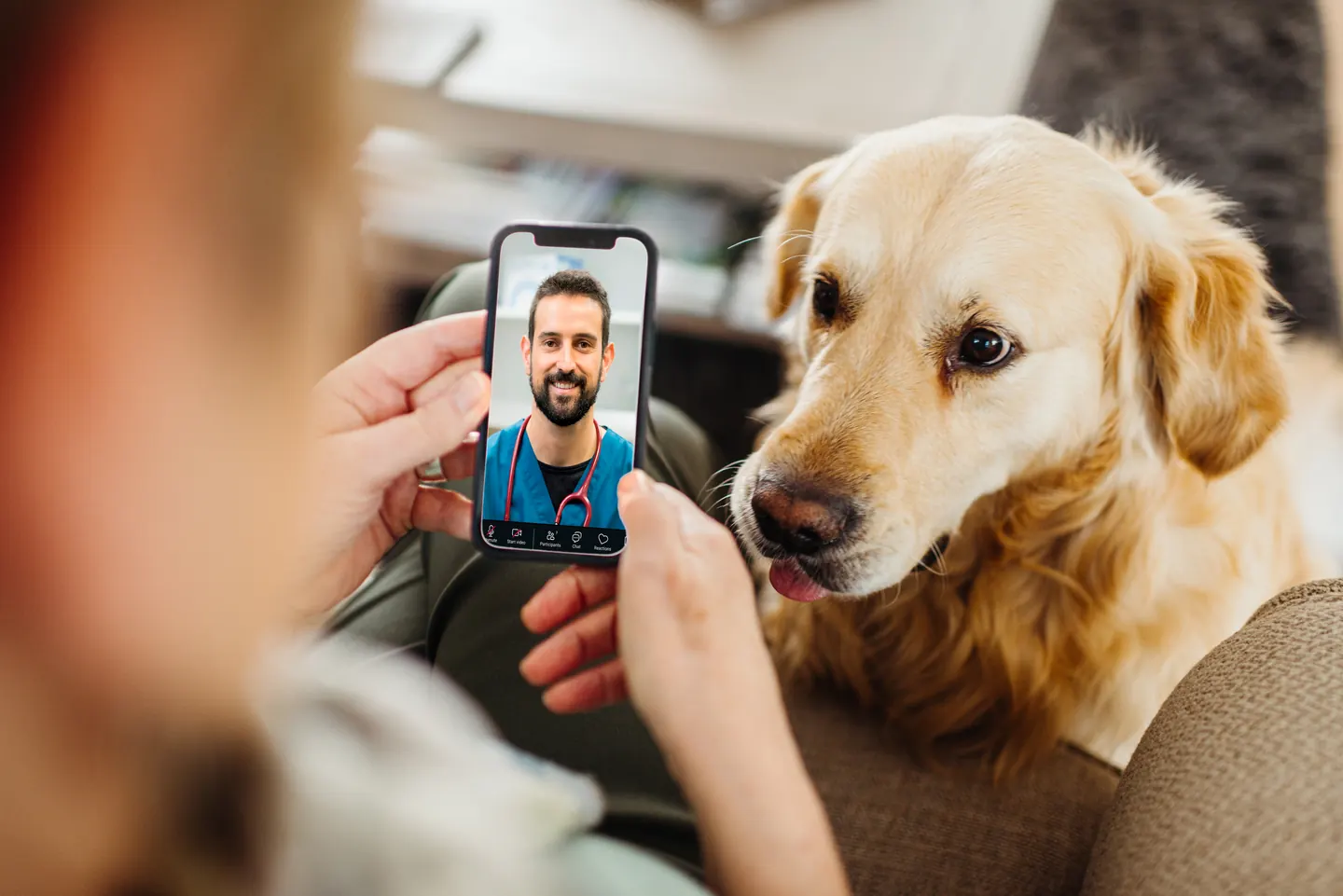
 Sponsored
Wondering why your dog seems stiff or sore?
Talk to a licensed vet at Dutch over video, often the same day. They can recommend treatment and prescribe it when it's appropriate.
Use code Pets60
Plans start at $12/month · covers up to 5 pets
- Licensed vets in most states
- Rx for 150+ conditions
- 4.7 on Trustpilot
What Is Elbow Dysplasia in Dogs?
Elbow dysplasia in dogs is abnormal development of the elbow joint that leads to arthritis. Three bones meet at the elbow: the radius, ulna, and humerus. The American College of Veterinary Surgeons (ACVS) says that when growth problems keep them from fitting together, weight lands unevenly on the joint, causing pain, lameness, and arthritis.
Merck lists four types, and a dog can have one or more of them:
- Medial coronoid disease, which includes a fragmented medial coronoid process
- Ununited anconeal process
- Osteochondritis dissecans
- Elbow incongruity
The Orthopedic Foundation for Animals (OFA) calls elbow dysplasia an inherited polygenic disease. Treatment ranges from weight control and pain relief to surgery.
Two more facts help owners make sense of a new diagnosis:
- Bilateral elbow dysplasia in dogs is common. ACVS says both front legs are often affected, which makes the limp harder to spot because the dog's gait looks even.
- Hip and elbow dysplasia in dogs are separate conditions. Both are inherited joint problems that start during growth, but they affect different joints.
If your dog has just been diagnosed, the first steps at home are simple: keep your dog lean, trade high-impact play for controlled leash walks, and give sore elbows a thick, supportive place to rest. VCA Animal Hospitals recommends an orthopedic or memory foam bed to reduce pressure on sore joints.
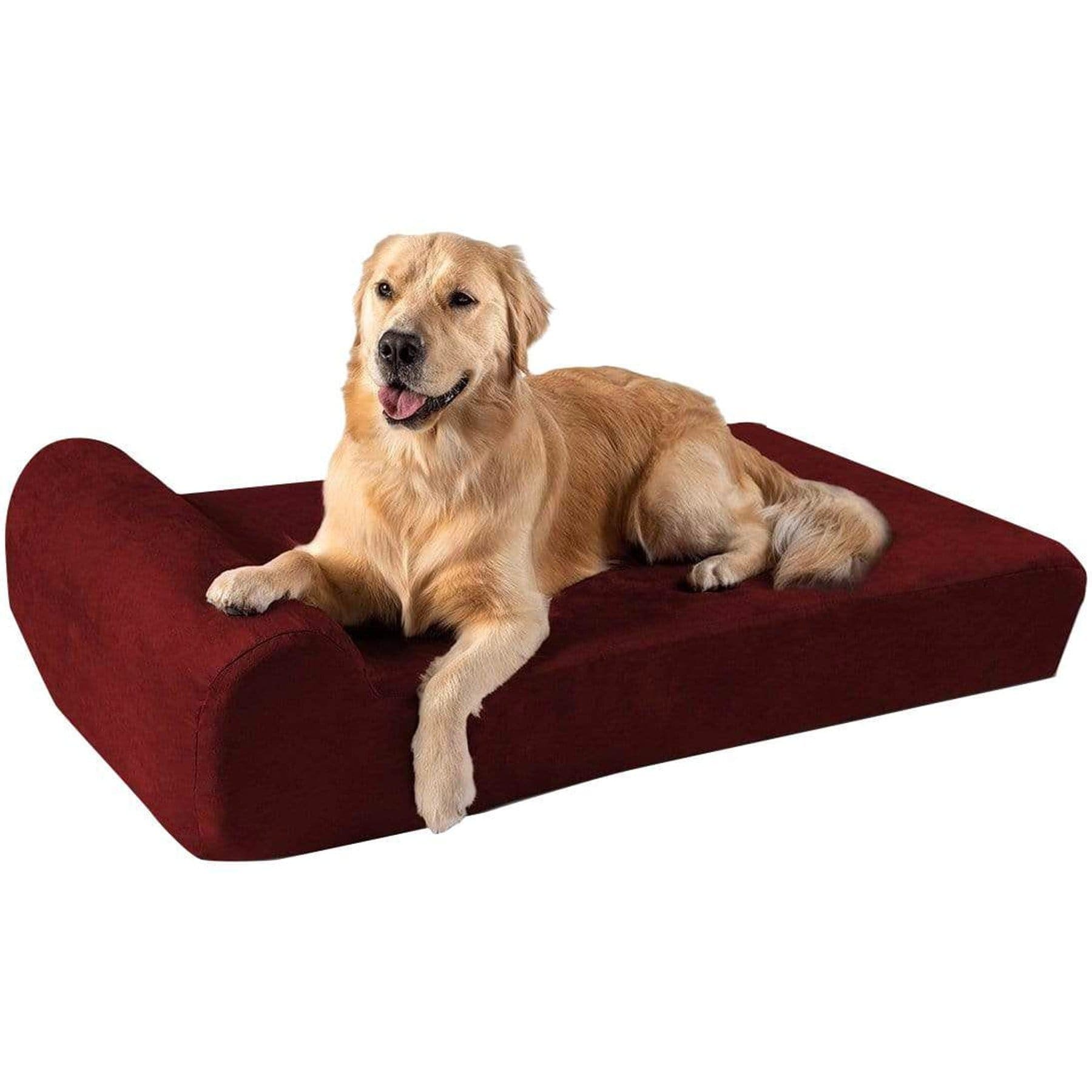
Big Barker Headrest Pillow-Top is an orthopedic dog bed with 7 inches of foam.
Webvet may earn a commission when you click through to Chewy, at no extra cost to you.
Signs and Symptoms of Elbow Dysplasia in Dogs
The signs of elbow dysplasia in dogs are front-leg lameness, stiffness after rest, elbows held out from the body, and reluctance to play. ACVS says the limp typically worsens over weeks to months and is usually worse after exercise. For other causes, see why your dog is limping and the common causes.
These symptoms of elbow dysplasia are the ones to watch for at home:
- A limp on one or both front legs that is worse after exercise (ACVS)
- A mild to moderate limp in which the dog still bears weight on the leg, which VCA describes in young dogs with a fragmented coronoid process
- Stiffness after rest, reduced range of motion, and joint swelling, which the Merck Veterinary Manual lists in dogs with medial coronoid disease
- Pain when the elbow is fully bent or extended (ACVS)
- The paw turned inward and the elbow held out from the body to shift weight off the sore part of the joint, a pattern Cornell University's Riney Canine Health Center describes
- Unwillingness to exercise for long, or refusing to finish a walk, which ACVS says is usual when both elbows are involved

What elbow dysplasia looks like in dogs is easiest to see while they are walking. Cornell says affected dogs often turn the paw in and hold the elbow out from the body. When both elbows hurt, the gait can look even, so a dog that tires early on walks may show no obvious limp.
Signs usually appear between 4 and 10 months of age, according to Merck, and Cornell says most dogs are diagnosed at 4 to 12 months. Some dogs are diagnosed much later: ACVS says some are first diagnosed after 4 to 6 years of age.
Slick floors make sore front legs harder to manage. VCA Animal Hospitals notes that slippery flooring makes it difficult for dogs with osteoarthritis to walk, turn, and rise, and it suggests traction aids such as non-skid rugs and lightweight traction boots.
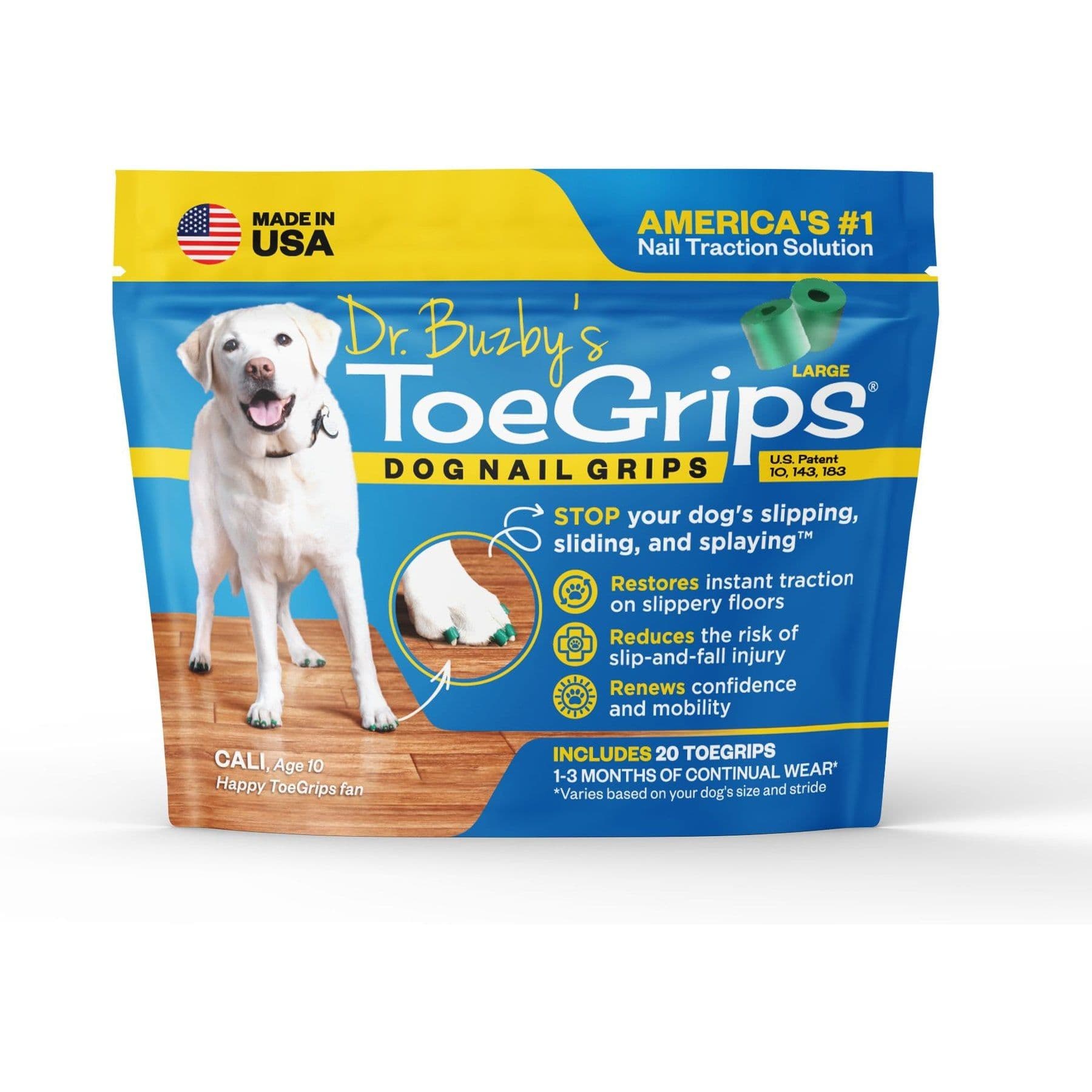
Dr. Buzby's ToeGrips are non-slip nail grips that fit onto a dog's toenails to grip smooth floors like hardwood.
Webvet may earn a commission when you click through to Chewy, at no extra cost to you.
Types of Elbow Dysplasia
The four types of elbow dysplasia are fragmented coronoid process, ununited anconeal process, osteochondritis dissecans, and joint incongruity. Merck, which groups the first under medial coronoid disease, says a dog can have one or more of them. All four components of elbow dysplasia in dogs begin during growth, and each can lead to osteoarthritis.
Not every reference counts four. A 2020 Royal Veterinary College study notes ongoing disagreement over whether elbow incongruity belongs on the list, and OFA bases the diagnosis on arthritis from the other three. A 2023 systematic review reports that the fragmented coronoid process is the most common, at 65 percent of cases.
The table below compares the four types of elbow dysplasia by what goes wrong in the joint, when signs usually appear, and the usual treatment.
| Type | What goes wrong in the joint | When signs usually appear | Usual treatment |
|---|---|---|---|
| Fragmented medial coronoid process (FCP), part of medial coronoid disease | A small bony point on the ulna inside the elbow cracks and separates, most often the inner (medial) one | 5 to 14 months (VCA) | Arthroscopic fragment removal, sometimes with surgery to offload the inner joint, plus lifelong arthritis care (Merck) |
| Ununited anconeal process (UAP) | The anconeal process on the ulna fails to fuse by 5 to 6 months, leaving a loose fragment that destabilizes the joint | Lameness can start between 4 and 8 months; some dogs with both elbows affected are diagnosed after 1 year (Merck) | Fixing or removing the anconeal process, together with an ulnar osteotomy (Merck) |
| Osteochondritis dissecans (OCD) of the humeral condyle | Cartilage on the end of the upper arm bone develops abnormally and forms a flap or loose pieces | Usually 5 to 10 months (Merck) | Arthroscopic removal of the flap and cleaning of the lesion (Merck) |
| Elbow incongruity | The joint surfaces do not line up, such as a radius and ulna of different lengths, so one part of the joint is overloaded | During growth; Merck gives no separate age range | Pain and inflammation control, or surgery to correct the mismatch or offload the joint in moderate to severe cases (Merck) |
Elbow incongruity means the joint surfaces do not line up. In a dog with step incongruity, the radius and ulna grow to different lengths; Merck also describes trochlear notch dysplasia and a mismatch between the humerus and ulna, and says the uneven load predisposes the joint to medial coronoid disease and arthritis.
What is a fragmented coronoid process in dogs?
A fragmented coronoid process (FCP) in dogs is a developmental defect in which one of two small bony points on the end of the ulna, inside the elbow, cracks and separates from the bone. VCA says it is most often the inner (medial) one, causing pain and joint instability.
FCP lameness usually develops in the front leg between 5 and 14 months of age, and the condition affects both elbows in 35 percent of cases, VCA says.
Removing the fragment treats only the symptom, Merck notes, so surgeons may also reduce the load on the inner joint with a corrective osteotomy or a similar procedure, and lifelong management of the arthritis that follows is required.
What Causes Elbow Dysplasia, and Which Dogs Get It?
Elbow dysplasia is inherited, but genes are not the whole story. ACVS says the exact cause of elbow dysplasia in dogs remains unclear, with theories that include genetics, defects in cartilage growth, trauma, and diet.
The suspected causes of elbow dysplasia in dogs are inherited genes, rapid growth, and diet, and the breeds most affected are large, fast-growing ones. It is hereditary: OFA calls it an inherited polygenic disease and says factors such as rate of weight gain and amount of exercise affect when lameness starts.
Diet matters especially during growth. VCA says a large-breed puppy that takes in more calories than it needs gains excess weight, which can lead to severe orthopedic problems. That advice covers orthopedic problems in general rather than elbow dysplasia alone.

Large dogs are the most likely to develop elbow dysplasia, but Cornell says any dog can get it. Cornell names Rottweilers, Labrador Retrievers, German Shepherd Dogs, Golden Retrievers, and Chow Chows as the breeds that head the list, and notes that Pugs rank second on OFA's prevalence list.
Reported rates show how common elbow dysplasia can be in some breeds:
- Rottweilers: 38.4 to 42.0 percent of Rottweilers evaluated across three birth-year groups from 1990 to 2001 had elbow dysplasia, according to the OFA elbow FAQs. These are dogs whose X-rays were sent to OFA, not every dog of the breed.
- Labrador Retrievers: The 2020 Royal Veterinary College study cites a reported prevalence of 17 percent in US Labrador Retrievers.
- Bernese Mountain Dogs: The same study cites 70 percent in Bernese Mountain Dogs from the Netherlands.
- Males: The same study notes that males and large breeds are over-represented.
In a Labrador puppy, elbow dysplasia can show early: Merck says osteochondritis dissecans typically occurs in young, rapidly growing large breeds such as Labrador Retrievers between 5 and 10 months of age. For how body size relates to arthritis later in life, see does size matter for a dog with arthritis.
How Is Elbow Dysplasia Diagnosed?
Diagnosis of elbow dysplasia uses an orthopedic exam, X-rays, computed tomography (CT), and sometimes arthroscopy. ACVS says diagnosis usually combines a clinical exam with X-rays: the vet checks for pain when fully bending or extending the elbow and often watches your dog walk or trot to detect lameness.
Each test that vets use to diagnose elbow dysplasia in dogs shows something different:
- Orthopedic exam: The vet watches the gait and checks the elbow for pain on bending and straightening (ACVS).
- X-rays (radiographs): Flexed X-rays of both elbows show defects and early arthritis, Cornell says, and OFA screening requires the extreme flexed medial-to-lateral view of each elbow.
- CT scan: Merck says CT is particularly helpful for identifying subtle lesions.
- Arthroscopy: Cornell describes arthroscopy as surgery to look into the joint, used with CT to guide diagnosis and therapy.
For medial coronoid disease, the most common form, the authors of a 2015 study of 180 lame elbows call CT the preferred noninvasive technique. Against arthroscopy as the gold standard, CT showed 100 percent sensitivity and 93 percent specificity, while radiography, judged against CT, showed 98 percent sensitivity but only 64 to 69 percent specificity.
Cornell surgeon Kei Hayashi says he recommends CT and arthroscopy for all dogs with symptoms as soon as pain or lameness appears.

The radiographic signs of elbow dysplasia in dogs that OFA grades are new bone along the anconeal process of the ulna and, at higher grades, hardening (sclerosis) of the bone in the trochlear notch and arthritis. Normal elbows get no grade, and abnormal elbows are graded this way:
- Grade I: Minimal bone change along the anconeal process, under 2 mm
- Grade II: 2 to 5 mm of extra bone, plus trochlear notch sclerosis
- Grade III: More than 5 mm, with well-developed degenerative joint disease
OFA will not certify a normal elbow until a dog is 2 years old, though it accepts preliminary elbow X-ray evaluations for dogs over 4 months and under 24 months of age.
 Sponsored
Vet care that's always there
Unlimited video calls and messaging with licensed vets for less than a typical vet visit. One membership covers up to five pets.
Use code Pets60
Plans start at $12/month · covers up to 5 pets
- Licensed vets in most states
- Rx for 150+ conditions
- 4.7 on Trustpilot
Elbow Dysplasia Treatment Without Surgery
Treatment without surgery for elbow dysplasia in dogs means weight control, exercise changes, NSAIDs, and rehabilitation, and it suits mild or early cases. The Merck Veterinary Manual says this conservative plan, with omega-3 fatty acids or polysulfated glycosaminoglycans and physical therapy, can provide good relief in mild or early disease.
Elbow dysplasia cannot be cured, with or without surgery. Cornell says medical management cannot fix the problem but may make a dog more comfortable, and it is the next-best choice when surgery is impossible. Elbow dysplasia is treated to control pain and slow arthritis, not to reverse the joint changes.
A nonsurgical plan for treating elbow dysplasia in dogs usually combines these steps:
- Weight control: Cornell says simply getting a dog to its normal weight may decrease pain dramatically.
- Exercise changes: Regular, controlled exercise, with distance, duration, and surfaces set by your vet (VCA).
- NSAIDs: Several NSAIDs are approved by the US Food and Drug Administration (FDA) to control osteoarthritis pain and inflammation in dogs.
- Rehabilitation: Physical therapy is part of Merck's conservative plan.
- Disease-modifying options: Merck lists omega-3 fatty acids and polysulfated glycosaminoglycans.
NSAIDs need a vet's dose and monitoring. The FDA says they can cause serious side effects in dogs, including stomach and intestinal ulcers, kidney failure, liver failure, and, in some cases, death. Our guide to carprofen for dogs and cats covers one prescription NSAID in detail.

Omega-3s have stronger supplement evidence than glucosamine. A 2022 systematic review and meta-analysis of 72 trials found clear pain relief from omega-3-enriched diets and omega-3 supplements in dogs and cats with osteoarthritis. That evidence is for osteoarthritis pain in general, not for correcting the elbow. Fish-oil products include Nordic Naturals Omega 3 Pet Softgels.
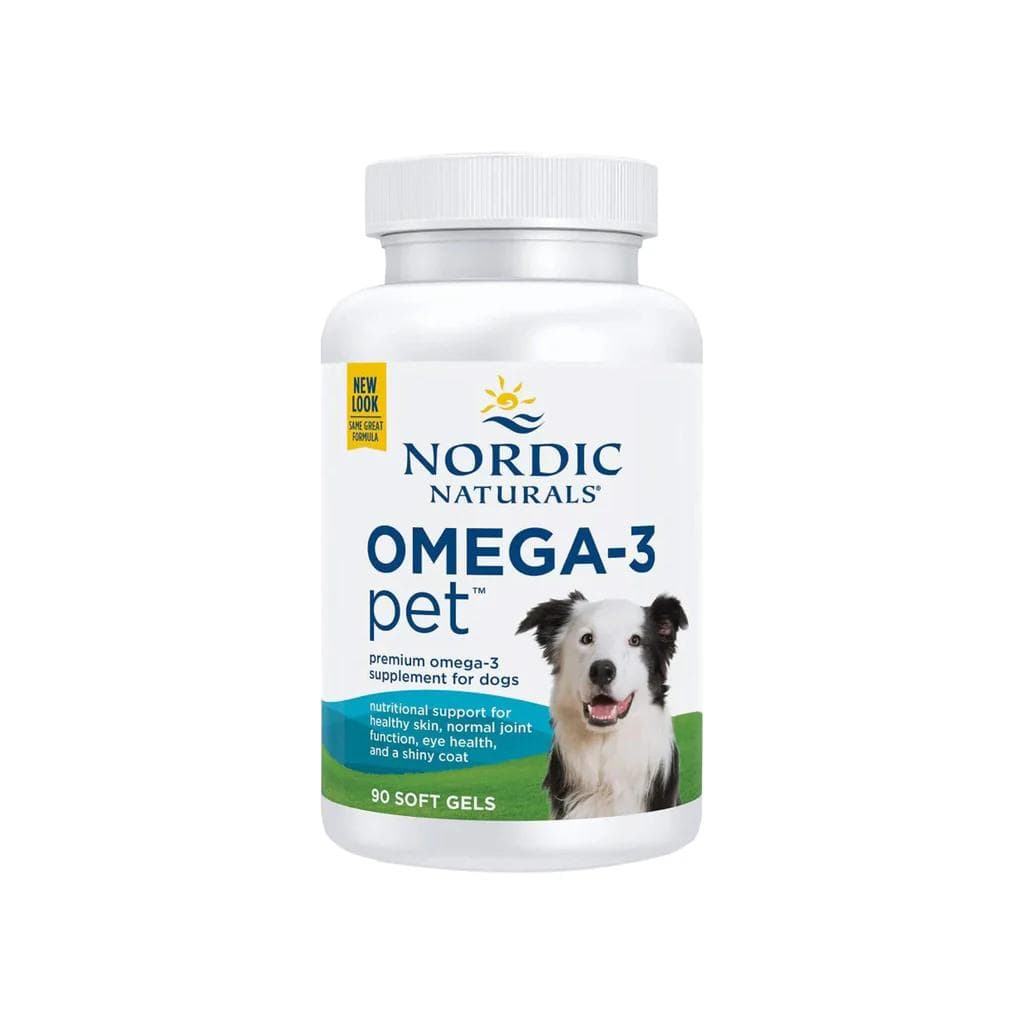
Nordic Naturals Omega-3 Pet Softgels are a fish oil supplement made from anchovy, sardine, mackerel, and herring oil.
Webvet may earn a commission when you click through to Chewy, at no extra cost to you.
Glucosamine and chondroitin are another story. The same meta-analysis found a very marked lack of effect from chondroitin-glucosamine products and advised that they no longer be recommended for osteoarthritis pain, even though VCA's coronoid handout still lists glucosamine. Compare products in our best joint supplements for senior dogs.
Whether surgery beats medical care is still debated. A 2023 systematic review of 14 studies found no significant difference between medical and surgical therapy for disease of the inner (medial) elbow and suggested more caution about recommending surgery. ACVS and Cornell still favor surgery for most dogs, and comparative data are limited.
Braces and injections need a vet's input. Cornell says elbow braces on the market are more suited to dislocations, fluid buildup around joints, and ligament tears, and advises involving a vet or rehab specialist. PRP (platelet-rich plasma) is not among the conservative treatments Merck lists, so ask your vet before trying it.
Elbow Dysplasia Surgery Options and Cost
Surgery for elbow dysplasia in dogs is recommended in most cases, ACVS says, with medical management kept for very mild disease or for joints so damaged they may not benefit from routine surgery. ACVS adds that elbow dysplasia surgery is often best performed arthroscopically, though conventional open surgery can also be done.
The right procedure depends on what is wrong inside the elbow, and the main options are these:
- Arthroscopic fragment removal: Removes coronoid fragments, loose cartilage, or an OCD flap (ACVS, Merck).
- Anconeal process surgery: Reattaches or removes an ununited anconeal process, which Merck says may be combined with an ulnar osteotomy.
- Osteotomies: Cut and realign a bone to correct incongruity or shift weight off damaged cartilage, such as a proximal abducting ulnar osteotomy (PAUL) or a sliding humeral osteotomy (SHO) (Merck).
- Joint replacement: Total elbow replacement or canine unicompartmental elbow (CUE) arthroplasty for severely degenerated joints (Merck).
Recovery after surgery for elbow dysplasia in dogs takes weeks. ACVS says that, depending on the surgery, dogs generally need to be kept quiet and confined for about 2 to 6 weeks or more. Two published aftercare plans show what to expect:
- After coronoid surgery: VCA advises strict exercise restriction with only short leash walks until about 3 weeks after surgery, then a controlled, low-impact exercise program, plus gentle massage and passive range-of-motion exercises taught by the veterinary team.
- After elbow arthroscopy: Moores Orthopaedic Clinic, a UK specialist referral clinic, advises little more than toilet walks for the first few weeks, then gradually longer leash walks, with no running, jumping, or stairs. Most dogs start off-leash activity from about 12 weeks after surgery.
Some harnesses are designed for this stage. PetSafe describes its CareLift as full-body support for dogs that are older, recovering from surgery, or disabled; it is a handling aid, not a treatment. Our guide to the best dog lift harness compares more options.
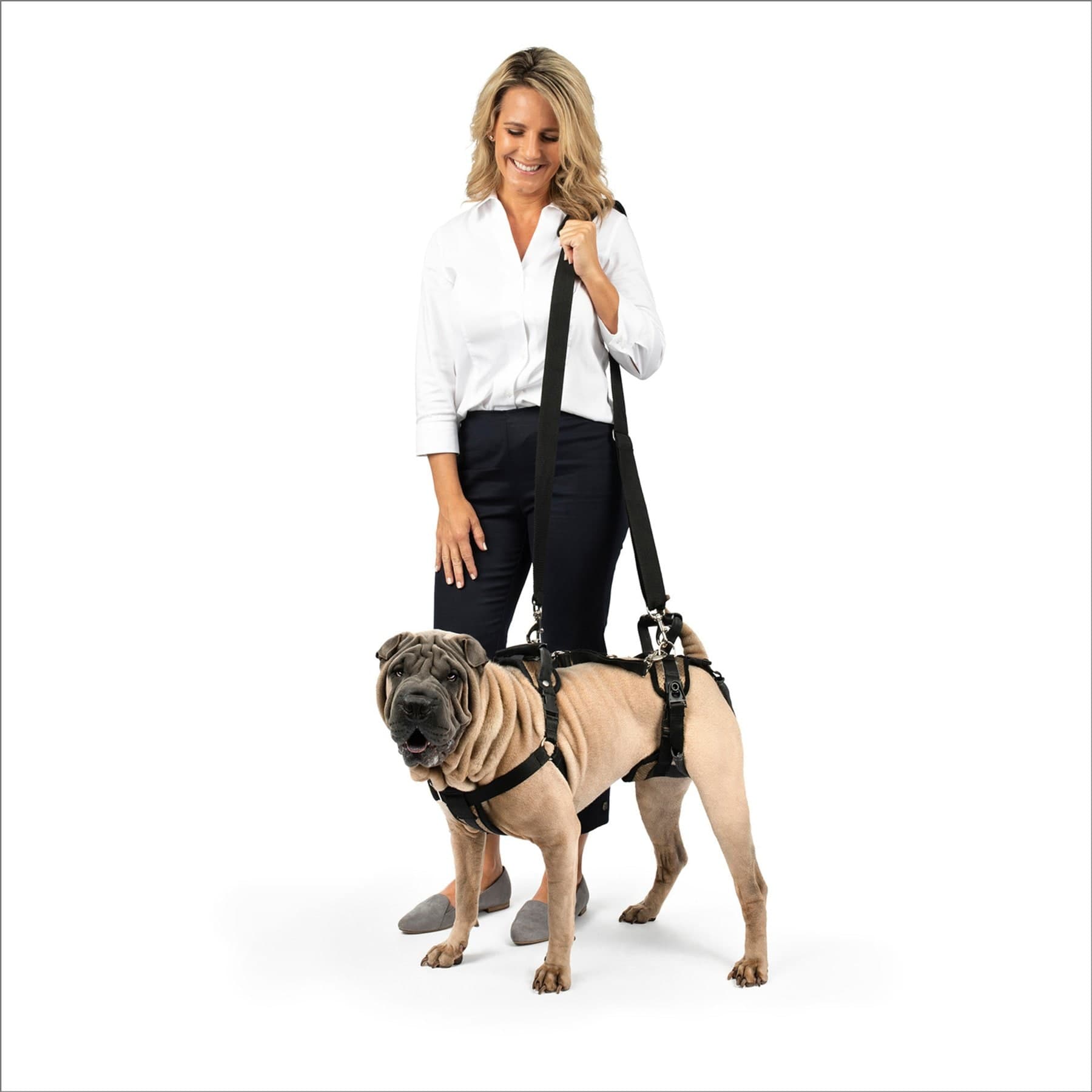
PetSafe CareLift Support Harness, formerly sold as Solvit, is a full-body lift harness; Medium fits 35 to 70 lb dogs.
Webvet may earn a commission when you click through to Chewy, at no extra cost to you.
Most treated dogs improve, but arthritis continues. ACVS says that, on average, about 85 percent of treated dogs show some improvement in lameness and comfort, even though arthritis keeps progressing on X-rays. The aim of treatment is to slow arthritis and prolong the use of the elbow.
Evidence for each procedure is thin. A systematic review of surgery for elbow osteoarthritis in dogs found low evidence for every procedure and a high risk of harm. Canine unicompartmental elbow had the best evidence, at 91 to 98 percent success, and sliding humeral osteotomy ranged from 43 to 82 percent.
Cornell surgeon Selena Tinga offers, but does not necessarily push, surgery for mild FCP, because the benefit is not certain, surgery could make a dog worse, and it is expensive. For moderate to severe FCP, she pushes it more strongly but never guarantees a cure.
How much does elbow dysplasia surgery typically cost for dogs?
Pet insurer Embrace says surgical diagnosis and treatment can range from $1,500 to $4,000 per elbow for young dogs who are surgical candidates. Healthy Paws, another insurer, gives a $4,000 example covering diagnostics, surgery, pain medication, X-rays, and rehab. Clinic quotes vary, so ask for a written estimate.
These are insurer figures, not hospital price lists; ACVS and Merck give no prices. For comparison, Moores Orthopaedic Clinic in the UK lists a fixed UK price, in pounds, for elbow arthroscopy: £4,200 for one elbow and £5,000 for both, including assessment, a discounted CT scan, post-surgery support, and a six-week follow-up.
Where the surgery is done also affects the cost of elbow dysplasia surgery in dogs. The University of Minnesota Veterinary Medical Center says its specialists and equipment mean its fees are often higher than those of smaller clinics.
Home Care and Exercise for a Dog With Elbow Dysplasia
Home care for managing elbow dysplasia in dogs rests on traction, low-impact exercise, and supportive bedding, plus a lean body. VCA says a lean body condition is one of the best ways to reduce stress on arthritic joints, and that regular, controlled exercise helps most dogs with osteoarthritis.
Exercising a dog with elbow dysplasia needs a plan. VCA advises asking your vet how far and how long to walk, which surfaces are acceptable, and which strengthening exercises to do. Cornell warns that repeated jumping down from beds, couches, and cars can cause front-leg problems, and frequent long flights of stairs add trauma.
Slick floors are simple to fix at home, and VCA suggests these traction aids:
- Rugs or yoga mats with non-skid backing
- Interlocking foam floor tiles to cover larger areas
- Baby gates to keep your dog out of rooms with slick floors
- Lightweight traction boots, if your dog tolerates them
Nail grips are another option. Dr. Buzby's ToeGrips Dog Nail Grips fit onto the toenails to help dogs grip smooth floors like hardwood. The maker says to check their position daily and never let them touch the nail bed.
Beds and ramps take strain off sore joints. VCA recommends an orthopedic or memory foam bed and keeping your dog warm and dry, since cold, damp conditions may worsen stiffness; see the best orthopedic dog bed. VCA also suggests a vehicle ramp; see mobility aids for dogs, from harnesses to ramps.

Natural treatment for elbow dysplasia in dogs, meaning care without drugs, comes down to weight control, controlled exercise, physical therapy, and omega-3 fatty acids, the non-drug options in Merck's conservative plan. Herbal and homeopathic products are not part of that plan, so check with your vet before adding one.
How can I help my dog with elbow dysplasia?
Help your dog with elbow dysplasia by keeping it lean, walking it on a regular, controlled schedule, covering slick floors, limiting jumps off furniture, and giving it a thick orthopedic bed. Follow your vet's pain plan, and never give human pain relievers. These steps support medical treatment or surgery rather than replace it.
How Long Can a Dog Live With Elbow Dysplasia?
Veterinary references give no set life expectancy for dogs with elbow dysplasia, and the prognosis depends on how well pain and arthritis are managed. UC Davis says there is no cure and pain can be managed, but some dogs have a decreased life span because of the discomfort and debilitation.
The long-term outlook combines arthritis and quality of life. ACVS says dogs can have a good long-term prognosis with a combination of surgical and medical management, but once arthritis is established, it slowly progresses regardless of treatment. Our guide to osteoarthritis in dogs and its signs explains that later stage.
Studies of screened dogs with mild or moderate grades show a mixed picture:
- A 2023 Veterinary Record owner survey of dogs screened for elbow dysplasia found 76 percent of 293 dogs alive at follow-up, at a median age of 8 years, and no link between elbow grade and survival. The dogs had normal, mild, or moderate grades.
- A Swedish study of 765 dogs found no direct link between elbow grade and owner-rated quality of life, though dogs with mild or moderate elbow dysplasia were more likely to receive vet care and NSAIDs.
- The same Swedish study found a significant link between mild or moderate elbow dysplasia and euthanasia due to orthopedic disease.
Elbow dysplasia does not come and go, even when the limp seems to. ACVS says the lameness is usually worse after exercise but typically never completely resolves with rest. In older dogs, mild elbow dysplasia may first show as a limp at 7 or 8 years of age, when arthritis sets in, Cornell says.
How long will my dog live with elbow dysplasia?
There is no set number of years. In a 2023 survey of screened dogs with normal to moderate elbow grades, 76 percent were alive at a median age of 8 years, and elbow grade was not linked to survival. UC Davis says the discomfort shortens some dogs' lives, so steady pain control matters.
Can You Prevent Elbow Dysplasia in Dogs?
You cannot fully prevent elbow dysplasia in dogs, because it is inherited, but you can lower the risk. Cornell says rigorous screening of breeding animals, with full public results, is currently the best way to decrease cases. Normal parents can still produce affected puppies, but at a much lower rate than parents with bad elbows.
Results for 13,151 breeding pairs in the OFA elbow FAQs show how much the parents' elbows matter:
- Normal x normal parents: 12.2 percent of offspring affected
- Normal x dysplastic parents: 26.1 to 31.3 percent of offspring affected
- Dysplastic x dysplastic parents: 41.5 percent of offspring affected
Progress through breeding is slow, though. A PLOS ONE analysis of 74 breeds over 40 years found that genetic improvement for elbow dysplasia was only 1.1 percent of a phenotypic standard deviation, compared with 16.4 percent for hip dysplasia, with an elbow-score heritability of 0.17.
To prevent hip and elbow dysplasia as far as possible, take these steps with a new puppy:
- Choose a puppy whose parents have OFA hip and elbow results; OFA certifies a normal elbow only from 2 years of age.
- Keep the puppy trim as it grows, without skimping on essential nutrients, as Cornell advises.
- Control calories during growth, since VCA says excess weight in a large-breed puppy can lead to severe orthopedic problems.
- Ask your breeder about stairs; Cornell notes many breeders advise that puppies avoid more than 2 or 3 stairs until 6 months old, though that is a breeder recommendation, not a proven preventive.
When to See a Vet
See your vet as soon as a young dog starts limping on a front leg, because Cornell says early intervention is best. VCA says X-rays are recommended if lameness lasts more than two weeks in a young, large-breed dog, because of the possibility of permanent lameness.
Waiting has a cost. VCA says that if a fragmented coronoid process is not treated surgically, degenerative changes develop rapidly and the dog suffers chronic pain, so surgery should be done as soon as possible after diagnosis to minimize joint disease.
Also book a visit if you notice any of these signs:
- A front-leg limp that is worse after exercise and does not fully clear with rest
- Stiffness after rest, or an elbow held out from the body
- Reluctance to exercise or to finish a walk
- A new front-leg limp in an older dog, since mild cases can first show at 7 or 8 years
Elbow Dysplasia in Dogs FAQs
Frequently Asked Questions
Does pet insurance cover elbow dysplasia in dogs?
Some pet insurance plans cover elbow dysplasia if signs first appear after enrollment. Healthy Paws places no coverage restrictions on hereditary conditions, names elbow dysplasia as an example, and says pets are eligible as long as signs first appear after enrolling, including any waiting periods.
Earlier signs can count against a claim. Embrace says symptoms seen or treated before the waiting period ends are pre-existing conditions, even without a formal diagnosis.
Embrace also excludes the second side of a bilateral condition, such as hip dysplasia, if one side was affected first. Its page does not name elbow dysplasia, so ask any insurer how it treats both elbows.
What if I can't afford to pay for my dog's surgery?
Talk to your vet about medical management, which is a real option. Weight control, exercise changes, NSAIDs, and rehabilitation make up the conservative plan Merck describes, and Cornell calls medical management the next-best choice when surgery is impossible; it cannot fix the joint but may make your dog more comfortable.
Ask about payment options too. Virginia Tech's veterinary hospitals accept CareCredit financing for up to 60 months, and the University of Minnesota Veterinary Medical Center offers treatment options that take cost into account, plus donor-funded financial assistance for eligible clients.
RedRover Relief, a nonprofit, gives urgent-care grants that average about $250 and exclude ongoing conditions and requests of $500 or more, so it is unlikely to cover elbow surgery.
Is elbow dysplasia surgery a major surgery?
It depends on the procedure. Elbow arthroscopy is keyhole surgery, and Moores Orthopaedic Clinic, a UK specialist clinic, describes it as a day procedure; it is very rare for a dog not to be walking on the operated leg when it goes home.
Recovery still takes weeks: ACVS says dogs usually need to be kept quiet and confined for 2 to 6 weeks or more. Osteotomies and joint replacements involve cutting or replacing bone, and Merck describes them for overloaded or severely degenerated joints.
Can elbow dysplasia in dogs be cured?
No. Elbow dysplasia cannot be cured, but Cornell says it can be well managed, and with surgery and appropriate medical management, many dogs have a good long-term prognosis. The arthritis it causes keeps slowly progressing, so the goal is to manage pain and prolong the use of the elbow.
Is elbow dysplasia painful for dogs?
Yes. Cornell surgeon Kei Hayashi says almost all dogs with elbow dysplasia show both pain and lameness, and that pain on handling or on fully bending and straightening the elbow is often found on careful examination. Pain control is central to treatment, whether or not a dog has surgery.
Can a dog have both hip and elbow dysplasia?
Yes, a dog can have both hip dysplasia and elbow dysplasia. Cornell says that in their most severe forms, the two dysplasias cause crippling lameness, especially when they occur together in the same dog.
A dog's hip result does not predict its elbows. The PLOS ONE analysis of 74 breeds found only a weak genetic correlation (0.12) between hip and elbow scores, so each joint needs its own screening.

Editor
The Webvet Editorial Team is the in-house group of pet-care editors and writers behind Webvet, operated by Smart Pet Collective. The team researches, writes, and maintains Webvet's pet health, behavior, and medication content. Every article follows a defined editorial process: research from reputable veterinary and scientific sources, careful drafting, mandatory review of medical content by a credentialed veterinarian, and dated publication. Health and medication articles are medically reviewed by a licensed veterinary professional before they go live and are kept current over time.
Veterinarian · BVMS MRCVS
Dr. Pippa Elliott, BVMS, MRCVS, is a veterinarian with nearly 30 years of experience in companion animal practice. Dr. Elliott earned her Bachelor of Veterinary Medicine and Surgery from the University of Glasgow. She was also designated a Member of the Royal College of Veterinary Surgeons. Married with 2 grown-up kids, Dr. Elliott has a naughty Puggle named Poggle, 3 cats and a bearded dragon.
Related reading

Degenerative Myelopathy in Dogs: Symptoms, Stages, Breeds, and Treatment

Best Heated Dog Beds: Vet-Reviewed Picks and the Safety Rules That Matter

Best Dog Strollers for Senior Dogs and Limited Mobility
