Dog With Arthritis: Does Size Matter? What To Know
Does a dog's size change arthritis risk? A vet explains how large and small breeds differ, the early signs, named treatments, supplements, home changes, and prognosis.
Medically reviewed by Dr. Athena Gaffud, DVM · Last reviewed

This article contains affiliate links. Webvet may earn a commission when you buy through them, at no extra cost to you.
Many dog parents first notice their pup slowing down, stiff after rest, or hesitating to jump. Caring for a dog with arthritis is common, especially in seniors and breeds prone to inherited joint problems. Arthritis affects every dog differently, and size plays a real role in how it develops.
Osteoarthritis is a degenerative joint disease with no cure, but it is very manageable. It is also extremely common: per VCA Animal Hospitals, it affects at least 20% of dogs over one year old and around 80% of dogs over eight. For a plain-language primer, see our overview of what osteoarthritis in dogs looks like.
This vet-reviewed guide explains how size influences arthritis, which signs deserve attention, how the disease progresses, and which treatments, supplements, and home changes actually help. The goal is to give you clarity and confidence as you care for a dog living with chronic joint pain, whether that dog is a Chihuahua or a Great Dane.
- 1Size shapes arthritis: large breeds carry heavier joint loads and developmental problems like hip and elbow dysplasia, while small breeds tend toward joint instability such as luxating patella.
- 2Early signs are subtle in both: stiffness after rest, reluctance to jump or climb stairs, limping, reduced play, and touch sensitivity.
- 3There is no cure, but with the right plan most dogs with osteoarthritis can live a normal lifespan (per VCA).
- 4Weight control is the single most important step at any size, alongside vet-prescribed medication, joint supplements, and controlled exercise.
- 5Simple home changes (ramps, non-skid flooring, raised bowls, orthopedic beds, gentle heat) meaningfully improve daily comfort.
Why Size Matters for a Dog With Arthritis
Body size shapes how arthritis develops and progresses in a dog with arthritis. Larger dogs place heavier loads on their joints, which drives faster wear and a higher risk of large-breed arthritis. Smaller dogs more often develop arthritis from genetic joint instability or long-term repetitive stress, the pattern behind small-dog arthritis.
Differences in bone structure, joint shape, and daily movement further influence how damaging joint strain becomes over time. Excess body weight accelerates inflammation and cartilage breakdown in dogs of any size. That is why weight control sits at the center of every effective plan, regardless of breed.

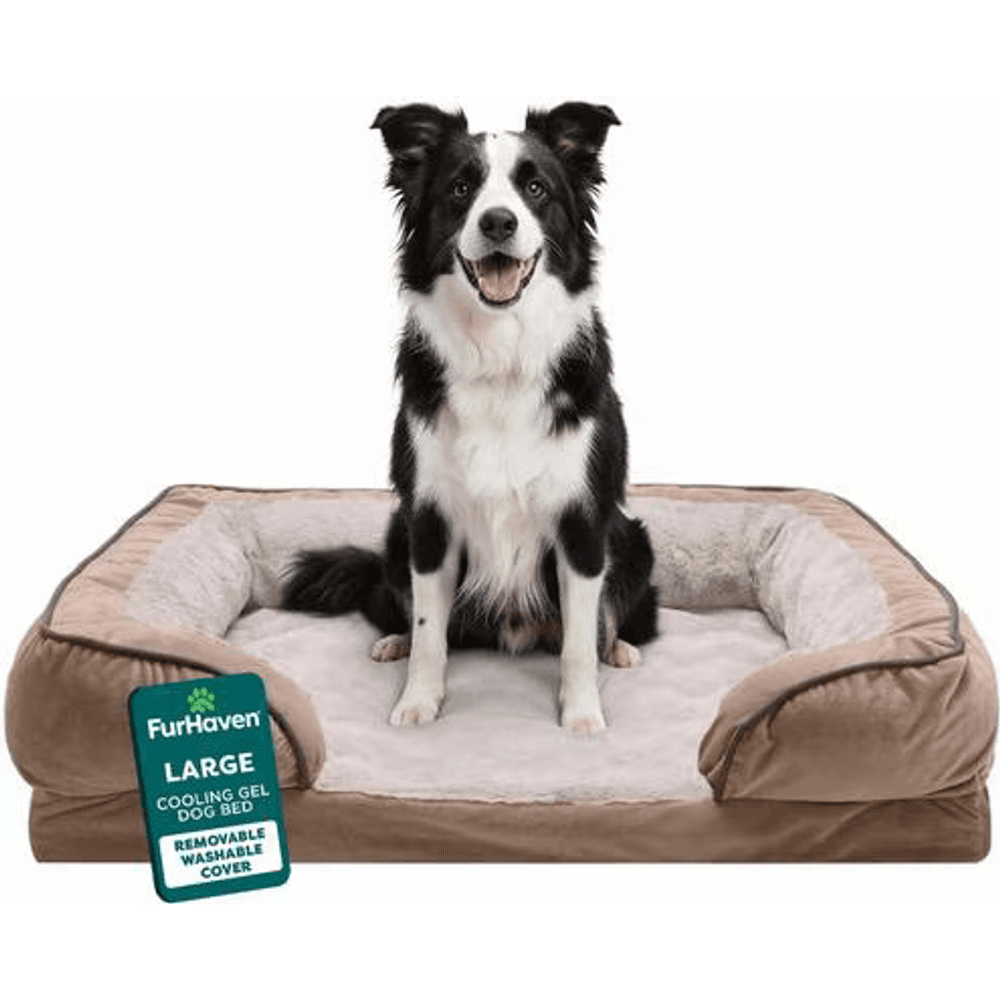
An orthopedic sofa bed with three bolstered sides for dogs who like to rest their head and joints against a cushion. The supportive foam base cradles hips and elbows, a comforting spot for an older or shaky dog to settle.
Webvet may earn a commission when you click through to Chewy, at no extra cost to you.
Arthritis Risks for Large Breed Dogs
Several factors make large dogs prone to canine arthritis:
- Hip and elbow dysplasia: structural joint problems that drive early large-breed arthritis.
- Heavy body weight: greater joint load that accelerates cartilage breakdown.
- Mobility challenges: more difficulty with stairs, cars, and slippery flooring.
- Faster progression: some large breeds advance through degenerative changes more quickly.
- High-risk breeds: German Shepherds, Labrador Retrievers, Golden Retrievers, and Rottweilers carry a strong predisposition.
The American College of Veterinary Surgeons notes that both young large-breed dogs with developmental bone disease and older, overweight large-breed dogs are commonly affected, and that a slender body weight is the most critical part of management.
Arthritis Risks for Small Breed Dogs
Small dogs develop arthritis differently, and for their own set of reasons:
- Joint instability: conditions like a luxating patella trigger early small-dog arthritis.
- High-impact jumping: repeated leaps on and off furniture overload small joints.
- Accumulated micro-injuries: minor long-term damage that builds into chronic joint disease.
- Genetic predisposition: breeds such as Dachshunds, Yorkshire Terriers, and Chihuahuas are higher-risk.
Signs often look subtler in smaller dogs because of their lighter frame, so a limp or a skipped step is easy to shrug off. That makes early recognition and treatment especially important for long-term comfort.

How Arthritis Progresses: Early to Advanced
Osteoarthritis develops gradually as cartilage wears down, the joint capsule thickens, and bone spurs form. Because the changes are slow, many owners only notice a problem once their dog is well into the disease. Knowing the general trajectory helps you act sooner rather than later.
| Stage | What you might see |
|---|---|
| Early | Occasional stiffness after rest or hard play; the dog warms out of it quickly and seems normal otherwise |
| Mild | More consistent stiffness, slower to rise, a little hesitation with stairs or jumping |
| Moderate | Visible limping, reduced stamina on walks, reluctance to play, noticeable behavior changes |
| Advanced | Persistent pain, difficulty standing, muscle loss over the limbs, and reliance on daily support |
These stages are a guide, not a strict timeline. Progression speed varies with size, breed, weight, activity, and how early treatment begins. Starting management in the early or mild phase gives the best chance of slowing the decline and preserving mobility.
Signs Your Dog With Arthritis Might Be in Pain
Dogs rarely cry out with arthritis, so pain shows up as changes in movement and mood. Watch for these signs at any size, and if your dog is favoring a leg, read our guide to why a dog limps:
- Slow, stiff movement: reduced flexibility, especially right after rest.
- Trouble rising: noticeable effort standing up from lying down.
- Limping: favoring one leg because of joint discomfort.
- Reluctance to climb: hesitation with stairs or jumping onto elevated surfaces.
- Reduced play and stamina: less enthusiasm for activity and shorter walks.
- Touch sensitivity or mood changes: flinching when handled, irritability, withdrawal, or restlessness.
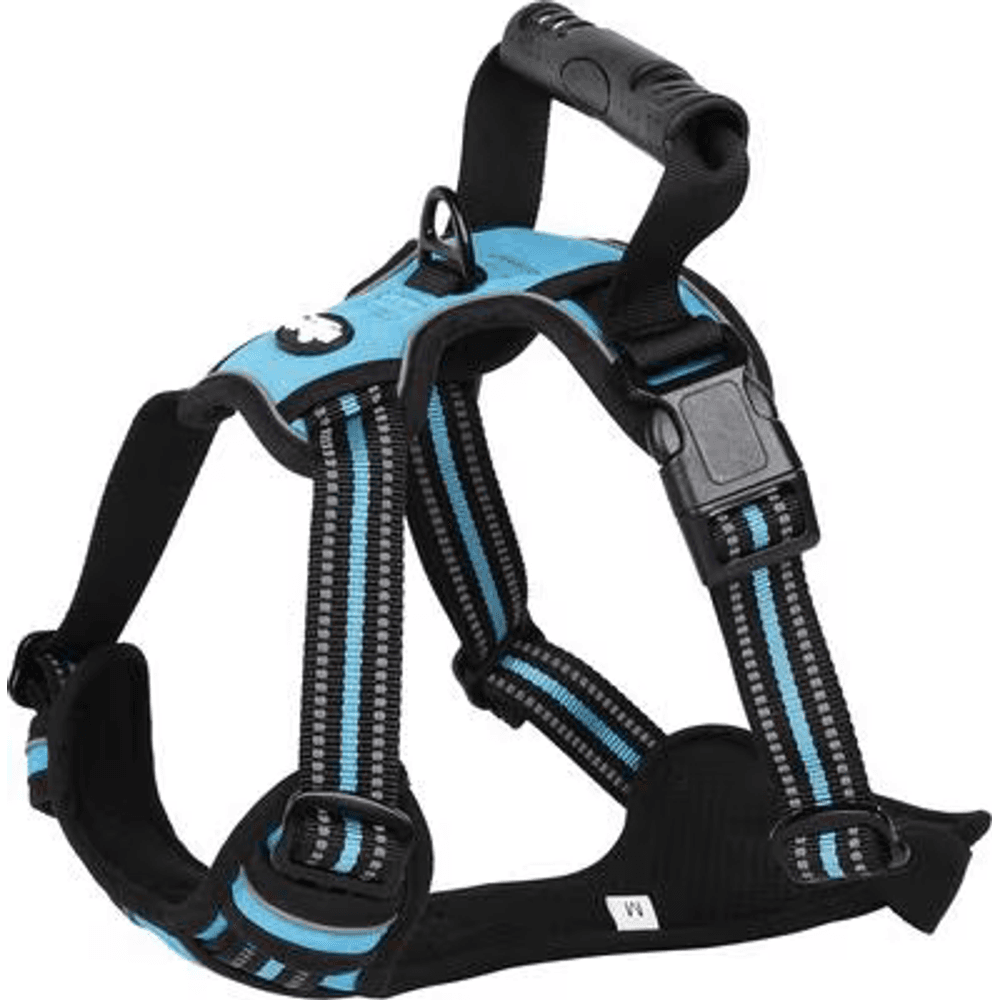
A padded, reflective no-pull harness that spreads leash pressure across the chest instead of the throat, the switch most vets recommend for a dog with a cough, a collapsing trachea, or any airway irritation so the leash never presses on...
Webvet may earn a commission when you click through to Chewy, at no extra cost to you.
 $65 · no membership
Is your dog slowing down or seeming sore?
A licensed vet can examine your dog over video and prescribe treatment online when it's appropriate.
 Talk to a vet
- Licensed vets
- All 50 states
- same-day Rx

Webvet may earn a commission if you book.
Diagnosis: How Vets Identify Arthritis in Dogs
Veterinarians diagnose arthritis through a thorough physical exam that includes joint manipulation to assess pain, stiffness, and instability. Your dog's activity changes, gait, and medical history add important clues in both large-breed and small-dog cases.
X-rays confirm structural changes such as cartilage loss, bone spurs, and joint narrowing. Blood work supports the safe use of long-term medication by checking liver and kidney function first. Breed, size, and lifestyle then guide an individualized plan for managing chronic joint pain.

Treatment Options for a Dog With Arthritis
Arthritis treatment is almost always a combination of approaches, tailored by your veterinarian. No single product manages the disease alone, and the right mix changes as your dog ages. The table below groups the options vets commonly reach for.
| Option | How it helps |
|---|---|
| NSAIDs (carprofen, meloxicam, grapiprant) | Prescription anti-inflammatories that reduce joint pain and swelling; the mainstay of daily control |
| Adjunct pain medications (gabapentin, amantadine) | Added by your vet for chronic or breakthrough pain, often alongside an NSAID |
| Monoclonal antibody injection (Librela / bedinvetmab) | A monthly anti-nerve-growth-factor injection given by your vet to control OA pain |
| Joint injections (Adequan / polysulfated glycosaminoglycan) | Support cartilage and joint fluid; given as a vet-administered course |
| Joint supplements (glucosamine, chondroitin, omega-3s) | Support cartilage health and may modestly ease inflammation over time |
| Weight management | Reduces load on painful joints and is the single most impactful step at any size |
| Physical therapy, hydrotherapy, laser, acupuncture | Improve strength and mobility with low joint stress, as recommended by your vet |
NSAIDs are usually the foundation of daily pain control. Two your vet may prescribe are carprofen and meloxicam. These require periodic blood work, because long-term use affects the liver and kidneys, so never share medication between pets or adjust the dose yourself.
Newer options have expanded what vets can offer. Per the Merck Veterinary Manual, these include adjuncts like gabapentin and amantadine for chronic pain and the monoclonal antibody injection Librela (bedinvetmab). Your veterinarian decides whether and how to combine them.
Supplements: What the Evidence Shows
Joint supplements are popular, and the most studied are glucosamine and chondroitin plus omega-3 fatty acids. The evidence is mixed but generally favorable: they are considered low-risk and may modestly support cartilage and reduce inflammation over time.
Think of supplements as support, not a substitute for medication or weight control. Omega-3s from fish oil have the strongest anti-inflammatory case. Because product quality varies widely, ask your vet to recommend a specific brand and an appropriate dose for your dog's size.
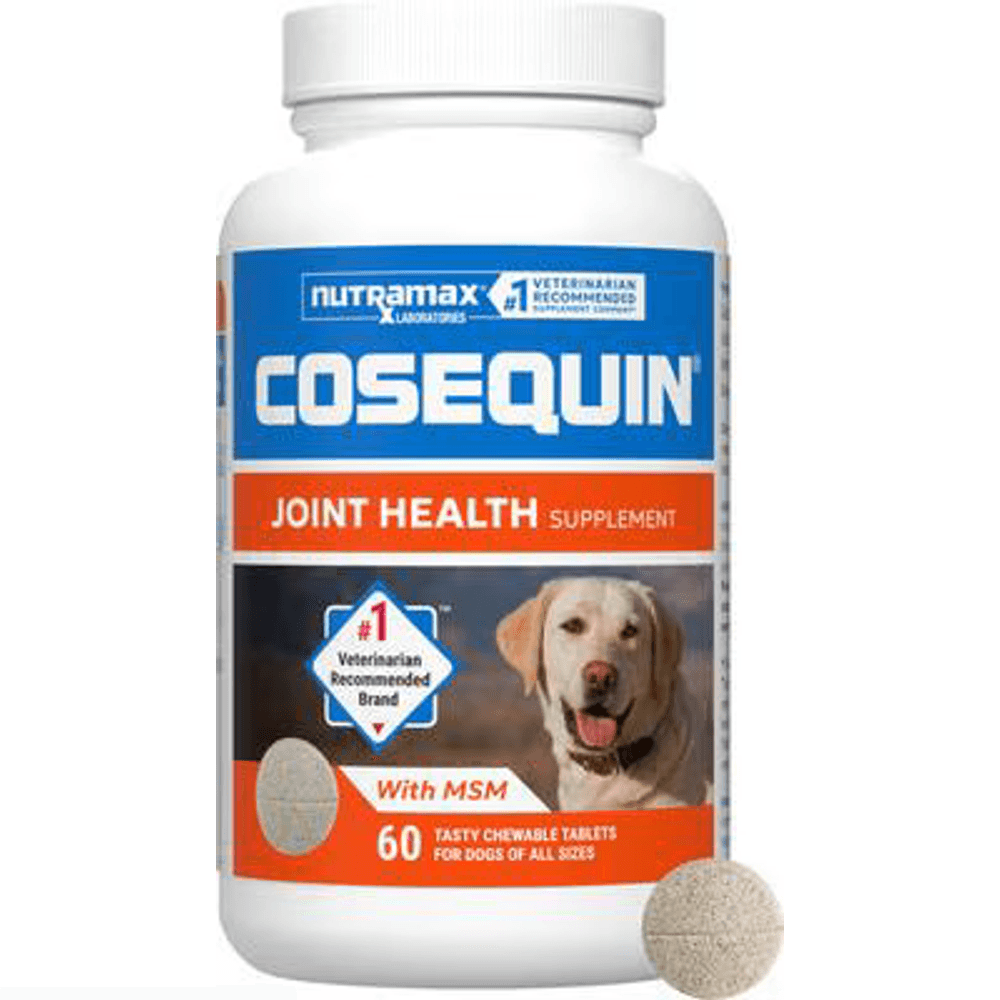
The number-one veterinarian-recommended joint supplement brand. Glucosamine, chondroitin, and MSM support cartilage and cushion the joints, easing the stiffness and hind-end weakness that can leave an older or arthritic dog trembling.
Webvet may earn a commission when you click through to Chewy, at no extra cost to you.
Weight Management: The Biggest Lever You Control
If you do one thing beyond your vet's plan, keep your dog lean. Beyond the extra load, fat tissue releases inflammatory compounds that aggravate joint pain from within. That is why the ACVS calls a slender body weight the most critical part of management.
Veterinarians track this with a body condition score, most often a 1 to 9 scale where 4 to 5 is ideal. At a healthy score, the ribs are easy to feel and a waist is visible from above.
Ask your veterinary team to score your dog and set a target weight. Measured meals, fewer high-calorie treats, and a prescription weight-loss diet when needed all help. Even modest loss often visibly improves lameness.
Large Dog vs Small Dog: Does Treatment Differ?
The core toolkit is the same, but the emphasis shifts by size. Larger dogs often need more mobility support, such as lifting harnesses, ramps, and stable flooring, especially with large-breed arthritis. Small dogs benefit most from protection against high-impact jumping tied to small-dog arthritis.
Dosing for medication and supplements depends on body weight, and strict weight control matters even more for heavier breeds. Environmental fixes differ too: tiny dogs need safer access to elevated spots, while giant breeds need sturdier, roomier resting areas.
Safe Exercise for a Dog With Arthritis, by Size
Total rest is not the answer for arthritic joints. Controlled, low-impact movement keeps supporting muscles strong, joints lubricated, and weight in check.
- Short leash walks: two or three brief daily walks beat one long outing; keep the pace steady, the route flat.
- Swimming and hydrotherapy: water supports body weight, letting joints move through a fuller range without impact.
- Gentler play: swap ball-chasing sprints and hard stops for sniffing walks and slow fetch on grass.
- Limit stairs and jumping: carry small dogs, use ramps for large ones, and block furniture leaps during flare-ups.
Water work is especially valuable for large breeds because it removes the load their weight puts on hips and elbows. Small dogs often tolerate longer walks but need firm protection from furniture jumping, which strains an unstable kneecap. If stiffness worsens after activity, tell your vet.
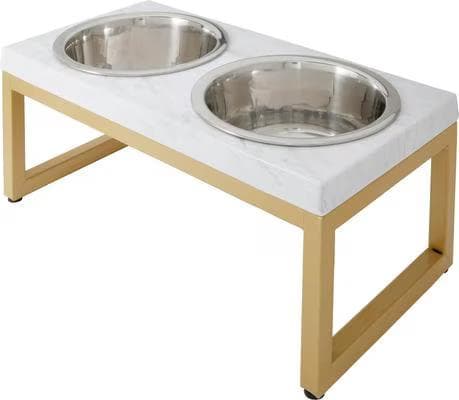
Raised stainless steel double bowl on a marble-look stand. Easier on the neck and joints and a clean, tip-resistant way to keep fresh water available all day.
Webvet may earn a commission when you click through to Chewy, at no extra cost to you.
Home Remedies and Comfort Changes for Any Dog
Practical home changes are the safe, effective side of "home remedies," and they make a real daily difference. For product-level detail, see our guide to mobility aids for dogs:
- Add ramps or steps: low-impact access to couches, beds, and cars reduces strain on painful joints.
- Lay down non-skid flooring: rugs and runners give secure footing on slick tile or hardwood.
- Provide an orthopedic bed: warm, supportive memory-foam surfaces ease pressure on sore joints.
- Raise food and water bowls: elevated bowls reduce neck and shoulder strain for stiff dogs.
- Try gentle heat: a warm (not hot) pad on stiff joints can soothe, with your vet's okay.
- Keep exercise gentle and steady: short, frequent walks beat weekend overexertion, and help control weight.

For older dogs, layering these changes with veterinary care pays off. Our guide to easing senior dog joint pain walks through a day-to-day comfort routine.
Prognosis and Quality of Life
Arthritis is not fatal, and the outlook is generally hopeful. Per VCA Animal Hospitals, dogs with osteoarthritis can live a normal lifespan with appropriate management. Size affects how much support a dog needs, but it does not doom a well-managed dog to a shorter life.
What changes over time is quality of life. In advanced cases, pain can become hard to control even with a full treatment plan. Deciding when a dog's comfort can no longer be maintained is deeply personal, and it is a conversation to have with your veterinarian, never one to face alone.
Frequently Asked Questions
How do you treat arthritis in dogs?
Treatment combines vet-prescribed anti-inflammatory medication (such as carprofen or meloxicam), weight control, joint supplements, and controlled exercise. Vets may add gabapentin, injections like Librela or Adequan, and physical therapy. Home changes such as ramps and orthopedic bedding round out a plan tailored to your dog's size and stage.
How long will a dog live with arthritis?
Arthritis itself is not fatal, and per VCA Animal Hospitals, dogs with osteoarthritis can live a normal lifespan when the condition is managed well. Early diagnosis, steady weight control, and consistent veterinary care matter far more to lifespan than a dog's size or breed.
What is the home remedy for senior dog joint pain?
The safest home steps are supportive changes, not medications: add ramps, lay non-skid rugs, provide a warm orthopedic bed, raise food bowls, keep gentle daily exercise, and apply mild warmth to stiff joints. Never give human pain relievers, which are toxic. Pair home care with a veterinary treatment plan.
What supplements are good for senior dogs with arthritis?
The most studied joint supplements are glucosamine, chondroitin, and omega-3 fatty acids from fish oil. Evidence is mixed but generally favorable, and they are low-risk. Omega-3s have the strongest anti-inflammatory case. Ask your vet for a specific product and dose, since quality and strength vary widely between brands.
Does dog size influence arthritis development?
Yes. Larger dogs face heavier joint loads and developmental problems like hip and elbow dysplasia, which drive large-breed arthritis. Smaller dogs more often develop small-dog arthritis from joint instability, such as a luxating patella, or repetitive stress. Both patterns benefit from early management, but the risk factors differ by size.
Is arthritis more common in large dogs or small dogs?
Large dogs show higher rates driven by joint dysplasia and weight-related strain, but small breeds are far from immune. Small dogs develop arthritis from structural issues and long-term micro-injuries, and their subtler signs are easy to miss. Osteoarthritis is very common overall, affecting most dogs by their senior years.
Should I walk my dog with arthritis?
Yes, in most cases. Gentle regular walking keeps joints moving, maintains muscle, and helps control weight. Favor short, frequent walks on flat, soft ground over one long outing. Scale back during a flare, and let your vet set distance and pace.
Is heat or cold better for dog arthritis?
Warmth generally suits chronic arthritis: a warm (never hot) pad relaxes muscles and eases the stiffness dogs show after rest. Cold packs fit acute flare-ups with swelling, or the days right after surgery. Wrap either in a towel, keep sessions to 10 to 15 minutes, and get your vet's okay first.
Supporting Your Dog's Joints at Every Size
Early, steady care gives a dog with arthritis the best chance at lasting comfort and mobility. Size influences joint stress and disease patterns, yet every dog benefits from the same pillars: weight control, vet-guided medication, supportive supplements, and thoughtful home changes, whether facing large-breed arthritis or small-dog arthritis.
Regular veterinary guidance shapes a personalized plan and adjusts it as your dog ages. Consistent attention, informed decisions, and a strong partnership with your vet are what turn a chronic diagnosis into a long, comfortable life.
Photo by Edgar Daniel Hernandez Cervantes/Pexels
$65 · no membershipIs your dog slowing down or seeming sore?
A licensed vet can examine your dog over video and prescribe treatment online when it's appropriate.
Talk to a vet- Licensed vets
- All 50 states
- same-day Rx
Webvet may earn a commission if you book.

Veterinarian · DVM
Athena Gaffud, DVM, is a licensed veterinarian and writer based in the Cagayan Valley of the northern Philippines. She runs the website countryvetmom.com. Dr. Gaffud earned her Doctor of Veterinary Medicine degree from the University of the Philippines Los Baños in 2011, ranking in the top 10 and receiving the Best Undergraduate Thesis Award in Large Animals. With over a decade of experience, she has worked as a researcher, a practitioner for small and large animals, and in veterinary technical sales, marketing, and pet insurance. A published author, Dr. Gaffud promotes responsible pet ownership and combats misinformation on animal care through her platforms, including the DocAthena Facebook Page and DocAthena YouTube channel. She is a writer and editor for various pet-related websites such as Total Vet, Honest Paws, PangoVet, Dogster, Catster, My Best PH, Paw Origins, Bully Max, Not a Bully, Paws and Claws CBD, many others. She was also cited in different pet-related media articles such as The Dog People, USA Today, Newsweek, New York Post, Reader’s Digest, Smithsonian Magazine, Woman’s World, Dog Time, Patch, Kinship, Martha Stewart, and many others. Moreover, she is also a published fiction author on Kindle.


