Cat Sleeping Positions When Sick: Warning Signs to Watch For
Worried your cat is sleeping strangely? This guide breaks down cat sleeping positions when sick, the warning postures to watch for, and when a change in how your cat rests means it is time to call the vet.

This article contains affiliate links. Webvet may earn a commission when you buy through them, at no extra cost to you.
Cats are masters at hiding when they feel unwell, so the way your cat rests can be one of the earliest and clearest clues that something is wrong. Learning to read cat sleeping positions when sick helps you spot trouble before it becomes an emergency. A cat that suddenly sleeps hunched, hides in strange places, lies limp and flat, or props itself up to breathe is often telling you it does not feel right. This guide walks through the specific warning postures to watch for, the behaviors that go with them, and exactly when a change in how your cat sleeps means it is time to call your veterinarian.
- 1A change from your cat's normal relaxed sleep to a tense, guarded, or unusual posture is one of the earliest signs of illness or pain.
- 2Red-flag sleeping postures include the hunched head-down position, a rigid tense loaf, limp slouched laying, head pressing, sleeping face down, and a propped sphinx position for labored breathing.
- 3Where your cat sleeps matters too: hiding in dark spots, sleeping in the litter box, or hovering by the water bowl are behavioral warning signs.
- 4Sleep changes are most meaningful when paired with other symptoms like appetite loss, vomiting, hiding, straining to urinate, or labored breathing.
- 5Some postures, such as open-mouth breathing, head pressing, or a male cat straining in the litter box, are emergencies that need a vet immediately.
How to Tell If Your Cat Is Sleeping Sick vs. Just Napping
Healthy cats sleep a lot, often twelve to sixteen hours a day, so long naps by themselves are not a cause for worry. The key is not how much your cat sleeps but how it looks while resting and whether that has changed. A napping cat looks soft, relaxed, and settled. A sick cat often looks tense, guarded, or oddly positioned, as if it cannot get comfortable.
The single most useful thing you can do is know your cat's baseline. Where does it usually sleep, in what positions, and how deeply? Once you know what normal looks like, a sudden shift stands out. Watch for these differences between a healthy nap and sick sleep.

- Muscle tone: a healthy cat looks loose and floppy at rest; a sick cat often holds its body rigid and tense, unable to fully relax.
- Position: a content cat sprawls, curls loosely, or loafs neatly; a sick cat hunches, tucks defensively, or lies flat and limp.
- Face: half-closed eyes and a soft expression mean calm; squinting, a furrowed look, or dilated pupils can signal pain.
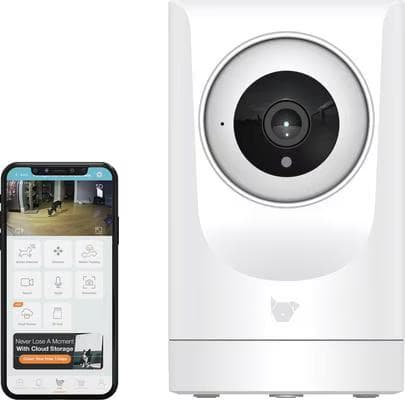
360-degree Wi-Fi pet camera so you can watch your cat's resting breathing rate and behavior from your phone and catch worrying changes early.
Webvet may earn a commission when you click through to Chewy, at no extra cost to you.
- Location: a well cat rests in favorite open spots; a sick cat often retreats to dark, hidden, or unusual places.
It helps to know the full range of normal cat sleeping positions first, so the unwell versions are easier to recognize by contrast. Most of what looks alarming turns out to be a perfectly happy cat. The postures below are the ones that genuinely deserve a closer look.
Cat Sleeping Positions When Sick: 8 Warning Postures to Watch For
No single position guarantees your cat is ill, and a healthy cat may briefly hold any of these poses. What matters is a posture that is new, held for long stretches, or paired with other symptoms. Here are the eight resting postures that most often point to pain or illness in cats.
The Hunched Posture With Head Tilted Down (Abdominal or Generalized Pain)

The hunched posture is one of the most recognized signs of a cat in pain. The cat sits with its back rounded upward, shoulders raised, and head hanging low and tilted toward the floor. Rather than tucking its paws neatly like a relaxed loaf, it holds its body tense and still, often for long periods. This posture usually means the cat is guarding its abdomen or is simply too uncomfortable to lie down normally.
A hunched, head-down cat can be dealing with a wide range of problems, including nausea, abdominal pain, kidney disease, pancreatitis, a urinary issue, or generalized illness. Because so many conditions produce this pose, a cat that holds it repeatedly or for hours should be seen by a veterinarian, especially if it will not eat or is hiding.
Tense Loafing (Rigid Meatloaf, Not Relaxed)

The cat loaf position is usually a sign of a happy, cozy cat. But there is a sick version. A tense loaf, sometimes called a rigid meatloaf, looks superficially similar but reads as strained rather than serene. Instead of a soft, symmetrical tuck, the paws may be pushed forward, the back slightly rounded, and the face squinted or pinched.
The difference is all in the muscle tension and expression. A relaxed loaf has half-closed eyes and a settled body. A tense loaf looks like the cat is holding itself carefully, bracing against discomfort. Sitting in this guarded loaf for long periods, particularly when the cat is normally a sprawler, can be an early sign it is not feeling well.
Limp or Slouched Laying (No Muscle Tension)
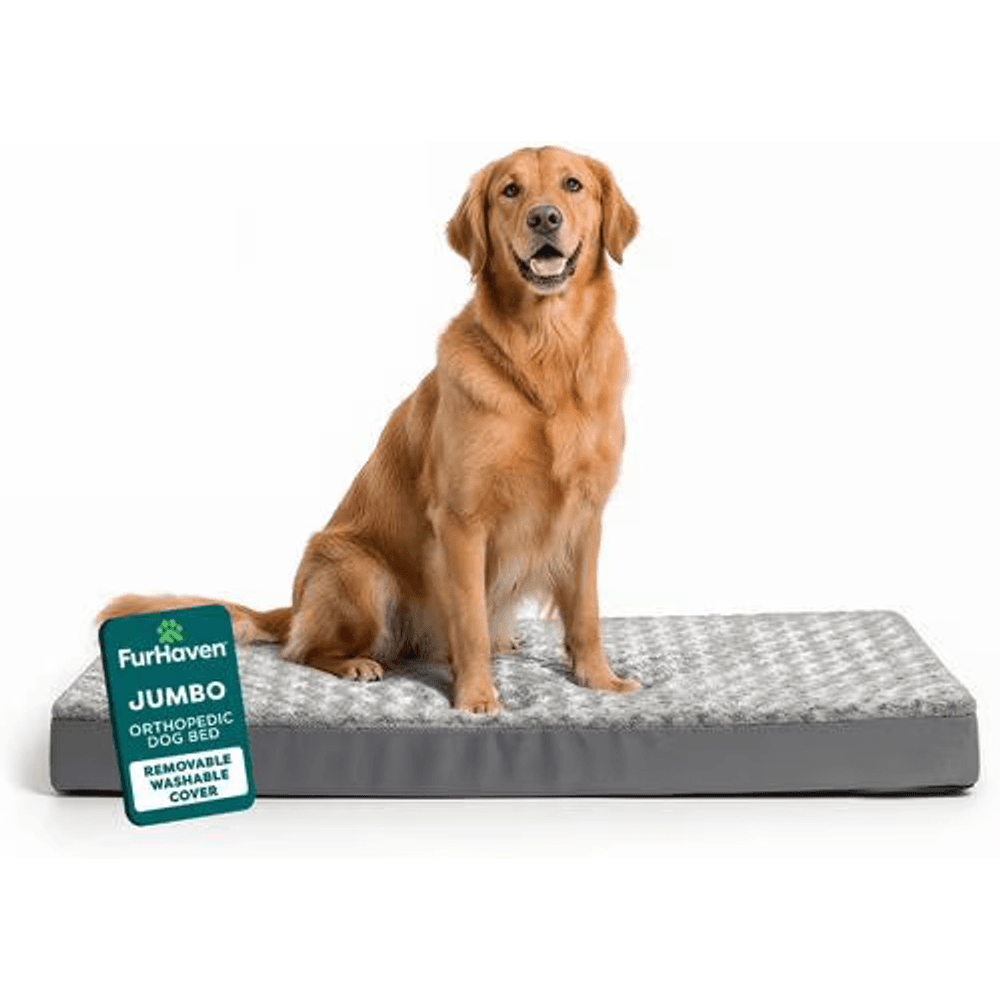
A plush orthopedic foam mattress that cushions aging joints and pressure points, giving a stiff or trembling senior dog warm, supportive rest.
Webvet may earn a commission when you click through to Chewy, at no extra cost to you.

At the opposite extreme from a tense hunch is a cat that lies completely limp and slouched, with no muscle tone at all. This is not the loose, comfortable flop of a deeply relaxed cat. It looks flat, drained, and lifeless, as if the cat does not have the energy to hold any position. The cat may lie on its side on a cool floor and barely react when you approach.
Profound limpness and lethargy are serious. They can signal weakness, dehydration, anemia, a fever breaking, low blood sugar, or advanced illness. A cat that is normally alert but suddenly lies slack and unresponsive, ignores food, or does not lift its head when you enter the room needs prompt veterinary attention.
Head Pressing or Tucking Into a Corner (Neurological Red Flag)

Head pressing is one of the most alarming postures a cat can show. The cat presses the top of its head firmly against a wall, corner, or piece of furniture and holds it there for no clear reason. It may also tuck its head tightly into a corner and stand oddly still. This is not the same as a cat gently bunting or rubbing its head against you in affection.
Sleeping Face Down or Flat on the Side

Some cats occasionally sleep with their face down and forehead resting on the floor to block out light, and in a bright-eyed, otherwise healthy cat this can be perfectly normal. It becomes a concern when it appears alongside low energy, withdrawal, or a slumped, joyless body. A sick cat may rest face down because it is depressed, nauseated, or simply too unwell to hold its head up.
Context is everything. A relaxed cat that sleeps stretched out or on its back, exposing its belly, is showing trust and comfort, as our guide to a cat sleeping on its back explains. A cat that lies face down or flat and slumped with dull eyes and no interest in its surroundings is a different picture and worth watching closely.
The Sphinx or Propped-Up Position (Labored Breathing)

When a cat is struggling to breathe, it will often refuse to lie down on its side and instead prop itself upright in a sphinx-like position. It keeps its chest lifted, its neck stretched forward, and its elbows held slightly out from the body to open the chest and make each breath easier. The cat may seem restless, unable to get comfortable, and reluctant to move.

Lickable cat treats with real chicken, made to support comfort and tranquility. 12 single-serve 0.5-oz tubes.
Webvet may earn a commission when you click through to Chewy, at no extra cost to you.
Superman / Splayed Out (Fever or Heat Stress)
The superman pose, where a cat lies belly down with its back legs stretched straight out behind it, is often just a happy, playful way to cool off on a warm day. On a cool tile or wood floor it usually means nothing more than a comfortable cat. The concern is when a cat splays out flat to shed heat because it has a fever or is overheating.
A cat that spreads itself flat on a cool surface, seeks out the coldest spots in the house, and also seems listless, is panting, or feels warm to the touch may be running a fever or suffering heat stress. If splaying comes with lethargy, drooling, rapid breathing, or a refusal to eat, it is worth a call to your veterinarian, and suspected heatstroke is an emergency.
Curled Too Tight With Paws Guarding the Belly
A cat curled up in a ball is usually keeping warm and feeling cozy and secure. The sick version is a curl that looks too tight and too tense, with the paws pulled in over the belly as if the cat is protecting its stomach. Instead of a loose, comfortable circle, the body looks clenched and the cat may resist being touched near its abdomen.
A defensive, belly-guarding curl can point to abdominal pain, cramping, nausea, or a digestive upset. Watch for a cat that flinches, growls, or moves away when you gently approach its middle, or that stays clenched in this posture in an out-of-the-way spot. Combined with not eating or vomiting, it is a reason to check in with your vet.
Where Your Cat Sleeps Matters Too: Behavioral Red Flags
Posture is only half the story. Where and how your cat chooses to rest can be just as revealing. A social cat that normally sleeps on you or in busy family spots and then suddenly disappears to rest alone in odd places may be trying to tell you something. These behavioral shifts often show up before or alongside the postures above.
Hiding Away in Dark or Unusual Spots
Hiding is a deeply rooted feline instinct. In the wild, a sick or vulnerable animal makes itself scarce to avoid predators, and pet cats do the same when they feel unwell. A cat that suddenly retreats under the bed, into a closet, behind the toilet, or into a rarely used corner and stays there is often not just seeking quiet. It may be trying to hide illness or pain.
The change from normal is what matters most. An occasional new nap spot is nothing. A social, visible cat that abruptly starts hiding for long stretches, skips meals, and avoids interaction is showing a classic sign of sickness in cats. Gently check on it, note how long the behavior lasts, and call your veterinarian if it persists beyond a day or comes with other symptoms.
Sleeping in the Litter Box
A cat that lies down or sleeps in its litter box is almost always trying to tell you something is wrong. This behavior is frequently linked to urinary problems, such as a bladder infection or blockage, when the cat feels a constant urge to urinate and does not want to leave the box. It can also reflect stress, constipation, or a cat that feels too weak to move far.
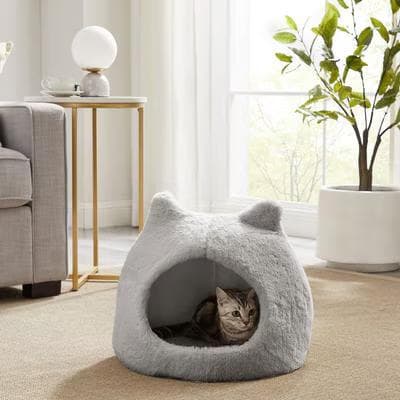
Covered, igloo-style cat bed in soft plush with a water-resistant bottom, giving cats a cozy enclosed spot to curl up. Grey.
Webvet may earn a commission when you click through to Chewy, at no extra cost to you.
Hovering or Sleeping by the Water Bowl
A cat that starts resting right next to its water bowl, or seems fixated on water and drinks far more than usual, may be experiencing excessive thirst. Increased drinking is a hallmark of several common feline conditions, including chronic kidney disease, diabetes, and hyperthyroidism. A cat drawn to the water source and lingering there is worth paying close attention to.
These are the kinds of illnesses that are often called silent killers because their early signs are so easy to miss. Changes in thirst, urination, appetite, and weight tend to creep in gradually. If your cat is hovering by the water bowl, drinking noticeably more, and urinating larger amounts, schedule a veterinary check so simple bloodwork can look for the underlying cause.
Other Symptoms to Watch Alongside Sleep Changes
A single odd posture rarely tells the whole story. Sleep changes are far more meaningful when you read them alongside other symptoms. If your cat is also sleeping much more than usual, our friends at Petful explain why a cat may be sleeping so much and what can lie behind it. Watch for these accompanying signs, which raise the odds that a posture change reflects real illness.
- Appetite changes: eating much less or refusing food entirely, which in cats can quickly become dangerous.
- Vomiting or diarrhea: repeated digestive upset, especially with a belly-guarding or hunched posture.
- Litter-box changes: straining, going more or less often, blood in the urine, or accidents outside the box.
- Grooming changes: a normally tidy cat that stops grooming and looks unkempt, or one that over-grooms one spot.
- Hiding and withdrawal: avoiding people, other pets, and favorite activities it usually enjoys.
- Breathing changes: fast, labored, open-mouth, or belly breathing, which is always urgent.
Sick Sleeping in Kittens vs. Senior Cats
Age changes how quickly a sleep change matters. Kittens have very little reserve, so illness can escalate fast. A kitten that becomes limp, cold, refuses to nurse or eat, or sleeps apart from its littermates can go downhill within hours. In a young kitten, any lethargy, a limp slouched posture, or a failure to warm up is an urgent reason to seek help the same day.
Senior cats naturally sleep more and move more stiffly, so the challenge is telling normal aging from illness. Older cats are prone to arthritis, kidney disease, hyperthyroidism, and other silent conditions, so a new hunched posture, hiding, or increased thirst deserves a closer look rather than being written off as just old age. It also helps to know that twitching and paw movements during rest are usually normal, as our piece on what cats dream about explains, and are not by themselves a sign of illness.
| Sleeping position | How it looks | What it can signal | Urgency |
|---|---|---|---|
| Hunched, head down | Rounded back, head low, body tense | Abdominal pain, nausea, kidney or urinary issues | See vet soon |
| Tense loaf | Rigid tuck, paws forward, strained face | Discomfort, early illness, pain | Monitor, vet if it persists |
| Limp and slouched | Flat, floppy, no muscle tone | Weakness, dehydration, advanced illness | See vet promptly |
| Head pressing | Head pushed into wall or corner | Neurological problem, toxins, liver disease | Emergency |
| Propped sphinx | Chest up, neck out, elbows out, breathing hard | Respiratory distress, heart or lung disease | Emergency |
| Sleeping in litter box | Lying in or over the box | Urinary problem, blockage, stress, weakness | Emergency if straining |
When a Sleeping Position Is an Emergency: Call the Vet Now
Most sleep-related changes give you a little time to observe and book a regular appointment. A few do not. The following signs mean you should contact a veterinarian or emergency clinic right away, without waiting to see if things improve on their own.
- Labored, open-mouth, or belly breathing, or a cat propping itself upright and refusing to lie down to breathe.
- Head pressing into walls or corners, seizures, disorientation, or sudden loss of balance.
- Straining in the litter box, especially a male cat producing little or no urine, which suggests a blockage.
- Collapse or extreme limpness, unresponsiveness, or gums that look pale, white, blue, or yellow.
- A cat that will not eat for more than a day, or a kitten that becomes cold, limp, or refuses food.
When in doubt, call. Because cats hide illness so effectively, an unusual posture that lasts or comes with other symptoms is worth a phone call to your veterinary team, who can advise whether to come in now or monitor at home. It is always better to check early than to wait until a subtle sign becomes a crisis.
How to Make a Sick or Aging Cat More Comfortable
Once your veterinarian has assessed your cat and any urgent problem is addressed, small changes at home can make a recovering or aging cat far more comfortable while it rests. These steps support any treatment plan your vet recommends.
- Offer warm, soft bedding: a well-cushioned, orthopedic, or self-warming bed eases pressure on sore joints and helps a sick cat conserve heat.
- Make essentials easy to reach: keep food, water, and a low-entry litter box close by so a weak or achy cat does not have to travel far.
- Provide a quiet, safe retreat: a calm, draft-free spot away from noise and other pets lets a resting cat feel secure while it recovers.
- Encourage gentle hydration: fresh water, a water fountain, or added moisture through wet food supports cats prone to kidney or urinary trouble.
- Keep monitoring and follow up: note any changes in posture, appetite, or energy and share them with your vet, and never give human medications, which can be toxic to cats.
Relaxed rest vs. sick sleeping at a glance
Pros
- A healthy resting cat looks loose and floppy, sprawled, loosely curled, or in a soft, symmetrical loaf.
- The face is calm with half-closed eyes and normal pupils, and the cat rests in its usual favorite spots.
- The cat wakes easily, greets you, eats normally, and returns to its usual routine and social habits.
Cons
- A sick cat holds a tense, hunched, limp, or propped posture, or curls too tight to guard its belly.
- The face may look squinted, dull, or pained, and the cat hides in dark or unusual spots.
- It is often paired with appetite loss, vomiting, straining, hiding, or labored breathing and warrants a vet visit.
Frequently Asked Questions
What does a cat do before it passes away?
As a cat nears the end of its life, it often becomes very withdrawn and sleeps almost constantly, frequently seeking out a quiet, hidden, or unusual place to rest alone. Its energy drops sharply, it may stop eating and drinking, groom less, and lose interest in people and activities it once enjoyed. Breathing can become slow, shallow, or labored, the body may feel cool, and the cat may lie limp with little muscle tone. These signs vary from cat to cat, and many overlap with treatable illness, so a cat showing them should be seen by a veterinarian, who can confirm what is happening and help keep the cat comfortable and free of pain.
How does a cat sleep when it's sick?
A sick cat often sleeps in tense, guarded, or unusual positions rather than in a soft, relaxed sprawl. Common sick sleeping postures include a hunched pose with the head hanging low, a rigid loaf with the paws pushed forward, lying limp and flat with no muscle tone, curling too tightly to guard the belly, or propping itself upright with its neck extended when it struggles to breathe. Where it sleeps changes too, with sick cats often hiding in dark spots, resting in the litter box, or hovering by the water bowl. A change from your cat's normal resting habits, especially with other symptoms, is the biggest clue.
How do cats lay if they don't feel good?
When cats do not feel good, they tend to lie in ways that protect a sore body or reflect low energy. Many sit hunched with a rounded back and lowered head, hold a tense loaf instead of a relaxed one, or curl up tightly with their paws over the belly to guard the abdomen. A very unwell cat may lie flat and limp on a cool floor with no muscle tension, while a cat with breathing trouble props itself upright rather than lying on its side. They also often choose out-of-the-way, hidden, or unusual spots. Any of these, particularly when new or paired with not eating, vomiting, or hiding, is a reason to call your veterinarian.
What is the silent killer in cats?
Silent killer is a term used for serious feline diseases that progress with very subtle, easy-to-miss early signs, including chronic kidney disease, hyperthyroidism, heart disease, diabetes, and some cancers. They earn the name because cats instinctively mask illness, so owners may not notice a problem until it is advanced. Early clues are often quiet changes in thirst, urination, appetite, weight, energy, and resting posture, such as a cat that starts hovering by the water bowl or sitting hunched. Because these conditions are so stealthy, routine wellness exams with bloodwork, especially for older cats, are the best way to catch them early while they are more manageable.
What age is considered old for a cat?
Cats are generally considered mature from around seven years of age, senior from about eleven, and geriatric from roughly fifteen years and up. Many cats live well into their late teens and some reach their twenties, so being a senior is not the same as being frail. What matters for sleep is that older cats naturally rest more and move more stiffly, and they are more prone to silent conditions like arthritis, kidney disease, and hyperthyroidism. Because of that, a new hunched posture, increased hiding, or greater thirst in a senior cat should prompt a veterinary check rather than being dismissed as simply old age.
What do cats do right before they pass away?
In the final hours, a dying cat is usually extremely weak and quiet, resting almost constantly and often lying limp in a secluded spot. It typically stops eating and drinking, may become unresponsive to its surroundings, and its body temperature drops so it feels cool to the touch. Breathing often changes, becoming slow, shallow, irregular, or labored, and the cat may lose control of its bladder or bowels. Some cats seek isolation while others want to stay close to their owner. Because these signs can also appear with treatable emergencies, any cat that seems to be declining should be seen by a veterinarian, who can determine what is happening and ensure the cat is not suffering.
What is the 3-3-3 rule for cats?
The 3-3-3 rule is a rough guideline for how a newly adopted cat tends to adjust to a new home. In the first three days, the cat is often frightened and may hide, eat little, and stay tucked away in a safe spot. Over the first three weeks, it usually begins to settle in, learn the routine, and explore more confidently. By around three months, most cats feel at home and show their true personality. It is useful for setting expectations after adoption, because a lot of hiding and cautious resting early on is normal stress rather than illness. That said, if a new cat will not eat, seems limp, or shows the sick postures described above, it still needs a veterinary check.

Editor
The Webvet Editorial Team is the in-house group of pet-care editors and writers behind Webvet, operated by Smart Pet Collective. The team researches, writes, and maintains Webvet's pet health, behavior, and medication content. Every article follows a defined editorial process: research from reputable veterinary and scientific sources, careful drafting, mandatory review of medical content by a credentialed veterinarian, and dated publication. Health and medication articles are medically reviewed by a licensed veterinary professional before they go live and are kept current over time.


