Cat Loaf Position: What It Means When Your Cat Sits Like Bread
Why does your cat sit like a loaf of bread with paws and tail tucked under? This guide breaks down what the cat loaf position means, its many variations, and when a loaf is a warning sign.

This article contains affiliate links. Webvet may earn a commission when you buy through them, at no extra cost to you.
If your cat tucks all four paws and its tail underneath its body and sits perfectly still, rounded and compact, you are looking at the famous cat loaf. The cat loaf position, sometimes called loafing, the kitty bread shape, or the classic loaf, is one of the most recognizable and beloved poses in the feline world, and it usually means your cat feels calm, warm, and safe. But not every loaf is a happy one. This guide explains exactly what the loaf position is, why cats do it, the many named variations you may spot, and the important moments when a loaf-like posture is actually a sign that something is wrong.
- 1The cat loaf is a resting position where a cat tucks its paws and tail under its body, forming a rounded bread-loaf shape.
- 2A relaxed loaf usually signals comfort, contentment, warmth conservation, and a feeling of safety, often paired with a calm face and half-closed eyes.
- 3Loafing can also be a trust signal, because a cat that hides its paws is temporarily giving up its fastest way to defend itself or flee.
- 4There are many playful loaf variations, including the full loaf, partial tuck, face loaf, Sphynx loaf, double loaf, and loaf boat.
- 5A tense, hunched loaf with a rounded back, forward paws, dilated pupils, or a pained expression can signal illness or pain and warrants a call to your veterinarian.
What Is a Cat Loaf?
A cat loaf is a resting posture in which a cat sits upright but folds its front paws underneath its chest and tucks its tail in close, so the whole body settles into a smooth, rounded shape that looks strikingly like a loaf of bread fresh from the oven. The internet nicknamed it the loaf, and the name stuck. You may also hear it called making bread, the bread cat, or simply loafing.
The defining feature is hidden paws. In a true loaf, the front legs are folded flat and tucked out of sight beneath the body rather than stretched out in front. The tail is usually curled around the side or tucked underneath, and the cat sits with its chest resting near the surface while the head stays upright and alert. The result is a compact, self-contained little package of cat.

The loaf sits somewhere between fully awake and fully asleep. A loafing cat is resting and conserving energy, but the upright head means it is still paying attention to the room. It is one of many recognizable feline resting poses, and it helps to understand it alongside the full range of cat sleeping positions that reveal how your cat is feeling at any given moment.
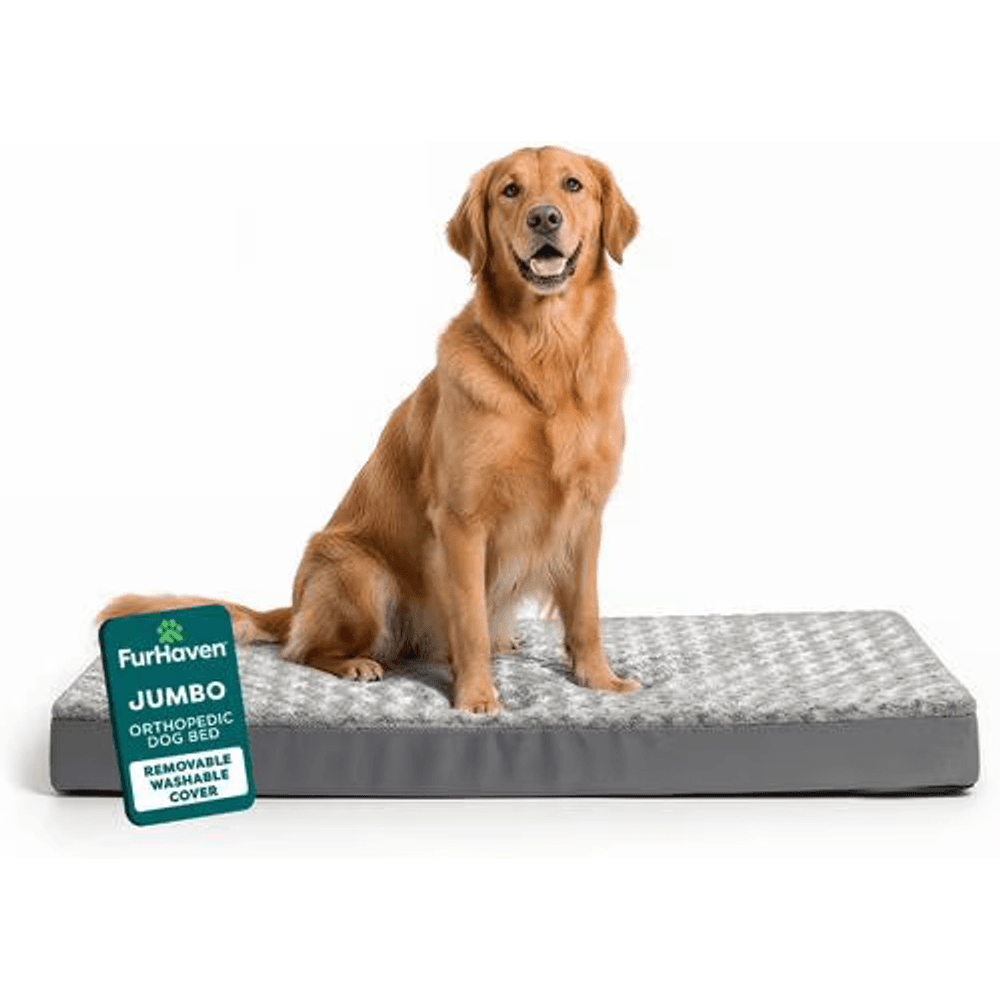
A plush orthopedic foam mattress that cushions aging joints and pressure points, giving a stiff or trembling senior dog warm, supportive rest.
Webvet may earn a commission when you click through to Chewy, at no extra cost to you.
Why Do Cats Loaf? The Main Reasons
Most of the time, loafing is a good sign. Cats settle into a loaf for a handful of practical and emotional reasons, and often several of them at once. Here are the main drivers behind the pose.
Comfort and Contentment
The simplest reason a cat loafs is that it is comfortable and relaxed. A cat that folds its paws away is signaling it has no intention of moving anywhere fast. When the loaf comes with slow blinking, half-closed eyes, and a soft, unbothered face, you are looking at a genuinely content cat that is enjoying a peaceful rest in a spot it likes.
Warmth and Conserving Body Heat
Loafing is also excellent thermoregulation. By tucking the paws and tail under the body, a cat reduces the surface area exposed to cool air and traps warmth against its belly and chest. Cats prefer temperatures warmer than most people keep their homes, so the loaf is a clever way to stay cozy. You will often notice more loafing on cool mornings, near heat vents, or in a patch of sun.
Safety While Staying Alert
The loaf is a light-rest posture rather than a deep-sleep one. With its head up and body compact, a cat can doze while remaining ready to react if something changes. This suits a species that sleeps a great deal each day but instinctively keeps one ear on its surroundings. A cat that loafs in the open is comfortable enough to rest there, yet poised enough to move if it wants to.
Trust and Feeling Secure
There is a subtle vulnerability built into the loaf. When a cat tucks its paws underneath, it temporarily gives up its quickest tools for defending itself or bolting away. Choosing to loaf, especially near you or in a busy part of the home, is a quiet vote of confidence that the cat feels safe and unthreatened in that environment.
Cat Loaf Position Types: A Field Guide
Cat lovers online have lovingly catalogued the many forms the loaf can take. They are not official scientific categories, but they are a fun and useful way to describe what your cat is doing. Here are the most commonly named variations.
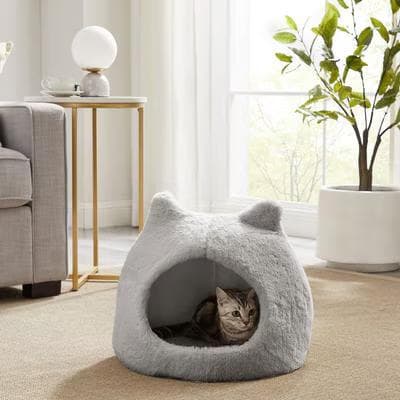
Covered, igloo-style cat bed in soft plush with a water-resistant bottom, giving cats a cozy enclosed spot to curl up. Grey.
Webvet may earn a commission when you click through to Chewy, at no extra cost to you.

- Full loaf: the textbook version, with all four paws and the tail completely hidden and the body a neat, symmetrical bread shape.
- Partial tuck: a loaf in progress, where one paw is still peeking out. Often a cat is either settling into or rising out of a full loaf.
- Face loaf: a deeper loaf where the cat lowers its chin and face toward the surface, so the head almost disappears into the loaf.
- Sphynx loaf: the term for a hairless-breed loaf, where the tucked shape is especially crisp and sculptural without fur to soften the outline.
- Meatloaf: a looser, flatter, more spread-out loaf. Beware, though, that a very hunched meatloaf can also be a pain posture, covered further below.
- Double loaf: two cats loafing side by side, a bonus for multi-cat households and a strong sign both cats feel relaxed together.
- Loaf boat: a loaf perched on a narrow ledge or edge, where the tucked shape balances neatly like a little boat on a shelf.
Does a Cat Loafing Mean They Trust You?

Often, yes. Because loafing means hiding the paws and giving up a fast escape, a cat that chooses to loaf near you or in a shared space is showing it feels secure in your presence. It is one of many small, quiet ways cats express comfort and bonding, in the same family of behaviors as choosing to sleep on you. A loaf on your lap, at the foot of your chair, or in the middle of a busy room is a genuine compliment.
That said, a loaf is a resting pose, not necessarily an invitation to be picked up or handled. A content loafing cat may prefer to simply be near you rather than fussed over. If you want to build on that trust, our friends at Petful have a helpful guide to how to pet a cat that explains how to read the signals and interact in a way your cat welcomes.

Lickable cat treats with real chicken, made to support comfort and tranquility. 12 single-serve 0.5-oz tubes.
Webvet may earn a commission when you click through to Chewy, at no extra cost to you.
Are Cats Happy When They Loaf?
In the vast majority of cases, a loafing cat is a happy, relaxed cat. The pose is closely tied to comfort, warmth, and security, so seeing your cat loaf regularly is a reassuring sign of a settled, low-stress pet. The key is always to read the loaf in context rather than in isolation.
A happy loaf comes with a calm face, relaxed or half-closed eyes, normal-sized pupils, ears in a neutral forward position, and a body that looks soft and settled. If those relaxed signals are present, you can safely assume your cat is enjoying itself. It is only when the loaf looks tense, or is paired with other worrying signs, that happiness is in question.
What Is a Perfect Cat Loaf?
Among cat fans, a perfect loaf is a lighthearted internet ideal: the most complete, symmetrical version of the pose. While there is no official scoring system, enthusiasts generally agree a perfect loaf hits a few marks.
- All four paws hidden: not a single toe bean is visible; the legs are fully folded away.
- Upright, alert head: the head sits up neatly rather than drooping, completing the bread-loaf silhouette.
- Symmetrical, compact shape: the body forms a smooth, even mound, tail tucked so the outline reads unmistakably as a loaf of bread.
The perfect loaf is entirely about aesthetics and fun, not health. A slightly imperfect loaf, with one paw poking out or the head lowered, is every bit as content and normal. The scoring is purely for the joy of it.
When Loafing Is a Warning Sign: The Hunched or Pain Loaf
Here is the crucial nuance. Cats are experts at hiding pain and illness, and a sick cat will sometimes hold a position that looks like a loaf at first glance but is really a protective, hunched posture. Learning to tell the difference is genuinely important for your cat's welfare.


360-degree Wi-Fi pet camera so you can watch your cat's resting breathing rate and behavior from your phone and catch worrying changes early.
Webvet may earn a commission when you click through to Chewy, at no extra cost to you.
A relaxed loaf looks soft, symmetrical, and settled, with a calm face. A pain loaf or hunched posture looks tense and guarded. The cat may sit with its back rounded and hunched up, its paws pushed forward rather than tucked away (sometimes called meatballing), its head hanging low, and its whole body held rigidly. This is a cat trying to protect a sore belly or simply feeling too unwell to lie down properly.
Watch especially for a loaf that comes with these warning signs, which suggest discomfort rather than contentment:
- Hunched, rounded back and forward paws instead of a smooth tuck, often held tightly and tensely.
- Dilated pupils, squinting, or a grimacing face rather than relaxed, half-closed, contented eyes.
- Restlessness or an inability to settle, shifting repeatedly, or holding the hunched pose in an unusual, out-of-the-way spot.
- Other symptoms alongside the posture, such as not eating, hiding, vomiting, straining in the litter box, labored breathing, or lethargy.
Loaf vs. Other Cat Sleeping Positions
The loaf is just one entry in a whole vocabulary of feline resting poses, and each one tells you something a little different about how relaxed or alert your cat feels. Here is how the loaf compares with a few other common positions.
| Position | What it looks like | What it usually means |
|---|---|---|
| Loaf | Paws and tail tucked under, upright head, bread shape | Relaxed but alert, comfortable, warm, feeling safe |
| Curled in a ball | Nose to tail, body wrapped into a tight circle | Deeper rest, warmth, and a touch of self-protection |
| Side sleeping | Fully stretched out on one side | Deep, trusting sleep in a cat that feels very safe |
| Belly up | On the back with belly exposed | Maximum trust and relaxation, the most vulnerable pose |
| Hunched pain loaf | Rounded back, forward paws, tense body | Possible pain or illness, a reason to watch closely |
For a closer look at the cozy circle, see our guide to why a cat curls up in a ball, and to understand the most trusting pose of all, read what it means when a cat sleeps on its back. Together these positions build a fuller picture of your cat's mood.
How to Read the Rest of Your Cat's Body Language While Loafing
The loaf itself sets the scene, but the details of the face and body tell you how your cat truly feels. Read these together for the full message:
- Ears: neutral, forward-facing ears mean a calm cat; flattened or sideways ears suggest fear, irritation, or discomfort.
- Eyes: half-closed eyes and slow blinks signal contentment; wide eyes with dilated pupils can mean arousal, fear, or pain.
- Tail: a tail curled softly around the body reads as relaxed; a twitching or thrashing tail signals rising annoyance even in a loaf.
- Whiskers: whiskers held loosely to the side suggest calm; whiskers pulled tightly back against the face can indicate stress or pain.
When posture and facial cues point toward discomfort rather than calm, it is worth learning the fuller set of clues in our guide to cat sleeping positions when sick, so you can act early if your cat is not feeling well.
How to Encourage Your Cat to Loaf Comfortably
Because loafing is a sign of a relaxed, secure cat, you can make it more likely simply by giving your cat the conditions it needs to feel comfortable. A few small changes go a long way.

- Offer warm, cozy spots: soft beds, a sunny windowsill, or a self-warming pad give your cat inviting places to settle into a loaf.
- Provide safe, elevated perches: cats feel secure when they can survey the room from above, so shelves, cat trees, and window perches encourage relaxed resting.
- Keep stress low: predictable routines, quiet retreats away from noise, and gentle handling help your cat feel safe enough to rest in the open.
- Do not force it: you cannot make a cat loaf on command, and you should never disturb a resting cat to pose it. Comfort comes on the cat's terms.
Where your cat chooses to loaf also matters. If it settles near you, that is part of the bond, and you can learn more about what those choices mean in our guide to cat sleeping positions with an owner and their meaning.
Relaxed loaf vs. hunched pain loaf at a glance
Pros
- A relaxed loaf has a soft, symmetrical bread shape with paws neatly tucked away.
- The face is calm, eyes are half-closed or slow-blinking, and pupils look normal.
- The cat settles easily in a favorite, comfortable spot and looks generally content.
Cons
- A pain loaf looks tense and hunched, with a rounded back and paws pushed forward.
- The eyes may be squinted or have dilated pupils, and the cat looks guarded or grimacing.
- It is often paired with hiding, not eating, restlessness, or straining, and warrants a vet call.
Frequently Asked Questions
What does it mean if my cat is a loaf?
If your cat is a loaf, it means it is resting in a compact, tucked-up position with its paws and tail folded underneath, forming a bread-loaf shape. In most cases it signals a calm, comfortable, and secure cat that is conserving warmth while staying lightly alert. Paired with a relaxed face and half-closed eyes, a loaf is a reassuring sign of contentment. The main exception is a tense, hunched loaf with a rounded back and forward paws, which can indicate pain or illness and is worth watching closely.
Are cats happy if they loaf?
Usually, yes. Loafing is strongly associated with comfort, warmth, and feeling safe, so a cat that loafs regularly is generally a happy, low-stress cat. The pose is a light-rest posture that lets a cat relax while staying aware of its surroundings, which is a sign it feels secure. Just read the loaf in context: a calm face, relaxed ears, and half-closed eyes confirm a happy loaf, while a tense, hunched posture with dilated pupils suggests the cat may not feel well.
Does a cat loafing mean they trust you?
Often it does. When a cat loafs, it tucks its paws away and gives up its quickest means of defending itself or fleeing, so choosing to loaf near you or in a shared, busy space shows it feels safe and unthreatened in your presence. It is one of many quiet ways cats express security and bonding. Keep in mind, though, that a loaf is a resting pose rather than an invitation to be handled; a trusting cat may simply want to be near you rather than picked up.
What is a perfect cat loaf?
A perfect cat loaf is a playful internet ideal for the most complete, symmetrical version of the pose. There is no official scoring system, but enthusiasts generally agree a perfect loaf has all four paws completely hidden with no toe beans visible, an upright and alert head rather than a drooping one, and a smooth, symmetrical, compact body that unmistakably resembles a loaf of bread. It is purely about aesthetics and fun, not health, so a slightly imperfect loaf with a paw poking out is every bit as content and normal.
Are cats happy if they are loafing?
In the great majority of cases, yes, a loafing cat is a happy and relaxed cat. Loafing is tied to comfort, warmth conservation, and a sense of safety, so it is generally a positive sign. The way to be sure is to check the accompanying body language: relaxed or half-closed eyes, normal pupils, neutral forward ears, and a soft, settled body all confirm a happy loaf. Concern is only warranted if the loaf looks tense and hunched or comes with other symptoms like hiding, not eating, or restlessness.
What is the silent killer of cats?
Several serious feline conditions are called silent killers because cats hide their symptoms so well, including chronic kidney disease, hyperthyroidism, heart disease, diabetes, and certain cancers. These illnesses often progress with subtle signs, and a cat in discomfort may adopt a tense, hunched loaf-like posture as one of the few outward clues. Because cats instinctively mask pain and illness, any sudden change in posture, appetite, energy, litter-box habits, or weight is worth a veterinary check, and regular wellness exams help catch these hidden problems early.
How do I say "I love you" in cat language?
The most widely recognized way to say I love you in cat language is the slow blink. Look at your cat, then slowly close your eyes and gently open them again, which mimics the relaxed, trusting blink cats give to those they feel safe with. Other ways to communicate affection include calm, unhurried body language, respecting your cat's space, gentle petting in the spots it enjoys, and letting it come to you. A cat that loafs contentedly near you, slow-blinks, and chooses your company is already telling you it feels loved and secure.

Editor
The Webvet Editorial Team is the in-house group of pet-care editors and writers behind Webvet, operated by Smart Pet Collective. The team researches, writes, and maintains Webvet's pet health, behavior, and medication content. Every article follows a defined editorial process: research from reputable veterinary and scientific sources, careful drafting, mandatory review of medical content by a credentialed veterinarian, and dated publication. Health and medication articles are medically reviewed by a licensed veterinary professional before they go live and are kept current over time.


