What Does Mange Look Like on a Cat? Photo Guide
Real clinical cat mange photographs show possible skin patterns, not a home diagnosis. Compare body regions and look-alikes, and prepare useful observations for your veterinarian.

BVMS MRCVS
Medically reviewed by Dr. Pippa Elliott, BVMS MRCVS · Last reviewed

This article contains affiliate links. Webvet may earn a commission when you buy through them, at no extra cost to you.
What does mange look like on a cat? Possible signs include patchy hair loss, crusty ear edges, redness, thick scale, and skin damaged by scratching. Some cats mainly overgroom.
These changes are clues, not a diagnosis: ringworm, fleas, allergies, and other problems can produce a similar appearance, so a veterinary skin test may be needed.
This guide uses documented clinical photographs to explain what to describe to your veterinarian. They show individual cases, not a checklist that every affected cat will match. Do not wait for your cat to resemble a severe photograph before seeking advice, and do not select treatment from a picture alone.
What does mange look like on a cat?
A cat may have red, irritated skin or a coat that looks chewed or uneven. Hair loss and a skin test answer different questions: the first describes a visible sign, while the second may help identify its cause. Do not assume the parasite found in another animal explains your cat’s skin changes.
Mange in cats can look like patchy hair loss with scale, redness, or crusts, but these symptoms are not specific. Pictures show visible signs rather than the mite itself. To tell whether a cat has mange, a veterinarian combines the appearance, history, and appropriate testing instead of relying on a photograph alone.
Describe the whole pattern
Look for the combination of where the skin changed, what changed, and how your cat behaves. A bald patch without itching tells a different story from crusted ear margins with constant scratching, although neither identifies the cause by itself.
A veterinarian needs the whole pattern and may collect samples to distinguish mites from look-alikes.
Prepare for a veterinary skin examination
The Frisco Travel Safety carrier can support a planned visit for a stable cat with skin changes. This link opens the Medium model. Check fit, bring the original photographs, and tell the clinic about suspected contagious disease before arrival. Do not choose a mange medicine from the photograph alone.

Soft-sided travel safety carrier that keeps a stressed cat secure and well-ventilated on the way to the vet, with mesh panels for airflow and a seat-belt loop.
Webvet may earn a commission when you click through to Chewy, at no extra cost to you.
- 1Skin testing may be needed because several diseases share the same appearance.
- 2Clinical photographs illustrate individual cases; they do not identify a mite on your cat.
- 3Veterinary treatment follows the diagnosis, and urgent illness should not wait for a photo comparison.
Useful observations include:
- Hair loss: one small area, several patches, or a wider thinning coat.
- Scale: loose flakes versus material attached to the skin.
- Crusts: thickened, rough areas, particularly near ear margins or the face.
- Redness or raw skin: inflammation or damage from scratching and licking.
- Behavior: persistent scratching, overgrooming, head shaking, or reluctance to be touched.
A black cat may show pale scale clearly, while redness can be difficult to judge through dense or dark fur. Coat color changes visibility, not the diagnostic rules. Gently part the hair if your cat allows it.
Never scrape the skin, pull away a crust, or hold a painful cat down to obtain a closer look.
Early mange in cats and changing skin patterns
A mild-looking patch is not a reliable beginning stage, including on a black cat whose skin is harder to see through the fur. Photograph what has changed and note the first day you noticed it. The veterinarian needs that history without a stage label based on the size or color of the patch.
Early mange in cats may be less dramatic than the photographs people associate with the condition. Small areas of itching, broken hair, or scale can precede more extensive changes, but there are no universal stages that an owner can reliably assign from appearance. Different mites and individual grooming behavior produce different patterns.
| Visible pattern | What it can tell you | What it cannot tell you | Next step |
|---|---|---|---|
| Small patch of thinning hair or scale | Something has changed locally | Whether it is early mange, fungus, or another problem | Photograph and arrange advice if persistent |
| Crusty ear margins or face with itching | Distribution is useful clinical information | Which mite or infection is responsible | Veterinary examination |
| Larger bald or crusted areas | The problem is extensive or changing | A universal “stage” or duration of infestation | Prompt veterinary assessment |
| Less itch and regrowing hair | The skin may be improving | Whether mites are cleared or contagion has ended | Keep the scheduled recheck |
| Painful sores or an unwell cat | Care may be urgent | Whether a picture match is needed first | Call your veterinarian promptly |
A real case with multiple affected regions
The clinical photographs below come from a published case report of two cats with confirmed Notoedres cati infestation and other health problems. In the male cat, the authors documented skin changes involving several regions, including the head and body. The images show how varied one confirmed case can look.

Photo: Györke et al. (2022), Frontiers in Veterinary Science. CC BY 4.0. Resized and converted to WebP; clinical content unchanged.
Why before-and-after pictures have limits
Before-and-after pictures can show that a particular cat improved, but they cannot tell you which medication your cat needs or how quickly it should work. The cause of the skin changes must first be established. Other illnesses, secondary infection, and the ability to administer treatment can all change the course of care.
Use images to form observations rather than conclusions:
- “The rough area started at the ear edge” is useful.
- “The patch has spread since last Tuesday” is useful.
- “This photo proves it is the same mite” goes beyond what a picture can establish.
- “The hair is growing, so I can stop treatment” can interrupt a necessary plan.
An itchy cat can also remove hairs before obvious crusting develops. Conversely, a cat with thick crusts may have been hiding signs from you. The day you first notice a patch is not necessarily the day the problem began. Give the veterinarian the observation date without trying to assign an exact infestation age.
Keep resting-area care straightforward
A Pet Parents Pawtect blanket gives you a removable, washable layer for a resting area while following the clinic’s care plan. The linked variant is Small. Follow the fabric care label and the veterinarian’s contact precautions. A blanket cannot prevent transmission or establish whether a changing patch is improving.
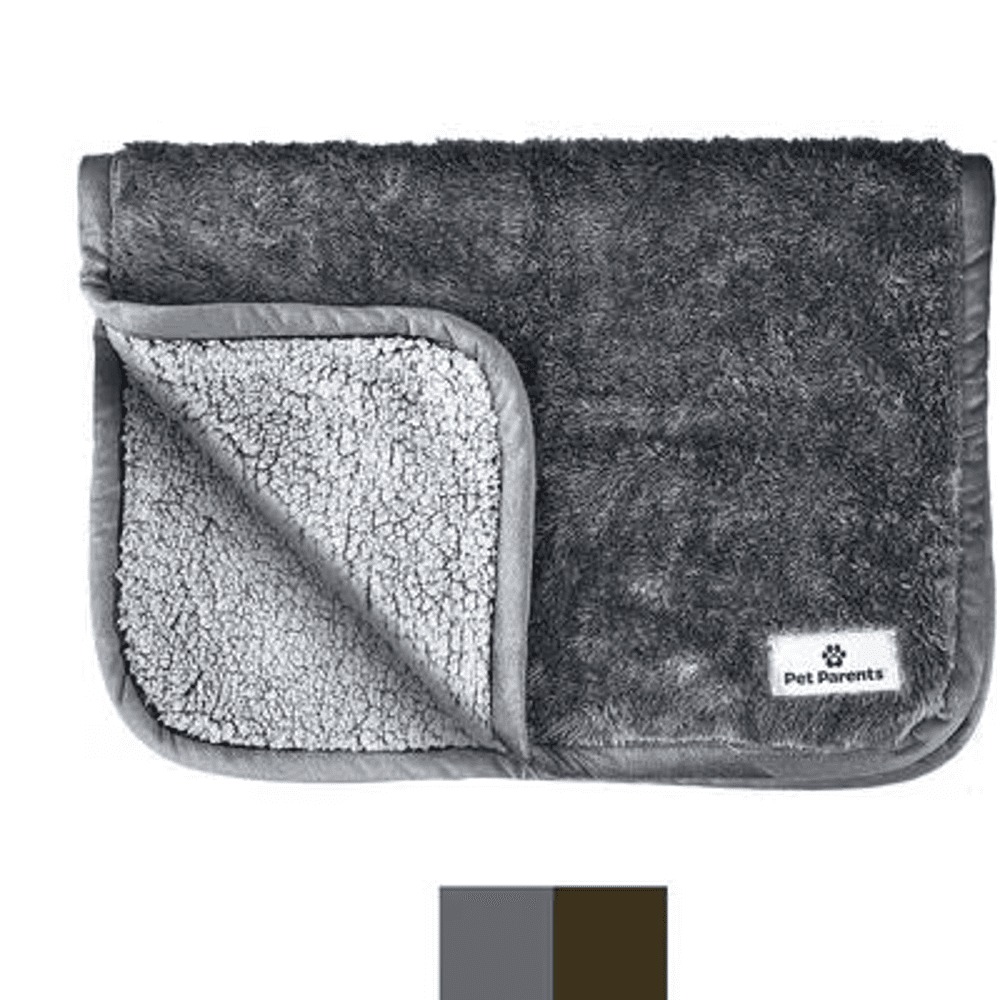
 $65 · no membership
Is your cat's itching or skin issue getting worse?
A licensed vet can examine your cat over video and prescribe treatment online when it's appropriate.
 Talk to a vet
- Licensed vets
- All 50 states
- same-day Rx
Webvet may earn a commission if you book.
Mange on a cat’s ears, face, and body
Location narrows the conversation, but it does not diagnose mange. Notoedric mange commonly involves the ear margins, head, and neck, while feline demodicosis can have different patterns. Ear mites principally affect the ear canal. A photograph of a crusty outer ear cannot show what is happening deeper inside it.
Ears and face
Describe whether the change involves the outer ear edge, the skin in front of the ear, or visible debris near the canal opening. Note scratching, head shaking, sensitivity, or an unusual smell. Those details help the veterinarian decide how to examine the ear and which samples may be informative.
Do not insert cotton swabs, tweezers, or a phone accessory into the ear. Do not remove debris simply to get a cleaner photograph before an appointment. If your cat seems painful, leave the area alone. Swelling near an eye, severe scratching, or difficulty opening the eye warrants prompt veterinary advice.
Legs, trunk, and tail
Mange-related skin changes can extend beyond the head, but hair loss on the legs, trunk, or tail also has many other explanations. Observe whether the hairs look broken, whether the skin is crusted, and whether your cat repeatedly licks the area. These are descriptions the clinic can use without presuming the cause.

Photo: Györke et al. (2022), Frontiers in Veterinary Science. CC BY 4.0. Resized and converted to WebP; clinical content unchanged.
Why demodectic mange may look different
Demodex cati and Demodex gatoi are different mites. D. cati inhabits hair follicles; D. gatoi is more superficial and can cause itching and overgrooming. The Merck Veterinary Manual describes the differences and the need for appropriate sampling. The general word “mange” does not make their appearance or contagion identical.
Use a region-by-region check only while your cat remains comfortable. There is no need to inspect every inch in one session. A short, clear record of the areas you can see is more useful than a stressful examination that leads to a bite or scratch. Leave sensitive areas for veterinary staff.
Check flea clues without scraping damaged skin
On comfortable, intact skin, a Frisco single-row flea comb can help you notice fleas or coat debris to report. Do not comb through crusted, raw, or painful areas, and do not scrape the skin looking for mites. A flea finding may help explain a look-alike, but a clean comb does not diagnose or exclude mange.

Webvet may earn a commission when you click through to Chewy, at no extra cost to you.
Mange vs. ringworm, fleas, and other look-alikes
Mange, ringworm, and flea allergy can all involve hair loss, scale, or damaged skin. Pattern is not a diagnosis. A round patch does not prove ringworm, and crusted ears do not prove mange. Looking for the cause matters because treatment and precautions may differ even when the photographs look similar.
Ringworm
Ringworm is a fungal infection rather than a mite infestation. It may cause broken hairs, patchy hair loss, and scaling, but it does not always form a neat circle. Cats can also have more than one skin problem. A veterinarian may recommend fungal testing even when mites are part of the differential.
Compare the documented explanations in our ringworm photo guide and ringworm in cats overview. Those pages own the ringworm-specific signs and care. Do not use an antifungal product as a test to decide whether a patch is fungal; a partial response may not settle the question.
Fleas and flea allergy
Fleas can cause itching and self-trauma, and a sensitive cat may react even when you do not easily find adult fleas. Dark debris or visible insects are clues to show the clinic, but their absence does not reliably exclude a flea-related problem. Cats remove evidence through grooming, and more than one cause can coexist.
Our guide to what fleas look like on cats covers flea identification. This visual comparison belongs alongside the skin examination, not in place of it. Tell the veterinarian exactly which flea product you use, its species label, and when it was last applied before changing or adding medication.
Allergies, infections, and grooming damage
Allergy, bacterial or yeast complications, and repeated licking can change the appearance of skin. A photograph may show the resulting irritation without showing why it started. Cornell’s feline skin disease guidance emphasizes the range of possible causes and the value of veterinary assessment.
Bring these distinctions to the appointment:
- Is the hair thinning because it falls out or appears chewed short?
- Are flakes loose, or are crusts firmly attached?
- Is the problem limited to one region or appearing elsewhere?
- Are other pets itchy or developing hair loss?
- Have you noticed a rash on anyone who handles the cat?
These questions do not establish the diagnosis at home. They make the history clearer and help avoid a treatment chosen solely because one online picture looks familiar. If the problem is progressing, take the next appointment offered rather than spending more time comparing images.
How to photograph skin changes for your vet
Real case photographs cannot supply universal stages for another cat. A same-angle photo log makes clinical follow-up more informative by documenting that cat’s own changing pattern. Record the location, date, and treatment history alongside the images. This practical record helps compare visits without turning a picture into a diagnosis or a predicted recovery timetable.
Record a prescribed skin product accurately
If the veterinarian has already selected MiconaHex+Triz shampoo for a responsive bacterial or fungal skin problem, include its name and use dates in the photo log. It is labeled for cats, but it is not a mange-mite treatment. Do not start bathing a new lesion before the examination unless the clinic directs you to.
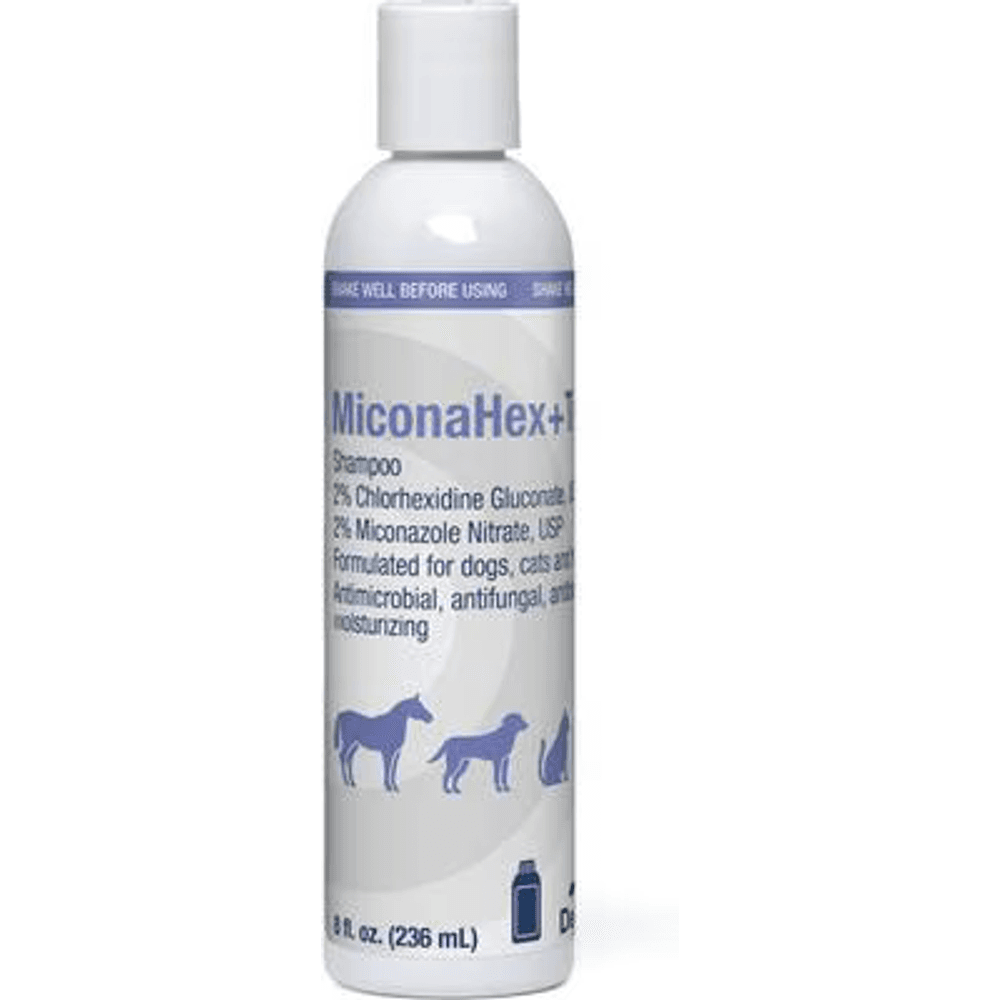
A vet-strength medicated shampoo pairing 2% chlorhexidine and 2% miconazole, a potent antifungal and antibacterial combination widely used to help clear ringworm and yeast or bacterial skin infections.
Webvet may earn a commission when you click through to Chewy, at no extra cost to you.
A same-angle photo log can show whether the affected area is changing. It is especially useful when a lesion is hard to find during an appointment or your cat grooms away loose material. Keep the original photographs without filters, color adjustments, or edits that alter the skin’s appearance.
Try this sequence when your cat is calm:
- Take an overview. Include enough of the cat to show where the lesion is located.
- Take a closer view. Gently part fur only if tolerated. Keep the area in focus without touching sore skin.
- Use similar lighting. Indirect daylight usually shows detail better than harsh shadows or a bright flash.
- Record the date and location. Note itching, appetite, and any medication administered that day.
- Repeat only as needed. The aim is useful comparison, not frequent handling of a painful area.

A ruler can help document size if it can be held nearby without contacting broken skin or distressing the cat. Do not place coins or other shared objects onto lesions. If holding a scale is awkward, skip it and provide the overview photograph.
Accurate location and a comfortable cat matter more than a perfectly measured picture.
Include information photographs cannot show
Note whether your cat scratches when you are not handling it, sleeps normally, eats normally, and avoids being touched. Short video may help show a movement such as repeated head shaking. Send files through the clinic’s preferred route rather than expecting an image alone to provide an immediate diagnosis.
Ask what to expect during a cat skin examination. A clinic may need skin testing, an ear examination, or another procedure despite a clear photograph. Do not interpret that request as a failure of the pictures. Images describe appearance; samples can answer a different question.
Before the visit, ask whether to leave the area unwashed and whether the clinic wants samples or photographs sent in advance. Bring the exact product packages if anything has already been applied. These practical details help the veterinary team interpret the skin as it currently appears and avoid accidental duplication of medication.
What to do after noticing possible mange
There is no reliable photo-based answer to how fast a cat could die from untreated mange complications. An unwell cat needs prompt help whatever the coat looks like. Contact the clinic for weakness, loss of appetite, or extensive painful sores. Do not wait for the skin to match an advanced case online.
A cat mange sample examined under a microscope can answer questions that pictures cannot. Even early-stage mange can be contagious to other cats or sometimes humans, depending on the mite. Appearance cannot establish the incubation period. The best medicine follows veterinary diagnosis; photographs cannot determine whether the cause is sarcoptic mange or another condition.
Treatment decisions belong with the diagnosis
The full treatment guide explains veterinary options such as lime sulfur and selected antiparasitic medicines, along with their limits. It also explains why home remedies including apple cider vinegar, peroxide, neem or castor oil, and colloidal silver do not establish safe, effective care. Do not choose a shampoo, dip, tablet, or spray from photographs.
Cats with suspected mange need a treatment decision based on the mite, not a picture match. Some forms can spread to humans or other cats, and contact with dogs or wildlife may matter. Reports of foxes or squirrels cannot identify the parasite. Ask about exposed pets, safe handling, and the appropriate diagnostic samples.
Arrange care and avoid trial remedies
Arrange veterinary advice, particularly if itching, crusts, or hair loss are persistent or spreading. Avoid close contact with other pets when practical until you have guidance, and report skin symptoms in household animals or people. Our mange in cats guide explains mite-specific treatment, contagion, household assessment, and recovery.
Do not test the diagnosis with vinegar, hydrogen peroxide, dish soap, oils, or a dog’s mange treatment. A product may clean the coat or change the surface appearance without resolving the cause. The treatment guide explains why veterinary diagnosis and a cat-appropriate plan matter more than an over-the-counter “mange” claim.
After treatment begins, keep the planned rechecks and ask what veterinary clearance will involve. The return of fur is encouraging, but appearance alone cannot prove mites are gone or tell you when every household precaution can stop. A photo log is most useful when it supports, rather than replaces, that follow-up plan.
Frequently asked questions
Can mange in cats heal on its own?
Mange in cats should not be left to heal on its own without veterinary assessment. You cannot predict clearance from a photograph or from a small patch looking better. Different mites and underlying health conditions require different decisions. Arrange a veterinary examination rather than waiting for suspected mange to disappear.
Even if your cat seems comfortable, an apparently mild condition can be contagious or may represent a different skin disease needing treatment.
Can a normal-looking housemate still carry mites?
Yes, a normal-looking housemate can still carry mites in some circumstances. Apparently healthy cats may still matter in a household assessment for some contagious mite infestations. A normal-looking coat does not provide the same information as an examination and the relevant testing. Tell the veterinarian about every exposed pet.
Do not medicate all animals with the same product unless the veterinarian has selected an appropriate plan for each.
Does a bald patch always mean mange?
A bald patch does not always mean mange. Ringworm and allergies, along with other causes of inflammation or overgrooming, can leave a bald patch. Shape and color are not reliable enough to separate them. Skin testing and an accurate history may be needed.
Avoid applying several treatments before the appointment, because irritation and changing appearances can make the original pattern harder to assess.
Can photos tell me when my cat is no longer contagious?
Photos cannot tell you when your cat is no longer contagious. Regrowing fur and less crusting can show improvement, but veterinary clearance depends on the diagnosed condition and follow-up plan. Some cats improve visibly before treatment is complete. Ask when contact with other pets can resume and whether any recheck tests are needed.
Keep household precautions until the treating veterinarian advises how to change them.
$65 · no membershipIs your cat's itching or skin issue getting worse?
A licensed vet can examine your cat over video and prescribe treatment online when it's appropriate.
Talk to a vet- Licensed vets
- All 50 states
- same-day Rx
Webvet may earn a commission if you book.

Editor
The Webvet Editorial Team is the in-house group of pet-care editors and writers behind Webvet, operated by Smart Pet Collective. The team researches, writes, and maintains Webvet's pet health, behavior, and medication content. Every article follows a defined editorial process: research from reputable veterinary and scientific sources, careful drafting, mandatory review of medical content by a credentialed veterinarian, and dated publication. Health and medication articles are medically reviewed by a licensed veterinary professional before they go live and are kept current over time.
Veterinarian · BVMS MRCVS
Dr. Pippa Elliott, BVMS, MRCVS, is a veterinarian with nearly 30 years of experience in companion animal practice. Dr. Elliott earned her Bachelor of Veterinary Medicine and Surgery from the University of Glasgow. She was also designated a Member of the Royal College of Veterinary Surgeons. Married with 2 grown-up kids, Dr. Elliott has a naughty Puggle named Poggle, 3 cats and a bearded dragon.


