Spay Recovery Timeline for Dogs and Cats: A Vet-Reviewed Guide
Spay recovery takes about 10 to 14 days. This vet-reviewed hub covers the day-by-day timeline, incision and cone care, activity limits, warning signs that mean call your vet, and recovery gear for dogs and cats, with deep-link guides for each species.

BVMS MRCVS
Medically reviewed by Dr. Pippa Elliott, BVMS MRCVS · Last reviewed

This article contains affiliate links. Webvet may earn a commission when you buy through them, at no extra cost to you.
Spaying and neutering are two of the most common surgeries your dog or cat will ever have, and the recovery is usually smooth. Still, the first two weeks matter. Spay recovery takes about 10 to 14 days, and how well you manage that window (keeping the cone on, restricting activity, and watching the incision) largely decides whether your pet heals uneventfully or ends up back at the clinic.
- 1Recovery takes about 10 to 14 days; keep the cone or recovery suit on the whole time.
- 2Restrict activity: no running, jumping, or rough play.
- 3Check the incision twice daily and keep it clean and dry (no baths).
- 4Give all prescribed medication on time and never human painkillers.
- 5Call the vet for redness, swelling, discharge, an open incision, or a pet who will not eat.
This is the shared hub for spay and neuter recovery across dogs and cats. Below you will find the recovery timeline, incision care, activity rules, warning signs, and recovery gear, plus links to our species-specific deep guides. Spaying and neutering are routine, beneficial procedures, and the AVMA notes that the exact timing and aftercare should be individualized with your own veterinarian. This article is general education, not a replacement for your vet's specific post-op instructions.
The load-bearing safety rules (read these first)
Before anything else, four rules protect your pet during recovery. Everything else in this guide supports these.
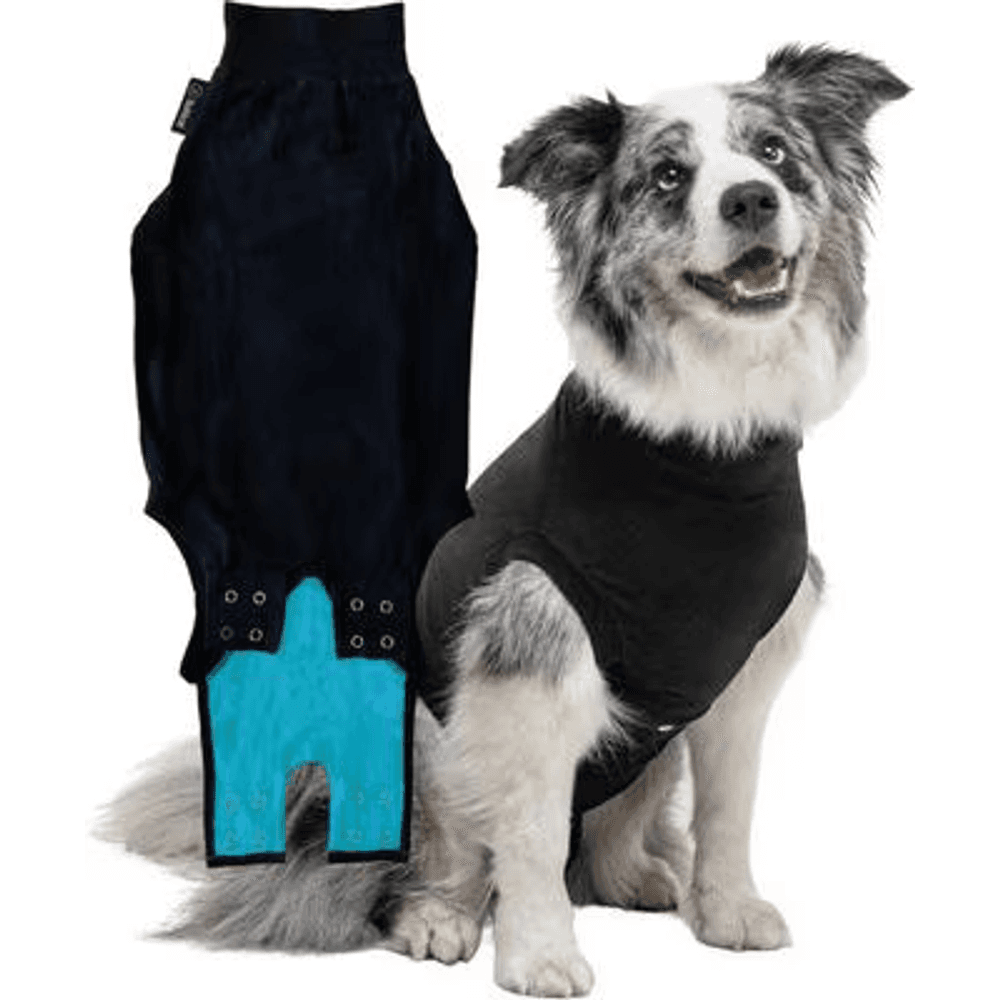
A breathable full-body recovery suit that covers a spay or abdominal incision, the vet-recommended cone alternative that lets a dog rest, walk, and go potty normally without licking or scratching the wound.
Webvet may earn a commission when you click through to Chewy, at no extra cost to you.
How long does spay and neuter recovery take?
Spay and neuter recovery takes about 10 to 14 days for both dogs and cats. That is the standard window most veterinarians quote for the incision to close and heal enough to resume normal life.
Full internal healing runs a little longer than the surface does. The skin edges seal within days, but the deeper body-wall layers keep gaining strength for a couple of weeks, which is exactly why activity restriction lasts the full two weeks even after your pet looks and feels fine.
Here is the nuance that trips people up: your pet will often act recovered long before they are recovered. According to VCA Animal Hospitals, dogs should be kept quiet after the operation, with most resuming normal activity somewhere around 5 to 10 days as directed by the veterinarian. Feeling springy on day 4 does not mean the incision is ready for zoomies on day 4.
Cats bounce back fast too. VCA notes that most cats go home within 12 to 24 hours of surgery, and when skin sutures are used they are typically removed about 7 to 10 days later, following your clinic's specific aftercare plan.
A few things shift the timeline within that 10-to-14-day range:
- Procedure type. A spay (removing the ovaries, and often the uterus) is a bigger abdominal surgery than a neuter, so spay incisions generally warrant a touch more caution than a scrotal neuter.
- Species and size. Cats and small dogs often seem to rebound faster than large, high-energy dogs, but the incision still needs the same two weeks.
- Surgical approach. A minimally invasive (laparoscopic) spay uses smaller incisions and can mean a gentler recovery, though your vet still sets the activity limits.
- Your pet's temperament. A calm senior recovers differently from a bouncy puppy or kitten who wants to climb the curtains on day two.
The spay/neuter recovery timeline: what to expect in the first two weeks
Recovery is not one flat stretch. It moves through phases. Here is a species-agnostic overview of the first two weeks. For a dog-specific, day-by-day breakdown, see our full guide to dog spay recovery; cat owners can use cat spay recovery.

| Stage | What is happening | Your job |
|---|---|---|
| Days 1 to 3 | Grogginess from anesthesia, possible reduced appetite, sleepiness. Some pets seem off. | Quiet confinement, small bland meals, cone on, give prescribed pain meds on schedule. |
| Days 4 to 7 | Energy returns, often faster than the incision is ready for. The riskiest window for overdoing it. | Keep restricting activity, leash-only bathroom breaks, check the incision daily. |
| Days 8 to 10 | Incision looks dry and closed; any skin sutures may be removed around now if used. | Stay the course on the cone and rest. Do not assume healed. |
| Day 14 | Typical vet clearance to gradually return to normal activity, if healing is on track. | Follow your vet's go-ahead before resuming runs, jumps, and baths. |
How many days of rest after spay? Plan on the full 10 to 14 days of meaningful rest and activity restriction, not just the sleepy first few days. The ASPCA recommends preventing running and jumping for up to two weeks after surgery.
The single most common recovery mistake is easing off on day 5 or 6 because the pet looks great. That mid-recovery burst of energy is precisely when incisions get strained or reopened.
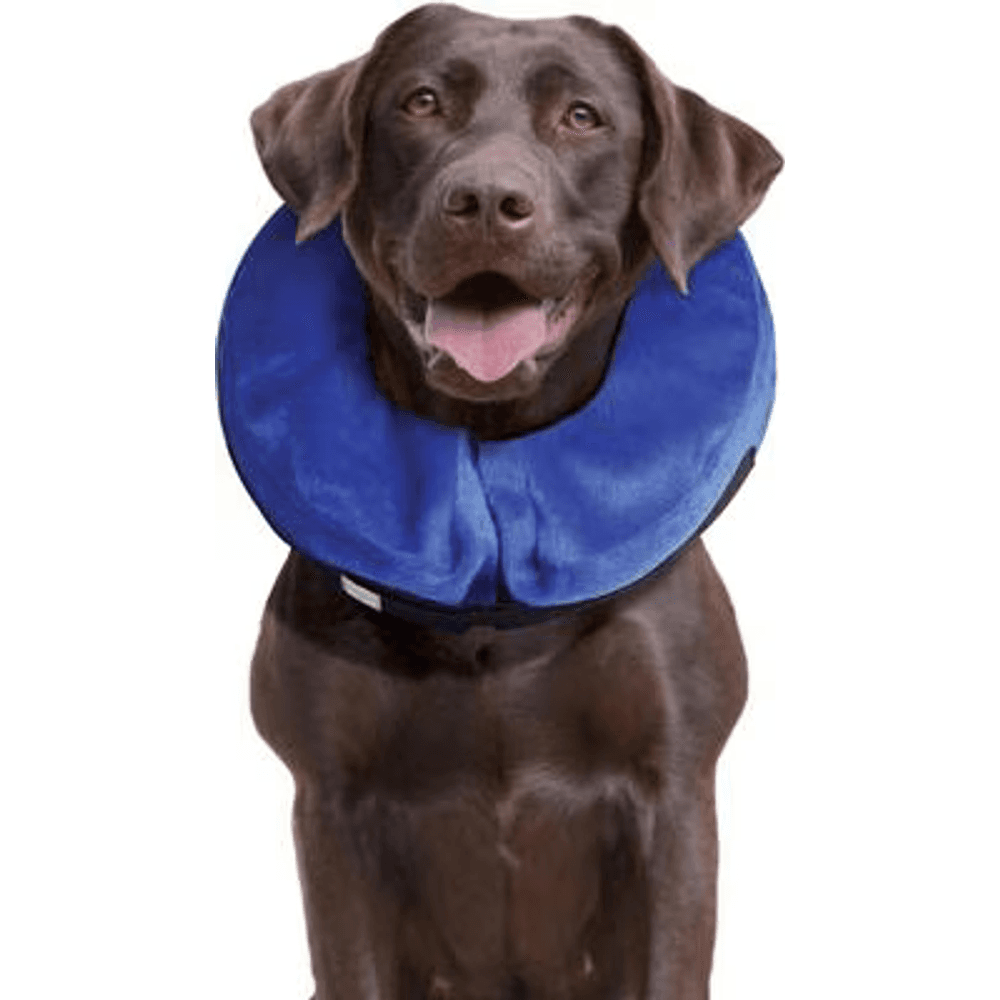
A soft, inflatable donut-style recovery collar that keeps many pets from licking or biting at a healing surgical incision or hot spot while still letting them eat, drink, and sleep in comfort.
Webvet may earn a commission when you click through to Chewy, at no extra cost to you.
Dog spay and neuter recovery (what's different for dogs)
Dogs are the classic feels-better-before-it-is-better patient. By day 4 or 5 many dogs act ready to hike, and that mismatch is the main hazard of canine recovery.
For dogs, VCA advises keeping the dog quiet after the operation, with most resuming normal activity around 5 to 10 days as the vet directs. Restriction still runs the full two weeks even as normal behavior returns.
A few dog-specific notes:
- Female dog spay recovery involves an abdominal incision, so no jumping onto beds or couches, no rough play, and leash-only potty breaks. Our dog spay recovery guide has the full day-by-day plan.
- Dog neuter recovery is usually a bit simpler than a spay. The scrotal area may look swollen or bruised for a few days, which is normal, but discharge, growing swelling, or bleeding is not. See dog neuter recovery for the details.
- Puppy spay recovery and small dog spay recovery can look quick, but the incision heals on the same schedule as an adult's. Do not let a springy puppy or tiny terrier talk you out of the cone.
Where should a bouncy dog channel that energy? Nowhere fast. Short, calm, leashed bathroom trips are the ceiling until your vet clears more.
 $65 · no membership
Have a health question about your pet?
A licensed vet can assess your pet over video and prescribe online when it's appropriate.
 Talk to a vet
- Licensed vets
- All 50 states
- same-day Rx
Webvet may earn a commission if you book.
Cat spay and neuter recovery (what's different for cats)
Cats recover fast and hide discomfort well, which is its own challenge. A cat that seems totally normal may still try to leap onto a bookshelf and pop a stitch.
Per VCA, most cats head home within 12 to 24 hours of surgery, and when skin sutures are used they are usually removed about 7 to 10 days afterward, following your clinic's aftercare instructions. Many modern spays and neuters use buried, dissolvable sutures with nothing to remove, but only your vet's records tell you which you have.
Cat-specific pointers:
- Female cat spay recovery is an abdominal surgery like a dog's, so jumping and climbing are the real risks. Confine your cat to a small, calm room. See cat spay recovery.
- Kitten spay recovery and feline spay recovery in general tend to be quick, but the two-week rule still applies to the incision underneath a lively kitten.
- Cat neuter recovery is typically the simplest procedure of all, often with a tiny scrotal incision and no external sutures. Full details live in cat neuter recovery.
Litter matters for cats: some vets recommend switching to shredded paper or a dust-free pellet litter for a few days so litter grit does not stick to the incision. Confirm with your clinic.
Caring for the incision and keeping the cone on

The incision is the whole ballgame. A dry, closed, slightly pink line is normal. Your two jobs are simple: keep the pet from licking it, and check it once or twice a day.
The ASPCA recommends using an Elizabethan collar (the cone) to stop the pet from licking the incision, and checking the incision daily so you catch problems early. Licking is not soothing for the wound; it introduces bacteria and can pull sutures out.
When to remove the cone after spay? Only when your veterinarian says so, generally once the incision is fully healed at around 10 to 14 days. Removing it early, even for just a minute, is when a lot of licking damage happens.
Incision-care basics:
- Keep it dry. No baths, no swimming pools, and no letting the pet lick until your vet clears it.
- Do not clean it with hydrogen peroxide, alcohol, or ointments unless your vet specifically tells you to. These can irritate the wound.
- Look daily for the warning signs listed below. A quick photo each day makes changes easy to spot.
For a deeper look at what normal healing versus a problem looks like, and how the incision changes across the two weeks, see our companion guide on spay/neuter incision healing.
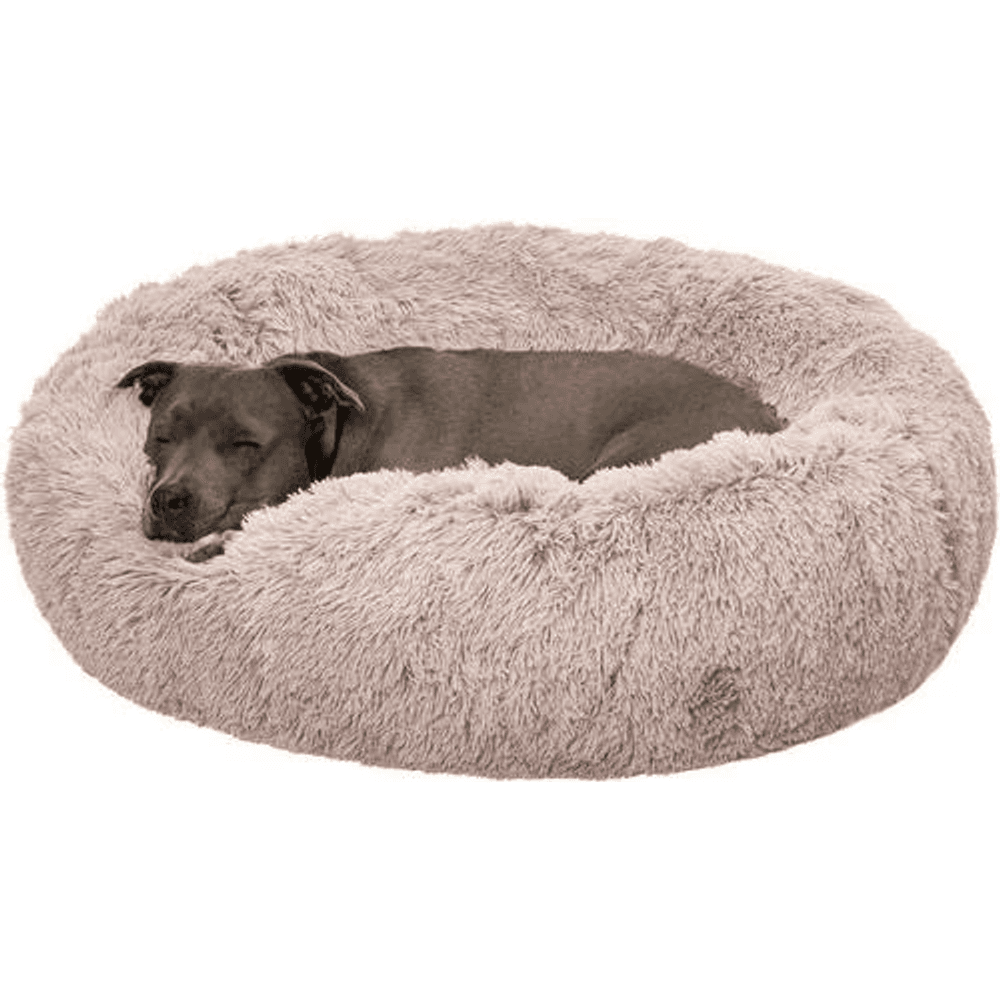
A plush, long-fur donut bolster bed with a raised rim that gives a recovering pet a secure, cushioned place to curl up during the crucial 10 to 14 days after surgery.
Webvet may earn a commission when you click through to Chewy, at no extra cost to you.
Activity restriction: no running, jumping, or stairs

This is where good recoveries go sideways. The incision can look fine on the outside while the deeper layers are still knitting together, so the activity rules are not optional and they run the full two weeks.
The ASPCA advises preventing your pet from running and jumping for up to two weeks after surgery. That means no stairs when avoidable, no jumping on and off furniture, no rough play, and no off-leash time.
Can my dog run 7 days after spay? No. Day 7 falls squarely inside the restriction window. Your dog may feel ready, but the body wall is still healing, and running or jumping at day 7 is a common cause of strained or reopened incisions. Wait for your vet's clearance, usually around day 14.
Where should a dog sleep after spaying? In a small, quiet, easy-to-clean space at floor level, with soft bedding and no need to climb or jump. A crate or a pen in a calm room is ideal. The goal is to remove any temptation to leap onto a bed or couch overnight.
Can I leave my dog alone 3 days after spay? Short, supervised-nearby absences are usually fine by day 3 if your pet is eating, comfortable, and confined so they cannot jump or reach the incision, and the cone stays on. Avoid long or unsupervised stretches early on when a bored, energetic pet is most likely to overdo it or work off the cone. When unsure, ask your vet.
My dog jumped after being spayed, what now? One jump is not automatically a disaster, but watch the incision closely. If you see new bleeding, swelling, an opened or gaping incision, or protruding tissue, call your vet right away.
Warning signs: when to call your veterinarian

Most recoveries are uneventful. But this section is load-bearing: knowing what is not normal is how you prevent a small problem from becoming an emergency.
| Usually normal | Call the vet |
|---|---|
| Slight redness right at the incision line | Spreading or worsening redness and swelling |
| A small amount of bruising | Active bleeding or a wet, oozing incision |
| Mild grogginess on day 1 | Lethargy that lasts beyond the first day |
| Reduced appetite the first evening | Not eating after 24 hours |
| A firm, small lump under the incision that is not growing | A growing lump, gaping incision, or protruding tissue |
A little swelling or a small firm bump under a healing incision can be a normal seroma, but you should not guess. If anything is growing, painful, discharging, or opening, that is a call to the clinic, not a wait-and-see. There is no downside to calling; a two-minute phone check can save a serious problem.
Signs of infection after spay deserve special attention: increasing redness, heat, swelling, pus or foul discharge, and a pet that is dull or off their food. Infections are treatable when caught early, which is exactly why the daily incision check matters.

Probiotic supplement formulated to help dogs maintain calm behavior, with the BL999 strain. Liver-flavored powder in 30 daily sachets.
Webvet may earn a commission when you click through to Chewy, at no extra cost to you.
Recovery gear that helps (cones, suits, calming aids, beds)

The right gear makes the two weeks far easier on both of you. None of it replaces vet instructions, but it helps you follow them.
- The cone (Elizabethan collar). The default tool the ASPCA recommends to stop licking. The plastic clinic cone works, but many pets tolerate a soft or inflatable donut collar better.
- A spay recovery suit. A recovery suit (surgical bodysuit) covers the incision with breathable fabric instead of a cone, and many dogs and cats are far calmer in one. Options include a dog spay recovery suit, a cat spay recovery suit, and a surgical suit for female dogs. Confirm with your vet that a suit is appropriate for your pet's incision.
- Calming aids. For anxious or high-energy pets, vet-approved calming chews, pheromone diffusers, or a snug body wrap can take the edge off enforced rest. Ask your vet before adding anything.
- A low, supportive bed and a crate or pen. A floor-level orthopedic bed removes the temptation to jump, and a crate or pen keeps activity contained.
Not sure whether to use a cone or a suit? Our guide to cone alternatives after spay/neuter compares the options in detail so you can pick what your pet will actually tolerate. Whatever you choose, the rule is the same: the incision stays covered and protected until your vet clears it.
Behavior after spay/neuter and long-term recovery
Beyond the two-week incision window, owners often ask how the surgery changes their pet longer term.
How do female dogs change after getting spayed? The clearest change is medical: spaying ends heat cycles, prevents unwanted litters, and, per the AVMA, is a routine, beneficial surgery. Behaviorally, hormone-driven behaviors tied to the heat cycle (like restlessness or roaming) typically ease. Core personality, though, stays the same. A friendly dog stays friendly.
Are female dogs calmer after spay? Sometimes, but it is not guaranteed and it is not a training shortcut. Hormone-driven behaviors may settle, but energy level and temperament are mostly a product of breed, age, and training. A young, high-drive dog will still be a young, high-drive dog.
Female cat behavior after spaying follows the same pattern. The loud, restless behaviors of a cat in heat (yowling, marking, escape attempts) generally stop, which many owners find is the biggest quality-of-life improvement. The cat's underlying personality does not change.
Spay vs neuter recovery: a neuter is generally a smaller, quicker procedure than a spay, so the neutered pet may seem to bounce back a little faster. Even so, both still need the same two weeks of activity restriction and incision protection. Do not let the easier surgery lull you into skipping the cone.
Long term, the main watch-out is weight. Metabolism can dip after spay/neuter, so many pets need slightly fewer calories to avoid gaining weight. That is a nutrition conversation for your vet, not a recovery-week concern.
Explore our full spay and neuter recovery guides
This hub covers both species at a summary level. For the deep, step-by-step plans, use the dedicated guides:
- Dog spay recovery: the full day-by-day dog timeline and care plan.
- Dog neuter recovery: what is different about a male dog's recovery.
- Cat spay recovery: confinement, litter, and healing for female cats.
- Cat neuter recovery: the simplest procedure and its aftercare.
- Spay/neuter incision healing: what normal healing versus a problem looks like.
- Cone alternatives after spay/neuter: cones, suits, and donuts compared.
Frequently asked questions about spay and neuter recovery
Frequently Asked Questions
How long does it take for a girl dog to recover from spay?
A female dog recovers from a spay in about 10 to 14 days. The skin closes within days, but the deeper body-wall layers keep healing for the full two weeks, which is why activity stays restricted the whole time. VCA notes most dogs resume normal activity around 5 to 10 days as the vet directs, but full clearance is typically at day 14.
Can my dog run 7 days after spay?
No. Day 7 is inside the two-week restriction window. The ASPCA advises preventing running and jumping for up to two weeks after surgery. Your dog may feel ready, but running at day 7 risks straining or reopening the incision. Wait for your vet's clearance, usually around day 14.
How do female dogs change after getting spayed?
Spaying ends heat cycles and prevents unwanted litters, and the AVMA describes it as a routine, beneficial surgery. Hormone-driven behaviors tied to heat (restlessness, roaming) often ease, but core personality stays the same. It is a medical benefit, not a personality change.
How many days of rest after spay?
Plan on the full 10 to 14 days of activity restriction, not just the sleepy first few days. The ASPCA recommends no running or jumping for up to two weeks. Easing off early, around day 5 or 6, is the most common cause of incision problems.
Can I leave my dog alone 3 days after spay?
Short, nearby absences are usually fine by day 3 if your dog is eating, comfortable, confined so it cannot jump, and wearing the cone. Avoid long or unsupervised stretches early on, when a bored, energetic pet is most likely to overdo it or remove the cone. Ask your vet if you are unsure.
Are female dogs calmer after spay?
Sometimes, but it is not guaranteed. Hormone-driven behaviors may settle after spaying, but overall energy and temperament are mostly shaped by breed, age, and training. A young, high-energy dog will still be high-energy. Spaying is not a substitute for training or exercise.
Where should a dog sleep after spaying?
In a small, quiet, floor-level space with soft bedding and no need to jump or climb, such as a crate or a pen in a calm room. The ASPCA advises restricting activity and preventing jumping, so the sleeping setup should remove any temptation to leap onto a bed or couch.
What is the 7 7 7 rule for dogs?
The 7 7 7 rule is a puppy socialization guideline, not a surgery rule: by 7 weeks of age a puppy should have experienced 7 surfaces, 7 objects, 7 locations, and met 7 people (versions vary). It has nothing to do with spay recovery. For recovery, the number that matters is the 10 to 14 days of rest and incision protection your vet prescribes.
$65 · no membershipHave a health question about your pet?
A licensed vet can assess your pet over video and prescribe online when it's appropriate.
Talk to a vet- Licensed vets
- All 50 states
- same-day Rx
Webvet may earn a commission if you book.

Editor
The Webvet Editorial Team is the in-house group of pet-care editors and writers behind Webvet, operated by Smart Pet Collective. The team researches, writes, and maintains Webvet's pet health, behavior, and medication content. Every article follows a defined editorial process: research from reputable veterinary and scientific sources, careful drafting, mandatory review of medical content by a credentialed veterinarian, and dated publication. Health and medication articles are medically reviewed by a licensed veterinary professional before they go live and are kept current over time.
Veterinarian · BVMS MRCVS
Dr. Pippa Elliott, BVMS, MRCVS, is a veterinarian with nearly 30 years of experience in companion animal practice. Dr. Elliott earned her Bachelor of Veterinary Medicine and Surgery from the University of Glasgow. She was also designated a Member of the Royal College of Veterinary Surgeons. Married with 2 grown-up kids, Dr. Elliott has a naughty Puggle named Poggle, 3 cats and a bearded dragon.


