Dog Recovery Suit for Spay: A Vet-Backed Guide to Cone Alternatives
A dog recovery suit for spay is a soft, full-body cone alternative that shields the incision so your dog can eat, sleep, and rest comfortably. Here is how suits compare to the cone, how to size and use one, how long to keep it on, and the incision warning signs that mean call your vet.

BVMS MRCVS
Medically reviewed by Dr. Pippa Elliott, BVMS MRCVS · Last reviewed

This article contains affiliate links. Webvet may earn a commission when you buy through them, at no extra cost to you.
Bringing your dog home after spay or neuter surgery comes with one universal frustration: the cone. The rigid plastic Elizabethan collar works, but it bumps doorways, knocks over water bowls, and leaves many dogs miserable. A dog recovery suit for spay is the most popular cone alternative, and for good reason. It covers the incision with soft, breathable fabric so your dog can eat, sleep, and move around the house without the plastic lampshade.
- 1Any alternative must fully block licking; a recovery suit is the vet-preferred choice.
- 2Inflatable donut and soft fabric collars work for some pets but not determined lickers.
- 3Measure your pet and confirm the cover reaches the incision.
- 4Never leave a cone-free pet unsupervised until the vet clears them.
- 5If the incision looks red, swollen, or open, go back to a hard cone and call the vet.
This DVM-reviewed guide covers what a recovery suit is, how it compares to the cone, whether vets actually recommend suits, how to size and put one on, how female and male dogs pee while wearing it, how long to keep it on, DIY options, and the incision warning signs that mean you should call your vet the same day. The one rule that never changes: a recovery suit is a substitute for the cone, not a substitute for protecting the incision. Whatever you use, the incision has to stay covered and your dog's activity has to stay restricted for the full recovery window.
What is a dog recovery suit (and how it replaces the cone)
A dog recovery suit (also sold as a dog surgery recovery suit, dog surgical recovery suit, or "surgical onesie") is a stretchy, full-body garment that slips over your dog's torso and fastens along the belly and rear. Instead of blocking your dog's face like a cone, it simply covers the surgical site so the dog physically cannot lick or chew the incision.

For a spay, the incision runs along the midline of the abdomen, exactly the area a full-body suit covers. That is why a dog spay recovery suit and a recovery suit for a spayed dog are among the most common reasons owners buy one. The suit turns the whole belly into a soft, protected zone.
The goal is the same one your vet has: prevent the dog from disturbing the wound. Veterinarians advise that you should not allow a dog to lick or chew a surgical or open wound, because doing so can injure the site, which is why many dogs need a protective collar or garment (VCA Animal Hospitals: Care of Open Wounds in Dogs). Keeping your dog quiet and away from the incision during the post-operative period is what encourages healing and helps prevent complications (VCA Animal Hospitals: Spaying in Dogs). A recovery suit is one way to meet that requirement.
What a well-designed dog surgery recovery suit does:
- Covers the abdominal (spay) incision with breathable, machine-washable fabric.
- Lets the dog eat, drink, sleep, and move freely, unlike a cone.
- Reduces contact between the wound and floors, furniture, and grass.
- Snaps or rolls back at the rear so the dog can relieve itself without removing the whole suit.
What it does not do: it does not replace crate rest, leash walks, and the activity restriction your vet ordered. It is protection for the wound, not permission to let your dog run.
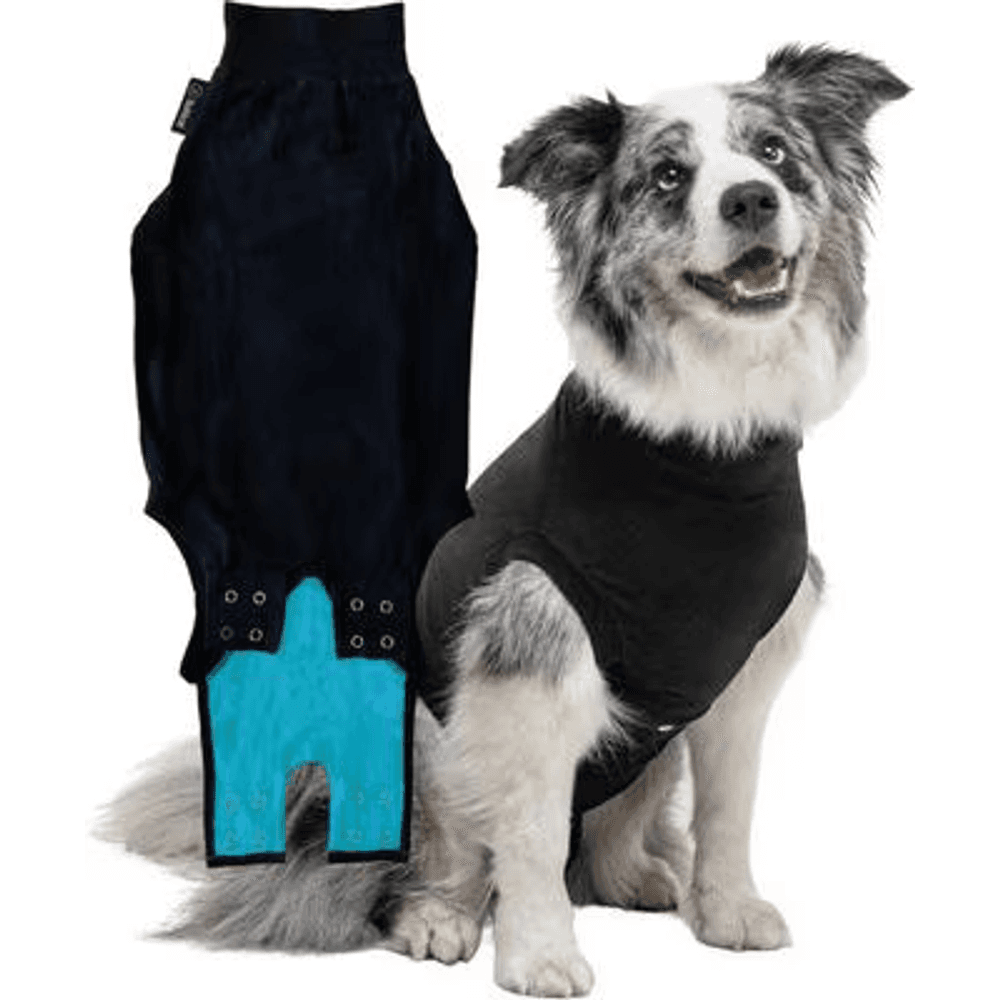
A breathable full-body recovery suit that covers a spay or abdominal incision, the vet-recommended cone alternative that lets a dog rest, walk, and go potty normally without licking or scratching the wound.
Webvet may earn a commission when you click through to Chewy, at no extra cost to you.
Recovery suit vs. the cone: which is better after spay or neuter?
There is no single winner. The right choice depends on your dog, the incision location, and how determined a licker your dog is. Here is a straight dog recovery suit vs cone comparison.
| Factor | Recovery suit | Plastic cone (e-collar) |
|---|---|---|
| Comfort | High: soft, allows normal eating and sleeping | Low for many dogs; bumps into things |
| Incision coverage | Excellent for belly/spay incisions | Blocks the mouth, not the site directly |
| Ease of eating/drinking | Normal | Often awkward |
| Potty breaks | Snap/roll-back rear panel | No interference |
| Best for | Abdominal (spay) and flank incisions | Faces, ears, paws, and hard-to-cover spots |
| Weak point | A determined dog may still reach the edge | Dogs may still scratch at the site with a paw |
| Cost range | About $15 to $40 | Usually cheaper (often sent home free) |

Is a recovery suit better than a cone? For most spay incisions, a suit is more comfortable and just as protective, as long as it fits snugly and the dog cannot work around the edges. For neuter incisions, which sit farther back near the scrotum, a suit with good rear coverage can work, but some dogs still need a cone if they can reach the area. Cone alternatives after spay work best when you supervise the first few hours to confirm the dog truly cannot reach the wound.
The honest answer: the best device is the one that keeps your dog from touching the incision. If a suit does that, use it. If your dog outsmarts the suit, the cone goes back on. Many owners use both, alternating a suit during the day with a cone at night, or vice versa.
Do vets recommend recovery suits? What the evidence says
Yes, with a condition. Veterinarians recommend that a dog wear a protective device to stop licking after surgery, and they explicitly list an alternative to the classic collar. After neuter surgery, the guidance is to prevent the dog from licking the incision site by using an Elizabethan collar or an alternative such as a recovery suit (VCA Animal Hospitals: Neutering in Dogs). In other words, the point is protection, and the suit is an accepted way to achieve it.
Do spay recovery suits work? They work when they fit correctly and the dog cannot reach the incision. The mechanism is simple: the dog can't lick fabric-covered skin. Because avoiding licking is the whole objective, a suit that keeps the wound covered accomplishes the same goal as a cone.
Are recovery suits good for dogs after spaying? For a typical midline spay incision, yes, they are often an excellent fit because the suit covers exactly the right area. The one caveat is supervision: watch your dog the first time the suit is on to confirm there is no gap the dog can exploit, and switch to a cone if there is.
The catch every owner should hear: the suit does not shorten the recovery window and does not remove the need for rest. Your vet's activity restriction still applies for the full healing period regardless of which device you use.
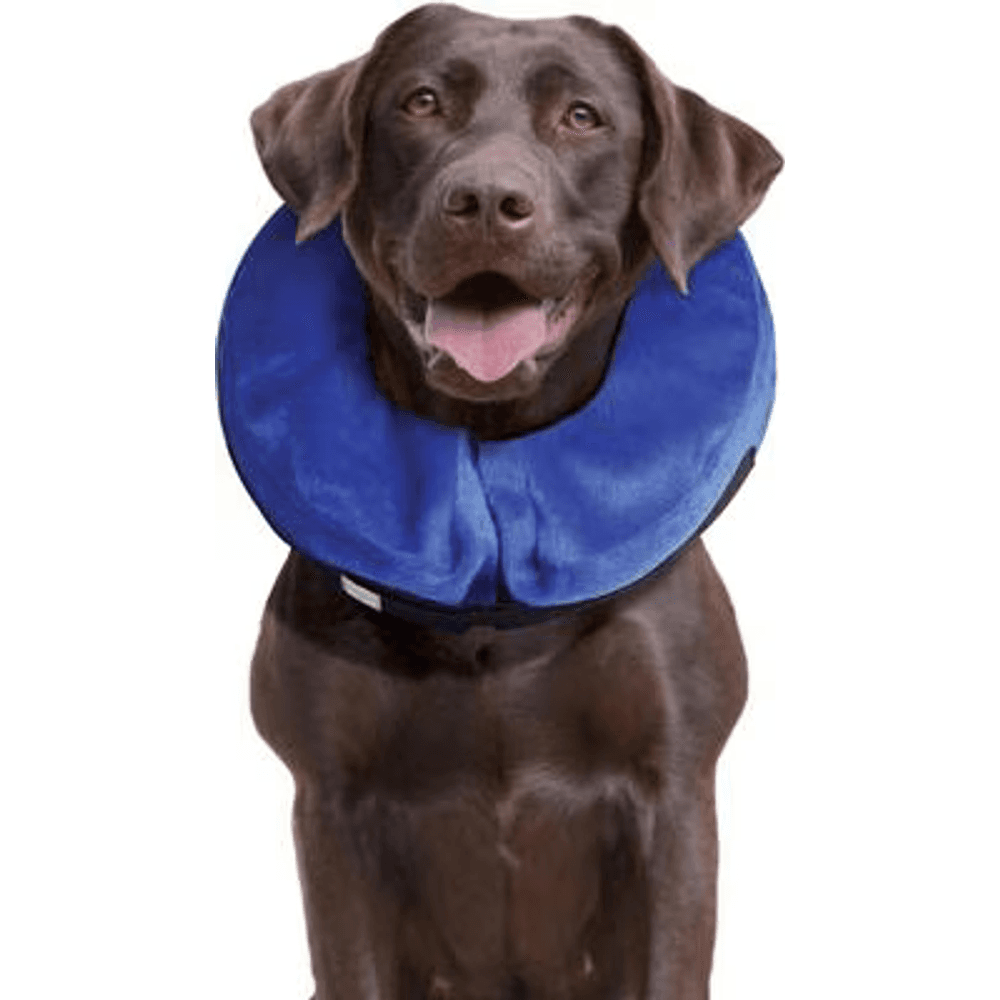
A soft, inflatable donut-style recovery collar that keeps many pets from licking or biting at a healing surgical incision or hot spot while still letting them eat, drink, and sleep in comfort.
Webvet may earn a commission when you click through to Chewy, at no extra cost to you.
Best dog recovery suits for spay and neuter (measured picks)
The best dog recovery suit for spay is the one that covers the incision, fits snugly without pinching, gives you rear access for potty breaks, and is easy to wash. Below are the most widely available options. We list them by fit and function, not by looks. Always measure your dog first (see the sizing section) rather than guessing by breed.
| Suit | Best for | Notable features |
|---|---|---|
| Suitical Recovery Suit | Spay and abdominal incisions | Full-body coverage, breathable fabric, rear fold-back for potty; brand publishes a size chart |
| BellyGuard | Owners who want a designed-for-surgery fit | Structured belly coverage aimed specifically at incision protection |
| Kuoser Dog Recovery Suit | Budget-conscious buyers | Lower-cost onesie style with snap closures; check sizing carefully |
| Surgi Snuggly Dog Recovery Suit | Full-body wrap coverage | Wraps the torso; useful for dogs who slip out of looser suits |
| Fuamey Dog Recovery Suit | Alternative budget onesie | Similar onesie design; verify rear access before buying |
A Suitical recovery suit for dogs is the reference product most owners and clinics know, and it is a reasonable default for a spay. A Kuoser dog recovery suit or Fuamey dog recovery suit can save money, but read the sizing notes closely because cheaper suits vary more. A BellyGuard dog recovery suit and the Surgi Snuggly dog recovery suit emphasize secure torso coverage, which matters for dogs who try to wriggle free.
Non-negotiable buying rule: every pick must protect the incision first, style second. Do not choose a suit that leaves the belly incision exposed, no matter how cute it looks.
 $65 · no membership
Have a health question about your dog?
A licensed vet can assess your dog over video and prescribe online when it's appropriate.
 Talk to a vet
- Licensed vets
- All 50 states
- same-day Rx
Webvet may earn a commission if you book.
Female vs. male dogs: surgical suits for spay and neuter
The suit style you want depends on the surgery and where the incision sits.
Female dogs (spay). A female dog recovery suit after spaying targets the midline belly incision. A surgical suit for female dogs with full torso coverage is usually ideal because the incision falls right in the covered zone. Female suits often include a rear panel that rolls or snaps back so the dog can urinate without exposing the incision.
Male dogs (neuter). A dog recovery suit after neutering has to cover a site farther back, near the base of the scrotum. A male dog recovery suit after neutering or a dedicated surgical suit for male dogs needs good rear and lower-belly coverage. Some male dogs reach the neuter site more easily than a suit can block, so watch closely and be ready to switch to a cone if needed.
Either way, the surgery type sets the coverage you need. Confirm that the suit actually covers your dog's specific incision before relying on it.
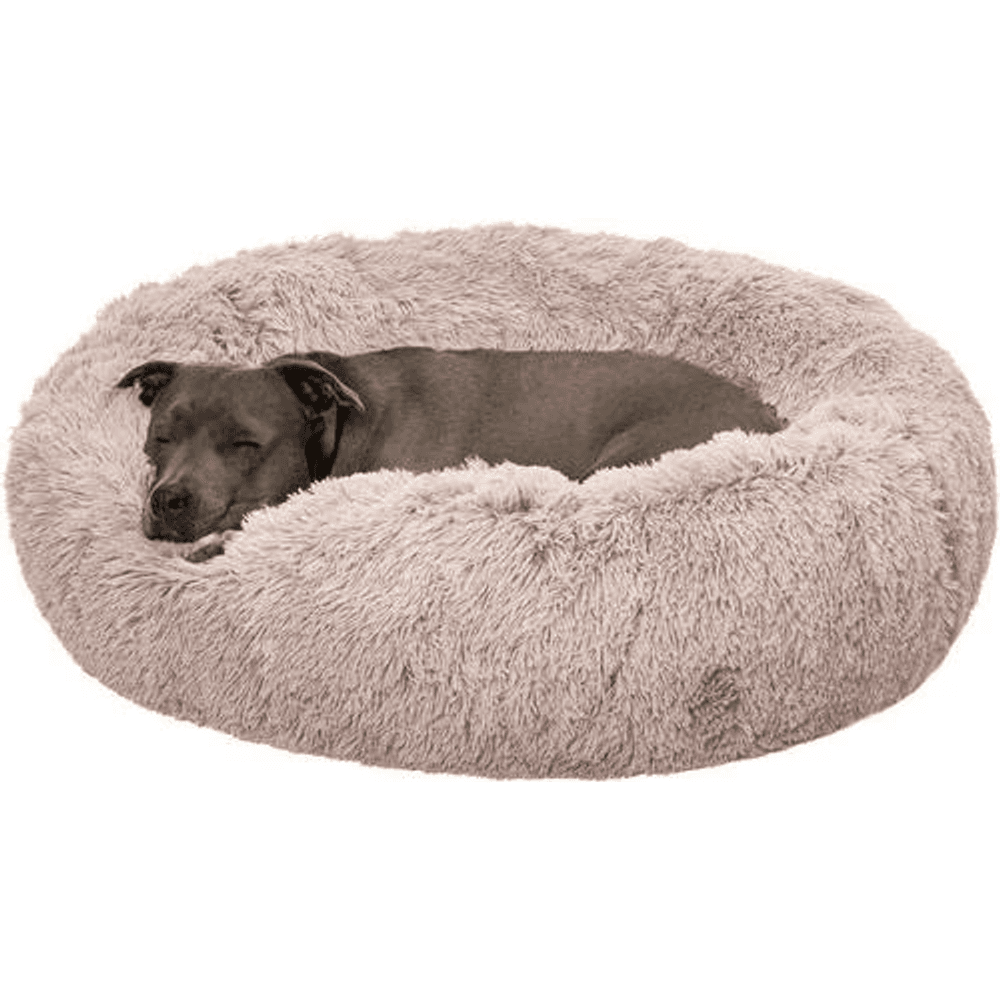
A plush, long-fur donut bolster bed with a raised rim that gives a recovering pet a secure, cushioned place to curl up during the crucial 10 to 14 days after surgery.
Webvet may earn a commission when you click through to Chewy, at no extra cost to you.
How to size and put on a dog recovery suit
A suit only protects the incision if it fits snugly. A loose suit lets the dog reach underneath; a too-tight one restricts movement.

How to measure your dog:
- Back length: measure along the spine from the base of the neck (where a collar sits) to the base of the tail.
- Chest/girth: measure around the widest part of the chest, just behind the front legs.
- Neck: measure the base of the neck circumference.
Compare those numbers to the brand's chart, such as the Suitical recovery suit for dogs size chart or the Kuoser dog recovery suit sizing guide. When you fall between sizes, size up for comfort, then check that the belly panel still lies flat over the incision. Follow the Suitical recovery suit for dogs instructions (or your brand's) for exact fold-back and fastening steps.
- A small dog recovery suit should be snug enough that a Chihuahua or Dachshund can't slip a leg out and reach the belly.
- A large dog recovery suit must be long enough to cover the full midline without riding up when the dog lies down.
- A long sleeve dog recovery suit or a dog recovery suit with legs adds coverage for dogs who target flank or leg incisions, or who chew paws.
Putting it on: slide the suit over the head and front legs first, ease the torso down over the back, then fasten the belly and rear closures. Confirm the incision is fully covered, the fabric is not bunched over the wound, and the dog can walk, sit, and squat normally. Supervise the first hour to be sure the dog cannot reach the incision through a gap or around an edge.
How do dogs pee in a recovery suit? (potty access)
This is the number one practical worry, and the answer is reassuring. Well-designed suits are built for bathroom breaks.

How do female dogs pee in a recovery suit? Most female suits have a rear section that unsnaps or folds back, exposing only the genital area while the belly incision stays covered. You roll or unsnap the panel before the dog goes out, then refasten it afterward. A dog recovery suit with pee hole or a surgical suit for female dogs with pee hole builds in an opening so you may not even need to unsnap anything.
Male dogs typically lift a leg, so a suit with a lower-belly and rear opening lets them urinate without soiling the fabric. Check the specific suit's design, because male anatomy needs the opening positioned differently than for females.
Practical tips: take the dog out on leash, fold back or unsnap the rear panel before urination, and refasten promptly so the incision is never exposed for long. Keep the fabric clean and dry; a soiled suit can irritate the healing skin. Most brands sell the suit as machine washable, so having a second suit to rotate makes laundry days easier.
How long to keep the recovery suit on after surgery
Plan for the full standard recovery window, not just a day or two. Most dogs can resume normal activity somewhere between five and ten days after surgery, so the recovery suit or e-collar should stay on and activity should stay restricted for that window (VCA Animal Hospitals: Spaying in Dogs). Many vets extend the guidance to about 10 to 14 days, because that is roughly how long a spay or neuter incision needs to close and hold before sutures are removed or fully dissolve.
How long to keep a recovery suit on after spay? Follow your vet's specific instructions, but as a default keep it on continuously through the full recovery window, day and night, removing it only for supervised potty breaks and quick fabric changes. How long to wear a recovery suit after spay is essentially "until your vet clears the incision," commonly at the suture-check appointment.
Do not remove the suit early just because the incision looks healed on the surface. The deeper layers are still knitting together, and a dog that suddenly gets access can undo days of healing in seconds. The dog recovery suit after surgery stays on until the vet says the wound is closed.
For a full day-by-day aftercare timeline, see our dedicated guides on dog spay recovery and dog neuter recovery. This article is the cone-alternatives spoke; the sibling guides cover the complete recovery schedule.
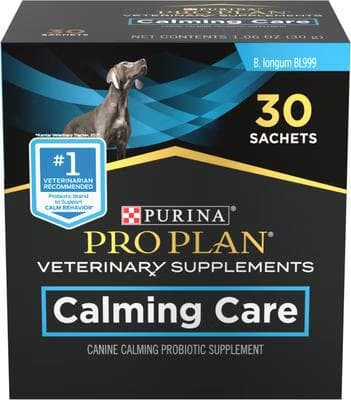
Probiotic supplement formulated to help dogs maintain calm behavior, with the BL999 strain. Liver-flavored powder in 30 daily sachets.
Webvet may earn a commission when you click through to Chewy, at no extra cost to you.
DIY and no-buy cone alternatives
If you cannot get a commercial suit in time, a temporary DIY dog recovery suit can bridge the gap, but only as a stopgap and only with supervision.
- Toddler onesie or T-shirt: a snug child's onesie or a tucked, tied T-shirt can cover a belly incision. This is the most common homemade dog recovery suit and the easiest to improvise.
- Sew-your-own: stretch fabric with belly snaps can be made from a dog recovery suit pattern if you sew. Add a rear opening for potty breaks.
- Full-coverage versions: a dog recovery suit with legs can be improvised from close-fitting stretch garments for dogs who target flank or limb wounds.
Cautions for any DIY option: it must fully cover the incision, must not bunch or press on the wound, must let the dog urinate and defecate without soiling the site, and must not be so loose that the dog can reach underneath. Never use safety pins near the skin, and never leave a homemade suit on an unsupervised dog. A DIY suit is a temporary fix until you get a proper cone or recovery suit, not a permanent solution.
When to call your vet: incision warning signs
This is the most important section. A recovery suit protects the wound, but it does not replace watching the incision or attending your follow-up appointments. Check the incision at least twice a day when you refasten the suit.

Call your vet promptly if you see any of these:
- An incision that is open, gaping, or has exposed tissue. This is urgent. Do not wait.
- Active bleeding from the incision.
- Thick, colored, or foul-smelling discharge or pus, which can signal infection.
- Significant redness or swelling around the incision (mild redness and a small firm ridge under the skin can be normal early healing, but increasing redness, heat, or swelling is not).
- The dog persistently licking or chewing through or around the suit, or getting the suit off.
- Systemic signs: lethargy, not eating, vomiting, or fever.
The reason to act fast is that a disturbed or infected wound heals poorly. Owners are advised not to let a dog lick or chew the surgical site precisely because it can injure the area, which is why many dogs need a protective collar to keep from reaching the incision (VCA Animal Hospitals: Care of Open Wounds in Dogs). Keeping the dog quiet and rested through the recovery period is what supports healing and helps prevent complications (VCA Animal Hospitals: Spaying in Dogs). If your dog is defeating the suit, that is a reason to put the cone back on, not to give up on protection.
For a deeper look at what normal healing looks like day by day and how to spot infection early, see our spay and neuter incision healing guide and the overall spay and neuter recovery overview. Never treat a recovery suit as a replacement for your vet's follow-up or suture-removal visit.
Where to buy a dog recovery suit
Recovery suits are widely available, so you can usually get one the same day or overnight.
- Your veterinary clinic: many clinics stock suits or can order the right size; ask at your spay or neuter appointment. This is the fastest dog recovery suit near me option and the staff can confirm fit.
- Online: a dog recovery suit on Amazon offers the widest brand range (Suitical, Kuoser, Surgi Snuggly, Fuamey, BellyGuard) with fast shipping. Chewy carries recovery suits with easy returns if the size is wrong.
- Pet stores: a dog recovery suit at PetSmart, a Petco dog recovery suit, or a Walmart dog recovery suit can be bought in person when you need one immediately.
Buy before surgery if you can, so the suit is fitted and ready the day your dog comes home. Order one size and a backup if you are unsure of the fit, and keep the cone your clinic sends home as a backup device.
The bottom line
A dog recovery suit for spay is a comfortable, vet-accepted cone alternative that protects the abdominal incision while letting your dog eat, sleep, and move normally. Choose a suit that fully covers the incision, measure carefully and fit it snugly, use the rear panel for potty breaks, and keep it on through the full 5-to-14-day recovery window. Supervise the first wear, keep your dog on restricted activity, and keep a cone on hand as a backup. Above all, check the incision daily and call your vet the same day for any opened or gaping wound, bleeding, discharge, swelling, or if your dog seems unwell. The suit protects the wound; your vet protects your dog.
Frequently Asked Questions
Are recovery suits good for dogs after spaying?
Yes. For a typical midline spay incision, a recovery suit is often an excellent choice because it covers exactly the area that needs protection, and it is far more comfortable than a cone. The condition is fit and supervision: the suit must be snug enough that the dog cannot reach the incision through a gap or around an edge. Watch your dog during the first wear, and switch to a cone if the dog defeats the suit.
Do vets recommend surgical suits for dogs?
Yes, as an accepted alternative to the plastic cone. Veterinarians recommend that a dog wear a protective device to stop it licking the incision after surgery, and they list a recovery suit as an alternative to the Elizabethan collar (VCA Animal Hospitals). The point is protecting the wound; a suit that keeps the incision covered meets that goal, as long as it fits and the dog cannot reach the site.
How do female dogs pee in a recovery suit?
Female recovery suits have a rear panel that unsnaps or folds back, exposing only the genital area while the belly incision stays covered. You roll or unsnap the panel before the dog goes out, then refasten it afterward. Some suits include a built-in pee hole so you may not need to unsnap anything. Take the dog out on leash, open the rear before urination, and refasten promptly so the incision is never exposed for long.
How long to keep a recovery suit on after spay?
Keep it on for the full recovery window. Most dogs resume normal activity five to ten days after surgery (VCA Animal Hospitals), and many vets extend protection to about 10 to 14 days, until the incision has closed and sutures are removed or dissolved. Keep the suit on day and night, removing it only for supervised potty breaks and fabric changes, and do not stop early just because the surface looks healed. Follow your vet's specific instructions.
Is a recovery suit better than a cone?
For most spay incisions, a suit is more comfortable and just as protective, provided it fits snugly and the dog cannot work around the edges. The cone is still better for wounds on the face, ears, or paws that a suit cannot cover, and for dogs who outsmart a suit. The best device is simply whichever one reliably keeps your dog from touching the incision. Many owners keep a cone on hand as a backup.
Do spay recovery suits work?
Yes, when they fit correctly and the dog cannot reach the incision. The mechanism is straightforward: the dog cannot lick fabric-covered skin, and avoiding licking is the entire goal after surgery (VCA Animal Hospitals). A suit does not shorten the recovery window or remove the need for rest, but as an incision cover it accomplishes the same protective job as a cone. Supervise the first wear to confirm there is no gap the dog can exploit.
How long to wear a recovery suit after spay?
Essentially until your vet clears the incision, commonly at the suture-check appointment. As a default, keep the suit on continuously through the standard 5-to-14-day recovery window, removing it only for supervised potty breaks. The deeper tissue layers are still healing even when the surface looks fine, so do not remove the suit early. Confirm the exact duration with your vet based on your dog's surgery and healing.
$65 · no membershipHave a health question about your dog?
A licensed vet can assess your dog over video and prescribe online when it's appropriate.
Talk to a vet- Licensed vets
- All 50 states
- same-day Rx
Webvet may earn a commission if you book.

Editor
The Webvet Editorial Team is the in-house group of pet-care editors and writers behind Webvet, operated by Smart Pet Collective. The team researches, writes, and maintains Webvet's pet health, behavior, and medication content. Every article follows a defined editorial process: research from reputable veterinary and scientific sources, careful drafting, mandatory review of medical content by a credentialed veterinarian, and dated publication. Health and medication articles are medically reviewed by a licensed veterinary professional before they go live and are kept current over time.
Veterinarian · BVMS MRCVS
Dr. Pippa Elliott, BVMS, MRCVS, is a veterinarian with nearly 30 years of experience in companion animal practice. Dr. Elliott earned her Bachelor of Veterinary Medicine and Surgery from the University of Glasgow. She was also designated a Member of the Royal College of Veterinary Surgeons. Married with 2 grown-up kids, Dr. Elliott has a naughty Puggle named Poggle, 3 cats and a bearded dragon.


