Flea Eggs on Dogs: Pictures, Identification, and Removal
Learn what real flea eggs look like on dogs, how to separate them from dandruff and flea dirt, and how to protect both the dog and the home during treatment.

BVMS MRCVS
Medically reviewed by Dr. Pippa Elliott, BVMS MRCVS · Last reviewed

This article contains affiliate links. Webvet may earn a commission when you buy through them, at no extra cost to you.
Flea eggs on dogs are tiny, smooth, pearly white ovals about half a millimeter long. They are not black specks. Black or reddish-brown debris is more likely flea dirt, dried blood, a scab, soil, or another lookalike. Most eggs also fall from a dog within hours, so finding them means the bedding, carpet, furniture, and other pet-resting areas need attention too.
Do not wait for perfect identification before helping an itchy dog. Comb the coat, contact your veterinarian about effective flea control for every pet, and start washing and vacuuming the places where the dog rests. Puppies with pale gums, weakness, marked lethargy, or a heavy flea burden need prompt veterinary care because blood loss can become serious.
What flea eggs on dogs look like
- 1Flea eggs are pale white, oval, dry, and extremely small. Black specks are not flea eggs.
- 2The eggs do not stick firmly to fur, so most roll into bedding, rugs, floor gaps, and furniture.
- 3Flea dirt is digested blood. On a damp white paper towel, it can dissolve into a rust-red halo or smear.
- 4Finding eggs means adult fleas fed and reproduced recently, so removing visible debris is only the first step.
At approximately 0.5 millimeter, a flea egg is just visible in strong light but easy to miss on a white, cream, or pale dog. Its smooth oval outline is easier to see against a dark flea comb or black paper. Flea eggs are not glued to individual hairs like lice nits. They feel dry and loose, which is why ordinary movement shakes them into the environment.
The opening photograph shows real flea eggs. Look for tiny pale ovals; magnification makes them appear much larger than they are on a dog. The microscope photograph below shows an adult dog flea, not an egg. Use the coat-debris comparison to separate white eggs from irregular dandruff and dark flea dirt.

Adult dog flea under magnification. The legs and dark segmented body distinguish an adult from a smooth white egg; the image does not show eggs on fur.
Webvet may earn a commission when you click through to Chewy, at no extra cost to you.
Adult cat fleas, Ctenocephalides felis, cause most flea infestations in dogs in North America despite the name. The dog flea, Ctenocephalides canis, also occurs. These scientific names identify two flea species rather than egg shapes an owner can reliably separate at home. The practical household response is the same: identify active adult feeding, stop reproduction on every pet with veterinarian-guided control, and clear environmental eggs, larvae, and pupae over time.
Flea eggs vs dandruff vs flea dirt on dogs
Dog dandruff or flea eggs can look similar from across the room. Color, shape, location, and the damp-paper response make the distinction clearer. Use a flea comb over a white towel, then move a small sample to a damp white paper towel.
| Coat debris | Usual color and shape | Damp paper behavior and movement | What it suggests |
|---|---|---|---|
| Flea egg | Pearly white to translucent, smooth oval, about 0.5 mm | Rolls or falls from fur and stays pale on damp paper | Adult fleas have fed and laid eggs recently |
| Flea dirt | Black or reddish-brown, irregular pepper-like grains | May dissolve into a rust-red halo or smear on damp white paper | Fleas fed on the dog and passed digested blood |
| Dandruff | White or gray, flat, irregular flakes of different sizes | May cling to hair or skin and does not create a red blood halo | Dry skin, seborrhea, allergy, infection, or another skin issue may be present |
| Scab | Brown, red, or black crust attached to skin | Does not roll freely and may reveal sore skin underneath | Bites, scratching, infection, or another skin lesion needs assessment |
| Dirt or sand | Variable color and angular shape | Does not follow a consistent biological pattern | Outdoor debris or grooming residue is possible |
Use the color and shape together
Start with a few specks from the comb. A smooth pale oval suggests an egg; a flat white flake of variable size suggests dandruff. Move dark grains to damp white paper: a reddish halo supports flea dirt because it contains digested blood. A crust attached to sore skin is a different finding. Mixed debris is common, so one pale flake does not explain all of an itchy dog’s symptoms.
Black specks on a dog are not flea eggs. If the damp-paper sample turns reddish, flea dirt is likely because flea feces contains digested blood. A negative paper test does not prove that the dog is flea-free. Old debris, a tiny sample, dark skin crusts, or another material can be hard to interpret.

Inspect the lower back, tail base, groin, belly, neck, and behind the ears, but remember that grooming can remove evidence. A severely allergic dog may have intense itching with very few fleas visible. Red skin, hair loss, crusts, hot spots, or repeated chewing deserves veterinary attention even if the comb is inconclusive.
If the finding is still unclear, collect a few specks in a clean, sealed container or on clear tape without pressing the sample flat. Photograph it beside a ruler in bright natural light and record where it came from. A veterinarian can examine the dog and, when useful, review the sample under magnification. Do not delay care while trying to produce a perfect home photograph, especially when the dog is young, weak, pale, or intensely uncomfortable.
How to remove flea eggs and stop new ones

An over-the-counter nitenpyram tablet that starts killing adult fleas within 30 minutes. A fast knockdown for an active infestation, no prescription required, useful alongside a longer-term preventive.
Webvet may earn a commission when you click through to Chewy, at no extra cost to you.
How to get rid of flea eggs on dogs starts with two jobs performed together. Remove loose debris from the coat, then stop adult fleas from feeding and laying again. Combing removes coat debris but does not end an infestation by itself. It does not affect eggs, larvae, and pupae already scattered around the home.
Combing is a non-drug way to remove flea eggs, but it cannot stop adult fleas from laying more. A bath may rinse away loose eggs; dishwashing liquid such as Dawn is not ongoing prevention and may irritate skin. Ask your veterinarian for a dog-appropriate bathing plan rather than using an essential-oil or household-cleaner recipe.
Work through this first-day sequence:
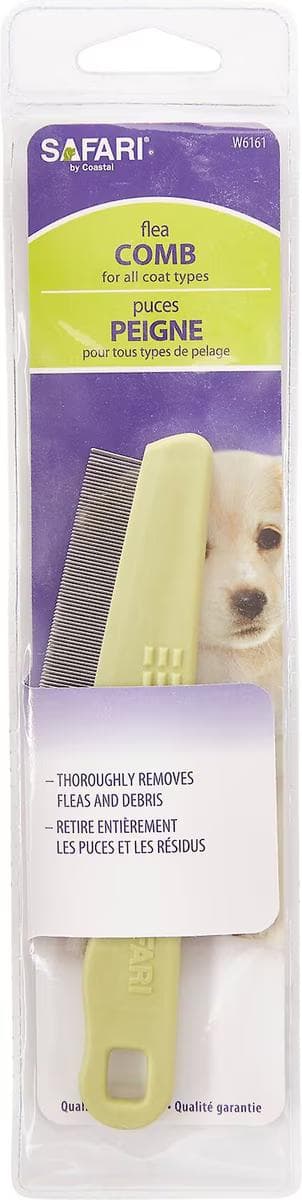
- Comb the dog over a white towel with a fine-toothed Safari Double Row Flea Comb. Place live adult fleas from the comb into soapy water.
- Photograph or save a sample if you are uncertain whether the debris is flea eggs, dandruff, flea dirt, or a skin crust.
- Call your veterinarian about a flea-control plan matched to the dog's age, weight, health history, medications, and local parasite pressure.
- Treat every dog and cat in the home with its own species-appropriate plan. Never divide a dog dose or apply a canine product to a cat.
- Wash dog bedding, blankets, removable furniture covers, and washable crate fabric according to their care labels, then dry with heat when the fabric permits.
- Vacuum carpet edges, rugs, under furniture, floor gaps, vehicle upholstery, and every place the dog rests.
- Continue treatment and cleaning on schedule because pupae can release new adults after the first visible fleas are gone.
Why new fleas may appear after cleaning
The CDC flea lifecycle guide gives an egg-hatching range of one to ten days, depending on conditions. Larvae then develop off the animal and pupate in protective cocoons. Adults can emerge later when warmth and movement signal a host. A clean-looking coat on day one therefore does not mean the home cycle has ended.
| Stage | Where it is usually found | Why the control plan needs it |
|---|---|---|
| Egg | Falls from the pet into resting areas | Wash and vacuum loose eggs while effective pet treatment stops new production |
| Larva | Protected fibers, cracks and debris | Cleaning and properly labeled environmental treatment target hidden development |
| Pupa | Inside a cocoon in the environment | Protected stages may survive initial treatment and emerge later |
| Adult | Feeds on a suitable host | Every household pet needs its own effective, species-appropriate control |
Keep a consistent cleaning and prevention routine rather than redosing early when another flea appears. If flea numbers are not declining or the dog remains very itchy, ask the veterinarian to check product application, all household pets and other skin causes. A pest professional can assess persistent environmental reservoirs.
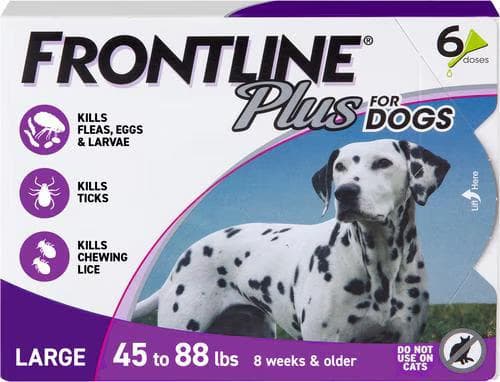
A monthly topical spot-on for large dogs 45 to 88 lbs that kills fleas, ticks, and chewing lice. A waterproof pick for dogs who do better with a topical than an oral chew.
Webvet may earn a commission when you click through to Chewy, at no extra cost to you.
A fast adult-flea product can change the visible burden without touching every environmental stage. For eligible small dogs, Capstar for dogs 2 to 25 pounds is an over-the-counter nitenpyram example that targets adult fleas and has no long residual period. The label and veterinarian determine whether it is suitable. It is not a complete egg, larva, pupa, and reinfestation program.
Commercial pages often blur adult knockdown with egg removal. Adult knockdown can reduce the fleas seen on a dog without removing eggs already shed into bedding and floors, while protected pupae explain why new fleas can appear after treatment. A later-emerging flea is not automatic proof that the first adult-kill product failed, and it is not permission to redose early.
Treat the adult fleas that keep laying eggs with a current prevention plan. The FDA's safe-use guidance recommends matching flea and tick products to the correct species, life stage, and weight and involving a veterinarian when the pet has health conditions. If you are comparing adult-kill and prevention formats, WebVet's full guide to getting rid of fleas on dogs explains those options.
Does dish soap or a natural remedy kill flea eggs?
A bath with mild soap can rinse loose eggs, dirt, and adult fleas from a coat, but it does not provide residual protection. Dish detergent may dry or irritate skin and should not be treated as a routine flea medicine. A dog with raw skin, allergy, infection, a thick or matted coat, or another condition may need a veterinary bathing plan instead.
What kills flea eggs on dogs naturally is mostly physical removal:
- Flea-comb the coat and remove debris.
- Wash suitable bedding and covers.
- Use a dryer on a heat setting the fabric can tolerate.
- Vacuum target zones repeatedly.
- Stop adult reproduction with veterinarian-guided prevention.
Webvet may earn a commission when you click through to Chewy, at no extra cost to you.
Essential oils are not a safe universal shortcut. Plant-derived substances can irritate skin, cause toxicity when licked or absorbed, and expose cats or other animals in the home. Diatomaceous earth can irritate eyes and airways, creates difficult cleanup, and should not be rubbed into a dog's coat. Salt, baking soda, vinegar, and herbal odors do not replace evidence-based flea control.
The Companion Animal Parasite Council recommends year-round flea control for dogs and a comprehensive plan that addresses animals, the environment, and reinfestation. That is more dependable than searching for one substance that kills every egg instantly.
Mechanical cleaning works because loose eggs do not remain only on the dog. It is not a claim that laundry or vacuuming sterilizes the home in one pass. Hot laundry, vacuuming, and continued prevention address environmental stages over time, while veterinary flea control reduces the adult feeding that creates the next egg batch. Repeat cleaning where the dog actually rests and follow product intervals instead of escalating to concentrated homemade remedies.
 $65 · no membership
Need flea, tick, or heartworm prevention for your dog?
A licensed vet can recommend and prescribe the right preventive for your dog online when it's appropriate.
 Talk to a vet
- Licensed vets
- All 50 states
- same-day Rx

Webvet may earn a commission if you book.
Where dog flea eggs go after they fall off
Flea eggs in dog bedding are part of a larger environmental nursery. This environmental lifecycle continues after the eggs hatch into larvae that avoid light and move into carpet pile, floor gaps, and protected debris. Larvae eventually form pupae inside cocoons. Those cocoons are hard to reach, and new adults can emerge later even after the first cleaning day.
| Flea environmental lifecycle stage | Where it is usually found | Helpful owner action | Why the stage may persist |
|---|---|---|---|
| Egg | Dog briefly, then bedding, carpet, furniture, and floors | Comb, wash, dry, and vacuum | Eggs are loose and spread widely |
| Larva | Dark protected debris and carpet pile | Vacuum edges and clean resting zones | Larvae avoid light and move below the surface |
| Pupa | Sticky cocoon in carpet, cracks, and fabric | Continue prevention and vacuuming while waiting for adults to emerge | The cocoon resists many environmental treatments |
| Adult | On a dog, cat, or another host | Use veterinarian-selected flea control on every pet | Untreated hosts allow feeding and new egg production |
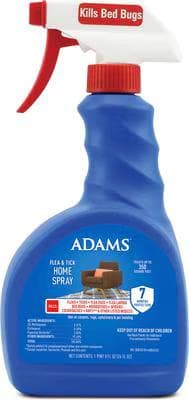
An Adams Flea & Tick Home Spray is one exact-fit example for approved household surfaces. It should be used only under its current premise label, with pets and people removed and return delayed until every label condition is satisfied. For product selection by carpet, upholstery, laundry, or room, use the sibling guide to the best flea spray for home.
For the complete pet, room, and outdoor sequence, use WebVet's guide to clearing fleas from the house and yard. Multi-pet homes also should compare the separate identification and species-safety guidance for flea eggs on cats. A dog product, dose, or home-remedy assumption should never be transferred to a cat.

Flea eggs on a dog after treatment do not automatically mean the product failed. The debris may have been laid shortly before treatment, or new adult fleas may still be emerging from protected pupae. What matters is whether every pet received the correct product on time, the environment is being cleaned, and adult activity trends downward across the veterinary plan.
Do not stack flea drugs, apply doses early, or switch products repeatedly without veterinary advice. More medication can increase adverse-event risk and may still fail to address the environmental source.
Treat the adult fleas that keep laying eggs
Adult flea treatment and prevention is a separate decision because oral tablets, topical products, and collars differ in speed, duration, age, weight, species, prescription status, and health cautions. The right choice is the one your veterinarian recommends for this dog and household.
For a complete treatment plan, see our how to get rid of fleas on dogs guide. Petful’s guide to flea treatment for dogs explains how on-pet treatment fits into household control. Killing visible adult fleas quickly does not remove every egg or prevent later emergence; coordinate prevention with combing, laundry and vacuuming.
For dogs within the exact 45-to-88-pound label, Frontline Plus for large dogs is one longer-duration topical option to compare for ongoing flea-and-tick control.
Call a veterinarian promptly if the dog has:
- Pale gums, marked weakness, cold extremities, collapse, or unusual sleepiness
- Severe itching, raw skin, bleeding, hot spots, hair loss, or signs of infection
- A heavy infestation, especially in a puppy, senior, or small dog
- Rice-like tapeworm segments near the anus or in bedding
- Vomiting, drooling, tremors, incoordination, seizures, or another reaction after a flea product
- Fleas that persist despite correctly timed treatment for every pet and consistent home control
The flea itself can trigger flea allergy dermatitis, and dogs can swallow infected fleas while grooming and acquire the tapeworm Dipylidium caninum. Some environmental products use an insect growth regulator to affect immature development, but that does not make them safe for a dog's coat. The eggs are a sign to act, not the direct cause of those problems. Puppy anemia, severe itching, raw skin, pale gums, and weakness need veterinary care rather than another round of home experimentation.
Flea egg questions
Frequently Asked Questions
What kills flea eggs on dogs naturally?
What kills flea eggs on dogs naturally is mainly physical removal rather than an herb or odor. Combing removes loose eggs, hot laundry and a compatible dryer cycle clear washable fabric, and vacuuming removes material from resting zones. These actions do not stop adult fleas from laying another batch. Use veterinarian-guided prevention for every pet, never use an unlabeled product on the coat, and avoid essential oils, powders, or homemade pesticide mixtures that can irritate or poison animals.
Combing, laundry heat, and vacuuming remove eggs while prevention stops adults from laying more. Never use an unlabeled product on the coat.
How do you get rid of flea eggs on your dog?
To get rid of flea eggs on your dog, comb loose eggs from the coat over a white towel and stop adult egg production with veterinarian-guided flea control for every pet. Most eggs have already fallen into the environmental lifecycle, so wash bedding and vacuum carpet edges, furniture, vehicles, and favorite resting areas at the same time. Removing visible debris alone does not control the flea life cycle. Continue the plan as later adults emerge, and seek veterinary care for pale gums, weakness, raw skin, or a heavy burden.
Does Dawn dish soap wash away flea eggs?
Dawn dish soap may wash away some loose flea eggs and adult fleas during a bath, but that physical rinse is not residual flea control. Dish detergent can dry or irritate canine skin, especially when bites, allergy, or scratching have damaged the barrier. It does not treat eggs, larvae, or pupae in bedding and floors, and it does not stop another adult from feeding. Ask your veterinarian which bathing and flea products fit the dog's age, weight, skin, and health history.
A bath may rinse loose debris but does not provide residual lifecycle control. Dish detergent has no lasting flea protection.
Is it my fault my dog has fleas?
No, it is not your fault that your dog has fleas. Fleas exploit access to a host and suitable indoor or outdoor conditions. Dogs can encounter them in yards, parks, shared buildings, grooming spaces, kennels, wildlife areas, or contact with another animal. An infestation is not a moral failure, and even a clean heated home can support the flea life cycle. Prompt coordinated treatment for every pet and the shared environment matters more than blame or repeated cleaning of the wrong zones.
What time of year is worst for dog fleas?
The worst time of year for dog fleas is often the warm, humid season outdoors, but there is no safe universal stop date. Heated homes can support eggs, larvae, pupae, and adults throughout the year. Local climate, wildlife, other pets, travel, boarding, and indoor temperature all affect timing. Ask your veterinarian about year-round prevention rather than stopping automatically when outdoor temperatures fall, because a treatment gap can allow adult feeding and new egg production before owners notice itching.
What can be mistaken for fleas on a dog?
What can be mistaken for fleas on a dog includes dandruff, scabs, soil, seeds, lice, small flies, mites, and other coat debris. Adult fleas are laterally flattened, fast-moving insects, while flea dirt is irregular pepper-like digested blood and flea eggs are smooth pale ovals. Use a flea comb and damp-paper test, save a clear photo or sample, and request a veterinary skin exam when the evidence conflicts. Do not diagnose mites or apply a pesticide solely from a blurry phone image.
Dandruff, scabs, dirt, and other insects can resemble flea debris without close inspection. Damp paper behavior helps separate flea dirt because digested blood may create a rust-red halo while true flea eggs remain pale.
Should I worry if I find one flea on my dog?
If you find one flea on your dog, it is reasonable to worry about an infestation, but there is no need to panic. Other fleas or eggs may already be present even if you cannot see them. Comb the coat, check your dog’s prevention history, wash suitable bedding and vacuum resting areas. Ask your veterinarian about an appropriate flea-control plan for every pet. Do not apply extra doses or several products together just because you found one flea.
Sources
$65 · no membershipNeed flea, tick, or heartworm prevention for your dog?
A licensed vet can recommend and prescribe the right preventive for your dog online when it's appropriate.
Talk to a vet- Licensed vets
- All 50 states
- same-day Rx
Webvet may earn a commission if you book.

Editor
The Webvet Editorial Team is the in-house group of pet-care editors and writers behind Webvet, operated by Smart Pet Collective. The team researches, writes, and maintains Webvet's pet health, behavior, and medication content. Every article follows a defined editorial process: research from reputable veterinary and scientific sources, careful drafting, mandatory review of medical content by a credentialed veterinarian, and dated publication. Health and medication articles are medically reviewed by a licensed veterinary professional before they go live and are kept current over time.
Veterinarian · BVMS MRCVS
Dr. Pippa Elliott, BVMS, MRCVS, is a veterinarian with nearly 30 years of experience in companion animal practice. Dr. Elliott earned her Bachelor of Veterinary Medicine and Surgery from the University of Glasgow. She was also designated a Member of the Royal College of Veterinary Surgeons. Married with 2 grown-up kids, Dr. Elliott has a naughty Puggle named Poggle, 3 cats and a bearded dragon.


