Flea Eggs on Cats: What They Look Like and How to Kill Them
Flea eggs on cats are pearly white ovals about half a millimeter long, and the black specks owners mistake for them are flea dirt. Learn to tell them apart, what actually kills eggs, and how long reinfestation takes.

BVMS MRCVS
Medically reviewed by Dr. Pippa Elliott, BVMS MRCVS · Last reviewed

This article contains affiliate links. Webvet may earn a commission when you buy through them, at no extra cost to you.
Flea eggs on cats are tiny pearly white ovals, not the black specks most owners expect. If you have just parted your cat's fur and found dark grit, you are almost certainly looking at flea dirt rather than eggs, and that distinction changes what you do next.
The reason this matters is simple biology. Flea eggs are dry and non-sticky, so they roll off the coat within hours and land wherever your cat sleeps, walks, and stretches out. By the time you spot one on the cat, hundreds more are already in the carpet. That is why treating only the adult fleas you can see restarts the infestation three to four weeks later, and why the real job has two halves: the cat and the home.
- 1A flea egg is about half a millimeter long, pearly white, oval, dry, and smooth, roughly the size of a grain of salt.
- 2Anything black in the coat is not an egg. Black specks are flea dirt, which is dried flea feces made of your cat's digested blood.
- 3Most eggs fall off the cat within hours, so the majority of a flea population lives in bedding and carpet, not on your pet.
- 4Nothing kills flea eggs instantly on a cat. Combing removes them physically, and an insect growth regulator or long-duration preventive stops the ones you miss from ever becoming adults.
- 5Expect new fleas to keep appearing for three to four weeks after treatment starts. That is the cycle finishing, not the product failing.
- 6Never use a dog flea product on a cat, and check the kitten weight minimum before treating any cat under six months old.

 Sponsored
Need flea, tick, or parasite care for your cat?
A licensed vet at Dutch can recommend the right preventive and prescribe it when it's appropriate. Annual members get 20% off their first flea and tick order.
Use code Pets60
Plans start at $12/month · covers up to 5 pets
- Licensed vets in most states
- Rx for 150+ conditions
- 4.7 on Trustpilot
What Flea Eggs on Cats Look Like
A flea egg is an oval roughly 0.5 mm long, pearly white to faintly off-white, with a smooth unbroken surface and no visible texture. Held against a dark background it looks like a very small grain of salt or a fleck of fine sugar, and unlike almost everything else you find in a coat, it is perfectly regular in shape.
Three details separate real eggs from the debris that gets mistaken for them:
- Color. Genuine eggs are pale. If a speck is black, dark brown, or rust colored, it is flea dirt or ordinary household grime, never an egg.
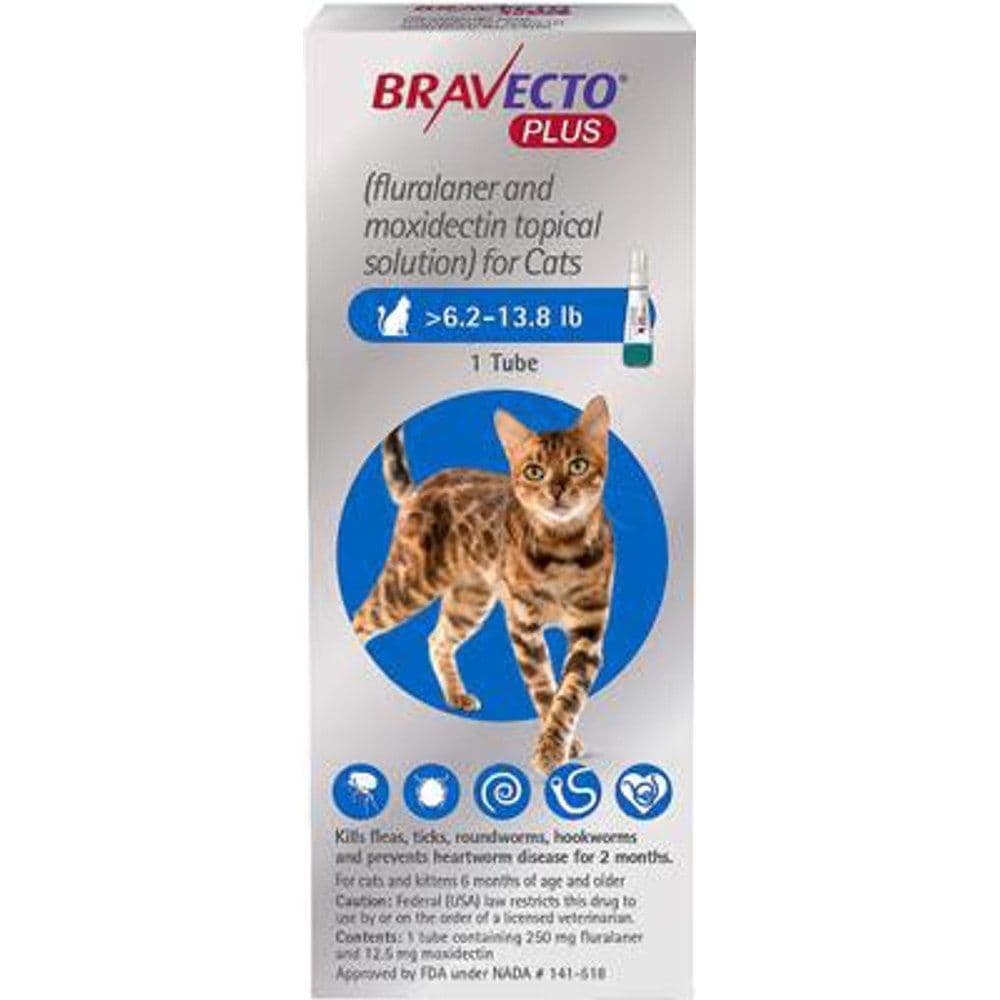
Long-lasting topical that protects cats from fleas, ticks, heartworm, roundworms, and hookworms for up to two months per dose.
Webvet may earn a commission when you click through to Chewy, at no extra cost to you.
- Shape. Eggs are smooth regular ovals with rounded ends. Skin flakes are jagged and irregular, and flea dirt forms commas, curls, and broken specks.
- Behavior. Eggs are dry and non-sticky. They do not cling to hair, and they roll or bounce off a combed sample onto whatever is underneath.
That last point is the one owners find most surprising. Flea eggs on cats are laid on the animal but are not designed to stay there. A female cat flea (Ctenocephalides felis) can produce roughly 40 to 50 eggs a day, and the smooth non-adhesive shell means the eggs slide out of the coat with normal grooming and movement within hours of being laid.

Because they are so small, most people only see flea eggs at actual size after combing. Run a fine-toothed flea comb such as the Frisco flea comb through the fur at the base of the tail, along the spine, and around the neck, then tap the comb onto a sheet of white paper. Pale oval specks that sit still and do not smear are your eggs. Anything that jumps is an adult flea.
Lighting does more work here than magnification. Pale oval specks disappear against a light-colored cat under overhead lighting, so part the fur and angle a lamp or a phone flashlight across the coat rather than straight down at it. Raking light throws a shadow off each speck and makes the regular oval outline obvious in a way a flat overhead beam never will. On a dark cat the opposite problem applies and the eggs stand out immediately, which is why owners of black cats often notice them first.
It is also worth knowing where not to bother looking. Eggs are concentrated at the base of the coat near the skin rather than on the surface of the fur, and they collect on the lower back, the rump, and around the neck because that is where fleas feed most heavily. Combing the flanks or the belly of a lightly infested cat can come back completely clean while the tail base is loaded.
Flea Eggs vs Dandruff vs Flea Dirt
Telling these three apart is what decides your next step, and it is easier than it sounds once you know the damp paper towel test. Take the debris you combed out, place it on a white paper towel, and add a few drops of water. Flea dirt dissolves into a rust red smear because it is digested blood. Flea eggs stay stubbornly white and intact. Dandruff softens and spreads but stays colorless.
| Feature | Flea eggs | Dandruff | Flea dirt |
|---|---|---|---|
| Color | Pearly white to off-white | White or pale yellow | Black to very dark brown |
| Shape | Smooth regular oval | Irregular jagged flake | Commas, curls, broken specks |
| Size | About 0.5 mm, very uniform | 1 to 3 mm, highly variable | 0.5 to 2 mm, variable |
| Texture | Dry, hard, non-sticky | Soft, flat, clings to hair | Gritty, crumbles when pressed |
| Damp paper towel test | Stays white, no color released | Softens, stays colorless | Rust red smear within seconds |
| Usual location | Base of the coat, bedding, carpet | Along the back and shoulders | Base of the tail and neck |
Two rows in that table do most of the work. Dandruff flakes are irregular and cling to the hair shaft, which is why they stay on the cat when eggs have long since fallen off. Flea dirt is gritty rather than smooth, and its rust red smear is the single most reliable proof that adult fleas are feeding on your cat right now, because something has to be drinking blood to produce it.
The chemistry behind the test is the reason it is trustworthy. Flea dirt is mostly partially digested blood excreted by a feeding adult, so adding water releases the iron-rich pigment and produces that unmistakable reddish brown halo on the paper. Ordinary dirt, litter dust, soil, and dried food crumbs stay gray or brown when wet and never bloom red, which rules out the debris that most often gets mistaken for a flea problem in the first place.

Webvet may earn a commission when you click through to Chewy, at no extra cost to you.
One caveat matters before you trust a clean result. A cat that has been groomed, bathed, or treated in the past few days can produce a clean comb even while eggs are already in the carpet, because the eggs left the coat before you looked. A negative comb is genuinely reassuring only when it is repeated over several days, so treat one clean pass as a single data point rather than an all-clear.

Finding white specks beside black specks in the same comb sample is the most common real-world result, and it tells you two things at once: adults are present and feeding, and they are already laying. If you want the full identification workflow for the dark half of that sample, our guide to flea dirt on cats walks through the test in detail.
How to confirm live adult fleas, not just eggs
Eggs prove that adult fleas were on your cat recently, but they do not tell you how heavy the current burden is, whether you are seeing bites and scabbing, or what an adult flea actually looks like moving through fur. Those signs, including the flea dirt pattern, hair loss, and the difference between a flea and other coat debris, are covered end to end in our guide to what fleas look like on cats, which is the page to use for identifying the adults themselves.
What to Do the Day You Find Flea Eggs on Your Cat
If you find flea eggs on your cat, work through this sequence in order. The first three steps do the most to change how this ends, and all three can be done in an afternoon.
- Comb over a white surface. Use a fine-toothed flea comb and work over white paper or a white towel so everything that comes out is visible. Dunk the comb in soapy water between passes to kill anything live.
- Confirm what you have. Run the damp paper towel test on the debris before you buy anything. Eggs plus flea dirt means an active adult infestation, not a stray hitchhiker.
- Treat every pet in the home the same day. Fleas move between animals freely, so treating one cat and skipping the dog or the second cat leaves a working reservoir. Use a product labeled for that species and that weight.
- Strip and wash all soft bedding. Cat beds, blankets, throws, and any human bedding your cat sleeps on go through a hot wash and a hot dryer cycle.
- Vacuum thoroughly, then empty the vacuum outside. Focus on carpet seams, baseboards, under furniture, and the spots your cat favors. Vibration also encourages pupae to emerge, which is helpful because emerged adults meet the product you just applied.
- Book a vet call if anything is off. Kittens, elderly cats, cats with visible skin damage, and cats that seem lethargic need a professional assessment rather than an over-the-counter product.
What you should not do is reach for a household insecticide spray, a home remedy, or a dog product to speed things up. Cats are uniquely sensitive to several common flea ingredients, and the most predictable way to turn a nuisance into an emergency is to improvise.
SponsoredVet care that's always there
Unlimited video calls and messaging with licensed vets for less than a typical vet visit. One membership covers up to five pets.
Use code Pets60
Plans start at $12/month · covers up to 5 pets
- Licensed vets in most states
- Rx for 150+ conditions
- 4.7 on Trustpilot
Why Eggs Restart the Cycle: The Four Flea Life Stages
Everything above makes more sense once you know how a flea develops. The cat flea passes through four stages, and only one of them is visible on your cat.
- Egg. Laid on the host, off the host within hours, hatching in about one to six days in a warm home and more slowly in a cool dry one.
- Larva. A small pale worm-like stage that avoids light, burrows into carpet pile and floor cracks, and feeds mainly on flea dirt that fell from the cat.

Webvet may earn a commission when you click through to Chewy, at no extra cost to you.
- Pupa. A sticky camouflaged cocoon that is resistant to insecticides and can wait weeks or months for the vibration, warmth, and carbon dioxide that signal a host is nearby.
- Adult. Emerges, finds a host, feeds within minutes, and starts laying within a day or two of that first blood meal.
The proportions are the part that catches owners out. Adult fleas on the cat represent only a small fraction of the total population in a home, while eggs, larvae, and pupae in the environment make up the overwhelming majority. Kill every adult on your cat today and the household reservoir simply refills as the next wave emerges.
That is also why a single treatment almost never works. The three to four week cycle from egg to adult means the eggs already in your carpet on day one will keep producing new fleas well after the cat itself is clear, and the pupal stage can stretch that window further in a cool house.
Temperature and humidity set the pace. In a warm humid home the cycle runs at its fastest and a new generation can be feeding on your cat in as little as two weeks, while a cold dry house slows development and can stretch the same process out for months. Central heating is the reason infestations no longer respect the seasons: a modern living room in January sits comfortably inside the range fleas develop best in, which is why year-round preventive coverage has replaced the old summer-only advice.
What Kills Flea Eggs on Cats and In Your Home
Start with the honest answer, because the popular one is wrong. Nothing kills flea eggs instantly on a cat. There is no spray, dip, shampoo, or home remedy that you apply to a cat and that destroys every egg in the coat on contact, and chasing that promise is precisely why so many households reinfest. What actually works is a combination of physical removal and chemistry that stops eggs from ever completing development.
Four approaches genuinely reduce the egg population:
- Mechanical removal. A flea comb pulls eggs, flea dirt, and adults straight out of the coat. It is the only method that works on the cat immediately, and it is safe at any age, including kittens too young for medication.
- An insect growth regulator. Ingredients such as lufenuron, (S)-methoprene, and pyriproxyfen do not kill adult fleas. They stop eggs from hatching and kill larvae or early pupae, which collapses the next generation. Several feline preventives combine an adulticide with this activity in one product, such as Advantage II for cats, which pairs imidacloprid with pyriproxyfen.
- Long-duration preventive coverage. Products containing selamectin (Revolution Plus), fluralaner (Bravecto PLUS for cats), or imidacloprid keep killing adults for weeks, so newly emerged fleas die before they can lay. Because the coverage lasts longer than the life cycle, it drains the reservoir instead of trimming it.
- Physical removal from the home. Hot washing and vacuuming destroy eggs and larvae outright, and for most homes they are all the environmental egg control needed alongside a preventive on every pet.
It helps to know why an insect growth regulator behaves so differently from the flea sprays owners are used to. Methoprene and pyriproxyfen imitate the juvenile hormone that keeps an insect immature, so a treated egg fails to hatch and any larva that does emerge cannot mature. Lufenuron works from the other direction and blocks the chitin a larva needs to build its exoskeleton, so it dies before it reaches the cocoon. Nothing dramatic happens on the day you apply it, which is exactly why owners undervalue it, and yet it is the component that decides whether you are still finding fleas in week six.

Webvet may earn a commission when you click through to Chewy, at no extra cost to you.
The practical takeaway is that egg control is a slow win rather than a visible one. A comb gives you the satisfying immediate result, a fast-acting adulticide such as Cheristin for cats or an oral dose of Capstar gives you a clear cat by the evening, and the growth regulator or long-duration preventive quietly removes the generation you were never going to see. Skipping the last one is the most common reason a household repeats this whole exercise a month later.
Natural options deserve a straight answer too. Diatomaceous earth, essential oils, and salt are widely recommended online and none of them reliably kills flea eggs, while several essential oils used around cats are genuinely dangerous. Combing plus laundry is the natural approach that actually works. A bath will rinse loose eggs and debris out of the coat, but flea shampoo has no residual action, so it does nothing to the eggs and larvae already living in your carpet and bedding.
Killing the adult fleas that keep laying eggs
Egg control only holds if the adults laying them are dealt with at the same time, and choosing a fast knockdown product involves its own trade-offs around speed, duration, and format. Our full guide to how to get rid of fleas on cats covers which treatments kill adult fleas quickly, how they compare, and how to combine them safely with the egg-stage measures above.
Where Flea Eggs End Up: Bedding, Carpet, and Reinfestation
Can fleas live on bed sheets? Adult fleas do not truly live there, because they strongly prefer to stay on a host and feed, but eggs, larvae, and pupae absolutely do. Sheets, duvets, cat beds, sofa cushions, and rugs are the primary nursery for a flea population, and a cat that sleeps on your bed will seed those eggs directly into the bedding every night. Any adult you find on a sheet has usually just dropped off or newly emerged and is looking for its next meal.
The places eggs accumulate follow your cat's habits with almost no exceptions:
- Cat beds, blankets, and any favorite chair or windowsill cushion
- Human bedding, particularly the foot of the bed
- Carpet seams, rug edges, and the gap where flooring meets baseboard
- Under and behind furniture where vacuuming rarely reaches
- Car seats and carriers if your cat travels

Owners abandon working plans because week two often looks worse than week one. That is the expected pattern, not a failure. Pupae that were dormant when you began treatment are emerging as adults, and the vacuuming that helps clear them is also what triggers them to hatch.
The cocoon is the reason no product can shortcut this. It is sticky, coated in carpet fibre and dust, and largely impervious to insecticide, so the only reliable way to deal with a pupa is to wait for the adult inside to come out and meet a treated cat. Vibration, warmth, and exhaled carbon dioxide are the cues that prompt emergence, which is why a house that has stood empty for a couple of weeks can produce a sudden wave of fleas the moment someone walks in. Vacuuming supplies all three cues on purpose.
| Time since treatment started | What is normal to see | What to keep doing |
|---|---|---|
| Days 1 to 3 | Adults dying, new eggs stop appearing on the cat within a day or two | Comb daily, wash all bedding, treat every pet |
| Week 1 | Fewer live adults, flea dirt still present in the coat | Vacuum every few days, keep combing |
| Week 2 | A visible rebound as pupae hatch. Often looks worse than week one | Do not switch products. Keep vacuuming and stay on schedule |
| Weeks 3 to 4 | New adults thinning noticeably as the cycle completes | Reapply preventive on time, keep washing bedding |
| Weeks 5 to 8 | Occasional stragglers from late-emerging pupae | Maintain the routine, do not stop early |
| Week 12 onward | No new fleas in a treated, cleaned home | Stay on year-round preventive to stop reinfestation |
Indoor-only households are not exempt. Fleas arrive on shoes, on visiting pets, on second-hand furniture, and through shared hallways in apartment buildings, and once inside they complete the whole cycle in a heated home regardless of season. Our guide to whether indoor cats get fleas and worms covers that route in more detail, and if the infestation has spread beyond your cat's usual spots, the walkthrough on getting rid of fleas in your house and yard handles the whole-property version of this job.
When Flea Eggs Mean a Vet Visit, Not a Shopping Trip
Most flea egg discoveries are a household chore rather than a medical problem, but some are not. Call a veterinarian first, before buying anything, if any of the following apply:
- The cat is a kitten, especially under eight weeks or under the label's minimum weight
- Pale gums, weakness, or lethargy in a kitten or elderly cat, which can signal flea-related anemia
- Raw, scabbed, or bleeding skin, particularly along the lower back, which suggests flea allergy dermatitis
- Rice-like segments near the tail or in bedding, a sign of the tapeworm Dipylidium caninum that fleas transmit
- The cat is pregnant, nursing, unwell, or already on medication
- Fleas persist after eight to twelve weeks of consistent, correctly applied treatment
Your vet can also confirm that the product you are using is approved for cats at your cat's weight, which matters more here than in almost any other over-the-counter pet category.
Two of those warning signs deserve extra weight because owners routinely miss them. A small kitten carrying a heavy flea burden can lose a clinically significant volume of blood surprisingly quickly, and pale gums with cold ears and unusual sleepiness is a same-day emergency rather than something to watch overnight. Separately, cats that swallow fleas while grooming can pick up tapeworm, so finding flea eggs is a reasonable prompt to ask your vet whether a deworming treatment should go alongside the flea plan.
Flea Egg Questions Cat Owners Still Ask
Frequently Asked Questions
How long does it take to stop finding flea eggs after treatment starts?
Plan for three to four weeks before new fleas stop appearing, and up to eight to twelve weeks in a heavily infested home. The three to four week cycle from egg to adult means eggs already in your carpet on day one keep producing fleas after the cat is clear. Week two often looks worse than week one as dormant pupae hatch, which is the cycle finishing rather than the product failing. Keep treating every pet and keep vacuuming through the entire period.
Do I still need to treat an indoor-only cat that has flea eggs?
Yes. An indoor only cat with flea eggs already has an active infestation, and eggs complete the cycle indoors perfectly well in a heated home at any time of year. Fleas arrive on shoes and other pets, on visitors, and on second-hand furniture, so a closed door is not protection. Treat the cat, treat any other animal in the home, and run the same laundry and vacuuming routine, because the environmental stages will otherwise reinfest an indoor cat indefinitely.
Are flea eggs dangerous to kittens?
The eggs themselves cause no direct harm, but the infestation they signal can be serious in a kitten. Heavy flea burdens cause blood loss, and kitten anemia risk is real enough that pale gums, weakness, or cold extremities are an emergency. Kittens also swallow fleas while grooming and pick up tapeworm. Most flea products carry weight and age minimums, so call a veterinarian first rather than applying an adult-cat product. Combing and washing bedding are safe at any age.
Can you see flea eggs on a cat with the naked eye?
Yes, though barely. A flea egg is about half a millimeter long, small but still within range of unaided vision in good light, so no magnifier is needed. Contrast does the real work: against a dark coat or a dark comb the eggs read as pale specks, while on a white or cream cat they effectively disappear. Zooming in with a phone camera is the easiest way to confirm the smooth oval outline once you have something in view.
Can flea eggs hatch while they are still on my cat?
Almost never, and it would not matter if one did. Eggs need roughly one to six days to hatch in a warm home, while most leave the coat within hours of being laid, so the hatch happens in carpet and bedding rather than on your cat. A larva that did emerge on the animal could not stay: larvae avoid light, cannot feed on blood, and live on flea dirt down in floor cracks and fabric. Only adult fleas live on the cat.
Does vacuuming get rid of flea eggs in carpet?
It removes a lot of them, but not all. Eggs sit loose on the carpet surface and are the easiest stage to lift, so regular vacuuming genuinely lowers the number in the room. Larvae burrow into the pile and pupae cling to fibers inside a sticky cocoon, so both survive routine passes. Treat vacuuming as one part of the job alongside hot laundry and preventive treatment on every pet, and empty the canister into an outside bin each time.
What kills flea eggs on cats naturally?
No natural product applied to a cat kills flea eggs. What genuinely works is physical: combing the eggs out of the coat, then washing bedding and running it through a hot dryer, since the heat rather than the detergent is what destroys eggs and larvae in fabric. Skip essential oils entirely. Cats process phenols poorly, and oils such as tea tree and pennyroyal cause real poisoning. Products marketed as natural can still contain permethrin, which is highly toxic to cats. Ask your vet before applying anything.
Do flea eggs on my cat always mean there are adult fleas in the house?
Effectively yes, because an egg only exists if a mated female fed on a host and laid it, and she does that within a day or two of her first blood meal. The one caveat is identification: pale debris like sand, litter dust, or skin flakes gets mistaken for eggs, so confirm before you conclude anything. A cat can also pick up loose eggs by lying in an infested bed. Either way the home needs treating, not just the cat.
Sources

Editor
The Webvet Editorial Team is the in-house group of pet-care editors and writers behind Webvet, operated by Smart Pet Collective. The team researches, writes, and maintains Webvet's pet health, behavior, and medication content. Every article follows a defined editorial process: research from reputable veterinary and scientific sources, careful drafting, mandatory review of medical content by a credentialed veterinarian, and dated publication. Health and medication articles are medically reviewed by a licensed veterinary professional before they go live and are kept current over time.
Veterinarian · BVMS MRCVS
Dr. Pippa Elliott, BVMS, MRCVS, is a veterinarian with nearly 30 years of experience in companion animal practice. Dr. Elliott earned her Bachelor of Veterinary Medicine and Surgery from the University of Glasgow. She was also designated a Member of the Royal College of Veterinary Surgeons. Married with 2 grown-up kids, Dr. Elliott has a naughty Puggle named Poggle, 3 cats and a bearded dragon.


