Flea Dirt on Cats: What It Looks Like and How to Confirm It
Flea dirt on cats is flea feces made of digested blood, so finding it means live fleas. Learn what it looks like, how to confirm it with the wet paper towel test, and how to tell it from dandruff, dirt, and chin acne.

BVMS MRCVS
Medically reviewed by Dr. Pippa Elliott, BVMS MRCVS · Last reviewed

This article contains affiliate links. Webvet may earn a commission when you buy through them, at no extra cost to you.
Flea dirt on cats is the gritty, dark speckling you find when you part the fur and look at the skin, and it is not dirt at all. Those specks are flea feces made almost entirely of digested blood, which means something drank from your cat to produce them. That single fact is what makes the finding worth acting on rather than brushing off.
The good news is that you do not have to guess. A one-minute test with a damp paper towel turns a maybe into a yes or a no, and it costs nothing. This guide shows you what the specks look like, how to confirm them, how to tell them apart from dandruff, garden grit, and chin acne, and exactly what to do the moment the test comes back positive.
- 1Flea dirt looks like coarse black specks or ground pepper scattered on the skin, most often around the tail base, lower back, belly, and neck.
- 2It is flea feces, and it is made of digested blood, so finding any at all means live fleas have been feeding on your cat.
- 3The confirmation test is simple: collect the specks on white paper, add a drop of water, and watch for a rust-red halo.
- 4Flea dirt with no visible fleas is normal and does not rule out an infestation, because cats groom adult fleas off before you ever see them.
- 5Removing the specks is cosmetic. Only a vet-recommended flea product for cats actually ends the problem, and every pet in the home needs treating.

 Sponsored
Need flea, tick, or parasite care for your cat?
A licensed vet at Dutch can recommend the right preventive and prescribe it when it's appropriate. Annual members get 20% off their first flea and tick order.
Use code Pets60
Plans start at $12/month · covers up to 5 pets
- Licensed vets in most states
- Rx for 150+ conditions
- 4.7 on Trustpilot
What flea dirt looks like on a cat
Flea dirt shows up as tiny black specks, roughly the size of ground pepper or coffee grounds, sitting right against the skin rather than on top of the fur. Colors range from true black to very dark reddish brown. The specks are irregular, often comma shaped or crumbly, and they do not brush off in a single sweep the way loose soil does because they are tangled at the base of the hairs.
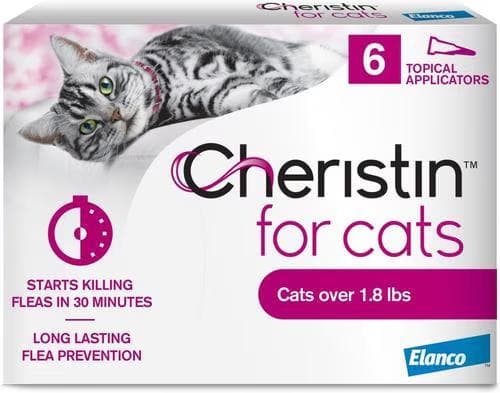
Webvet may earn a commission when you click through to Chewy, at no extra cost to you.
The reason vets take the finding seriously is what the specks are made of. Flea dirt is the excrement of the cat flea, Ctenocephalides felis, and it is largely digested blood taken from your cat and passed back out onto the coat. There is no version of this that happens without live fleas, so on a cat that is not already on a flea product, a confirmed finding is a confirmed infestation even if the cat looks and acts perfectly well.
How much you find tells you very little about how much your cat is suffering. Some cats carry a light dusting of flea dirt with no itching at all, while a flea-allergic cat can be scratching itself bald from a handful of bites that leave barely any evidence behind. Judge the situation on the presence of the specks and on your cat's skin and behavior, never on the quantity of debris you manage to collect.

The macro shot above shows the specks the way you will actually see them, with the coat parted and the light coming over your shoulder. Work in daylight or under a bright lamp, keep the coat parted with your fingers, and look at the skin surface instead of the fur tips.
Check these places first, in this order:
- The tail base and the lower back just in front of it, which is the single highest-yield spot on a cat
- The belly and inner thighs, where the fur is thin and the skin shows through
- The neck, throat, and the fur just behind the ears
- Under the chin and along the jawline
- The bedding, blanket, or cat tree the cat sleeps on, where black specks collect after grooming
If your cat is dark furred, do not try to spot the specks in the coat at all. Comb instead, and read the comb. That method is covered below.
The wet paper towel test: how to confirm flea dirt
This is the step that separates a guess from a diagnosis, and it takes about a minute. The principle is simple: ordinary dirt stays brown or gray when it gets wet, but flea dirt is dried, digested blood, so water redissolves it and it bleeds red. Nothing else on a cat's coat behaves that way.

Now read the result. A positive is unmistakable once you have seen it: each speck softens and spreads into a rust red smear or a reddish-brown halo on the damp paper towel, sometimes with a faint ring around a darker center. Two or three specks that all bleed red make it a positive. That is blood, and it came from your cat.

Webvet may earn a commission when you click through to Chewy, at no extra cost to you.
Here is how to grade what you are looking at:
- Rust red or reddish-brown halos around the specks: positive for flea dirt, and your cat has fleas
- Specks that stay black, gray, or brown and simply get wet: ordinary dirt, litter dust, or outdoor grit
- White or pale flakes that turn translucent and stick: dry skin or dandruff, not flea dirt
- One ambiguous speck and nothing else: inconclusive, so comb a wider area and repeat rather than treating on a maybe
Wait the full thirty seconds before you decide. Flea dirt that has been in the coat for a while is dry and hard, and it can take a few moments to soften enough to release its color.
SponsoredVet care that's always there
Unlimited video calls and messaging with licensed vets for less than a typical vet visit. One membership covers up to five pets.
Use code Pets60
Plans start at $12/month · covers up to 5 pets
- Licensed vets in most states
- Rx for 150+ conditions
- 4.7 on Trustpilot
Flea dirt vs. regular dirt, scabs, and chin acne
Flea dirt is mistaken for other things constantly, and the confusion runs both ways: owners treat cats that do not have fleas, and they dismiss cats that do. The three most common lookalikes are outdoor soil tracked into the coat, dry skin flakes from a dry house or a poorly groomed senior cat, and the dark plugs of feline chin acne clustered under the jaw. Small dried scabs from scratching are a fourth, and they often sit alongside genuine flea dirt rather than instead of it. The wet test sorts all of them out, because only flea dirt turns red.
| What you found | How it looks dry | What it does when wet | What it usually is |
|---|---|---|---|
| Flea dirt | Coarse black specks at the skin, tail base and belly | Softens and bleeds rust red or reddish brown | Flea feces, meaning live fleas |
| Outdoor dirt or litter dust | Gray-brown, powdery, spread evenly over the coat | Stays gray or brown, no color released | Ordinary environmental debris |
| Dry skin flakes | White or pale, flat, sits on top of the fur | Turns translucent and clings, no red | Dandruff, dry air, or poor grooming |
| Chin acne comedones | Dark plugs embedded in the chin skin, hard to dislodge | Stays black, will not lift onto paper | Feline chin acne, a follicular problem |
| Dried scabs | Hard dark crusts attached to skin, often at the neck | Softens slowly, may show old blood but no fine specks | Scratching damage, often flea related |

The chin is worth its own look, because dark specks under the jaw are one of the things owners most often mistake for flea dirt. Chin acne produces blackheads set into the skin that resist a comb and will not transfer to paper, while flea dirt in the same area lifts away easily and bleeds red when wet. Chin debris that will not come off is a skin problem for your vet, not a flea problem.
Checking a black cat's coat
A black cat coat hides flea dirt completely, and no amount of squinting at the fur will help. Do not search the coat at all. Instead, stand the cat on a white towel or a sheet of paper so there is a white surface underneath, comb firmly from the shoulders back to the tail base with a fine-toothed flea comb such as the Frisco flea comb, and let gravity do the finding for you. Whatever falls onto the white surface is what you test. The same trick works for dark tortoiseshells and heavily patterned tabbies where the specks disappear into the markings.
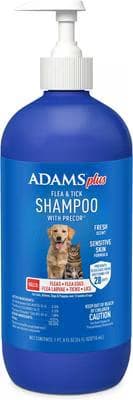
A gentle flea and tick shampoo for cats and dogs that kills ticks on contact and soothes sensitive skin. Handy for washing your dog down after a hike.
Webvet may earn a commission when you click through to Chewy, at no extra cost to you.
Flea dirt but no fleas: what it means
Yes, your cat can have flea dirt and no fleas you can see, and it is one of the most common versions of this problem. Cats are meticulous groomers, and a healthy cat grooms and swallows a large share of the adult fleas on its body before an owner ever spots one moving. The droppings those fleas leave behind stay caught down at the base of the coat long after the flea that produced them is gone. Flea dirt without a single visible flea still means an active infestation, and it should be treated as one.
There are a few reasons the fleas hide and the evidence does not:
- Your cat groomed away the adults, which is exactly what cats are built to do
- Adult fleas move fast, avoid light, and are difficult to catch in a coat at all
- Most of the flea population is not on your cat: eggs, larvae, and pupae in the carpet and bedding vastly outnumber the adults you can see
- Flea dirt falls off into bedding and becomes food for larvae, so the specks you find on a blanket may be days old
- A partly effective or expired product may be killing adults quickly while new ones keep emerging
This is where forum threads reach the wrong conclusion. Owners post that they found specks but no insects, someone replies that it must be something else, and a real infestation goes untreated for weeks. Trust the wet test over the absence of a visible flea. If you want to know what the adults themselves look like when you do catch one, see our guide to the signs of fleas on cats and what they look like, and for the pale specks people find alongside the dark ones, our guide to flea eggs on cats explains the difference.
How to get rid of flea dirt on your cat
Getting rid of flea dirt has two halves, and they are not the same job. Removing the specks that are already in the coat is mechanical: you comb them out, or you bathe them out. Stopping new ones from appearing is medical: it requires a flea product licensed for cats, such as the over-the-counter topicals Cheristin, Advantage II, and Frontline Plus for Cats, applied to every pet in the household, plus a clean-up of the environment where the eggs and larvae are living. Doing only the first half leaves the cat with fleas and a tidy coat.
Work through it in this order:
- Comb the coat thoroughly with a fine-toothed flea comb, working from the neck back to the tail base and dipping the comb in hot soapy water between passes to kill anything you catch.
- Wipe the skin with a warm damp cloth in the heaviest areas, which lifts loose specks without soaking a stressed cat.
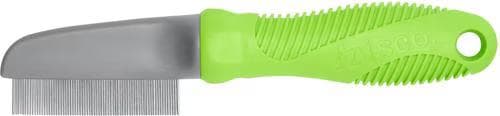
Webvet may earn a commission when you click through to Chewy, at no extra cost to you.
- Bathe only if your cat tolerates it, using a shampoo labeled for cats such as Adams Plus. A bath removes the visible dirt and knocks down adult fleas, but it does nothing to the eggs and pupae in your home.
- Start a vet-recommended flea preventive for cats the same day, such as a prescription topical like Revolution Plus or Bravecto PLUS for cats, and keep it going for at least three consecutive months so the environmental stages die out.
- Wash all bedding, blankets, and soft cat furniture on the hottest cycle the fabric allows, and vacuum floors, rugs, and upholstery thoroughly, emptying the canister outside afterward.
- Treat every cat and dog in the home, not just the one with the evidence.

Choosing which product to reach for, and how fast each type works, is its own decision. Our guide to getting rid of fleas on cats covers what actually kills fleas quickly and how the oral, topical, and collar options compare, including where a fast-acting oral like Capstar fits: it kills the adult fleas already on the cat but does not keep working past the day you give it. A bath can rinse away loose flea dirt and knock down some of the adults on the coat, but shampoo leaves nothing behind on the skin, so it does not stop the next wave hatching out of the carpet.
How long flea dirt lasts after flea treatment
Still finding specks two weeks after starting a flea product is normal, and it is not proof the product failed. Flea dirt already in the coat is inert debris. Nothing kills it, so it stays put until it is combed out, bathed off, or groomed away by the cat, and the grooming out window for a moderately affected cat is usually one to two weeks.
Fresh flea dirt is a different signal, and the timeline looks like this:
- First 24 hours: an effective product kills the adult fleas on the cat, so no new droppings should be produced by that generation
- Days 1 to 14: old specks keep surfacing as the coat is groomed and combed, which is expected and not a treatment failure
- Weeks 2 to 8: pupae already in the carpet keep releasing new adult fleas that jump on, so occasional fresh flea dirt is normal while the environmental population dies out
- Beyond 8 to 12 weeks of consistent monthly treatment: fresh flea dirt should have stopped entirely
Comb the same area twice a week and keep track of how much you collect. A steadily falling count means the plan is working. If the amount is flat or rising after a month of correct dosing, if your cat is scratching raw or losing hair, or if you see pale gums or weakness, book a veterinary appointment rather than adding a second product. Doubling up on flea treatments is a common and avoidable way to make a cat sick.
Flea dirt on your bed and whether it is harmful to humans
Black specks on your sheets, on the sofa, or on a light-colored rug usually mean the same thing as specks on the cat: flea dirt shaken loose from the coat during grooming or sleep. Test it exactly the same way, on a damp white paper towel. It matters, because flea dirt on bedding is what flea larvae eat, so a sleeping spot with specks in it is quietly feeding the next generation.
Flea dirt cannot infest you. It does not burrow into human skin, and handling it will not put fleas on you. There are still good reasons to wash your hands, clean it up, and not live with it:
- Flea feces can carry bacteria, including Bartonella henselae, the organism behind cat scratch disease, which is why hand washing after handling an infested cat is worth doing
- The fleas producing it do bite people, usually around the ankles, leaving small itchy red spots
- Flea dirt in bedding sustains larvae and prolongs the infestation
- Swallowed fleas can pass tapeworms to your cat, which is a follow-up your vet may want to treat
Strip and hot-wash the bedding, vacuum the mattress and the frame, and treat the cat. If anyone in the household develops an unexplained fever, swollen glands, or an infected-looking scratch, that is a conversation for your own doctor rather than something to manage at home.
Flea dirt on dogs
Flea dirt looks and behaves identically on a dog: black specks at the skin, heaviest over the rump and belly, and the same rust-red result on a damp towel. The differences are practical rather than diagnostic, because dogs are combed and bathed more easily and their flea product options are broader. Our guide to flea dirt and fleas on dogs covers dog-specific treatment and the household plan in full.
Flea dirt questions cat owners ask
Frequently Asked Questions
Can an indoor-only cat have flea dirt?
Yes. Indoor cats still get fleas, because fleas arrive on a dog, on human shoes and trouser cuffs, on secondhand furniture, or from a shared hallway or basement in an apartment building. An indoor cat has no protective barrier against a flea that gets carried through the door. If the wet test comes back red, the specks are still flea dirt and the cat still needs treating. Never dismiss a positive result on the grounds that your cat does not go outside, because that assumption is one of the most common reasons an infestation is allowed to build for months.
Does flea dirt on my cat mean my cat has tapeworms?
Not automatically, but it raises the risk enough to mention it to your vet. Cats pick up the tapeworm Dipylidium caninum when they have swallowed a flea during grooming, and a cat with flea dirt is grooming fleas off itself daily. The sign to look for is small, pale, rice grain segments around the anus, in the bedding, or in the litter box, sometimes moving. Tapeworms need a specific dewormer, so an over-the-counter worming product may not touch them. Ask your veterinarian to treat for fleas and tapeworms together if you see anything that fits.
Do my other pets need treating if only one cat has flea dirt?
Yes. Treat every pet in the home on the same day, including the animals with no visible evidence. Fleas move between animals freely, and most of the population lives in the carpet and bedding rather than on any one pet, so one untreated pet reinfests everyone else within days and makes it look as though the products are not working. Use a product licensed for each species and each weight range, never split a dog dose for a cat, and keep everyone on monthly prevention for at least three months.
Does flea dirt come off easily if I just brush my cat?
Not with an ordinary brush. Flea dirt sits down at the base of the hairs against the skin, and a regular slicker or bristle brush skims the coat surface and passes over most of it. A fine-toothed flea comb, with teeth close enough to reach the skin, is what actually lifts the specks out. How easily the specks move is also not a diagnosis. Wet what you collect and read the color instead.
Can I check for flea dirt without a flea comb?
Yes. Part the coat with your fingers over a sheet of white paper and rub the skin at the tail base briskly against the direction the fur grows, so loose specks drop onto the paper. A damp white cloth or cotton pad wiped over the same area works too, and any specks that streak rust red on it count as a positive. A fine-toothed human nit comb is a reasonable stand-in. A proper flea comb simply collects more in less time.
My cat is scratching constantly but I only found a few specks of flea dirt. Why?
Flea allergy dermatitis is the usual explanation. Cats sensitized to proteins in flea saliva can itch for days from a single bite, so the itch tracks the allergy rather than the size of the flea burden. Constant grooming then removes much of the evidence before you go looking. Treat the fleas properly, and book a veterinary appointment if the scratching continues once the fleas are gone, because food allergy, environmental allergy, mites, and skin infection all itch the same way.
My kitten has flea dirt. When does that need a vet visit?
Any kitten under about eight weeks, or one that seems weak, and any kitten at all if you see pale gums, cold ears, fast breathing, or unwillingness to nurse or play. Fleas take blood, and a small kitten can lose a dangerous amount quickly. Call the same day for those signs. Even a bright kitten is worth a call before you treat, because flea products carry minimum age and weight limits and your veterinarian will pick one that is safe at that size.
What happens if I ignore flea dirt on my cat?
It gets worse, and it gets worse fast. Every day the infestation is left alone, the fleas on your cat keep feeding and each female drops dozens of eggs into your carpets and bedding, so a light problem becomes a household one that takes months to clear. For the cat, the likely costs are relentless itching, hair loss and scabbing over the lower back, secondary skin infection, tapeworm from swallowed fleas, and, in kittens and frail cats, dangerous blood loss.
Sources

Editor
The Webvet Editorial Team is the in-house group of pet-care editors and writers behind Webvet, operated by Smart Pet Collective. The team researches, writes, and maintains Webvet's pet health, behavior, and medication content. Every article follows a defined editorial process: research from reputable veterinary and scientific sources, careful drafting, mandatory review of medical content by a credentialed veterinarian, and dated publication. Health and medication articles are medically reviewed by a licensed veterinary professional before they go live and are kept current over time.
Veterinarian · BVMS MRCVS
Dr. Pippa Elliott, BVMS, MRCVS, is a veterinarian with nearly 30 years of experience in companion animal practice. Dr. Elliott earned her Bachelor of Veterinary Medicine and Surgery from the University of Glasgow. She was also designated a Member of the Royal College of Veterinary Surgeons. Married with 2 grown-up kids, Dr. Elliott has a naughty Puggle named Poggle, 3 cats and a bearded dragon.


