Cephalexin for Dogs: Uses, Dosage, Side Effects, and Cost
Cephalexin, sold for dogs as Rilexine and as generic capsules, is a prescription antibiotic vets use for skin and other bacterial infections. This guide covers dosing by weight, side effects, when to stop, and what it costs.

BVMS MRCVS
Medically reviewed by Dr. Pippa Elliott, BVMS MRCVS · Last reviewed

Drug facts
Cephalexin (Rilexine, Keflex)· Cephalexin
Cephalexin is a prescription cephalosporin antibiotic. Rilexine chewable tablets are FDA-approved for secondary superficial bacterial pyoderma in dogs caused by Staphylococcus pseudintermedius; the label dose is 22 mg/kg (10 mg/lb) twice daily for 28 days. Vets also use generic capsules and liquid extra-label for some other infections.

 Sponsored
Is Cephalexin (Rilexine, Keflex) right for your dog?
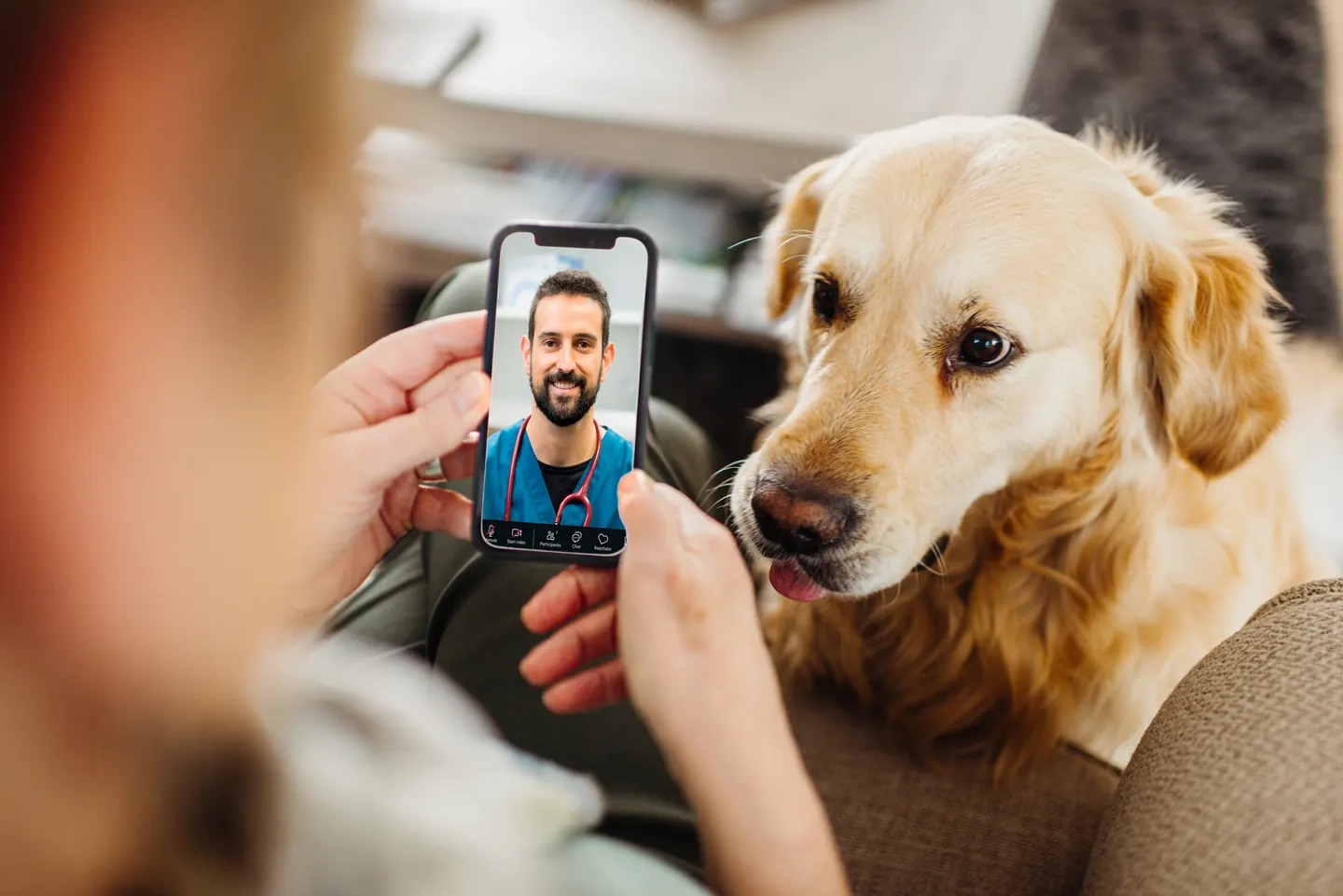
A licensed vet at Dutch can assess your dog over video and prescribe treatment when it's appropriate, delivered to your door.
Use code Pets60
Plans start at $12/month · covers up to 5 pets
- Licensed vets in most states
- Rx for 150+ conditions
- 4.7 on Trustpilot
Cephalexin for dogs: what Rilexine and Keflex treat, prescription status, and whether today is a vet day
Cephalexin for dogs is a prescription cephalosporin antibiotic. The veterinary brand is Rilexine, a chewable tablet the FDA approved for bacterial skin infection (superficial pyoderma) in dogs, while Keflex is the human brand of the same drug. Vets use it mainly for staph skin infections, and some urinary infections off label.
A dog only gets cephalexin after a vet exam, so a new skin infection, a urinary problem, or a dog that is getting worse on its current course is a vet day. The veterinarian sets the dose from the dog's weight, the full course is finished even when the skin looks better, and fish or human cephalexin is not a safe swap.
- 1What cephalexin treats: bacterial infections, mainly staph skin infection (superficial pyoderma), with urinary and other uses extra-label.
- 2Dog dosing by weight band is the vet's calculation from the dog's current weight; the Rilexine label states 22 mg/kg (10 mg/lb) twice daily for 28 days.
- 3Status: prescription only, and the vet confirms a bacterial infection before starting it.
- 4Stop and call the vet now for rash, fever, difficulty breathing, pale gums, or a dog that has not eaten for 24 hours.
- 5Fish antibiotic cephalexin and leftover human Keflex are not substitutes for a prescribed course.
The drug itself is cephalexin monohydrate, a first-generation cephalosporin antibiotic in the beta-lactam family, the same broad family as penicillin. The Rilexine package insert describes it as a broad spectrum antibiotic and lists the approved target as Staphylococcus pseudintermedius, the bacterium behind most canine skin infections.
Prescription status is not a formality. The FDA Freedom of Information Summary for Rilexine records that lay directions cannot be written because professional expertise is needed to diagnose the infection. Rilexine (Cephalexin) Chewable Tablets for Dogs, 300-mg, 30 tablets is the chewable version for dogs, and Chewy Pharmacy fills it only with a veterinarian's prescription.
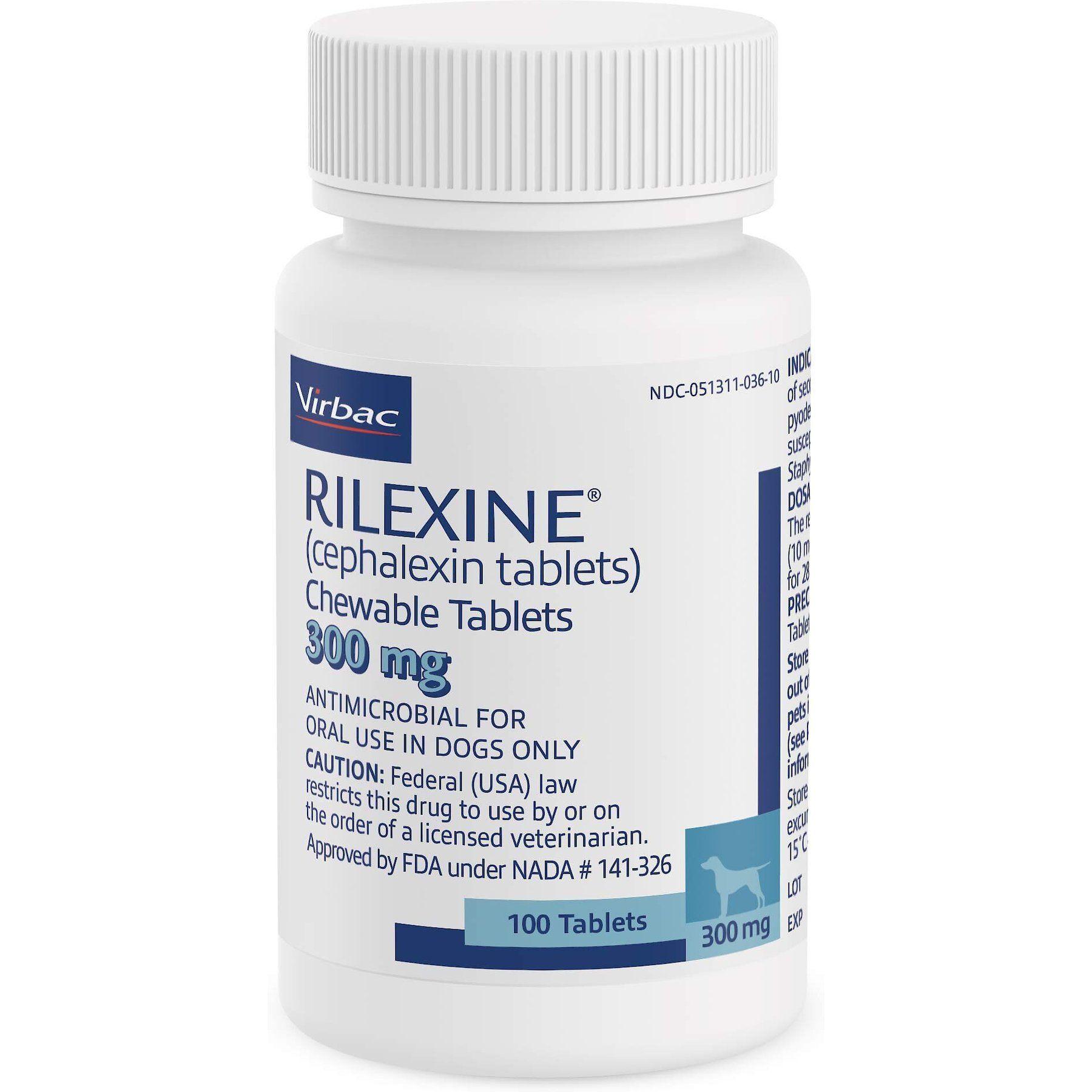
The FDA-approved chewable cephalexin for dogs, filled only on a veterinarian's prescription.
Webvet may earn a commission when you click through to Chewy, at no extra cost to you.
Is cefalexin good for dogs?
Yes. Cefalexin, the international spelling of cephalexin, is FDA-approved for dogs as Rilexine. In the US field study on the label, 70% of treated dogs with superficial pyoderma were successes compared with 13% on placebo. That makes it a well-supported first choice for staph skin infection, though only when a vet confirms bacteria are the cause.
Rather than owner reviews, the strongest evidence that cephalexin works in dogs is that controlled trial: 131 dogs were analyzed, 91 on Rilexine and 40 on a placebo, twice daily for 28 days. The Merck Veterinary Manual lists first-generation cephalosporins such as cephalexin as first-tier drugs that can be used in dogs with no history of methicillin resistance.

Cephalexin dosage for dogs by weight
Cephalexin dosage for dogs is set by the vet from body weight, given in milligrams per kilogram or per pound, and the label and veterinary references state different ranges by infection. No dosage calculator or printed chart replaces the vet, who works out how much cephalexin each dog gets and which capsule or chewable strength fits.
| Use | Weight band | What the label or reference states | Form |
|---|---|---|---|
| Superficial pyoderma, FDA label (Rilexine) | Every weight band: the vet calculates from the dog's current weight | 22 mg/kg (10 mg/lb) twice daily for 28 days | Chewable tablet, 150 mg, 300 mg, or 600 mg, scored to split |
| Pyoderma (Merck Veterinary Manual) | Every weight band: the vet calculates | 25–30 mg/kg by mouth every 12 hours for 21 to 42 days | Capsule, chewable tablet, or liquid as prescribed |
| Pyoderma (Ohio State veterinary guidelines) | Every weight band: the vet calculates | 22–35 mg/kg by mouth every 12 hours | Capsule, chewable tablet, or liquid as prescribed |
| Urinary tract infection, extra-label (Ohio State) | Every weight band: the vet calculates | 15 mg/kg by mouth every 6–8 hours for 14–28 days | Capsule or liquid as prescribed |
| General dog range (Merck dosage table) | Every weight band: the vet calculates | 15–45 mg/kg by mouth every 6–12 hours | Capsule, chewable tablet, or liquid |
| Fish antibiotic cephalexin (Aqua-Ceph, Fishbiotic) | No weight band | No dog dose; FDA says these products are not approved | Not for dogs |
The sources do not agree on one number. The Rilexine package insert states 22 mg/kg (10 mg/lb) twice daily for 28 days. The Merck Veterinary Manual pyoderma chapter gives 25–30 mg/kg every 12 hours for 21 to 42 days, and its cephalosporin dosage table lists a wider 15–45 mg/kg every 6–12 hours.
The Ohio State veterinary antimicrobial guidelines split doses by infection: 22–35 mg/kg every 12 hours for pyoderma, 15 mg/kg every 6–8 hours for urinary tract infection, and other ranges for bone and respiratory infections. That spread is why a per-pound or per-kg calculator online cannot tell an owner what their own dog needs.

Generic cephalexin comes as capsules in 250 mg, 333 mg, 500 mg, 700 mg, and 750 mg sizes, plus tablets and an oral liquid, according to Veterinary Partner. Cephalexin (Generic) Capsules, 500-mg, 30 capsules is one common generic form, and it is filled by Chewy Pharmacy or the vet only with a veterinarian's prescription.
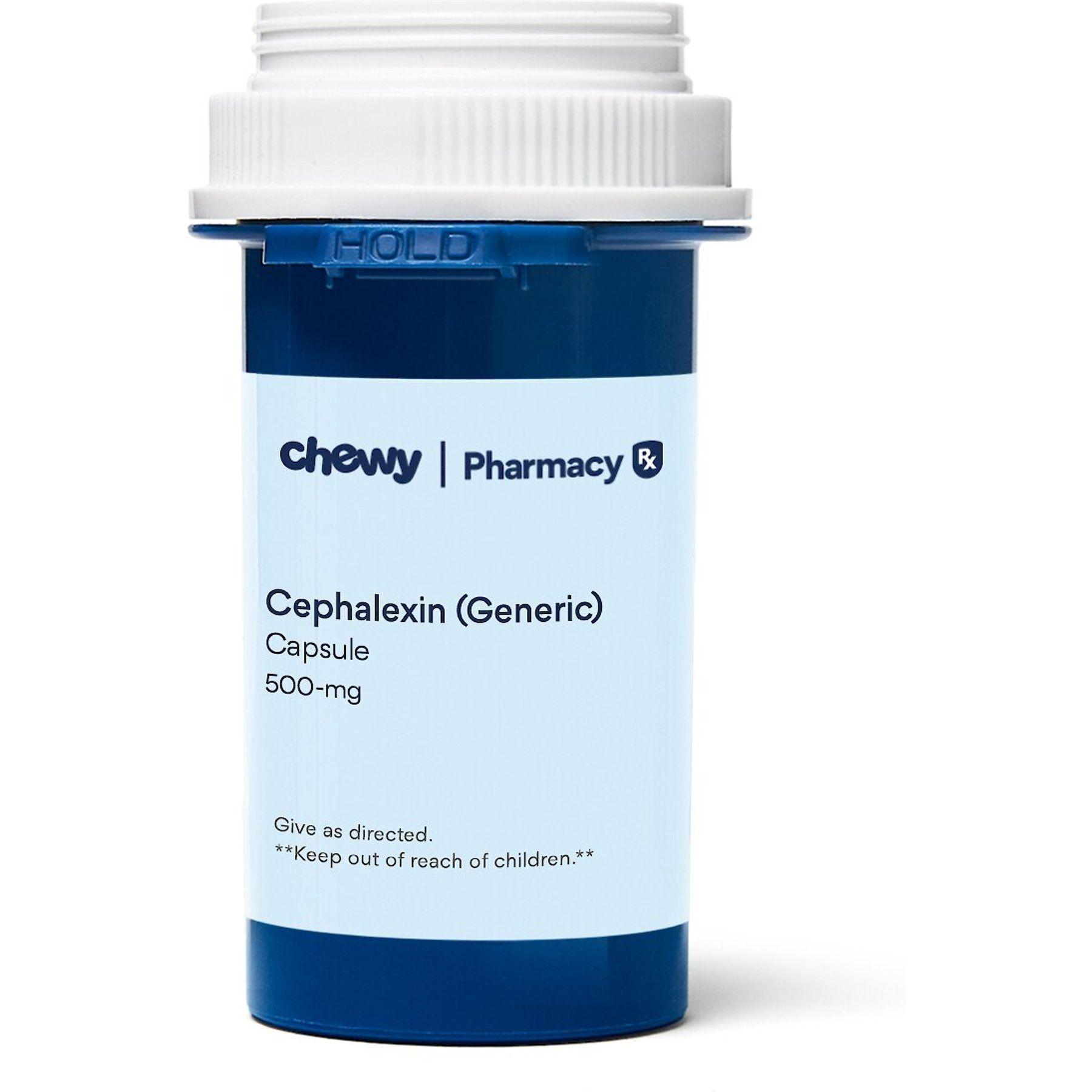
Generic cephalexin capsules in the 500 mg strength, dispensed only against a veterinarian's prescription.
Webvet may earn a commission when you click through to Chewy, at no extra cost to you.
Capsules versus chewables comes down to the dog and the dose. Rilexine chewables are scored so a vet can prescribe half tablets, and the label reports that dogs freely took 80.8% of doses in one study and 78.4% in another. Capsules come in more strengths, and the oral liquid lets the vet prescribe a measured volume.
The label also asks for culture and susceptibility testing before treatment where possible. A vet may start cephalexin before results return, then change the drug if the bacteria are resistant or the dog is not improving.
Give exactly what the vet prescribed, at the times prescribed, and never change, double, or stop the dose without the vet.
Is cephalexin 500mg a strong antibiotic?
No, 500 mg describes the amount in one capsule, not a stronger kind of cephalexin. Whether 500 mg is a lot depends on the dog's weight: Veterinary Partner warns that tablet size is not an indication of a proper dose. A 500 mg capsule may be a full dose for one dog and part of a dose for another, so only the prescription label answers it.
What cephalexin is used for in dogs and what it does not treat
Cephalexin is used in dogs mainly for bacterial skin infection, and because it is an antibacterial drug, it only helps when bacteria cause the problem. The Rilexine package insert warns that giving it without a proven or strongly suspected bacterial infection is unlikely to help and raises the risk of drug-resistant bacteria.

What infections does cephalexin treat?
Cephalexin treats bacterial skin infection in dogs first and foremost: the FDA label covers superficial pyoderma caused by Staphylococcus pseudintermedius. VCA Animal Hospitals adds that it is sometimes used off label for urinary tract infections, and Ohio State lists extra-label use for bone, respiratory, and other soft tissue infections when culture supports it.
The common uses vets weigh it for include:
- Staph skin infection and superficial pyoderma, including the red bumps and pustules shown in these pyoderma in dogs pictures. The Merck Veterinary Manual names Staphylococcus pseudintermedius as the primary pathogen.
- Deep skin infection and kidney infection, which Veterinary Partner says can need courses of six to eight weeks.
- Urinary tract infection (UTI), as extra-label use. Ohio State calls cephalexin a less preferred UTI choice, so read the full dog UTI treatment options before assuming it fits.
- Bone or orthopedic infection, as extra-label use the Ohio State guidelines list for 28 days.
- Infected hot spots, where the vet finds a bacterial skin infection; the background on hot spots on dogs explains what they are.
Merck adds a point many owners miss: for surface or superficial pyoderma, topical therapy alone is the usual first treatment, and tablets are kept for deeper or stubborn infection. Itchy skin and licking can come from an underlying problem: Merck links recurrent pyoderma to underlying diseases such as allergies, which is why it keeps returning until that cause is managed.
Topical care runs alongside the prescription only as the vet directs. Douxo S3 PYO Antiseptic Antifungal Chlorhexidine Dog & Cat Wipes 30 count is a chlorhexidine wipe for spot cleaning when the vet recommends it, and the Barpor Protective Recovery Cone Dog Collar, Medium keeps a dog from licking a treated patch. Neither replaces the prescribed antibiotic or the vet exam.
What bacteria does cephalexin not treat?
Cephalexin does not treat Enterococcus, Pseudomonas aeruginosa, or methicillin-resistant Staphylococcus, according to both the Merck Veterinary Manual and Ohio State. Methicillin-resistant Staphylococcus pseudintermedius (MRSP) is why recurring skin infections need a culture, and why vets may move to a different class such as marbofloxacin for dogs only when testing supports it.
Sources disagree on anaerobic bacteria: Veterinary Partner says most anaerobic infections are sensitive to first-generation cephalosporins, while Merck says they are less effective against anaerobes than penicillins.
The ISCAID skin infection guidelines note that superficial bacterial folliculitis is frequently recurrent and that methicillin-resistant S. pseudintermedius has focused attention on careful management. Several common problems are not bacterial at all, so cephalexin cannot fix them:
- Ringworm is a fungal infection, per the Merck Veterinary Manual, and needs antifungal care.
- Yeast (Malassezia) infection is a common coinfection with pyoderma, and an antibiotic does nothing for the yeast.
- Parvo is a virus. Merck notes antimicrobials are used in parvo care because of the risk of bacteria crossing a damaged gut, which is hospital-directed supportive care, not a home cephalexin course.
- Kennel cough, eye infection, ear infection, gum infection, and tooth infection are outside the Rilexine label. Any cephalexin use for them is extra-label and decided after an exam; Merck notes clindamycin is approved in dogs for dental infections.
Cephalexin side effects in dogs
Most oral cephalexin side effects in dogs are stomach-related. The Rilexine package insert lists diarrhea, vomiting, loss of appetite (anorexia), and lethargy as the most common reactions.
Nausea usually settles when the dose is given with food, according to Veterinary Partner. A small food-wrapped pill treat such as Greenies Pill Pockets Cheese Flavor Natural Dog Treats, Capsule Size, 30 count is one way to pair a capsule with food, but it does not replace the prescribed treatment or the vet exam.
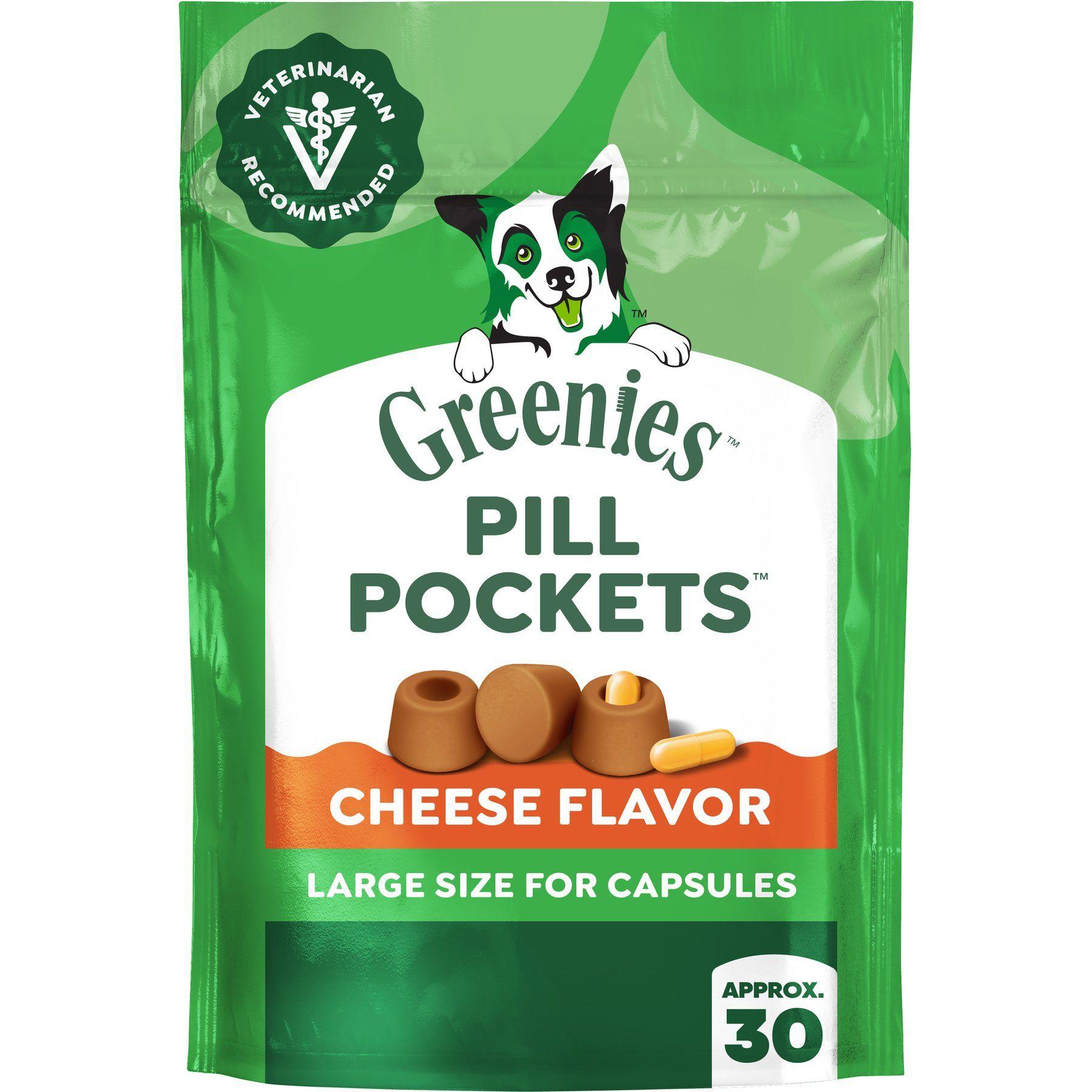
A capsule-size soft treat pocket for pairing each cephalexin dose with a little food.
Webvet may earn a commission when you click through to Chewy, at no extra cost to you.
In the field study, 34% of dogs on Rilexine (50 of 145) and 33% on placebo (22 of 66) had some adverse reaction. The label counts each reported reaction, and a dog could be counted more than once:
- Vomiting: 29 reports on Rilexine, 9 on placebo.
- Diarrhea: 19 reports on Rilexine, 6 on placebo.
- Anorexia (not eating): 13 reports on Rilexine, 2 on placebo.
- Lethargy: 9 reports on Rilexine, 3 on placebo.
- Increased thirst (polydipsia): 2 reports in each group.
Constipation does not appear in the label's adverse reaction list, and neither does a change in peeing beyond that small, equal thirst count. If a dog is straining to pass stool or urinating much more on cephalexin, the vet should hear about it, especially when the antibiotic was prescribed for a urinary infection.
Veterinary Partner also notes that a few dogs become hyperexcitable and drool on cephalexin; if that happens, it says another antibiotic should be selected. Cephalosporins can also skew some lab tests, giving false positive urine glucose and falsely high urine protein results, so the vet should know about the drug before any urine test.
Diarrhea was the second most common reaction in the field study. Merck notes antibiotic-related colitis from disrupted gut bacteria has been reported. Whether a probiotic helps is a question for the vet, and dog probiotics after antibiotics covers the timing. Nutramax Proviable Probiotics & Prebiotics Digestive Health Supplement for Dogs & Cats, 60 count is one multi-strain option; ask the vet first, since it does not replace the treatment plan.
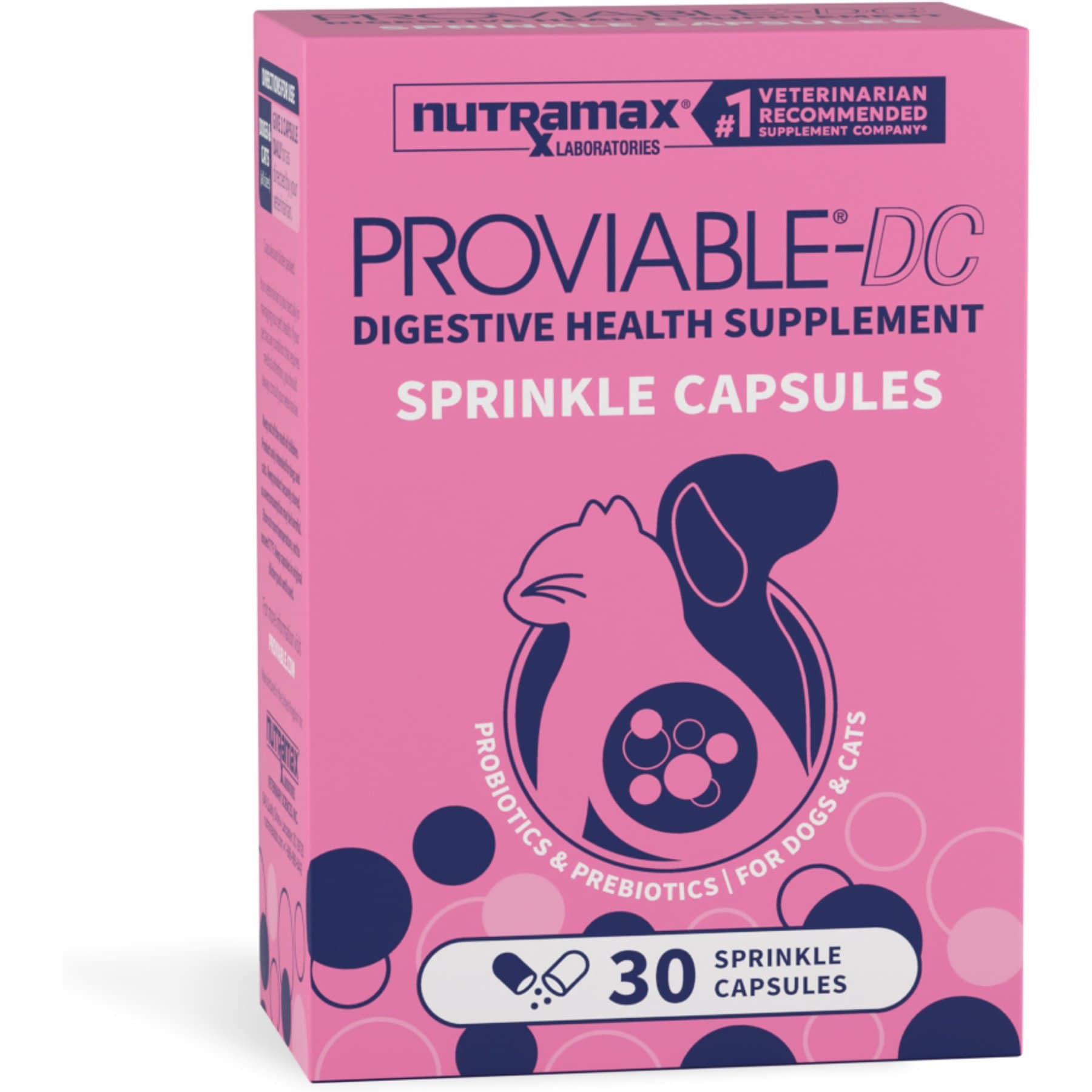
A multi-strain probiotic and prebiotic supplement to discuss with the vet during an antibiotic course.
Webvet may earn a commission when you click through to Chewy, at no extra cost to you.
Veterinary Partner describes cephalexin as commonly used for several months without monitoring tests and considered safe long term, while VCA notes that dogs with kidney disease may need monitoring.
 Sponsored
Vet care that's always there
Unlimited video calls and messaging with licensed vets for less than a typical vet visit. One membership covers up to five pets.
Use code Pets60
Plans start at $12/month · covers up to 5 pets
- Licensed vets in most states
- Rx for 150+ conditions
- 4.7 on Trustpilot
What are the worst side effects of cephalexin?
The worst side effects are allergic reactions and, rarely, blood cell changes. VCA lists fever, rashes, difficulty breathing, and pale gums as possible allergy signs. The label adds that cephalosporins have occasionally been linked to low white blood cell counts (toxic neutropenia), anemia, and low platelets. These are uncommon, but they need the vet promptly.
When to stop cephalexin and call the vet now
VCA Animal Hospitals tells owners to stop cephalexin and contact the vet immediately for skin reactions or no food intake for 24 hours. A sensitivity can appear after several uneventful doses, so watch for allergy signs through the whole course.
Call the vet now for:
- Difficulty breathing, rash or other skin reaction, fever, or pale gums.
- No food for 24 hours, or vomiting that is severe.
- Blood in the stool, or diarrhea that is severe or persists. Blood in stool is not among the label's reported reactions, so it needs the vet rather than waiting it out.
- Any sign of overdose, including a dog that got into the bottle.

Overdose is a real risk with chewables. The label says Rilexine tablets are designed to taste good, and post-approval reports show dogs and cats may eat more than the prescribed amount. Owners should contact the vet immediately if a dog eats more tablets than prescribed or another pet eats any.
The safety study in the FDA review is reassuring: young Beagles given up to five times the label dose, three times daily for 12 weeks, all survived. An overdose still means a call to the vet with the product name, the dog's weight, and how many tablets are missing.
People can react too. The label warns that anyone sensitive to penicillins or cephalosporins should avoid skin contact with the product, and a person who swallows it should contact a physician immediately.
Drug interactions and dogs that should not take cephalexin
VCA states there are no documented drug interactions for cephalexin in animals, but it lists probenecid and warfarin as drugs to use with caution. Veterinary Partner adds that omeprazole, a strong antacid, and metoclopramide, a stomach motility drug, can raise cephalexin levels in the body.
Dogs that should not take cephalexin, or need extra care:
- Dogs with a known allergy to cephalexin, any cephalosporin, or any penicillin: the label contraindicates it.
- Dogs with kidney disease, where VCA says lower doses may be necessary and Merck notes dosages might be decreased in renal failure.
- Breeding, pregnant, or nursing dogs: the label says safety has not been evaluated, and Veterinary Partner says the drug crosses the placenta and is best avoided in pregnancy if possible.
- Dogs sensitive to other beta-lactam antibiotics such as penicillins or carbapenems, which VCA lists for caution.
A dog with a past reaction to amoxicillin for dogs and cats or Clavamox for dogs and cats shares that penicillin-family risk. Merck says cross-reactivity with penicillin allergies is possible, and the human Keflex label puts cross-hypersensitivity at up to 10% of people with a penicillin allergy history.
Tramadol, prednisone, and Benadryl (diphenhydramine) do not appear on the VCA or Veterinary Partner caution lists. The Rilexine field study excluded dogs given recent corticosteroids such as prednisone, so the label data do not cover that pairing; the vet decides.
What to avoid when on cephalexin?
Avoid starting any new medicine, antacid, or supplement without telling the vet, because omeprazole, metoclopramide, probenecid, and warfarin are the drugs sources flag. Also avoid giving a pet with a known penicillin or cephalosporin allergy any cephalexin, and avoid leaving tasty chewables where the dog or other pets can reach them.
How to give cephalexin, finish the course, and what it costs
Cephalexin can be given with or without food, according to VCA, and the label notes food lowers the peak blood level without meaningfully changing how much is absorbed. Shake a liquid well and measure each dose carefully.
Ways to get each dose in:
- Offer a Rilexine chewable by hand or in an empty bowl; most dogs in the label studies took it freely.
- Hide a capsule in a soft treat or a small piece of food the vet approves.
- Use a pill tool such as the Vet Worthy Pill Gun for Dogs for a dog that spits capsules out. A pill tool helps the dose go down; it does not replace the prescription.
- Ask the vet for the liquid if the dog cannot take capsules; capsules should not be opened or crushed unless the vet says so.
If a dose is missed, VCA advises giving it when remembered, or skipping it if the next dose is almost due. Never give two doses at once. Store capsules and tablets tightly sealed, away from light, at room temperature; the liquid goes in the refrigerator and is thrown out after 14 days.
Owners can buy cephalexin for dogs from the vet clinic, or from a pharmacy, including an online pharmacy, once the vet sends the prescription. It is a prescription drug, so it cannot legally be bought over the counter or without a vet prescription. Generic cephalexin and the Rilexine brand are the same active ingredient, cephalexin monohydrate, in different forms.
What cephalexin costs depends on the strength and the number of doses. Cephalexin (Generic) Capsules, 500-mg, 30 capsules was listed at $5.10 on Chewy when checked in November 2026, and Rilexine (Cephalexin) Chewable Tablets for Dogs, 300-mg, 30 tablets was listed at $26.70 on Chewy when checked in November 2026. Both need a veterinarian's prescription.

Fish antibiotic cephalexin is not a substitute. An FDA warning letter named Aqua-Ceph, Aqua-Ceph Forte, and Fishbiotic Cephalexin as not approved, conditionally approved, or index listed, and marketed for aquarium fish. The FDA says such products may not even contain what the label states, and self-treatment could delay effective treatment.
Expired or leftover cephalexin is not a safe shortcut either. Check the expiration date, and use only a course the vet prescribed for the current problem.
Choosing between cephalexin and doxycycline or clindamycin comes down to which bacteria the vet expects. Doxycycline is a tetracycline that Merck calls the usual choice for rickettsial and mycoplasma infections, clindamycin is approved for wounds, abscesses, and dental infections, and cefpodoxime for dogs is a related cephalosporin the vet may weigh instead.
How long does cephalexin take to work?
Cephalexin starts working within one to two hours, but VCA notes visible improvement may take a few days. Skin infections take longer to look normal: the label measured success at the end of a 28-day course. If the dog is not improving, the label says the vet should re-evaluate the diagnosis.
How many days the course lasts depends on the infection. The label course is 28 days, Merck gives 21 to 42 days for pyoderma, and Ohio State lists 14–28 days for extra-label urinary use.
What foods to eat while on cephalexin?
A dog on cephalexin can eat its normal diet; the label and VCA place no food restriction on it. If the drug causes nausea or vomiting, giving each dose with a small meal or a bland treat the vet approves is the usual first step, and Veterinary Partner says food generally solves the nausea.
What food cannot be eaten with antibiotics?
No food is off limits with cephalexin. Food restrictions belong to other antibiotics: the Merck Veterinary Manual notes milk products reduce absorption of older tetracyclines, though not doxycycline.
Cephalexin for dogs questions
Frequently Asked Questions
Can you crush cephalexin for dogs?
Do not crush tablets or open a capsule unless the vet approves it. The Rilexine label gives no instructions for crushing, but its chewables are scored so the vet can prescribe half tablets. For a dog that cannot take a capsule whole, the better fix is asking for the chewable or the oral liquid.
Is fish cephalexin the same as dog cephalexin?
No. Fish cephalexin products are labeled for aquarium fish, and the FDA has said they were never approved and may not contain what the label states. Dog cephalexin is a prescription drug with a known strength, chosen by a vet who has confirmed a bacterial infection.
Can you buy cephalexin for dogs over the counter?
No. Cephalexin for dogs is prescription only: federal law restricts Rilexine to use by or on the order of a licensed veterinarian. A pharmacy can fill it once the veterinarian authorizes the prescription, which also makes sure the infection is bacterial in the first place.
Is amoxicillin or cephalexin better for dogs?
Neither is better for every infection. In a European study summarized in the FDA review, cephalexin and amoxicillin with clavulanic acid cleared skin lesions at rates that were not statistically different. The vet picks between them based on the infection site, culture results, and any history of allergy.
How many days should a dog take cephalexin?
As many days as the vet prescribes, which is often several weeks for skin infection. The Rilexine course is 28 days, and Merck says the course continues until the lesions resolve and a recheck exam shows no remaining infection. Book the recheck before the last dose rather than stopping early.
Can I give my dog expired cephalexin?
No. Expired or leftover antibiotics are a poor bet: the FDA warns that sub-potent antibiotics can fail to treat infections and add to antibiotic resistance. A leftover partial course is also rarely the right drug or dose for a new problem, so the vet should see the dog first.
Veterinarian · BVMS MRCVS
Dr. Pippa Elliott, BVMS, MRCVS, is a veterinarian with nearly 30 years of experience in companion animal practice. Dr. Elliott earned her Bachelor of Veterinary Medicine and Surgery from the University of Glasgow. She was also designated a Member of the Royal College of Veterinary Surgeons. Married with 2 grown-up kids, Dr. Elliott has a naughty Puggle named Poggle, 3 cats and a bearded dragon.


