Amoxicillin for Dogs and Cats

BVMS MRCVS
Medically reviewed by Dr. Pippa Elliott, BVMS MRCVS · Last reviewed

Drug facts
Amoxicillin
Amoxicillin is a broad-spectrum, time-dependent beta-lactam antibiotic used in dogs and cats to treat bacterial infections such as urinary tract infections, skin infections, wounds, and abscesses. It is often combined with clavulanic acid to overcome bacterial resistance.
Treats
 $65 · no membership
Need a prescription for Amoxicillin?
A licensed vet can assess your pet over video and prescribe Amoxicillin online when it's appropriate.
 Talk to a vet
- Licensed vets
- All 50 states
- same-day Rx
Webvet may earn a commission if you book.
What Is Amoxicillin for Dogs and Cats
Overview
Amoxicillin is a semisynthetic aminopenicillin belonging to the beta-lactam class of antibiotics. It works best when drug levels stay above the bacteria’s minimum inhibitory concentration, which is why it is described as a time-dependent antibiotic. Amoxicillin has a broader spectrum of activity than penicillin and is very effective against many common bacteria seen in dogs and cats.
In veterinary practice, amoxicillin is used alone or in combination with clavulanic acid. The combination (amoxicillin-clavulanate) greatly expands its ability to treat resistant bacteria, which is why it is one of the most frequently prescribed antibiotics in companion animals worldwide.
Explore more digestive and GI medications in our Digestive section.
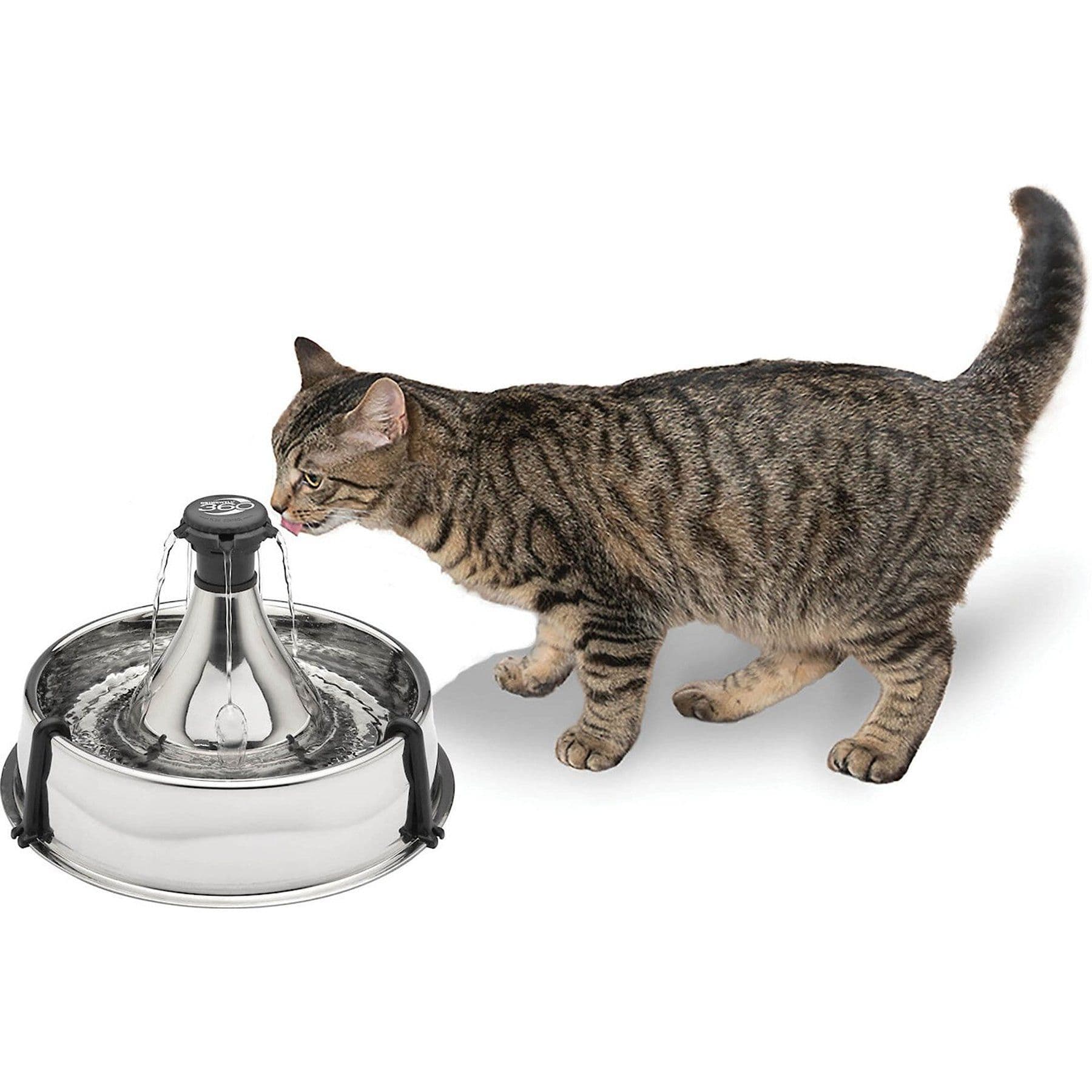
Webvet may earn a commission when you click through to Chewy, at no extra cost to you.
What Is Amoxicillin for Dogs and Cats Used For
Amoxicillin kills bacteria by blocking their ability to build and maintain their cell wall. Without a stable cell wall, the bacteria rupture and die. Because its activity depends on maintaining therapeutic levels over time, consistent dosing is important for treatment success.
| Condition | Notes |
|---|---|
| Skin wounds and abscesses (cats) | Highly effective against Pasteurella multocida and anaerobes. |
| Urinary tract infections (dogs) | Amoxicillin-clavulanate is a first-tier choice for bacterial UTIs. |
| Respiratory infections | Useful for bacterial upper respiratory disease. |
| Pyoderma (skin infection) | Effective for superficial and deep pyoderma when combined with clavulanate. |
| Gingivitis and dental infections (cats) | Commonly prescribed for oral bacterial infections. |
| Pre-surgical prophylaxis | Frequently used before procedures to prevent infection. |
| Bite or scratch wound prophylaxis | Used in humans and animals, sometimes preferred over clavulanate due to fewer side effects. |
Drug Facts
Amoxicillin is a broad-spectrum, time-dependent beta-lactam antibiotic. It is often given with clavulanic acid to overcome bacterial resistance. It is widely used in dogs and cats due to its safety margin, effectiveness, and affordability.
Common Brands
Amoxi-Tabs, Amoxi-Drops
Drug Class
Beta-lactam antibiotic
Substance Classification
Not a controlled substance
Generic Status
Generic widely available
Availability
Prescription only
Available forms
Amoxicillin for Dogs and Cats Dosage Forms
Amoxicillin is available in tablets, capsules, chewable tablets, and oral suspensions. Many veterinarians prefer suspensions for small pets or cats because they are easier to dose. Amoxicillin-clavulanate is commonly available in chewable tablets or liquid.
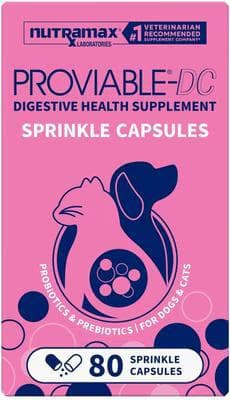
Multi-strain probiotic plus prebiotic sprinkle capsules for dogs and cats; supports digestive balance during diarrhea, diet changes, and antibiotic courses.
Webvet may earn a commission when you click through to Chewy, at no extra cost to you.
Prices vary by strength and formulation.
Tablets (20 pcs)
| Qty/Size | Price as low as | Price per unit |
|---|---|---|
| 250 mg | $9.00 | $0.45 |
| 500 mg | $12.00 | $0.60 |
Oral Suspension
| Qty/Size | Price as low as | Price per unit |
|---|---|---|
| 15 mL | $10.00 | $0.66 |
| 30 mL | $16.00 | $0.53 |
Typical Dosing for Amoxicillin for Dogs and Cats
Dosing depends on the type of infection, species, and whether amoxicillin is used alone or with clavulanic acid.
Dogs (UTIs and Skin Infections)
| Group | Typical Dose | Notes |
|---|---|---|
| Dogs (UTI) | 12.5 mg/kg twice daily | Commonly given for 7 days. |
| Dogs with pyoderma | 10 to 14 days of amoxicillin-clavulanate | High cure rate for deep infections. |
Cats (Skin Wounds and Abscesses)
| Group | Typical Dose | Notes |
|---|---|---|
| Cats | 11 to 22 mg/kg every 12 hours | Mean effective dose was 13.8 mg/kg. |
| Cats with severe GI issues | Slurry or suspension recommended | Helps with absorption. |
General Veterinary Use
| Group | Typical Dose | Notes |
|---|---|---|
| Dogs and cats | 10 to 20 mg/kg 2 to 3 times daily | Depends on infection type and severity. |
Reported side effects
Risks and Warnings for Amoxicillin for Dogs and Cats
Amoxicillin is usually safe, but it can cause gastrointestinal side effects such as nausea, vomiting, diarrhea, or soft stools. When paired with clavulanic acid, these side effects may be more common. Rare allergic reactions, including facial swelling or hives, may occur.
Compare coverage choices for your pet, then request a quote directly on Lemonade.
- Check a price for your pet
- Review available coverage choices
- See the terms before you decide
Eligibility, waiting periods, limits and exclusions apply.
Webvet may earn a commission when you click through to Lemonade, at no extra cost to you.
GI Side Effects
- Diarrhea
- Vomiting
- Loss of appetite
- Nausea
Allergic Reactions
- Hives
- Facial swelling
- Trouble breathing (emergency)
Drug Interactions
Amoxicillin may interact with:
- Antibiotics like tetracycline
- Blood thinners
- Methotrexate
Antibiotic Resistance
Overuse can contribute to resistant bacteria, especially in chronic or recurrent infections.
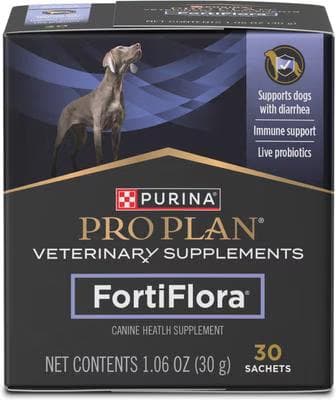
The #1 vet-recommended probiotic for dogs. Daily powder sachets with live probiotics support healthy digestion and firmer stools, and can help dogs coping with diarrhea or GI upset.
Webvet may earn a commission when you click through to Chewy, at no extra cost to you.
Amoxicillin for Dogs and Cats Warnings and Precautions
When using amoxicillin, keep in mind the following important safety points:
- Always give the full course, even if symptoms improve.
- Give as prescribed. Do not skip doses.
- Use caution in pets with kidney disease.
- Report any allergic reactions immediately.
- Consider probiotics to reduce GI side effects.
- Keep doses spaced evenly to maintain effectiveness.
Disclaimer: This information is for educational purposes only and should not replace professional veterinary advice. Always consult your veterinarian before using or combining any medications for your pet.
Frequently Asked Questions (FAQ)
How long does amoxicillin take to work?
Most pets improve within
48 to 72 hours
, but full courses must be completed.
Can amoxicillin cause diarrhea?
Yes. GI upset is the most common side effect, especially with amoxicillin-clavulanate.
Is amoxicillin safe for cats?
Yes. It is widely used for feline wounds, abscesses, and infections.
Can I give amoxicillin with food?
Yes. Food can reduce stomach upset with no major effect on absorption.
Is amoxicillin the same as Clavamox?
No.
Clavamox = amoxicillin + clavulanic acid
, which treats more resistant bacteria.
$65 · no membershipNeed a prescription for Amoxicillin?
A licensed vet can assess your pet over video and prescribe Amoxicillin online when it's appropriate.
Talk to a vet- Licensed vets
- All 50 states
- same-day Rx
Webvet may earn a commission if you book.

Editor
The Webvet Editorial Team is the in-house group of pet-care editors and writers behind Webvet, operated by Smart Pet Collective. The team researches, writes, and maintains Webvet's pet health, behavior, and medication content. Every article follows a defined editorial process: research from reputable veterinary and scientific sources, careful drafting, mandatory review of medical content by a credentialed veterinarian, and dated publication. Health and medication articles are medically reviewed by a licensed veterinary professional before they go live and are kept current over time.
Veterinarian · BVMS MRCVS
Dr. Pippa Elliott, BVMS, MRCVS, is a veterinarian with nearly 30 years of experience in companion animal practice. Dr. Elliott earned her Bachelor of Veterinary Medicine and Surgery from the University of Glasgow. She was also designated a Member of the Royal College of Veterinary Surgeons. Married with 2 grown-up kids, Dr. Elliott has a naughty Puggle named Poggle, 3 cats and a bearded dragon.


