Cat Teeth Cleaning: At-Home + Vet Cost Guide (2026)
A vet-reviewed guide to cat teeth cleaning: how to brush your cat's teeth at home, what a professional dental cleaning involves, real 2026 US costs, and how often to do it.

BVMS MRCVS
Medically reviewed by Dr. Pippa Elliott, BVMS MRCVS · Last reviewed

This article contains affiliate links. Webvet may earn a commission when you buy through them, at no extra cost to you.
Cat teeth cleaning covers two things that work together: the brushing and dental products you use at home, and the professional dental cleaning your veterinarian performs under anesthesia. Both matter, because by age three most cats already show some sign of dental disease. This vet-reviewed guide walks through how to clean your cat's teeth at home, what a professional cleaning involves, what it costs in the US in 2026, and how often your cat actually needs one.
- 1Daily brushing with a cat toothbrush and enzymatic cat toothpaste is the single most effective at-home step. Never use human toothpaste.
- 2A professional dental cleaning happens under general anesthesia so the vet can scale below the gumline, take X-rays, and treat pain your cat hides.
- 3In 2026, a routine cat dental cleaning typically runs $300 to $700, with most owners paying $400 to $1,300 once bloodwork, X-rays, and any extractions are included.
- 4Anesthesia-free cleaning only polishes visible surfaces and is not a substitute for a real dental cleaning.
- 5See a vet promptly for bad breath, drooling, red gums, pawing at the mouth, or a cat that has stopped eating.
Cat teeth cleaning at a glance
Good feline dental care is a two-part system. At home, you control plaque, the soft bacterial film that forms on teeth every day. At the clinic, your vet removes tartar (hardened plaque) and treats disease hidden below the gumline that no home tool can reach. You need both, and the table below shows how they divide the work.
| Care type | What it does | How often |
|---|---|---|
| Home brushing | Removes daily plaque before it hardens into tartar | Ideally daily |
| Dental treats, diets, additives | Reduces plaque and tartar between brushings | Daily, per label |
| Professional cleaning | Scales tartar below the gumline, X-rays, treats disease | Every 1 to 2 years, or as advised |
Why cat dental care matters: the numbers
Dental disease is the most common health problem veterinarians diagnose in cats. By the age of three, the majority of cats have some degree of periodontal disease, gingivitis, or tooth resorption. Cats are experts at hiding pain, so a mouth can be seriously diseased long before an owner notices a problem.
Left untreated, dental disease is not just a mouth problem. Chronic oral infection drives constant pain, tooth loss, and a bacterial load that can strain the kidneys, liver, and heart. Two feline-specific conditions make cat dental care especially important:
- Tooth resorption: the tooth structure literally dissolves, which is painful and affects up to a third or more of adult cats.
- Stomatitis: a severe, whole-mouth inflammation that is intensely painful and often needs surgery.
The stakes are higher than a sore mouth. Every time a cat with periodontal disease chews or swallows, bacteria from inflamed gum pockets enter the bloodstream. Over months and years, that steady bacterial load is linked to changes in the kidneys, liver, and heart. Kidney disease is already common in older cats, so removing a chronic source of infection is one concrete way to protect the whole body, not only the teeth.
Age matters too. Kittens rarely have serious dental disease, but the risk climbs steadily through adulthood. By the senior years (roughly 10 and up), most cats have lived with some tartar, gingivitis, or resorption for years. This is exactly why veterinarians check the mouth at every wellness exam and why the interval between cleanings usually shortens as a cat gets older.
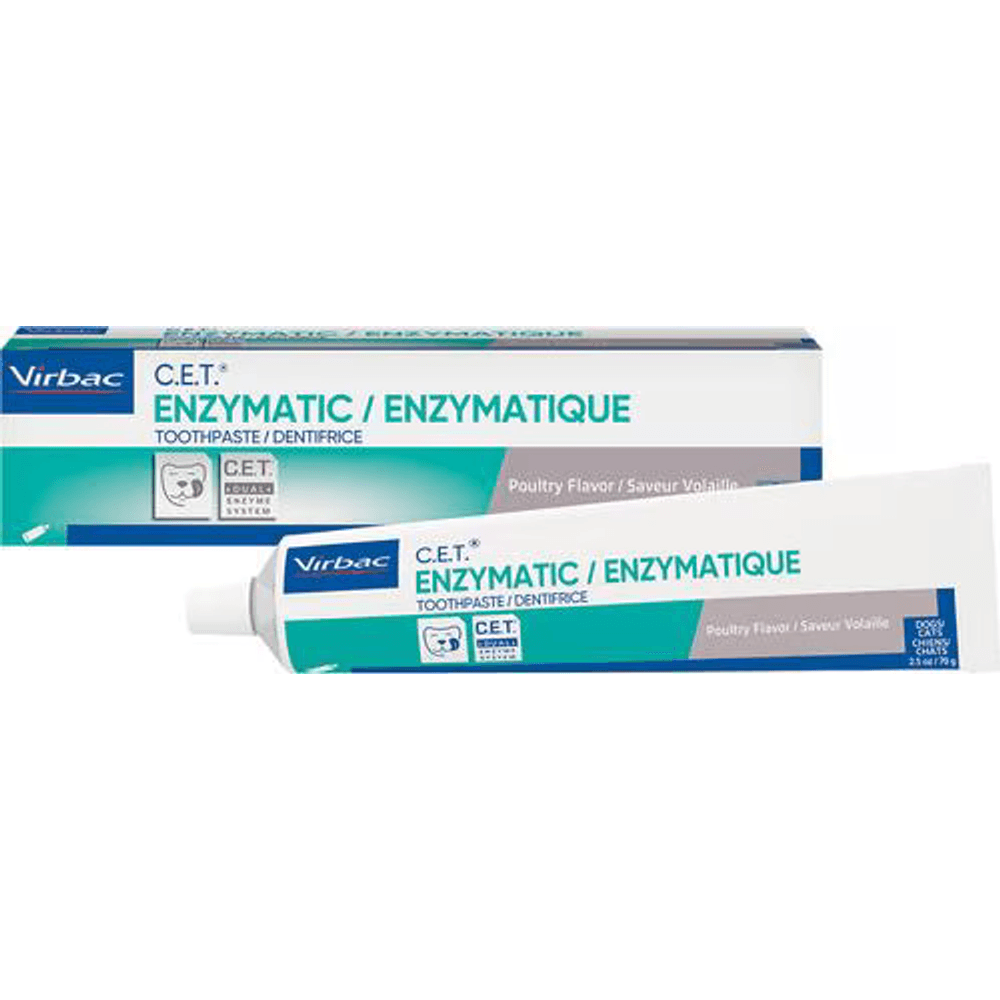
The vet-favorite enzymatic toothpaste. Its dual-enzyme system keeps working between brushings to control plaque and freshen breath, and the poultry flavor makes daily brushing easy.
Webvet may earn a commission when you click through to Chewy, at no extra cost to you.
Signs your cat needs a dental cleaning
Because cats mask discomfort, you are watching for subtle clues as much as obvious ones. Any single sign below is worth a vet visit, and several together strongly suggest your cat is overdue for a professional cleaning.
- Bad breath (halitosis), often the first sign owners notice.
- Red, swollen, or bleeding gums, the hallmark of gingivitis.
- Drooling, sometimes tinged with blood.
- Pawing at the mouth or face rubbing.
- Not eating, dropping food, or chewing on one side, especially avoiding dry kibble.
- Yellow-brown tartar along the gumline, weight loss, or a suddenly unkempt coat from stopping grooming.

How to clean your cat's teeth at home
The best way to clean a cat's teeth at home is daily brushing with a cat-specific toothbrush and enzymatic cat toothpaste. It sounds ambitious, but with a slow, patient introduction most cats learn to tolerate and even enjoy it. The goal is to disrupt plaque before it mineralizes into tartar.
What you'll need
- A cat toothbrush or a soft rubber finger brush sized for a small mouth.
- Enzymatic cat toothpaste in a flavor cats like, such as poultry or malt. It is meant to be swallowed.
- Patience and treats, plus a calm moment when your cat is already relaxed.

The 7-step routine to desensitize your cat
- Start when your cat is calm. Choose a quiet time, hold your cat gently, and keep sessions under two minutes.
- Let them taste the toothpaste. Offer a dab on your finger so the flavor becomes a reward, not a threat.
- Touch the muzzle and lips. Over a few days, gently lift a lip to get your cat used to being handled around the mouth.
- Introduce the brush or finger brush. Let your cat sniff and lick toothpaste off it before any brushing.
- Brush a few teeth. Lift the lip and brush the outer surfaces of the canines and cheek teeth at a 45-degree angle toward the gumline.
- Build up gradually. Add a few more teeth each session until you can reach the whole outer arcade. You do not need to brush the inner surfaces.
- Always end on a positive note. Finish with praise, a favorite treat, or play so your cat associates brushing with something good.

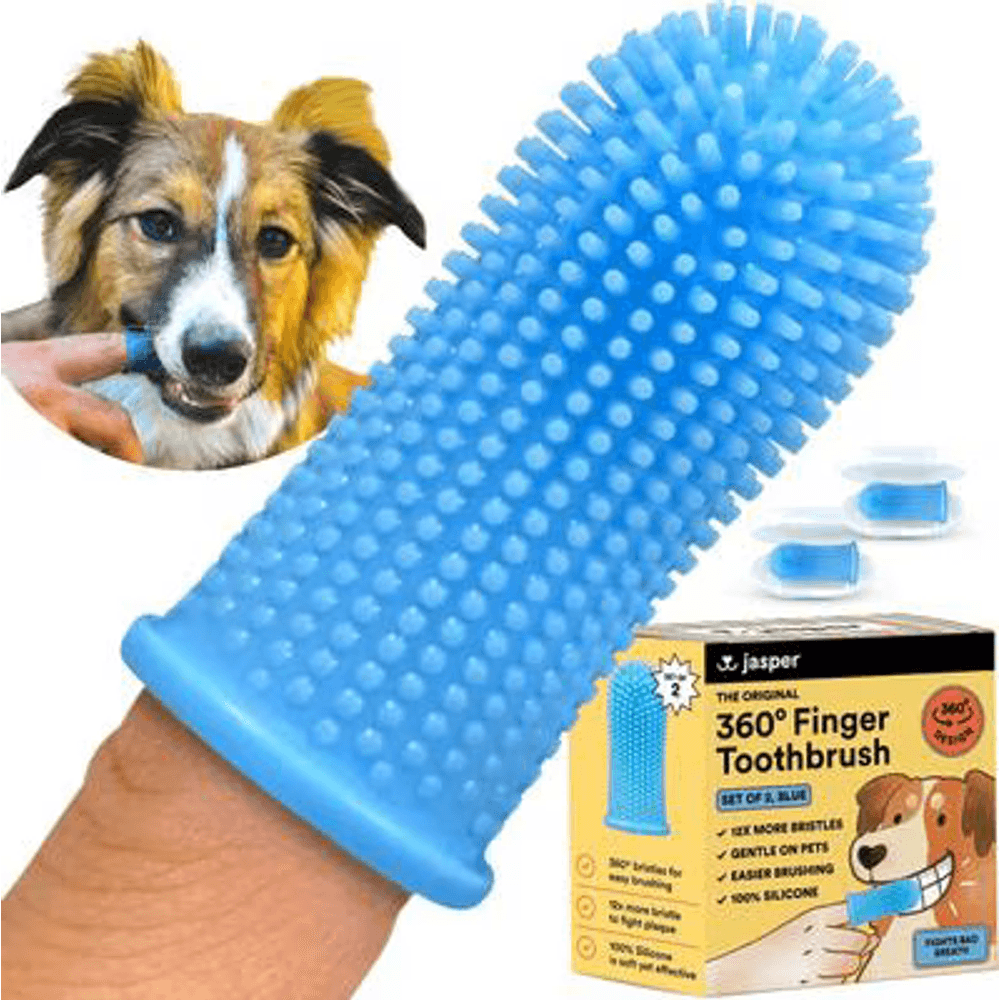
A 360-degree silicone finger toothbrush that brushes every side of a tooth at once. Gentle on gums and ideal for dogs new to brushing or owners who find a handled brush awkward.
Webvet may earn a commission when you click through to Chewy, at no extra cost to you.
How often to brush
Daily brushing is the gold standard, because plaque begins to mineralize into tartar within about 24 to 72 hours. If daily is not realistic, three times a week still delivers meaningful benefit. Consistency matters more than perfection, so a short daily session beats an occasional deep scrub.
Troubleshooting a cat who resists
If your cat squirms, hisses, or bolts, slow down rather than push through. Most resistance comes from moving too fast, not from a cat who cannot be trained. Back up one step, spend several more days there, and let the toothpaste flavor do the persuading before you reintroduce the brush.
- Wrap and cradle: for a wriggly cat, snugly wrapping the body in a towel (a burrito hold) frees your hands and helps them feel secure.
- Approach from behind or beside, not head-on, which many cats find confrontational. Kneel behind them so you lift the lip from above.
- Never force the jaw open. You only need to brush the outer surfaces, so the mouth can stay gently closed the whole time.
- Stop before a fight. Ending on a calm, positive note protects your progress; forcing a struggle teaches your cat to dread the brush.
Never use human toothpaste
Alternatives when your cat won't tolerate brushing
Some cats will never accept a toothbrush, and that is okay. These options do not replace brushing or a professional cleaning, but they meaningfully slow plaque and tartar. When you shop, look for the VOHC seal from the Veterinary Oral Health Council, which means the product was independently tested and proven to work.
VOHC-accepted dental treats and chews
Dental treats are textured to scrub the teeth as your cat chews. They are the easiest alternative to add because most cats already love treats. Choose a VOHC-accepted product and count the calories toward your cat's daily intake to avoid weight gain. For an evidence-first product filter, see our guide to cat dental treats.
Dental diets and prescription kibble
Prescription dental diets use larger, fiber-aligned kibble that wipes the tooth surface instead of shattering on contact. Several are VOHC-accepted and can be fed as a complete diet. Ask your vet whether a dental diet fits your cat's overall nutrition and health.
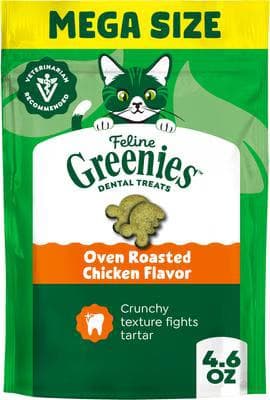
Crunchy dental treats with a texture that helps fight tartar. Oven roasted chicken flavor, veterinarian recommended.
Webvet may earn a commission when you click through to Chewy, at no extra cost to you.
Water additives, dental wipes, gels, and sprays
Water additives mix into the drinking bowl and are the most hands-off option, though picky cats may reject the taste. Dental wipes and gels let you rub product along the gumline without a brush, a useful middle step for cats who allow lip handling but not a full brush.

What actually works vs. marketing hype
Home dental products: honest expectations
Pros
- VOHC-accepted treats, diets, and additives are proven to reduce plaque and tartar
- Easy to add to daily routine and well tolerated by most cats
- Extend the benefit of brushing between professional cleanings
Cons
- None remove existing tartar or treat disease below the gumline
- Products without the VOHC seal may be unproven marketing
- Cannot replace brushing or a professional cleaning, only supplement them
 $65 · no membership
Have a health question about your cat?
A licensed vet can assess your cat over video and prescribe online when it's appropriate.
 Talk to a vet
- Licensed vets
- All 50 states
- same-day Rx
Webvet may earn a commission if you book.
What a professional cat dental cleaning involves
A professional cleaning, often called a COHAT (Comprehensive Oral Health Assessment and Treatment), is far more than a polish. It is a full medical procedure performed under general anesthesia so your veterinarian can clean below the gumline, X-ray the roots, and treat any disease found, all without pain or stress to your cat.
The pre-anesthetic exam and bloodwork
Before anesthesia, your vet performs a physical exam and usually recommends bloodwork to check kidney, liver, and overall organ function. This screening confirms your cat is a safe anesthetic candidate and tailors the drug protocol, which is especially important for senior cats.
Why anesthesia is required (and why it's safe)
Anesthesia is not an upsell. It is the only way to clean below the gumline, take dental X-rays, and probe each tooth without frightening or hurting a conscious cat. Modern feline anesthesia is very safe, with continuous monitoring of heart rate, oxygen, blood pressure, and temperature throughout. The risk of untreated dental disease is far greater than the risk of a well-managed anesthetic.
Scaling, dental X-rays, probing, and polishing
Once your cat is asleep, the team scales tartar from every tooth surface with an ultrasonic scaler, including the critical area under the gums. Full-mouth dental X-rays reveal roots, bone loss, and resorptive lesions invisible to the eye. A probe measures the pockets around each tooth, and finally the teeth are polished smooth to slow future plaque.

Extractions and diseased teeth
If X-rays and probing reveal a fractured tooth, advanced resorption, or a deep pocket, the tooth may need to be extracted. It sounds drastic, but removing a painful, diseased tooth relieves suffering, and cats eat comfortably even after multiple extractions. Your vet discusses findings and any added cost before proceeding whenever possible.

Recovery and aftercare at home
Most cats go home the same day and are back to normal within 24 to 48 hours. Expect some grogginess the first evening. If teeth were extracted, your vet may prescribe pain medication and recommend soft food for a week or so. Senior cats can take a little longer to bounce back, and any lingering appetite or digestive issues are worth a quick call to the clinic.
How much does a cat teeth cleaning cost in 2026?
In 2026, a routine professional cat dental cleaning in the US typically costs $300 to $700 for the base anesthetic procedure. Once you add pre-anesthetic bloodwork, dental X-rays, and any extractions, most owners pay $400 to $1,300 total. Advanced disease with multiple extractions can push the bill to $1,500 to $2,500 or more. Prices vary by region, clinic type, and your cat's specific needs. For the coverage side of the bill, see our guide to whether pet insurance covers dental care.
| Service | Typical 2026 US cost | Notes |
|---|---|---|
| Base anesthetic cleaning | $300 - $700 | Anesthesia, scaling, polishing, monitoring |
| Pre-anesthetic bloodwork | $80 - $200 | Screens organ function before anesthesia |
| Full-mouth dental X-rays | $100 - $250 | Reveals disease below the gumline |
| Simple extraction (each) | $50 - $100 | Loose or single-root teeth |
| Complex or surgical extraction (each) | $150 - $400+ | Multi-root or resorptive teeth |
| Take-home pain meds and antibiotics | $20 - $80 | Prescribed when teeth are extracted |
| IV catheter and fluids | $60 - $150 | Standard support during anesthesia |
| Typical all-in total | $400 - $1,300 | $1,500 - $2,500+ with advanced disease |

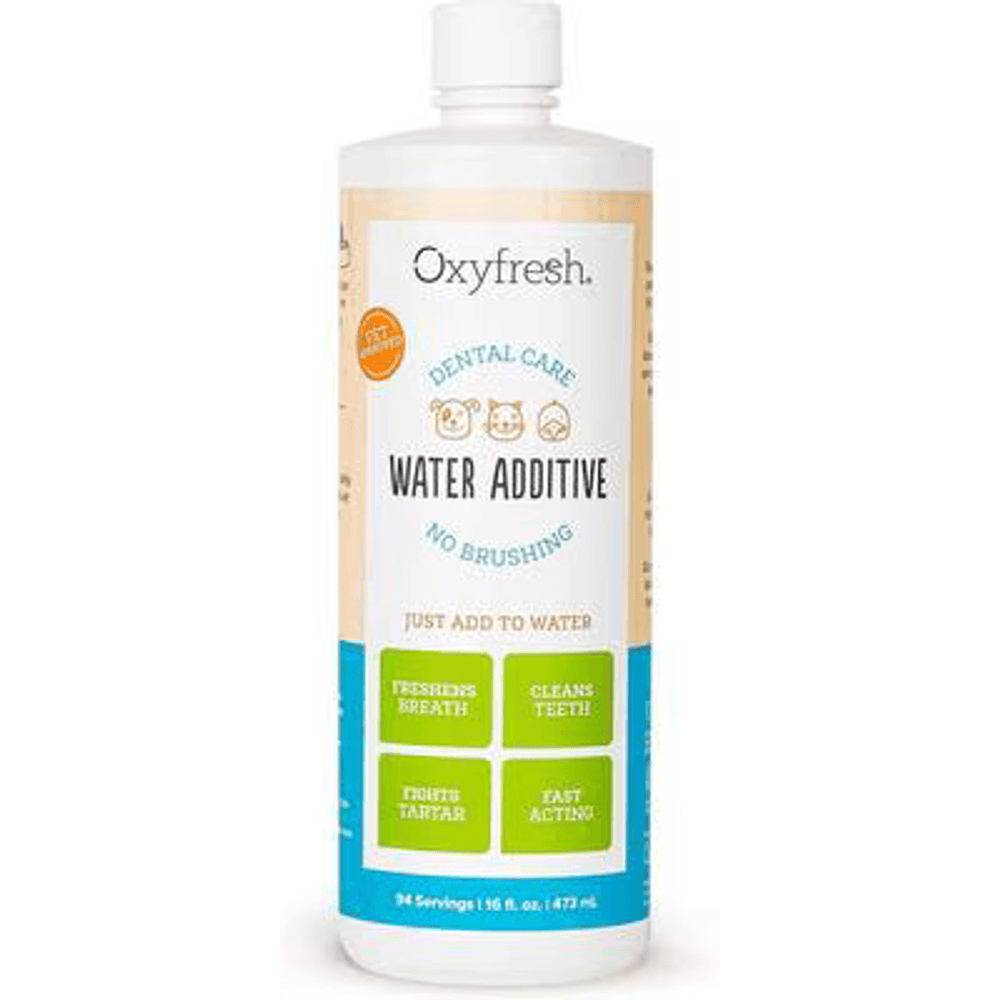
A taste-free, odor-free water additive you pour straight into the bowl. No brushing needed: it freshens breath, helps clean teeth, and fights tartar. About 94 servings per 16-oz bottle.
Webvet may earn a commission when you click through to Chewy, at no extra cost to you.
What's included in the base price
The base cleaning fee usually covers general anesthesia, ultrasonic scaling above and below the gumline, polishing, and anesthetic monitoring. It typically does not include bloodwork, X-rays, extractions, or take-home medications, which are billed as add-ons based on what your vet finds.
Where you go changes the number, sometimes dramatically. A general practice in a rural or low-cost area sits at the bottom of the range, while a major-city clinic or a board-certified veterinary dentist handling complex extractions sits at the top. Referral and specialty hospitals charge more because they carry advanced imaging, dedicated dental suites, and specialist expertise. Always ask for a written estimate before the appointment.
Add-on costs: bloodwork, X-rays, extractions, meds
The reason two cats can have very different bills is what the team finds under anesthesia. A young cat with mild tartar may only need the base cleaning and bloodwork. An older cat with resorptive lesions might need X-rays, several extractions, pain medication, and antibiotics, each of which adds to the total.
Ways to lower the cost
- Pet insurance with a wellness add-on can reimburse a share of dental costs if enrolled before disease appears.
- Wellness plans at many clinics spread dental care into a flat monthly fee, often bundling a yearly cleaning.
- Veterinary teaching hospitals and dental schools sometimes offer supervised care at lower rates.
- CareCredit and clinic payment plans let you finance the procedure over time.
- Prevention is the biggest saver: consistent home brushing reduces how often and how extensively your cat needs professional work.
Anesthesia-free cat teeth cleaning: safe or a scam?
Anesthesia-free cleaning, sometimes offered at grooming salons or pet stores for $100 to $200, scrapes tartar off the visible crown surfaces while your cat is awake and restrained. It looks tidier afterward, but it is cosmetic only. It cannot clean below the gumline, where disease actually lives, and it cannot take X-rays or probe for pockets.
The American Veterinary Medical Association and veterinary dental specialists advise against anesthesia-free cleaning as a substitute for a real dental cleaning. Scraping a resistant, awake cat can also cause injury and stress. It is not a safe replacement for a veterinary COHAT.
How often should a cat get a professional dental cleaning?
Most cats benefit from a professional dental cleaning every one to two years, with your veterinarian setting the interval based on the annual oral exam. Cats prone to gingivitis, tooth resorption, or with a history of dental disease may need cleanings annually or even more often. Cats with excellent home care and healthy mouths may safely stretch the interval.
Is cat teeth cleaning worth it? Pros and cons
Professional cat dental cleaning
Pros
- Removes disease-causing tartar below the gumline that no home tool can reach
- Dental X-rays catch painful hidden problems like tooth resorption early
- Relieves chronic pain your cat has been silently living with
- Protects kidneys, liver, and heart from ongoing oral infection
Cons
- Requires general anesthesia, which carries a small managed risk
- Costs several hundred dollars or more, especially with extractions
- Needs to be repeated periodically over your cat's life
For nearly every cat, a professional cleaning is worth it. The pain relief, early disease detection, and protection of the whole body far outweigh the manageable risk and cost. Watching your cat eat comfortably again is usually all the proof owners need.
When to see a vet right away
Frequently asked questions
How much does a cat's teeth cleaning usually cost?
A routine cat dental cleaning in the US typically costs $300 to $700 for the base anesthetic procedure in 2026. With bloodwork, dental X-rays, and any extractions, most owners pay $400 to $1,300 total, and $1,500 to $2,500 or more when advanced disease requires multiple extractions.
Is it worth getting a cat's teeth cleaned?
Yes. For nearly every cat, professional cleaning is worth it. It removes tartar below the gumline, uses X-rays to catch hidden disease like tooth resorption, relieves chronic pain, and protects the kidneys, liver, and heart from ongoing oral infection. The benefits outweigh the small anesthetic risk.
What is the best way to clean cats' teeth?
The best way to clean a cat's teeth at home is daily brushing with a cat toothbrush and enzymatic cat toothpaste, introduced slowly so your cat tolerates it. Pair home brushing with periodic professional cleanings under anesthesia, which are the only way to clean below the gumline.
What happens if you never brush a cat's teeth?
Without brushing, plaque hardens into tartar within days and drives gingivitis, then periodontal disease. Over time this causes painful infection, tooth resorption, and tooth loss, and the bacteria can strain the kidneys, liver, and heart. Most cats show dental disease by age three, so prevention matters.
Can I scrape tartar off my cat's teeth?
No, you should not scrape tartar at home. Hand scaling an awake cat risks injuring the gums, leaves microscopic scratches that attract more plaque, and cannot clean below the gumline where disease lives. It also misses hidden problems only X-rays reveal. Leave scaling to your veterinarian under anesthesia.
How should I prepare my cat for a dental cleaning appointment?
Your clinic will give exact instructions, but cats are usually fasted from food the night before (typically after midnight) while water often stays available. Fasting reduces the chance of vomiting under anesthesia. Confirm the fasting window, mention any medications your cat takes, and plan to arrive early for check-in and the pre-anesthetic exam. Expect to pick your cat up later the same day.
At what age should a cat get its first dental cleaning?
There is no fixed age. Your vet checks the mouth at every wellness exam and recommends a cleaning when disease appears, which is often between ages two and four for many cats. Some cats need one sooner, especially breeds prone to gingivitis or tooth resorption. Rather than waiting for a set birthday, follow the annual oral exam.
What if I can't afford to get my cat's teeth cleaned?
Talk to your vet about options: wellness plans that spread cost monthly, CareCredit or clinic payment plans, pet insurance with a dental benefit, and lower-cost care at veterinary teaching hospitals. Meanwhile, consistent home brushing and VOHC-accepted dental products slow disease and can reduce how much professional work your cat needs.
$65 · no membershipHave a health question about your cat?
A licensed vet can assess your cat over video and prescribe online when it's appropriate.
Talk to a vet- Licensed vets
- All 50 states
- same-day Rx
Webvet may earn a commission if you book.

Editor
The Webvet Editorial Team is the in-house group of pet-care editors and writers behind Webvet, operated by Smart Pet Collective. The team researches, writes, and maintains Webvet's pet health, behavior, and medication content. Every article follows a defined editorial process: research from reputable veterinary and scientific sources, careful drafting, mandatory review of medical content by a credentialed veterinarian, and dated publication. Health and medication articles are medically reviewed by a licensed veterinary professional before they go live and are kept current over time.
Veterinarian · BVMS MRCVS
Dr. Pippa Elliott, BVMS, MRCVS, is a veterinarian with nearly 30 years of experience in companion animal practice. Dr. Elliott earned her Bachelor of Veterinary Medicine and Surgery from the University of Glasgow. She was also designated a Member of the Royal College of Veterinary Surgeons. Married with 2 grown-up kids, Dr. Elliott has a naughty Puggle named Poggle, 3 cats and a bearded dragon.


