Gingivitis in Cats: Stages, Causes & Treatment (2026)
Gingivitis in cats is reversible when caught early. Learn the stages, causes, symptoms, real 2026 treatment costs, and how to protect your cat's gums at home.

BVMS MRCVS
Medically reviewed by Dr. Pippa Elliott, BVMS MRCVS · Last reviewed

This article contains affiliate links. Webvet may earn a commission when you buy through them, at no extra cost to you.
Gingivitis in cats is inflammation of the gums, and it is the earliest, most treatable stage of feline dental disease. Caught early, it is fully reversible. If you have just lifted your cat's lip and seen a thin red line where the gum meets the tooth, that is the classic sign, and the good news is that a professional cleaning plus consistent home care can turn it around. Left alone, though, gingivitis quietly progresses into painful, permanent periodontal disease. This vet-reviewed guide walks through the stages, causes, symptoms, real 2026 US treatment costs, at-home care, and exactly when to call your veterinarian.
- 1Gingivitis in cats is reversible in its early stage with a professional cleaning and daily home care; established periodontal disease is not.
- 2The most common cause is plaque and tartar building up at the gumline, but viruses, tooth crowding, and other illnesses can accelerate it.
- 3A professional feline dental cleaning under anesthesia typically runs $300 to $700 in 2026, more with X-rays and extractions.
- 4Daily toothbrushing with pet-safe toothpaste is the single most effective way to prevent and reverse early gingivitis.
- 5Red, swollen, or bleeding gums, bad breath, drooling, or trouble eating all warrant a veterinary exam.
What is gingivitis in cats?
Gingivitis is inflammation of the gingiva, the pink gum tissue that surrounds the base of each tooth. It develops when plaque, a sticky film of bacteria, accumulates along the gumline. The bacteria irritate the gum, which responds by becoming red, swollen, and prone to bleeding.
Crucially, gingivitis is the first and only fully reversible stage of periodontal disease. At this point the inflammation is confined to the gum surface, and the deeper structures that anchor the tooth (the bone and periodontal ligament) are still intact. Remove the plaque and the gum heals. That window of reversibility is exactly why early recognition matters so much.
Feline dental disease is extremely common. Most cats show some degree of gum inflammation by age three, according to the American Veterinary Medical Association, which makes gingivitis one of the most frequent findings your veterinarian will note at a routine exam.
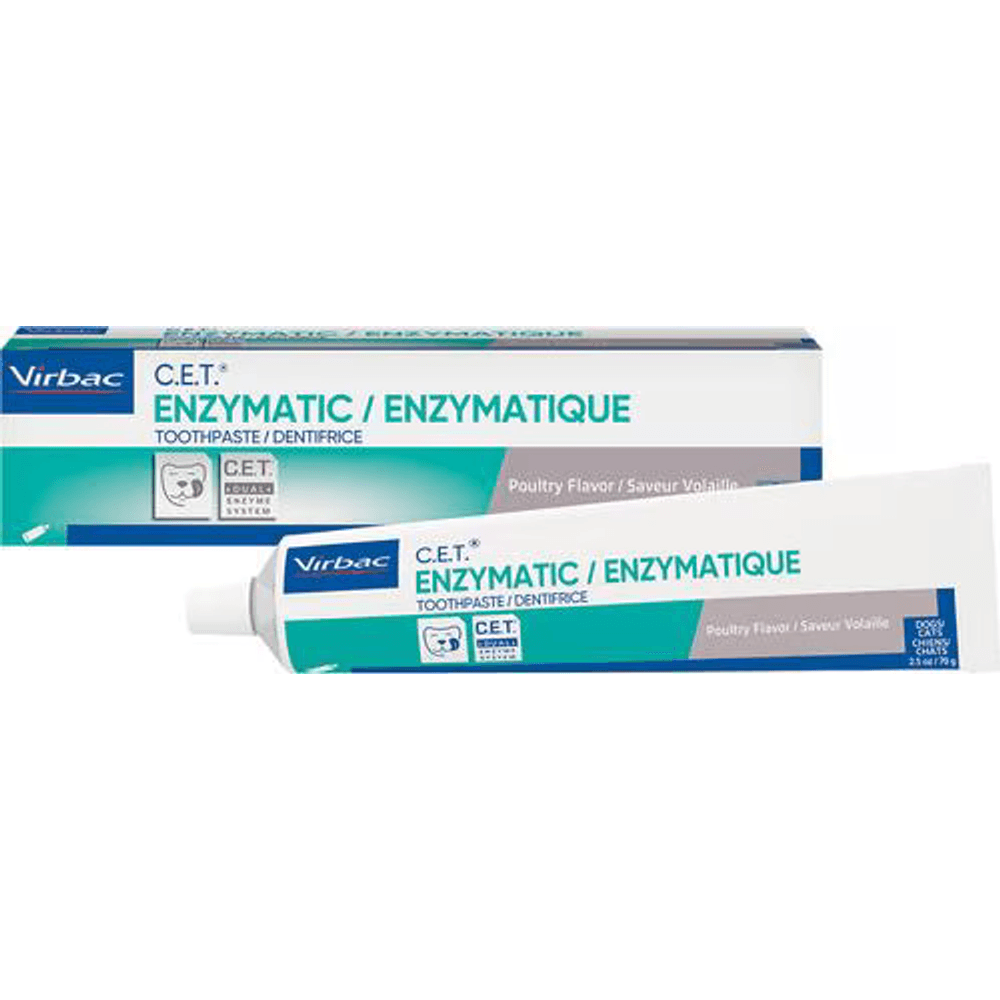
The vet-favorite enzymatic toothpaste. Its dual-enzyme system keeps working between brushings to control plaque and freshen breath, and the poultry flavor makes daily brushing easy.
Webvet may earn a commission when you click through to Chewy, at no extra cost to you.
Gingivitis vs. stomatitis vs. periodontitis: how they differ
These three terms describe increasingly serious mouth conditions, and they are easy to confuse. Understanding where gingivitis sits on the spectrum helps you know how urgent your cat's situation is.
- Gingivitis: reversible inflammation limited to the gums, with no loss of the tooth's supporting structures.
- Periodontitis: irreversible disease in which inflammation has spread below the gumline, destroying bone, ligament, and attachment. Teeth loosen and are eventually lost.
- Stomatitis: a severe, painful, immune-driven inflammation that extends well beyond the gums into the wider mouth tissues. It is a distinct and much more debilitating condition.
When gingivitis becomes feline stomatitis
Feline stomatitis (also called feline chronic gingivostomatitis) is not simply advanced gingivitis. It is an exaggerated, whole-mouth immune reaction, often to the plaque bacteria on the teeth. Affected cats develop bright red, ulcerated tissue at the back of the mouth and are usually in significant pain, drooling, dropping food, and losing weight. If your cat's inflammation looks fiery and extends beyond the gumline, read our full guide to stomatitis in cats and see your vet promptly, because treatment is very different from routine gingivitis care.
Stages of gingivitis in cats
Veterinarians grade feline dental disease on a 0 to 4 scale. Only Stage 0 and Stage 1 are true gingivitis; Stages 2 through 4 mean periodontitis has set in and some damage is permanent. The table below shows what each stage looks like and what your vet does about it.

| Stage | Gum appearance | Reversible? | What the vet does |
|---|---|---|---|
| Stage 0: Healthy | Pale-pink gums, no swelling, no tartar | N/A (no disease) | Routine checkup and home-care advice |
| Stage 1: Gingivitis | Mild redness and slight swelling at the gumline; may bleed on brushing | Yes, fully | Professional cleaning plus daily home care |
| Stage 2: Early periodontitis | Redness, swelling, visible tartar; up to 25 percent attachment loss | No (damage is permanent) | Cleaning under anesthesia, dental X-rays, close monitoring |
| Stage 3: Moderate periodontitis | Marked inflammation, recession, 25 to 50 percent attachment loss | No | Deep cleaning, likely extractions of affected teeth |
| Stage 4: Advanced periodontitis | Severe recession, loose or exposed roots, over 50 percent attachment loss | No | Multiple or full-mouth extractions, pain management |
The takeaway from this table is simple: the earlier you act, the more you can undo. A cat treated at Stage 1 walks away with a healthy mouth. A cat treated at Stage 4 keeps whatever teeth can be saved, and loses the rest.
Symptoms of gingivitis in cats
Cats are experts at hiding discomfort, so gum problems often go unnoticed until they are advanced. Learning the early cues gives you a real advantage.

Early warning signs at home
- A thin red line along the gumline where it meets the teeth
- Noticeable bad breath (halitosis) that is stronger than normal cat breath
- Slight swelling or puffiness of the gums
- Yellow-brown tartar visible on the teeth, especially the back ones
- A small amount of blood in the water bowl or on toys
Signs it has progressed: red flags to call the vet
- Drooling, sometimes tinged with blood
- Dropping food, chewing on one side, or pawing at the mouth
- Reduced appetite or preferring soft food to kibble
- Weight loss or a dull, unkempt coat from reduced grooming
- Visibly loose teeth or gums that bleed easily
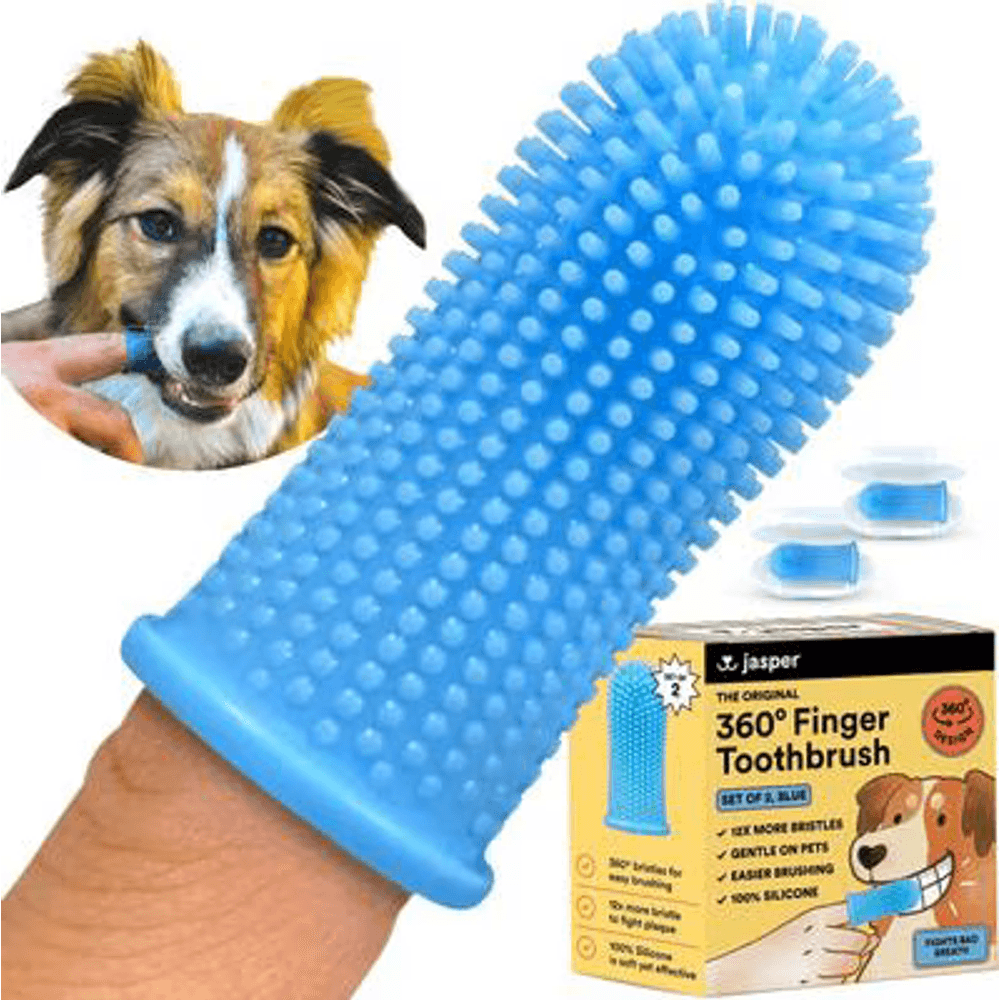
A 360-degree silicone finger toothbrush that brushes every side of a tooth at once. Gentle on gums and ideal for dogs new to brushing or owners who find a handled brush awkward.
Webvet may earn a commission when you click through to Chewy, at no extra cost to you.
What causes gingivitis in cats?
Gingivitis almost always begins with plaque, but several factors decide how quickly it develops and how bad it gets.
- Plaque and tartar: the root cause. Plaque bacteria irritate the gums, and if not removed within days it hardens into tartar that shelters even more bacteria.
- Age: risk climbs steadily with age as plaque accumulates over years. Senior cats are especially prone.
- Diet: soft, sticky food clears less plaque than a dental-formulated diet, though diet alone never replaces brushing.
- Tooth crowding and breed: flat-faced breeds like Persians and Himalayans have crowded, misaligned teeth that trap plaque.
- Retained baby teeth: when kitten teeth do not fall out, they crowd adult teeth and create plaque traps.
- Viral infections: feline leukemia virus (FeLV), feline immunodeficiency virus (FIV), and feline calicivirus can all trigger or worsen gum inflammation.
- Other illnesses: chronic kidney disease and diabetes can both make cats more susceptible to gum disease.
Is it my fault my cat has gingivitis?
Usually not. Gingivitis is one of the most common conditions in cats, and even attentive owners see it because feline mouths accumulate plaque quickly and cats resist brushing. Factors like breed, genetics, tooth crowding, and underlying viruses are entirely outside your control. What is within your control is what happens next: starting a home-care routine and getting a professional cleaning is the most useful thing you can do, and it matters far more than assigning blame.
Juvenile gingivitis in kittens
Why young cats get it and what to do
Some kittens develop inflamed gums as their adult teeth erupt, typically between six and eight months of age. This juvenile-onset gingivitis can appear even in a kitten with a clean-looking mouth, and it is thought to involve an exaggerated response to the new teeth and their plaque.
If you notice red, puffy gums in a young cat, have your veterinarian examine it early. Prompt professional cleaning and a diligent home-brushing routine give the best chance of preventing it from progressing into a chronic, harder-to-manage problem as the cat matures.
 $65 · no membership
Have a health question about your cat?
A licensed vet can assess your cat over video and prescribe online when it's appropriate.
 Talk to a vet
- Licensed vets
- All 50 states
- same-day Rx
Webvet may earn a commission if you book.
How vets diagnose gingivitis in cats

A veterinarian diagnoses gingivitis and stages the disease through a combination of steps, some of which require anesthesia to do properly.
- Oral exam: an initial look at the awake cat's mouth to spot redness, swelling, tartar, and obvious problem teeth.
- Dental probing: under anesthesia, a periodontal probe measures the pockets around each tooth to detect attachment loss that is invisible from the outside.
- Dental X-rays: also taken under anesthesia, these reveal bone loss and root problems below the gumline, which is where most feline dental disease actually hides.
- Viral testing: if gingivitis is severe or unusual for the cat's age, your vet may test for FeLV and FIV.
Anesthesia is the standard of care for a thorough dental assessment. So-called anesthesia-free dental cleanings cannot probe pockets, take X-rays, or clean below the gumline, which is where the disease that matters lives.
Can cat gingivitis heal on its own?
Early gingivitis will not resolve on its own without intervention, but it is genuinely reversible once the plaque and tartar that caused it are removed. That means it heals with treatment (a professional cleaning) plus ongoing home care, not with time alone. Because tartar is hardened and bonded to the tooth, you cannot brush it away at home; it takes a professional scaling.
Once the disease has advanced into periodontitis (Stage 2 and beyond), the damage to bone and attachment is permanent and cannot be reversed. It can only be managed. This is the strongest reason to act while your cat is still at the gingivitis stage.
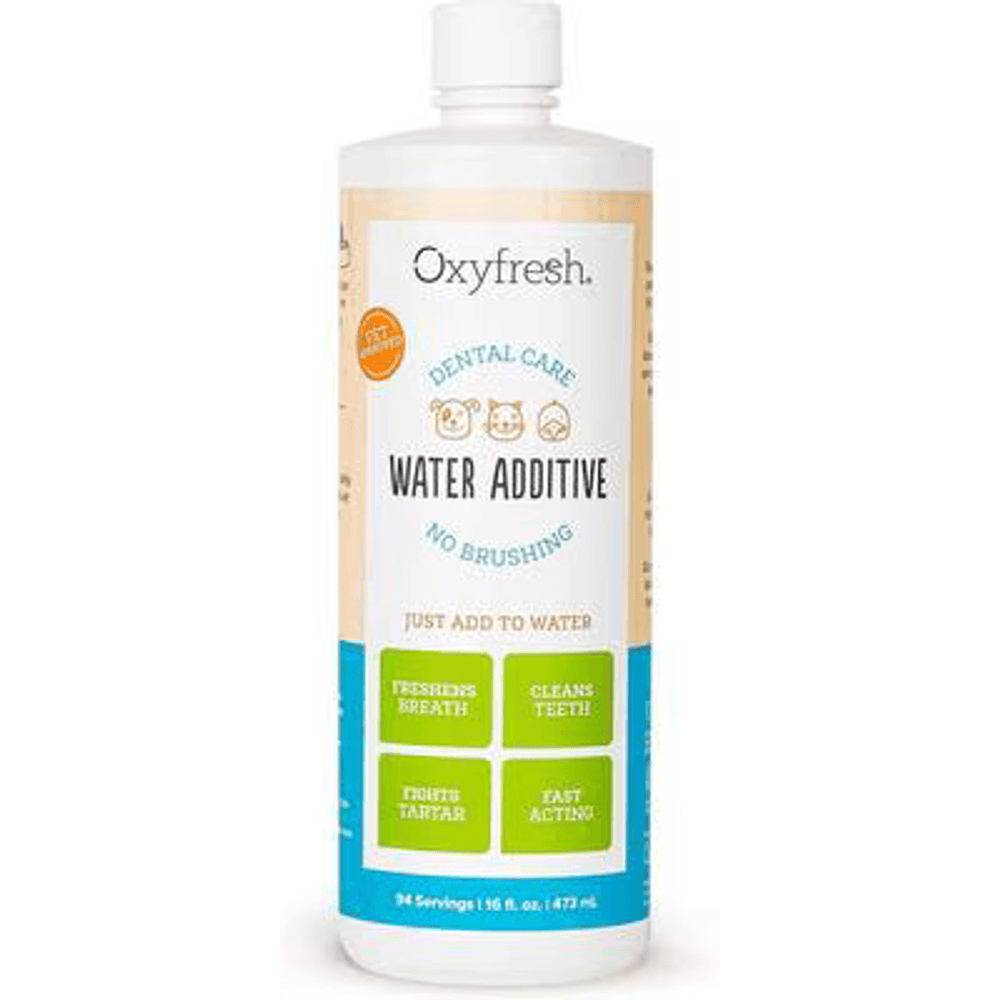
A taste-free, odor-free water additive you pour straight into the bowl. No brushing needed: it freshens breath, helps clean teeth, and fights tartar. About 94 servings per 16-oz bottle.
Webvet may earn a commission when you click through to Chewy, at no extra cost to you.
Treatment for gingivitis in cats
The cornerstone of treatment is a professional dental cleaning performed under general anesthesia. Depending on how advanced things are, treatment may include several of the following.
- Scaling and polishing: ultrasonic and hand scaling remove plaque and tartar above and below the gumline, then polishing smooths the enamel to slow future buildup.
- Extractions: teeth damaged beyond saving by periodontitis or resorption are removed. Cats do very well after extractions and are more comfortable without painful teeth.
- Antibiotics and pain relief: prescribed as needed to control infection and keep your cat comfortable during recovery.
- Immunosuppressive or steroid therapy: reserved for stomatitis and severe immune-driven inflammation, not routine gingivitis, and always under veterinary supervision.
During the cleaning your vet often finds problems that were hidden below the gumline, such as tooth resorption, a painful condition in which the tooth structure breaks down. This is one more reason full-mouth X-rays are part of a proper feline dental.
How much does cat gingivitis treatment cost in 2026?
Cost is the single biggest question owners have, and it varies with your region, your clinic, and how advanced the disease is. The ranges below reflect typical US pricing in 2026. Anesthesia, monitoring, and pre-anesthetic bloodwork are usually bundled into a dental cleaning quote, so always ask what a quote includes.
| Service | Typical 2026 US cost | Notes |
|---|---|---|
| Veterinary exam | $50 to $100 | Initial visit to assess the mouth |
| Professional dental cleaning (with anesthesia) | $300 to $700 | Scaling, polishing, monitoring, and bloodwork |
| Dental X-rays | $100 to $250 | Often included in a full dental package |
| Simple tooth extractions | $800 to $2,000+ | Cleaning plus several extractions combined |
| Full-mouth extractions (stomatitis) | $1,500 to $4,000 | Complex, surgical, referral-level care |
| Home-care products (annual) | $50 to $150 | Toothbrush, toothpaste, water additive, dental diet |
How to save on cat dental care
- Treat early. A Stage 1 cleaning is far cheaper than the extractions an untreated mouth eventually needs.
- Brush daily. Consistent home care stretches the interval between professional cleanings and prevents costly progression.
- Ask about wellness plans. Many clinics offer dental packages or wellness memberships that bundle cleanings at a lower rate.
- Consider pet insurance. Some policies cover dental disease if you enroll before problems appear; read the dental clause carefully.
- Do not skip X-rays to save money. Missing hidden disease costs far more later. This is not the place to cut corners.
How to treat your cat's gingivitis at home
Home care cannot remove existing tartar, but it is what keeps gingivitis from coming back after a cleaning and stops it from progressing. Think of it as the daily maintenance that makes the professional work last.

Toothbrushing, step by step
- Start slow. Let your cat lick pet toothpaste off your finger for a few days so it associates the flavor with something positive.
- Introduce the brush. Use a soft cat toothbrush or a finger brush with a small amount of enzymatic, pet-safe toothpaste.
- Angle at the gumline. Gently lift the lip and brush where the tooth meets the gum, using small circular motions. This is where plaque collects.
- Focus on the outer surfaces. The cheek-facing sides of the teeth accumulate the most plaque; you do not need to brush the inner surfaces.
- Keep it short and daily. Thirty seconds every day beats five minutes once a week. Reward your cat afterward.
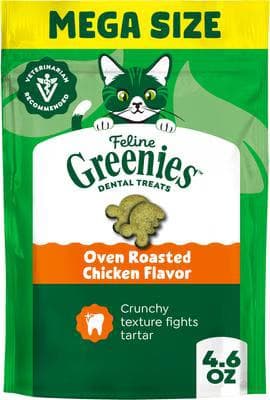
Crunchy dental treats with a texture that helps fight tartar. Oven roasted chicken flavor, veterinarian recommended.
Webvet may earn a commission when you click through to Chewy, at no extra cost to you.
Dental gels, wipes, water additives, and VOHC-accepted products
If your cat refuses a brush, there are useful backups. Dental wipes, oral gels, and water additives can reduce plaque, though none match brushing. When choosing a product, look for the Veterinary Oral Health Council (VOHC) seal, which means the product has been independently tested and shown to reduce plaque or tartar.

What you cannot fix at home
Home care has firm limits. You cannot remove hardened tartar, you cannot clean below the gumline, and you cannot treat established periodontitis, extractions, or stomatitis at home. If the gums are already severely inflamed, bleeding, or painful, no amount of brushing will fix it, and brushing an inflamed, painful mouth can make your cat resent the whole process. That is a job for your veterinarian.
Best food for cats with gingivitis
Diet is a supporting player, not a cure, but the right food helps. Some options to discuss with your vet:
- Dental diets: special kibble with a texture and shape designed to scrub the teeth as the cat chews. Look for the VOHC seal.
- Wet vs. dry: if your cat's mouth is sore, soft wet food is easier to eat during recovery, even though dry dental kibble has more mechanical cleaning benefit for healthy mouths.
- Dental treats: VOHC-accepted dental treats can supplement brushing, but watch the calories so you do not overfeed.
What happens if gingivitis is left untreated?
Ignoring gingivitis is not a neutral choice; it steadily gets worse. The progression looks like this:
- Progression to periodontitis, with permanent loss of the bone and ligament that hold teeth in place
- Tooth loss as teeth loosen and fall out or require extraction
- Chronic pain that quietly reduces appetite, weight, and quality of life
- Tooth-root abscesses, which are painful pockets of infection
- Bacteremia, where oral bacteria enter the bloodstream and are associated with strain on the kidneys, liver, and heart
What is the silent killer of cats?
The phrase silent killer of cats usually refers to chronic kidney disease, and sometimes to hypertrophic cardiomyopathy (a heart condition), because both develop with few outward signs until they are advanced. Gingivitis itself is not the silent killer. That said, do not dismiss dental disease. Untreated periodontal infection allows bacteria into the bloodstream, and poor oral health is linked to added stress on the kidneys and other organs. Keeping your cat's mouth healthy is one part of protecting its overall health.
How long can a cat live with gingivitis?
Gingivitis by itself does not shorten a cat's life. A cat whose gingivitis is treated and managed with home care has an excellent prognosis and a completely normal lifespan. The problem is never gingivitis that gets addressed; it is gingivitis that is ignored for years and allowed to become severe periodontal disease.
Untreated, the effect is less about longevity and more about quality of life: chronic mouth pain, difficulty eating, weight loss, and the systemic burden of ongoing infection. Manage the gums, and your cat lives a full, comfortable life.
How to prevent gingivitis in cats
Prevention is far easier and cheaper than treatment. A cat has 30 adult teeth (if you are curious about feline dental anatomy, see our guide on how many teeth cats have), and every one of them benefits from a simple routine.
- Brush daily with a cat toothbrush and pet-safe toothpaste; this is the gold standard for prevention.
- Schedule annual dental checks so your vet can catch inflammation while it is still reversible.
- Feed a dental diet or use VOHC-accepted treats and additives as a supplement to brushing.
- Keep professional cleanings on schedule as your vet recommends, typically every one to two years depending on the individual cat.
When to see a vet
Book a veterinary appointment if you notice any of the following red flags:
- Red, swollen, or bleeding gums
- Persistent bad breath
- Drooling, dropping food, or pawing at the mouth
- Reduced appetite or reluctance to eat kibble
- Weight loss or noticeably reduced grooming
- Any visibly loose tooth or obvious mouth pain
When in doubt, get the mouth checked. A quick exam and, if needed, a professional cat teeth cleaning is the fastest route from a red, uncomfortable gumline back to a healthy, pain-free mouth.
Frequently asked questions
Can cat gingivitis heal on its own?
Early gingivitis will not clear up on its own without intervention, but it is reversible once the underlying plaque and tartar are removed by a professional cleaning and kept away with daily home care. Hardened tartar cannot be brushed off at home, so a veterinary scaling is needed to reset the mouth. Once the disease progresses into periodontitis, the damage is permanent and can only be managed, not reversed.
Is it my fault my cat has gingivitis?
Usually not. Gingivitis is one of the most common feline conditions, and factors like breed, genetics, tooth crowding, age, and underlying viruses are outside your control. Cats also accumulate plaque quickly and often resist brushing. What matters most is not blame but what you do next: starting a home-care routine and arranging a professional cleaning is the single most helpful step you can take.
What food is good for cats with gingivitis?
A veterinary dental diet is a good choice, ideally one carrying the Veterinary Oral Health Council (VOHC) seal, because the kibble is shaped and textured to help scrub the teeth as the cat chews. If your cat's mouth is sore, soft wet food is easier to eat while it recovers. Diet supports oral health but does not replace toothbrushing or professional cleanings, so use it alongside them, not instead.
What happens if gingivitis is left untreated in cats?
Untreated gingivitis progresses to periodontitis, causing permanent loss of the bone and ligament that anchor the teeth. Over time cats can develop loose teeth, tooth loss, chronic pain, tooth-root abscesses, and difficulty eating. Bacteria from the infected mouth can also enter the bloodstream, which is associated with added strain on the kidneys, liver, and heart. Treating it early prevents all of this.
How do I treat my cat's gingivitis at home?
At home you can prevent gingivitis from returning after a cleaning by brushing your cat's teeth daily with a cat toothbrush and pet-safe enzymatic toothpaste, angled at the gumline. Dental wipes, oral gels, water additives, and VOHC-accepted dental diets and treats help too. However, you cannot remove existing tartar or treat established disease at home. If the gums are already inflamed, bleeding, or painful, your cat needs a professional cleaning first.
What is the silent killer of cats?
The silent killer of cats usually refers to chronic kidney disease, and sometimes to hypertrophic cardiomyopathy, a heart condition, because both advance with few obvious signs until they are serious. Gingivitis itself is not the silent killer. Even so, untreated dental disease is not harmless: oral bacteria entering the bloodstream are linked to added stress on the kidneys and other organs, so good dental care supports your cat's overall health.
How long can a cat live with gingivitis?
A cat whose gingivitis is treated and managed with home care has an excellent prognosis and a normal lifespan; gingivitis on its own does not shorten life. The real risk is leaving it untreated for years so it becomes severe periodontal disease, which brings chronic pain, difficulty eating, weight loss, and the burden of ongoing infection. Manage the gums and your cat can live a full, comfortable life.
$65 · no membershipHave a health question about your cat?
A licensed vet can assess your cat over video and prescribe online when it's appropriate.
Talk to a vet- Licensed vets
- All 50 states
- same-day Rx
Webvet may earn a commission if you book.

Editor
The Webvet Editorial Team is the in-house group of pet-care editors and writers behind Webvet, operated by Smart Pet Collective. The team researches, writes, and maintains Webvet's pet health, behavior, and medication content. Every article follows a defined editorial process: research from reputable veterinary and scientific sources, careful drafting, mandatory review of medical content by a credentialed veterinarian, and dated publication. Health and medication articles are medically reviewed by a licensed veterinary professional before they go live and are kept current over time.
Veterinarian · BVMS MRCVS
Dr. Pippa Elliott, BVMS, MRCVS, is a veterinarian with nearly 30 years of experience in companion animal practice. Dr. Elliott earned her Bachelor of Veterinary Medicine and Surgery from the University of Glasgow. She was also designated a Member of the Royal College of Veterinary Surgeons. Married with 2 grown-up kids, Dr. Elliott has a naughty Puggle named Poggle, 3 cats and a bearded dragon.


