Cat Bad Breath: Causes, When to Worry & Fixes
Cat bad breath is usually dental disease but can signal kidney disease or diabetes. Learn the causes, what the smell means, warning signs, 2026 vet costs, and home fixes that work.

BVMS MRCVS
Medically reviewed by Dr. Pippa Elliott, BVMS MRCVS · Last reviewed

This article contains affiliate links. Webvet may earn a commission when you buy through them, at no extra cost to you.
If you have ever leaned in for a cuddle and recoiled, you already know that cat bad breath is hard to ignore. A faint fishy note after a meal is usually nothing. But breath that is genuinely foul, sour, or medicinal is your cat telling you something is wrong, most often in the mouth, and sometimes deeper in the body. This vet-reviewed guide explains every common cause, decodes what the smell means, flags the red-flag symptoms that need a vet fast, gives real 2026 US costs, and walks through home fixes that actually work.
- 1The most common cause of cat bad breath, by far, is dental disease: plaque, tartar, and gum infection.
- 2Certain odors are clues: fishy usually means dental, ammonia can mean kidney disease, and a sweet nail-polish smell can mean diabetes.
- 3Bad breath paired with drooling, weight loss, appetite loss, or lethargy is a warning sign, not a cosmetic issue.
- 4Only a vet can diagnose the cause; an oral exam, dental X-rays, and bloodwork are the standard workup.
- 5Regular tooth brushing and VOHC-approved dental products are the most effective at-home prevention.
Quick answer: is cat bad breath normal or a warning sign?
A little breath odor right after eating, especially fish-based food, can be normal. What is not normal is persistent, strong, or worsening bad breath. Veterinarians call it halitosis, and in cats it is a symptom, not a disease. In most cases it points to dental problems. In a smaller but important share of cats, it flags a whole-body illness such as kidney or liver disease. If the smell is constant or getting worse, treat it as a reason to book a checkup, not something to mask with a mint.
What healthy cat breath should (and shouldn't) smell like
Healthy feline breath is fairly neutral. It should not be pleasant, exactly, but it should not make you flinch. A cat that has just eaten may briefly smell of its food. That fades within minutes.
Here is a simple way to think about it:
- Normal: neutral or a faint food smell that clears quickly.
- Worth watching: a mild but constant odor, or breath that is worse than it used to be.
- See a vet: strongly foul, rotten, ammonia-like, or sweet chemical breath, especially with drooling or appetite changes.
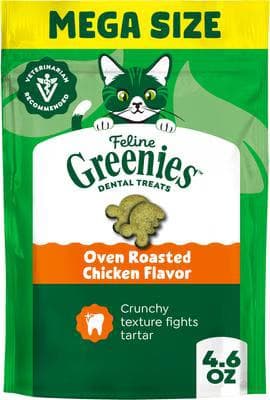
Crunchy dental treats with a texture that helps fight tartar. Oven roasted chicken flavor, veterinarian recommended.
Webvet may earn a commission when you click through to Chewy, at no extra cost to you.
The #1 cause: dental disease, plaque, and periodontal disease
The single most common reason for cat bad breath is dental disease. Studies suggest that a majority of cats over the age of three have some form of periodontal disease. The odor comes from bacteria feeding on plaque and from infected, inflamed tissue in the mouth.

Gingivitis and tartar buildup
Plaque is a soft, sticky film of bacteria that forms on the teeth every day. Left alone, it hardens into tartar (calculus), the yellow-brown crust you can see near the gumline. Tartar irritates the gums and causes gingivitis in cats, the red, swollen, sometimes bleeding gum inflammation that is the earliest stage of dental disease. Gingivitis is reversible with a professional cleaning and good home care.
Tooth resorption and abscesses
As dental disease advances, the gum, ligament, and bone that hold teeth in place break down. This is periodontitis, and it is not reversible. Cats are also uniquely prone to tooth resorption in cats, a painful process where the tooth structure itself erodes. A tooth-root abscess (a pocket of infection at the root) is another major source of foul breath and real pain. These problems often hide below the gumline, which is why dental X-rays matter.
Stomatitis
Some cats develop stomatitis in cats, a severe, painful inflammation of the mouth in which the immune system overreacts to plaque. It causes bright-red, ulcerated tissue, heavy drooling, difficulty eating, and notably bad breath. It is one of the most uncomfortable oral conditions a cat can have and usually needs aggressive treatment.
Systemic causes: when bad breath signals whole-body illness
Sometimes the mouth is not the origin. When bad breath comes from a disease elsewhere in the body, the odor often has a distinct chemical character, and there are usually other symptoms alongside it.
Kidney disease: the ammonia or urine smell
Chronic kidney disease is common in older cats. When the kidneys can no longer clear waste products efficiently, toxins like urea build up in the blood. This can give the breath an ammonia-like or urine-like smell. It often comes with increased thirst, increased urination, weight loss, and a poor coat. This combination warrants prompt veterinary attention.
Diabetes: the sweet, nail-polish-remover smell
A sweet or fruity odor, sometimes described as smelling like nail polish remover (acetone), can be a sign of diabetes, particularly a dangerous complication called diabetic ketoacidosis. Other diabetes signs include excessive thirst, frequent urination, increased appetite with weight loss, and lethargy. A sweet chemical breath smell is a genuine emergency clue.
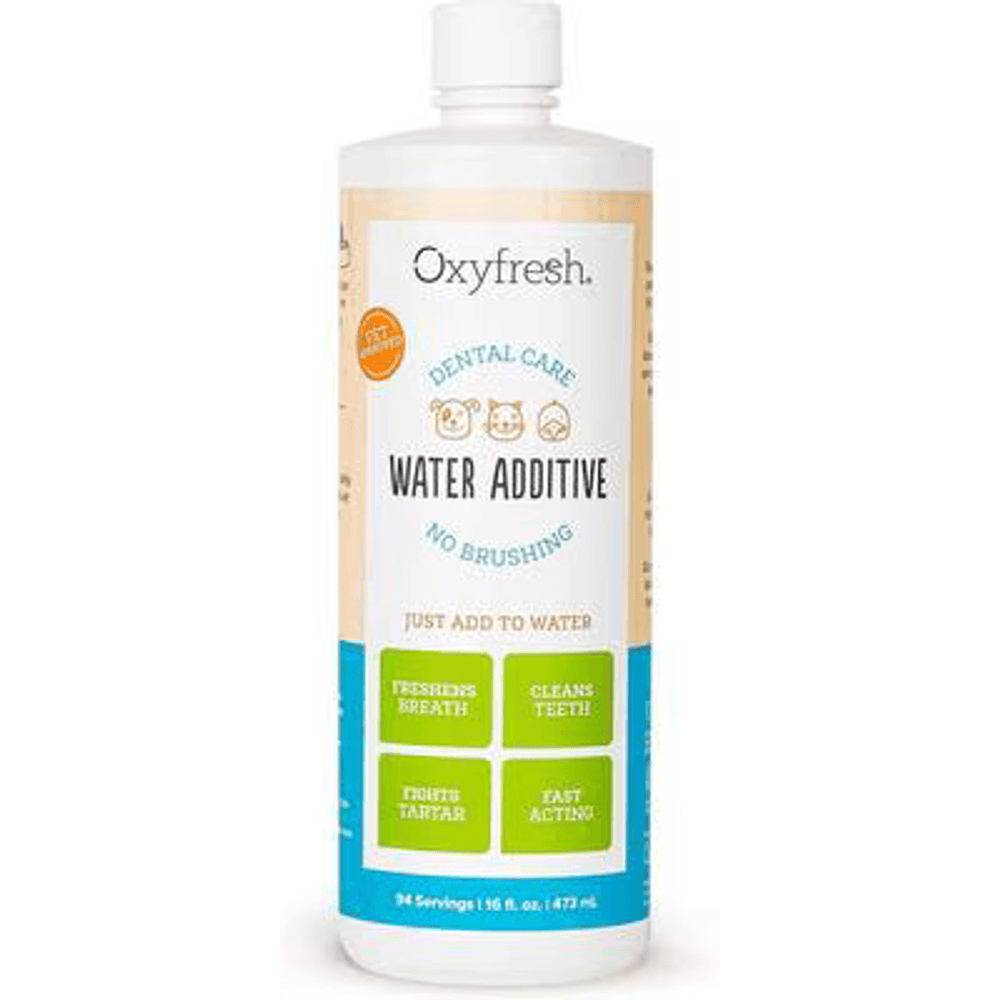
A taste-free, odor-free water additive you pour straight into the bowl. No brushing needed: it freshens breath, helps clean teeth, and fights tartar. About 94 servings per 16-oz bottle.
Webvet may earn a commission when you click through to Chewy, at no extra cost to you.
Liver disease
Liver problems can also cause foul breath, sometimes with a musty character, and are often accompanied by yellowing of the gums or eyes (jaundice), vomiting, and reduced appetite. Liver disease needs bloodwork to confirm and is not something to manage at home.
Gastrointestinal issues and vomiting
Digestive upset, chronic vomiting, and other gut problems can push odor up from the stomach and leave breath smelling sour or unpleasant. In older cats especially, this can overlap with other issues, so it is worth reviewing senior cat digestive problems and how to help if your cat is aging and off its food.
Other causes: foreign objects, oral tumors, calicivirus, and diet
- Foreign objects: a shard of bone, a bit of string, or a blade of grass lodged in the mouth can rot and stink, often with sudden pawing at the face.
- Oral tumors: growths in the mouth can become infected or ulcerated, producing a strong rotten odor. Any lump, mass, or non-healing sore in a cat's mouth should be checked promptly.
- Calicivirus and other infections: some viral infections cause painful mouth ulcers that contribute to bad breath, often alongside drooling and reduced eating.
- Diet: strong-smelling foods can leave a temporary odor, and this is the least concerning cause. If diet is the only factor, the smell passes quickly and there are no other symptoms.
 $65 · no membership
Have a health question about your cat?
A licensed vet can assess your cat over video and prescribe online when it's appropriate.
 Talk to a vet
- Licensed vets
- All 50 states
- same-day Rx
Webvet may earn a commission if you book.
Decode the smell: what your cat's breath odor is telling you
The character of the odor is a useful clue, though it is not a diagnosis on its own. Use it to gauge urgency and to describe the smell accurately to your vet.

| Breath odor | Most likely meaning | Urgency |
|---|---|---|
| Fishy or mildly foul | Dental plaque and tartar, or recent fish-based food | Book a dental check |
| Rotten or death-like | Advanced dental disease, abscess, or an oral tumor | See a vet soon |
| Ammonia or urine-like | Possible kidney disease | See a vet promptly |
| Sweet or nail-polish-remover | Possible diabetes or ketoacidosis | Urgent, contact a vet now |
Fishy breath
Fishy breath is the most common complaint. It usually reflects everyday plaque and tartar, and sometimes just a fish-based meal. If it is constant rather than passing, dental disease is the likely driver and a cleaning is due.
Rotten or death-like smell
Breath that smells like something has died points to significant infection or tissue breakdown, such as an abscess, severe periodontitis, or an ulcerated oral mass. This is not one to wait out.
Ammonia or urine smell
An ammonia or urine-like odor is a classic warning sign of kidney disease, especially in senior cats. Pair this smell with increased thirst and urination and see your vet promptly.
Sweet or fruity smell
A sweet, fruity, or acetone-like smell is the one to treat most urgently, because it can signal uncontrolled diabetes. Do not wait to see if it passes; contact your vet the same day.
Why does my cat's breath stink but their fur smells good?
This is one of the most common questions owners ask, and there is a simple explanation. Cats are meticulous groomers. They spend a large part of the day licking their coat clean, and saliva plus grooming keeps the fur fresh. The mouth, by contrast, is a warm, moist home for bacteria, and it is where plaque, tartar, and gum infection live. So the fur can smell clean while the breath is foul, because the problem is inside the mouth, not on the coat. If your cat suddenly grooms less, that itself can be a sign it feels unwell, and reading its overall cat body language can help you spot when something is off.
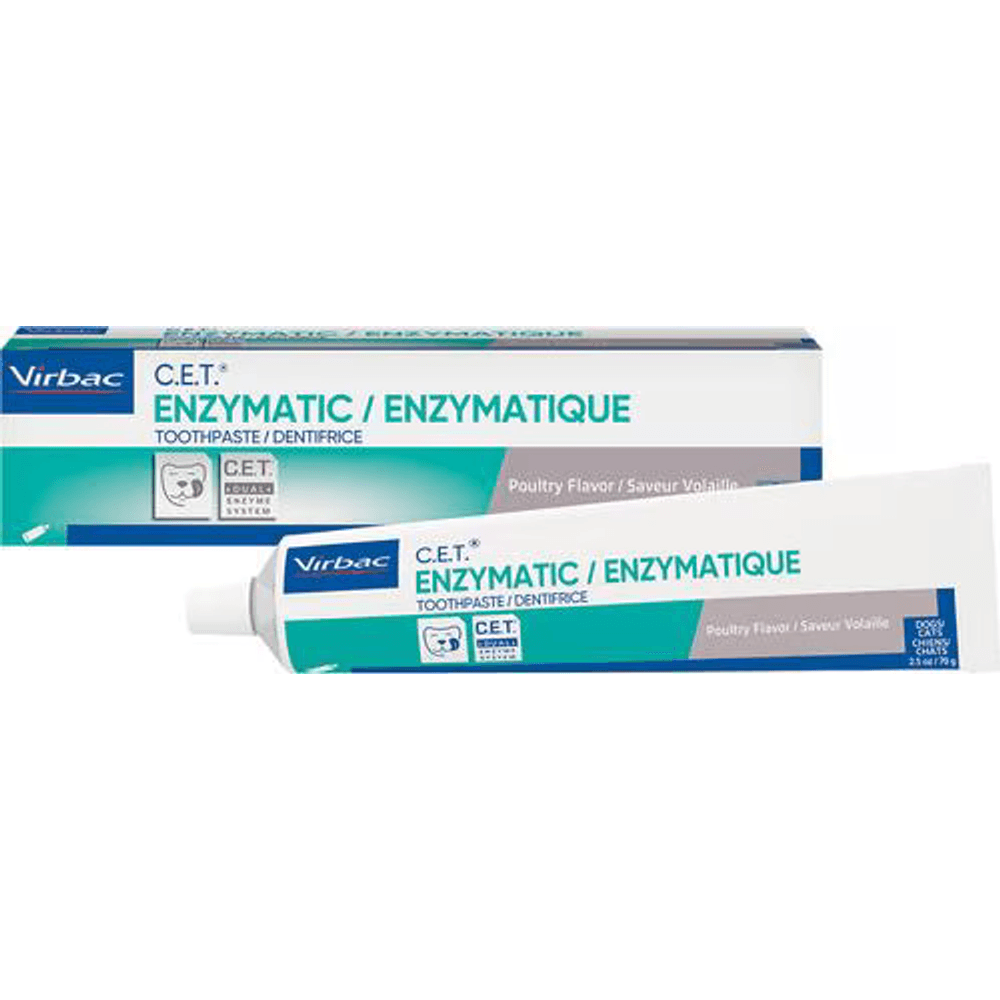
The vet-favorite enzymatic toothpaste. Its dual-enzyme system keeps working between brushings to control plaque and freshen breath, and the poultry flavor makes daily brushing easy.
Webvet may earn a commission when you click through to Chewy, at no extra cost to you.
How vets diagnose the cause of feline halitosis
Because bad breath has so many possible causes, the vet's job is to find the source. A typical workup includes:
- Oral exam: the vet checks the teeth, gums, tongue, and throat for tartar, inflammation, ulcers, fractured teeth, and masses.
- Dental X-rays: performed under anesthesia, these reveal disease below the gumline, such as resorptive lesions and root abscesses, that the eye cannot see.
- Bloodwork: a blood panel screens for kidney disease, diabetes, and liver problems when a systemic cause is suspected.
- Urinalysis: urine testing supports a kidney or diabetes diagnosis and helps gauge severity.
Treatment options and what they cost in 2026
Treatment depends entirely on the cause. When the problem is dental, the gold standard is a professional cleaning under anesthesia, which includes scaling, polishing, dental X-rays, and any needed extractions. Prices vary by region, clinic, and how much disease is present. The ranges below reflect typical US costs in 2026.

| Service | Typical 2026 US cost | What's included |
|---|---|---|
| Routine anesthetic dental cleaning (cat) | $300 - $800 | Anesthesia, scaling, polishing, oral exam, often dental X-rays |
| Dental cleaning with extractions or X-rays | $800 - $1,500+ | Above, plus tooth extractions, nerve blocks, and imaging |
| Pre-anesthetic bloodwork | $80 - $200 | Screens organ function before anesthesia |
| Dental X-rays (as add-on) | $100 - $300 | Imaging of tooth roots below the gumline |
| Stomatitis full-mouth extractions | $1,000 - $2,500+ | Multiple extractions, imaging, pain management |
For a fuller breakdown of what happens during the procedure, how to prepare, and what to expect on the day, see our guide to cat teeth cleaning. It covers the anesthesia, scaling, and recovery steps in detail so there are no surprises at the clinic.
Treating the underlying disease
If bloodwork points to a systemic cause, treating the dental problem alone will not fix the breath. Kidney disease is managed with a special diet, fluids, and medication. Diabetes is managed with insulin and diet. Liver disease needs its own targeted plan. In these cases, the bad breath is a symptom of a condition your vet will manage long term.
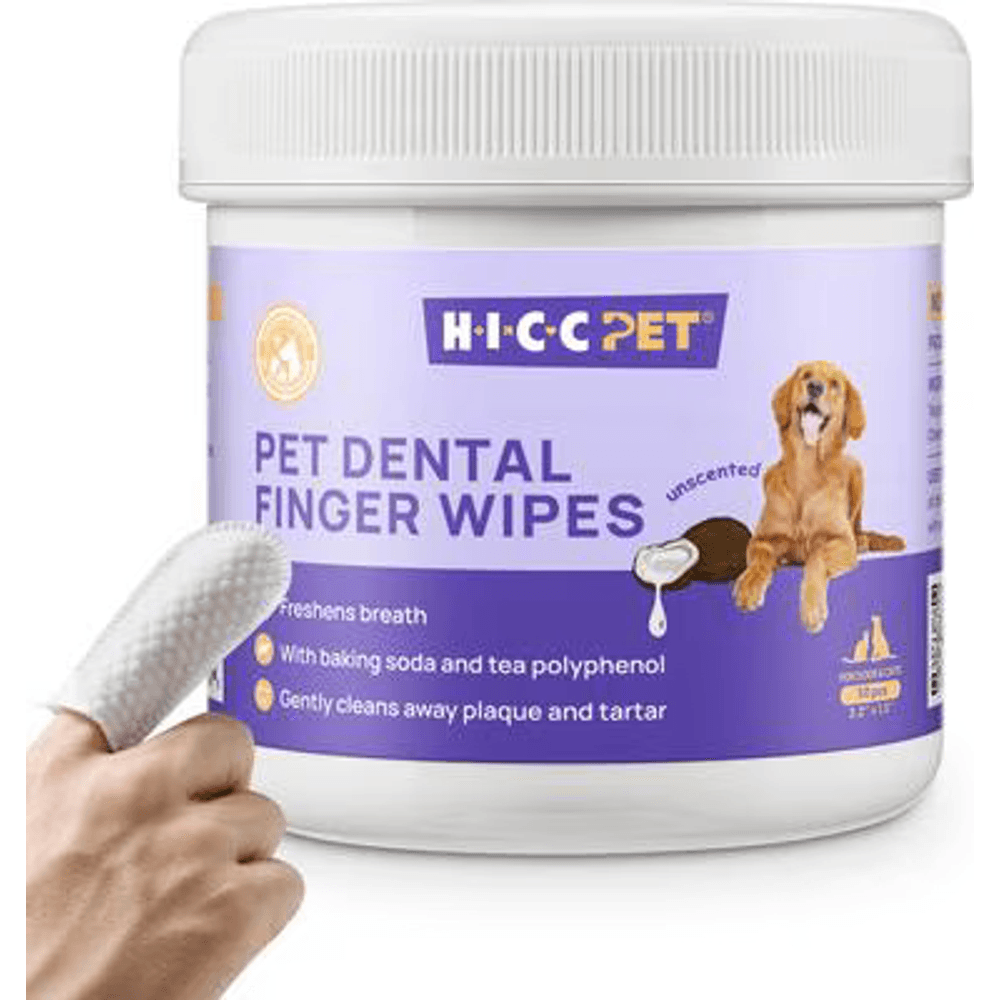
Pre-moistened finger-glove dental wipes with baking soda and tea polyphenol that wipe away plaque and freshen breath. The easiest brushless option for a dog that will not tolerate a toothbrush.
Webvet may earn a commission when you click through to Chewy, at no extra cost to you.
How to save on cat dental care
- Prevent, don't repair: consistent home care and early cleanings cost far less than extractions later.
- Ask about pet dental insurance or wellness plans: some plans fold in an annual cleaning.
- Watch for Pet Dental Health Month: many clinics run February discounts on cleanings.
- Get an estimate first: ask for a written quote, and compare accredited local clinics.
Home fixes and remedies that actually work
Home care will not fix an existing infection, an abscess, or a systemic disease. But once a vet has ruled those out or treated them, daily home care is the single best way to keep breath fresh and slow the return of tartar.

Brushing your cat's teeth, step by step
- Start slow: let your cat lick a little pet toothpaste off your finger for a few days so it associates the taste with something positive.
- Introduce the brush: use a small pet toothbrush or a rubber fingerbrush with cat-safe enzymatic toothpaste.
- Lift the lip and brush the outside: gently angle the bristles toward the gumline, where plaque builds, and focus on the outer surfaces.
- Keep it short and daily: even 30 seconds a day beats an occasional long session. Aim for daily, or at least a few times a week.
VOHC-approved dental treats and chews
Look for the Veterinary Oral Health Council (VOHC) seal. These treats and chews have been tested to reduce plaque or tartar. They are a helpful add-on for cats that will not tolerate brushing, though they work best combined with it.

Water additives and dental gels
Water additives mix into your cat's drinking water to help reduce plaque bacteria, and dental gels can be applied to the gums. Choose products with the VOHC seal where possible, and introduce additives gradually so a picky cat keeps drinking.
Dental diets
Some prescription and over-the-counter dental diets use larger, textured kibble that scrubs the teeth as the cat chews. Ask your vet whether a dental diet is a good fit, especially for a cat prone to heavy tartar.
What NOT to do: human toothpaste and unproven fixes
Never use human toothpaste; ingredients like fluoride and xylitol can be harmful to cats. Skip DIY breath sprays, essential oils, and internet remedies, which can be unsafe and do nothing for an underlying infection. If bad breath persists despite good home care, the answer is a vet visit, not another product.
How to prevent bad breath and keep your cat's mouth healthy
- Brush regularly: daily brushing is the most effective home step.
- Use VOHC products: treats, chews, and water additives with the seal genuinely help.
- Schedule annual dental checks: yearly exams catch disease early, and more often for senior cats.
- Watch the smell: a change in breath odor is often the first sign of a new problem, so trust your nose.
Kitten bad breath: is it different?
Kittens usually have fresh, neutral breath, so a strong odor in a young cat is worth attention. Around the time baby teeth fall out and adult teeth erupt (roughly three to seven months), mild temporary breath changes and a little gum tenderness can occur. But persistent bad breath in a kitten can signal retained baby teeth, gum inflammation, or an infection like calicivirus, and should be checked by a vet.
Frequently asked questions
Why does my cat's breath smell bad?
The most common reason your cat's breath smells bad is dental disease: plaque, tartar, and gum infection releasing odor from bacteria in the mouth. Less often, bad breath signals a whole-body illness such as kidney disease (an ammonia smell), diabetes (a sweet, nail-polish-remover smell), or liver disease. A one-off fishy smell after eating is usually just food. Persistent bad breath deserves a vet exam to find the cause.
How do you treat bad breath in cats?
You treat bad breath in cats by fixing the cause. For dental disease, that means a professional cleaning under anesthesia with scaling, polishing, X-rays, and any needed extractions, followed by daily home care like tooth brushing and VOHC-approved products. If bloodwork shows a systemic cause such as kidney disease or diabetes, your vet treats that condition directly. Masking the smell without diagnosing the cause does not work.
Why does my dying cat's breath smell so bad?
In a very sick or end-of-life cat, foul breath often comes from advanced organ failure. Failing kidneys let toxins build up, causing an ammonia or urine-like smell, and liver failure can produce a musty or foul odor. Severe untreated dental infection also worsens the smell. If your cat's breath has turned strongly foul alongside weight loss, weakness, or not eating, contact your vet right away to assess what is happening and discuss comfort and care.
Why does cat breath stink but fur smell good?
Cat breath can stink while the fur smells good because the two are completely separate. Cats groom their coat constantly, keeping the fur clean and fresh. The mouth, however, is a warm, moist environment where plaque, tartar, and gum infection thrive, and that is where the odor comes from. A clean-smelling coat does not mean the mouth is healthy, so foul breath still points to a dental or medical problem that needs checking.
How to fix stinky cat breath naturally?
The safest natural approach is daily tooth brushing with cat-safe toothpaste, VOHC-approved dental treats and chews, and a water additive to reduce plaque bacteria. A dental diet can also help. Avoid unproven home remedies, essential oils, and human toothpaste, which can be unsafe. Natural care helps prevent buildup, but it cannot cure an existing infection, abscess, or systemic disease, so see your vet if the smell persists.
Should I be worried if my cat's breath smells bad?
A brief food-related smell is not a concern, but persistent or worsening bad breath is worth taking seriously, because it usually means dental disease and sometimes signals kidney disease, diabetes, or liver disease. Be especially concerned if bad breath comes with drooling, appetite loss, weight loss, increased thirst, vomiting, or lethargy. When in doubt, book a vet exam; catching problems early is easier on your cat and your budget.
Why do cats' breath smell bad but their fur smells good?
Cats' breath smells bad but their fur smells good because grooming keeps the coat clean while the mouth harbors odor-causing bacteria. Constant licking freshens the fur, but plaque, tartar, and gum inflammation inside the mouth create the smell independently of the coat. So a fresh-smelling cat can still have significant dental disease. The takeaway is simple: judge oral health by the breath and a mouth exam, not by how the fur smells.
Bottom line: treat a change in your cat's breath as useful information, not just an annoyance. Most bad breath is dental and very fixable, but the odor can also be the first clue to a serious illness. When in doubt, a quick vet exam is always the safest next step.
$65 · no membershipHave a health question about your cat?
A licensed vet can assess your cat over video and prescribe online when it's appropriate.
Talk to a vet- Licensed vets
- All 50 states
- same-day Rx
Webvet may earn a commission if you book.

Editor
The Webvet Editorial Team is the in-house group of pet-care editors and writers behind Webvet, operated by Smart Pet Collective. The team researches, writes, and maintains Webvet's pet health, behavior, and medication content. Every article follows a defined editorial process: research from reputable veterinary and scientific sources, careful drafting, mandatory review of medical content by a credentialed veterinarian, and dated publication. Health and medication articles are medically reviewed by a licensed veterinary professional before they go live and are kept current over time.
Veterinarian · BVMS MRCVS
Dr. Pippa Elliott, BVMS, MRCVS, is a veterinarian with nearly 30 years of experience in companion animal practice. Dr. Elliott earned her Bachelor of Veterinary Medicine and Surgery from the University of Glasgow. She was also designated a Member of the Royal College of Veterinary Surgeons. Married with 2 grown-up kids, Dr. Elliott has a naughty Puggle named Poggle, 3 cats and a bearded dragon.


