Antifreeze Poisoning in Dogs: Symptoms, Timeline, and Emergency Treatment
Ethylene glycol tastes sweet, and a dog can take a lethal dose from a small puddle under a car. The first signs look like drunkenness and can seem to clear, but the antidote must be given within 8 to 12 hours. Here is the timeline and what to do now.

BVMS MRCVS
Medically reviewed by Dr. Pippa Elliott, BVMS MRCVS · Last reviewed

This article contains affiliate links. Webvet may earn a commission when you buy through them, at no extra cost to you.
Antifreeze poisoning in dogs is caused by ethylene glycol, a sweet-tasting chemical with a very small lethal dose. A few teaspoons to a tablespoon or two can kill a dog. If you saw your dog drink or lick antifreeze, or even suspect it, call your veterinarian or a poison hotline now.
Do not wait for your dog to look sick. Early signs of antifreeze poisoning in dogs can seem to clear after 12 to 24 hours, but the Pet Poison Helpline says dogs need the antidote within 8 to 12 hours of ingestion. Below is the timeline, what to do right now, how vets treat it, and how to keep it from happening.
Why antifreeze is so dangerous to dogs
The Merck Veterinary Manual names three reasons ethylene glycol poisoning is so common: antifreeze is everywhere, it tastes sweet, and the minimum lethal dose is small.
That is why the sweet taste matters. VCA Animal Hospitals says dogs may be drawn to it by its odor and sweet taste, and ASPCA Animal Poison Control says pets are easily attracted to it. A dog does not need to be curious or starving to lap up a puddle.
Exposure is not limited to a jug in the garage. Sources named by Merck and the Pet Poison Helpline include:
- Leaking vehicles that drip coolant onto a driveway or parking spot
- Open or poorly stored containers in garages and sheds
- Winterized RV plumbing
- Some heat-exchange fluids, such as those in solar collectors
The garage concentrates these risks, with stored jugs, leaking cars, and spills in one place. Keeping your dog out of it while you top up coolant or work on a car removes the easiest exposure.
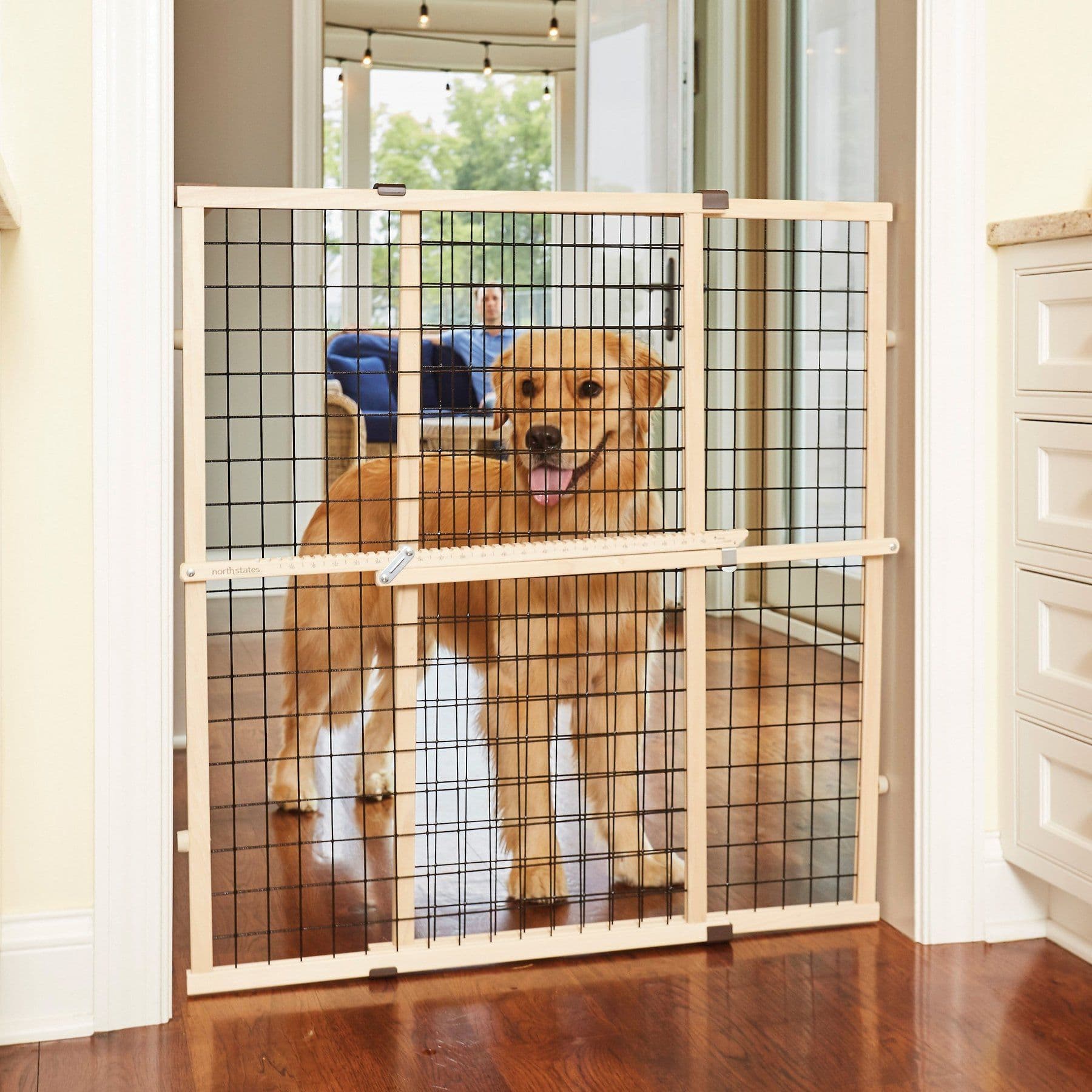
A tall, wide wire gate across the doorway keeps a dog from following you into the garage while you work on the car.
Webvet may earn a commission when you click through to Chewy, at no extra cost to you.
The Pet Poison Helpline says untreated antifreeze poisoning can be fatal and that exposures rise in summer and winter.
- 1Ethylene glycol antifreeze is deadly in small amounts, and why the sweet taste matters is simple: dogs will drink it willingly.
- 2The three-stage symptom timeline can look like improvement after the first 12 hours while the kidneys are being damaged.
- 3Pet Poison Helpline says the dog antidote must be given within 8 to 12 hours of ingestion.
- 4Call your vet or a poison hotline the moment you suspect exposure, and never try to make your dog vomit on your own.
Symptoms of antifreeze poisoning in dogs by stage
Antifreeze toxicity in dogs follows a predictable course in three stages. Knowing the antifreeze poisoning in dogs timeline helps you see why a dog that seems better is not out of danger. The first signs of antifreeze poisoning in dogs look like drunkenness, then fade, then return as kidney failure.
What is in antifreeze that makes it toxic? Most automotive antifreeze is ethylene glycol, a toxic chemical, though the Pet Poison Helpline notes that not every antifreeze product contains it, so check the label. Once absorbed, ethylene glycol injures the kidneys, and Merck describes calcium oxalate crystals forming in the damaged kidney tubules.
| Hours after ingestion | Stage and signs | Antidote window |
|---|---|---|
| 30 minutes to 12 hours | Stage 1: looks like alcohol poisoning, with vomiting, wobbly walking, disorientation, lethargy | Open. Pet Poison Helpline says dogs must be treated within 8 to 12 hours |
| 12 to 24 hours | Stage 2: the dog may seem to improve | Closing or closed. Poor prognosis if the antidote is delayed past 8 hours, per a Pet Poison Helpline blog |
| 36 to 72 hours | Stage 3: acute kidney injury and kidney failure, which can progress to seizures and coma | Closed. Merck says the antidote only works before kidney failure develops |
Stage timings come from the Pet Poison Helpline and Merck. Signs of antifreeze poisoning overlap with many other illnesses, so a known or possible exposure is the most useful clue you can give your vet.
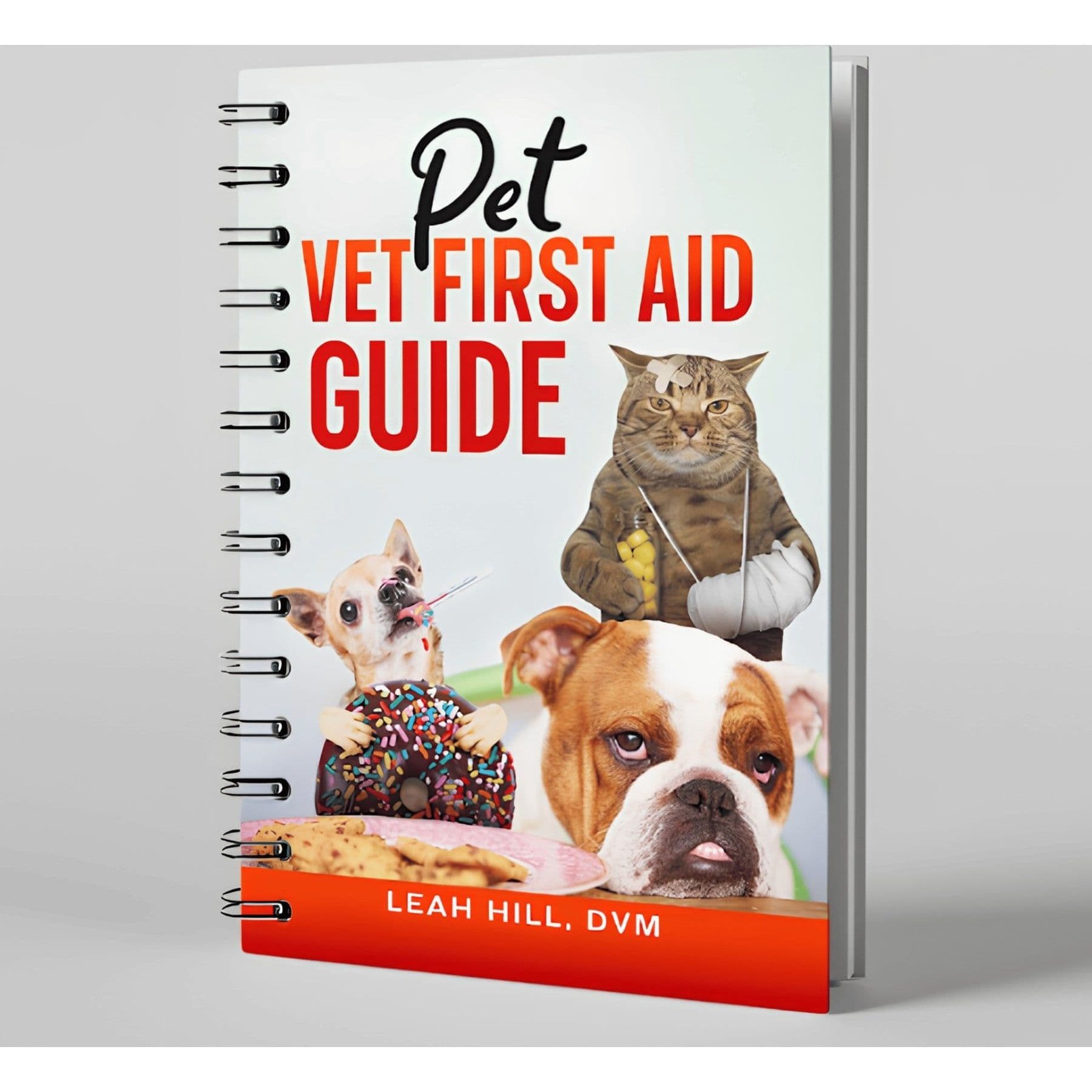
A veterinarian-written first aid book covering poisonings, CPR, and choking, worth keeping beside your hotline numbers.
Webvet may earn a commission when you click through to Chewy, at no extra cost to you.
How quickly will a dog show signs of toxicity?
Signs can start within 30 minutes and last up to 12 hours after ingestion, according to Merck and the Pet Poison Helpline. ASPCA Animal Poison Control says pets may be markedly ill within six to twelve hours. In dogs, the kidney-failure stage usually follows at 36 to 72 hours.
What are the initial symptoms of antifreeze poisoning?
The first signs of dog poisoning from antifreeze resemble alcohol intoxication. Watch for:
- Vomiting, which Merck links to stomach irritation
- Lethargy
- Wobbly, uncoordinated walking and disorientation
- Gastrointestinal upset, which the Pet Poison Helpline lists alongside neurological signs
VCA says these early signs can progress to seizures, coma, and kidney failure. None of the veterinary sources reviewed here describes the long-term effects of antifreeze poisoning in dogs that survive; the damage they document falls on the kidneys, so ask your vet what follow-up bloodwork your dog needs.
Is antifreeze poisoning detectable? Yes, with testing at a clinic. The Pet Poison Helpline says diagnosis uses blood tests, including an ethylene glycol test and a venous blood gas. No veterinary source offers home remedies for antifreeze poisoning in dogs; treatment happens in a hospital. Antifreeze toxicity in animals is the same emergency for every pet, and each case is time-critical.
My dog drank antifreeze: what to do right now
If your dog licked antifreeze, drank from a puddle, or chewed a container, act now. These are the immediate owner actions the sources support:
- Move your dog away from the source and keep other pets away.
- Call your veterinarian, an emergency clinic, or a poison hotline immediately. The Pet Poison Helpline is at (855) 764-7661, and ASPCA Animal Poison Control runs a 24-hour line at (888) 426-4435.
- Note the product name, how much may be gone, and the time of exposure.
- Head to the clinic when told, bringing the container or label.

What if you think your dog drank antifreeze a week ago? Call your vet today. In dogs, kidney failure usually develops 36 to 72 hours after ingestion, and the Pet Poison Helpline says the prognosis is poor once it has. Only bloodwork can show where your dog stands, so do not assume no news is good news.
Treatment costs vary by clinic and how long a dog is hospitalized. Our guide to emergency vet cost explains what drives the bill so you can plan without delaying care.
How to flush poison out of a dog's system?
There is no safe way to flush antifreeze out at home. Within 1 to 2 hours of ingestion, a vet may decontaminate with induced vomiting, stomach lavage, or activated charcoal, according to Merck. After absorption, vets give intravenous fluids to increase urine output and push ethylene glycol out through the kidneys.
Can a dog recover from antifreeze poisoning?
Recovery odds depend on treatment timing more than anything else. Merck says the prognosis worsens as the time between ingestion and treatment grows. VCA says the outlook is very poor once clinical signs have developed, and the Pet Poison Helpline says the prognosis is poor once kidney failure sets in.
Recovery after discharge usually means rest, monitoring, and follow-up bloodwork as your vet directs. A washable layer over your dog's usual bed can make those first days at home easier to manage.
A soft blanket for your dog's resting spot during recovery at home after a hospital stay.
Webvet may earn a commission when you click through to Chewy, at no extra cost to you.
Pay close attention to drinking and urination during recovery, and report changes to your vet. Our article on a senior dog drinking a lot of water covers what increased thirst can signal in older dogs.
Can a dog recover from antifreeze?
Yes, when the antidote is given early enough. The Pet Poison Helpline says dogs must be treated within 8 to 12 hours of ingestion, and a Pet Poison Helpline blog notes a poor prognosis if the antidote is delayed past 8 hours. Merck says the dog antidote only works before kidney failure develops.
Real-world numbers show the cost of delay. A case series from a Canadian veterinary teaching hospital reviewed 21 animals over 17 years and found 33% of dogs and none of the cats survived to discharge. Many arrived more than 8 hours after signs began. It is a small referral sample, not a population survival rate.
Some dogs that reach kidney failure are referred for dialysis. No published dialysis success rate appears in the veterinary sources reviewed for this article, so ask the treating vet about your dog's specific outlook.
Preventing antifreeze poisoning at home
Storage and spill prevention are the most reliable protection. Merck advises storing antifreeze securely and throwing out old antifreeze. Practical steps:
- Keep containers tightly capped on a high shelf or in a locked cabinet.
- Check under parked cars for drips and get leaks repaired.
- Wipe up spills immediately and keep pets out of the garage while you work.
- Dispose of used coolant through a local hazardous-waste program rather than a drain or yard.
- Walk dogs on a leash past driveways and parking areas where puddles collect.

Do not rely on bittering agents. A PLoS ONE analysis of US poison data covering 45,097 ethylene glycol exposures found that adding denatonium benzoate did not change the number or severity of exposures. That study looked at people, not pets, and only 17 states require the additive.
A stocked first aid kit belongs in the garage or car with your other supplies. General kits do not contain poison treatments, so your hotline numbers matter most. Save them in your phone and keep a written copy inside the kit.
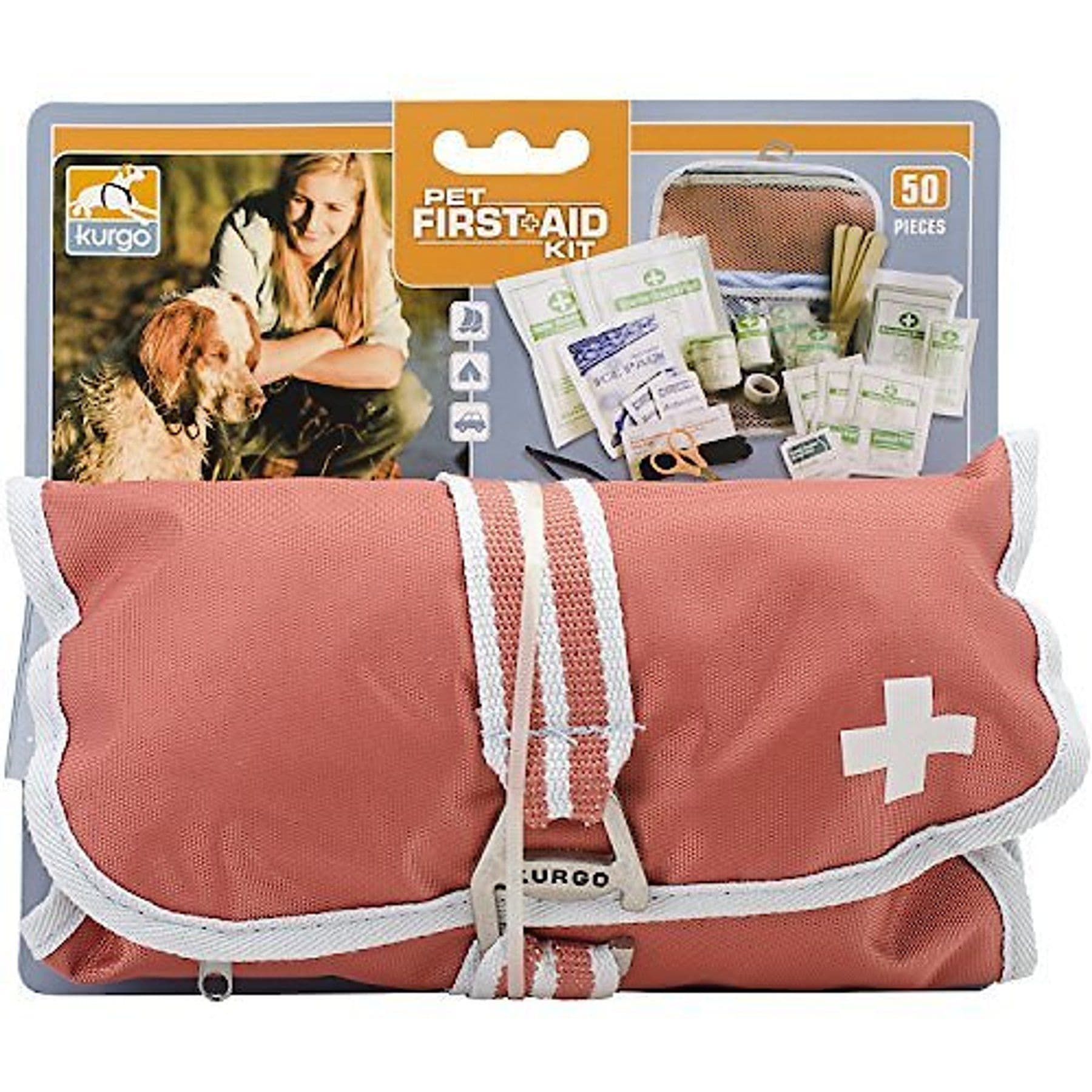
A 50-piece kit with gauze, a cold pack, and tweezers for the garage or car, with room to tape your poison hotline numbers inside.
Webvet may earn a commission when you click through to Chewy, at no extra cost to you.
Why do dogs love antifreeze?
Dogs are drawn to antifreeze by its sweet taste and odor, according to VCA, Merck, and the ASPCA. No source measures how strongly dogs prefer it, but the sweetness is enough to make a puddle tempting. That is why storage matters more than any warning label.
Propylene glycol antifreeze is a safer swap. ASPCA says it has a much wider margin of safety than ethylene glycol, and Merck calls it less toxic with a usually better outlook. Products sold as environmentally safe antifreeze are often this type, so read the label to confirm. Even pet-safe antifreeze is not harmless, and ASPCA advises keeping pets away from all chemicals.
Keeping a printed reference on hand helps you act fast in any future emergency. The Pet Vet First Aid Guide-Spiral Bound, written by a veterinarian, covers poisonings, CPR, and choking, and it works without a phone signal.
How vets diagnose and treat antifreeze poisoning
Antifreeze poisoning in dogs treatment starts with confirming exposure. The Pet Poison Helpline says vets use blood tests, including an ethylene glycol test and a venous blood gas. Merck describes the kidney damage that follows as tubular injury with calcium oxalate crystals, which is why the goal is to stop that process early.
What is the antidote for antifreeze in dogs?
The Pet Poison Helpline says there are only two antidotes: fomepizole (also called 4-MP) and ethanol. For dogs, it says the antidote must be given within 8 to 12 hours of ingestion to work. Merck adds that the dog antidote only works before kidney failure develops.
How to treat antifreeze poisoning in dogs depends on timing and on what the clinic stocks. The main parts of antifreeze toxicity treatment are:
- Fomepizole: Merck describes a loading dose followed by repeat doses at 12, 24, and 36 hours in dogs.
- Ethanol for antifreeze poisoning: the Pet Poison Helpline says some vets choose intravenous ethanol, such as vodka or Everclear, because it is cheap and widely available. The dog must be hospitalized while it is given.
- IV fluids: to increase urine output and help clear ethylene glycol.
- Decontamination: only in the first 1 to 2 hours, per Merck.
The vodka treatment for antifreeze poisoning in dogs is a hospital therapy given into a vein under monitoring. It is not something to try at home, and alcohol by mouth is not a substitute for veterinary care.
How much antifreeze is toxic to a dog?
Sources state the lethal dose in different units, and their household figures do not fully agree. All of them say the dangerous amount is small. The toxic dose depends on body weight and on how concentrated the product is.
- Merck professional manual: the minimum lethal dose of undiluted ethylene glycol is 4.4 to 6.6 mL per kg of body weight in dogs and 1.4 mL/kg in cats.
- Merck owner page: 3 to 4 teaspoons can be lethal in dogs and 1 to 2 teaspoons in cats.
- Pet Poison Helpline: a tablespoon or two can be fatal for a dog, and one teaspoon for a cat.
How much antifreeze does it take to affect a dog?
A few teaspoons to a tablespoon or two can be lethal, depending on the source and the dog's size. Merck puts the minimum lethal dose of undiluted ethylene glycol at 4.4 to 6.6 mL/kg. VCA says the margin of safety is very narrow, so treat any amount as an emergency.
Because diluted coolant and pure antifreeze differ in strength, do not try to work out whether your dog drank enough to matter. Bring the container or note the brand and let the vet or poison line assess the risk.
Antifreeze poisoning in cats
Antifreeze poisoning in cats and dogs comes from the same chemical, but cats have even less margin. Merck puts the minimum lethal dose of undiluted ethylene glycol at 1.4 mL/kg in cats, compared with 4.4 to 6.6 mL/kg in dogs.
Antifreeze toxicity in cats also moves faster:
- The kidney-failure stage begins 12 to 24 hours after ingestion in cats, per Merck and the Pet Poison Helpline.
- The Pet Poison Helpline says cats must be treated within 3 hours for the antidote to work.
- VCA says even a few hours of delay usually results in death in cats.
Antifreeze cat poisoning symptoms start the same way as in dogs, with vomiting and drunk-like behavior. If you share your home with cats, our guide to poison-proofing your cat's home covers other common household dangers.
Antifreeze is one of several seasonal hazards. See our guides to pet safe ice melt, pet safe pest control, and plants toxic to dogs to cover the rest of the house and yard.
Antifreeze poisoning questions
Frequently Asked Questions
What are the signs that a dog has drank antifreeze?
The earliest sign is usually wobbly drunk-like walking, often with vomiting and lethargy, starting 30 minutes to 12 hours after ingestion. If you notice excessive thirst and urination, seizures, or any sudden change after a possible exposure, call your vet right away rather than waiting to see how things develop.
Is antifreeze fatal for dogs?
It can be. The Pet Poison Helpline says untreated cases can be fatal. In dogs, kidney failure usually develops within 72 hours, between 36 and 72 hours after ingestion, and the prognosis is poor once it does. Fast treatment with fomepizole or ethanol gives the best chance.
Is propylene glycol antifreeze safe for dogs?
It is safer, but less toxic, not harmless. ASPCA says propylene glycol has a much wider margin of safety than ethylene glycol, and Merck says the outlook is usually better. If your dog drinks any antifreeze, still call the vet or a poison hotline right away.
Veterinarian · BVMS MRCVS
Dr. Pippa Elliott, BVMS, MRCVS, is a veterinarian with nearly 30 years of experience in companion animal practice. Dr. Elliott earned her Bachelor of Veterinary Medicine and Surgery from the University of Glasgow. She was also designated a Member of the Royal College of Veterinary Surgeons. Married with 2 grown-up kids, Dr. Elliott has a naughty Puggle named Poggle, 3 cats and a bearded dragon.
Related reading

Matted Cat Fur: How to Remove Mats Safely

Pet Safe Roach Killer: What Works Without Poisoning Your Pet

Pet Safe Pest Control: What Is Safe to Use Around Dogs and Cats
