Why Does My Cat Stare at Me? 7 Reasons and What to Do
Cats stare to request attention, watch routines, gather information, play, or assess safety. Learn how to read the whole body and when a new staring pattern needs veterinary care.

This article contains affiliate links. Webvet may earn a commission when you buy through them, at no extra cost to you.
The question why does my cat stare at me usually has more than one possible answer. Your cat may be asking for something, watching a familiar routine, inviting interaction, or deciding whether a situation feels safe. The gaze matters, but the rest of the body and the immediate context matter more.
A relaxed cat with soft eyes and a loose posture is sending a different message from a rigid cat with flattened ears and a lashing tail. Look at what happened just before the stare, what your cat does next, and whether the behavior is new.
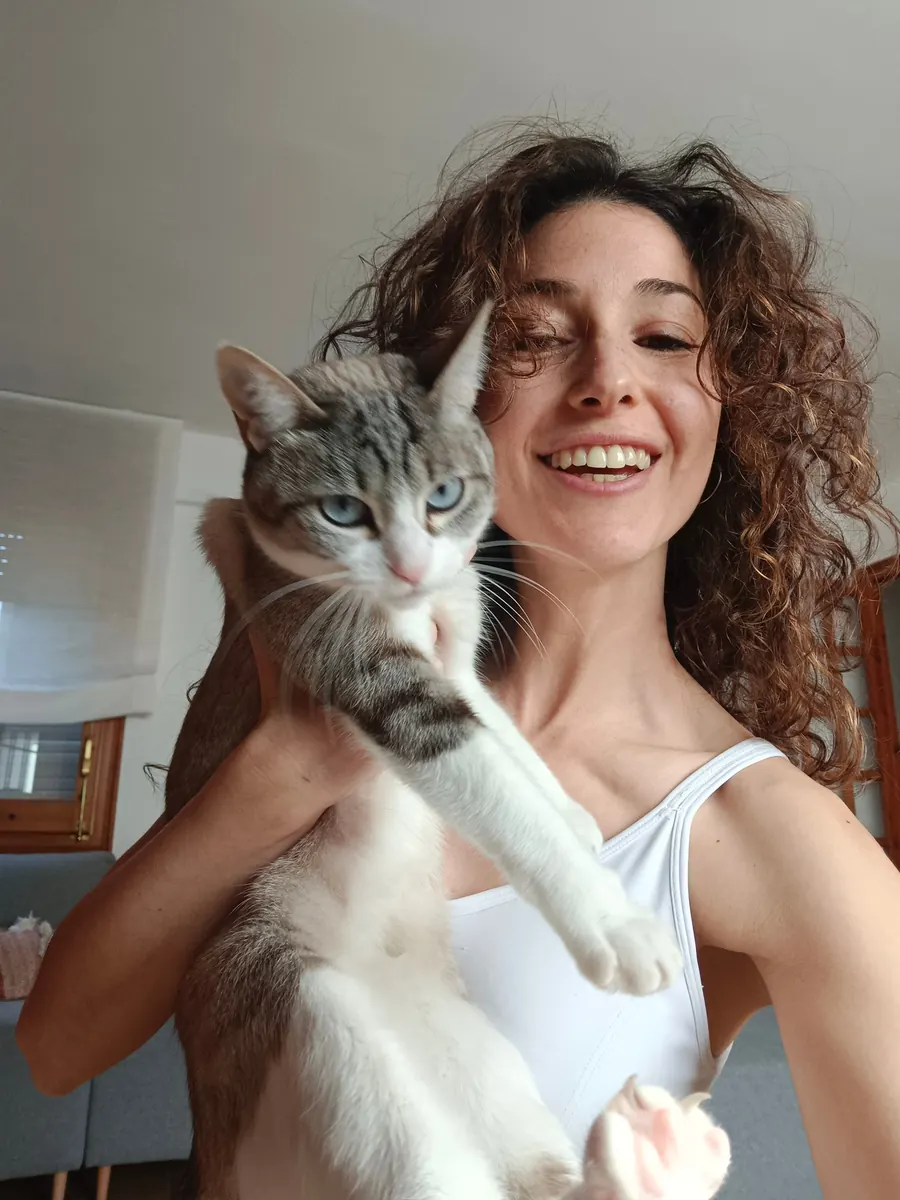
 Sponsored
Want a vet's help with your cat's anxiety or behavior?
Talk to a licensed vet at Dutch over video, often the same day. They can recommend treatment and prescribe it when it's appropriate.
Use code Pets60
Plans start at $12/month · covers up to 5 pets
- Licensed vets in most states
- Rx for 150+ conditions
- 4.7 on Trustpilot
What a Cat Stare Means in Context
What does it mean when cats stare at you? A stare has no single meaning. Read the cat's eyes, ears, tail, posture, distance, and immediate context together. Most owner-directed staring reflects attention, but a safe response depends on whether the whole body looks relaxed, requesting, fearful, predatory, or ready for conflict.
- 1Read the whole body instead of assigning one meaning to the eyes.
- 2Check the immediate context, including time, location, and what happened just before the stare.
- 3Meet ordinary needs calmly, but give space when the body looks tense.
- 4Arrange a veterinary check when staring is new and arrives with eye, appetite, mobility, sleep, or behavior changes.
| Stare pattern | Gaze, pupils, ears, tail, and posture | Likely context | Best first response |
|---|---|---|---|
| Relaxed social stare | Soft eyes, neutral ears, loose posture | Comfortable social attention | Speak softly or offer a slow blink |
| Requesting stare | Focused gaze near a routine cue; the cat checks your response | Learned request for food, play, or access | Check the need and respond consistently |
| Fearful stare | Wide eyes, crouched posture, ears turned sideways | Fear or uncertainty | Increase distance and provide an exit |
| Hard warning stare | Fixed gaze, rigid body, flattened ears, lashing tail | Conflict or defensive warning | Stop the interaction and give space |
| Hunting stare | Low stalking posture focused beyond you | Hunting or play attention | Check the actual target and redirect safely |
Use the table as a quick stare decoder. It combines gaze quality, pupils, ears, tail, posture, and likely context with the safest response. Soft eyes and loose posture support relaxed social attention. A rigid body and flattened ears support caution. Check context before responding because a stare has no single meaning.
This context-first approach follows veterinary behavior guidance that a single signal should not be interpreted alone. The Merck Veterinary Manual explains that feline behavior reflects learning, environment, physiology, and inherited tendencies.
If you wonder why your cat stares without blinking, do not start a staring contest. A fixed gaze may look intense or creepy, yet a cat can stare randomly, watch with interest, or wait for a response. Do cats like when you stare at them? Most prefer softer eye contact and freedom to leave.
A cat may stare at you when you pet her because she is monitoring touch, anticipating more contact, or deciding whether to move away. Soft muscles support comfort. Skin twitching, rotating ears, a lashing tail, or a head turn toward your hand means the interaction should pause.
Big eyes, squinty eyes, or a gaze into your eyes add clues, not a verdict. A black cat, female cat, or Ragdoll cat does not stare for a breed, sex, or coat-specific reason. What cats think while staring cannot be known directly, so use visible behavior and timing.
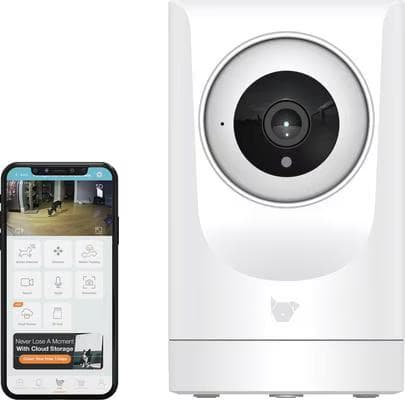
360-degree Wi-Fi pet camera so you can watch your cat's resting breathing rate and behavior from your phone and catch worrying changes early.
Webvet may earn a commission when you click through to Chewy, at no extra cost to you.
This article focuses on a cat watching a person. Staring at walls, corners, screens, food bowls, litter boxes, or unseen sounds requires a different environmental or medical question. Keeping object-focused staring separate prevents an owner-directed gaze from being used to explain disorientation, vision changes, prey tracking, or other unrelated signs.
Read the Whole Body, Not the Eyes Alone
Eye contact is only one part of feline communication. Ear angle, whisker position, tail movement, muscle tension, distance, and escape options can change the meaning of the same gaze. WebVet's guide to reading your cat's whole body language provides the broader signal map.
A hard stare between cats can precede conflict, especially when one cat blocks a doorway, litter area, food station, or resting place. Do not force the cats closer. Break the visual line with distance or a safe barrier, then review resources and routes through the home.
When two cats stare at each other before fighting, the issue is cat-to-cat access and tension, not the meaning of a gaze toward you. A cat staring at another cat or dog also needs species, distance, posture, and escape routes considered. The linked body-language guide covers those whole-body combinations.
What Pupil Size Adds to the Message
Large pupils can accompany low light, play, fear, pain, or other forms of arousal. Narrow pupils can reflect bright light or focused attention. Because lighting and health also affect the eyes, pupil size cannot prove mood by itself. See what dilated pupils can mean for the dedicated eye guide.
Cat pupil size meaning changes with light and context. Big pupils can occur during play, fear, pain, or darkness, while small pupils may reflect bright light or focus. If your cat stares with dilated pupils, or seems to have big pupils all the time, use the linked eye guide and veterinary advice.
Contact a veterinarian promptly for a new pupil-size difference between the eyes, redness, cloudiness, squinting, discharge, apparent vision trouble, or an eye that looks painful. Those findings need an eye assessment, not a body-language guess.
Why Your Cat Sits and Stares at You
What does it mean when your cat just sits and stares at you? Common owner-directed reasons include attention, food, play, curiosity, a learned routine, relaxed social contact, fear, and conflict. The safe response depends on posture and context. A calm cat may await a predictable event, while a tense cat needs space and choice.
Owners phrase this question in several ways: why does my cat sit and stare, why are cats staring without blinking, or does a black cat with big eyes mean something unusual? The wording changes, but breed and coat color do not set the answer. Read the whole pattern instead.

1. Your Cat Wants Something
Cats quickly learn which looks, sounds, and locations make people respond. A stare beside an empty bowl may precede a food request. A stare near a closed door may be about access. Staring and then walking toward a toy can be an invitation to play.
Check basics before assuming affection or misbehavior:
- fresh water and the normal meal schedule
- a clean, accessible litter box
- access to a preferred room or resting place
- an appropriate play opportunity
- a quiet place away from children or other pets
Responding consistently helps your cat predict what works. It also prevents a cycle in which you sometimes reward prolonged staring with an exciting reaction and sometimes punish the same behavior.
Compare coverage choices for your pet, then request a quote directly on Lemonade.
- Check a price for your pet
- Review available coverage choices
- See the terms before you decide
Eligibility, waiting periods, limits and exclusions apply.
Webvet may earn a commission when you click through to Lemonade, at no extra cost to you.
2. Your Cat Is Seeking Social Contact
Some cats enjoy being near a familiar person without climbing into a lap. Watching from a chair, shelf, or doorway lets a cat maintain social proximity and control the distance. A loose body, neutral ears, and ordinary grooming or resting support a relaxed interpretation.
Broad affection is a larger topic than eye contact. The live guide to signs your cat likes and trusts you covers proximity, greeting, touch, scent exchange, play, and other relationship signals without treating one behavior as proof.
3. Your Cat Is Studying a Routine
Cats notice repeated sequences. Picking up keys, opening a cabinet, changing clothes, or sitting at a desk can predict what happens next. Your cat may watch closely because your movements provide useful information about food, play, sleep, visitors, or your departure.
Curiosity does not require intervention. If the cat looks comfortable, allow the observation. Predictable routines can be reassuring, while frequent changes in timing, household members, noise, or access can make some cats watch more carefully.
4. Your Cat Is Tracking Play or Prey
A cat may appear to stare at you while actually tracking a moving hand, dangling cord, reflected light, insect, or sound behind you. A lowered head, forward whiskers, focused ears, and a twitching tail tip can accompany hunting attention.
Do not encourage attacks on hands or feet. Move the target to an appropriate toy and give the cat room to complete a safe play sequence. If the target is unclear, inspect the area for insects, strings, hot objects, or other hazards before redirecting.
5. Your Cat Feels Relaxed
A soft gaze with partially closed eyes, a loose face, and a comfortable resting position can occur during calm social contact. Some cats add a slow blink. You can answer with a relaxed expression and one slow blink, then look slightly away.
VCA notes that a slow blink can be associated with relaxation and trust. Still, one blink is not a ranking of affection. Use the broader relationship pattern, and avoid holding a fixed human stare that may feel confrontational.
How a Relaxed Gaze Differs From a Warning Stare
A relaxed gaze comes with choice and softness: the cat can move away, the body is loose, and the ears remain neutral. A warning stare is more likely to include a rigid body, ears flattened or rotated back, a whipping tail, growling, or blocked escape.
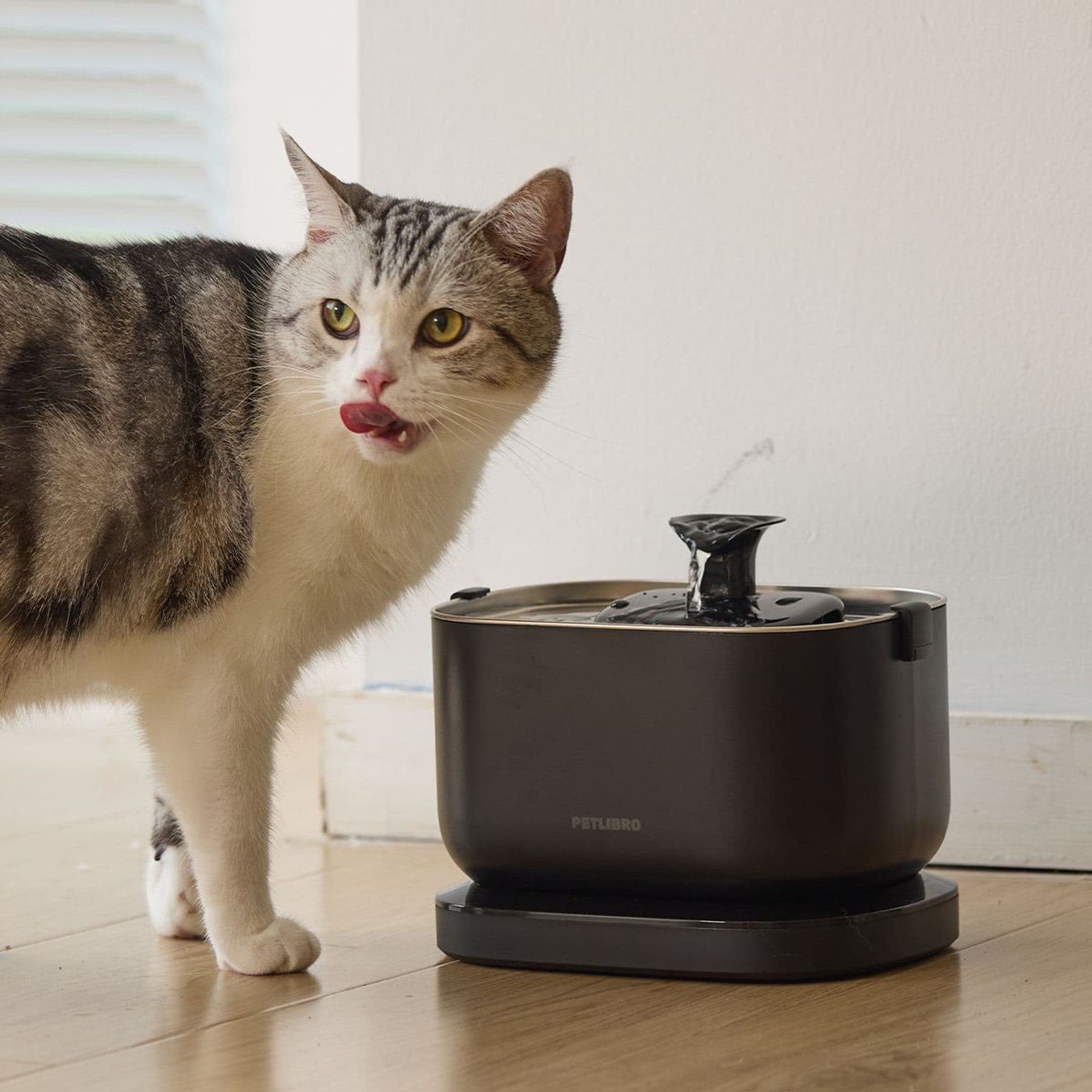
Webvet may earn a commission when you click through to Chewy, at no extra cost to you.
A soft gaze or slow blink differs from a rigid stare paired with a tense body, flattened ears, or a lashing tail. If your cat stares and blinks slowly while remaining loose, answer gently and look away. If tension grows, stop contact, create a clear exit, and let the cat control the distance.
Slow blinking belongs within the broader affection pattern, which is covered in the dedicated cat trust and affection guide. Here, the important decision is whether the whole body says comfortable, uncertain, or ready to defend space.
6. Your Cat Feels Afraid or Conflicted
Wide eyes, a crouched body, ears turned back, and weight shifted away suggest uncertainty or fear. A rigid forward posture, direct gaze, vocal warning, and lashing tail can signal conflict. Cornell's feline behavior guidance warns that punishment may increase fear and anxiety.
Stop reaching toward the cat. Lower noise, create distance, and keep an exit open. Do not corner, chase, spray with water, or force eye contact. If another animal is involved, separate safely and review the events that repeatedly place them in conflict.
What to Do When a Stare Becomes Tense
If staring is followed by grabbing, biting, or an attack, the bite behavior becomes the immediate safety issue. End the interaction without yelling and let the cat disengage. The live guide to why cats bite during interaction explains warning signs and safer responses.
If you ask why your cat stares at you and then attacks or bites, examine the interaction before the contact. A rigid body, lashing tail, flattened ears, skin twitching, or a blocked exit may precede escalation. Stop reaching, create distance, and use the linked biting guide for the immediate safety response.
Seek medical advice for any bite that breaks human skin, especially a puncture to the hand, face, or a joint. A cat who suddenly becomes aggressive also needs veterinary assessment because pain and illness can change tolerance and behavior.
7. Something Has Changed
New or unusually persistent staring deserves more attention when it occurs with disorientation, altered sleep, appetite change, reduced grooming, vocal changes, house soiling, eye changes, weakness, or pain. The stare alone does not diagnose a disorder, but a pattern change can be useful clinical information.
Older cats may develop cognitive changes that affect orientation and daily rhythms. Cornell lists disorientation, altered social interaction, sleep changes, house soiling, activity changes, and anxiety among possible cognitive dysfunction signs. Similar signs can have other medical causes, so an examination is essential.
SponsoredVet care that's always there
Unlimited video calls and messaging with licensed vets for less than a typical vet visit. One membership covers up to five pets.
Use code Pets60
Plans start at $12/month · covers up to 5 pets
- Licensed vets in most states
- Rx for 150+ conditions
- 4.7 on Trustpilot
Why Your Cat Stares While You Sleep, Eat, or Work
Scenario guidance changes across sleep, meals, work, meowing, and purring, so no single behavior proves affection or illness. While you sleep, a cat may anticipate breakfast or watch movement. Before meals, your routine becomes a cue. At work, your stillness may simply make you easy to monitor in that exact situation.
The same stare changes while you sleep, before meals, during play, and during staring and meowing or purring. Each moment supplies a different likely trigger and first response instead of one generic list of reasons. Check timing, body tension, access, and what the cat does after you respond in that setting.

At Night, Before Sleep, and in the Morning
A cat may stare at night, before sleeping, while you are falling asleep, or in the morning because those moments predict food, movement, or access. If your cat watches while you are sleeping, check posture and timing. Restlessness, vocal change, or altered sleep across the household deserves more attention.

Webvet may earn a commission when you click through to Chewy, at no extra cost to you.
During Meals, Work, or Other Routines
If your cat stares while you eat or after eating, food scent and past rewards may explain the attention. A cat watching from a distance, doorway, or farther away may be monitoring safely. Watching during work or a shower can also reflect curiosity and a predictable routine rather than a hidden message.
Staring with meowing is often a learned request. Check food, water, litter, play, temperature, and access before answering. Then respond in a consistent way. Avoid punishment, and avoid teaching that louder or longer demands always produce an immediate reward.
When a cat stares and meows, check food, water, litter, play, temperature, and access, then respond consistently rather than punish. The same cat may stare when you cry because your posture, voice, and routine changed. A gaze from afar is still interpreted through timing, body tension, and what happens next.
When Staring Happens During Kneading
Kneading can occur during settling, comfort-seeking, scent marking, or preparation of a resting spot. The gaze does not change the basic interpretation. Check whether the body stays loose and the claws, vocalization, and interaction remain comfortable.
The dedicated guide to why cats knead people explains making-biscuits behavior. Give your cat a soft surface, protect your skin with a blanket, and let the cat move away instead of restraining the interaction.
If you are asking why your cat stares at you while kneading, read the kneading posture and gaze separately. A loose body on a soft surface may reflect settling or comfort. Tension, vocal change, or unwanted claw contact changes your response, but the linked guide remains the place for kneading meaning.
Why Does My Cat Stare at Me? What to Do Next
Start with observation instead of a quick label. Notice where the cat is standing, where the weight is balanced, whether the ears and tail are moving, and whether the cat has a clear exit. Then identify the event that immediately preceded the gaze.
Owners should avoid punishment and respond by checking needs, offering choice and space, and changing the interaction when tension signals appear. A cat with a loose body may welcome quiet contact. A cat that stiffens, retreats, lashes its tail, or flattens its ears is asking for less pressure, not a louder correction.
Check Ordinary Needs Calmly
If the body looks relaxed, check the most likely practical need. A glance between you and a bowl, door, toy, or litter area provides more information than the eyes alone. Meet a real need without turning the moment into an exciting game.
Timing can reveal a learned pattern. If staring reliably occurs before breakfast or play, schedule that activity consistently when possible. Predictability can reduce uncertainty. It also helps you separate a routine request from a new behavior that does not fit the usual day.
Offer Choice Instead of Pressure
Let the cat approach, remain at a distance, or leave. You can sit sideways, soften your gaze, and keep your hands still. A cat who moves closer with a loose body may welcome interaction. A cat who turns away has answered too.
If tension appears, end petting or play before the cat has to escalate. Move children and other pets away calmly. Do not block a doorway or reach into a hiding place. Space is an active response, not a failure to communicate.
Change the Pattern Without Punishment
When staring has become a reliable way to obtain a dramatic response, make your own response quieter and more predictable. Reward a suitable alternative, such as waiting on a perch or approaching a toy. Avoid yelling, chasing, or spraying water, which can add fear without teaching a replacement.
Keep a short log if the pattern is frequent. Record time, place, likely trigger, body cues, your response, and what the cat did next. Several entries can reveal whether the stare tracks meals, attention, conflict, noise, sleep, or a broader health change.
Should You Stare Back at a Cat?
When your cat stares at you, should you stare back? Avoid a prolonged, unblinking contest. A fixed human gaze can feel threatening, particularly when the cat is already tense or cannot retreat. Soften your face, blink normally or once slowly, angle your head slightly away, and let the cat choose whether to approach.
If the cat is requesting something, look away briefly and respond to the actual need rather than rewarding escalating intensity. If the body is fearful or rigid, increase distance. The goal is not to win eye contact. It is to reduce pressure and make the next interaction predictable.
When a New Stare Deserves a Veterinary Check
Arrange a veterinary visit when staring is new, frequent, or paired with other changes. A short phone video and a written timeline can help the veterinarian see the eyes, posture, environment, duration, and what happens before and after the episode.
If your cat stares all the time, all day, for hours, or far more than usual, compare the pattern with its baseline. Owners may describe the cat as always staring, staring constantly, staring a lot, or staring so much. Frequency matters most when appetite, sleep, orientation, vision, mobility, or social behavior also changes.

Useful observations include:
- when the staring began and how long episodes last
- whether one or both pupils change
- what the ears, tail, posture, and breathing look like
- appetite, drinking, litter-box use, sleep, and mobility changes
- new medicines, household changes, falls, or possible toxin exposure
Do not wait for a cat to look dramatically ill. Cats can hide pain and weakness. A veterinarian can examine the eyes, nervous system, mobility, mouth, and general health, then decide whether testing is needed.
Frequently Asked Questions
Why does my cat stare at me while I sleep?
A cat may stare at you while you sleep because movement, breakfast, bed access, or a routine or anticipated need has its attention. Check the cat's posture and timing, plus what happens next. Context changes the meaning. A restless cat with vocal, appetite, sleep, orientation, or litter-box changes warrants veterinary advice.
Why does my cat stare at me without blinking?
A cat may stare at you without blinking because it is focused on attention, a request, uncertainty, hunting, or conflict. A fixed gaze is not enough by itself. Check the ears, tail, muscle tension, distance, pupils, and escape options because tension cues change the response. Avoid a contest when the body looks rigid.
Why does my cat stare at me and meow?
A cat may stare at you and meow because the combination works as a learned request. Check food, water, litter, play, temperature, and access before assuming it wants attention. Respond consistently rather than punish, but avoid rewarding increasingly loud demands. A sudden vocal change with illness signs needs veterinary advice.
Why does my cat stare at me and purr?
A cat may stare at you and purr during comfortable social contact, so relaxed posture supports social contact as one possibility. However, purring is not a single-emotion signal. Check breathing, appetite, activity, hiding, and change from baseline. An unusually withdrawn, painful, or tense cat who purrs may need veterinary assessment.
When should I worry about my cat staring?
Worry about your cat staring when new and appearing with disorientation or routine change, appetite loss, altered sleep, weakness, house soiling, or reduced interaction. Eye changes or pain signs need veterinary care rather than a behavior guess. Seek urgent care for sudden vision loss, seizures, collapse, severe breathing trouble, or a painful eye.
Sources

Editor
The Webvet Editorial Team is the in-house group of pet-care editors and writers behind Webvet, operated by Smart Pet Collective. The team researches, writes, and maintains Webvet's pet health, behavior, and medication content. Every article follows a defined editorial process: research from reputable veterinary and scientific sources, careful drafting, mandatory review of medical content by a credentialed veterinarian, and dated publication. Health and medication articles are medically reviewed by a licensed veterinary professional before they go live and are kept current over time.


